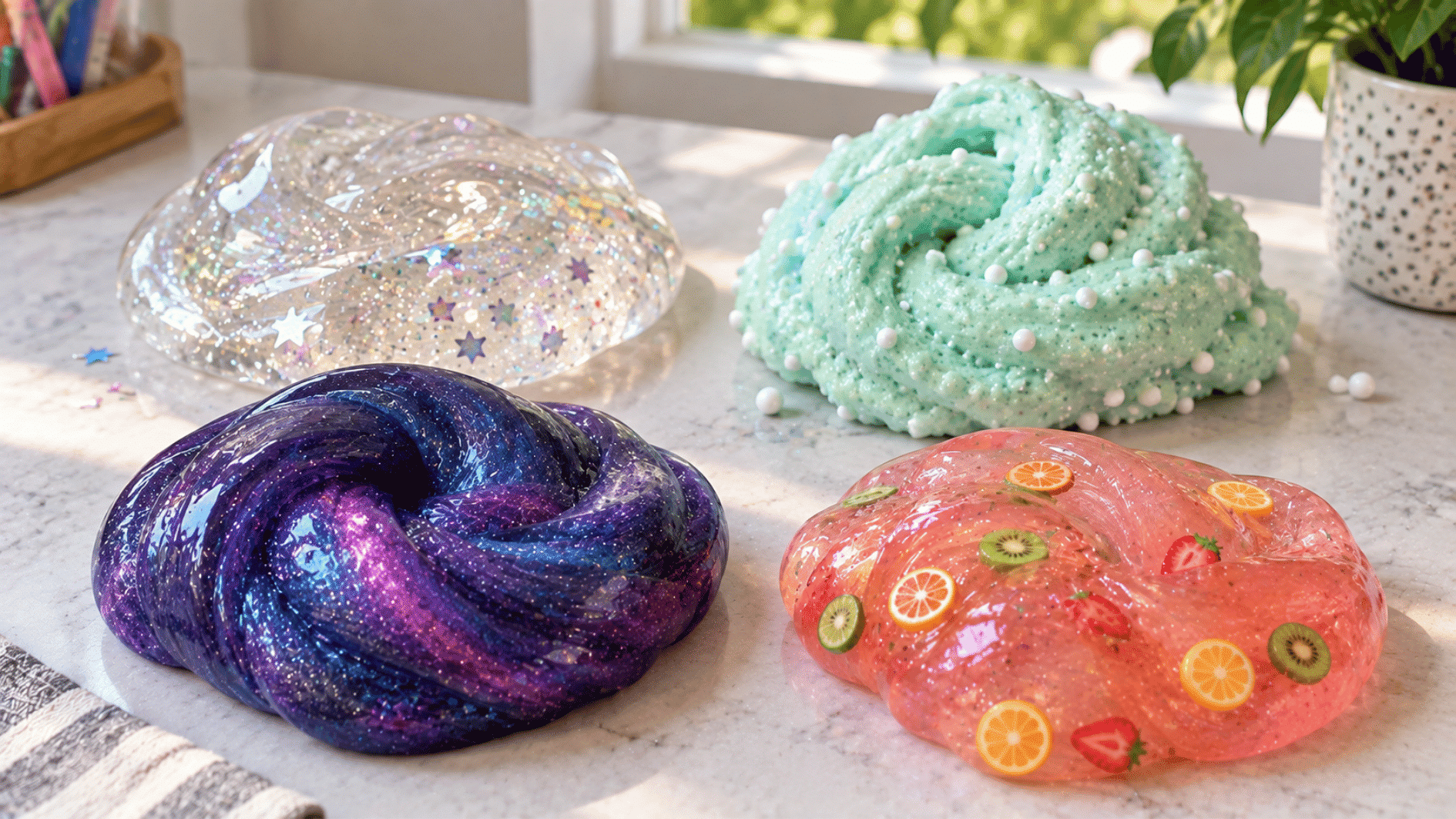
Slime may look like a simple squishy toy, but the texture can change the whole experience. Some batches feel airy and soft, while others are thick, glossy, crunchy, or packed with add-ins that create completely different sensations.
Learning about the different types of slime can make those differences easier to notice. This blog compares popular slime textures, features, and handling differences.
What Makes Different Slime Textures Feel Different?
Slime texture changes because small ingredient differences can completely change how it feels in your hands. If you want to make slime at home, understanding the balance between the slime base and activator helps you control stretch, thickness, softness, and bounce.
Extra ingredients can change the texture even more. Clay can make slime feel denser, air can make it lighter, and small add-ins can create more texture or resistance when you squeeze and stretch it.
The way slime is mixed also matters. Even two batches made with similar ingredients can feel different depending on how much they’re kneaded, stretched, or allowed to rest before play- the same rule that applies to working any material by hand.
Popular Types of Slime and Their Textures
Different types of slime have their own look, feel, and way of moving during play. The biggest differences often come from the base, added materials, and how each slime reacts when stretched, pressed, or folded.
1. Fluffy Slime
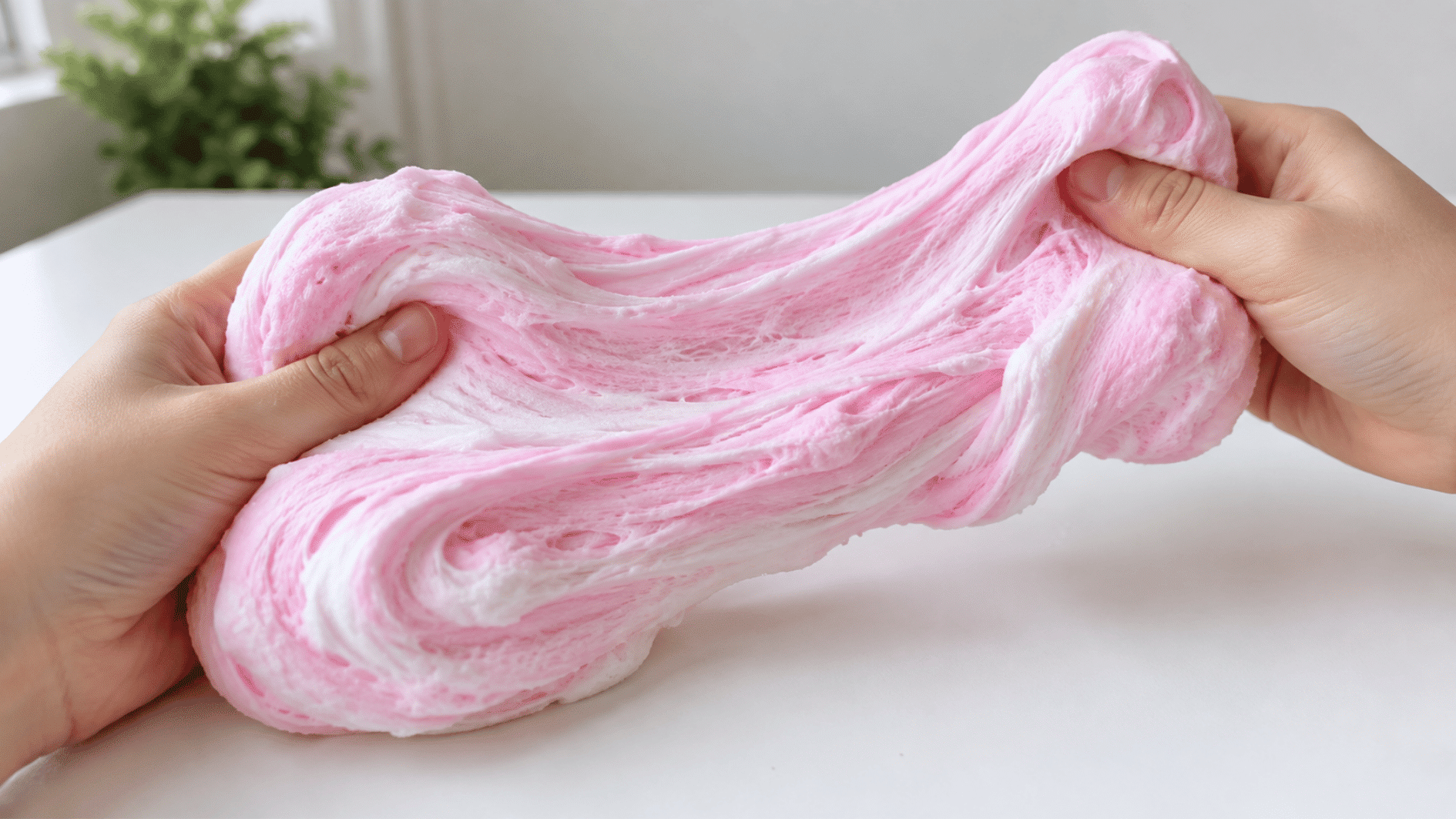
Fluffy slime feels light, airy, and soft, with a puffy texture that makes it fun to squeeze and stretch. It feels less dense than regular slime and often looks fuller because of the extra volume in the base.
- Stretch: Pulls easily but may lose some puffiness after repeated play
- Best For: Soft and gentle sensory play
- Appearance: Looks fuller and more expanded than regular slime
- Handling: Feels light in the hands and is easy to squeeze
2. Butter Slime
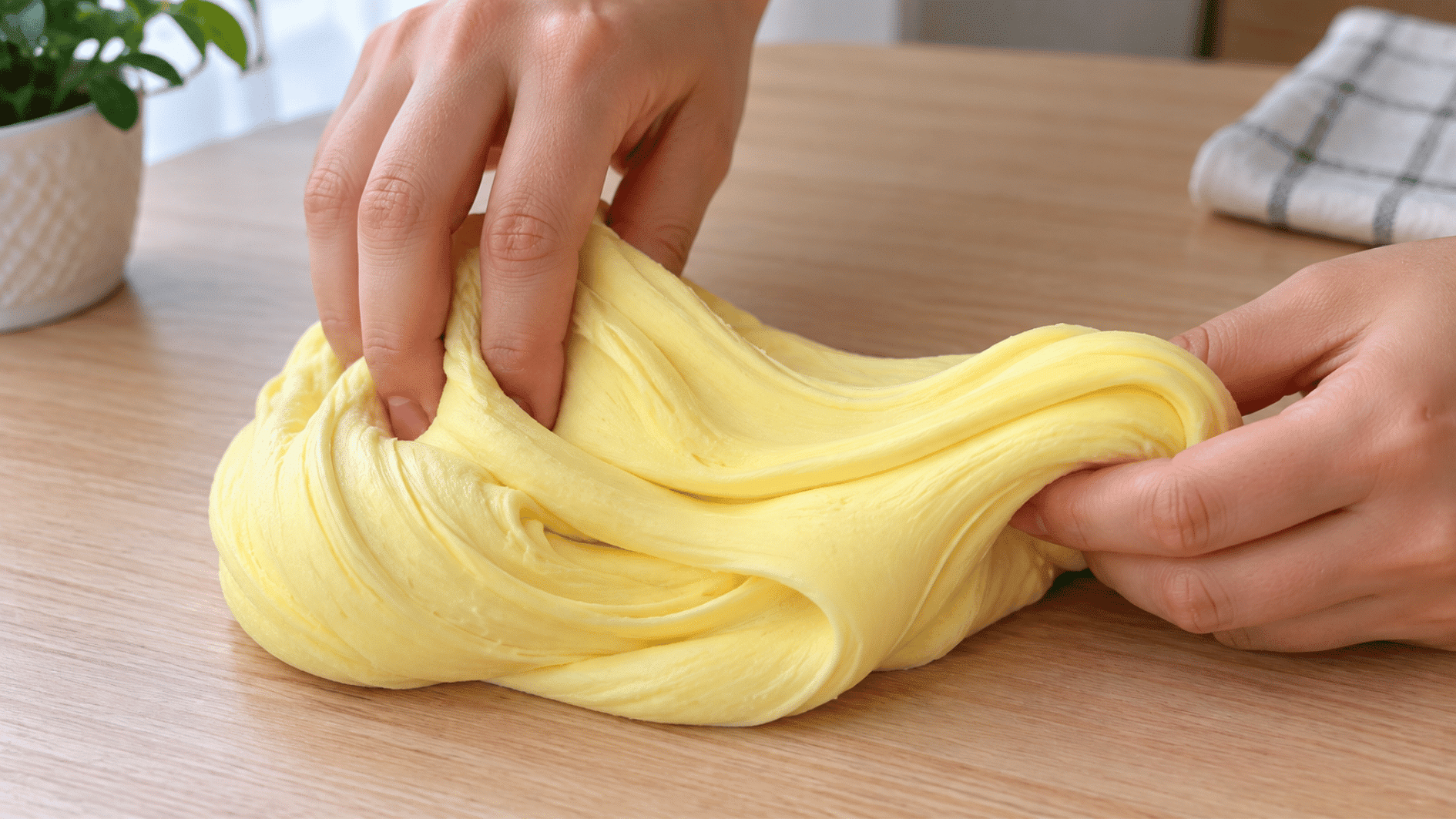
Butter slime has a smooth, clay-like consistency that feels soft under the fingers. It spreads across a flat surface easily and can be folded back together without much resistance.
- Movement: Spreads slowly instead of snapping back quickly
- Shape: Can hold simple forms for a short time
- Best For: Flattening, folding, and shaping by hand
- Sound: Usually quieter than crunchy or bead-filled slime
3. Clear Slime
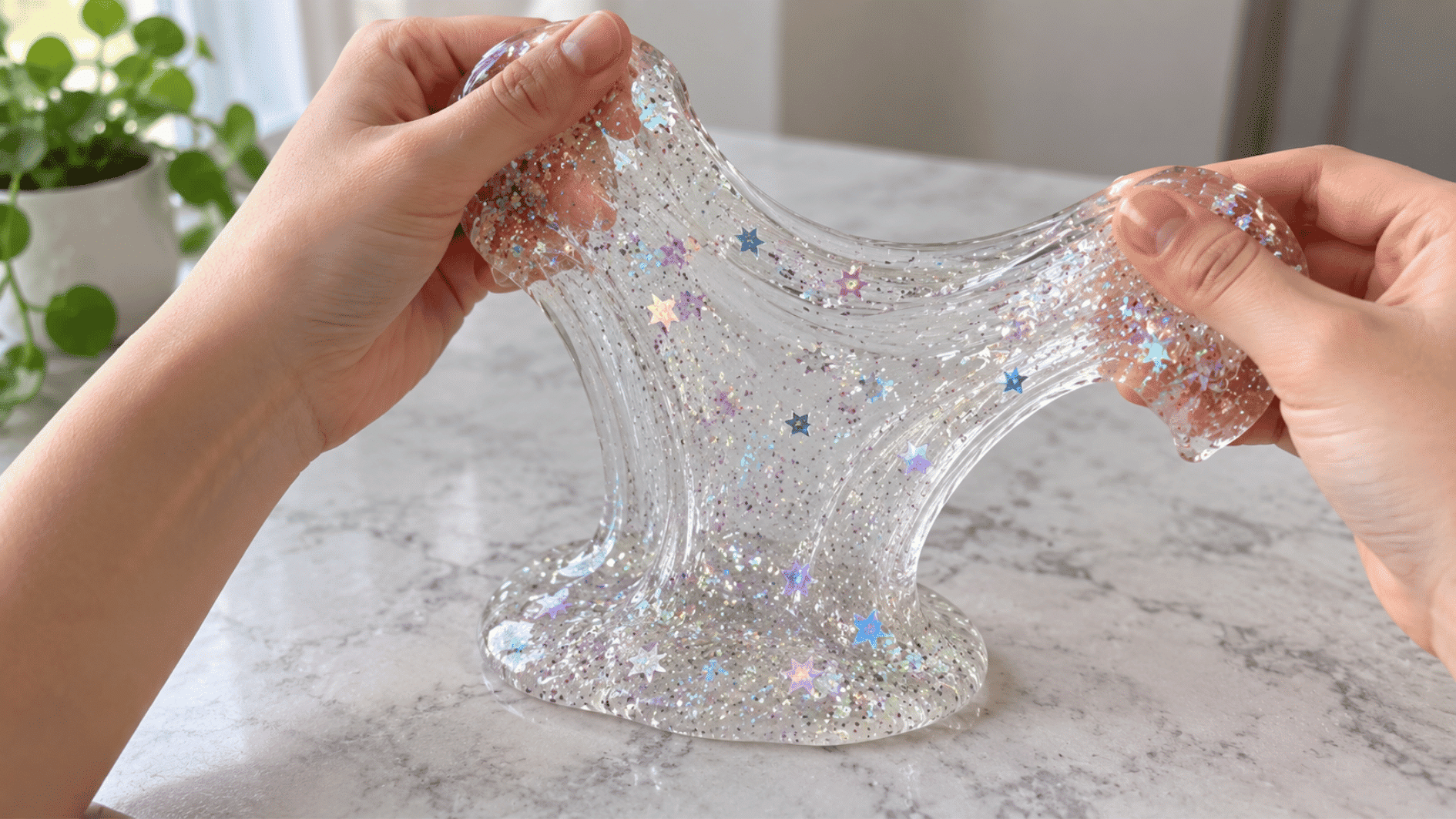
Clear slime has a transparent base that can look almost glass-like when bubbles have settled. It has a clean appearance that makes decorative pieces inside the slime easy to see.
- Add-Ins: Works well with glitter, charms, and small decorations
- Bubble Change: Can turn cloudy after repeated play as air enters the base
- Visual Appeal: Often chosen for its see-through finish
- Resting Time: Becomes clearer again when left untouched for a while
4. Thick and Glossy Slime
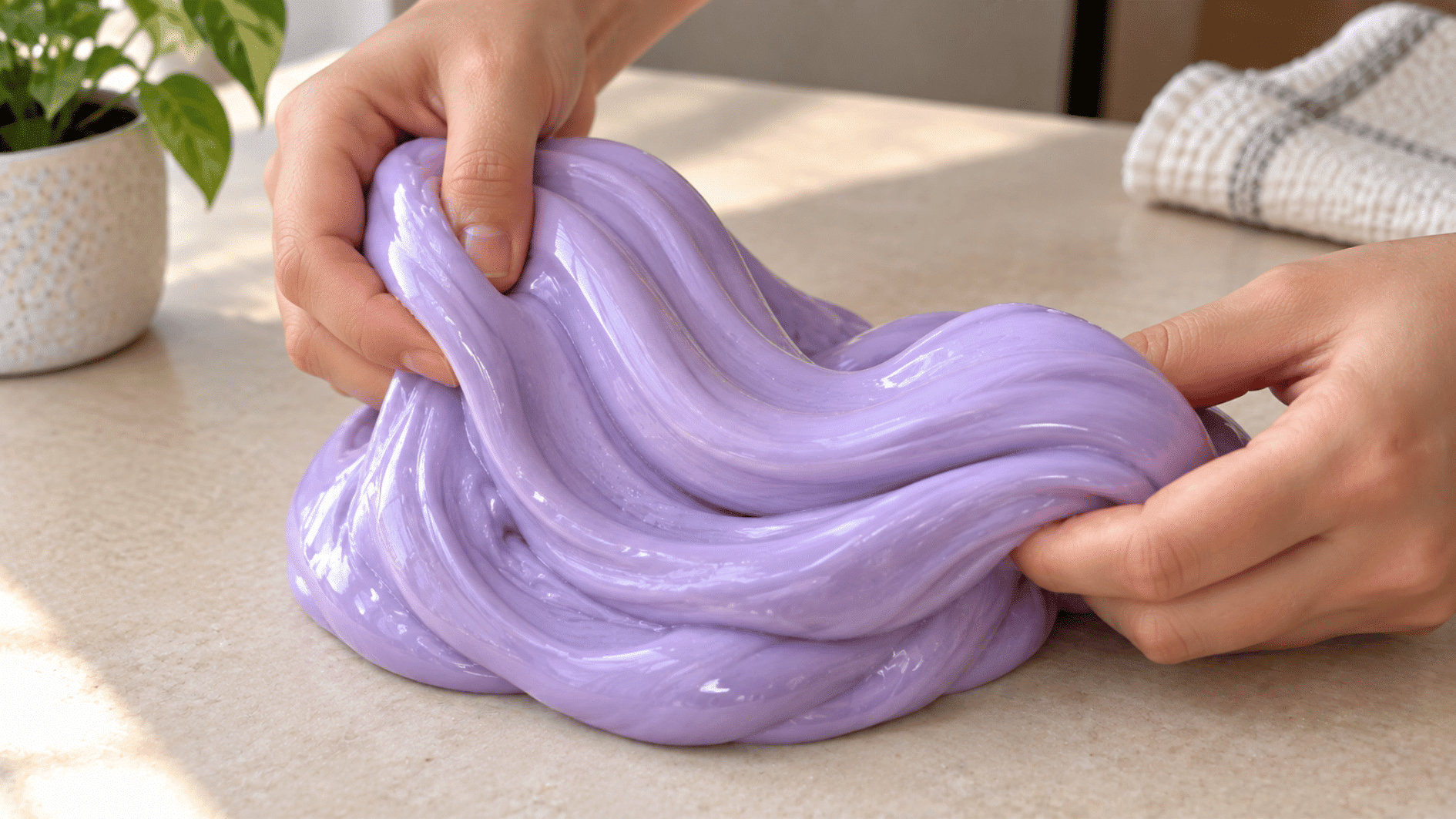
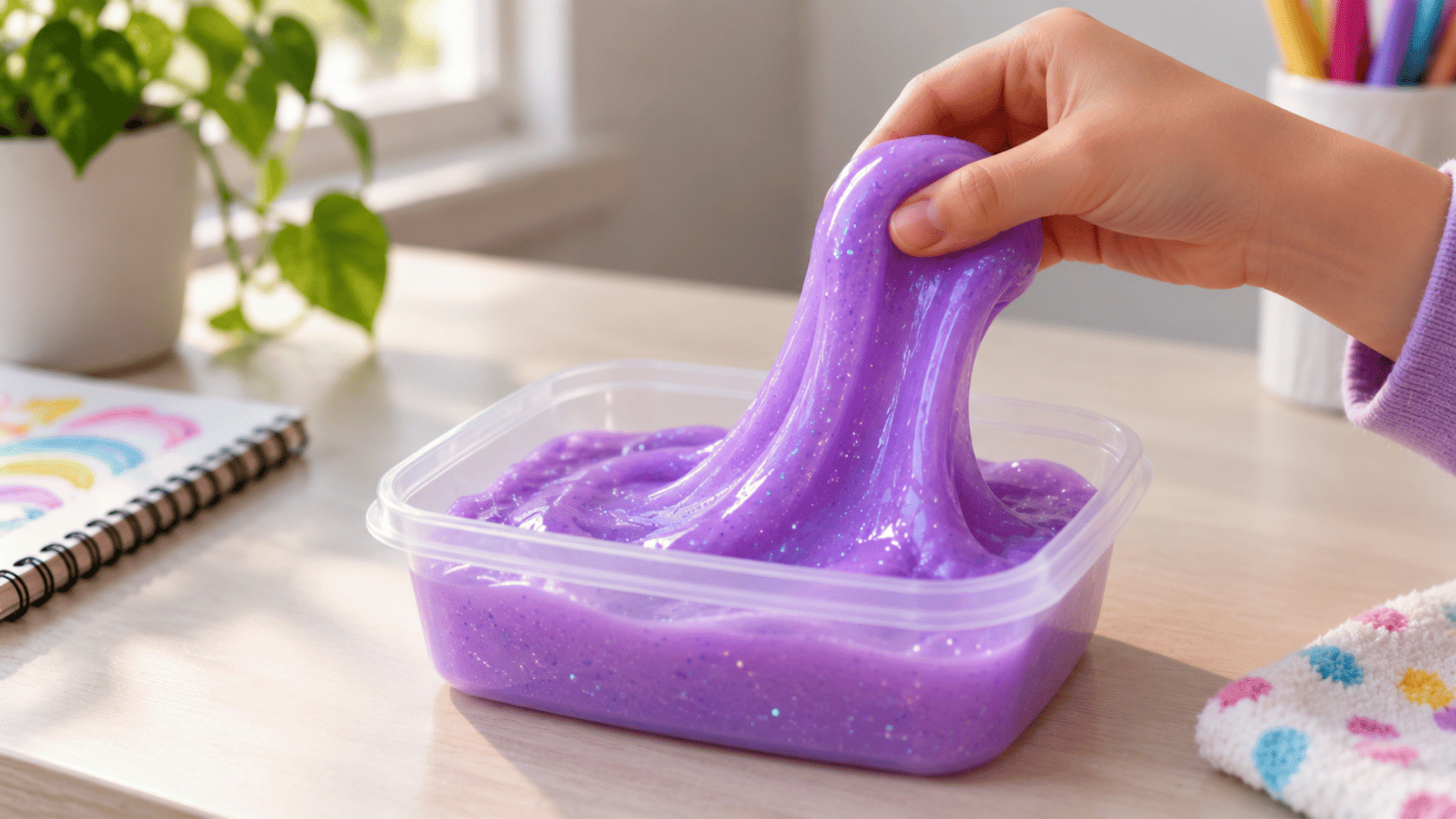
Thick and glossy slime has a heavier consistency and a smooth, polished surface. It gives more resistance during stretching, which creates a firmer feel in the hands.
It’s usually the version people mean when they say “regular slime,” and it’s a reasonable starting point if you’ve never handled slime before.
- Sound: Often makes deep pops when trapped air is pressed
- Handling: Feels more substantial than lighter slime bases
- Best For: Strong stretches and bubble-making play
- Movement: Pulls more slowly and holds together well
5. Cloud Slime
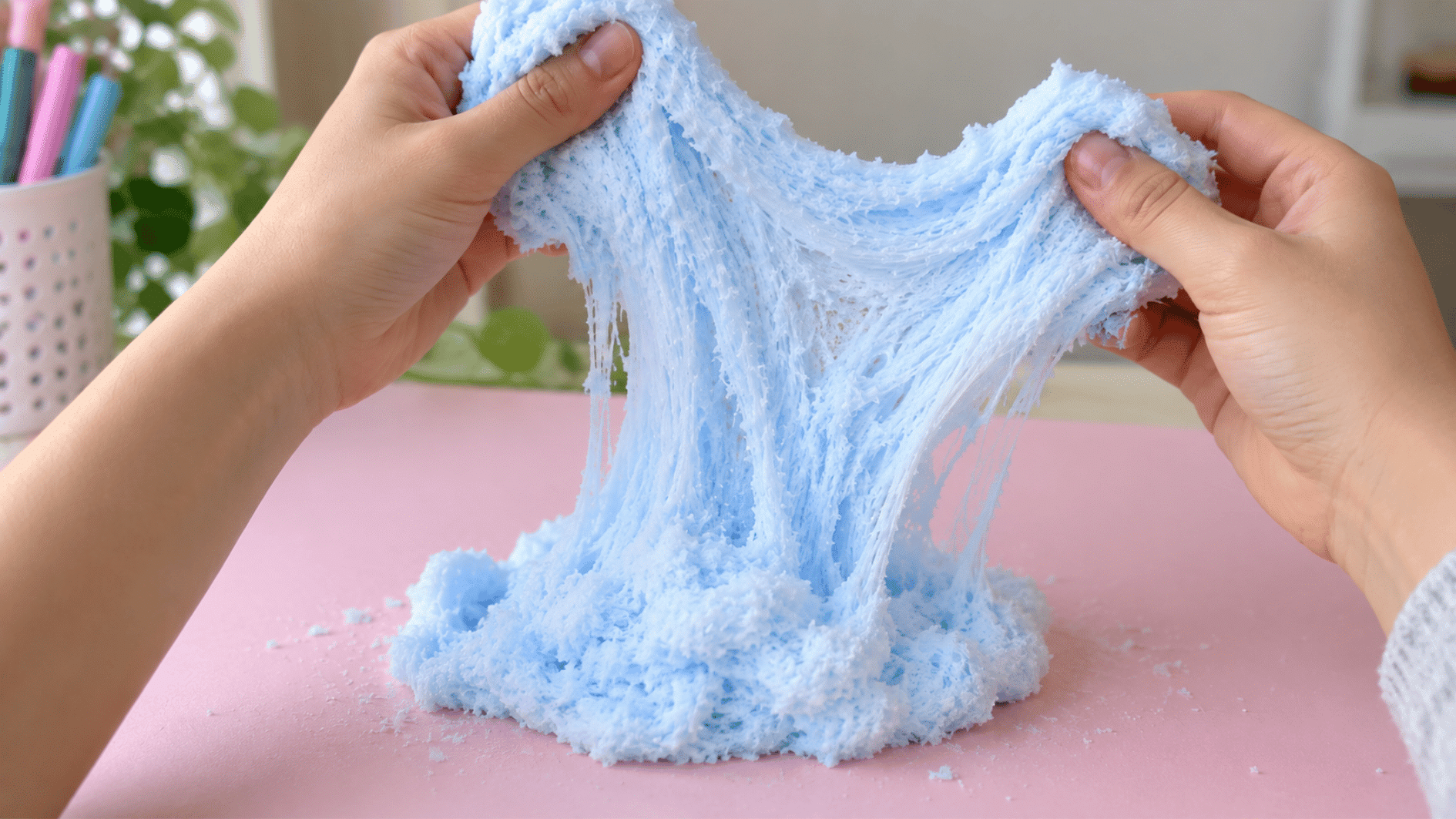
Cloud slime has a soft, snow-like consistency that separates into fine strands when pulled apart. Its light structure gives it a flowing movement that looks different from standard stretchy slime.
- Signature Effect: Creates a soft drizzle when stretched correctly
- Handling: Works best with slow and steady pulling
- Appearance: Often looks fluffy and slightly fibrous
- Mess Level: Small snow-like pieces may shed from some batches
6. Icee Slime
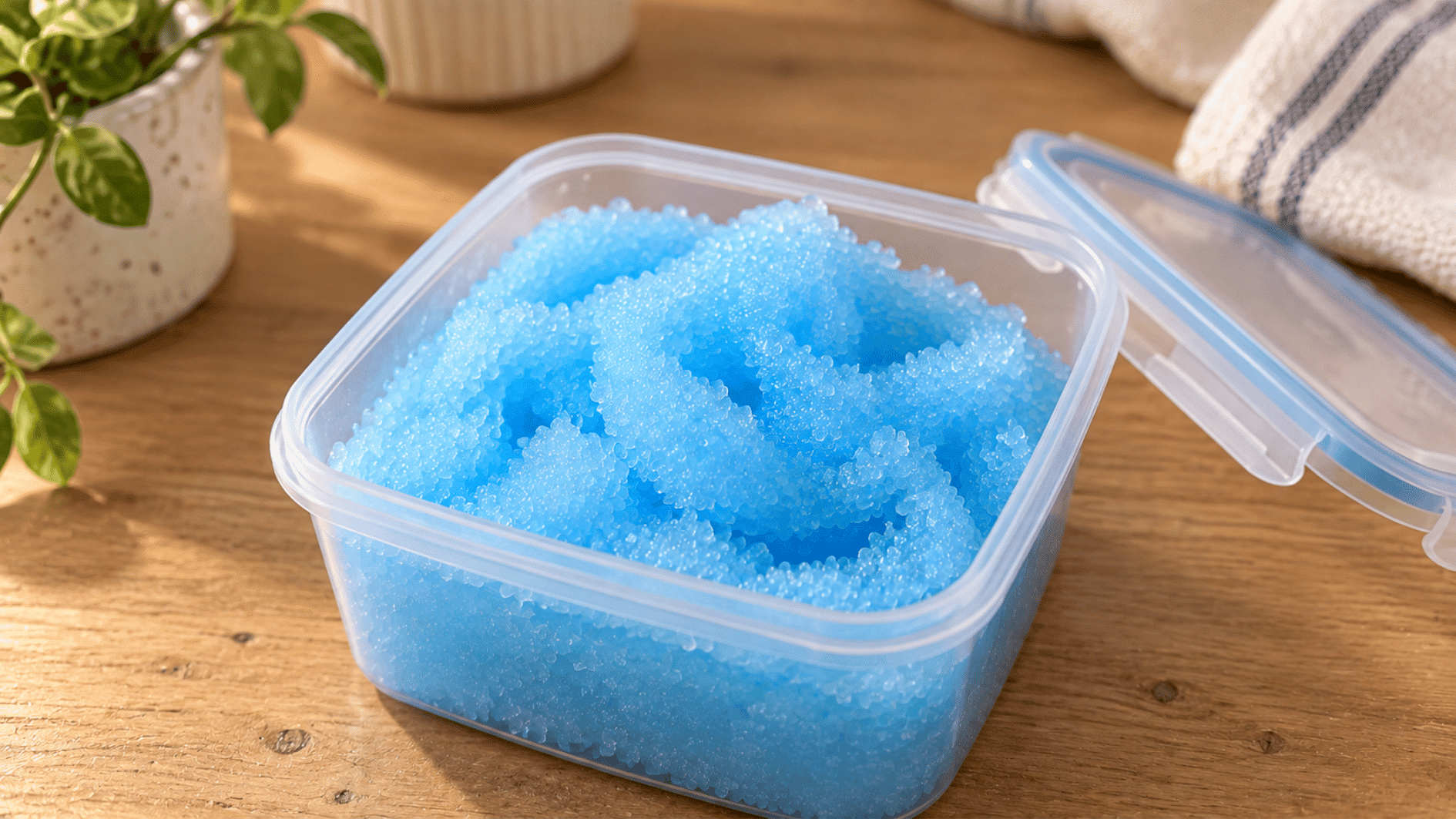
Icee slime has a soft, slushy consistency that can look slightly wet without releasing liquid. It usually feels cooler and more compact than cloud-style textures.
- Finish: Often has a frosted or icy-looking surface
- Movement: Falls back together instead of creating a long drizzle
- Best For: Squeezing and folding rather than wide stretching
- Feel: Has a soft, damp-like touch without being watery
7. Jelly Slime
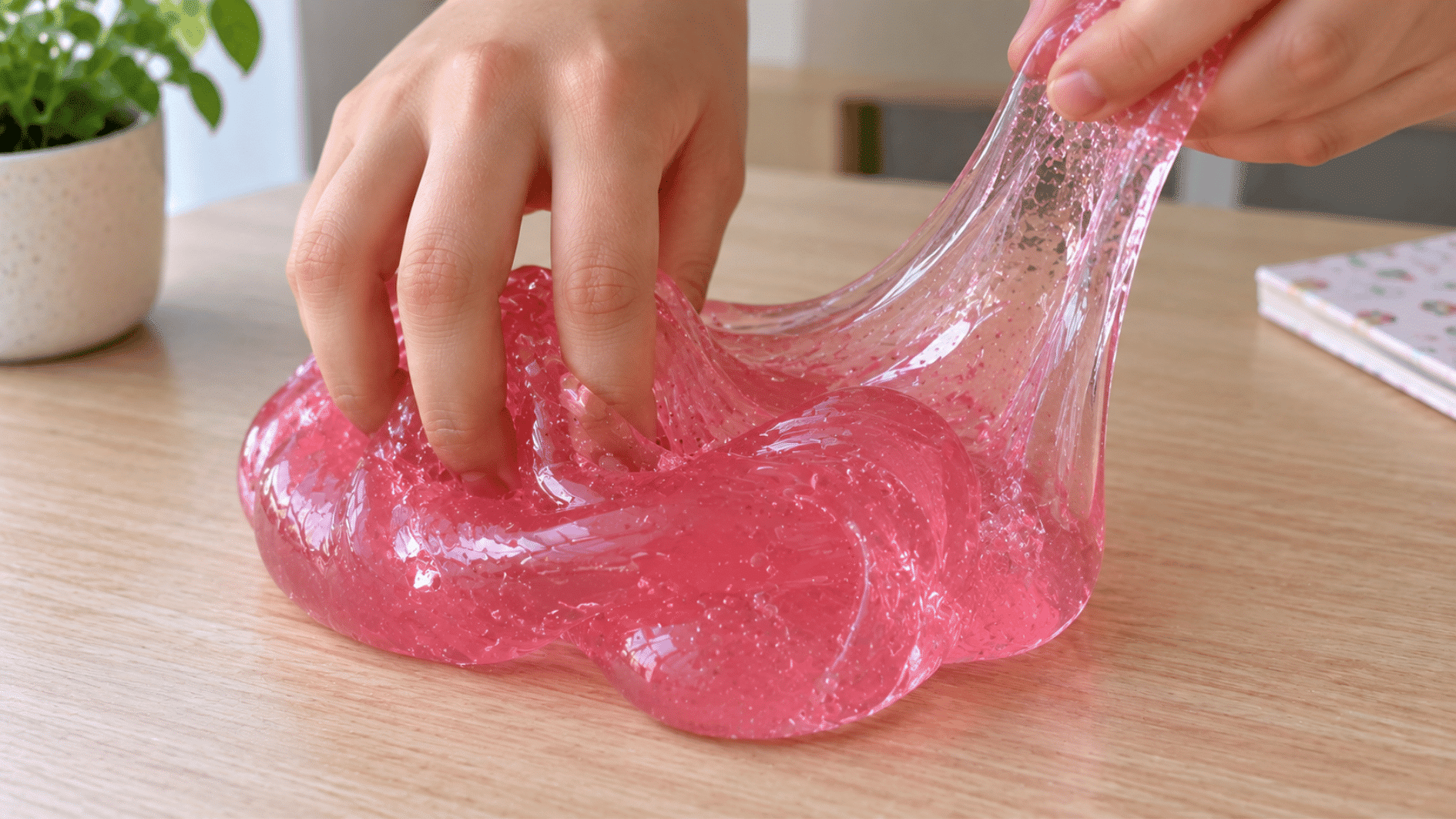
Jelly slime has a full, gel-like consistency that feels plump when squeezed. Its base usually has a slightly translucent appearance and a soft bounce during handling.
- Pressure Feel: Gives a cushioned response when pressed
- Appearance: Often looks juicy or swollen
- Best For: Slow pokes and deep squeezes
- Stretch: Pulls with more weight than a basic clear slime
8. Floam Slime
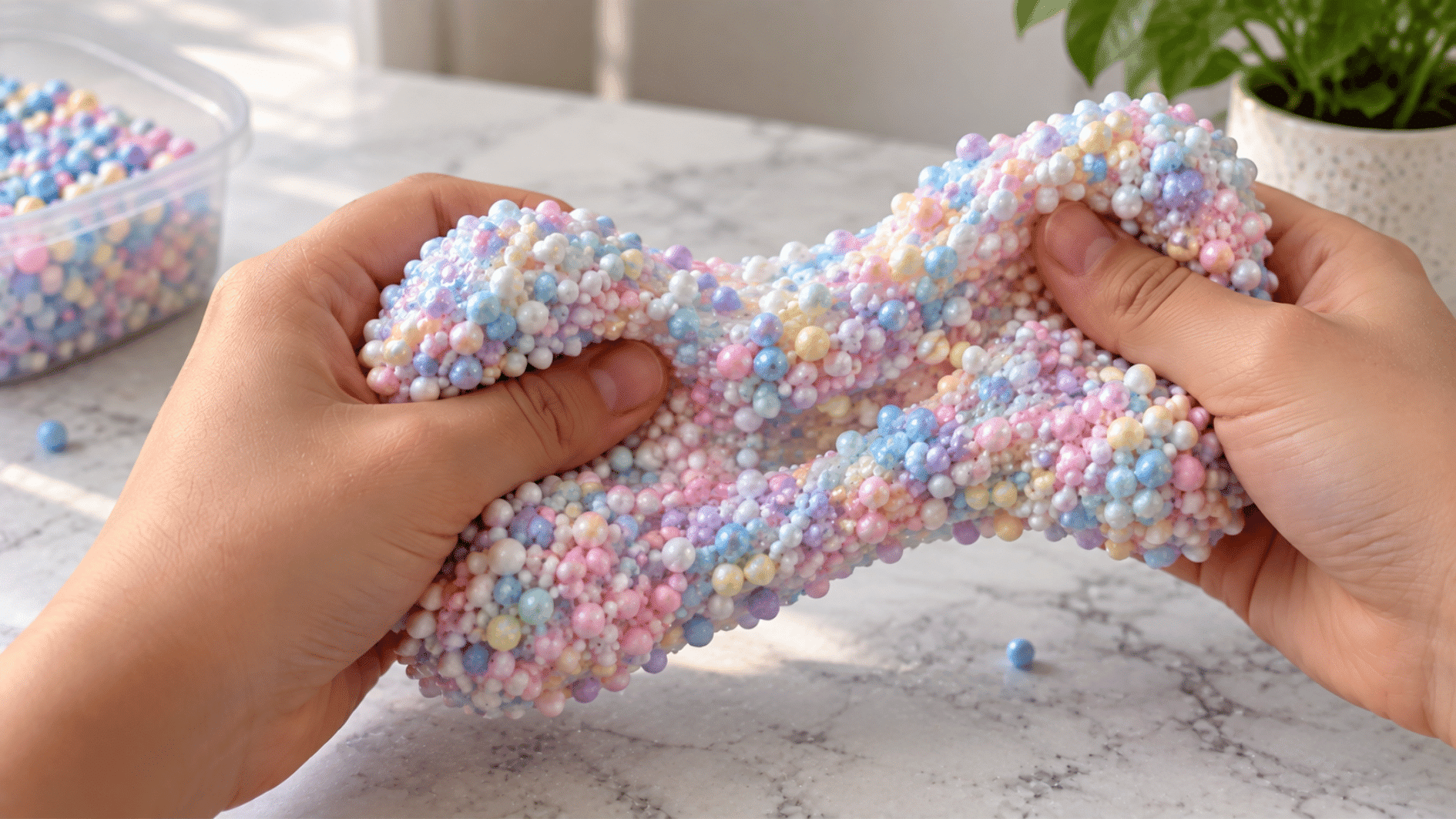
Floam slime contains many lightweight foam beads mixed throughout the base. The beads create a bumpy surface and give the slime more structure when it is held or shaped.
- Sound: Produces soft crackles and pops during pressing
- Shape Control: Can be packed into small forms more easily
- Surface Feel: Feels uneven because the beads stay noticeable
- Grip: The beads give the slime a firmer hold in your hands
9. Bingsu Slime
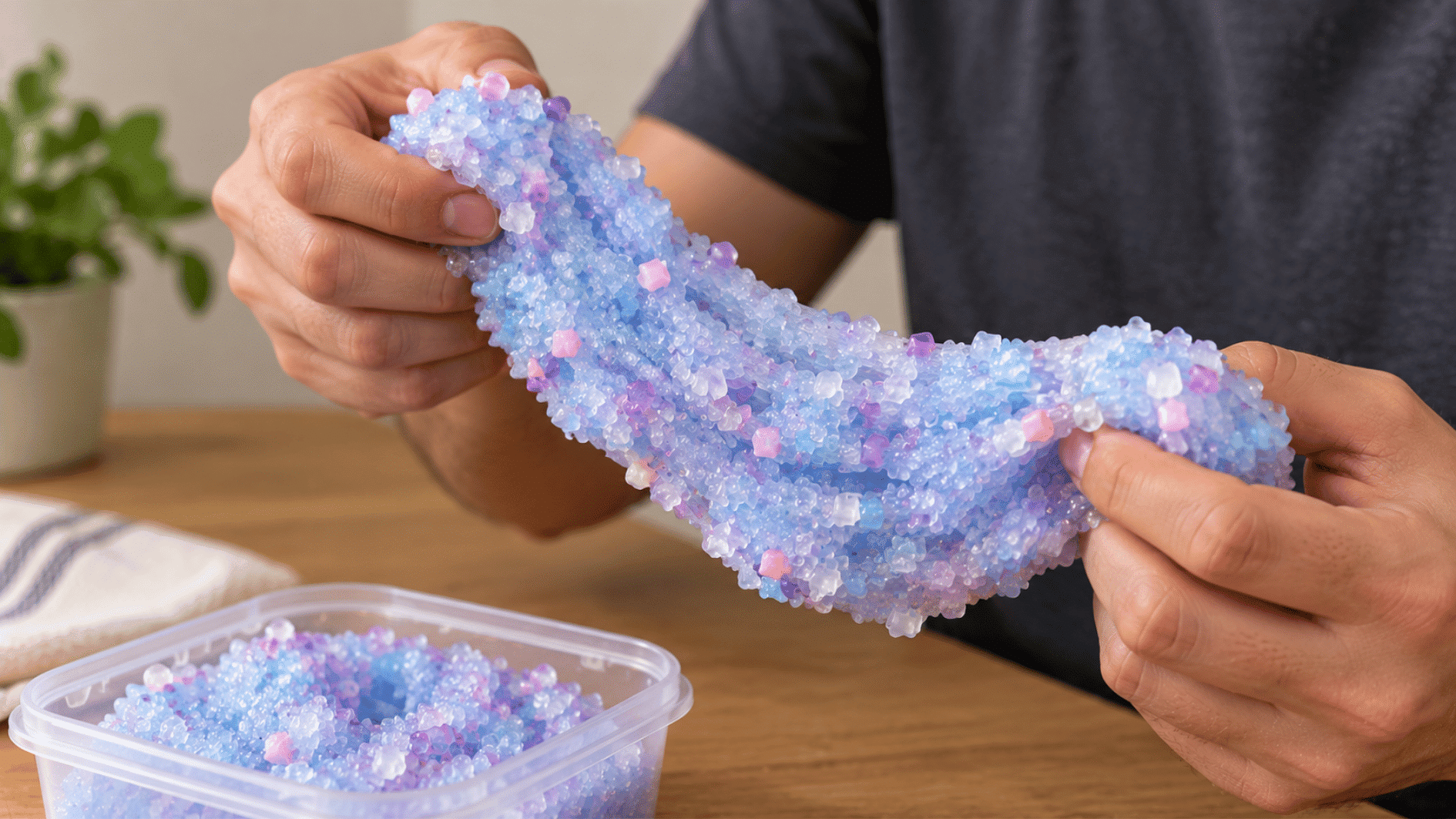
Bingsu slime is filled with lightweight plastic pieces that create a sharper sensory feel. The pieces move against each other when you fold the slime, creating a stronger tactile effect.
- Sound: Known for crisp and louder crunching noises
- Texture Level: Feels more intense than foam-bead slime
- Best For: People who enjoy highly textured sensory play
- Pressure: Gives noticeable resistance when squeezed tightly
10. Snow Fizz Slime
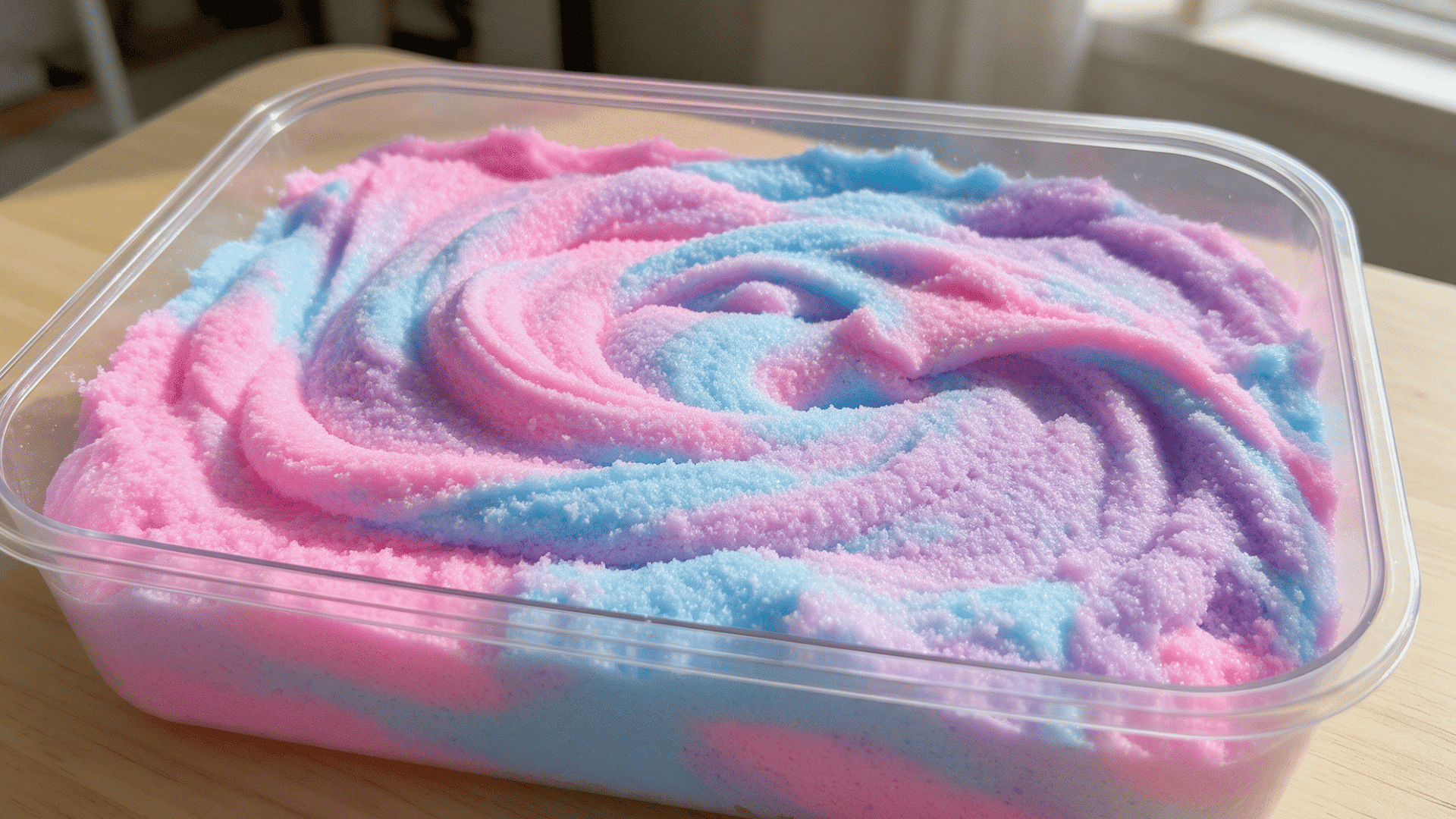
Snow fizz slime contains fine artificial snow particles that give it a sandy, slightly rough consistency. The texture feels more grainy than soft or glossy slime bases.
- Sound: Can make a light sizzling or fizzy noise
- Resistance: Feels firmer when pulled because of the fine particles
- Best For: Rubbing, pressing, and textured stretching
- Surface: Has a fine gritty feel that stays noticeable during play
11. Avalanche Slime
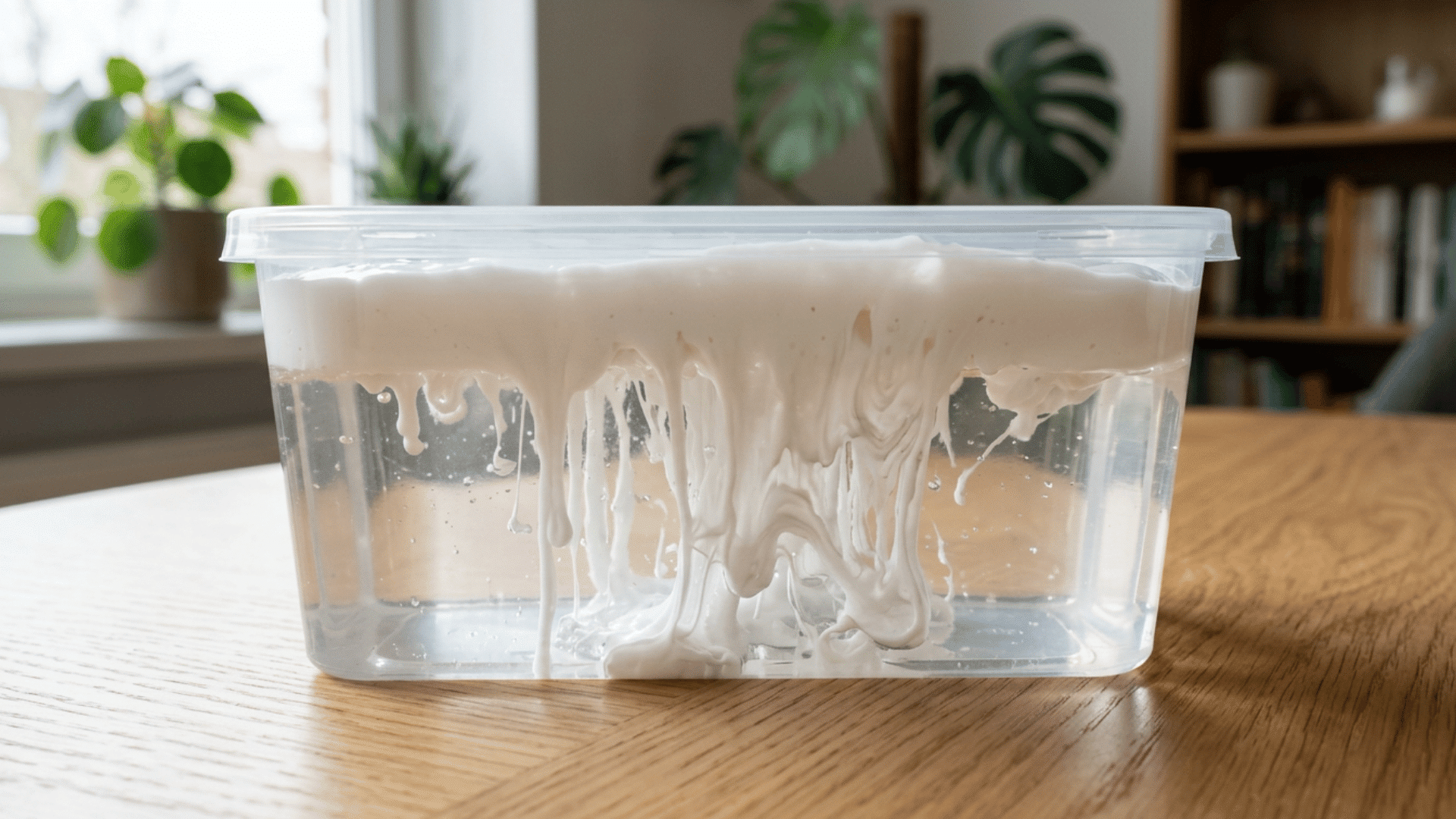
Avalanche slime layers clear slime under a heavier white or colored slime on top, so the top layer slowly sinks and spreads through the clear base; the effect looks like a slow-motion landslide.
- Signature Effect: The “avalanche” happens as the top layer sinks through the clear base over several stretches
- Handling: Takes practice to layer correctly, which is why it’s usually rated for more experienced slime handlers
- Best For: Slow, deliberate stretching rather than fast play
- Appearance: Marbled, almost glass-and-cloud look
How to Store Different Types of Slime?
Different slime formulas can react differently to heat, air, and long storage. This table shows the main care concern for each type without repeating how the slime feels or plays.
|
Slime Types |
Main Storage Concern |
Helpful Care Tip |
|---|---|---|
|
Fluffy, Butter, Cloud, Bingsu, Snow Fizz |
Air exposure can cause shrinking, drying, or fallout |
Keep tightly sealed and close the container soon after play |
|
Thick and Glossy, Jelly, Icee |
Heat can make the slime sticky, loose, or affect moisture |
Store in a cool, dry place at a steady room temperature |
|
Clear Slime |
Dust and debris are easy to see |
Handle with clean hands and keep covered between uses |
|
Floam Slime |
Foam beads may separate from the base |
Keep the lid secure and store the container flat |
|
Avalanche Slime |
Layers can mix or lose their separated look |
Handle gently and store the container upright |
Why Slime Texture Changes Over Time
Slime does not always stay exactly the same after it is made or opened. A few outside factors can change its consistency, even if the recipe itself hasn’t changed.
- Temperature: Warm conditions can make slime softer and stickier, while colder temperatures may make it firmer and harder to stretch.
- Air Exposure: Leaving slime uncovered can cause moisture to escape, which may make the texture tougher or drier.
- Frequent Handling: Oils, dirt, and moisture from your hands can slowly affect the slime base and change how it behaves.
- Activator Balance: Too much activator can make slime stiff, while too little can leave it loose and overly sticky.
- Added Ingredients: Clay, beads, snow, glitter, and other add-ins can absorb moisture or change the way the slime moves over time.
- Storage Conditions: Poorly sealed containers can speed up drying and cause the slime to lose its original consistency.
A Note on Safety: Most slime uses non-toxic ingredients, but supervision still matters. Small beads or foam pieces can be choking hazards, and some activators may irritate skin. Check labels or recipe instructions, and supervise children under six during slime play.
Final Thoughts
Once you start noticing texture, stretch, sound, and movement, the different types of slime become much easier to tell apart. Some feel light and airy, while others are thick, glossy, grainy, or packed with crunchy add-ins.
Try a few different slime types, compare how they feel, and find the texture you enjoy playing with most.
Frequently Asked Questions
What Is Crunchy Slime?
Crunchy slime is a broad texture category made with add-ins that create noticeable crackles, pops, or roughness during play.
Can One Slime Fit More Than One Texture Category?
Yes, a slime can combine different bases and add-ins, giving it qualities associated with several texture categories at once.
Are Slime Texture Names Always Standardized?
Not completely; similar slime textures may have slightly different names depending on the maker, ingredients, or added materials.