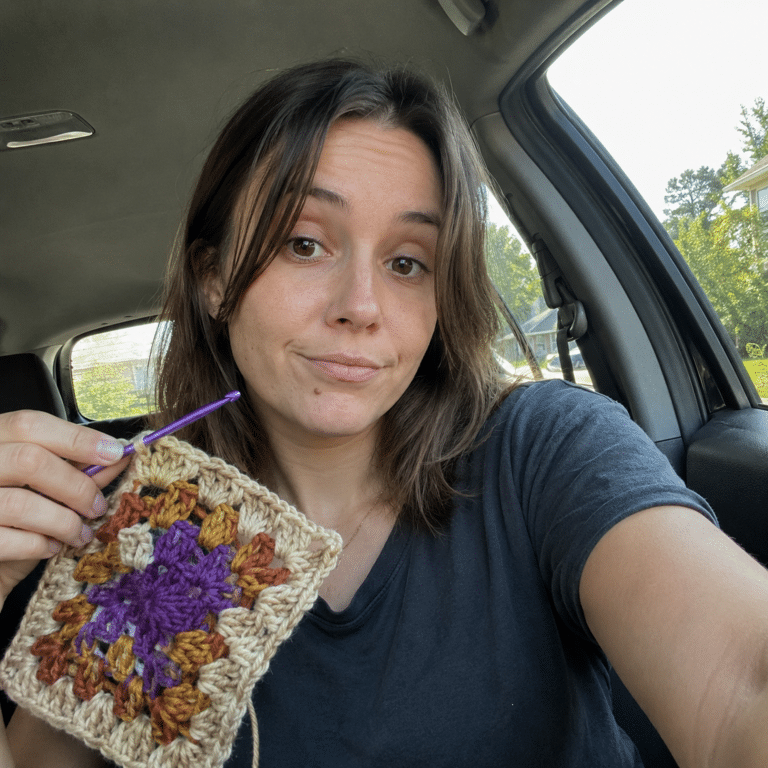
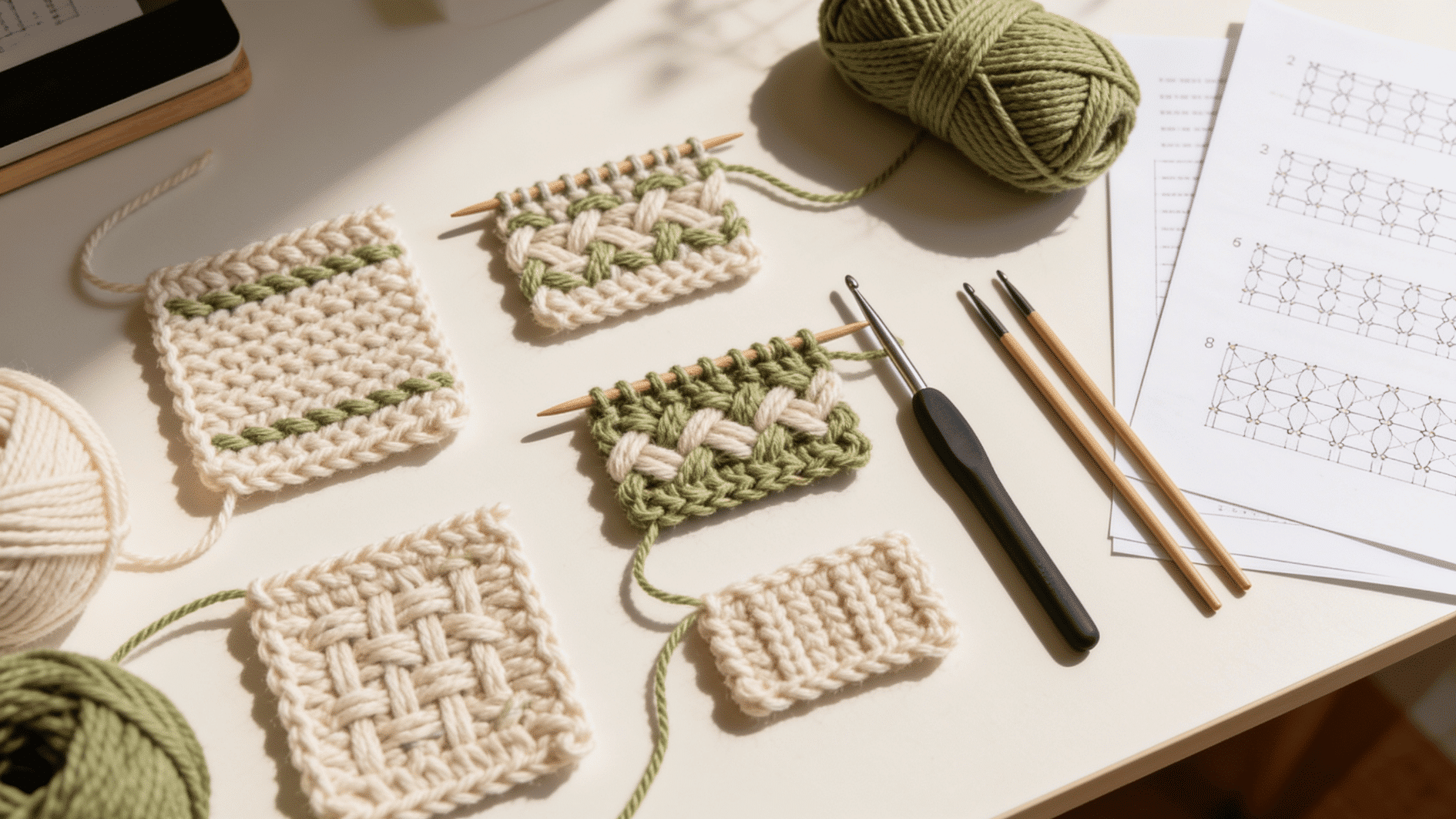
Same yarn, same afternoon, two very different crafts. One person hooks their scarf into shape with a single hook; the other threads it between two needles.
That’s crochet vs knit in a nutshell, and it’s the fork in the road that stalls beginners before their first stitch. But it really just comes down to a person’s hands and what they actually want to make at the end of it.
And for anyone sitting there wondering, “Okay, but is it easier to knit or crochet?”, this blog answers that straight, no dancing around it.
It walks through the stuff that actually matters when choosing, how easy each one is to pick up, how fast they go, yarn usage, and what each craft is genuinely good at, so a beginner can learn which one to reach for.
What is the Difference Between Crochet and Knit?
Before you can pick, it helps to know what sets these two crafts apart, because the difference shapes everything else.
Crochet uses a single hook and works one live loop at a time. You pull each new stitch through the last before moving on, so there’s only ever one loop in play.
Knitting uses two needles and keeps a whole row of live stitches spread across them at once, like a line of loops waiting their turn.
That one structural difference decides how each fabric feels. Crochet stitches are tight little knots, so the fabric comes out thick, firm, and sturdy, perfect for things that need to hold a shape.
Knit stitches are smooth, interlocking Vs, so the fabric turns out soft, stretchy, and drapey, the kind you see in store-bought sweaters. Same yarn, same goal, two very different results.
Is It Easier to Knit or Crochet?
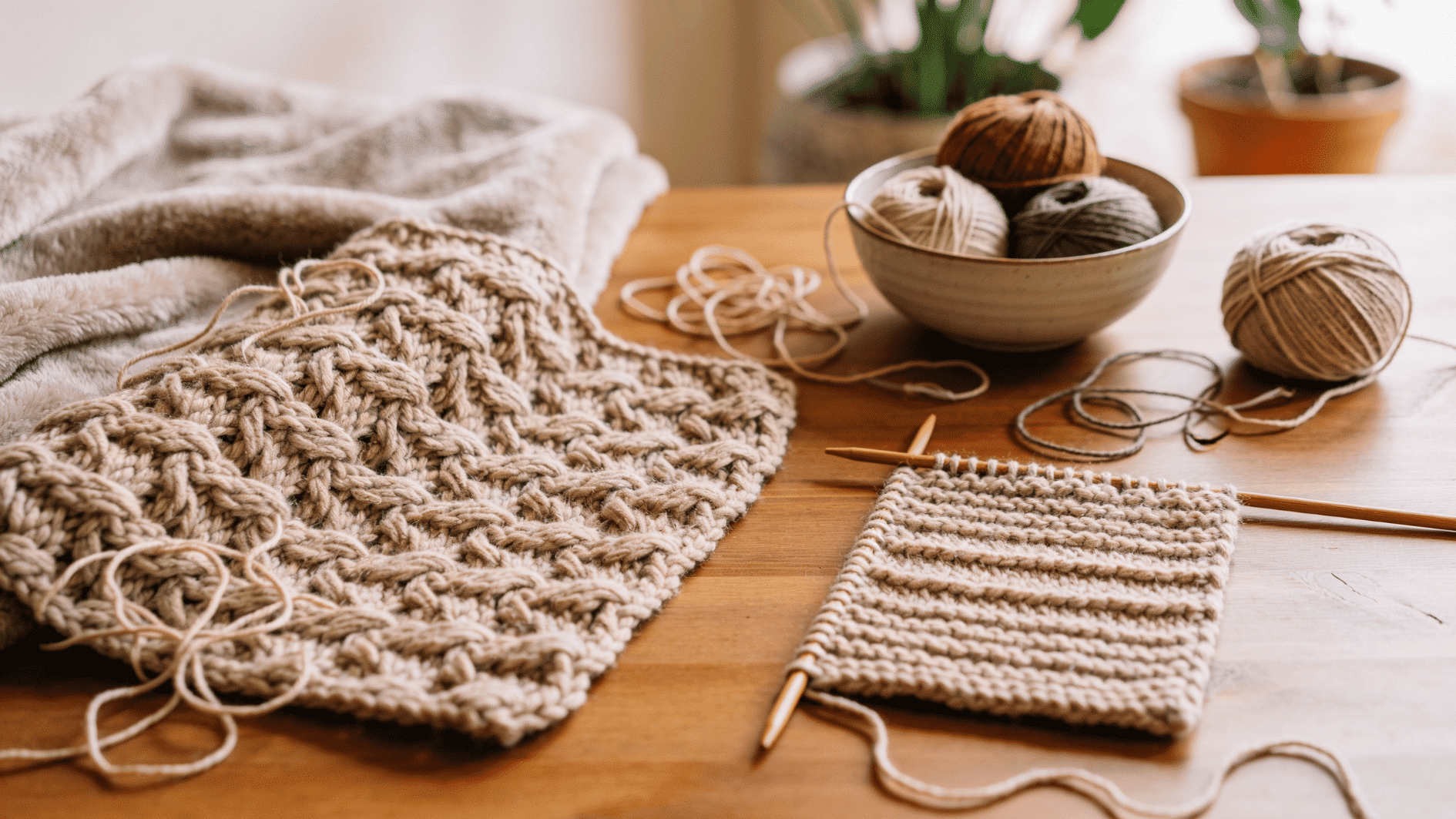
Let’s answer the big question directly: for most beginners, crochet is easier to learn. There, no suspense.
The reason is simple. Crochet uses one hook and one active loop, so there’s less to juggle and far less that can unravel while you’re still figuring things out.
Knitting spreads a whole row of live stitches across two needles, which takes more coordination before it starts to feel natural. Neither is truly hard, but the first few hours lean in crochet’s favor.
Why Crochet Feels Easier at First
A few things make crochet the gentler starting point:
- One loop, low stakes. Only a single stitch is ever active, so a mistake means pulling back one loop instead of watching a whole row slip away.
- Simple recovery. Frogging (undoing your work) is quick and forgiving, which takes the fear out of experimenting.
- Fewer tools to manage. One hook means nothing slides off the end while you pause to check a video.
- Fast, visible progress. Bigger stitches build up quickly, so you feel like you’re getting somewhere in your first session.
Where Knitting Catches Up
Crochet’s head start doesn’t last forever. Once your hands learn the rhythm, knitting becomes just as intuitive, and it offers a few things crochet can’t:
- A soothing rhythm. The repeated two-needle motion becomes almost meditative once it clicks.
- Finer results. Knitting produces the smooth, even fabric that looks professionally made.
- Muscle memory pays off. After the first tricky evening, most people find the basic knit stitch second nature.
So if the only thing you care about is a smooth start, crochet wins the ” is it easier to knit or crochet ” contest. If you’re willing to spend one patient evening learning, knitting rewards you soon after.
Speed and Yarn Used for Crocheting vs. Knitting
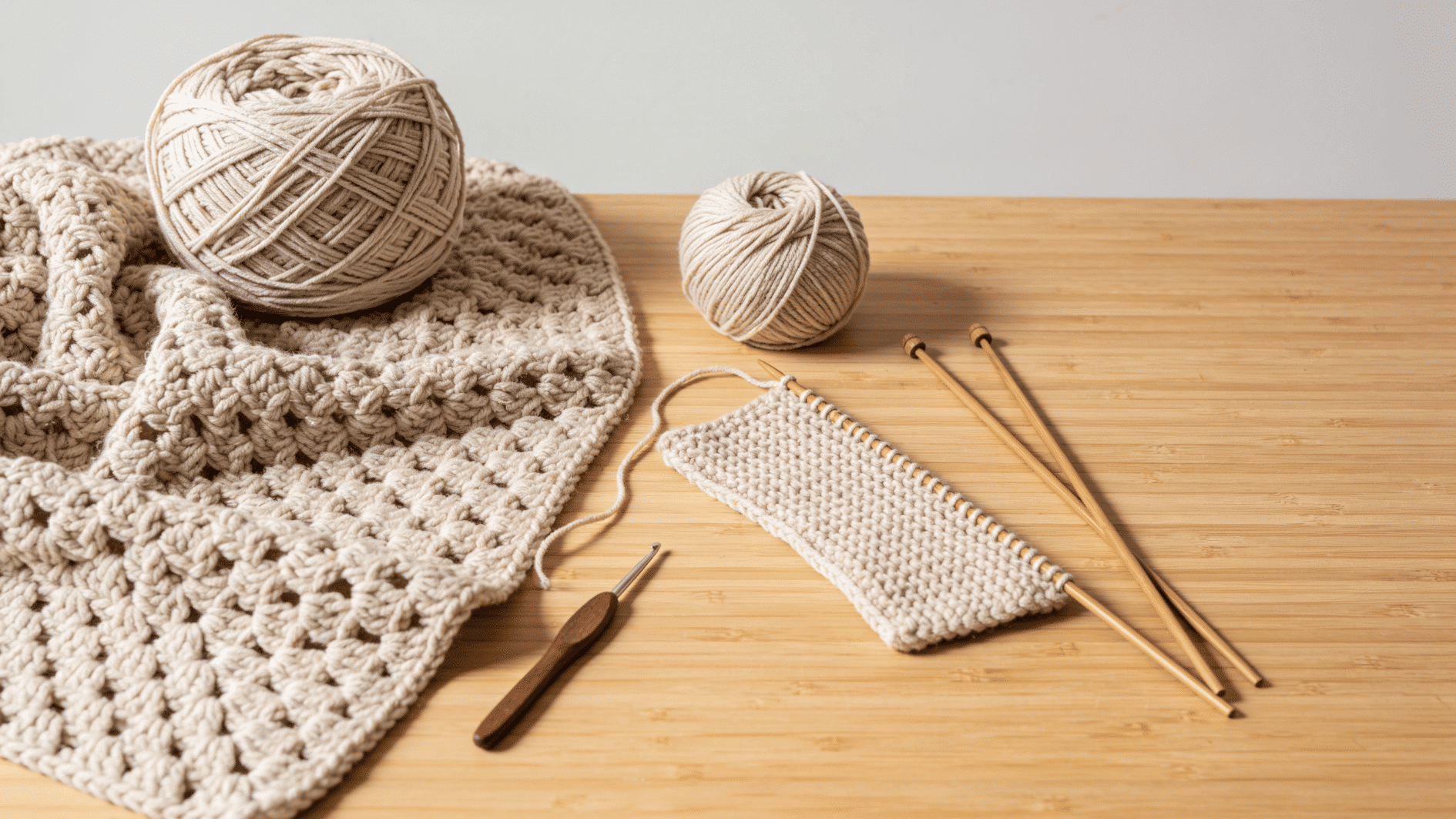
This is where the crochet vs. knit debate gets surprising, because these two factors pull in opposite directions.
Crochet is the fastest craft. Its stitches are taller and chunkier, so each hook movement covers more ground. But that speed has a cost, and the cost is yarn.
So crochet finishes sooner but empties your yarn basket faster. Knitting does the opposite: it takes longer but makes every skein go further.
| Factor | Crochet | Knitting |
|---|---|---|
| Working speed | Faster, each stitch covers more space, so fewer stitches finish the job | Slower; smaller stitches need more passes to cover the same area |
| Yarn use | Uses about 25–30% more yarn for the same size | More economical; thinner, tighter fabric stretches each skein further |
| Fabric feel | Thick, firm, warm, and less stretchy | Thin, soft, stretchy, and quick to lose its shape |
| Best for | Structured pieces made on a deadline | Soft, fitted pieces where yarn budget matters |
Keep in mind these shift with your hook or needle size and yarn weight. Chunky yarn on a big hook flies either way, so treat this as a rule of thumb, not a law.
Which Craft Suits Your Project Better: Crochet or Knitting?
Neither craft is objectively better, because “better” depends entirely on what you’re making. Each tool has a home turf where it shines and a territory where it turns clumsy.
1. Best Crochet Projects
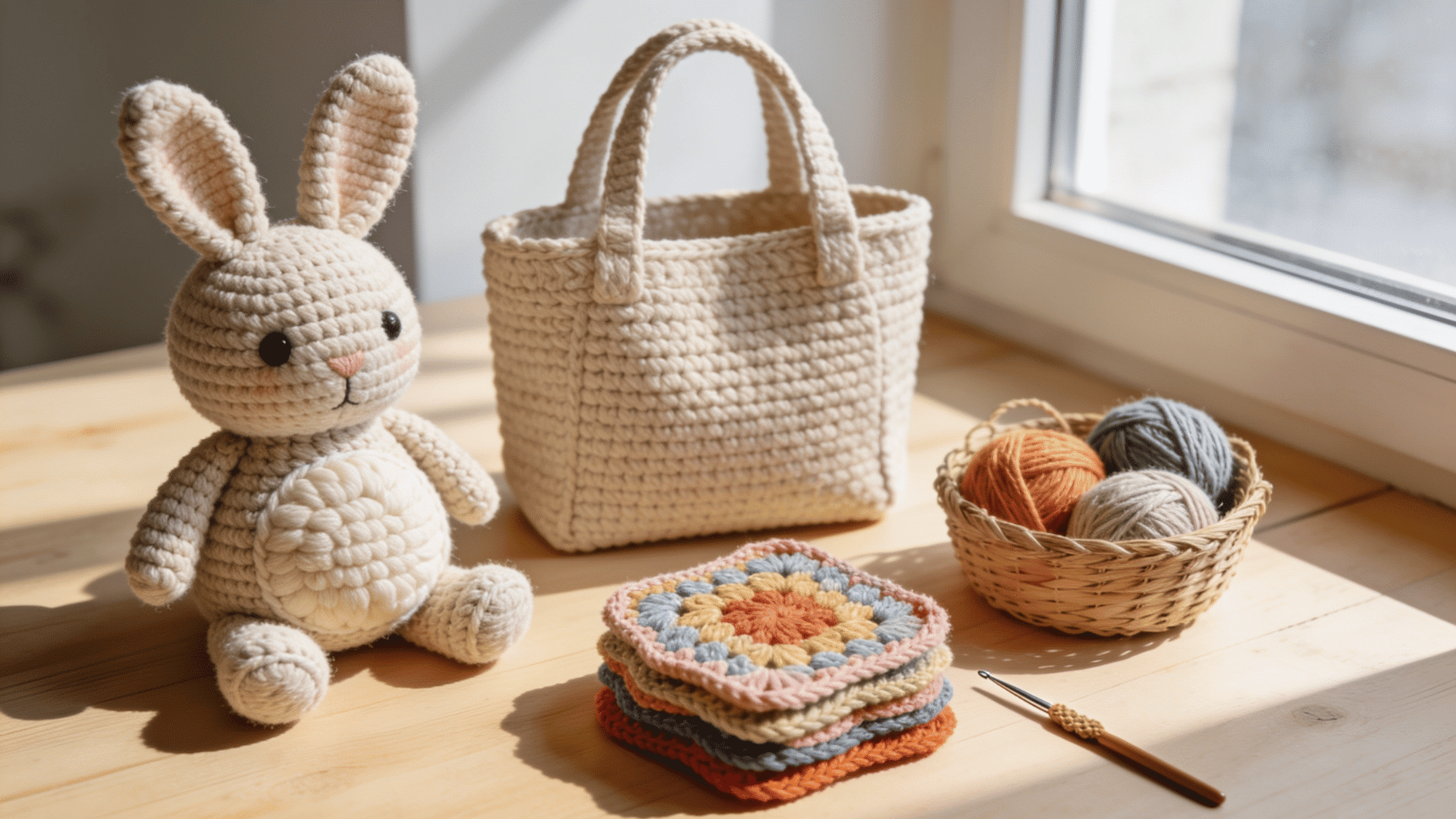
Crochet owns anything that needs to stand up on its own. The stitches are dense and firm, so they hold structure the way knitting simply can’t, which makes the hook the right tool whenever a project has shape, walls, or a defined edge.
- Amigurumi: Those round little stuffed animals depend on crochet, because the tight stitches trap stuffing without gaps and hold a plump, defined shape.
- Tote bags and baskets: The firm fabric won’t sag under a load of groceries, and basket walls stay upright on a shelf instead of flopping over.
- Coasters and placemats: Dense stitches lie flat and resist curling, so they sit neatly on a table without fighting you.
- Granny-square blankets: Built from small, portable squares you can stitch on the couch, on the bus, or in a waiting room, then join at the end.
- Home décor: Hanging plant holders, decorative bowls, and wall pieces lean on crochet’s structural backbone to keep their form.
2. Best Knitting Projects
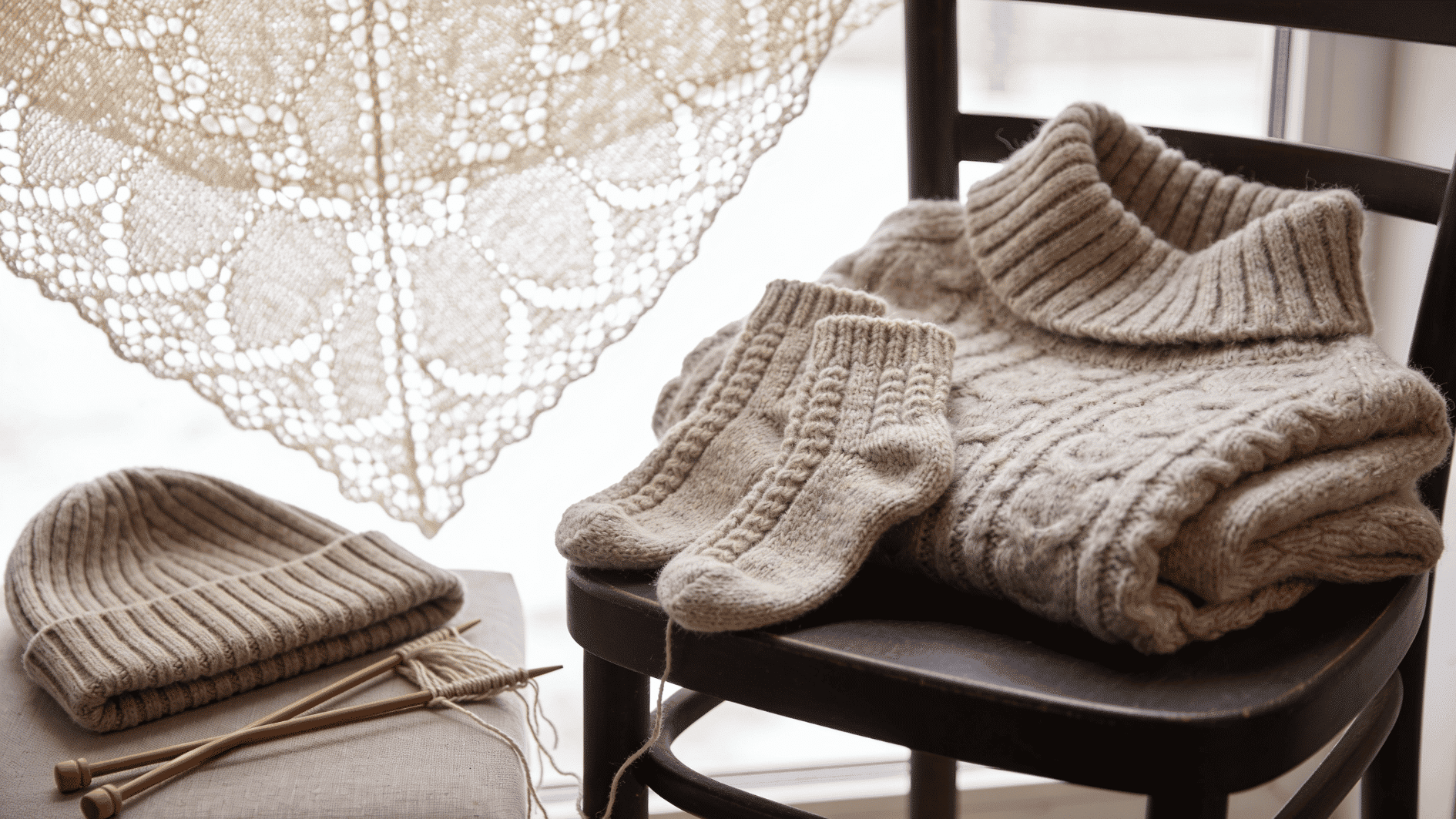
Knitting rules the things you actually wear against your skin. Its fabric stretches and springs back, giving you softness and movement that crochet struggles to match, which is exactly why the needles dominate the wearable side of the crochet vs knitting divide.
- Sweaters: Knit fabric stretches and recovers, hugging the body while still allowing you to move and breathe comfortably all day.
- Socks: That natural elasticity keeps them snug around your ankle instead of sliding down into your shoe.
- Lace shawls: Thin yarn worked into openwork shows off knitting’s airy, delicate side, turning a simple skein into something almost woven.
- Baby clothes: The gentle drape sits softly against sensitive skin without adding bulk or stiffness.
- Cozy hats: They stretch to fit a range of head sizes, a small mercy when you’re gifting and only guessing at measurements.
3. Projects that Work with Both Crocheting & Knitting
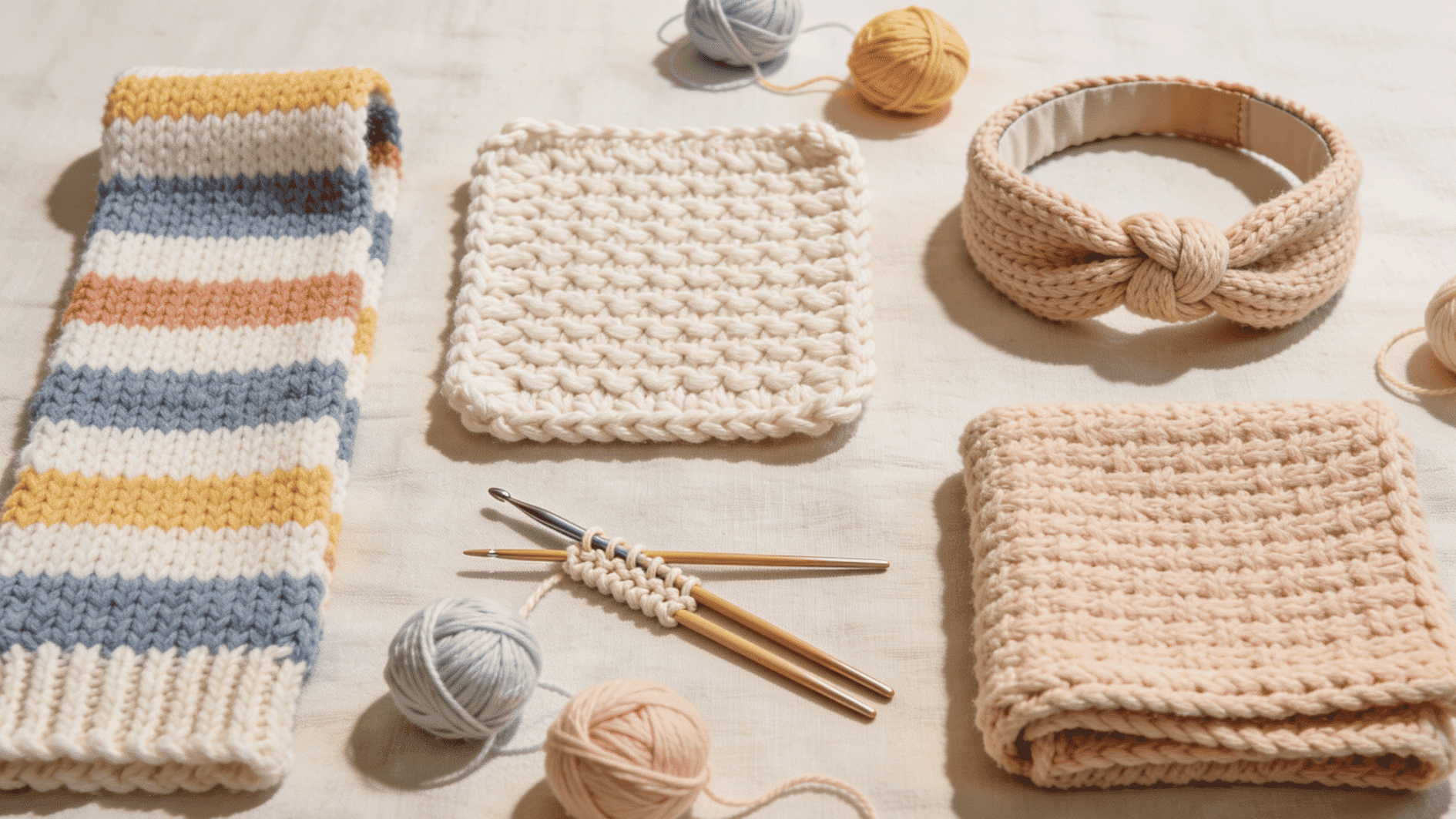
Some projects are forgiving no matter which tool you grab, and these make the best first attempts while you figure out which craft suits you.
They skip shaping, fitting, and fiddly techniques, so you can focus purely on rhythm and tension. Try these before you commit to a side in the crochet vs knitting question:
- Scarves: The eternal starter project, just long rectangles with no shaping to fuss over, giving you room to find your rhythm.
- Dishcloths: Small, fast, and genuinely useful, and nobody minds if the edges come out a little wobbly while you practice.
- Headbands: A quick, satisfying win you can finish in a single afternoon, whichever tool you pick up.
- Simple blankets: Let you settle into a calm, meditative groove without wrestling with any tricky stitches.
Is It Worth Learning Both Knitting and Crochet?
Honestly, yes, if the bug bites. Learning both is the smartest long game, because each craft covers the other’s weak spots. Knitting hands you soft sweaters; crochet hands you sturdy bags.
Once you know both, you stop picking sides and start choosing the right tool for each project. The skills also feed each other.
Even tension in one craft makes it steadier in the other, and a crochet hook is a knitter’s best friend for rescuing a dropped stitch.
Most people start with whichever caught their eye, get comfortable, then wander over to the other when a project calls for it.
How to StartCrocheting & Knitting as a Beginner
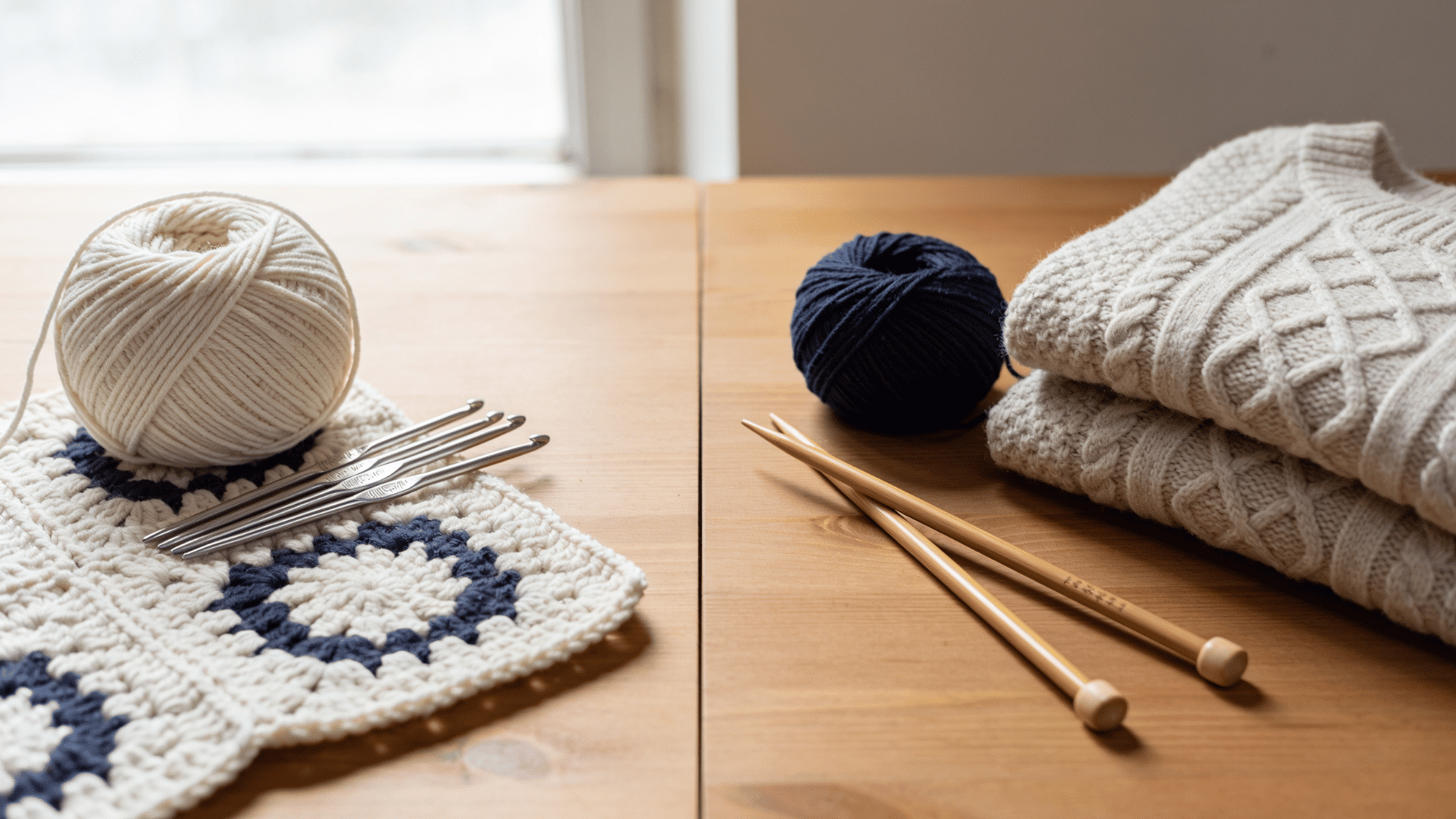
Ready to actually make something? The setup is refreshingly simple, and it’s nearly the same whether you land on crochet or knitting.
- Pick beginner-friendly supplies. Choose a smooth, light-colored yarn in a medium weight. Add a 5mm hook for crochet or a pair of similar-sized knitting needles.
- Learn the crochet basics first (if you chose the hook). Master the slip knot, the chain stitch, and the single crochet. Those three alone are enough to make a scarf or a dishcloth.
- Learn the knitting basics first (if you chose the needles). Get comfortable casting on, working the knit stitch, and binding off.
- Start with one small project. A dishcloth is perfect for either craft: quick, useful, and forgiving of wobbly edges. Finishing one small thing teaches you more than half-starting five big ones.
- Keep your tension relaxed. Gripping the yarn too tightly is the top reason beginners’ hands ache, and stitches turn out cramped, so loosen up.
- Watch a video when you’re stuck. Seeing a motion once often beats reading it ten times, especially for tricky steps a written pattern can’t quite capture.
Learn the crochet basics first if you choose the hook. Start with the slip knot and chain stitch, then practice a beginner-friendly stitch, such as the half double crochet. These basics are enough to start a scarf, a dishcloth, or a small blanket.
Conclusion
So, crochet vs. knit, which one wins? Neither, and that’s the point.
If you want a smooth, forgiving start and projects that hold their shape, crochet is your craft, and it’s the clear answer to “is it easier to crochet or knit.”
If you’re after soft, stretchy, wearable pieces and don’t mind one patient evening of practice, knitting pays you back beautifully.
The only real mistake is standing in that craft aisle forever, waiting for the perfect choice. Grab a hook or a pair of needles, pick a simple scarf, and let yourself make something a little lopsided.
Your future self, wrapped in something handmade, will thank you.
Frequently Asked Questions
Do I Need Different Supplies for Crochet & Knitting?
You’ll Need Separate Primary Tools Since Crochet Uses a Single Hook and Knitting Uses Two Needles, but Everything Else Works Interchangeably Across Both Crafts.
Is Crochet or Knitting Better for People with Hand or Wrist Pain?
Many Crafters with Joint Issues Find Crochet Gentler Because It Involves One Hook and Less Repetitive Strain than Juggling Two Needles, Though the Best Choice Really Depends on Your Grip.
How Long Does It Take to Finish a First Project in Each Craft?
A Simple Crochet Scarf or Dishcloth Often Comes Together in A Few Evenings Thanks to Those Taller Stitches, While the Same Knitted Piece Usually Takes a Bit Longer.
Can I Switch a Crochet Pattern to Knitting?
Not directly, because the two crafts build fabric completely differently and their stitch counts, gauge, and construction don’t translate one-to-one.