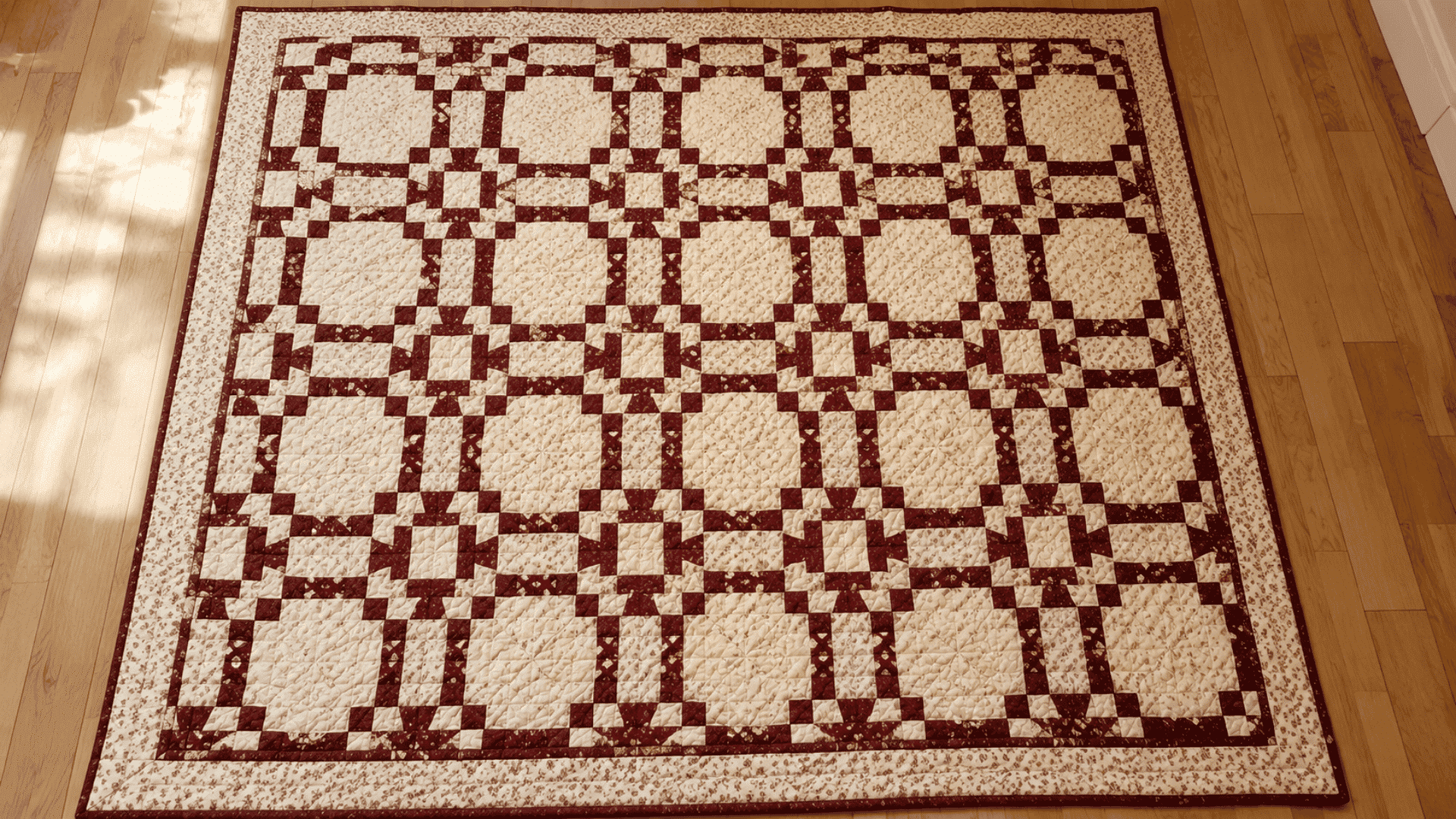
I’ve always been drawn to quilt patterns that look impressive without requiring complicated techniques. The Irish Chain quilt pattern is one design that continues to stand out every time I revisit it.
After seeing several versions at quilt shows and community exhibits, I became curious about how the pattern was constructed. Its repeating layout creates a striking effect with simple blocks.
Over time, I learned why quilters of different skill levels return to this classic pattern. It offers structure, flexibility, and plenty of room for personal fabric choices.
In this blog, I’ll explain its popular variations and share practical tips that can help you create one with confidence.
What is an Irish Chain Quilt Pattern?
The Irish Chain quilt pattern is a traditional design known for its repeating chain-like layout. I like how it creates a detailed look using simple block arrangements.
Over time, the pattern has developed into several variations, each offering a different level of detail. The most common types are the Single, Double, and Triple Irish Chain quilts.
- Single Irish Chain: The simplest variation, made with alternating nine-patch blocks and plain squares, making it a popular choice for beginners.
- Double Irish Chain: Features two connected chain lines that create extra detail while keeping the construction process manageable.
- Triple Irish Chain: Uses three chain paths across the quilt, resulting in a fuller pattern with a more detailed appearance.
No matter which variation you choose, the construction process follows a similar path. Here’s how I typically approach an Irish Chain quilt project.
How to Make an Irish Chain Quilt
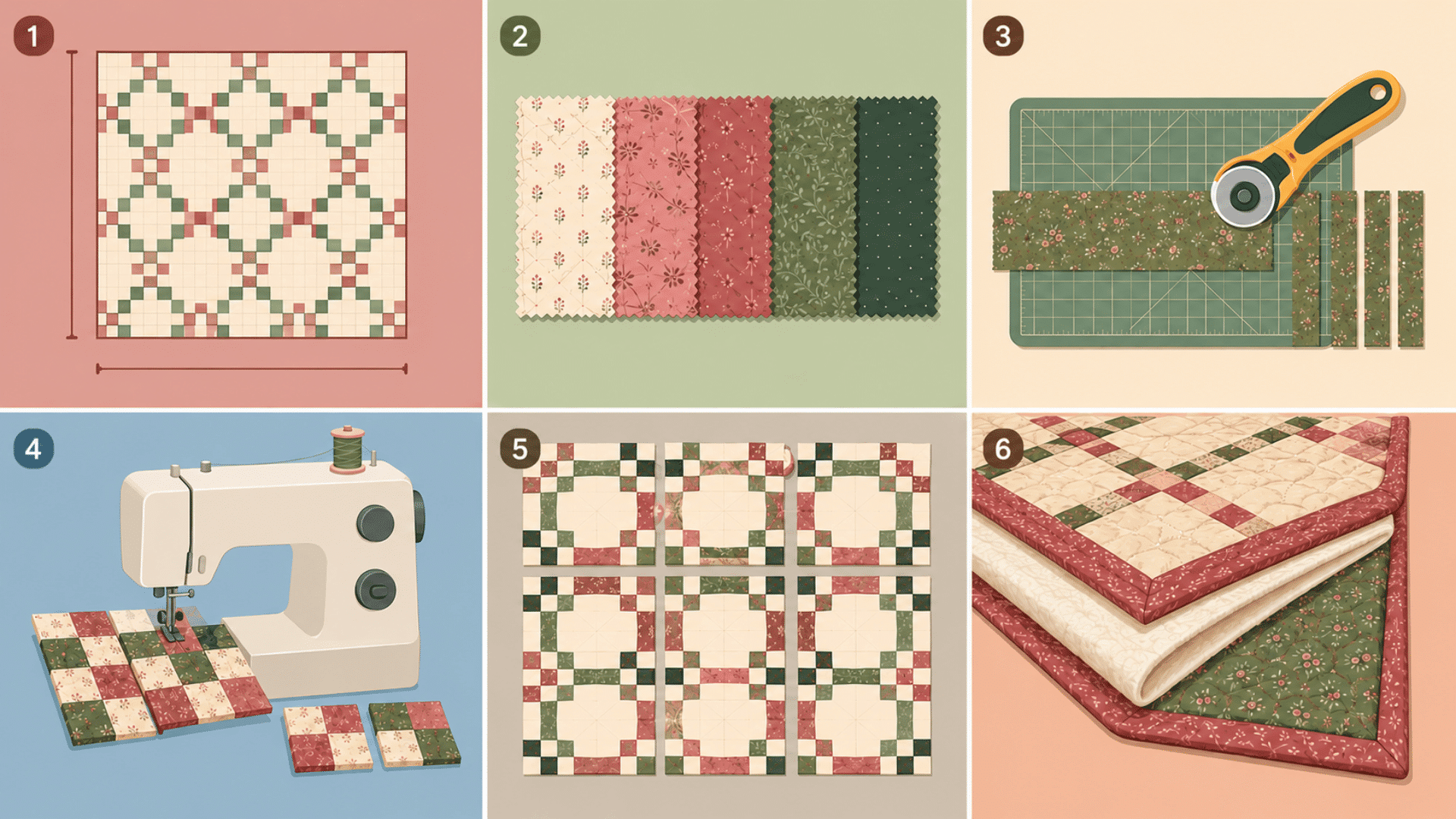
Making an Irish Chain quilt starts with creating repeating blocks that form the pattern’s signature chain effect. I like to follow a step-by-step approach to keep the process organized.
Before you begin, gather quilting fabric, batting, backing fabric, thread, a rotary cutter, quilting rulers, pins, and a sewing machine.
Step 1: Choose Your Irish Chain Pattern and Quilt Size
Start by deciding which Irish Chain variation you want to make and the finished size of your quilt. This will determine how many blocks you’ll need and how much fabric to purchase.
A quilt size chart can help you estimate the finished measurements before cutting fabric for each block.
My Tips:
- Select a smaller quilt size if you’re making an Irish Chain quilt for the first time.
- Review the cutting requirements before buying fabric to avoid shortages.
Step 2: Select Your Fabrics
Choose fabrics with enough contrast to make the chain design visible. Many quilters pair a darker fabric with a light background to highlight the pattern.
My Tips:
- Place fabrics side by side to check how well they contrast.
- Limit overly busy prints if you want the chain effect to stand out.
Step 3: Cut the Fabric Pieces
Carefully cut all fabric pieces according to your chosen pattern. Accurate cutting helps ensure that blocks fit together correctly later.
My Tips:
- Use a sharp rotary cutter for cleaner edges.
- Double-check measurements before cutting large amounts of fabric.
Step 4: Sew the Blocks Together
Assemble the patchwork units and sew them into complete blocks. Consistent seam allowances help maintain uniform block sizes.
My Tips:
- Sew similar units in batches to save time.
- Check block measurements as you work.
Step 5: Arrange and Join the Rows
Lay out the completed blocks to confirm the chain pattern before sewing rows together. This step helps catch placement errors early.
My Tips:
- Take a photo of the layout before assembling the rows.
- Keep blocks organized to avoid mixing up their positions.
Step 6: Add Batting, Backing, and Binding
Once the quilt top is complete, layer it with batting and backing fabric. Quilt the layers together, then finish the edges with binding.
My Tips:
- Smooth all layers carefully to reduce wrinkles.
- Choose a binding fabric that complements the quilt design.
Choosing between the Single, Double, and Triple Irish Chain can sometimes be the hardest part. I find that comparing them side by side makes the decision much easier.
Which Irish Chain Quilt is Right for You?
I find that the best Irish Chain pattern depends on your skill level, available time, and the look you want to achieve. This table highlights the key differences.
| Feature | Single Irish Chain | Double Irish Chain | Triple Irish Chain |
|---|---|---|---|
| Difficulty Level | Beginner | Intermediate | Intermediate to Advanced |
| Number of Chain Lines | One | Two | Three |
| Piecing Required | Low | Moderate | High |
| Time Commitment | Short | Moderate | Longer |
| Best For | New quilters | Skill building | Detailed projects |
| Overall Appearance | Simple and classic | More detailed | Rich and intricate |
Best Fabric Choices for an Irish Chain Quilt
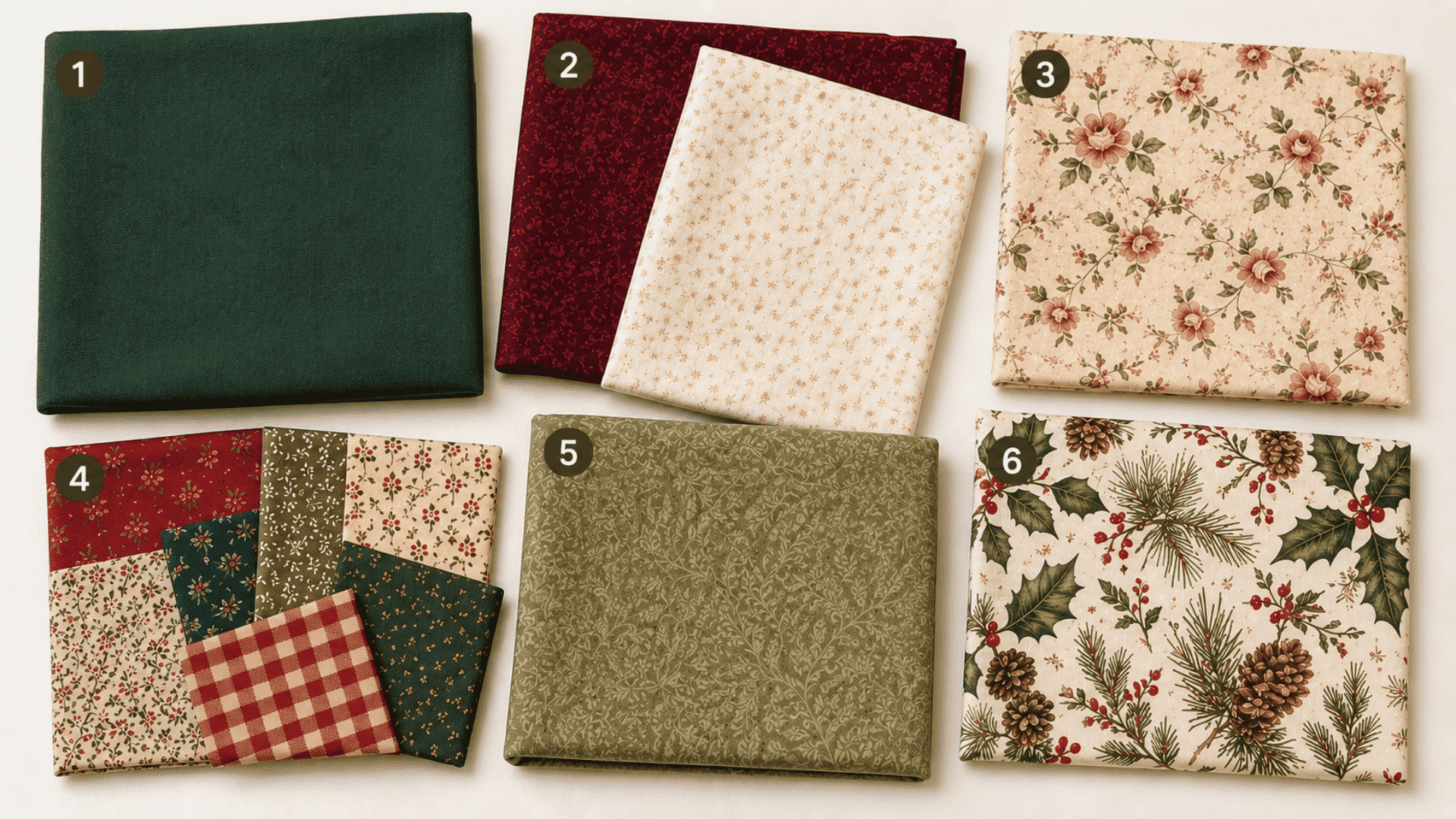
Fabric selection can have a big impact on how the chain pattern appears in the finished quilt. I’ve found that fabrics with good contrast tend to highlight the design more effectively.
- Solid Fabrics: Create a clean and defined look that helps the chain pattern remain the focal point of the quilt.
- High-Contrast Fabrics: Make the chain design easier to see by creating a clear distinction between the pattern and background.
- Floral Prints: Add visual interest and a traditional feel while still allowing the chain layout to remain noticeable.
- Scrappy Fabrics: Introduce variety and color throughout the quilt, making each project feel unique and personal.
- Tone-on-Tone Prints: Provide subtle texture and depth without distracting from the overall chain pattern.
- Seasonal Fabrics: Give the quilt a themed appearance while maintaining the classic structure of the Irish Chain design.
Final Thoughts
I keep coming back to the Irish Chain quilt pattern because it proves that simple block arrangements can create a lasting impression. It’s a design that feels familiar yet never boring.
What I enjoy most is the flexibility it offers. A few fabric changes can completely transform the look of the finished quilt.
I also appreciate that there’s an option for almost every skill level. From Single to Triple Irish Chain, each variation brings its own character to the project.
If you’ve been thinking about trying this pattern, I hope these ideas help you get started. Sometimes all it takes is choosing a variation and making that first cut.
Frequently Asked Questions
How Long Does It Take to Make an Irish Chain Quilt?
The timeline depends on the quilt size and pattern variation. Smaller projects may take a few days, while larger quilts can take several weeks.
Can an Irish Chain Quilt Be Made by Hand?
Yes, the blocks can be pieced and quilted by hand. The process typically takes longer than using a sewing machine.
What is the Best Quilt Size for a First Irish Chain Project?
A baby quilt or lap quilt is often a practical starting point because it requires fewer blocks and less fabric.
Which Irish Chain Variation is Easiest for Beginners?
The Single Irish Chain is generally the easiest option for beginners. Its simple block arrangement requires less piecing while still creating the classic chain effect.