Sketching is one of the easiest ways to start drawing, even if you have never picked up a pencil with serious intent before.
It does not need costly tools, a full studio, or advanced art knowledge. A simple pencil, paper, and a little time are enough to begin.
For many beginners, sketching feels less scary than creating a finished drawing because it allows room for mistakes, changes, and practice.
You can start small, test ideas, and slowly get comfortable with lines, shapes, and details.
In this blog, you will learn how sketching works, what beginners can draw, and how simple practice can help you build better drawing skills over time
Why Should You Start Sketching?
Sketching is a simple and enjoyable way to develop creative skills while improving observation and hand-eye coordination. It allows you to capture ideas, objects, and scenes using just a few pencil strokes.
Regular sketching can help strengthen your understanding of shapes, proportions, and shading. Over time, these skills can make your drawings more accurate and visually appealing.
One of the biggest advantages of sketching is that it is suitable for all skill levels. With patience and consistent practice, beginners can gradually build confidence and improve their artistic abilities.
Understanding Basic Shapes in Sketching
Most drawings begin with simple shapes that act as the foundation for more detailed artwork. Learning to identify these shapes in everyday objects can make sketching easier and improve accuracy.
- Circles: Commonly used for drawing objects such as fruits, balls, and faces.
- Squares: Help create the structure for windows, boxes, and simple objects.
- Rectangles: Often form the base of books, doors, buildings, and furniture.
- Triangles: Useful for sketching roofs, mountains, and geometric designs.
- Ovals: Frequently used for cups, plates, eyes, and other rounded objects.
- Cylinders: Form the basis of items like mugs, bottles, and cans.
Regularly practicing these basic shapes can help you build a strong foundation for more complex sketches.
Easy Objects Beginners Can Sketch
Starting with simple subjects can help you build confidence and practice fundamental drawing skills. These everyday objects use basic shapes and are suitable for beginners.
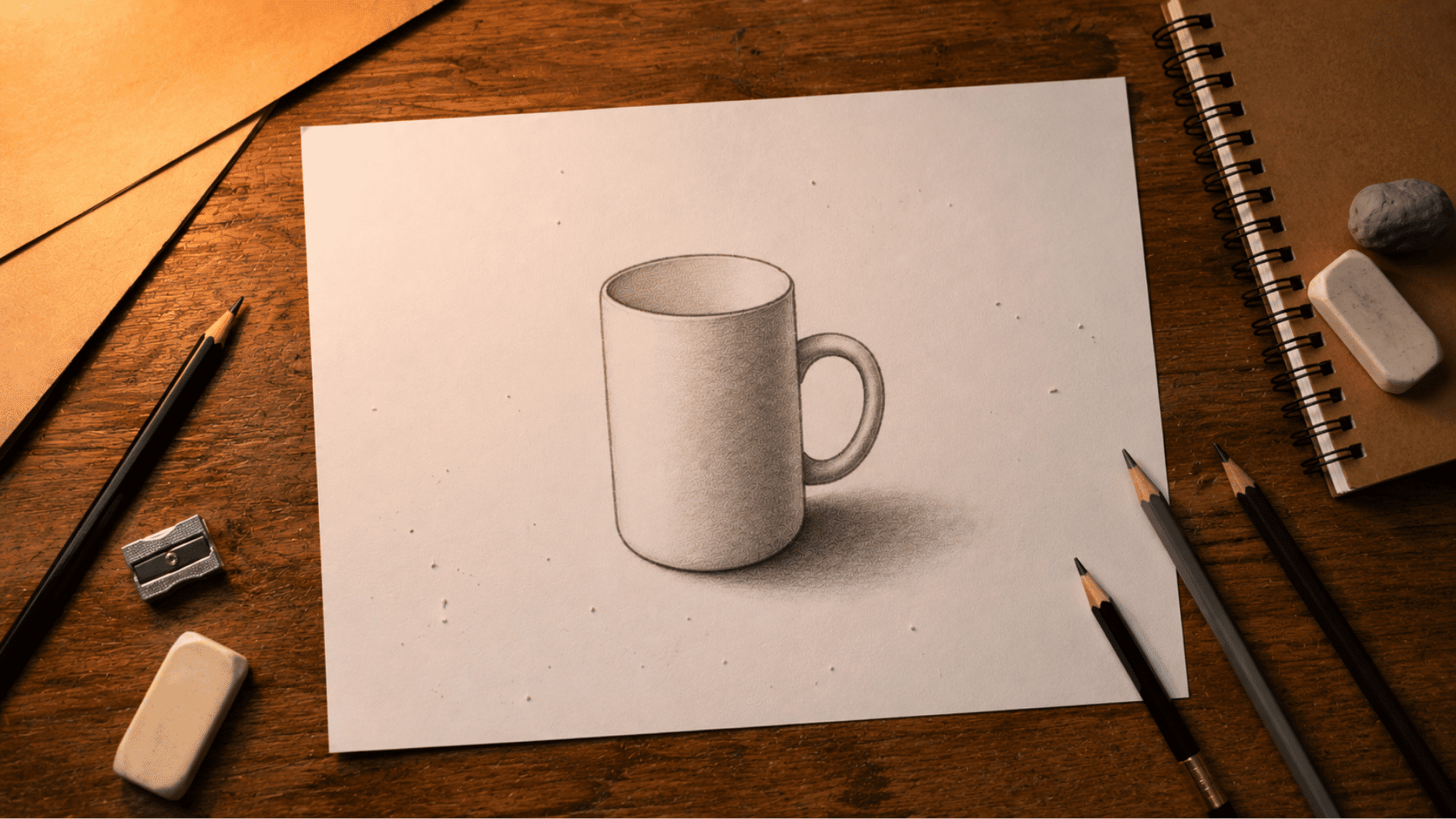
1. Coffee Mug
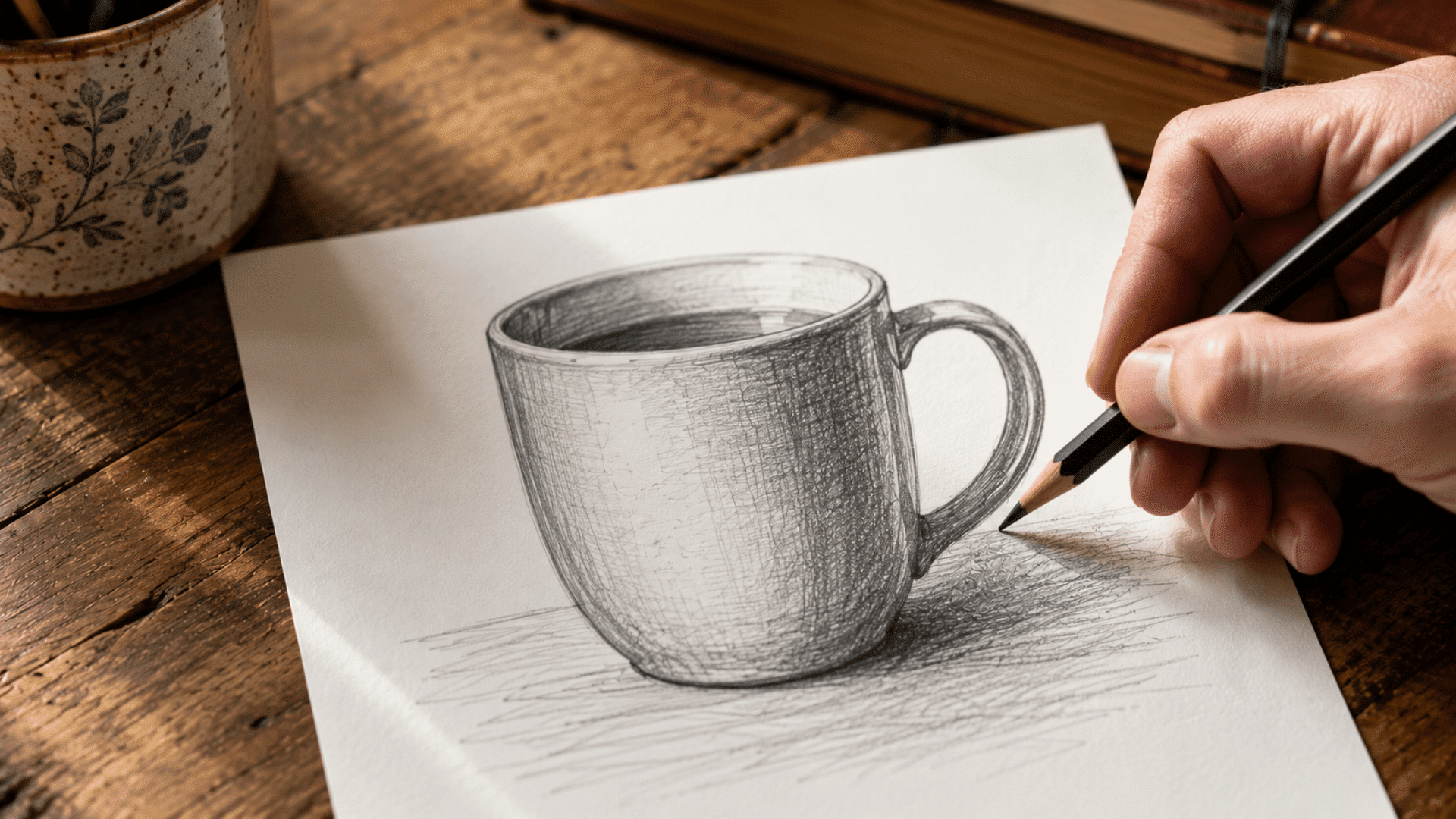
A coffee mug is one of the easiest objects to sketch because it combines simple shapes with basic shading opportunities.
- Draw a tall rectangle to create the mug’s body.
- Add an oval at the top for the opening.
- Round the edges to give the mug a realistic shape.
- Sketch a curved handle on one side.
- Add light shading and a shadow beneath the mug.
2. Apple
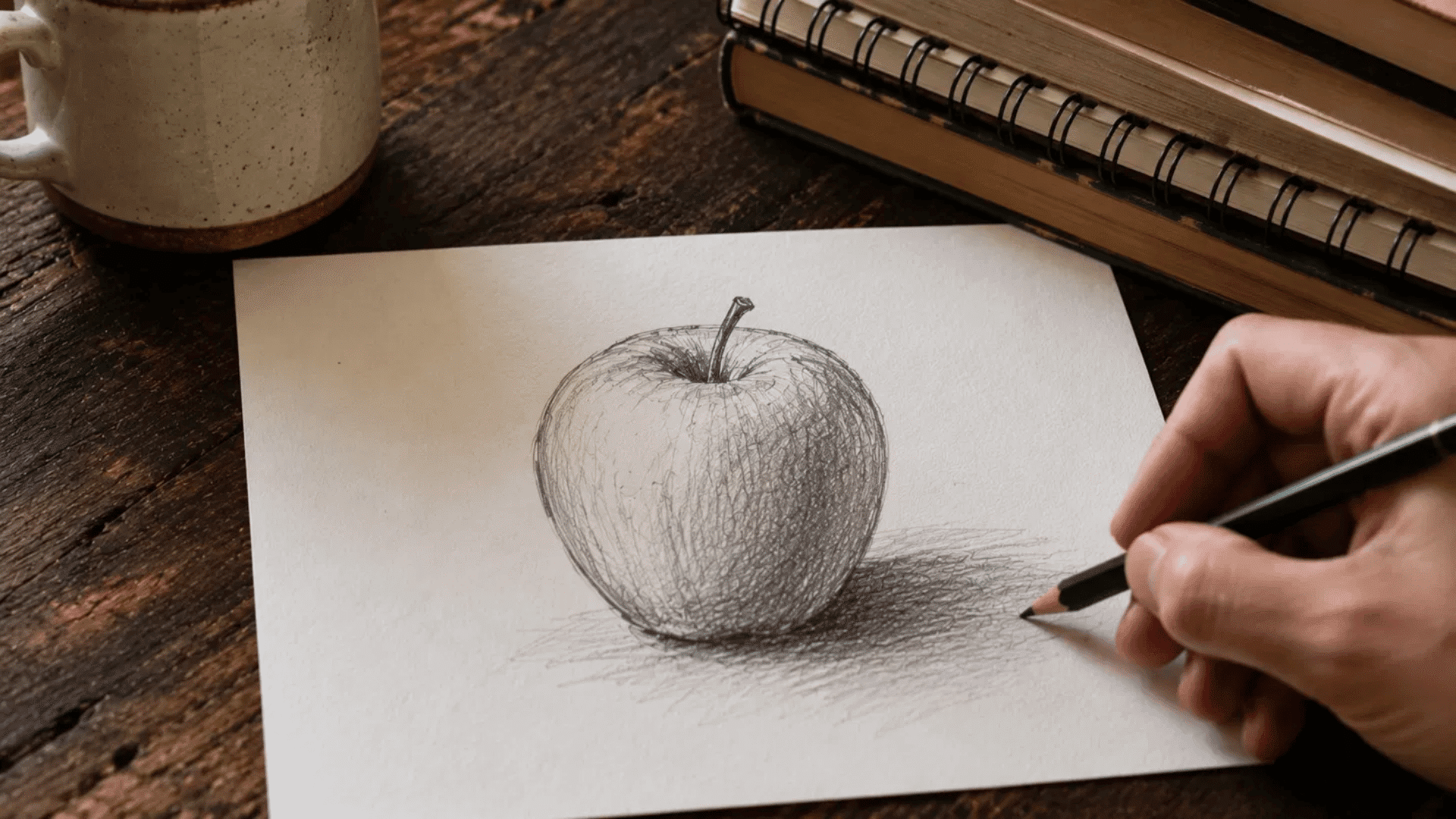
An apple is a beginner-friendly subject that helps you practice rounded forms and understand light and shadow.
- Draw a large circle as the base shape.
- Add slight curves at the top and bottom.
- Sketch a short stem at the top.
- Refine the outline to create a natural look.
- Add shading to create depth and dimension.
3. Book
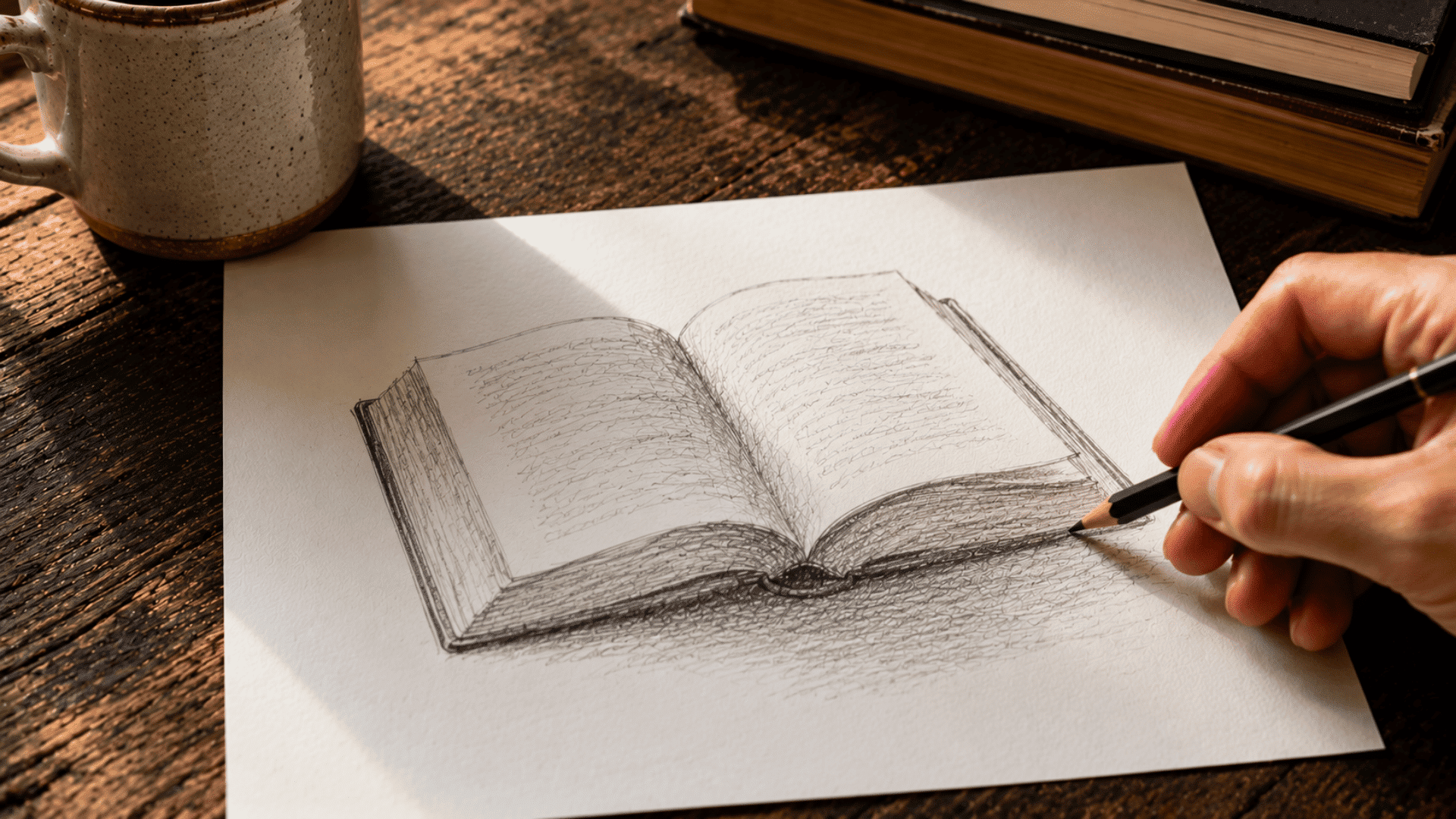
A book is great for improving straight lines and learning how basic perspective works in everyday objects.
- Draw a rectangle for the front cover.
- Add parallel lines to show the book’s thickness.
- Connect the corners to form a three-dimensional shape.
- Sketch the page edges inside the cover.
- Add light shading to one side.
4. Leaf
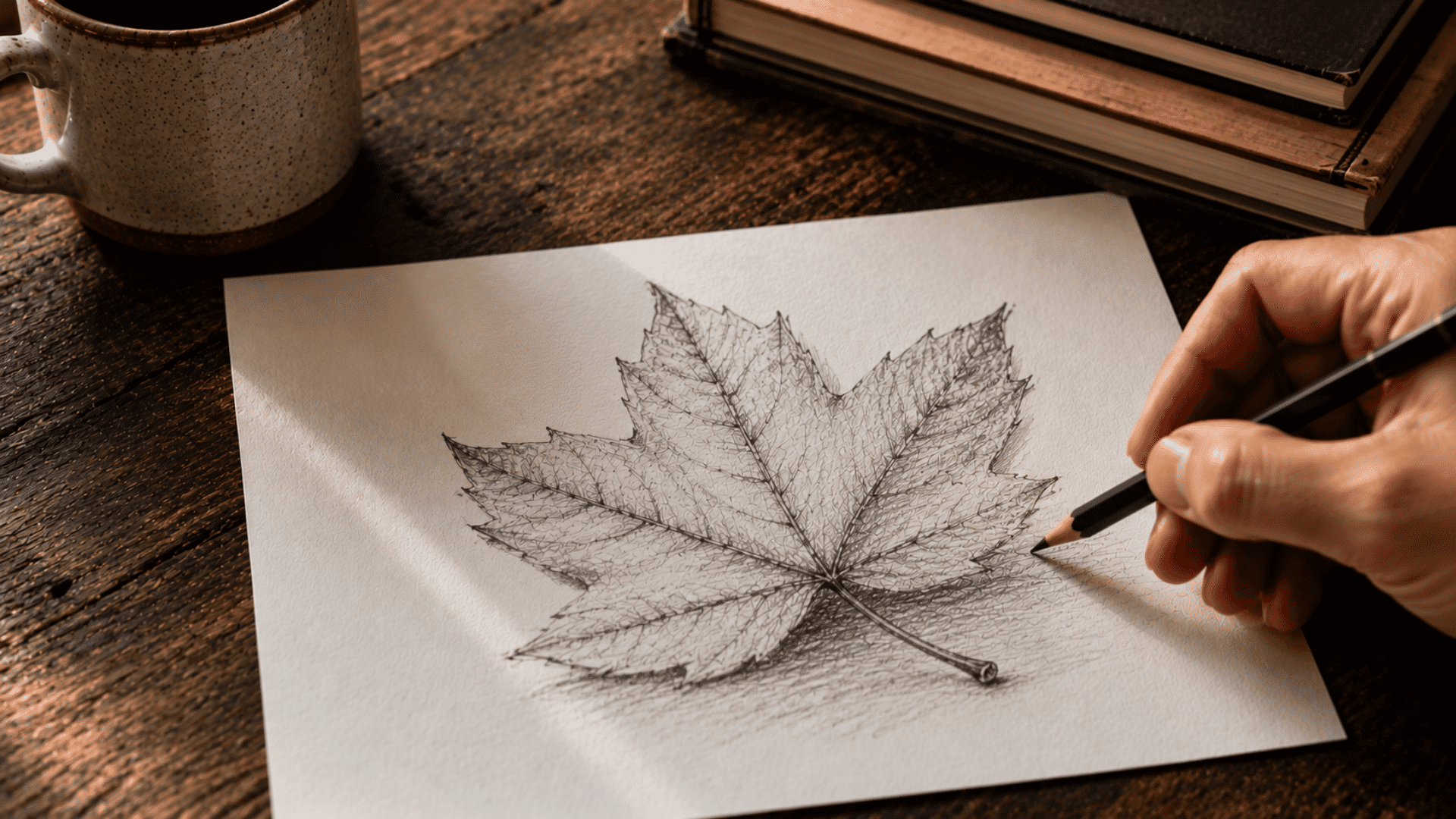
A leaf allows you to practice natural curves and observe patterns commonly found in nature.
- Draw a curved line for the center vein.
- Sketch the outline of the leaf around the vein.
- Add smaller veins branching from the center.
- Refine the edges and overall shape.
- Add light texture and shading.
5. Water Bottle
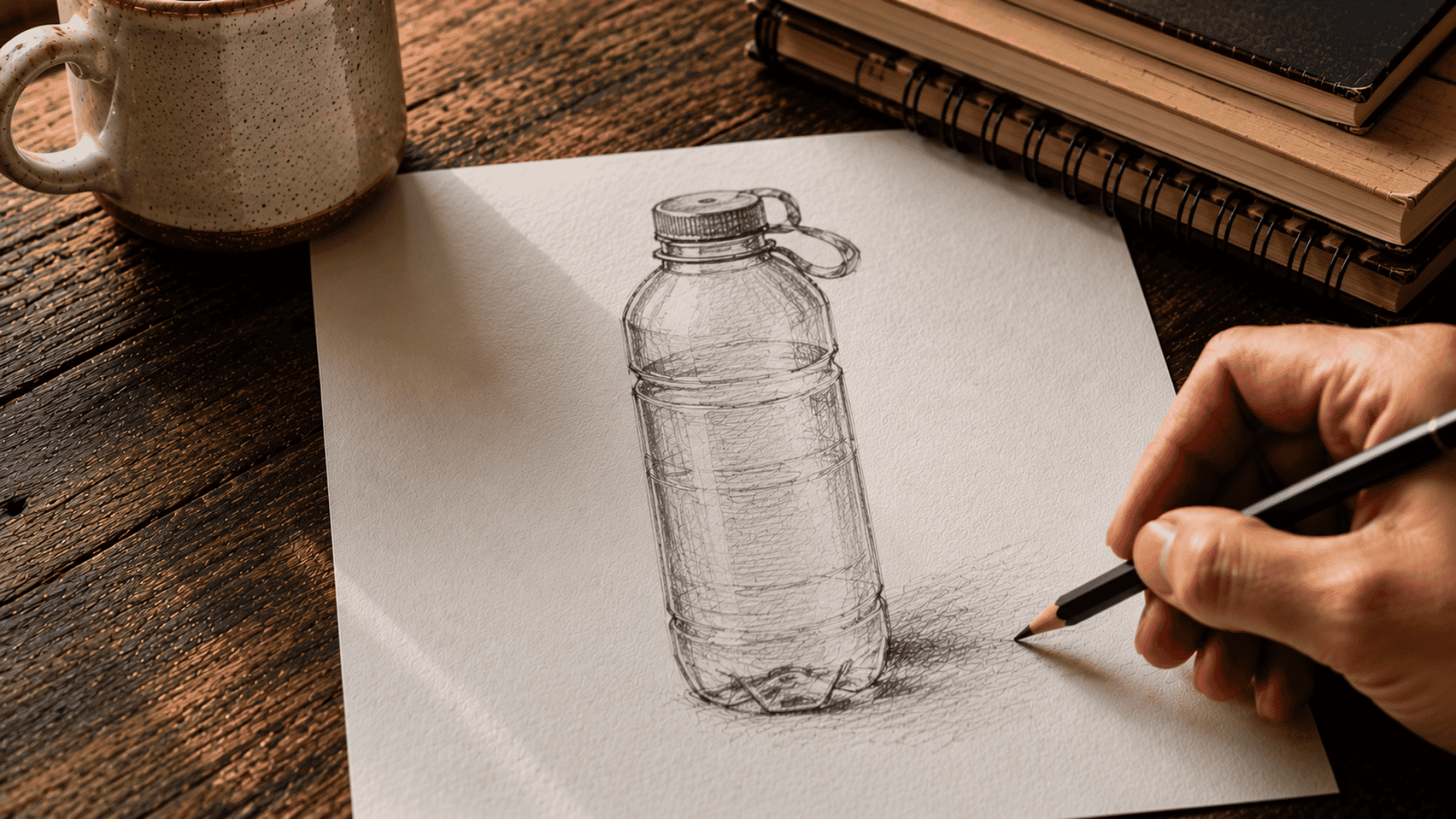
A water bottle helps develop shape recognition while introducing both curved and straight lines.
- Draw two vertical lines for the bottle’s body.
- Add curved lines at the top and bottom.
- Sketch the neck and bottle cap.
- Refine the proportions and outline.
- Add highlights and shading for realism.
6. House

A simple house sketch is useful for understanding structure and combining multiple geometric shapes.
- Draw a square or rectangle for the main structure.
- Add a triangle on top for the roof.
- Sketch doors and windows.
- Refine the outline and proportions.
- Add shading to create depth.
7. Key
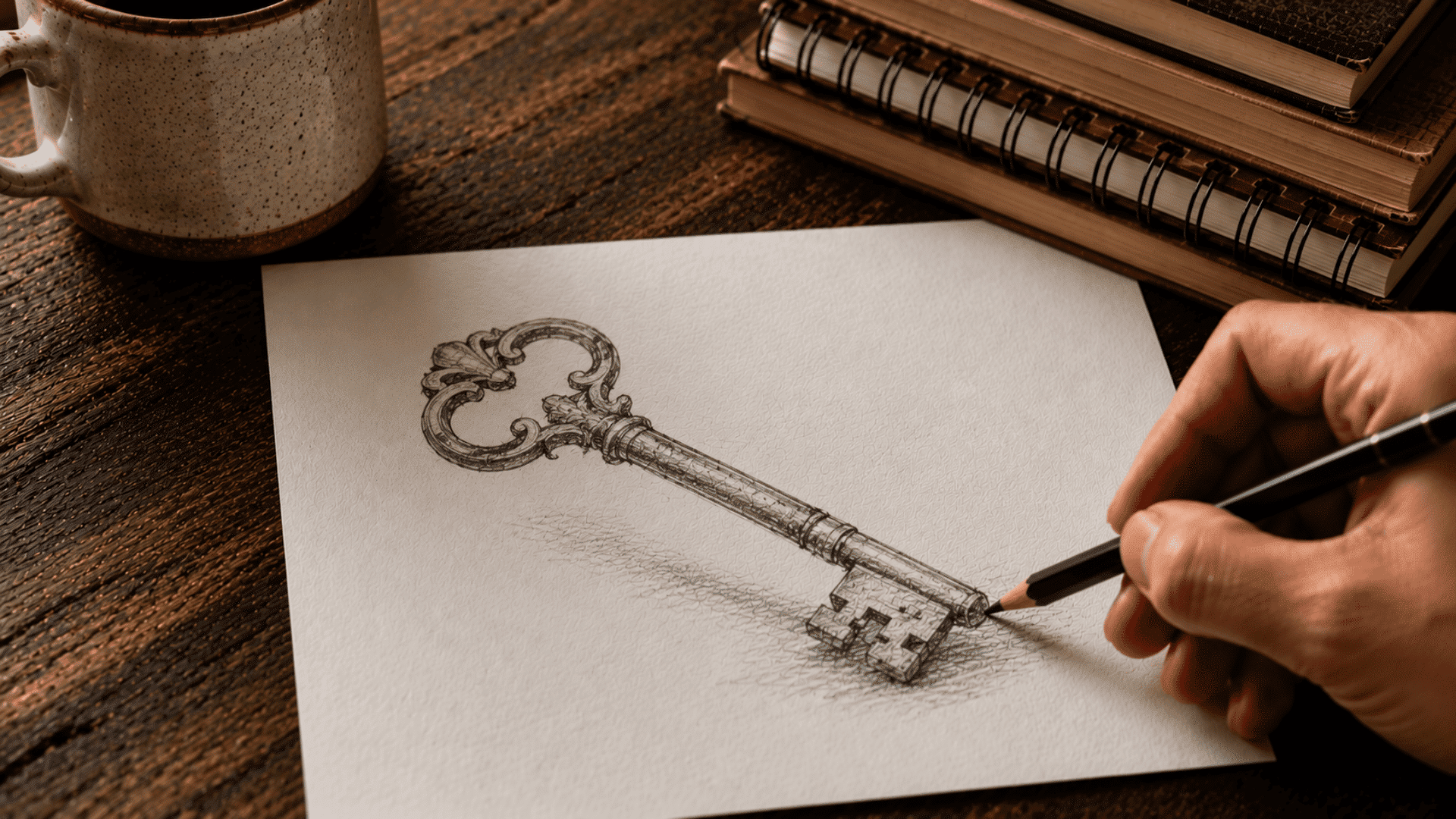
A key encourages careful observation and helps improve attention to small details.
- Draw a small circle for the key’s head.
- Add a straight shaft extending downward.
- Sketch the notches at the bottom.
- Refine the shape and clean the edges.
- Add light shading for dimension.
8. Flower
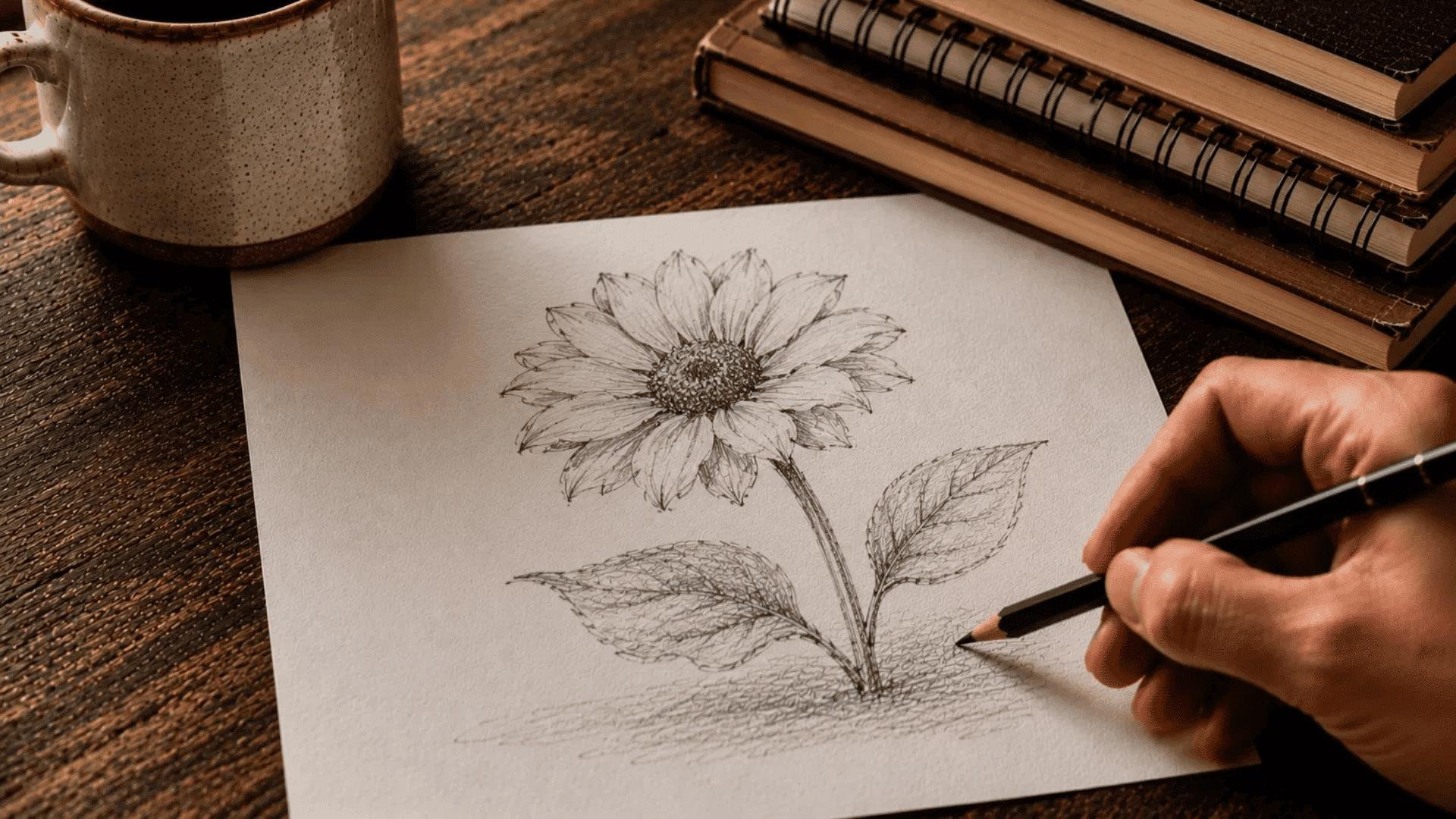
A flower is an excellent subject for practicing organic shapes and creating balanced compositions.
- Draw a small circle for the flower’s center.
- Sketch petals around the circle.
- Add a stem beneath the flower.
- Draw one or two leaves on the stem.
- Refine the outline and add shading.
9. Ball
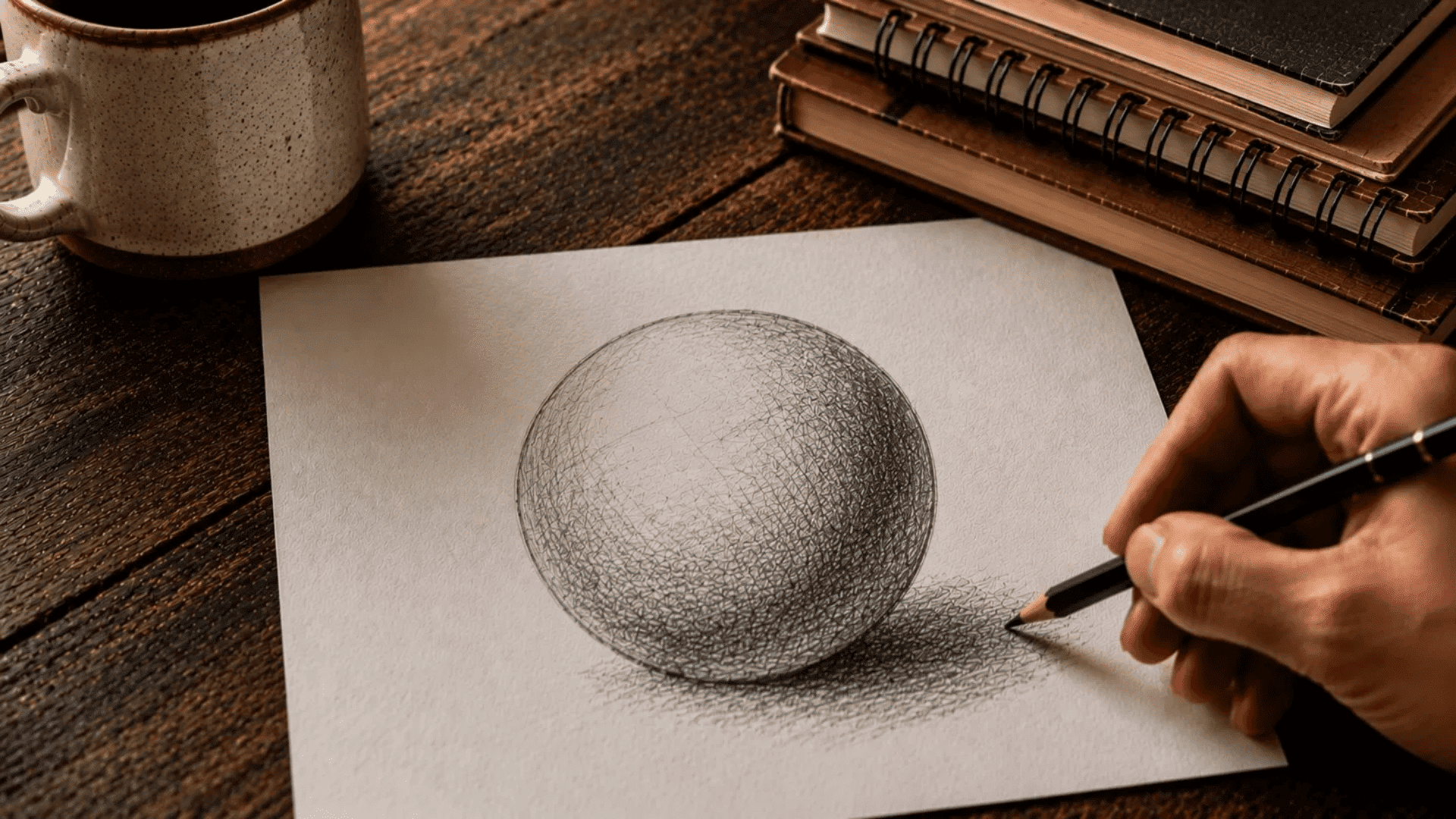
A ball is one of the best objects for learning shading and creating a three-dimensional effect.
- Draw a neat circle.
- Decide where the light source is coming from.
- Shade the side facing away from the light.
- Leave a small highlight area untouched.
- Add a cast shadow beneath the ball.
10. Spoon
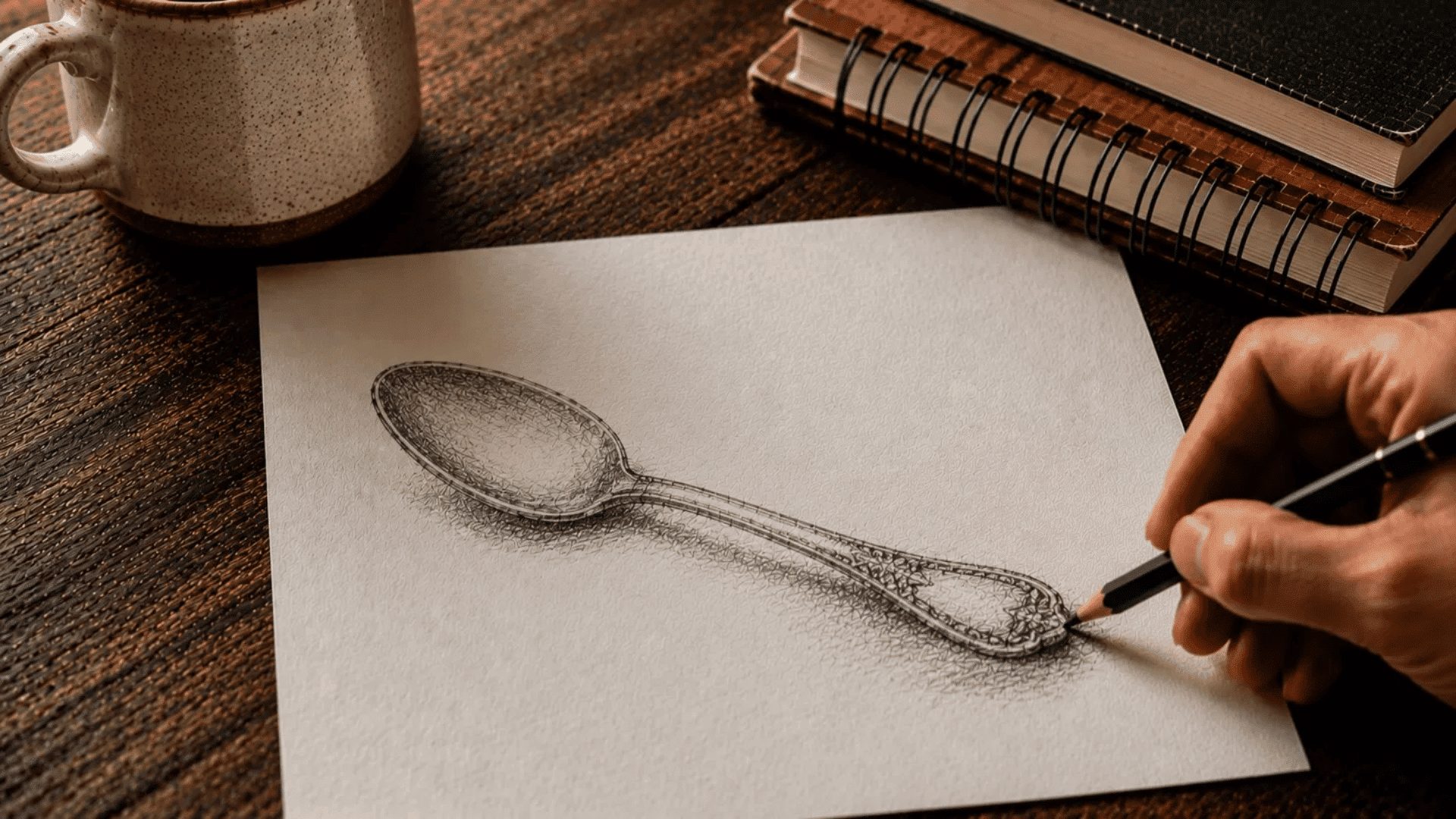
A spoon helps beginners become more comfortable with curved forms and subtle shape variations.
- Draw an oval for the bowl of the spoon.
- Add a long handle extending from the oval.
- Refine the curves and proportions.
- Smooth the outline and erase extra lines.
- Add highlights and shading to show depth.
Essential Sketching Techniques for Beginners
Developing strong sketching skills starts with mastering a few basic techniques. Practicing these fundamentals regularly can help improve accuracy, control, and the overall quality of your drawings.
| Technique | What It Means | How to Practice |
|---|---|---|
| Observation Skills | Carefully studying a subject before drawing it. | Spend a few moments observing shapes and proportions. |
| Line Control | Drawing smooth and confident lines. | Practice straight lines, curves, and circles daily. |
| Shading | Using light and dark tones to create depth. | Shade simple objects using different pencil pressures. |
| Proportion | Keeping the size of objects balanced. | Compare the height and width of different parts before sketching. |
| Perspective | Showing depth and distance in a drawing. | Sketch simple objects from different viewing angles. |
Focus on mastering one technique at a time. Consistent practice of these fundamentals can significantly improve the quality of your sketches over time.
Daily Sketching Exercises to Improve Your Skills
Regular practice is one of the most effective ways to improve your sketching abilities. These simple exercises can help strengthen your observation, line control, and shading skills.
- Draw Everyday Objects: Sketch items like mugs, books, or fruit to improve observation and proportion.
- Sketch Your Hand: Practice drawing your hand from different angles to better understand form and structure.
- Practice Contour Drawing: Focus on the outer edges of an object to improve accuracy and visual awareness.
- Create One-Minute Sketches: Draw simple subjects within a minute to train yourself to capture basic shapes quickly.
- Draw Basic Shapes From Different Angles: Sketch circles, cubes, and cylinders from various viewpoints to strengthen spatial understanding.
- Practice Light and Shadow Techniques: Shade simple objects to learn how values create depth and dimension.
- Copy Simple Reference Photos Regularly: Use beginner-friendly images to study shapes, proportions, and details.
- Fill a Page With Lines and Curves: Practice controlled pencil movements to improve line quality and confidence.
Why Practice Matters More Than Talent in Sketching
Many people believe artistic talent is something you’re born with. In reality, sketching is a skill that develops through regular practice and patience.
Each sketch helps improve observation, pencil control, and understanding of shapes. Small improvements become more noticeable as you continue drawing.
From my experience with art classes and handmade projects, I’ve learned that repeating simple exercises often leads to better results than attempting difficult subjects too soon. Consistency usually matters more than perfection.
Rather than worrying about talent, focus on drawing regularly and learning from each attempt. Over time, those practice sessions can help build confidence and stronger sketching skills.
Tips for Beginner Sketch Artists
Small adjustments to your approach can make learning to sketch more enjoyable and productive. These simple tips can help beginners build confidence and improve their skills over time.
- Start With Simple Subjects: Focus on everyday objects before moving to more detailed drawings.
- Use Light Pencil Strokes: Light lines are easier to adjust and refine as your sketch develops.
- Observe Before Drawing: Spend a few moments studying your subject before putting pencil to paper.
- Practice Regularly: Short, consistent drawing sessions are often more effective than occasional long ones.
- Keep Your Old Sketches: Reviewing earlier work can help you see how much you’ve improved.
- Be Patient With Yourself: Learning to sketch takes time, and every drawing is part of the process.
Final Thoughts
Sketching is a skill that anyone can learn with time, patience, and regular practice. Starting with simple techniques can make the learning process feel more manageable.
Remember that every artist begins as a beginner. Focus on improving little by little rather than expecting perfect results right away.
The more you practice observing shapes, proportions, and shading, the more confident you’ll become in your abilities. Even short drawing sessions can contribute to steady progress.
Most importantly, enjoy the process and allow yourself to experiment. With consistency and a positive mindset, sketching can become both a rewarding skill and a relaxing creative outlet.
Frequently Asked Questions
What is the Difference Between Drawing and Sketching?
Sketching is usually a quick, rough representation of an idea, while drawing is often more detailed and refined. Many artists use sketches as the foundation for finished drawings.
What is the 70/30 Rule in Drawing?
The 70/30 rule suggests keeping 70% of a drawing dominant and 30% contrasting to create balance and visual interest.
How Long Does It Take to Learn Sketching?
Most beginners notice improvement within a few weeks of regular practice, but developing strong sketching skills can take months of consistent effort.