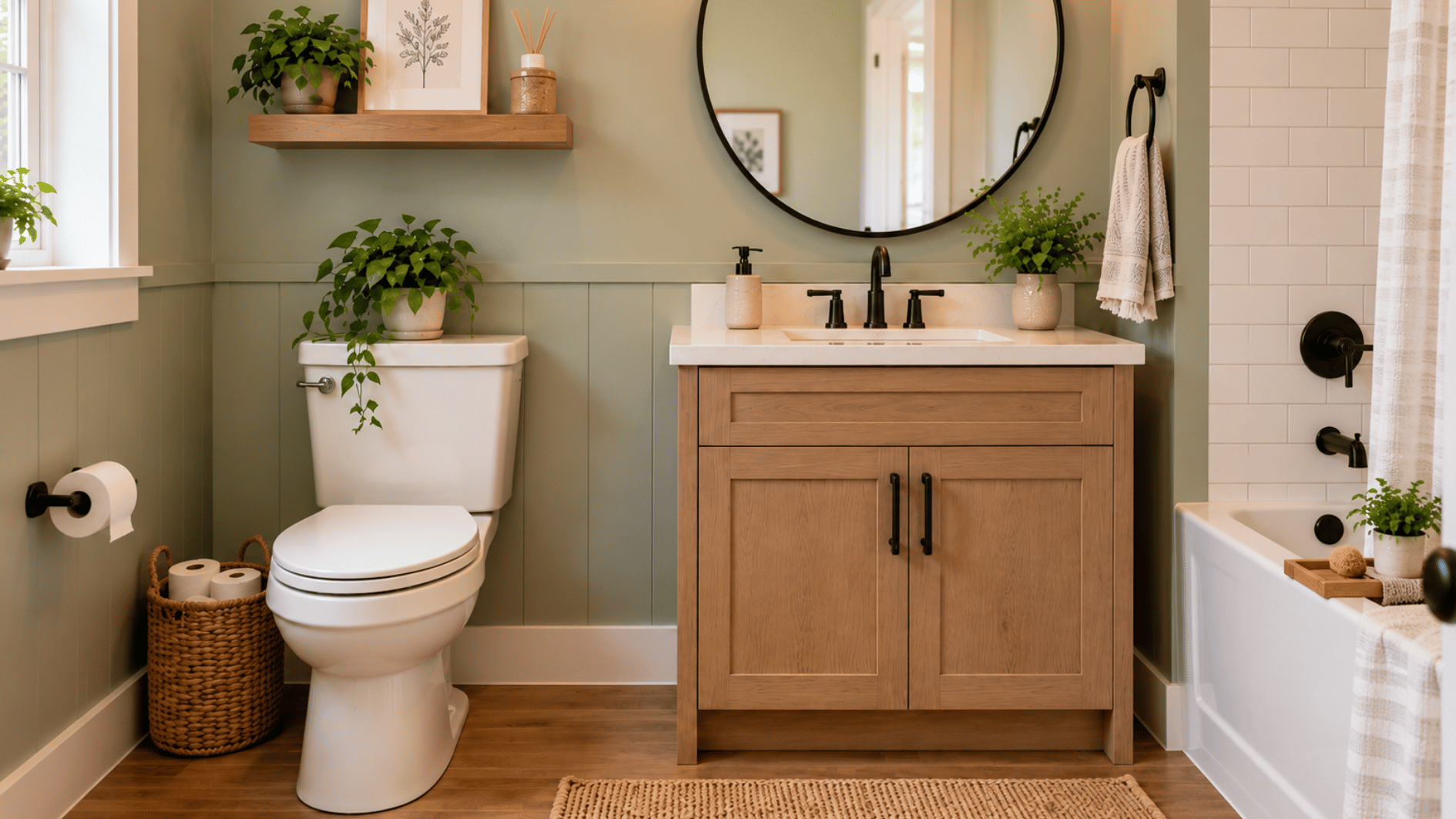
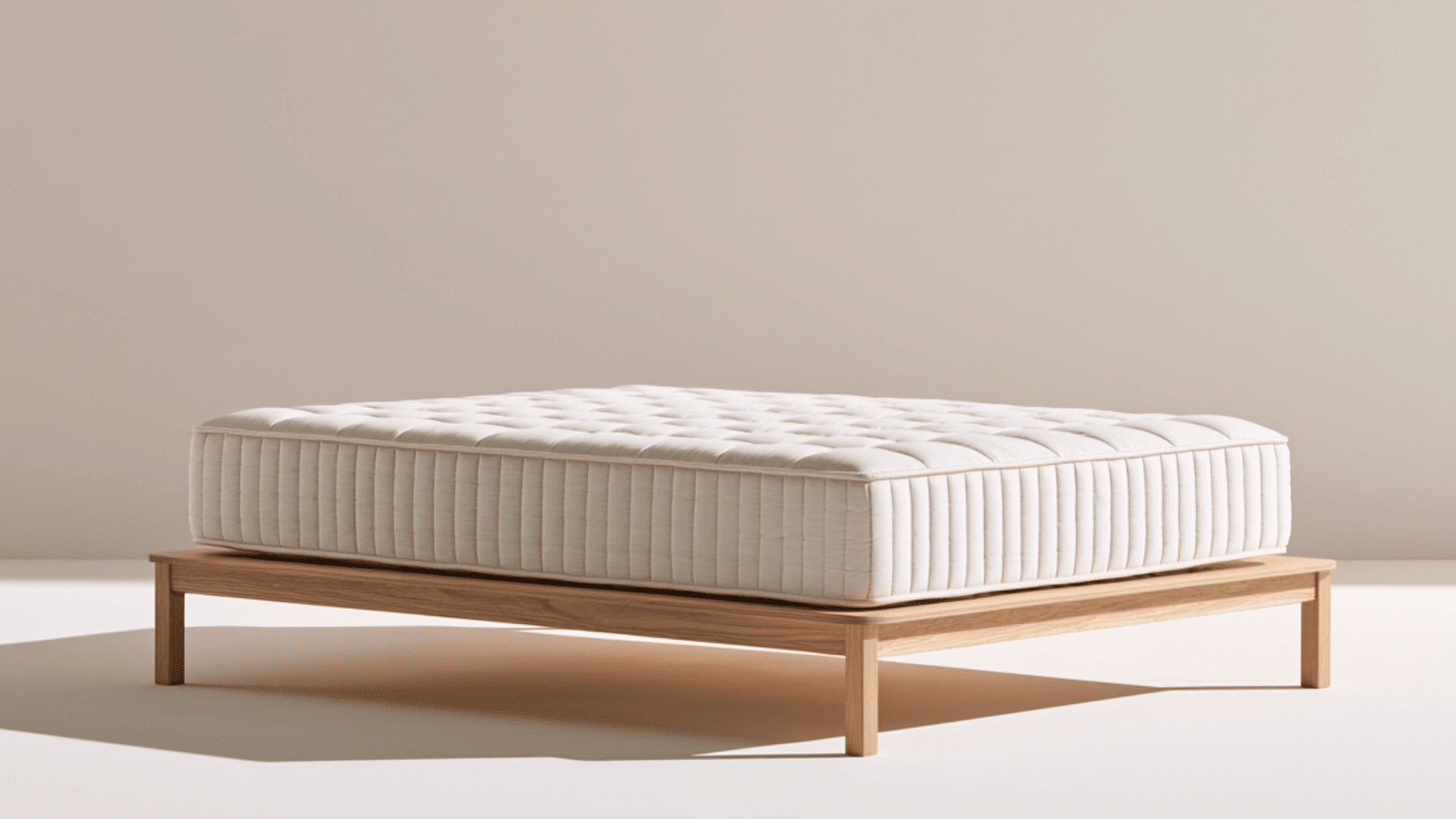
A mattress may look fine but feel wrong when you lie down, causing issues like a stiff back, tiredness, or a dip in your spot. This raises the question: how long does a mattress last?
A mattress can last a long time, but age isn’t the only indicator. Factors such as material, build quality, sleep position, body pressure, and maintenance all contribute.
After testing room setups, moving beds, and seeing how daily use changes comfort over time, one thing is clear: support matters most. This post covers lifespan, warning signs, and simple care tips.
How Long Does a Mattress Last?
Most mattresses last about 6 to 10 years, but that range can vary depending on the mattress type and how it is used daily.
A mattress in the main bedroom usually wears out faster than one in a guest room. the same goes for a bed shared by two people, used by pets, or placed on a weak base.
| Mattress Type | Average Lifespan |
|---|---|
| Innerspring Mattress | 5–7 Years |
| Memory Foam Mattress | 6–8 Years |
| Hybrid Mattress | 7–10 Years |
| Latex Mattress | 10–15 Years |
| Pillow-Top Mattress | 5–7 Years |
These numbers are helpful, but comfort is the real test. If your mattress still feels flat, supportive, and comfortable, it may have more life left in it. If it sags, feels lumpy, or leaves you sore, it may be time to replace it.
Factors that Affect Mattress Lifespan
A mattress does not simply wear out due to the passage of time; rather, its longevity and continued comfort depend largely on the quality of its material, how it is used, and the level of care it receives over the years.
1. Mattress Material
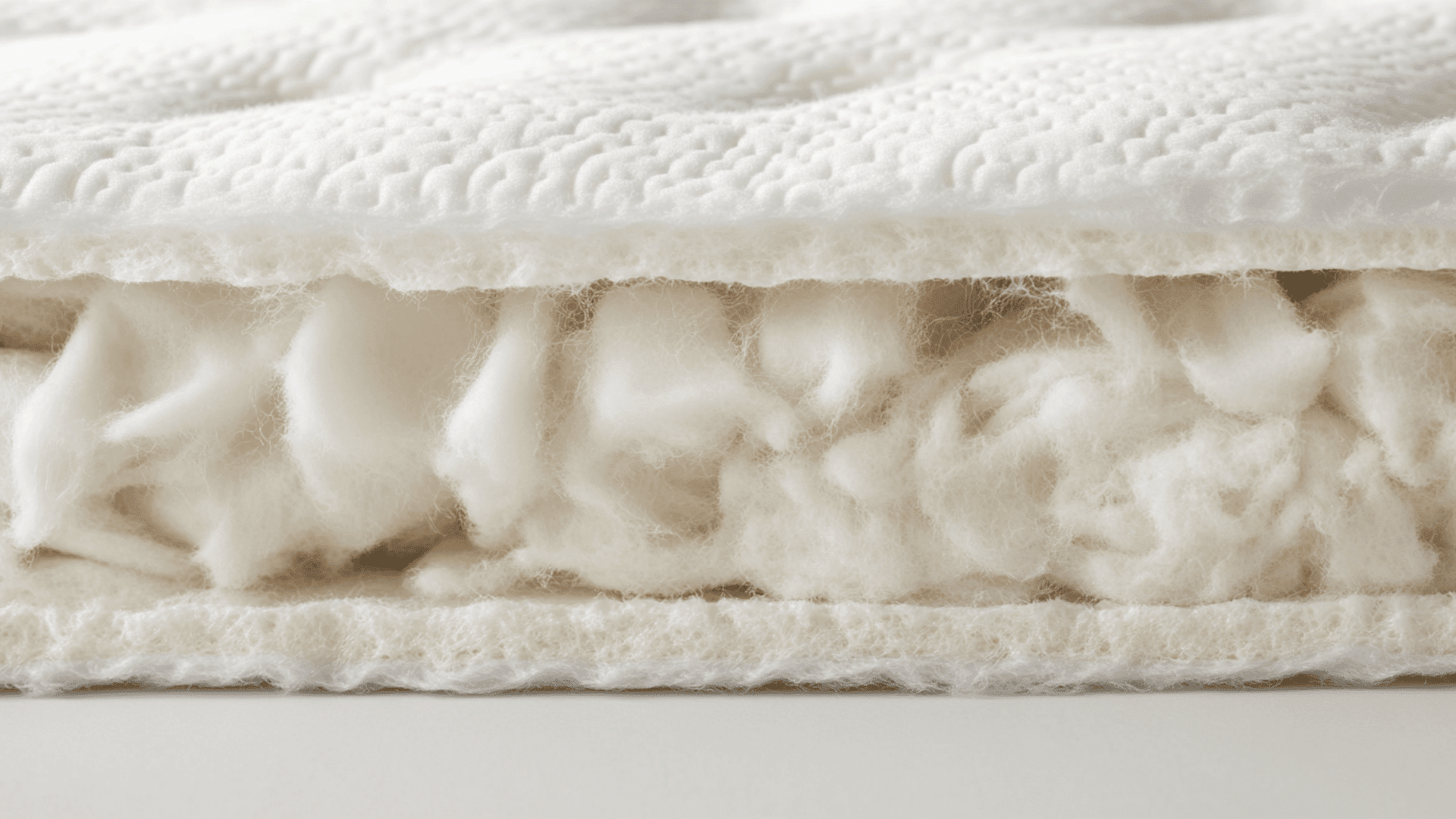
Foam, coils, latex, and pillow-top layers all age differently. Foam may soften, while springs may lose steady support over time.
Latex usually holds its shape longer than many other materials. Pillow-top beds may feel cozy at first, but the top layer can flatten with daily use.
2. Build Quality
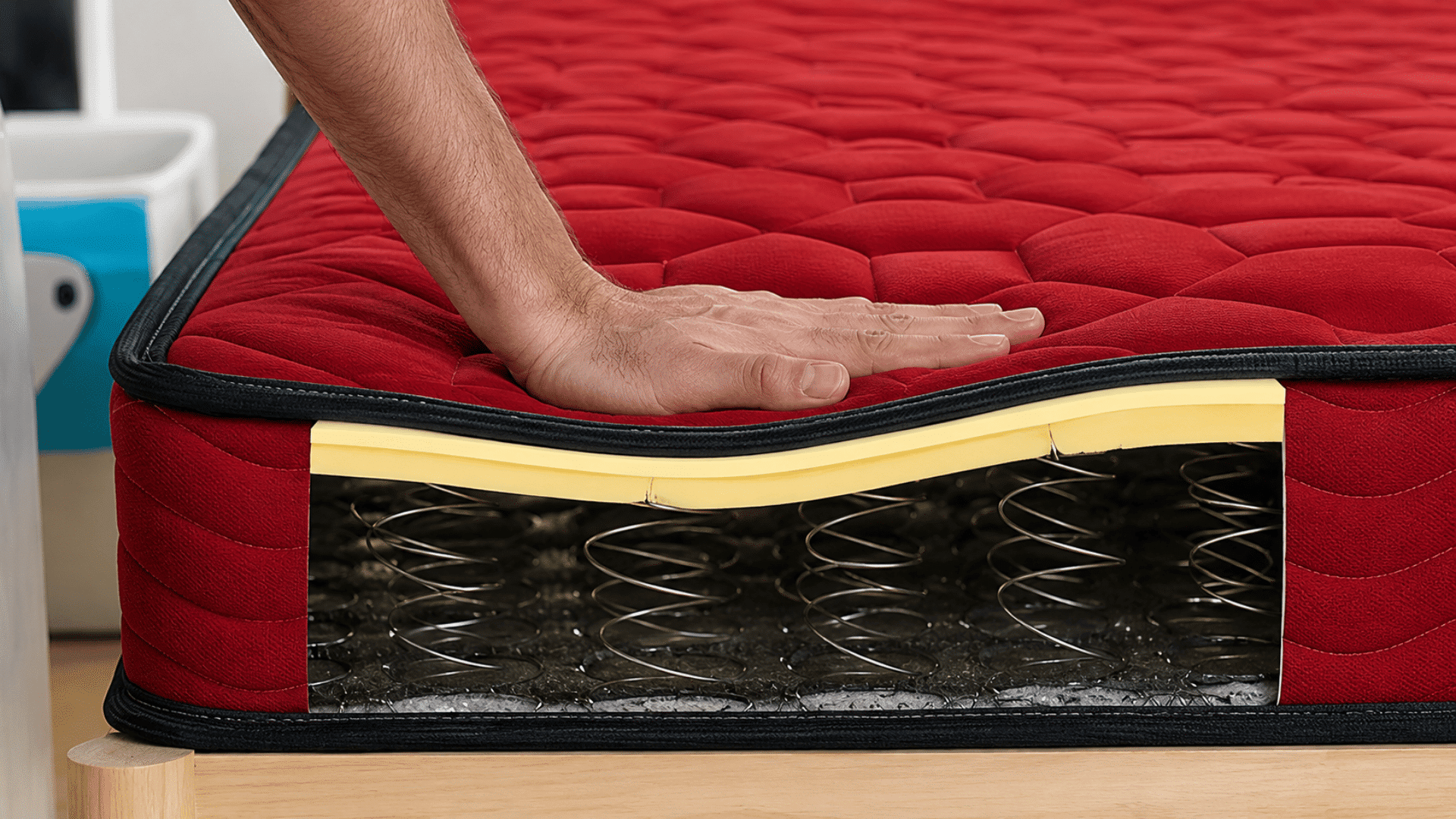
A well-made mattress often keeps its shape better because the layers are stronger. Dense foam, sturdy coils, and firm edges can all help.
A cheaper mattress may feel good at first but may start to dip or soften sooner. Comfort on day one matters, but long-term support matters more.
3. Sleep Position
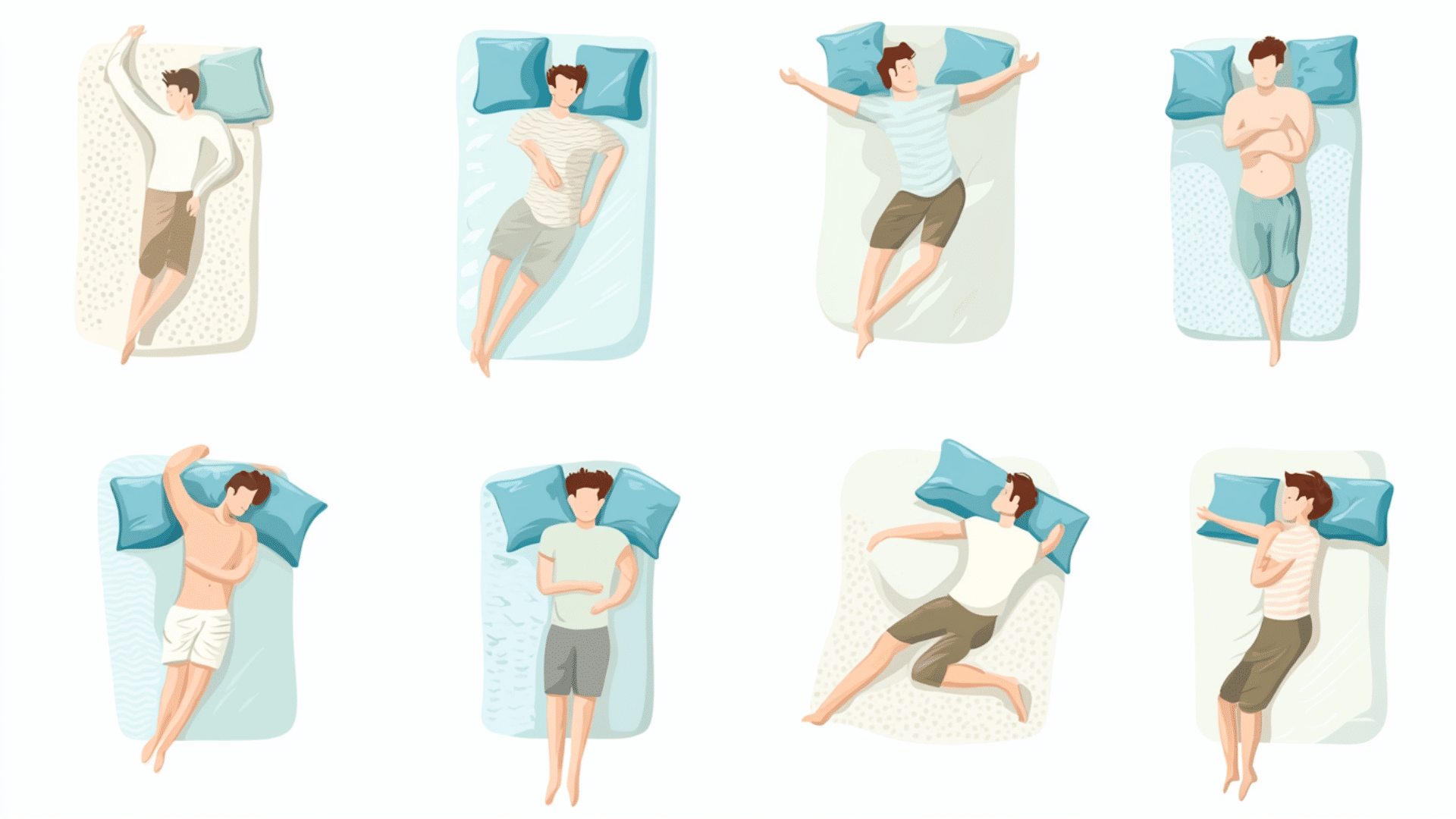
Side sleepers often put more pressure on the hips and shoulders. Those spots may soften faster if the mattress lacks strong comfort layers.
Stomach sleepers may notice lower back strain when the middle starts to sink. Back sleepers may feel uneven support near the waist or hips.
4. Body Pressure
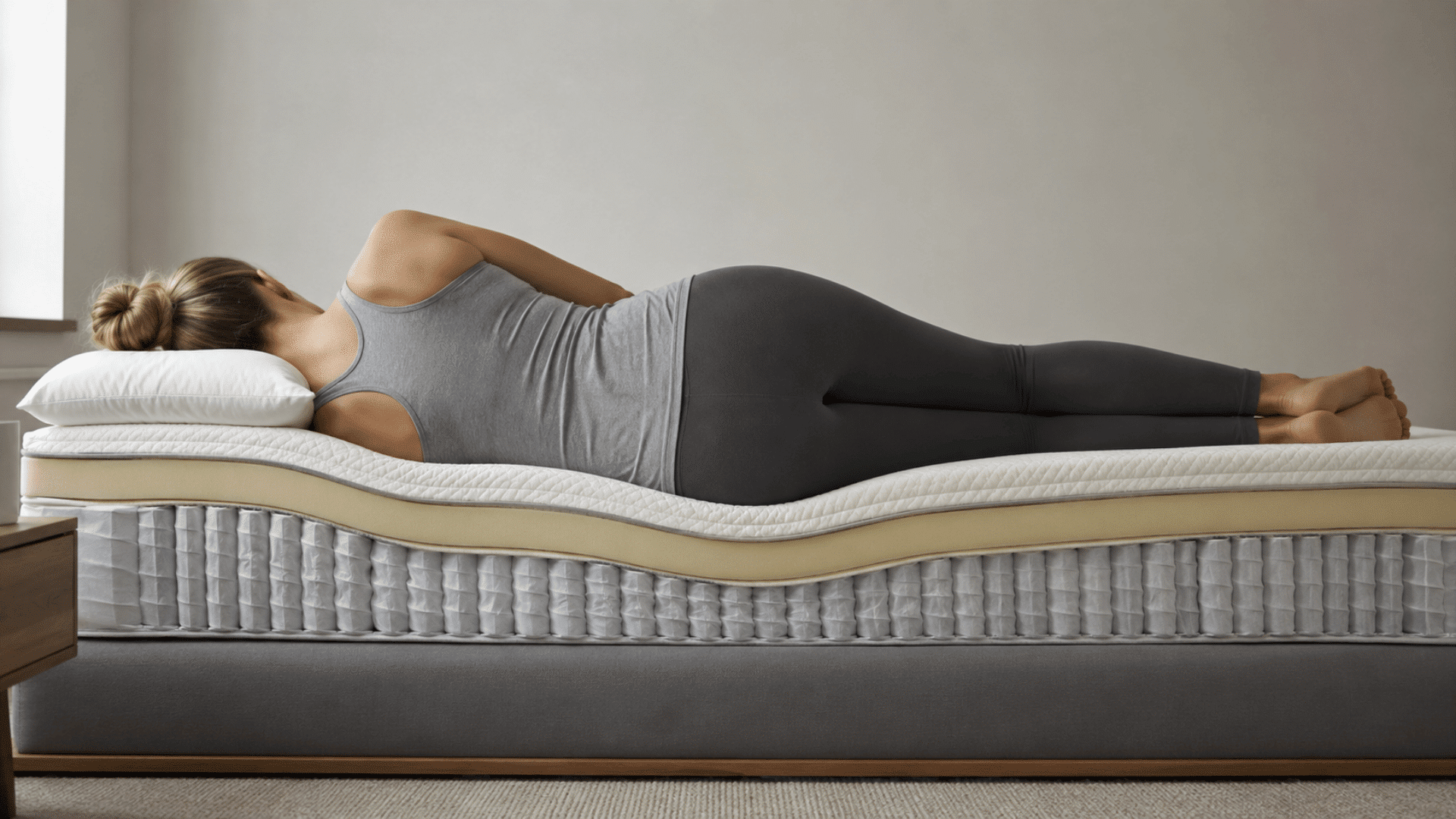
More pressure in the same spot can create body impressions over time. This is common where you sleep every night.
Shared beds may wear faster because the mattress carries more weight and movement. Rotating the mattress can help spread that pressure more evenly.
5. Daily Use

A mattress in the main bedroom usually wears out faster than one in a guest room. Nightly use naturally breaks down the comfort layers over time.
Pets, kids, and sitting on the same edge each day can also affect support. Small habits can leave marks over time.
6. Bed Base
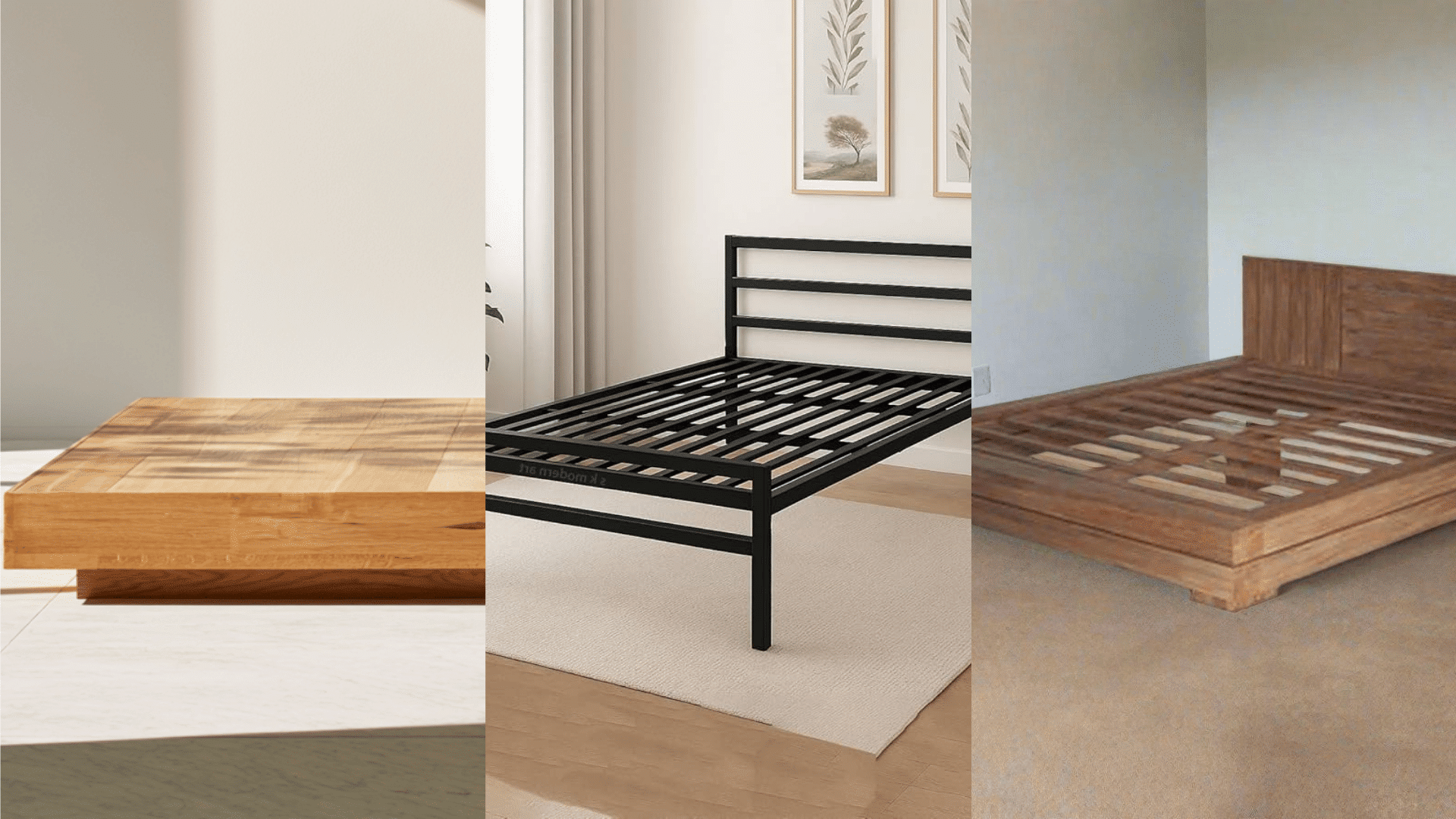
The base under your mattress matters more than many people realize. A weak frame or wide slats can cause sagging prematurely.
Check the mattress brand’s support terms when possible. The right base helps the mattress stay level and stable.
Signs that Your Mattress is Wearing Out
Some mattress problems build up slowly. These small clues can help you spot comfort issues before your sleep gets worse.
- You often wake up during the night: if noise, temperature, and your bedtime routine seem normal, your mattress may be making it harder to stay settled.
- You feel pressure in certain spots: Soreness around your shoulders, hips, or lower back can mean the top layers are no longer cushioning your body evenly.
- Your bedding shifts more than usual: loose sheets, sliding pillows, or bunched fabric can occur when the mattress surface starts to dip or slope.
- You avoid lying in bed: If your bed no longer feels restful, the mattress may no longer meet your sleep needs.
- You keep adjusting your position: Constant shifting can be a sign that your body is trying to find better support.
Why Mattress Age is Not the Only Clue
Before proceeding, it’s important to understand that a mattress doesn’t suddenly become “bad” on a specific date.
Some mattresses remain comfortable longer than average, while others lose support earlier due to daily wear, low-quality materials, or inadequate base support.
The better test is how the mattress feels in real life. If the surface feels uneven, your hips sink too far, or the edge no longer feels stable, the mattress may not be supporting your body as it should.
Morning comfort matters, too. Waking up stiff, tired, or sore can be a sign that your bed is no longer helping you rest well, especially if you feel better after sleeping somewhere else.
Should You Replace Your Mattress?
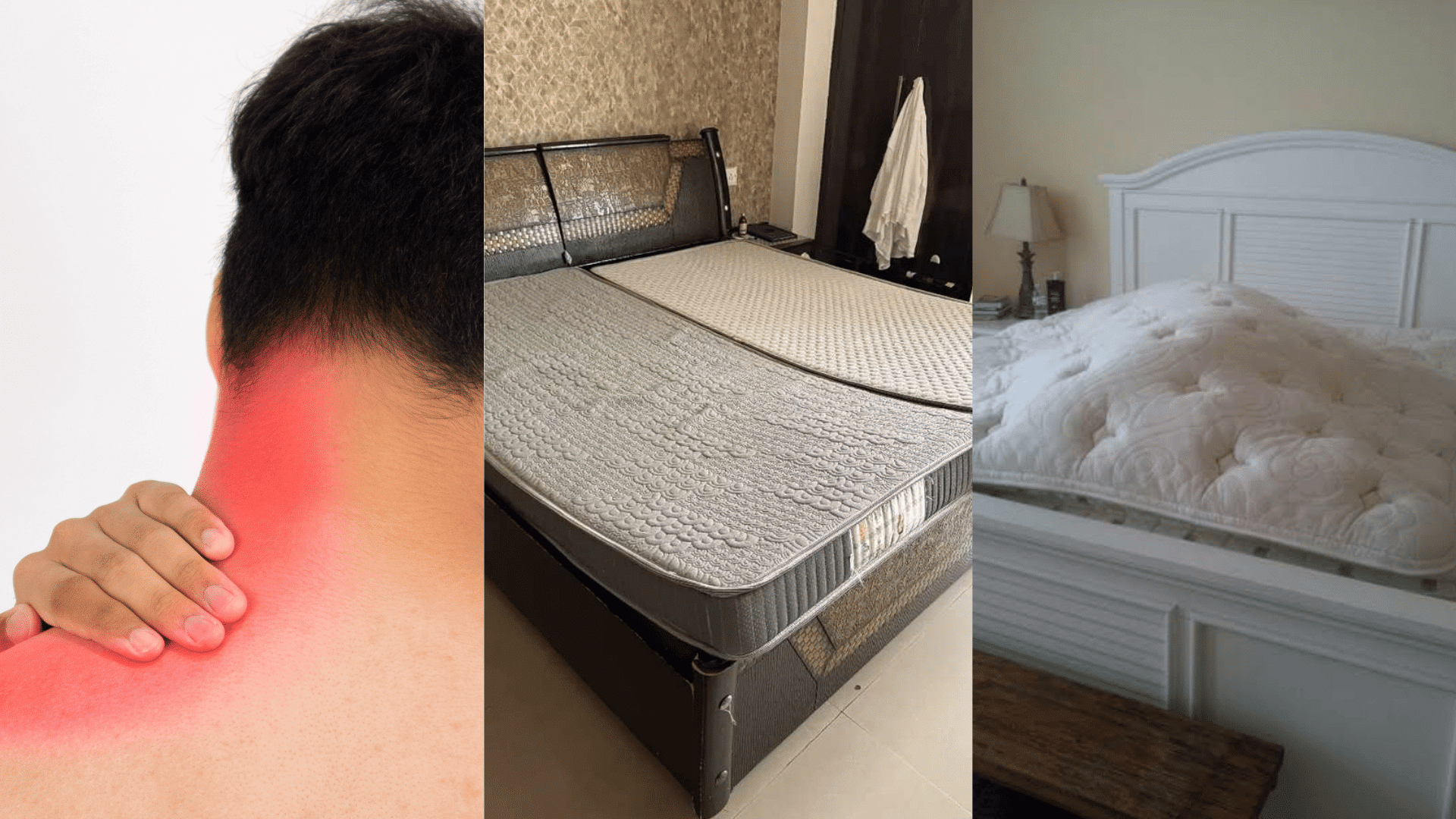
A mattress does not need to be falling apart to cause poor sleep. Small changes in comfort, support, smell, and shape can help you decide what to do next.
Use this quick checklist to compare clear replacement signs with signs that your mattress may still have some life left in it.
| Replace it now if | Wait a Little Longer if |
|---|---|
| You wake up sore most mornings. | You sleep well and wake up comfortable. |
| the surface has dips, lumps, or uneven spots. | the mattress still feels flat and steady. |
| Your hips or back sink too low. | Your body feels supported in your usual sleep position. |
| You sleep better in another bed. | Comfort feels the same at home and away. |
| the edges feel weak or crushed. | the edges still feel firm enough when you sit or lie near them. |
| the mattress smells stale after cleaning. | It stays fresh with regular sheet changes and cleaning. |
| Springs creak, pop, or feel unstable. | the mattress stays quiet and steady during sleep. |
| A topper does not improve comfort. | A topper fixes a minor firmness issue. |
What Real People Say About Mattress Lifespan
Real user comments can show how mattress problems feel in daily life. This section highlights what users commonly notice when a mattress begins to affect their sleep.
The common thread is clear: people often replace a mattress when comfort changes show up in daily sleep, not just when the mattress looks old.
“Well, mine is getting on 15- 20 years. I’m not sure how old it is.” – Reddit
“Do you really need to replace a mattress every 8 years or is that a marketing scheme? ” – Reddit
“It still feels okay most nights… but lately I’ve been waking up with random back stiffness and noticing little dips here and there. ” – Cohen Nash, Facebook
“It’ll last alot longer. Also depends on the quality of matress.” – Robin Buckhart, Facebook
“Truth is, there’s no single way to tell for how long every mattress will actually last.” – CNET, Facebook
I’ve observed that an old mattress can significantly alter the room’s ambiance. While the bedding might appear tidy and inviting, the mattress itself may still feel uneven when you lie on it.
The biggest clue is usually the spot used every night. When that area feels lower, softer, or harder to get comfortable in, the mattress is no longer providing the same support.
Try a simple test: sleep in a different place for one night. If your back feels better or you wake up less tired, your mattress may be causing your sleep issues.
Tips for Extending Your Mattress’s Lifespan
Good care cannot fix a mattress that has already lost support, but it can help a good mattress stay comfortable for longer. A few simple habits can protect the surface, reduce uneven wear, and keep the bed feeling fresher.
- Use a Mattress Protector: A protector helps block sweat, spills, dust, and body oils from reaching the mattress. It is much easier to wash a protector than to clean deep stains from the bed itself.
- Rotate the mattress: If the brand allows it, rotate your mattress from head to foot every few months. This helps distribute pressure rather than letting one sleep spot wear down faster.
- Check the Bed Base: A weak frame, bent slats, or poor center support can make a mattress sag early. The mattress should sit on a stable base that meets the brand’s support instructions.
- Clean the Surface Often: Vacuum the top when you change sheets and spot-clean spills right away. Letting the mattress air out for a little while can also help reduce trapped moisture.
- Avoid Heavy Pressure In One Spot: Sitting on the same edge every day can weaken that area. Try to spread out pressure so one side or corner does not wear faster than the rest.
- Keep Pets and Food Messes In Check: Crumbs, spills, claws, and accidents can shorten a mattress’s clean, comfortable life. A washable cover can help if pets sleep on the bed.
Conclusion
A mattress should support your body from lying down to waking up. Signs such as unevenness, a stale smell, sinking, or soreness indicate issues.
Replace your mattress when it no longer supports your sleep well. Notice how you feel upon waking, the surface’s stability, and whether you sleep well through the night.
A comfortable mattress can make your bedroom feel calmer and help your mornings feel easier.
Frequently Asked Questions
Is it Bad to Sleep on a Sagging Mattress?
Yes. Sleeping on a sagging mattress can put your body in an awkward position, leading to stiffness and pressure points over time.
Should I Replace My Mattress or Buy a Topper?
Buy a topper only if the mattress is still flat and supportive. Replace the mattress if it has dips, weak edges, broken springs, or uneven areas.
Is a Firm Mattress Always Better?
No, a firmer does not always mean better. The right mattress should support your body while still giving enough comfort for your sleep position.