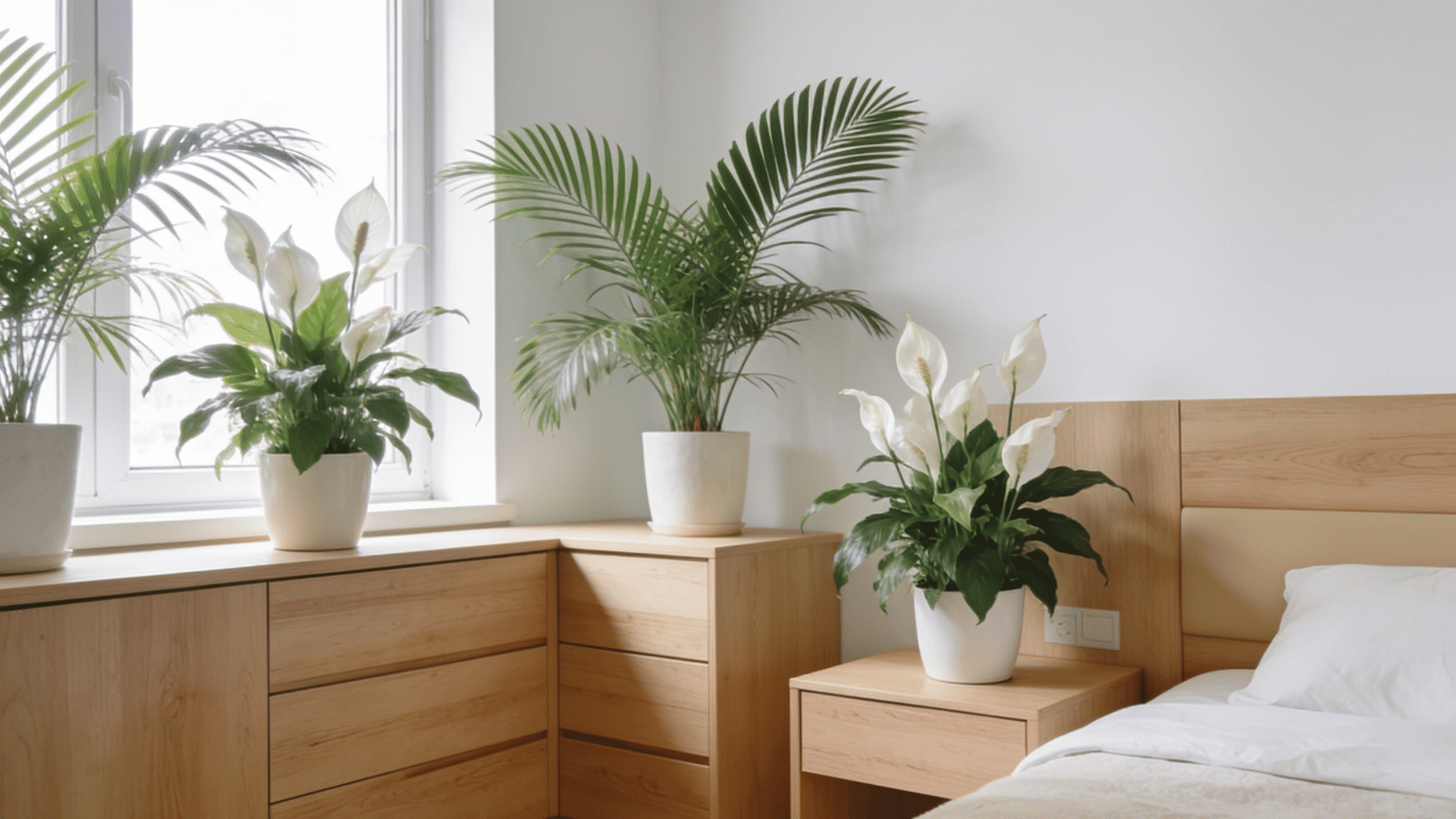
A bedroom should be a place where you can relax and recharge after a long day. Adding the right indoor plant is a simple way to bring natural greenery into the room while creating a more comfortable atmosphere.
Many bedroom plants are promoted for sleep and indoor air quality, but it’s helpful to know what research actually supports.
While no plant can replace healthy sleep habits or dramatically change the air in your room, some varieties are better suited to bedroom spaces because they’re easy to care for, adapt well indoors, or have a pleasant fragrance.
In this blog, you’ll learn about some of the best bedroom plants, along with practical tips for choosing the right one and keeping it healthy.
Why Do People Put Plants In Their Bedrooms?
Bedroom plants are a popular choice for creating a quieter, more comfortable space. Many homeowners also enjoy bringing a touch of nature indoors, especially in rooms meant for rest.
Some plants are marketed as helping with sleep, stress, or indoor air quality. However, current research does not show that a single houseplant can significantly improve sleep or clean the air in a typical bedroom.
Instead, many people value the calming atmosphere plants create and the enjoyable routine of caring for them.
Horticulture experts recommend choosing plants based on practical factors such as available light, maintenance needs, and pet safety, rather than relying on marketing claims.
A healthy plant that suits your space is far more likely to be enjoyed over the long term than one chosen solely for its advertised benefits.
Best Bedroom Plants for Sleep and Relaxation
The best bedroom plants combine easy care with features that suit your space and daily routine. Some grow well in low light, while others need bright, indirect sunlight or occasional watering.
Each recommendation includes its care needs, ideal growing conditions, and important considerations such as pet safety and maintenance.
1. Snake Plant (Sansevieria)
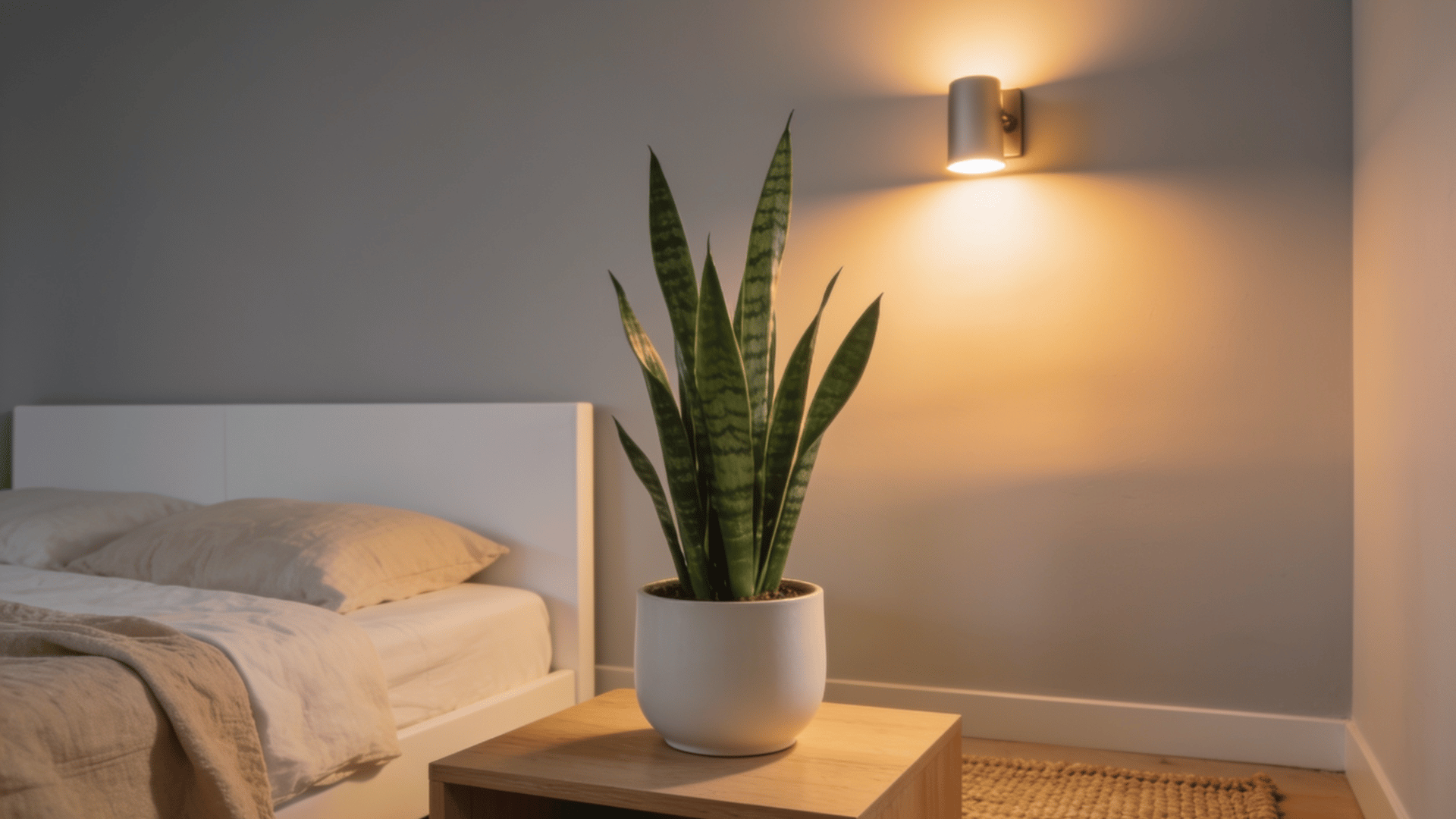
Snake plants are one of the most popular bedroom plants because they’re easy to maintain and fit well in almost any space.
They’re often recommended for bedrooms due to claims about indoor air quality and nighttime oxygen release, although a single plant won’t noticeably change the air in a typical bedroom.
Their biggest advantage is their low-maintenance nature and clean, upright appearance, which can help create a calm, uncluttered feel. Snake plants grow best in bright, indirect light but also tolerate lower-light conditions. Water only when the soil has completely dried out.
- Best for: Low-light bedrooms, beginners, busy households
- Pet safety: Toxic to cats and dogs if eaten.
2. Lavender
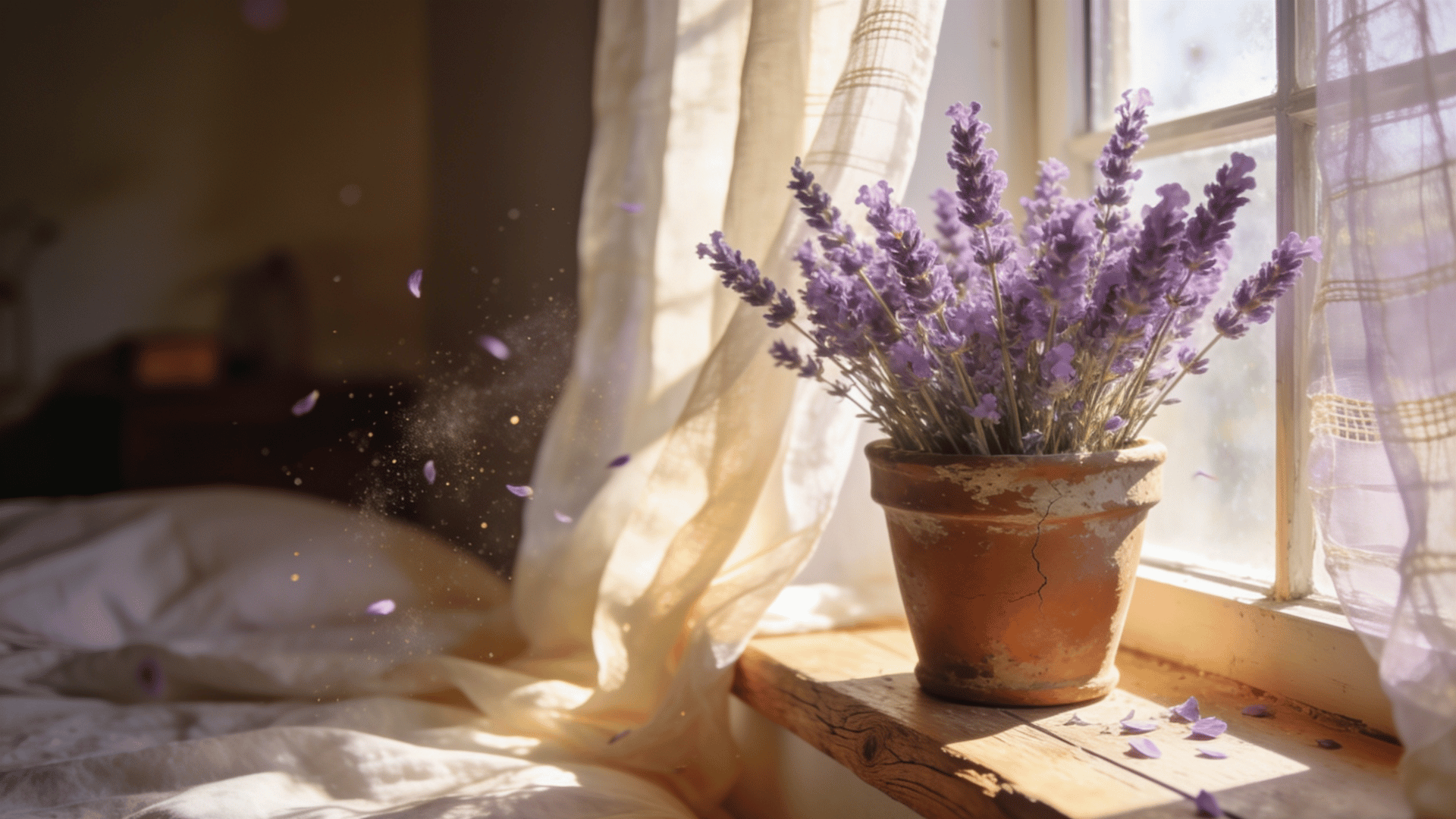
Lavender is one of the first plants people think of when looking for bedroom plants for sleep and relaxation. Its familiar fragrance has been studied for its calming effects, and some research suggests lavender aroma may help people feel more relaxed before bedtime.
However, keeping a lavender plant indoors has not been proven to improve sleep on its own.
If your bedroom receives plenty of direct sunlight, lavender can add a pleasant scent and a calming feel to the room. It needs at least six hours of sunlight each day and well-draining soil to stay healthy.
- Best for: Sunny bedrooms and people who enjoy naturally fragrant plants
- Pet safety: The plant is generally considered low-risk, but concentrated lavender oil should be kept away from pets.
3. Jasmine
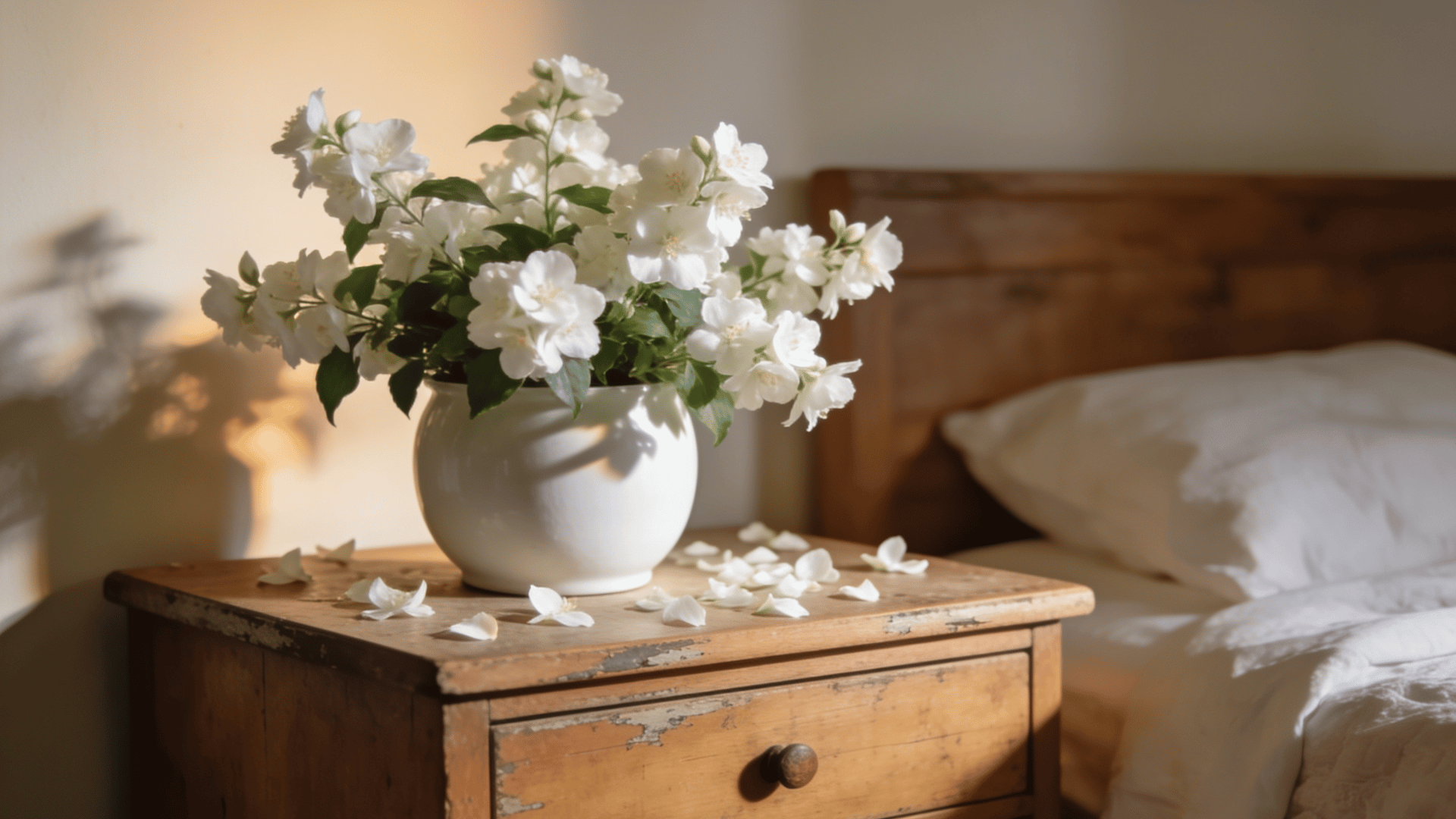
Jasmine is another fragrant plant often recommended for bedrooms for its sweet, floral scent. Some studies suggest jasmine fragrance may help promote relaxation and support a restful bedtime routine, although more research is needed before linking the plant directly to better sleep.
Jasmine grows best in bright, indirect light with evenly moist soil. If you’re willing to give it a little extra attention, it can reward you with fragrant blooms that naturally freshen the room.
- Best for: Bright bedrooms and those who enjoy flowering plants
- Pet safety: Many common jasmine varieties are considered non-toxic, but always check the specific variety before buying.
4. Aloe Vera
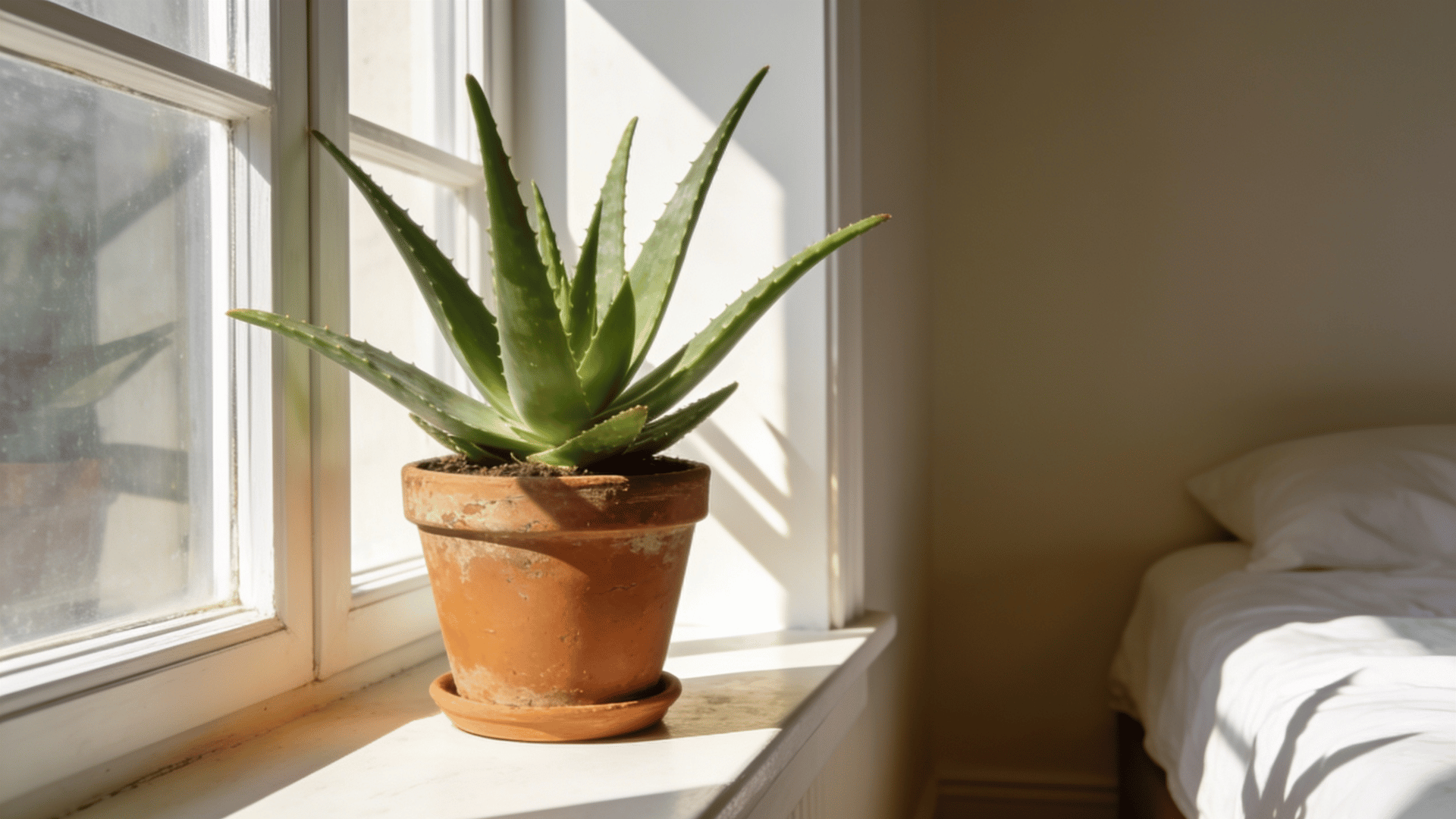
Aloe vera is a great bedroom plant for anyone who wants something simple to care for. It’s often included in lists of bedroom plants because it’s compact, stores water in its leaves, and can go longer between waterings than many other houseplants.
Although aloe vera is sometimes promoted for improving indoor air, its biggest benefit is how easy it is to maintain. Place it near a sunny window and water only after the soil has dried completely.
- Best for: Sunny bedrooms, beginners, and busy homeowners
- Pet safety: Toxic to cats and dogs if eaten.
5. Peace Lily
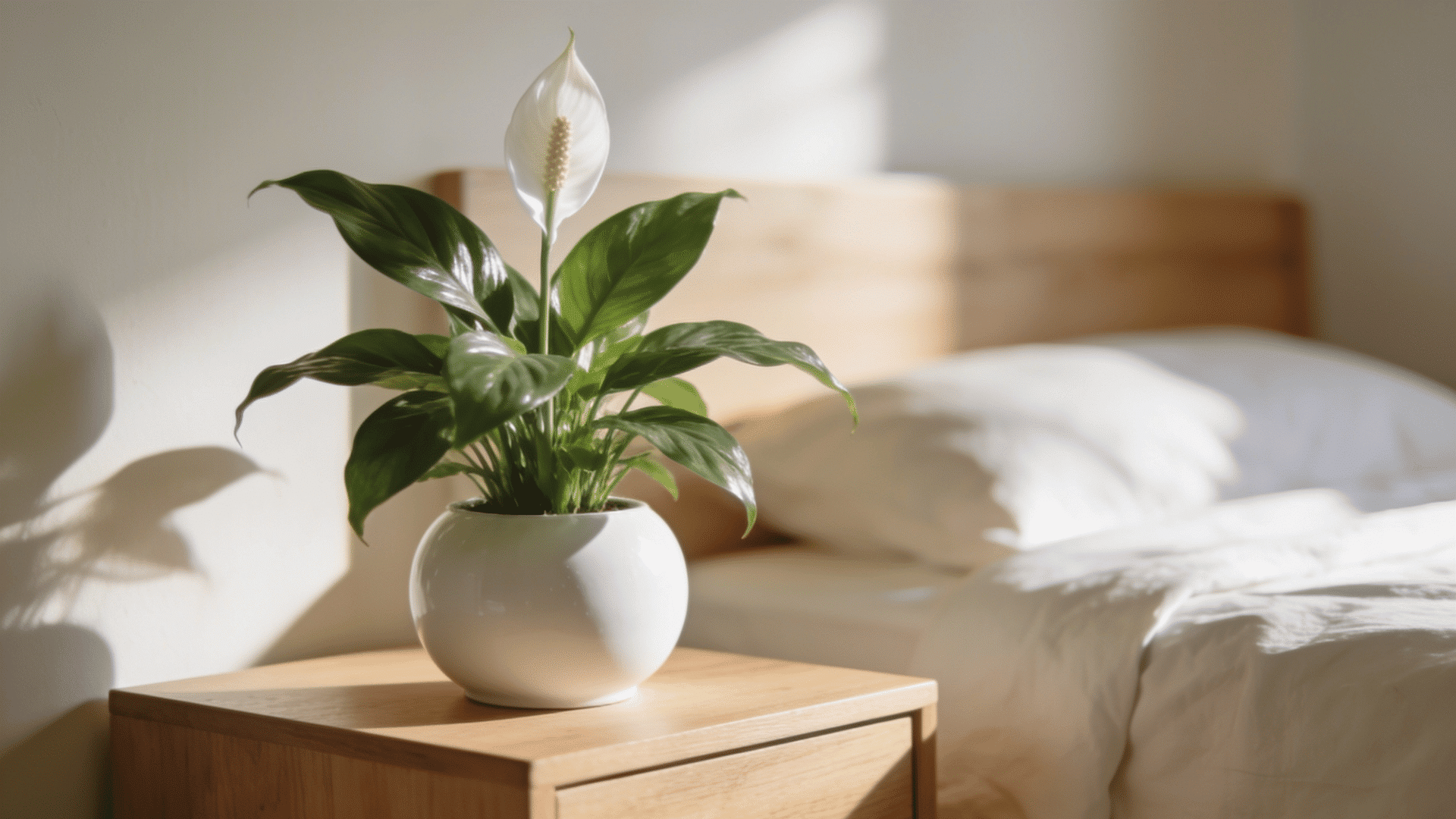
Peace lilies are popular bedroom plants because they combine rich green foliage with attractive white blooms. Many homeowners choose them to create a calm and welcoming atmosphere without taking up too much space.
They’re also frequently mentioned in discussions about indoor air quality, although their visual appeal and manageable care routine are the reasons most people keep them indoors. Peace lilies prefer medium to bright, indirect light and consistently moist soil.
- Best for: Medium-light bedrooms and flowering plant lovers
- Pet safety: Toxic to cats and dogs.
6. Spider Plant
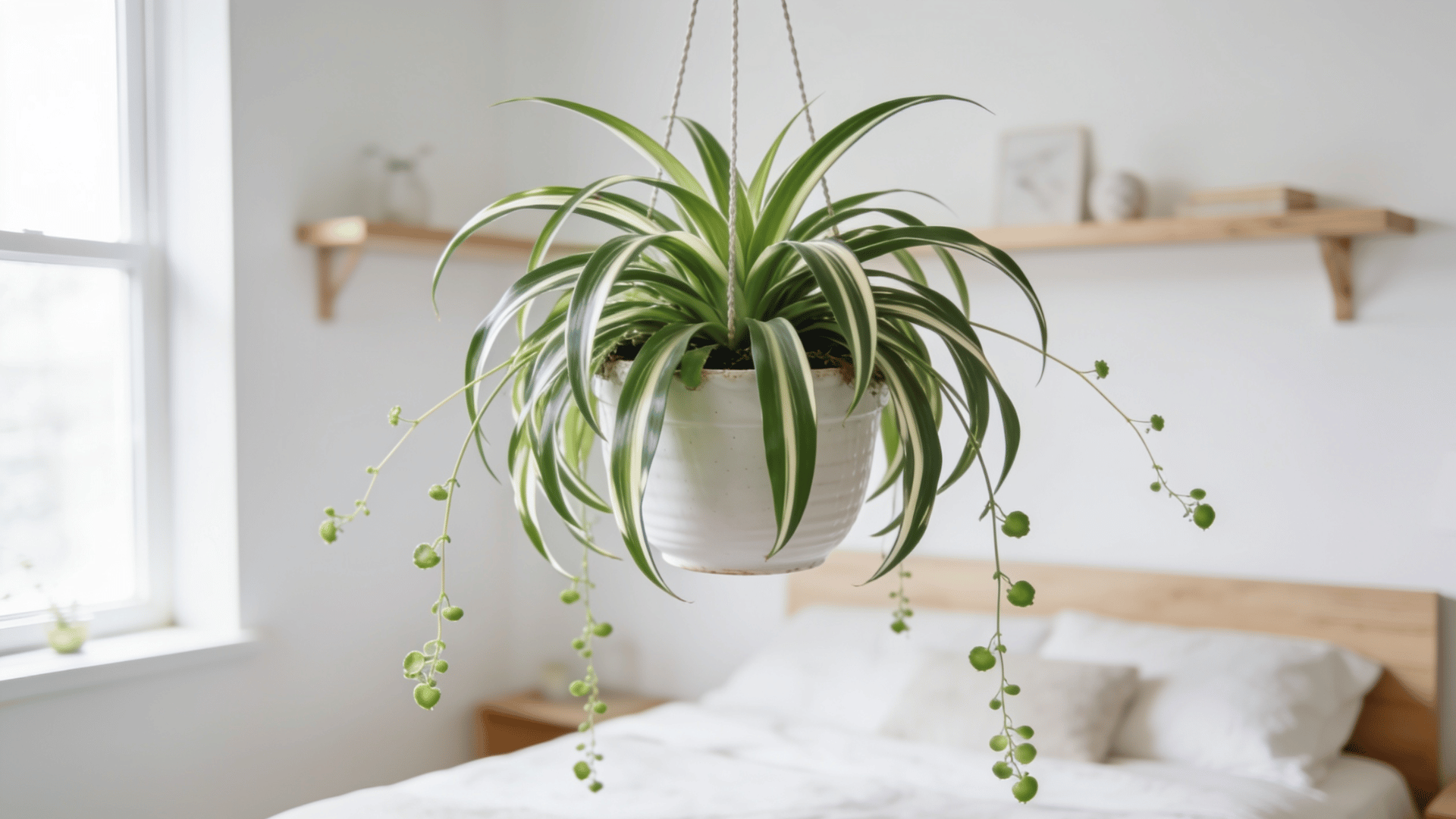
Spider plants are an excellent choice if you’re looking for an easy-care bedroom plant. Their long, arching leaves soften the look of a room and add natural greenery without demanding much attention.
Because they’re forgiving and adaptable, they’re often recommended for first-time plant owners. Spider plants prefer bright, indirect light but also perform well in average indoor conditions. Water when the top inch of soil feels dry.
- Best for: Beginners, hanging baskets, and pet owners
- Pet safety: Non-toxic to cats and dogs.
7. English Ivy
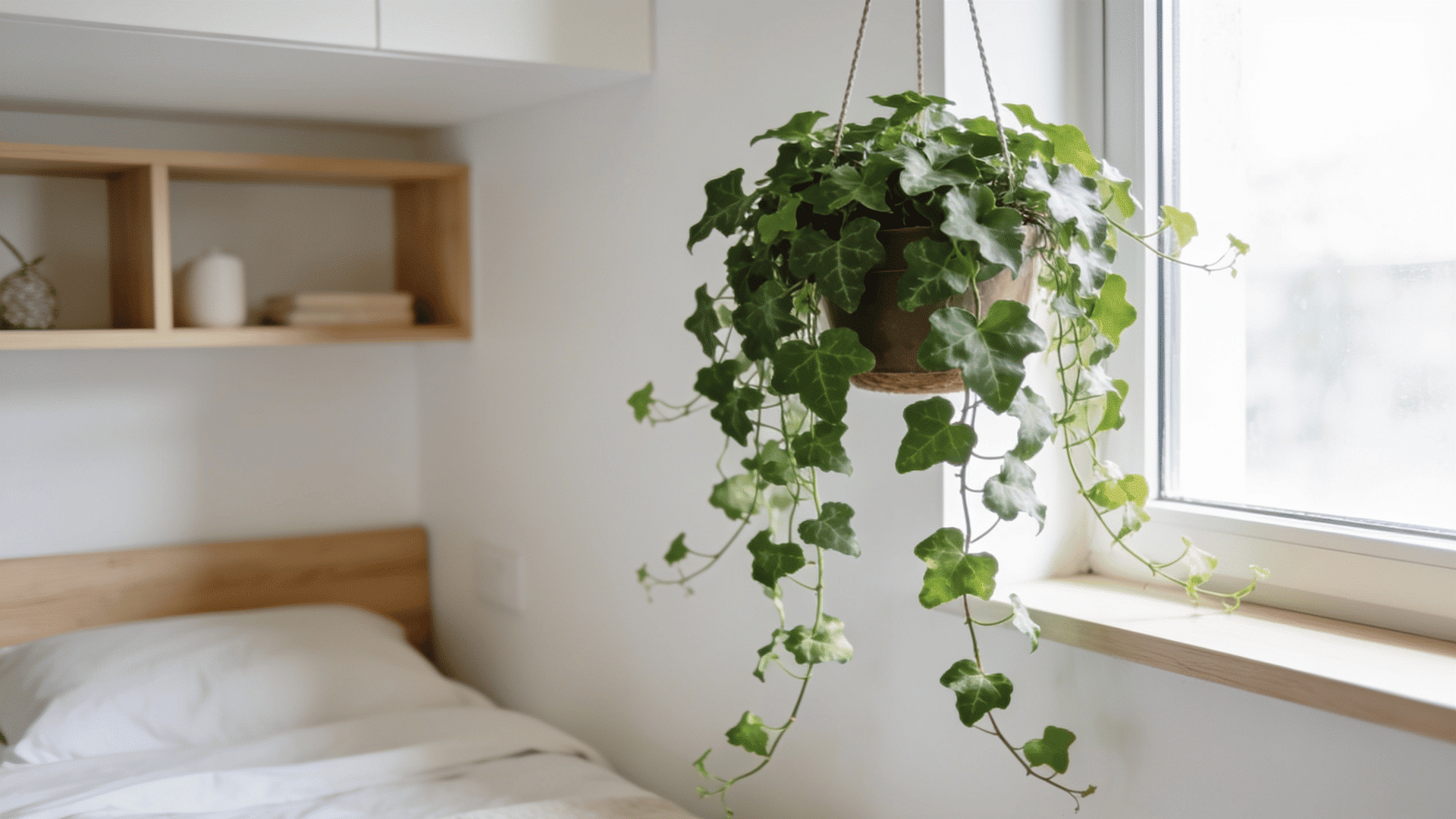
English ivy is often chosen for bedrooms because its trailing vines look attractive on shelves, hanging planters, and bookcases. It brings greenery into the room without using valuable floor space.
It’s commonly promoted as an air-quality plant, but its biggest advantage is its appearance and versatility indoors. English ivy grows best in bright, indirect light with evenly moist soil and good airflow.
- Best for: Small bedrooms, hanging planters, and shelves
- Pet safety: Toxic to cats and dogs.
8. Gardenia
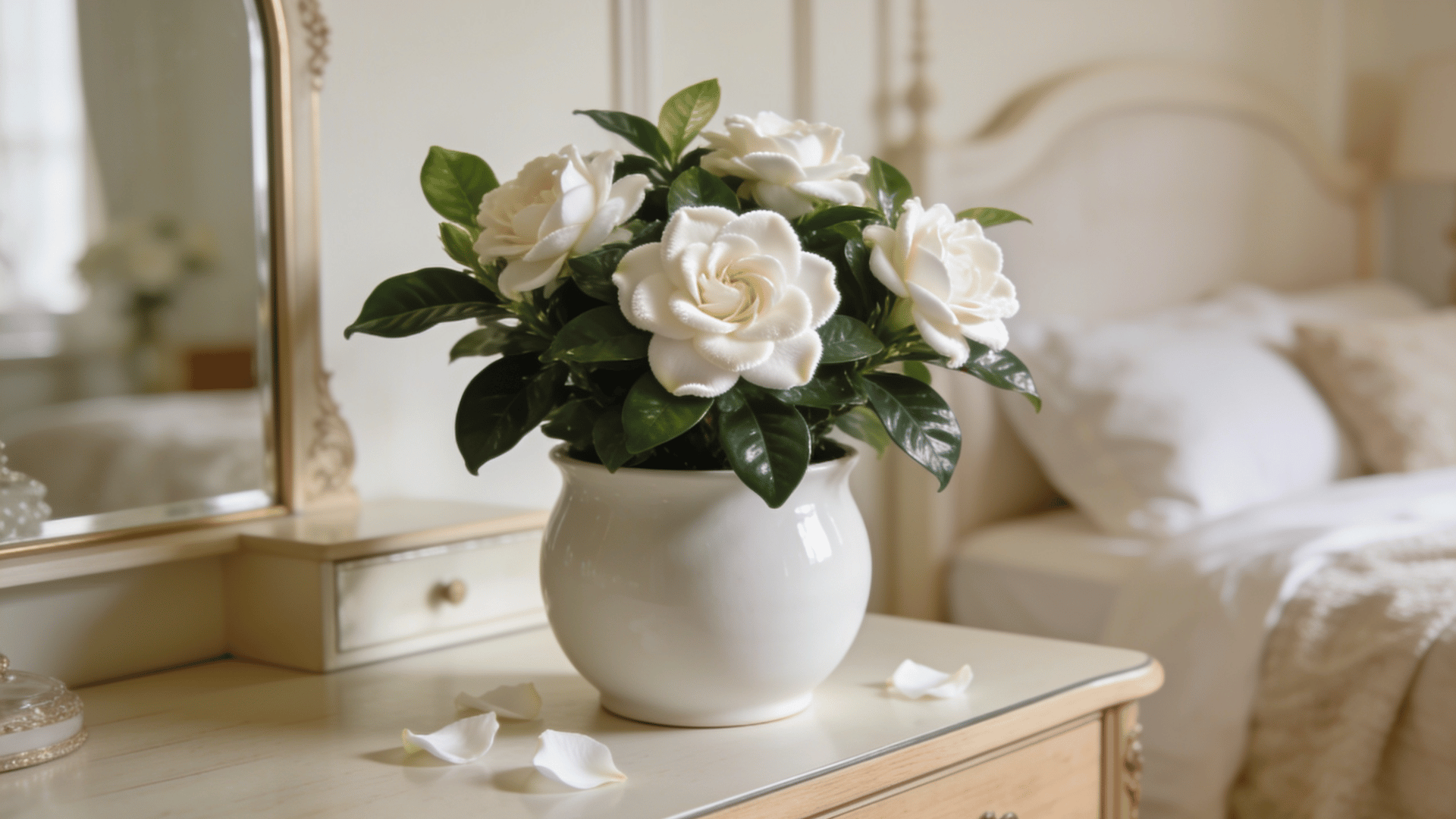
Gardenias are well known for their fragrant white flowers, making them a favorite among people who enjoy naturally scented bedrooms. Their rich floral fragrance can help create a peaceful atmosphere, especially while reading or relaxing before bed.
Unlike many bedroom plants, gardenias need bright light, consistent watering, and higher humidity to stay healthy. They require more care, but many plant owners feel the fragrant blooms make the effort worthwhile.
- Best for: Bright bedrooms with higher humidity
- Pet safety: Generally considered non-toxic to cats and dogs.
9. Pothos
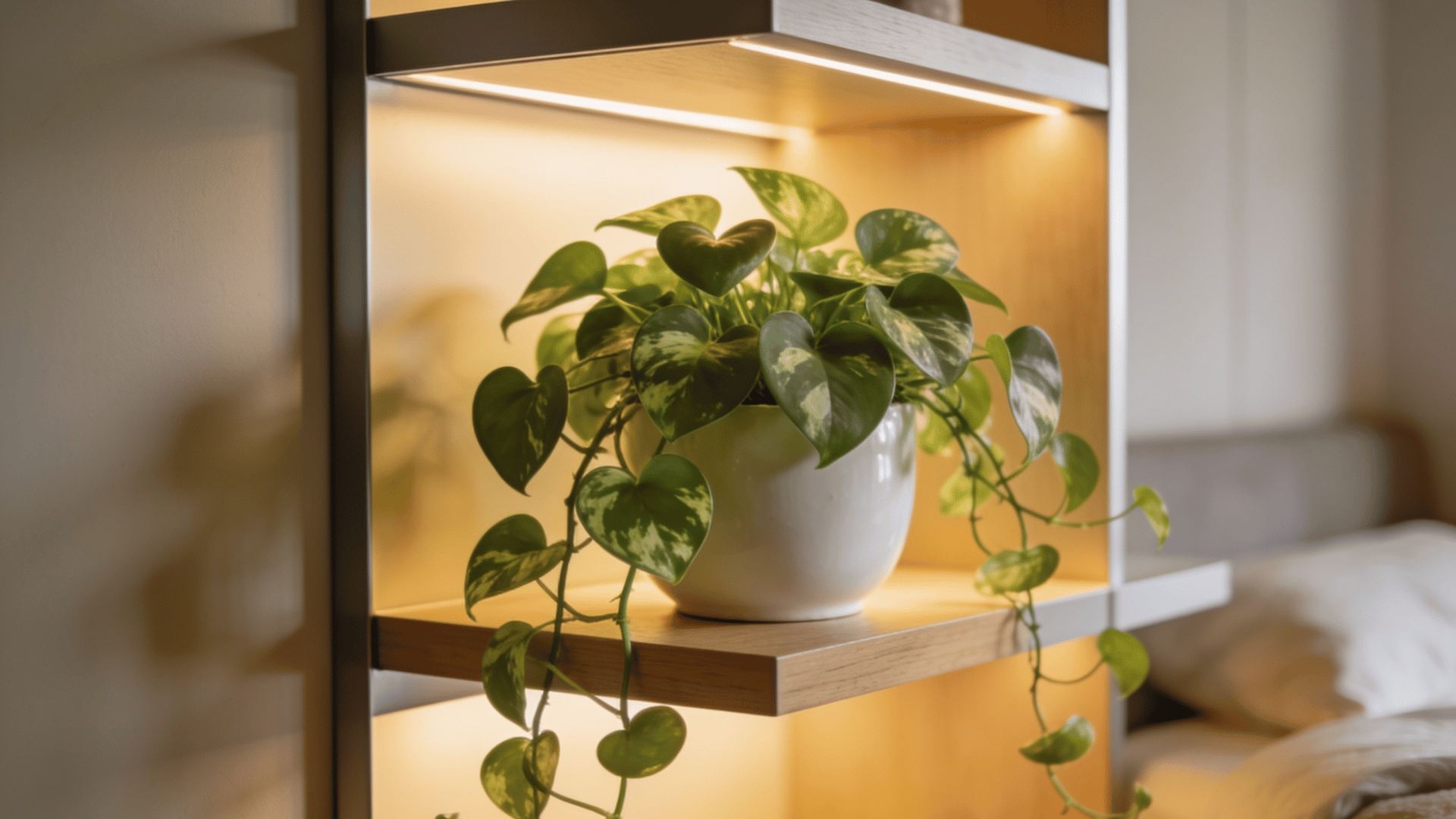
Pothos is one of the easiest houseplants to grow, making it a reliable bedroom plant for beginners. Its trailing vines add greenery to shelves, dressers, and hanging baskets without requiring frequent care.
While pothos is sometimes included on lists of air-quality plants, most homeowners appreciate it for its ability to adapt to various indoor conditions. It grows in low to bright, indirect light and only needs watering after the top layer of soil becomes dry.
- Best for: Beginners, small bedrooms, and low-light spaces
- Pet safety: Toxic to cats and dogs.
10. Areca Palm
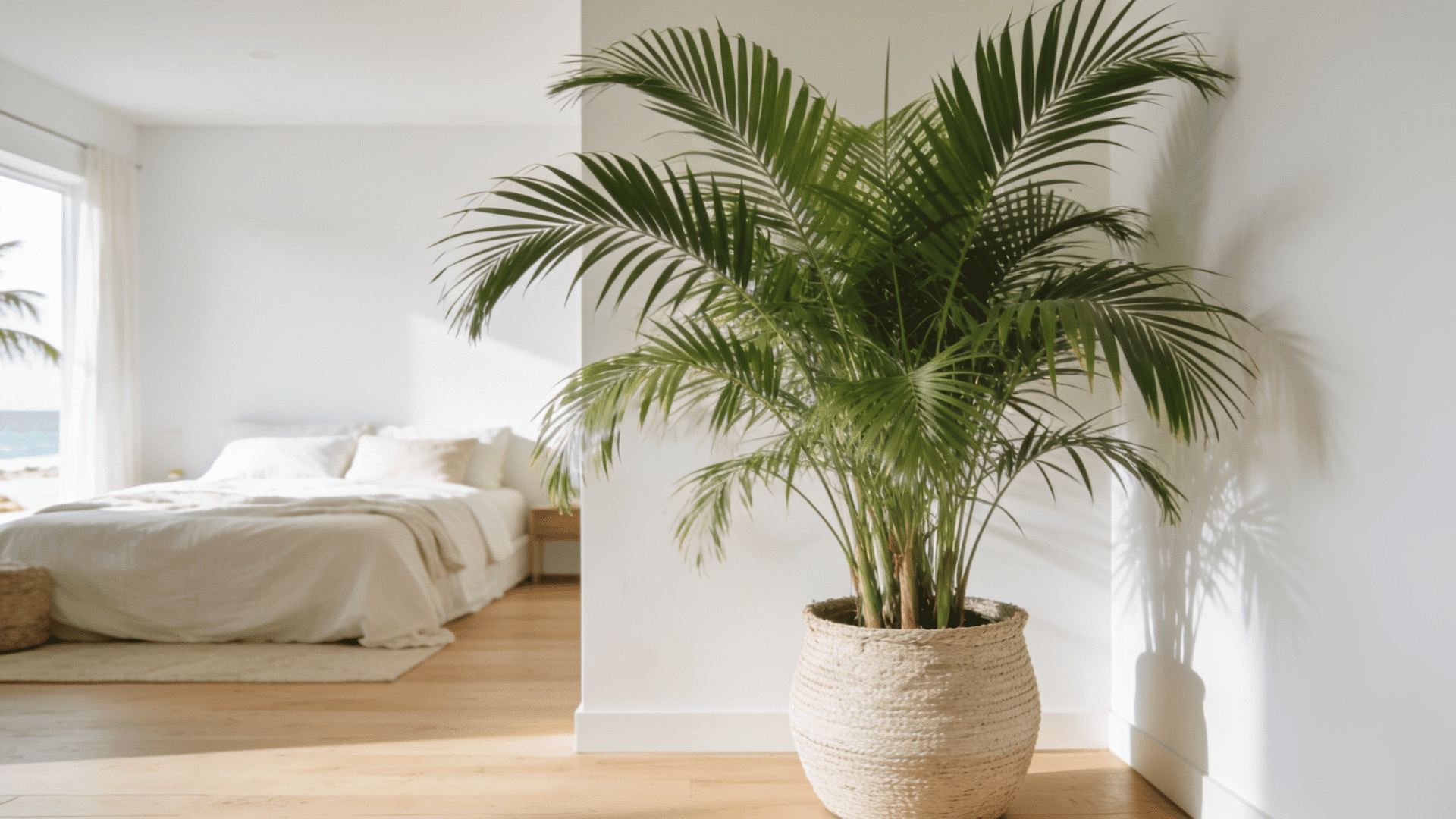
If you want your bedroom to feel more peaceful and relaxing, an areca palm can be an excellent choice. Its soft, feathery fronds add texture and help create a comfortable indoor setting, especially in larger bedrooms with plenty of natural light.
Areca palms also release moisture through natural transpiration, which may slightly increase humidity around the plant. While the effect is modest, some people find that a little extra humidity makes dry indoor spaces feel more comfortable.
Place the plant in bright, indirect light and keep the soil lightly moist.
- Best for: Large bedrooms with bright, indirect light
- Pet safety: Non-toxic to cats and dogs.
Choosing the Right Bedroom Plant for Your Space
The right bedroom plant should suit your room’s conditions and your daily routine. Keeping these factors in mind can help you choose a plant that’s easier to care for over time.
- Match the plant to your light – Bright, indirect light suits many houseplants, while low-light rooms are better for varieties like snake plants or pothos. Choosing a plant that matches your available light gives it a better chance to grow well.
- Choose the right size – Small plants fit bedside tables and shelves, while larger plants work better in spacious bedrooms with open floor space. Make sure the plant has enough room to grow without making the area feel crowded.
- Consider your maintenance routine – Pick plants that match how often you can realistically water, prune, and monitor them. Easy-care varieties are usually a better fit for busy schedules or first-time plant owners.
- Think about seasonal changes – Bedrooms may receive less natural light during winter, so choose plants that can handle changing indoor conditions if needed. You may also need to adjust watering as the seasons change.
- Keep pet safety in mind – If you have cats or dogs, check if the plant is safe for pets before bringing it into your bedroom. If you choose a plant that can be harmful if eaten, place it well out of your pet’s reach.
- Use containers with drainage holes – Proper drainage helps prevent excess moisture, reducing the risk of root rot. Pair the pot with a well-draining potting mix to help keep the roots healthy.
Common Myths About Bedroom Plants
It’s easy to come across conflicting advice about bedroom plants. These common myths can help you separate reliable information from popular misconceptions.
| Myth | Fact |
|---|---|
| Bedroom plants can fully clean indoor air on their own. | Houseplants can support a fresher-looking room, but they are not a replacement for ventilation, opening windows when possible, and reducing indoor pollutants. |
| Fragrant plants are relaxing for everyone. | Scents like lavender or jasmine may feel calming to some people, but others can be sensitive to strong fragrances or prefer unscented plants. |
| Artificial light is enough for all bedroom plants. | Some plants tolerate low light, but many still need natural light to stay healthy over time. |
| Brown leaf tips always mean the plant needs more water. | Brown tips can also come from dry air, excess fertilizer, mineral-heavy tap water, or general stress, so check the full care routine first. |
| Expensive plants are always better for bedrooms. | A budget-friendly plant that suits your room’s light, humidity, and care routine is often a better choice than a costly plant that is hard to maintain. |
Final Thoughts
Choosing the right bedroom plant starts with understanding your room’s lighting, available space, and the amount of care you can provide. A plant that’s a good fit for your home is more likely to stay healthy and continue growing well.
From easy-care choices like the snake plant to fragrant favorites like lavender and jasmine, each option has its own strengths.
Comparing their light requirements, maintenance needs, and pet safety can help you select one that suits your bedroom.
With consistent care and practical expectations, a healthy indoor plant can bring natural greenery, fresh character, and a relaxing atmosphere to your bedroom for years to come.
Frequently Asked Questions
Can Bedroom Plants Attract Bugs?
Overwatered soil is more likely to attract fungus gnats than healthy, well-maintained plants.
Is It Okay to Keep a Bedroom Plant in An Air-Conditioned Room?
Yes, as long as the plant isn’t placed directly in the path of cold air.
Should I Fertilize Bedroom Plants Year-Round?
Most houseplants need fertilizer mainly during their active growing season in spring and summer.
Can I Use Tap Water for Bedroom Plants?
Yes, although some sensitive plants may perform better with filtered or rainwater.
How Often Should I Replace the Potting Soil?
Replacing the potting mix every one to two years helps maintain good drainage and healthy root growth.