Custom furniture usually becomes worth considering when standard pieces keep missing the mark. A sofa may be too deep, a dining table may leave little room for chairs, or a cabinet may waste space that could be used better.
That is where customization can make a real difference.
Knowing what custom furniture includes, how it differs from ready-made or bespoke pieces, what the process looks like, and what affects the price can make the decision much easier.
Let’s get into it!
What Is Custom Furniture?
Custom furniture is furniture made or adjusted to match specific needs, such as size, material, finish, storage, or layout. Unlike standard furniture, it gives you more control over how the final piece looks and functions.
The level of customization depends on the maker. Some companies modify an existing sofa, table, or cabinet, while others allow broader changes to dimensions, materials, and design details.
For example, you might change a sofa’s width, choose a different wood for a table, or add storage to a cabinet. Custom furniture does not always mean starting from scratch; it simply goes beyond fixed, standard options.
What Can You Customize In Furniture?
Custom furniture can be adjusted in many ways depending on the maker and piece. I always tell people to think function before appearance.
- Size and Dimensions: Adjust height, width, length, or depth to fit the room.
- Materials: Choose from wood, metal, glass, stone, leather, or fabric options.
- Finish and Color: Select stains, paints, or fabric colors that work with your home decor style and the rest of the room.
- Design Details: Customize legs, edges, shapes, hardware, and decorative elements. These choices can also help a piece fit a specific decorating direction, such as transitional interior design, without relying on a completely standard furniture style.
- Configuration and Layout: Modify sections, shelves, or cabinets to suit actual use.
- Storage Features: Add drawers, shelves, or hidden compartments as needed.
- Comfort Features: Adjust cushion firmness, seat depth, and padding for daily comfort.
- Special Features: Include charging ports, cable management, or space-specific additions.
Custom vs. Ready-Made vs. Made-to-Order vs. Bespoke Furniture
These terms get thrown around like they mean the same thing, but each one describes a different level of personalization. Understanding what custom furniture is, and where bespoke vs custom sits on that spectrum, comes down to control.
|
Type |
What It Means |
Customization |
Example |
|---|---|---|---|
|
Ready-Made |
Pre-built, standard sizes and designs |
Lowest |
Store-bought sofa |
|
Made-to-Order |
Made after purchase, preset options |
Limited to medium |
Sofa with chosen upholstery color |
|
Custom |
Adjusted based on specific needs |
High |
Table with chosen size and wood |
|
Bespoke |
One-of-a-kind, built around the client |
Highest |
Table designed from exact room measurements |
Different Types of Custom Furniture
Custom furniture shows up in more places than people expect. I usually look at how each piece needs to work first, then the design choices follow from there.
1. Custom Sofas and Sectionals
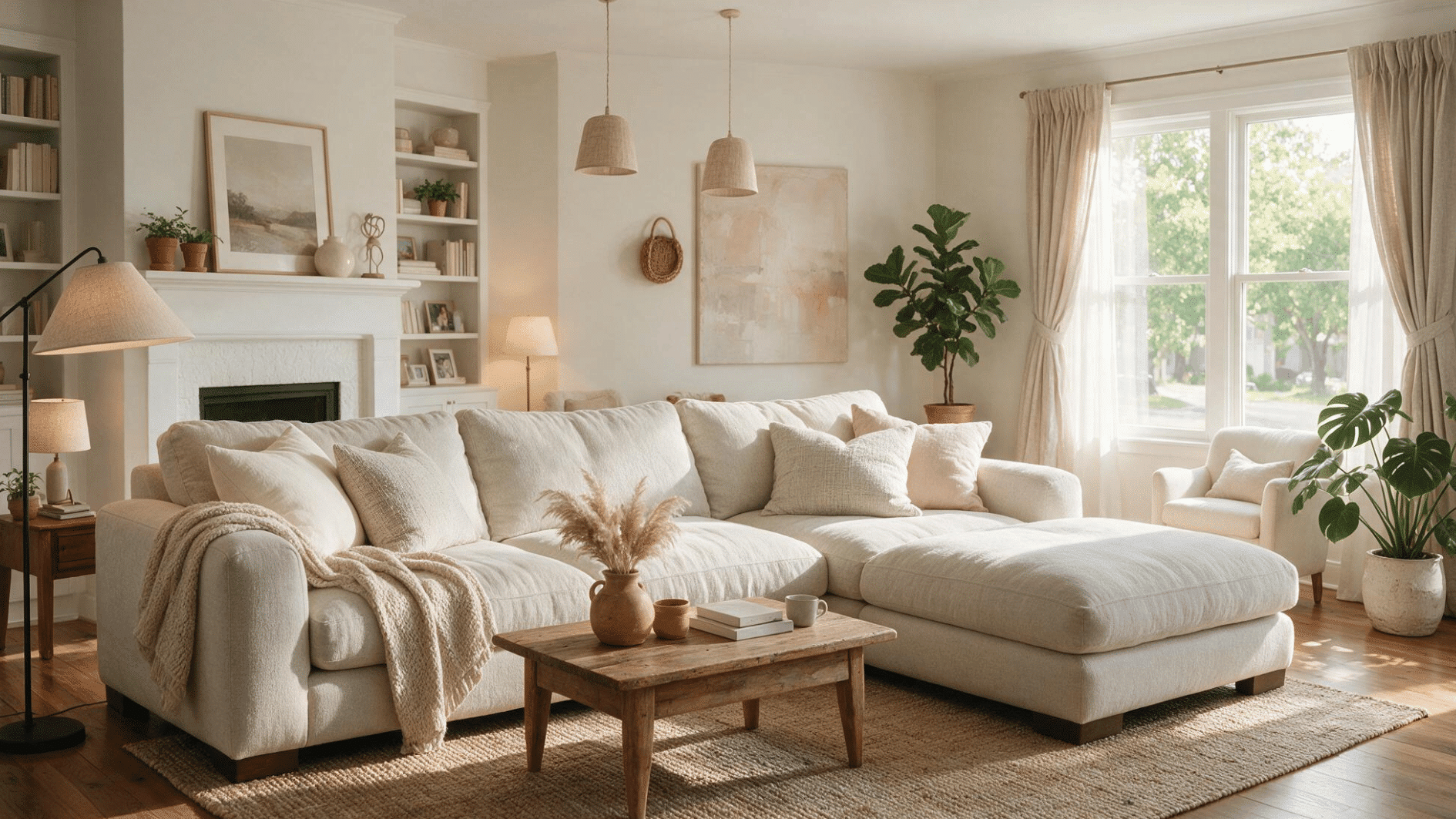
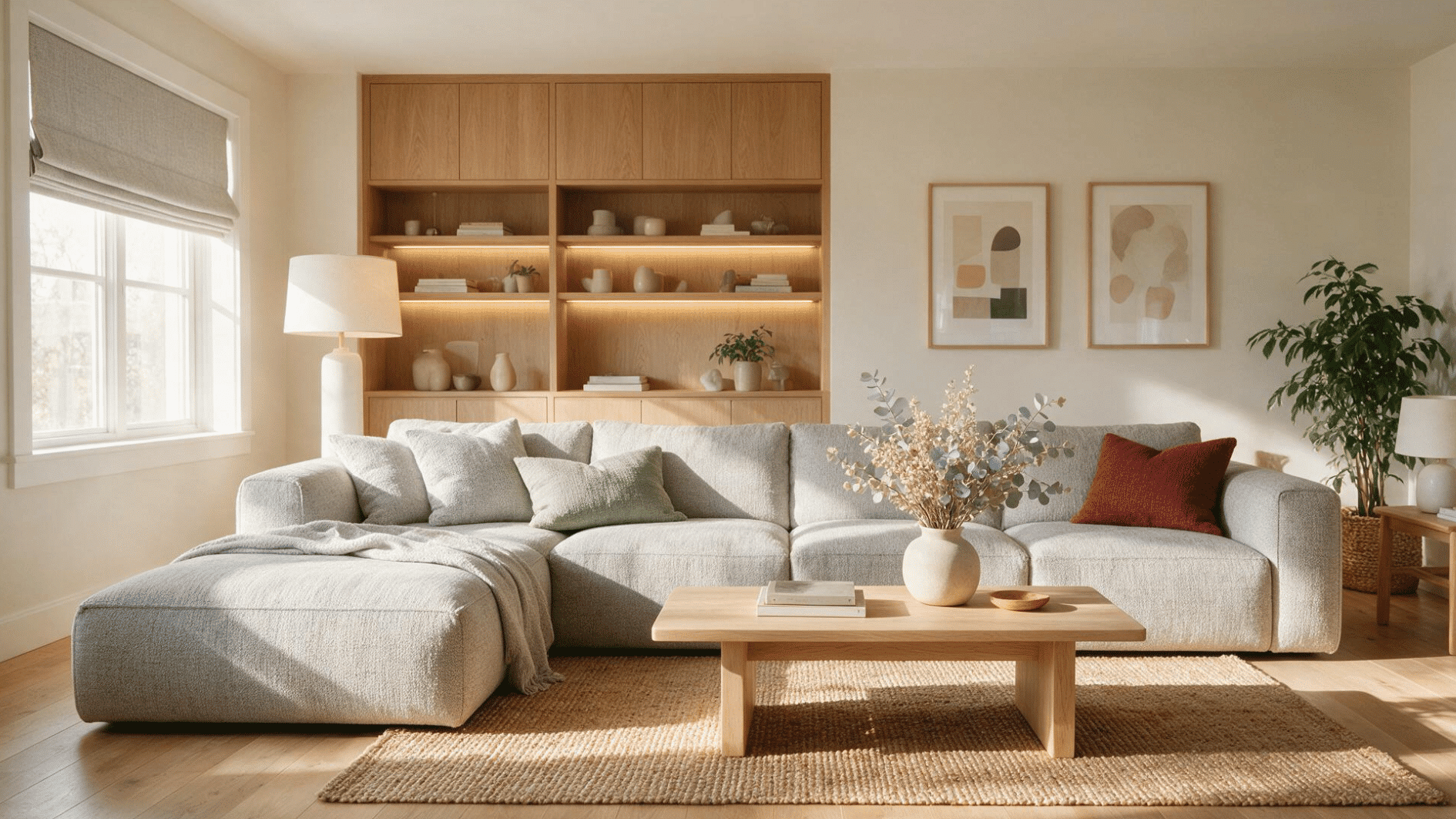
Sofas are often customized around seating preferences and living room layout. The real advantage is getting the proportions right without changing the entire style of the sofa you already like.
Modular sectionals can also add or remove seating units, creating a configuration that fits the space better than a fixed layout would.
- Cushion Firmness: Adjustable firmness levels suit different seating preferences and body types.
- Arm and Leg Style: Arm shape and leg finish change the sofa’s overall look.
- Fabric Durability: Upholstery choices can prioritize stain resistance or pet-friendly materials.
2. Custom Dining Tables
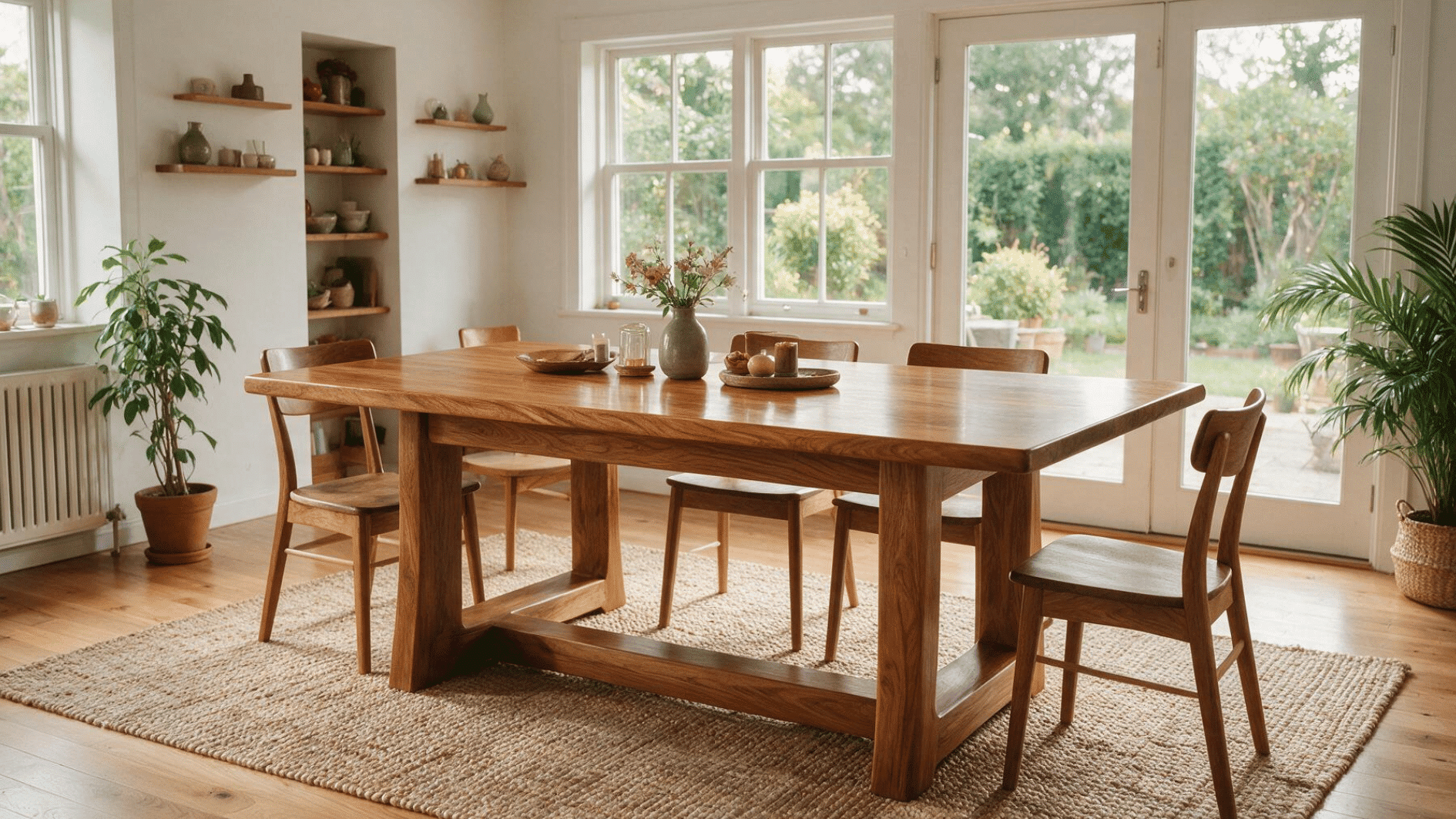
Dining tables are commonly adjusted around seating capacity and available floor space. A table can fit the room on paper and still feel cramped, so chair clearance matters just as much as the tabletop size.
Length and width both play a role in how many people fit comfortably and how much serving space remains.
- Grain Pattern: Wood type shapes the table’s visual texture and character.
- Chair Clearance: Base style affects how much legroom chairs actually have.
- Occasional Seating: Extension leaves add capacity only when guests require it.
3. Custom Cabinets and Storage
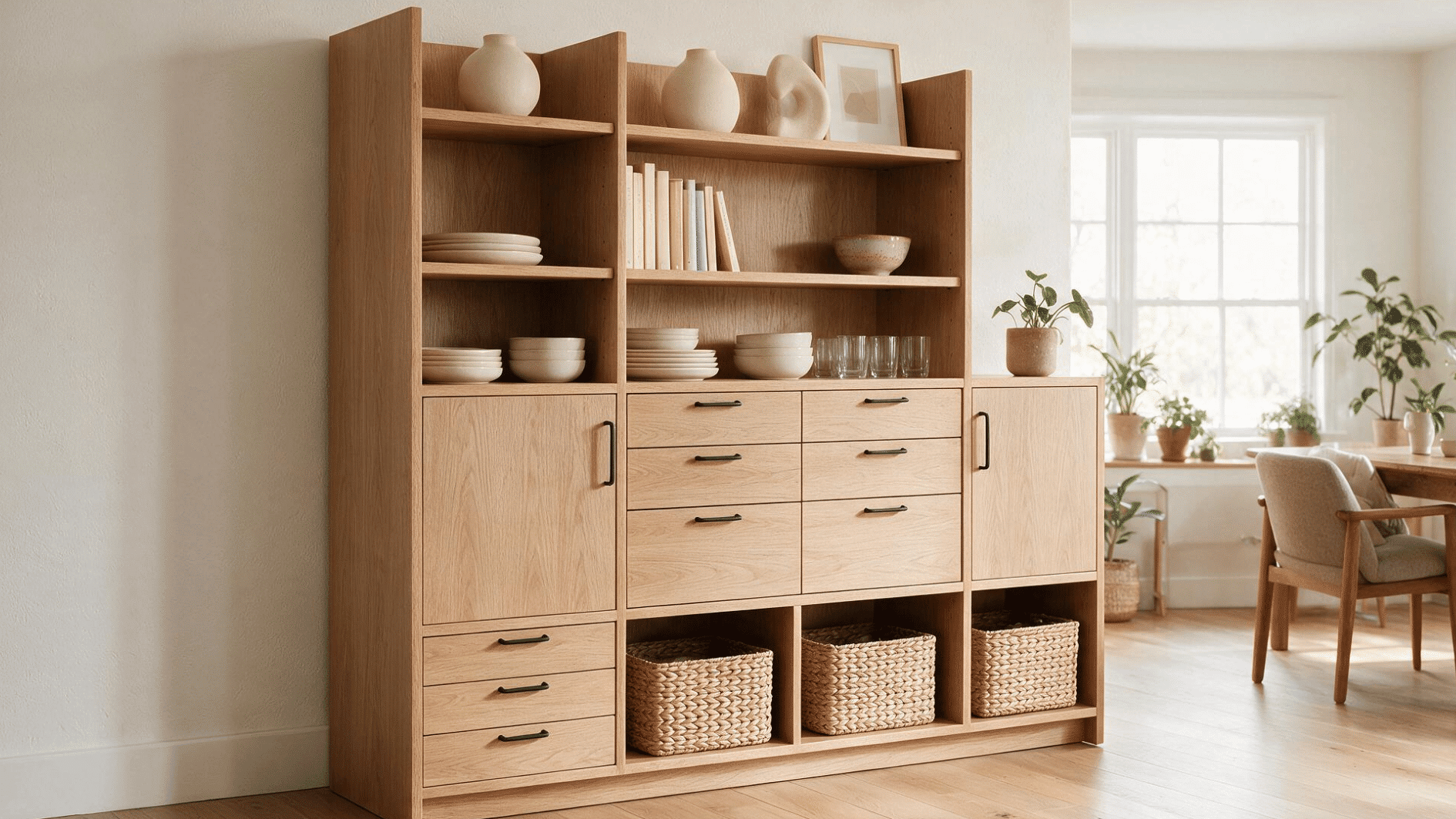
Custom cabinets focus mainly on how storage is divided and used. A cabinet can be planned around books, dishes, media equipment, shoes, toys, or office supplies.
This category includes media cabinets, sideboards, entryway units, bookcases, mudroom storage, and other freestanding pieces.
- Adjustable Heights: Shelves can shift to fit taller or shorter stored items.
- Purpose-Built Drawers: Drawer dimensions can match specific contents like files or media.
- Door Placement: Door positioning affects both access and overall room flow.
4. Custom Beds and Headboards
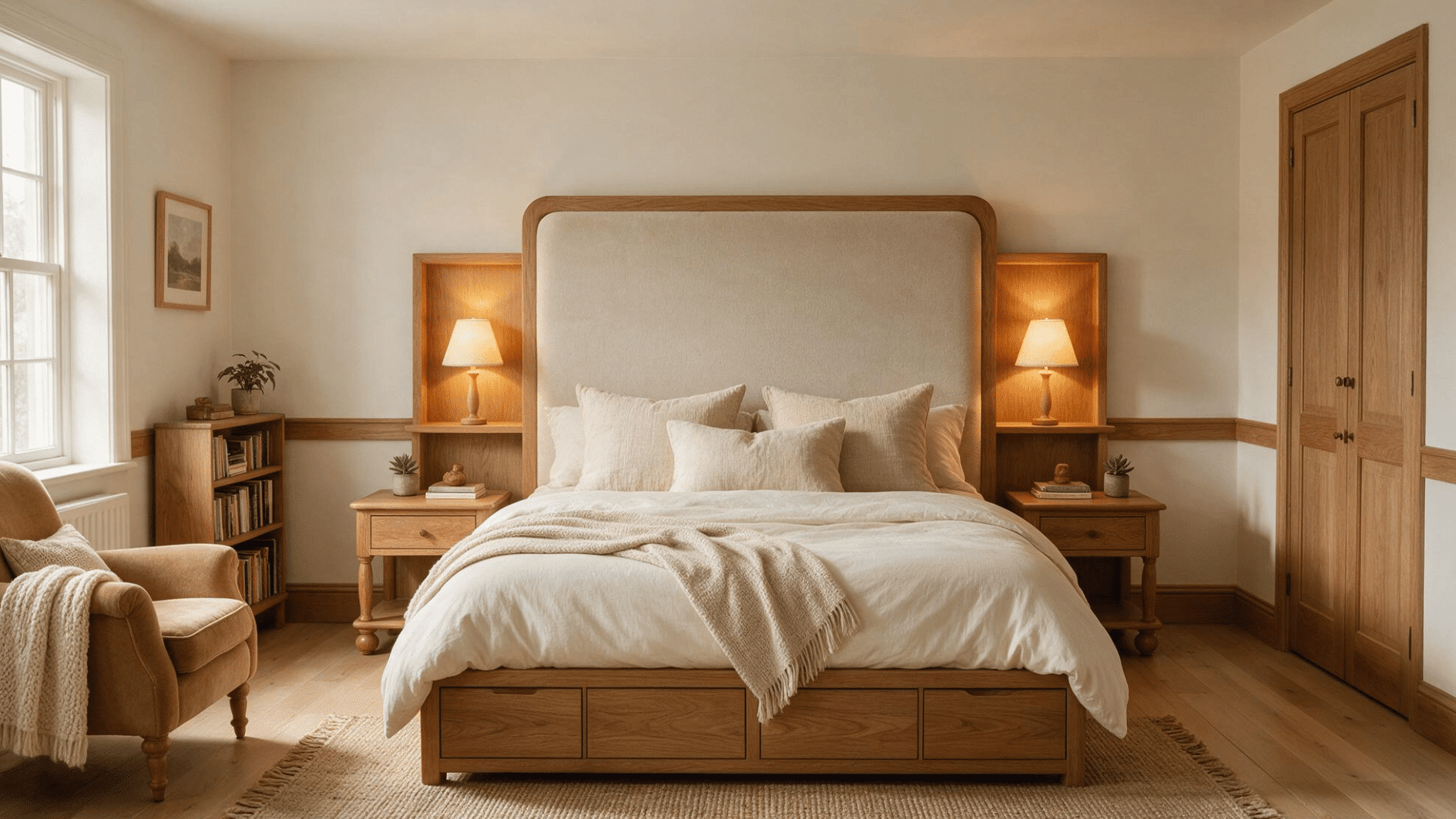
Beds and headboards can be customized through dimensions, upholstery, height, storage, and attached features. These changes can make a bedroom layout easier to plan by improving storage, proportions, and the way the bed fits the available space.
A platform bed may include drawers underneath, while a headboard can go wider or taller than standard versions.
- Fabric Selection: Upholstery choices range from performance fabrics to natural textiles.
- Frame Height: Bed height can be raised or lowered for comfort and access.
- Nightstand Integration: Some designs attach small shelves directly to the headboard.
5. Custom Desks and Office Furniture
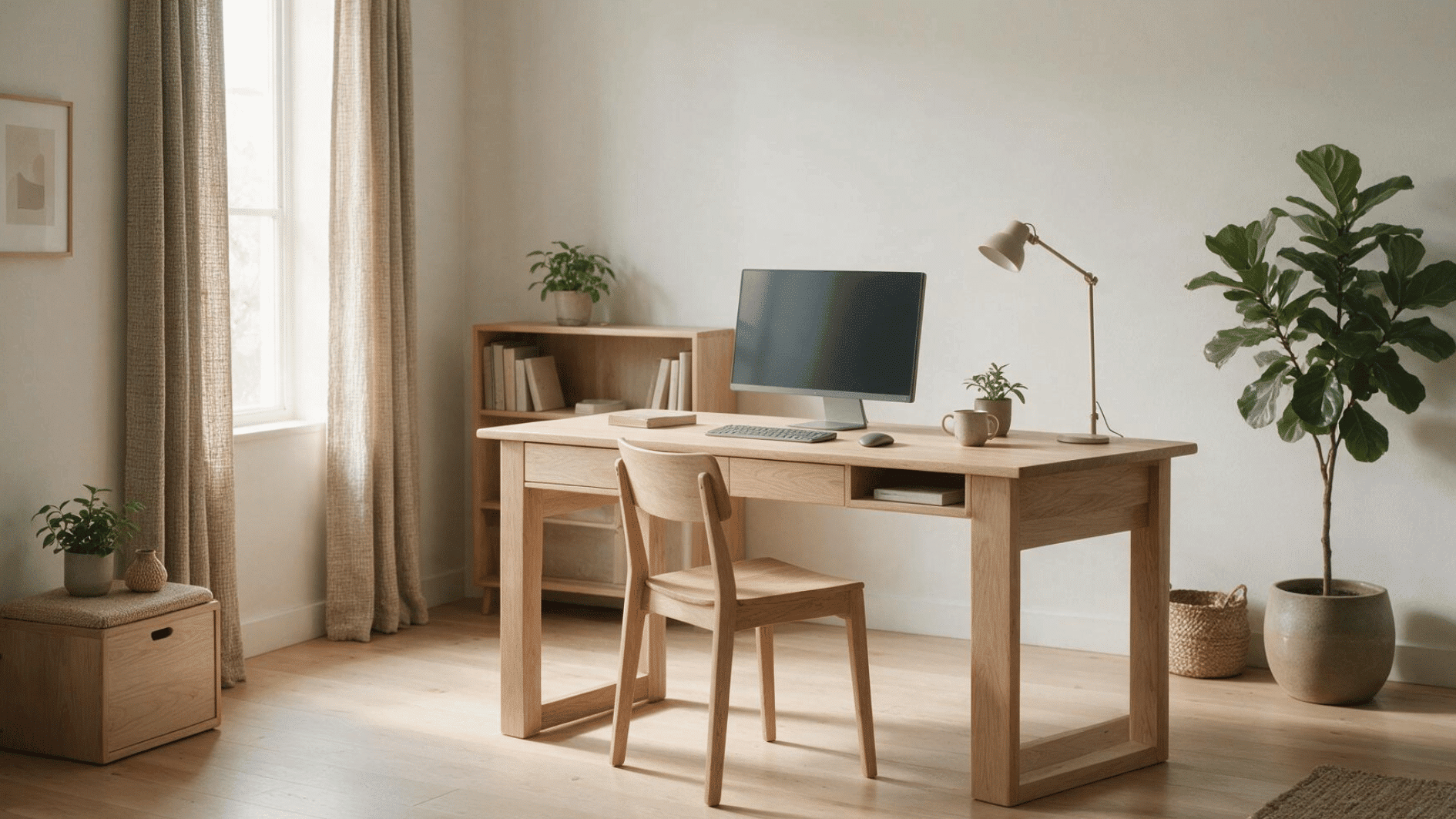
Custom desks are often designed around a specific work setup, whether that means multiple monitors, paperwork, or specialized equipment.
A custom desk can also be shaped for a corner, wall, or compact area where a standard desk wouldn’t use available space well.
- Monitor Accommodation: Desktop depth can expand to fit multiple screens comfortably.
- File Access: Built-in file storage keeps documents within easy reach.
- Space-Specific Shaping: Corner or wall-mounted designs maximize awkward or tight areas.
6. Custom Shelving
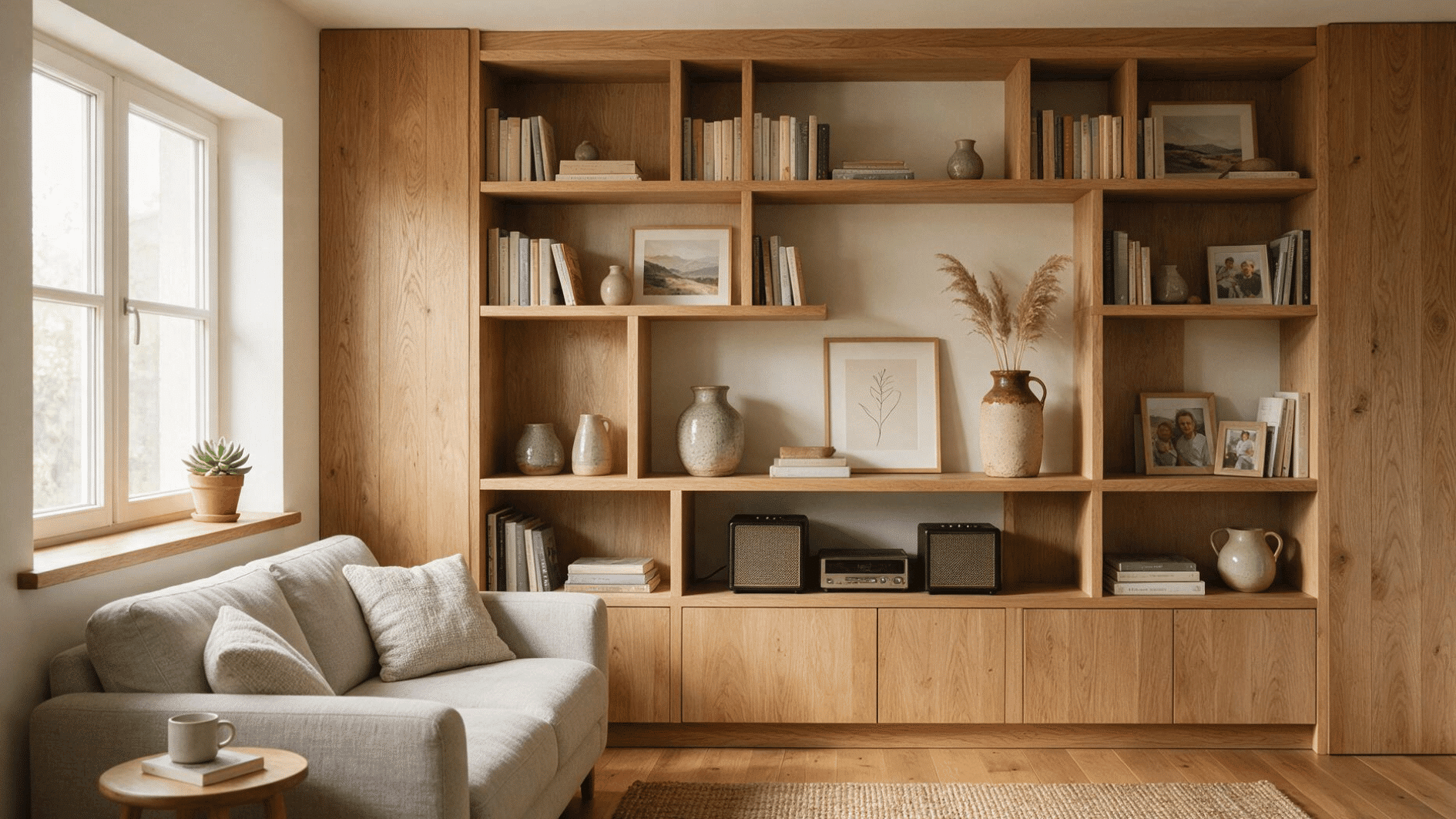
Custom shelving can be made to fit a particular wall or storage requirement. This gives more control over height and depth than evenly spaced standard shelving allows.
You can adjust shelf spacing for books, larger objects, electronics, or display pieces.
- Section Sizing: Individual sections can vary in height rather than repeating uniformly.
- Mounting Style: Shelving can attach to walls or stand independently in a room.
- Load Capacity: Deeper or reinforced sections support heavier display items.
How Does the Custom Furniture Process Work?
The process can be simple or fairly detailed depending on the piece. I usually find that getting the practical decisions right early makes everything that follows much easier.
- Define the Purpose: Decide what the furniture needs to do before choosing design details.
- Measure the Area: Record the available height, width, and depth.
- Choose a Design Direction: Start with an existing model or discuss a more individualized design.
- Select Materials: Choose wood, upholstery, finishes, hardware, and other surfaces.
- Confirm Dimensions: Check the measurements before production begins.
- Review the Specifications: Look over drawings, layouts, or written details.
- Approve the Order: Confirm the final design, price, and production information.
- Build the Furniture: The maker produces the piece according to the approved specifications.
- Arrange Delivery: Some items are simply delivered, while others may require assembly or installation.
What to Know Before Ordering Custom Furniture
A custom furniture order involves more than choosing a design you like. Before production begins, confirm the timeline, measurements, and final details so there are fewer surprises later.
I recommend asking about lead times and approval points before placing the order. Once production starts, making changes may not always be possible or could add extra costs.
Material choices are another area where careful planning helps. Review wood, fabric, leather, or finish samples when possible because colors and textures can appear different depending on your space and lighting.
Before finalizing the purchase, check warranty coverage, return policies, delivery, and installation requirements. Knowing what is included in the price can make the ordering process much smoother.
How Much Does Custom Furniture Cost?
Custom furniture pricing varies widely depending on the piece, materials, and level of personalization involved. Here’s a general range to expect across common furniture types.
|
Furniture Type |
Average Cost |
What Drives the Range |
|---|---|---|
|
Custom sofa |
$2,000–$10,000+ |
Fabric quality, size, and configuration |
|
Custom dining table |
$1,000–$5,000+ |
Wood type, length, and finish |
|
Custom cabinets |
$500–$5,000+ |
Number of units and storage complexity |
|
Custom bed |
$1,500–$7,000+ |
Size, upholstery, and added storage |
|
Custom desk |
$800–$4,000+ |
Materials, size, and built-in features |
Final Thoughts
Custom furniture makes the most sense when fit, function, or flexibility matters more than picking something off the shelf. The right piece can solve awkward dimensions, improve storage, and make daily use feel easier.
Before ordering, compare your options, confirm the measurements, and understand exactly what the maker can change.
If standard furniture keeps falling short, start by listing what you actually need from the piece and use that as your guide.
Frequently Asked Questions
Is Custom Furniture Always Handmade?
No. Custom furniture can be handmade, machine-made, or produced using a mix of both. What actually makes it custom is the ability to change specific features for the buyer.
Can Custom Furniture Be Moved to Another Home?
Usually, yes, if the piece is freestanding and can pass through doors, hallways, and stairs. Permanently installed furniture is often much harder to relocate.
Can You Reorder the Same Custom Furniture Later?
Sometimes. A maker may reproduce the piece if the original specifications and materials are still available, though an exact match isn’t always guaranteed.
Can Custom Furniture Be Repaired or Refinished?
Often, yes. Many wood and upholstered pieces can be repaired, refinished, reupholstered, or fitted with replacement hardware, depending on construction and condition.
Does Custom Furniture Come With a Warranty?
It depends on the maker. Some cover workmanship, frames, finishes, or hardware, so check the terms and coverage period before ordering.