
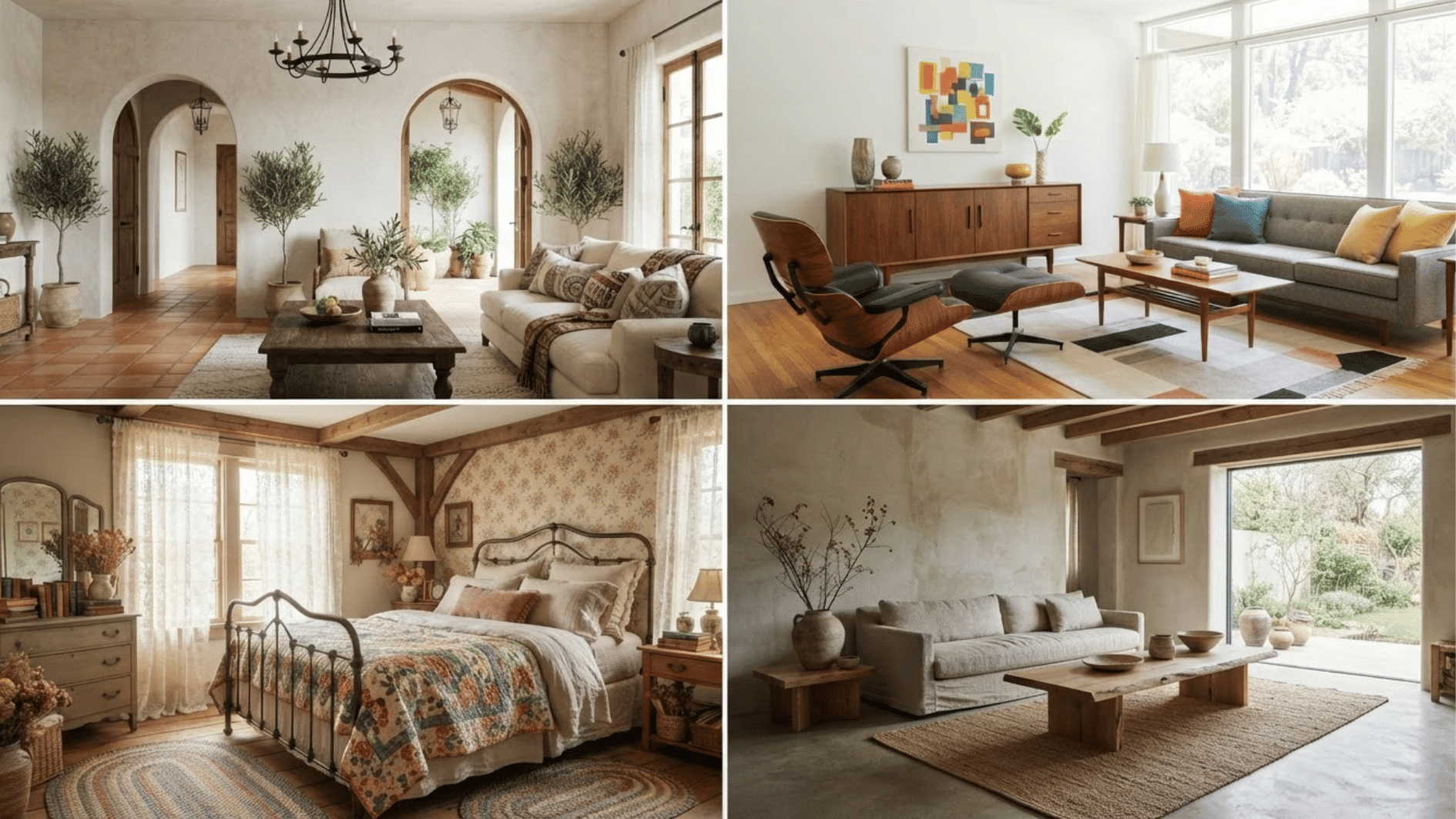
Many homes feel “almost right” but still not quite finished. The colors look fine, the furniture works, but something still feels off.
That usually happens when the home décor styles don’t match the way you naturally live or decorate.
With so many popular home décor styles online, it gets confusing fast, especially when everything on Pinterest looks good in its own way.
This guide breaks things down into simple, easy-to-recognize styles so you can finally understand what fits your space.
You’ll see home décor styles explained in a way that feels real and not overwhelming, making it easier to spot your own style as you scroll.
Why is It So Hard to Pin Down Your Home Style?
Many people don’t struggle with decorating itself; they struggle with choosing a clear direction.
Every platform showcases different home décor styles, and most look appealing in their own way, making it difficult to commit to a single look.
Pinterest inspiration can quickly turn into a mix of unrelated ideas, while many homes naturally combine multiple popular home décor styles without realizing it.
With trends changing often, it becomes harder to understand what truly matches your taste.
Your preferred bedroom color palette can also reveal whether you lean toward calm Scandinavian rooms, rich Maximalist spaces, or earthy Rustic interiors.
As a result, rooms may look great individually but fail to create a connected feel throughout the home.
Popular Home Décor Styles You’ve Probably Seen
Instead of memorizing design terms, this section helps you recognize home décor styles the way they actually show up in real homes.
As you go through each one, think about how your space feels today and which look best matches it.
These popular home décor styles are grouped in a natural flow so you can quickly spot what fits your taste without overthinking it.
1. Traditional
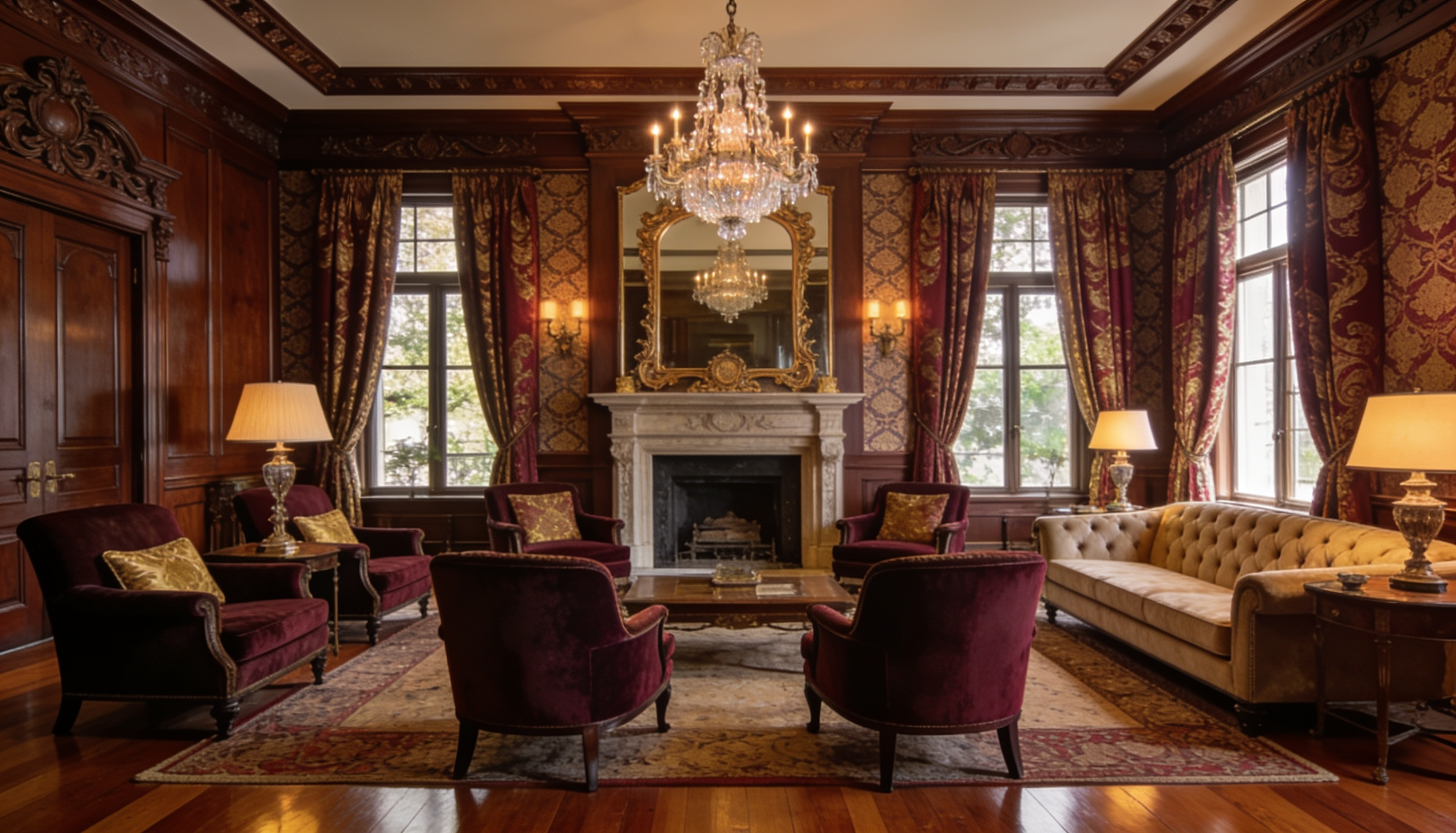
Traditional style creates rooms that feel elegant, established, and comfortable rather than trendy.
It borrows from classic European interiors, using rich finishes, balanced layouts, and furniture with detailed craftsmanship.
A formal living room done in this style often centers around a deep wood coffee table, upholstered chairs, layered curtains, and a fireplace framed by classic décor.
Common elements:
- Dark wood furniture with carved details
- Symmetrical furniture placement
- Rich fabrics like velvet, silk, and patterned upholstery
- Decorative molding, framed artwork, and warm lighting
This style works especially well in homes with fireplaces, formal dining rooms, crown molding, or traditional architecture.
2. Transitional
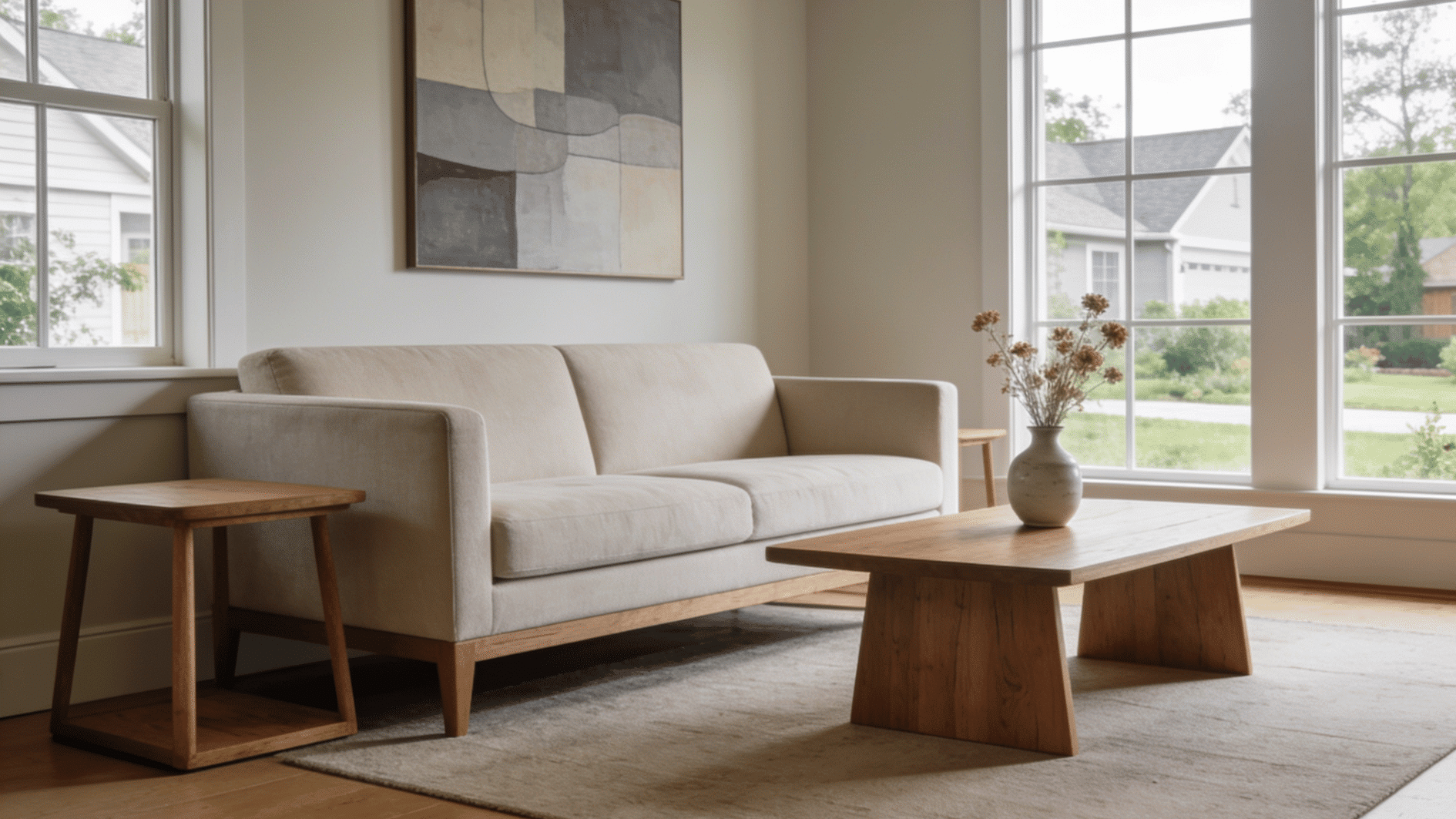
Transitional style works because it borrows the comfort of Traditional furniture shapes but strips away the heavy ornamentation, then adds modern materials without going full minimalist. The result is a style that feels safe to almost everyone, which is exactly why so many homes default to it without realizing there’s a name for it.
Key elements:
- Beige, gray, cream, and other neutral shades
- Comfortable upholstered furniture with clean lines
- A mix of wood, metal, glass, and soft fabrics
- Minimal accessories that still add warmth
Unlike Traditional style, Transitional spaces feel lighter, more casual, and better suited to modern homes.
3. French Country
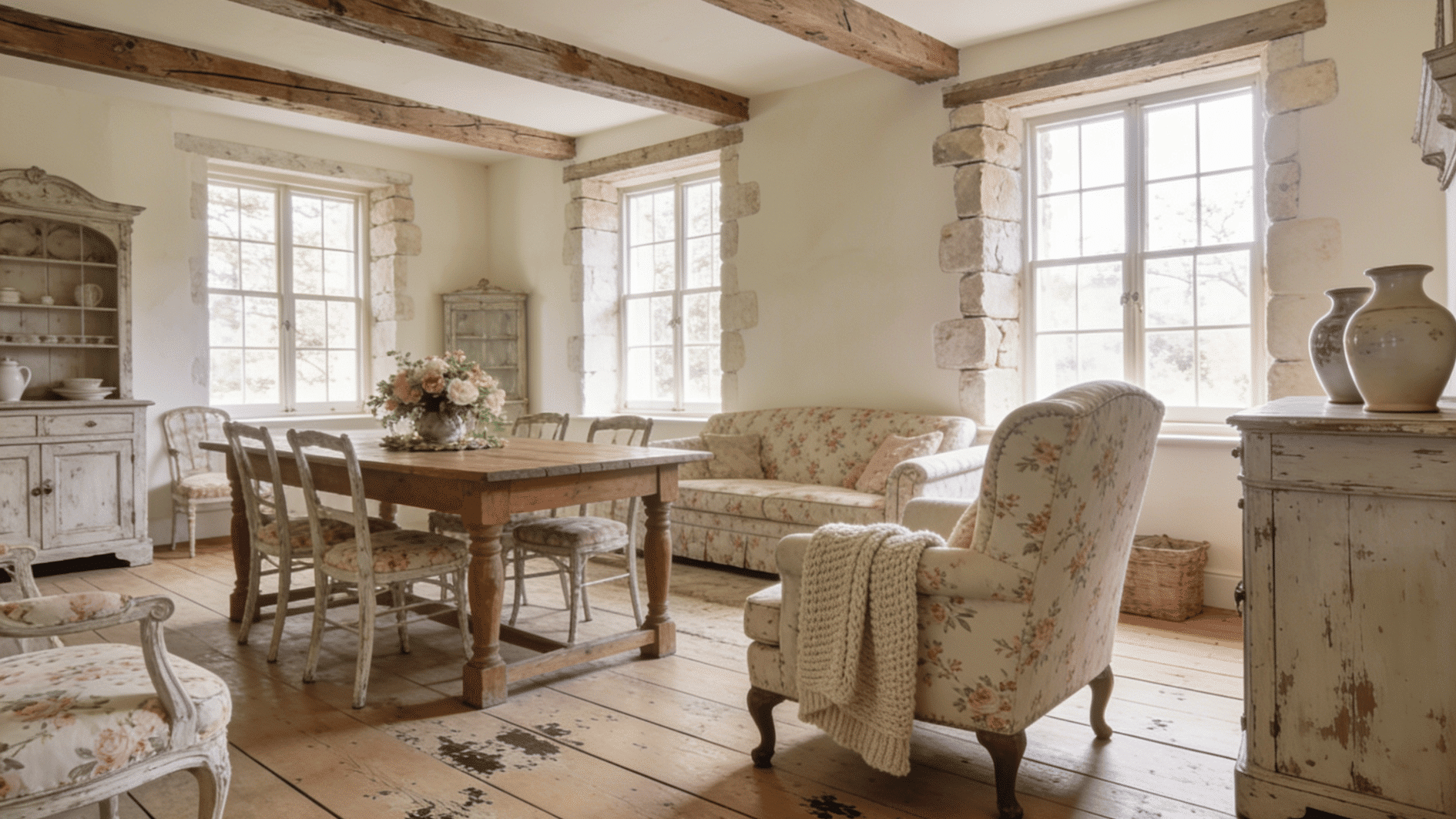
French Country stands out because it treats imperfection as part of the design, not a flaw to fix. A chipped cabinet edge or a slightly uneven table leg is not something to hide here.
That “lived-in for generations” feeling is the whole point, which is why this style rarely looks brand new even when everything in the room actually is.
You’ll usually notice:
- Weathered wood furniture and painted finishes
- Soft shades like cream, sage green, pale blue, and warm beige
- fabrics, linen textiles, and antique accents
- Wrought iron fixtures and natural stone details
It works beautifully in cottages, kitchens, dining rooms, and homes that aim for a cozy, collected feel.
4. Colonial
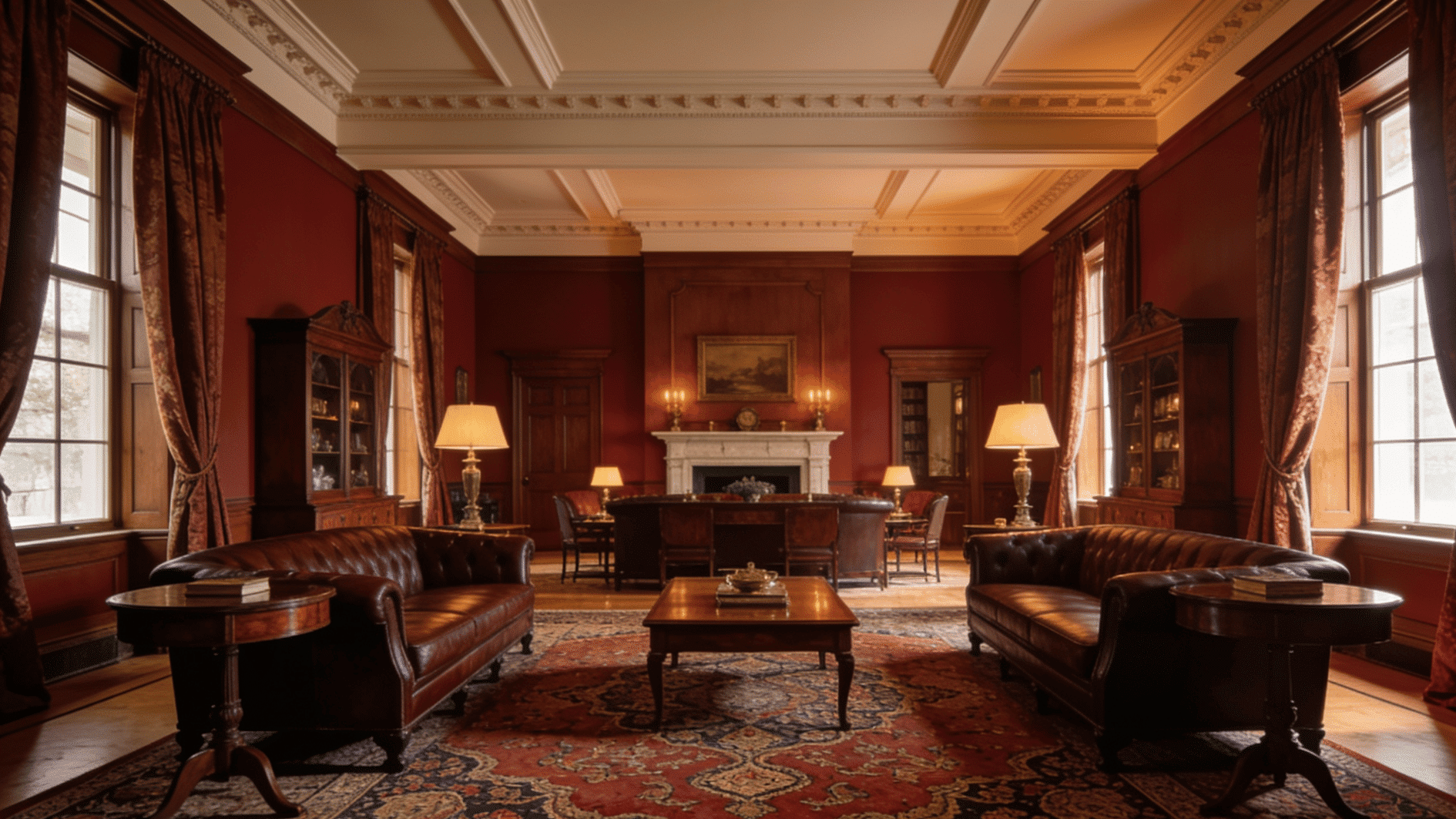
Colonial is easy to spot for one reason: restraint.
Where other classic styles pile on decoration, Colonial keeps furniture arrangements almost rigidly balanced, letting the woodwork itself do most of the talking.
It’s less about collecting beautiful objects and more about a room that looks orderly the moment you walk in.
Signature elements:
- Dark wood furniture like cherry, walnut, or mahogany
- Built-in cabinetry and wall paneling
- Brass hardware and traditional light fixtures
- Balanced furniture arrangements
This style suits historic homes and newer houses with classic architectural features.
5. Modern
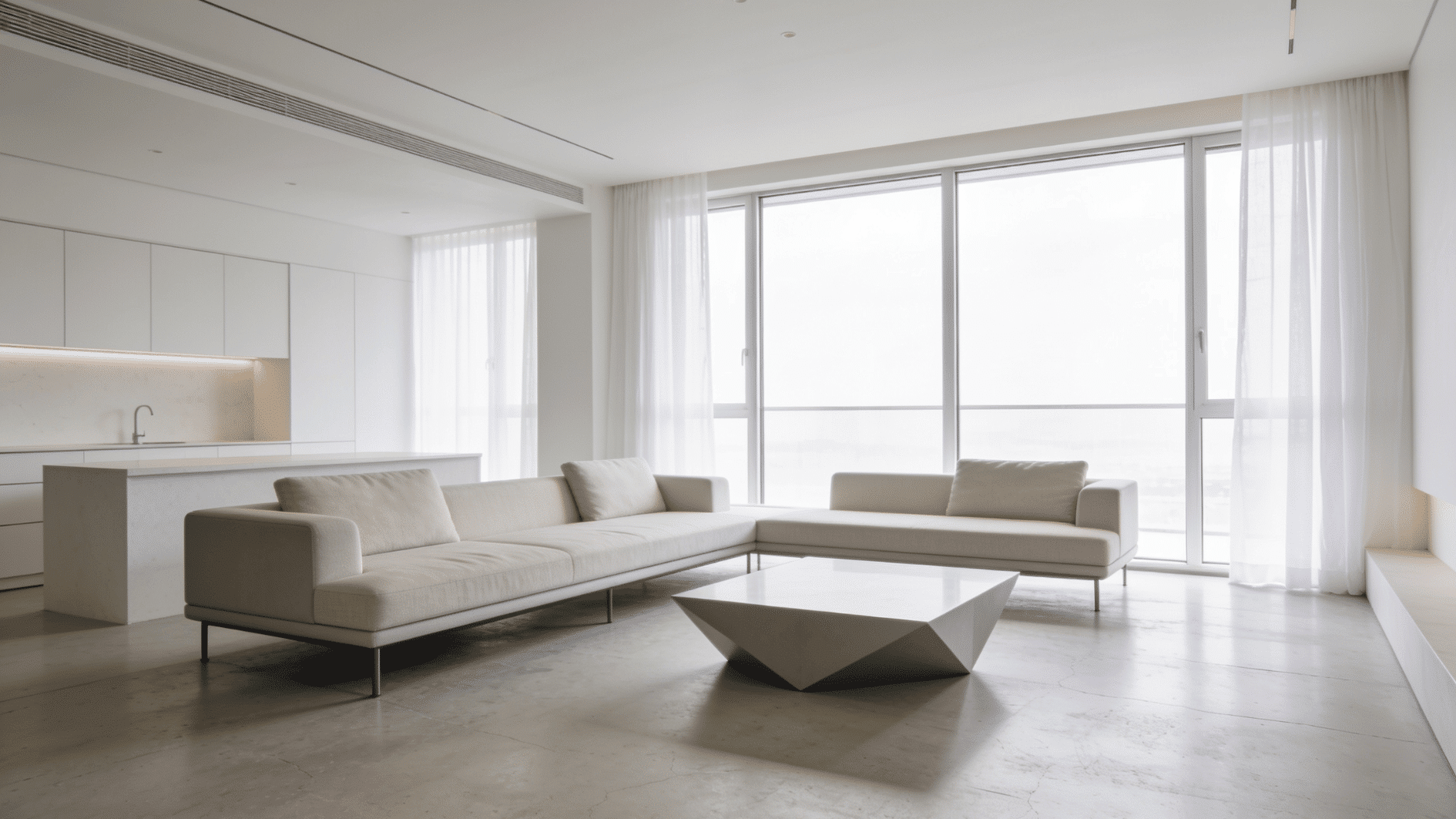
People often confuse Modern with anything sleek or new, but it’s actually tied to a specific era of design history rather than a current trend.
What makes it distinct is its trust in materials to carry a room without extra decoration. A single glass table or a smooth concrete wall can be beautiful on its own, without needing anything layered on top.
Common features:
- Straight-lined furniture with simple silhouettes
- Materials like glass, steel, concrete, and polished wood
- Neutral colors with occasional bold accents
- Open layouts with minimal visual clutter
It works especially well in apartments, contemporary homes, and spaces where architecture is part of the design.
6. Minimalist
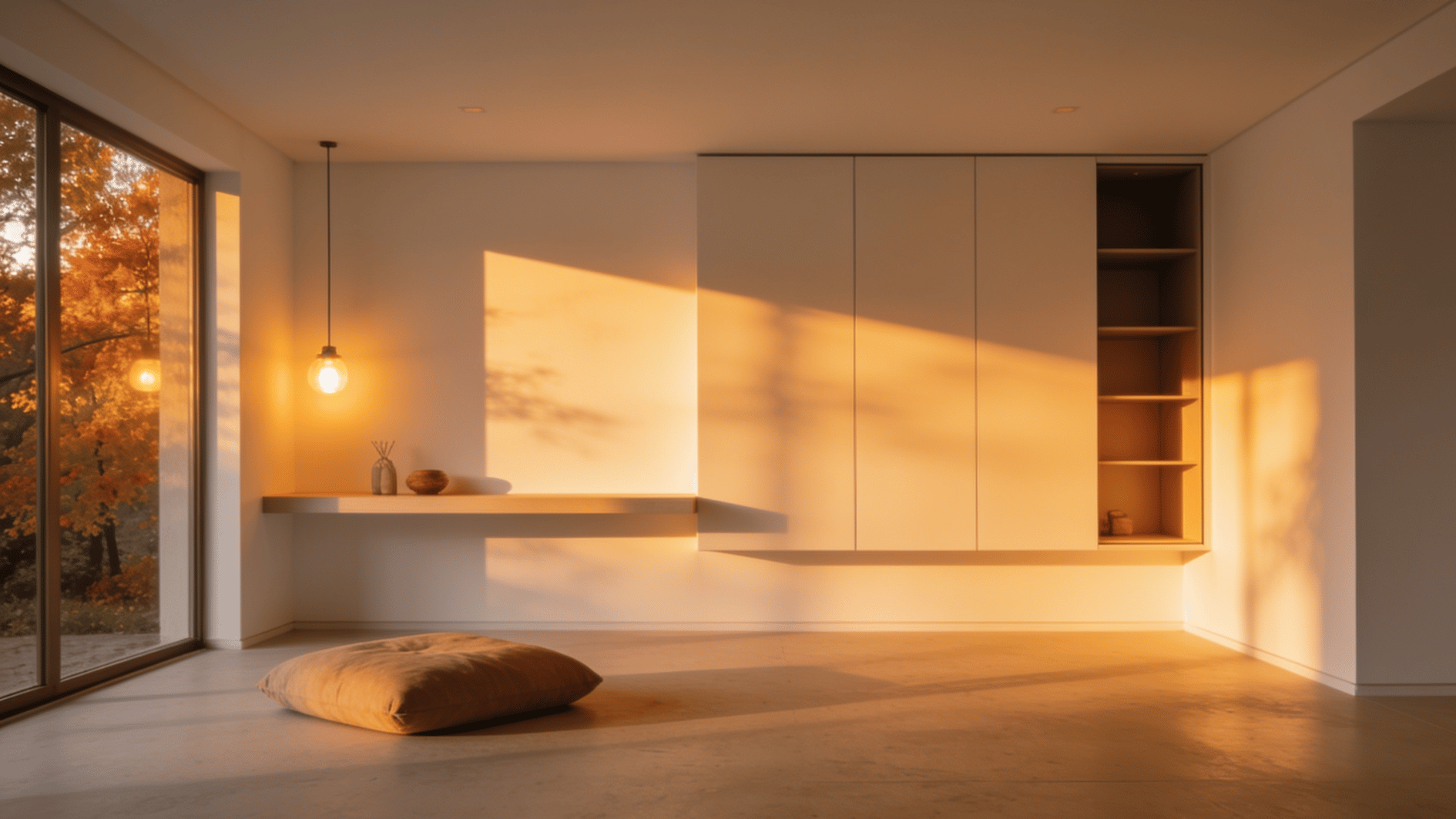
The biggest misconception about Minimalist style is that it means an empty room. In reality, it’s closer to strict editing.
Every object left in the space had to earn its spot, and that selectiveness is what gives a minimalist room its calm feeling, rather than just having less stuff in it.
Key elements:
- Simple furniture with clean shapes
- Neutral colors like white, beige, and gray
- Built-in or hidden storage solutions
- Open layouts with plenty of breathing room
This style works well in smaller homes, apartments, and spaces designed for a clutter-free lifestyle.
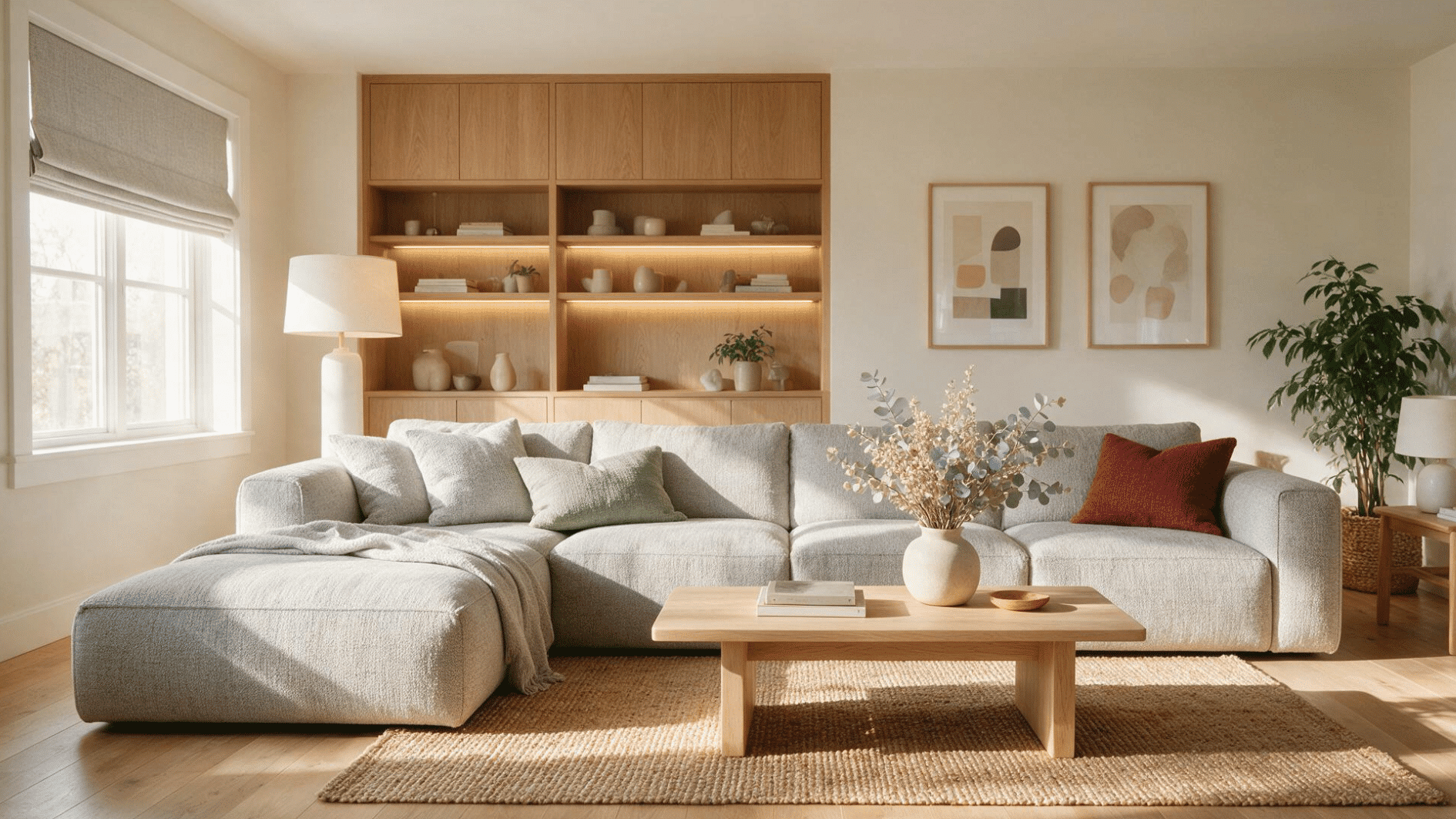
7. Scandinavian
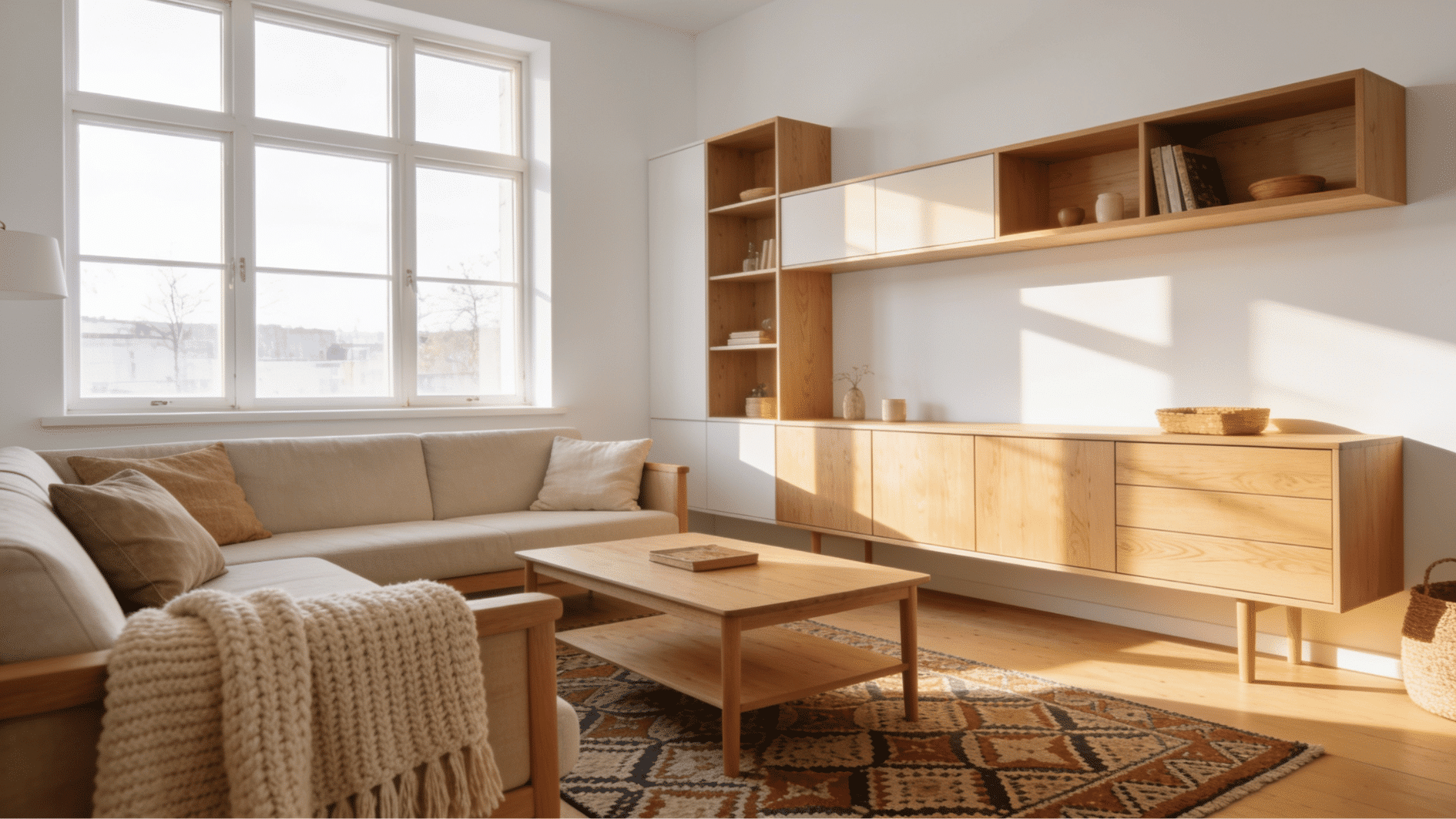
Scandinavian style creates bright, welcoming rooms that balance simplicity with comfort.
Inspired by Nordic homes, it focuses on natural light, practical furniture, and cozy textures that make simple spaces feel warm.
Picture a living room with pale wood floors, a beige sofa, woven blankets, and large windows.
Common elements:
- Light woods like oak, pine, and ash
- White or soft neutral walls
- Wool rugs, linen curtains, and knitted textures
- Functional furniture with simple designs
Unlike Minimalist style, Scandinavian interiors add more warmth through layers, fabrics, and natural details.
8. Japandi
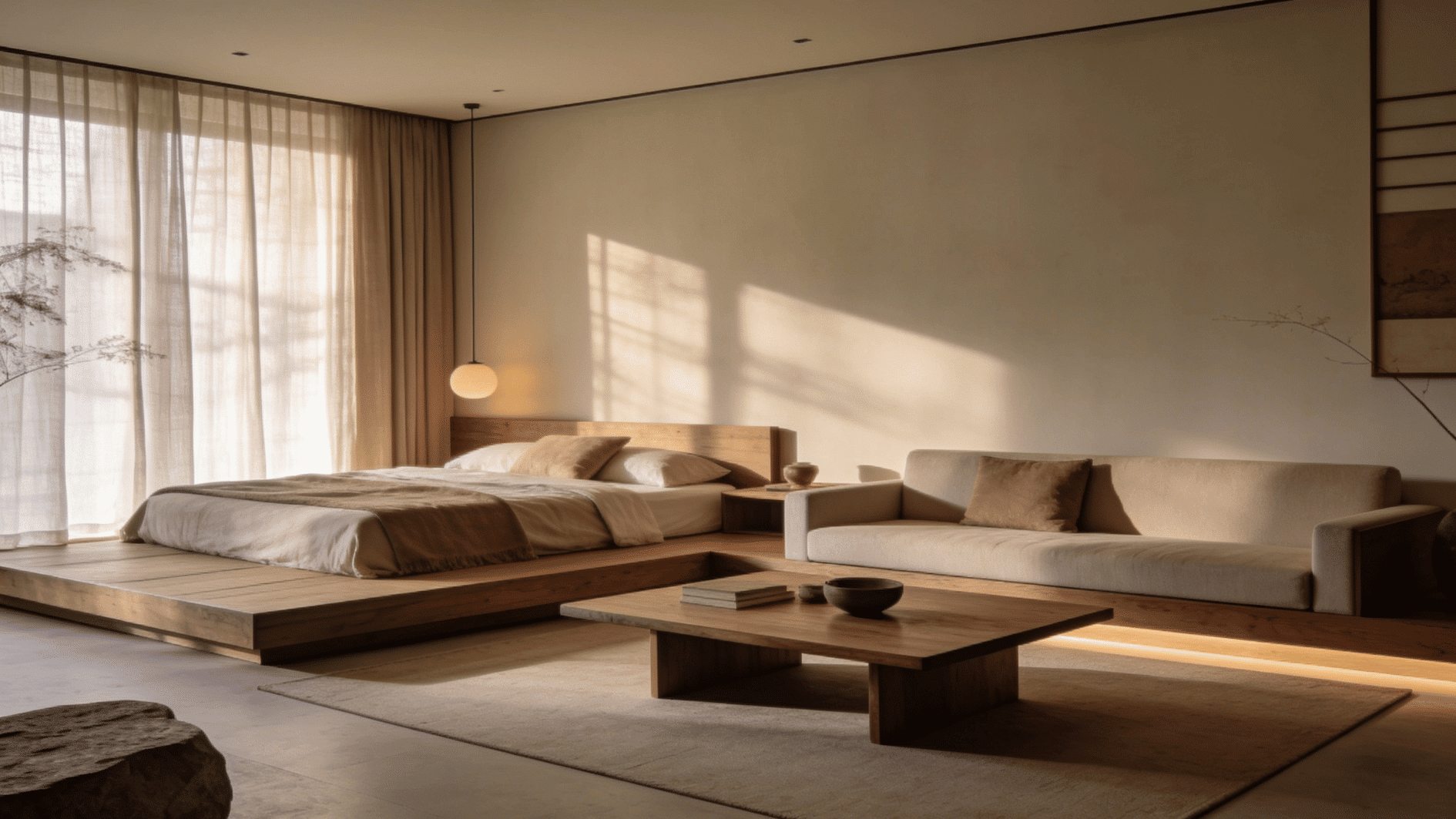
Japandi works because it borrows the best instincts from two very different design cultures. Japanese design contributes restraint and a respect for space, while Scandinavian design brings in warmth so the room never feels cold or too serious.
That balance is harder to pull off than it looks, which is part of why Japandi rooms often feel more considered than most.
Signature features:
- Low-profile seating and furniture
- Natural materials like wood, clay, and stone
- Muted shades of beige, brown, and gray
- Limited décor chosen with care
It works especially well in bedrooms, reading areas, and spaces designed for relaxation.
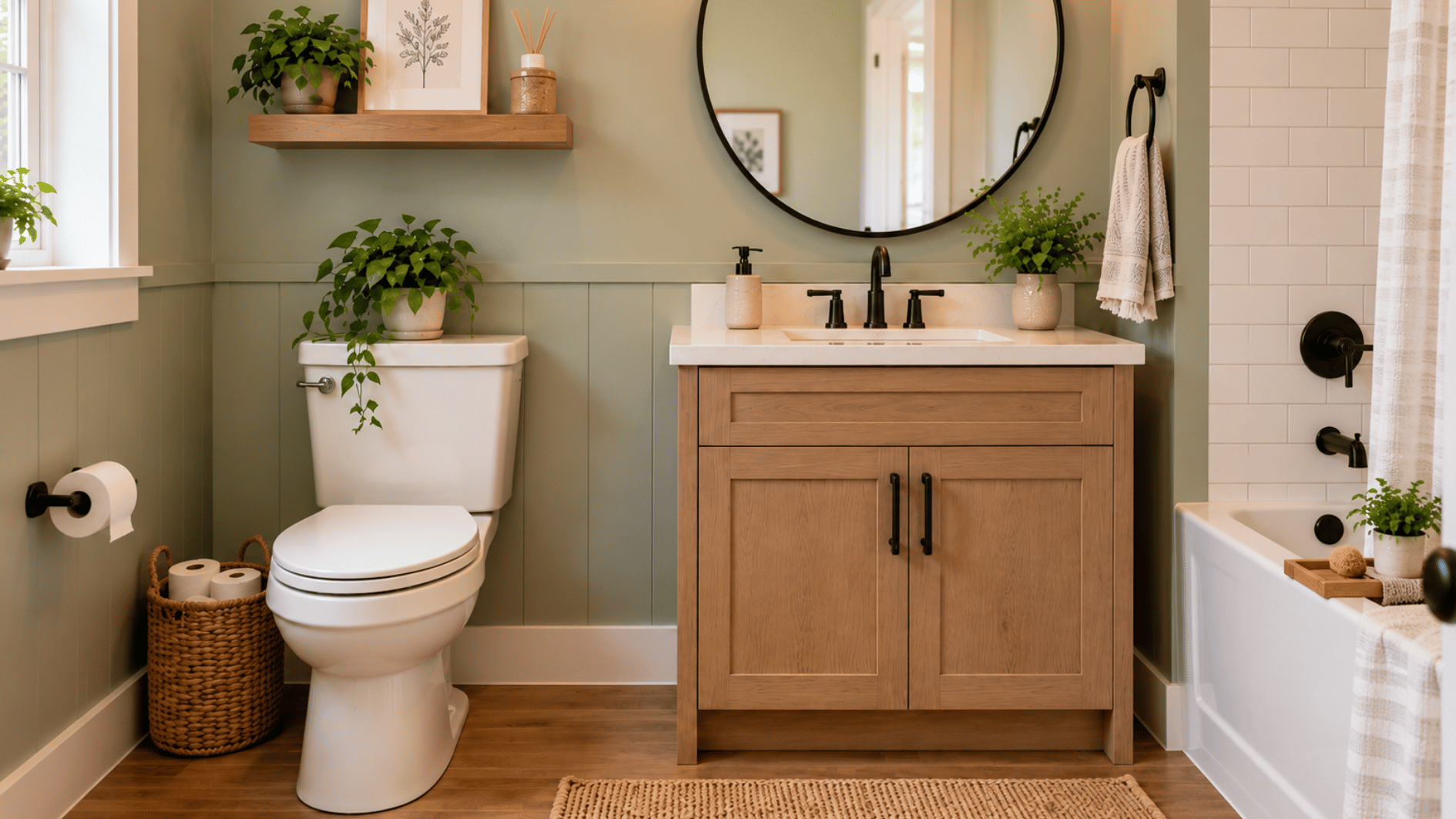
9. Farmhouse
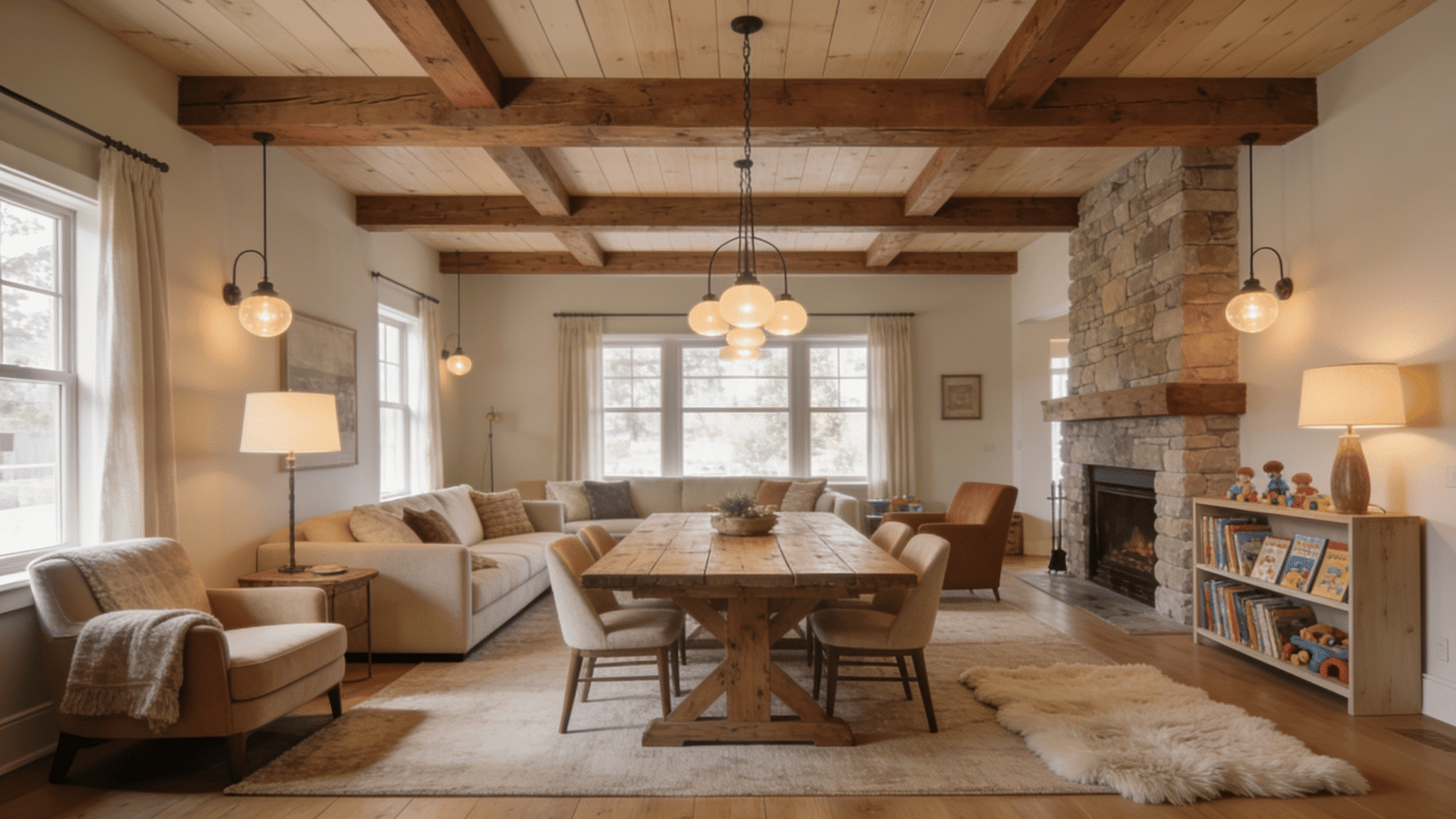
Farmhouse earned its popularity by making “practical” look intentional.
Open shelving and woven baskets exist because farm kitchens needed accessible storage, not because they were trendy, and that honesty is exactly what gives the farmhouse decor & style its charm.
It photographs well because it was never designed to be decorative in the first place.
You’ll usually notice:
- Reclaimed wood and exposed beams
- Neutral colors with warm undertones
- Cotton, linen, and woven textiles
- Open shelving and practical storage
It works especially well in family homes, kitchens, and open living spaces where comfort is a priority.
10. Rustic
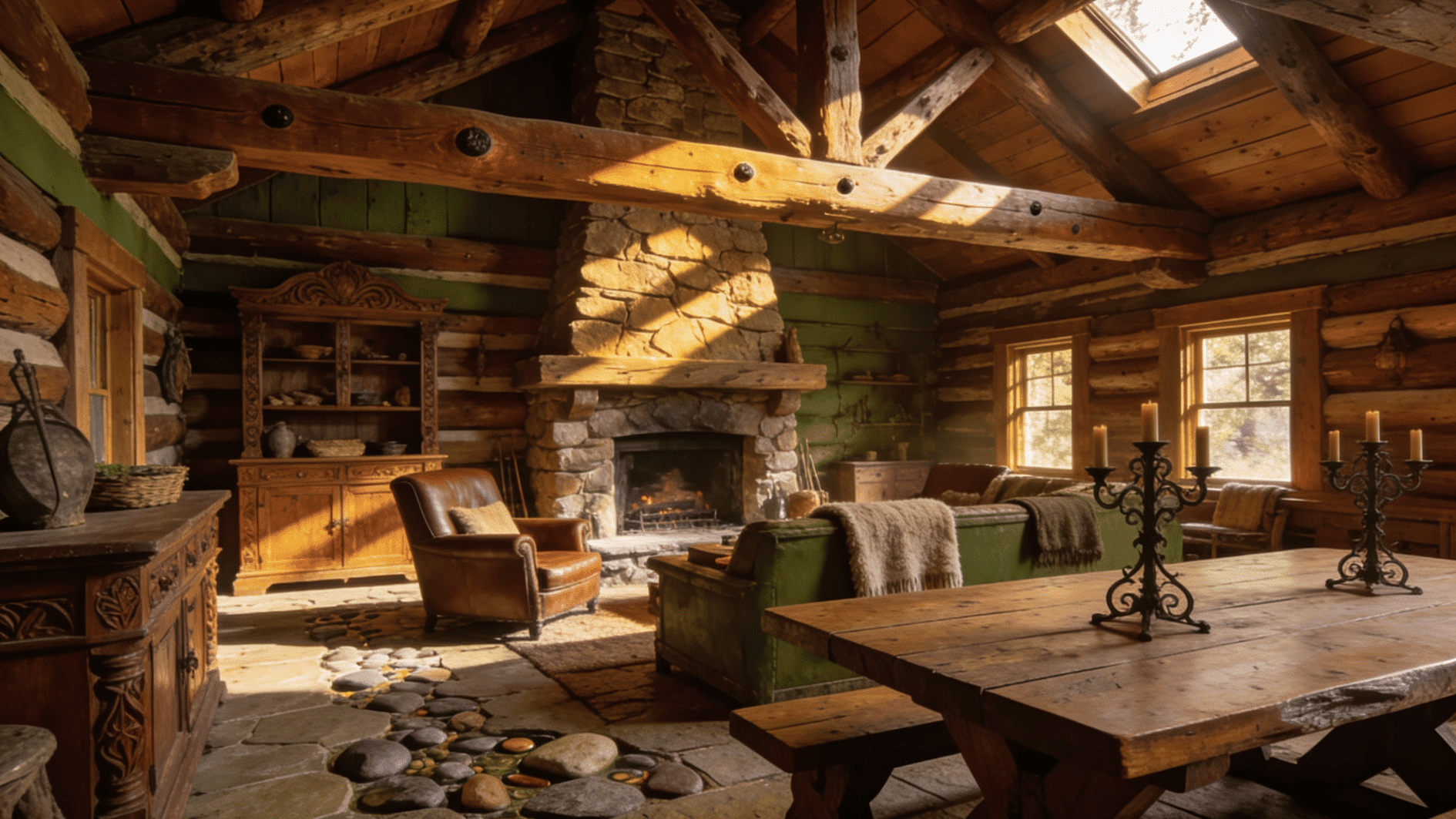
Rustic style celebrates natural materials, rough textures, and the beauty of unfinished details. It creates a strong connection to nature through wood, stone, and handcrafted elements.
A beam with visible saw marks or a stone wall with uneven texture is not something to sand down here; it’s the entire appeal.
Common elements:
- Raw wood furniture and beams
- Stone fireplaces and natural surfaces
- Earthy colors like brown, tan, and green
- Handmade décor and textured fabrics
Unlike Farmhouse style, Rustic interiors feel more rugged and organic, with less focus on polished finishes.
11. Cottagecore
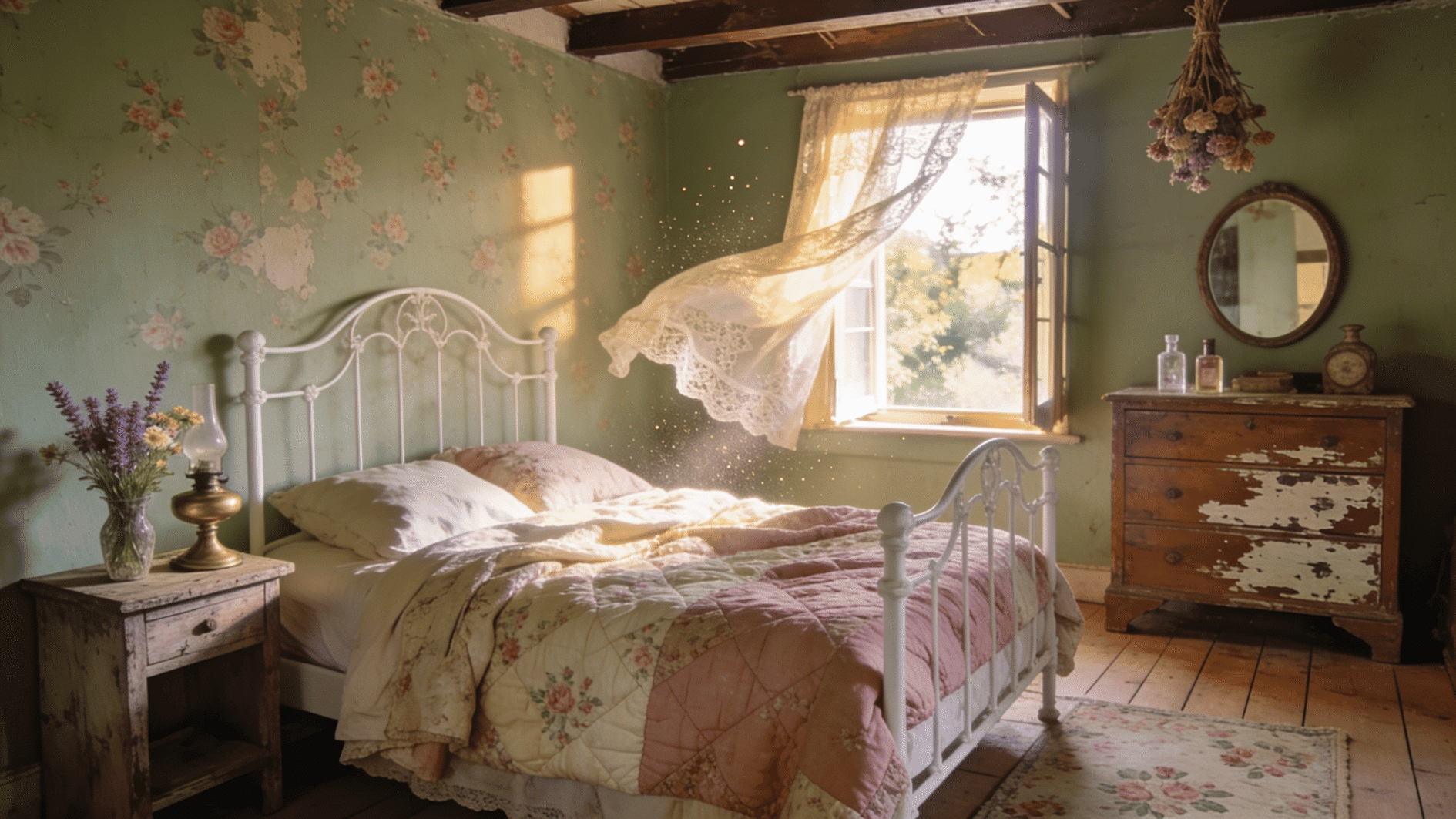
Cottagecore isn’t really about a specific decade or Country; it’s about a feeling most people picked up from movies and storybooks, which is why it works so well in a teen girl’s bedroom.
That’s why the style leans so heavily on floral patterns and soft lighting. It’s nostalgia for a version of countryside life that’s more emotional than historical.
Key elements:
- Floral prints and botanical patterns
- Vintage furniture with a handmade feel
- Soft pastels and warm natural colors
- Linen, cotton, lace, and woven textures
It works well in bedrooms, reading corners, cottages, and smaller homes that value comfort and charm.
12. Shabby Chic
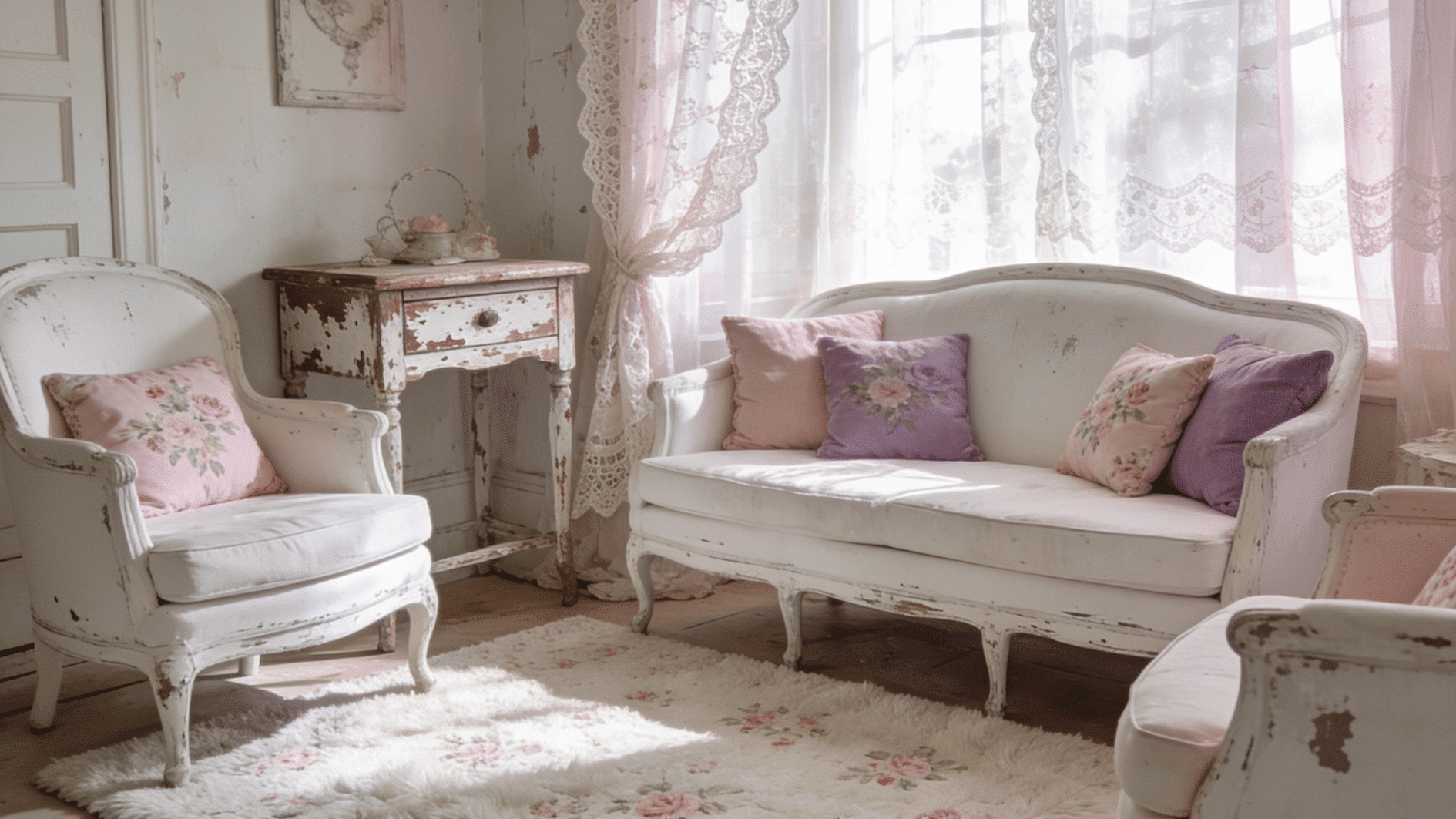
Shabby Chic combines vintage elegance with a relaxed, aged appearance. It uses furniture and décor that look gently worn over time, creating a soft and romantic atmosphere.
It’s a more polished, decorative version of “vintage,” built around soft color and delicate detail rather than genuine countryside simplicity.
Common features:
- Whitewashed or distressed furniture
- Floral fabrics and delicate patterns
- Antique accessories and vintage pieces
- Soft shades of pink, cream, and pastel blue
Unlike Cottagecore, it focuses more on vintage elegance and decorative details than countryside simplicity.
13. Eclectic
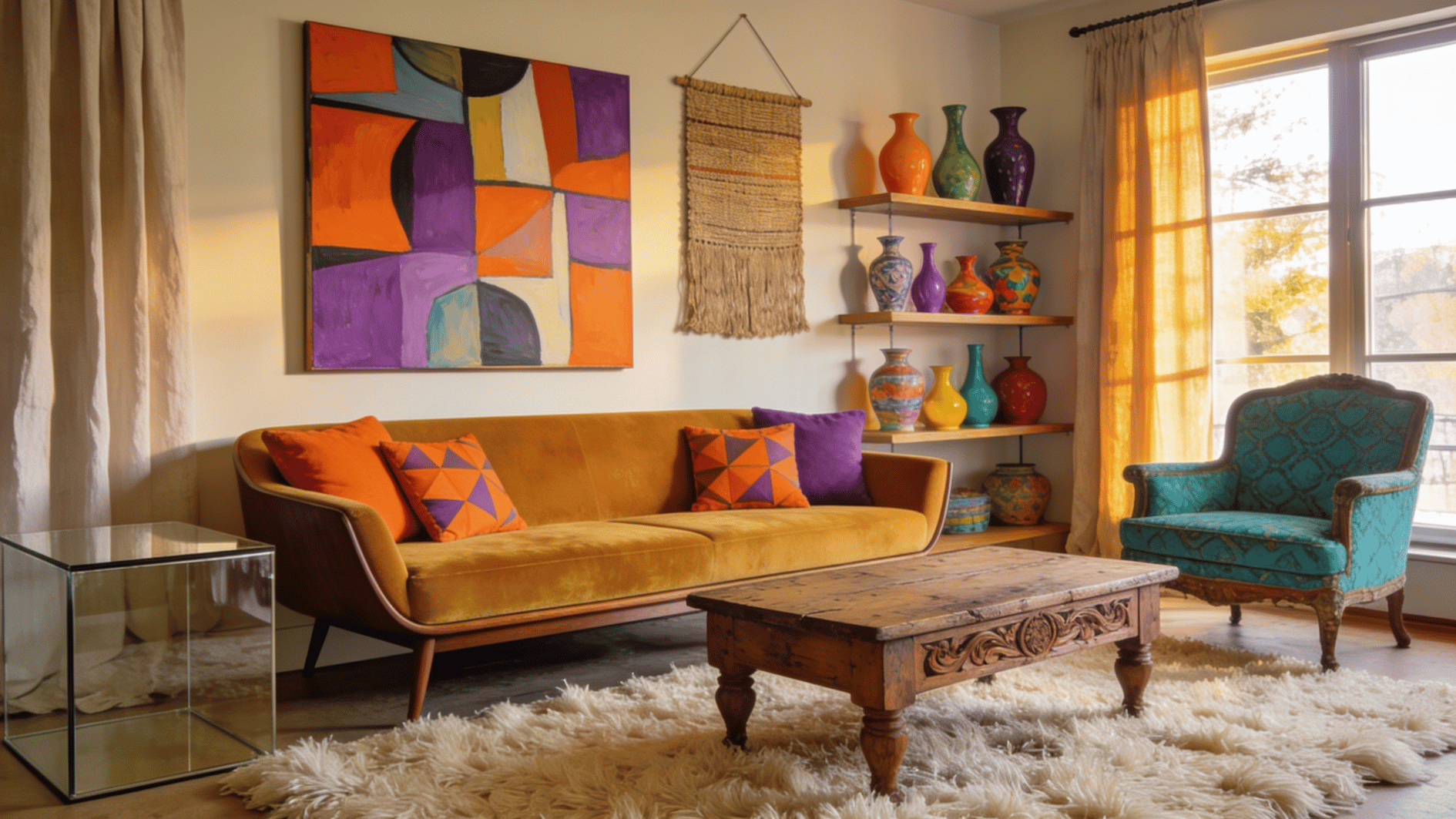
Eclectic style allows different design influences to come together in a way that feels personal and intentional.
It mixes furniture from different eras, colors, and textures without making the room feel random. Done well, it looks like a home built over years. Done poorly, it just looks cluttered.
You’ll usually notice:
- A mix of old and new furniture
- Layered materials and contrasting textures
- Unique artwork and personal collections
- Unexpected but balanced color combinations
It works best for people who want their home to reflect personality rather than follow a single design rule.
14. Maximalist
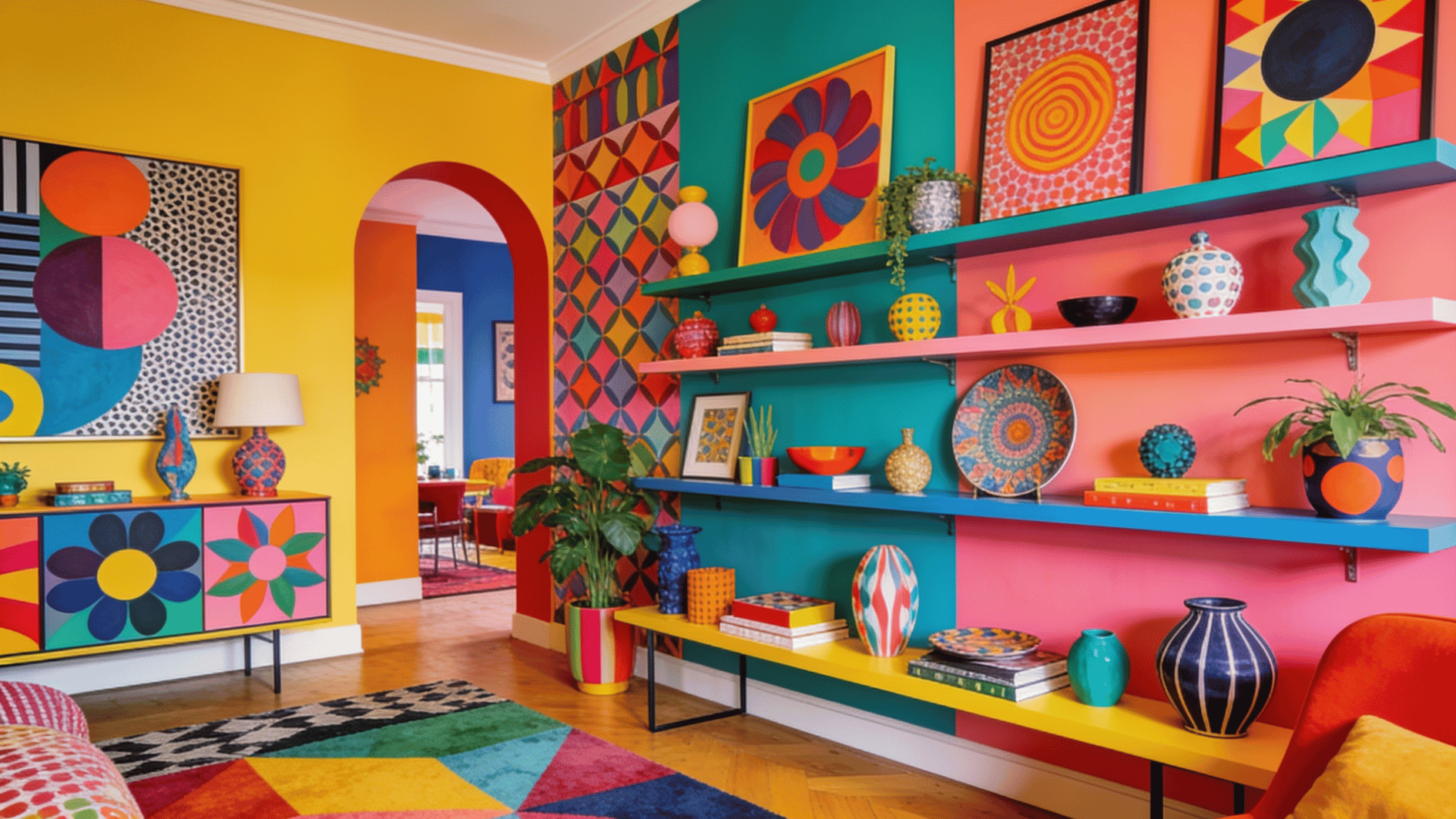
Maximalist style flips the usual design advice on its head. Instead of editing a room down, it asks how much personality a space can actually hold before it feels overwhelming, then pushes right up to that line.
Pattern clashes with pattern, and color piles onto color, but a good Maximalist room still has an underlying logic that holds it together.
A color-drenched bedroom can work especially well with Maximalist, Art Deco, or Moody-inspired interiors where stronger visual impact is the goal.
Signature elements:
- Rich colors and dramatic patterns
- Statement artwork and accessories
- Layered rugs, fabrics, and textures
- Decorated walls and display areas
Unlike Eclectic style, Maximalism focuses more on creating a strong visual impact through abundance.
15. Art Deco
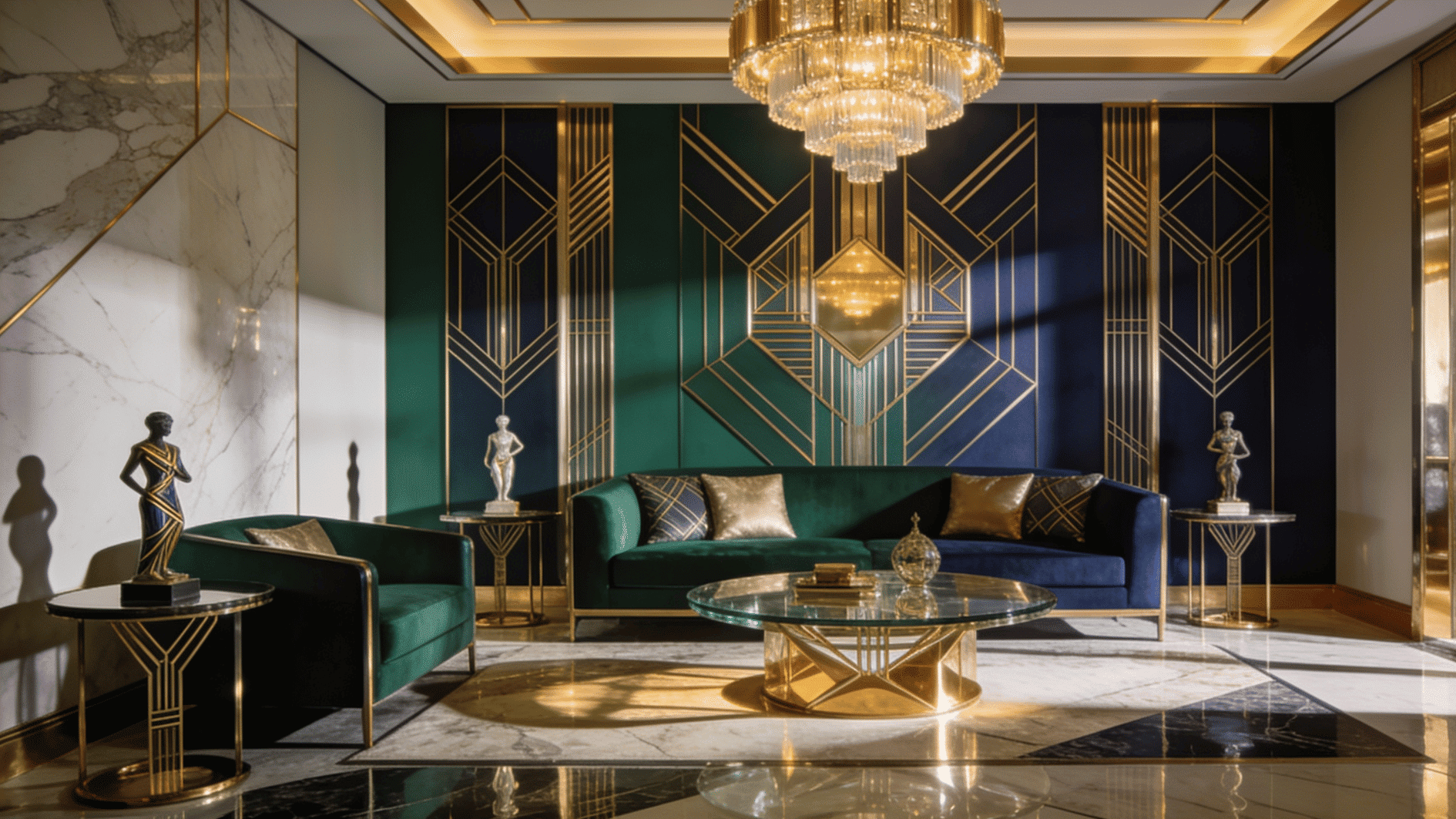
Art Deco is instantly recognizable because it treats geometry like decoration.
Straight lines, sharp angles, and repeating shapes show up everywhere, from wallpaper to furniture legs, giving the whole style a sense of order even when the materials themselves are dramatic and expensive-looking.
The style leans on:
- Geometric patterns on walls, rugs, or furniture
- Gold, black, emerald, and jewel-toned accents
- Glossy materials like marble, glass, and lacquer
- Sculptural lighting and decorative mirrors
It works well in dining rooms, entryways, and formal living spaces where bold details can stand out.
16. Mid-Century Modern
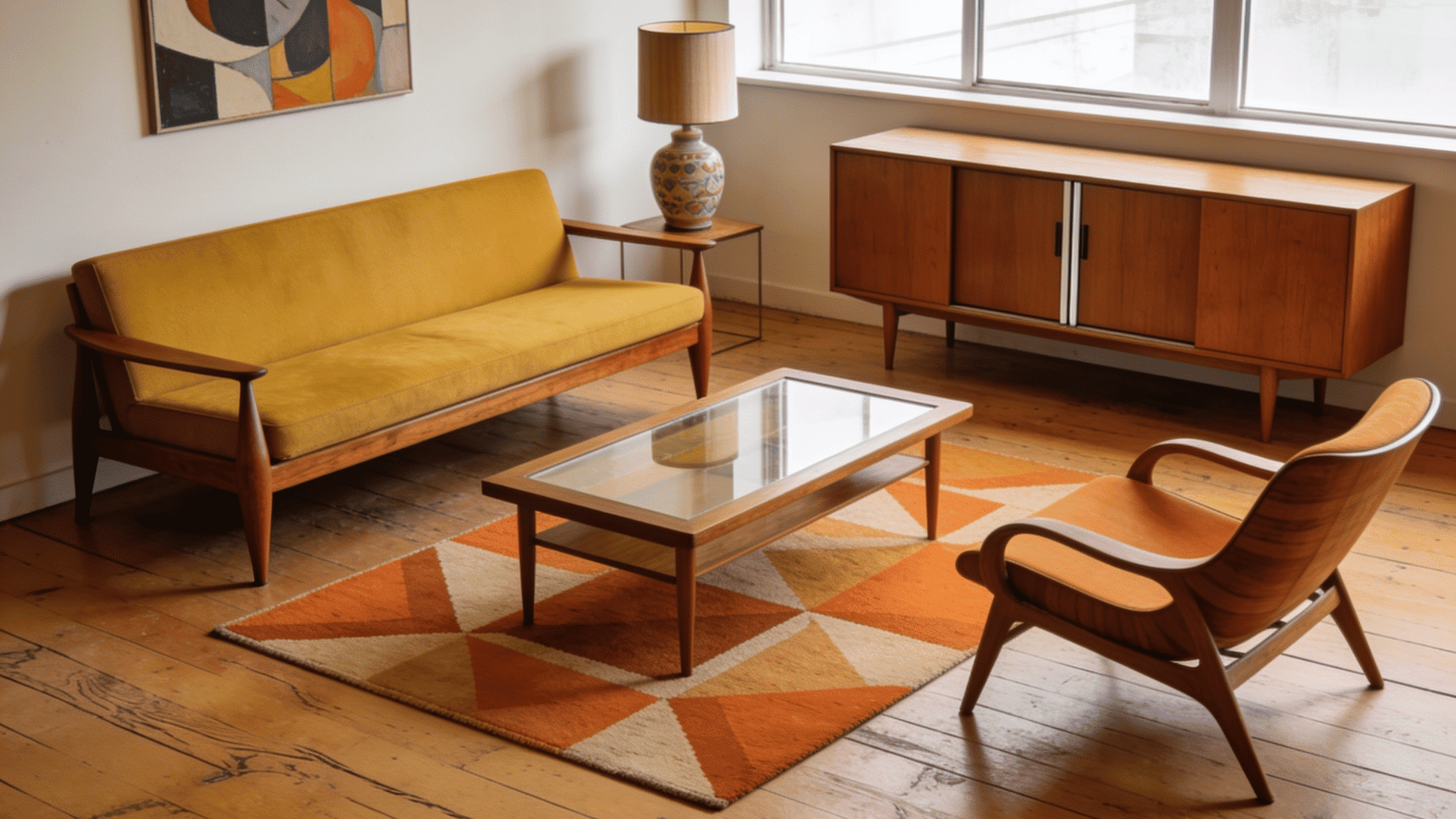
Mid-Century Modern combines retro character with practical design. It focuses on furniture that looks stylish but remains functional, using simple shapes and warm materials.
This functional-first mindset is why the style still looks current, even though most of its defining pieces were designed over 60 years ago.
Common elements:
- Warm woods like walnut and teak
- Clean lines and curved furniture shapes
- Functional pieces with minimal decoration
- Retro colors like mustard, olive, and burnt orange
It suits apartments, smaller homes, and open spaces where smart furniture choices make a big impact.
17. Industrial
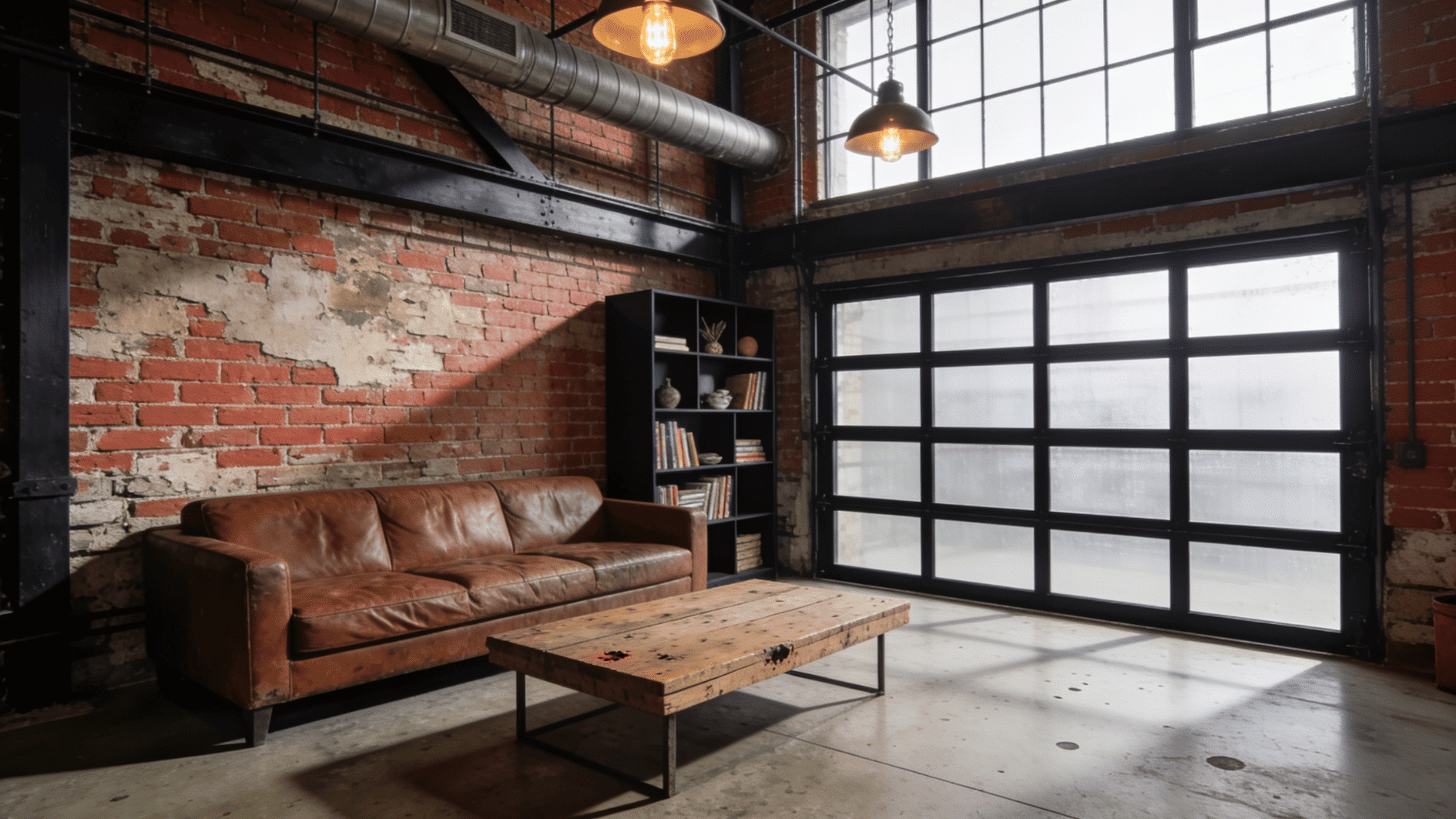
Industrial style takes inspiration from old factories and warehouses, turning raw architectural details into design features.
It creates bold spaces with exposed materials, open layouts, and a mix of rugged and modern elements.
You’ll usually notice:
- Exposed brick walls, metal beams, and visible pipes
- Reclaimed wood furniture and concrete surfaces
- Leather seating and black metal accents
- Large windows with open, airy layouts
It works especially well in loft apartments, converted buildings, and modern homes with high ceilings. Adding softer textiles and warm lighting can balance the heavier materials.
18. Bohemian
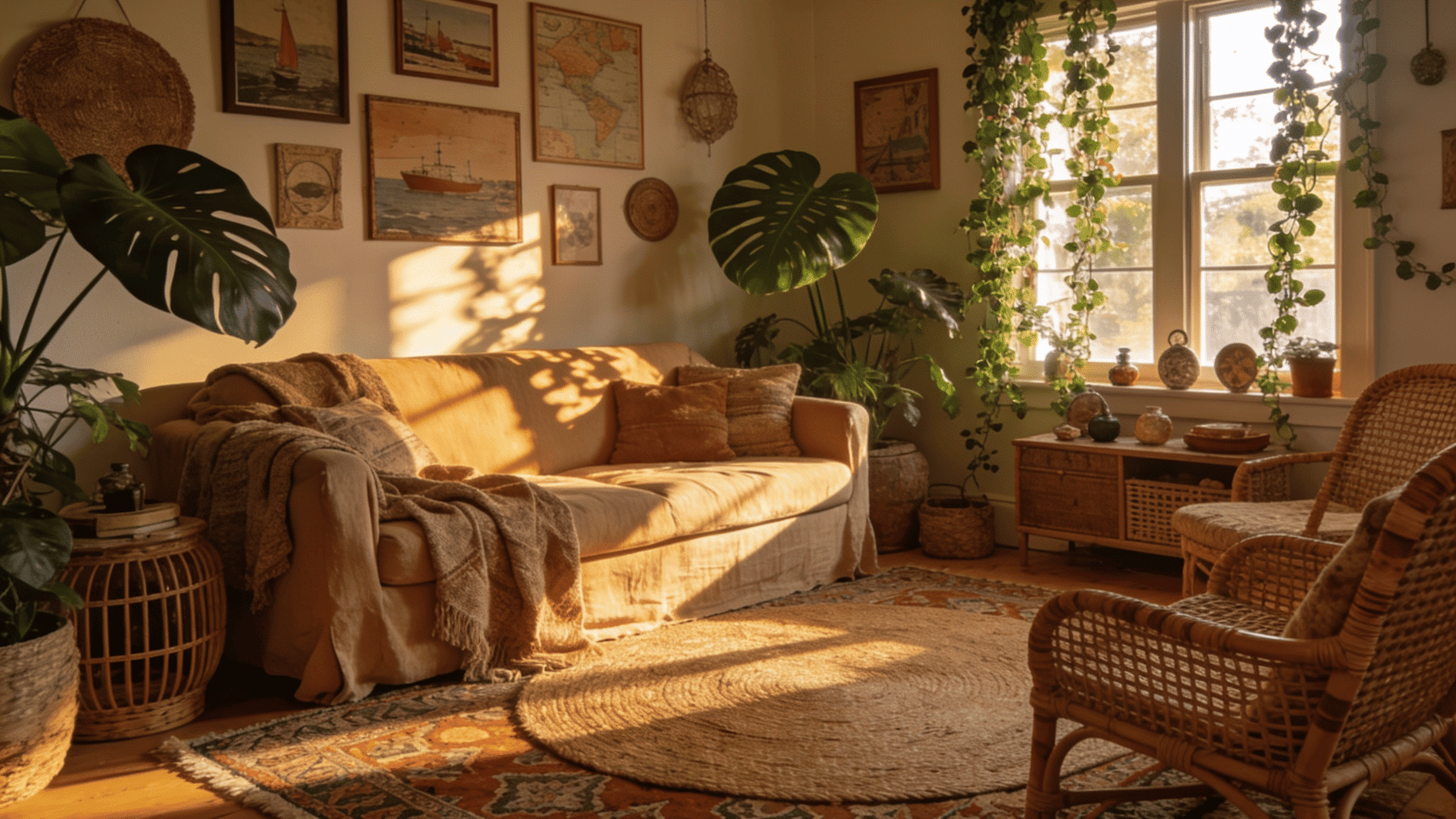
Bohemian style creates relaxed, artistic spaces filled with personality.
It focuses on self-expression through layered textures, handmade pieces, plants, and objects collected over time.
The personal history of these elements holds the whole look together.
Key features:
- Layered rugs, throws, and patterned fabrics.
- Rattan, wicker, and natural materials
- Indoor plants and handmade décor
- Global-inspired artwork and accessories
It works well for creative homes and casual spaces where comfort and individuality matter more than matching furniture.
19. Moroccan
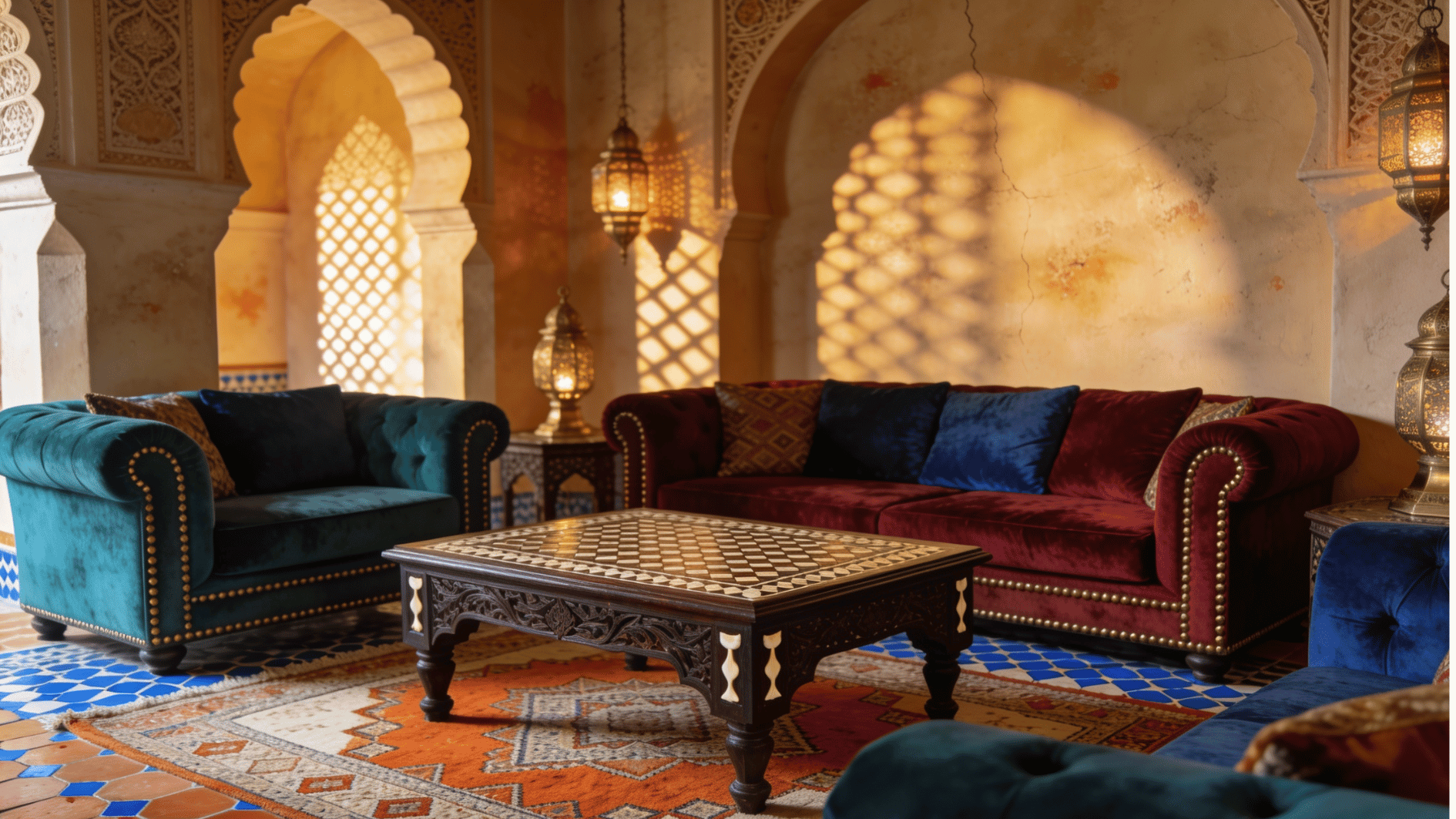
Moroccan style creates rich, inviting interiors through detailed patterns, handcrafted elements, and warm colors.
Inspired by North African design, it uses texture and decoration to make every corner feel intentional. Picture a room with patterned tiles, carved wood furniture, colorful cushions, and glowing lanterns.
Signature details:
- Geometric tile designs and mosaic details
- Brass lanterns and carved wood accents
- Jewel tones like emerald, ruby, and deep blue
- Layered rugs and textured fabrics
It works well in living rooms, dining areas, and accent spaces where decorative details can become the focus.
20. Mediterranean
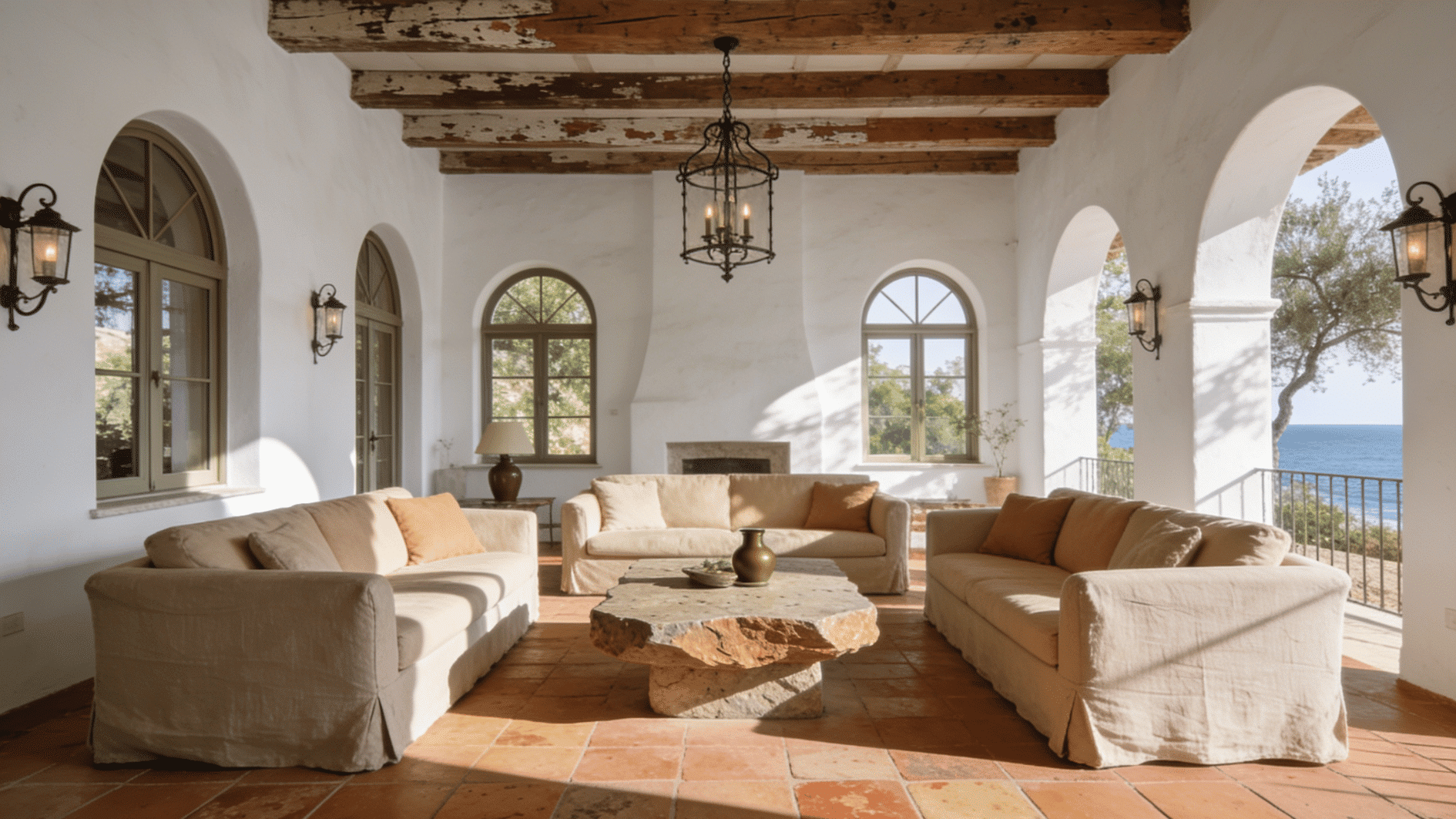
Mediterranean style brings the warmth of coastal European homes into indoor spac is inspired by Spain, Italy, and Greece.
It combines natural textures with relaxed elegance through arched doorways and textured plaster walls, which is part of why the style feels grounded and permanent rather than decorated on top of a plain room.
Common elements:
- Terracotta, beige, olive, and sandy tones
- Stone surfaces and textured walls
- Wrought iron fixtures and wooden beams
- Curved architectural details
Unlike Coastal style, it uses deeper colors and heavier textures to create a warmer, more grounded feel.
21. Southwestern
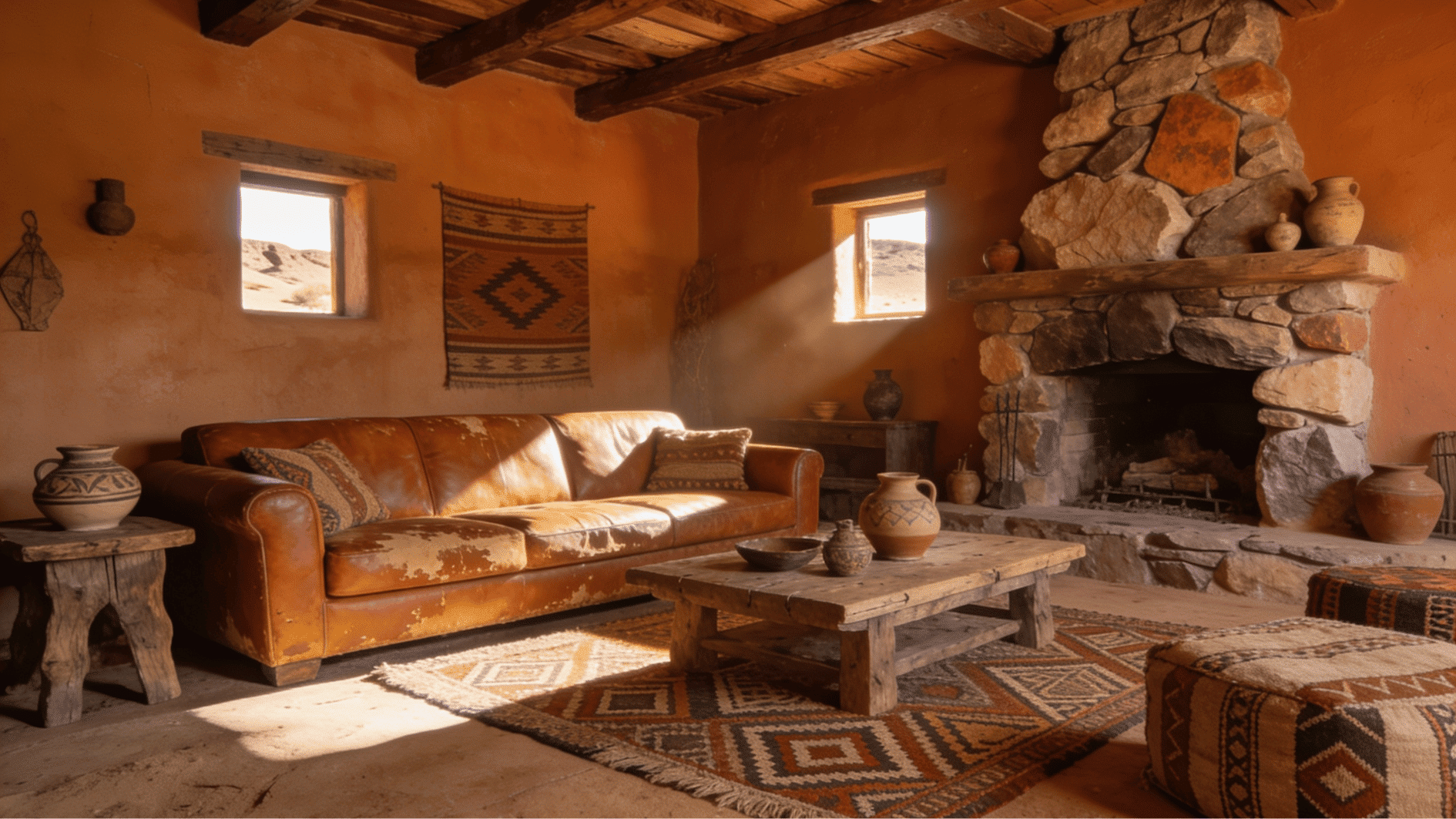
Southwestern style reflects desert landscapes through earthy colors, natural materials, and handcrafted details.
It creates warm interiors that feel connected to the outdoors, drawing straight from the mesas, canyons, and adobe architecture of the American Southwest.
Key elements:
- Desert shades like rust, clay, and sand
- Adobe textures and natural stone
- Geometric woven patterns
- Leather furniture and handmade décor
It works especially well in homes in warmer regions or in spaces that want a strong, earthy character.
22. Tropical
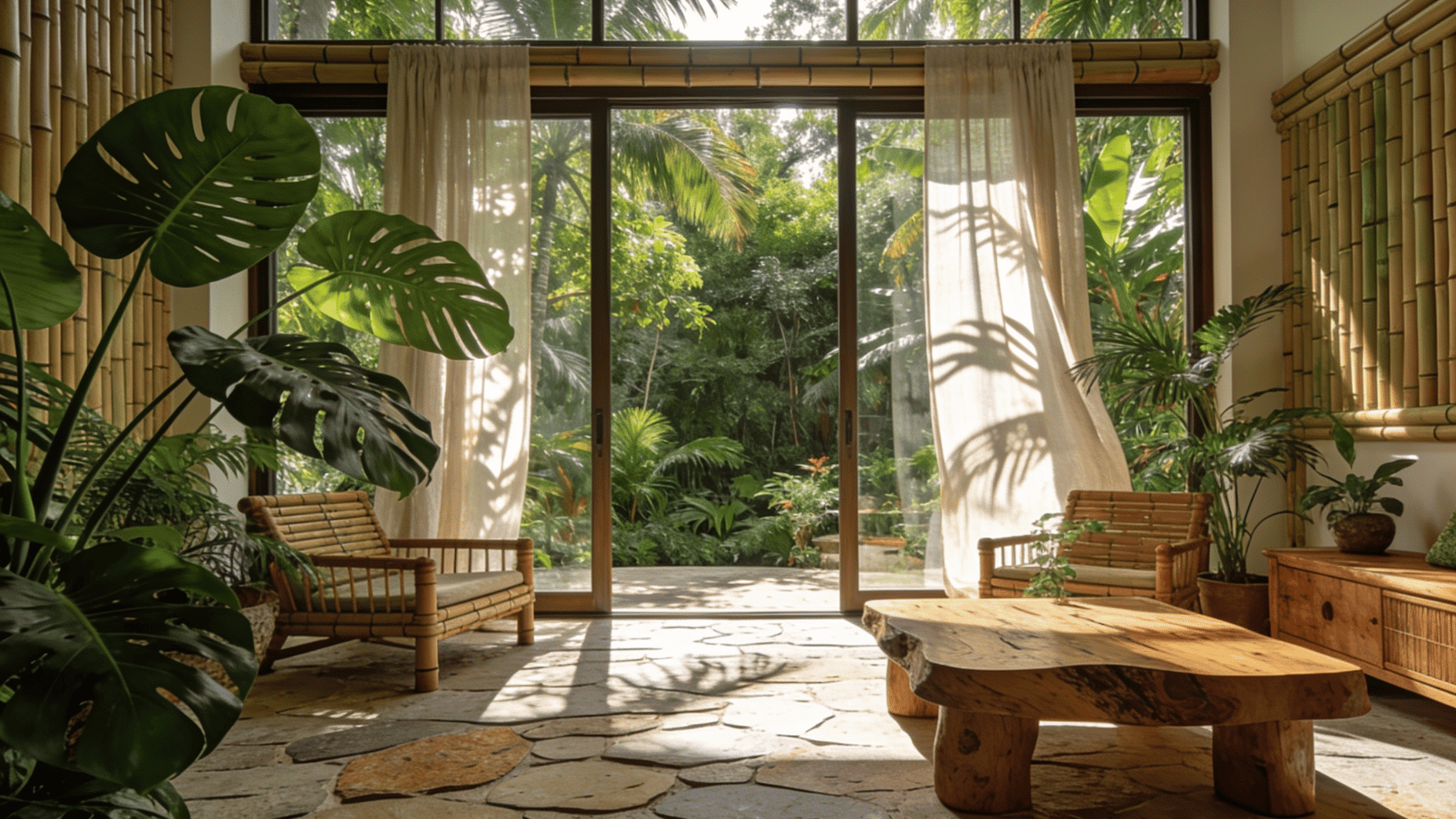
Tropical style brings the energy of nature indoors through greenery, natural materials, and bright surroundings.
It creates relaxed spaces that feel fresh and connected to the outdoors. Picture a room with large plants, bamboo furniture, woven textures, and sunlight flowing through open windows.
You’ll usually notice:
- Large tropical plants and botanical prints
- Bamboo, rattan, and light wood furniture
- Bright natural lighting
- Fresh greens mixed with warm neutrals
It works best in sunny homes, living rooms, and spaces that open toward outdoor areas.
23. Coastal
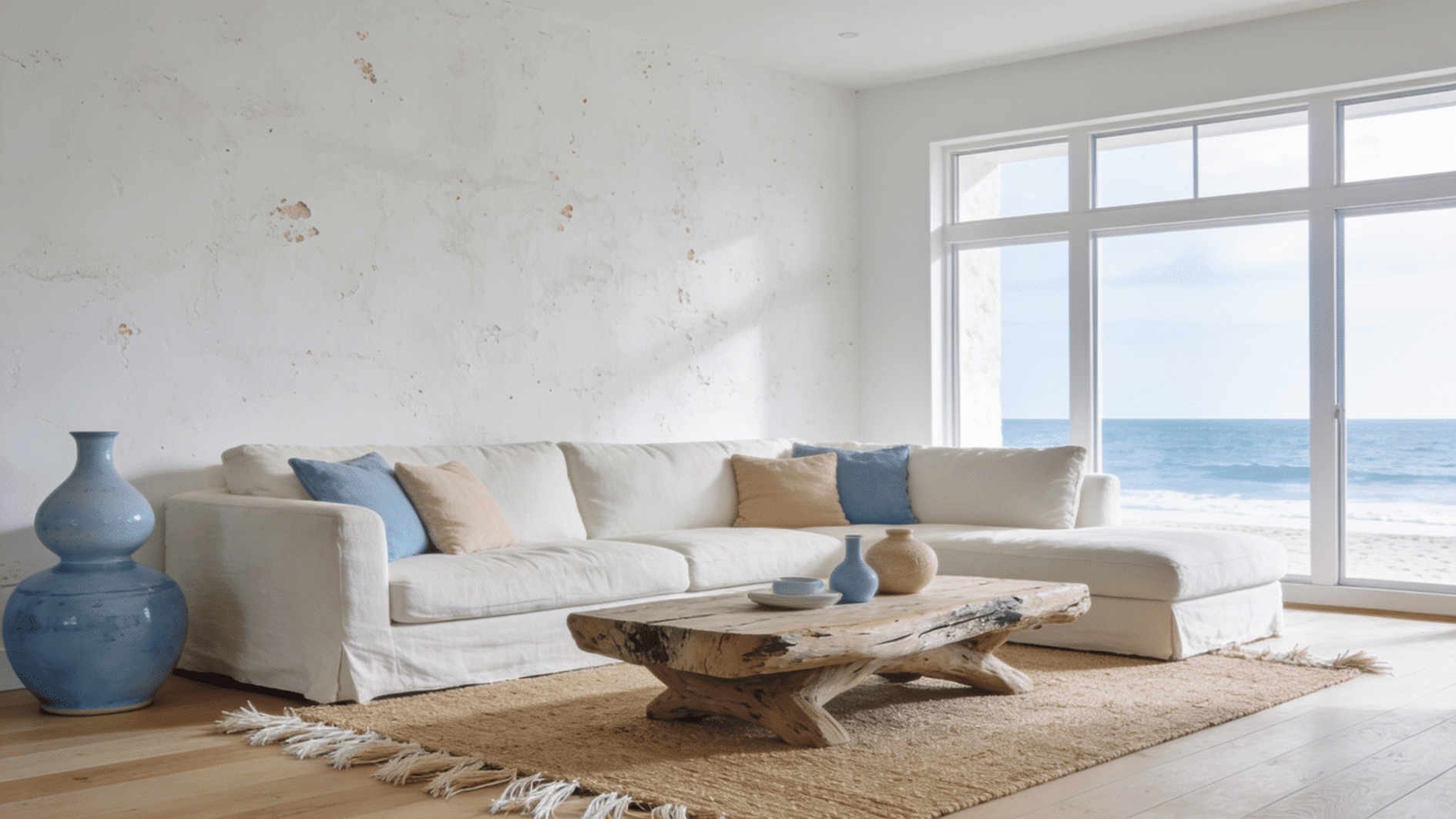
Coastal style is constantly confused with a beach theme; the ocean side inspires the real version, but it avoids anchors and starfish altogether.
What actually makes it work is light. Pale colors and fabrics are chosen specifically to bounce natural light around the room, making it feel airy.
Look for:
- White, beige, and soft blue tones
- Linen and cotton fabrics
- Light wood and wicker furniture
- Subtle nautical details
It works well in bedrooms, bathrooms, and open living areas where a calm atmosphere is the goal.
24. Organic Modern
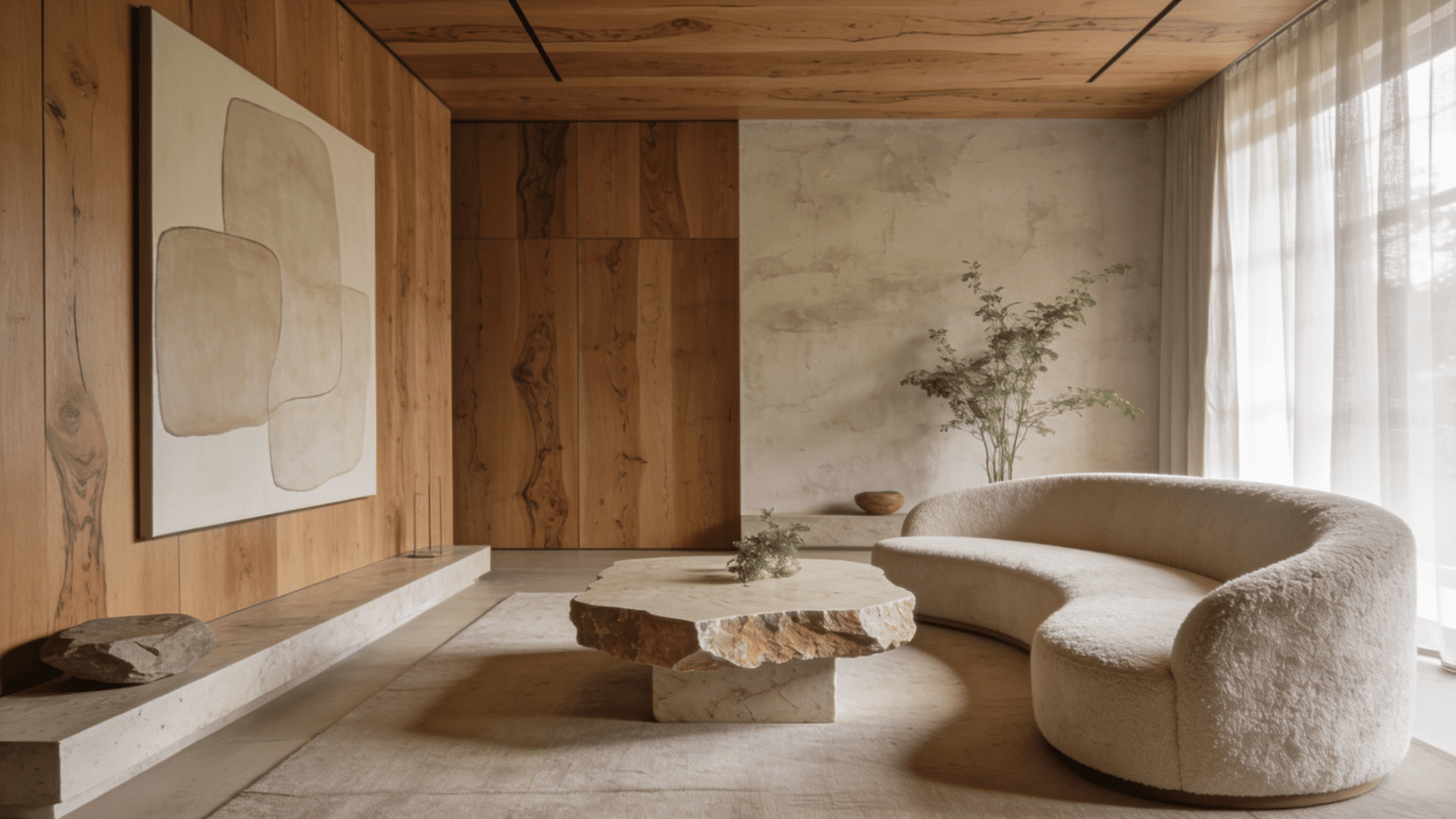
Organic Modern exists because straight-up Modern design can start to feel cold after a while.
This style keeps the clean architecture but swaps out hard materials for softer, natural ones, so a room can still feel sleek without feeling like it belongs in an office lobby.
Common features:
- Natural wood, stone, and linen materials
- Beige, taupe, and earthy color palettes
- Rounded furniture shapes
- Minimal décor with natural textures
It works well in modern homes that feel too sharp or need more warmth and comfort.
25. Wabi-Sabi
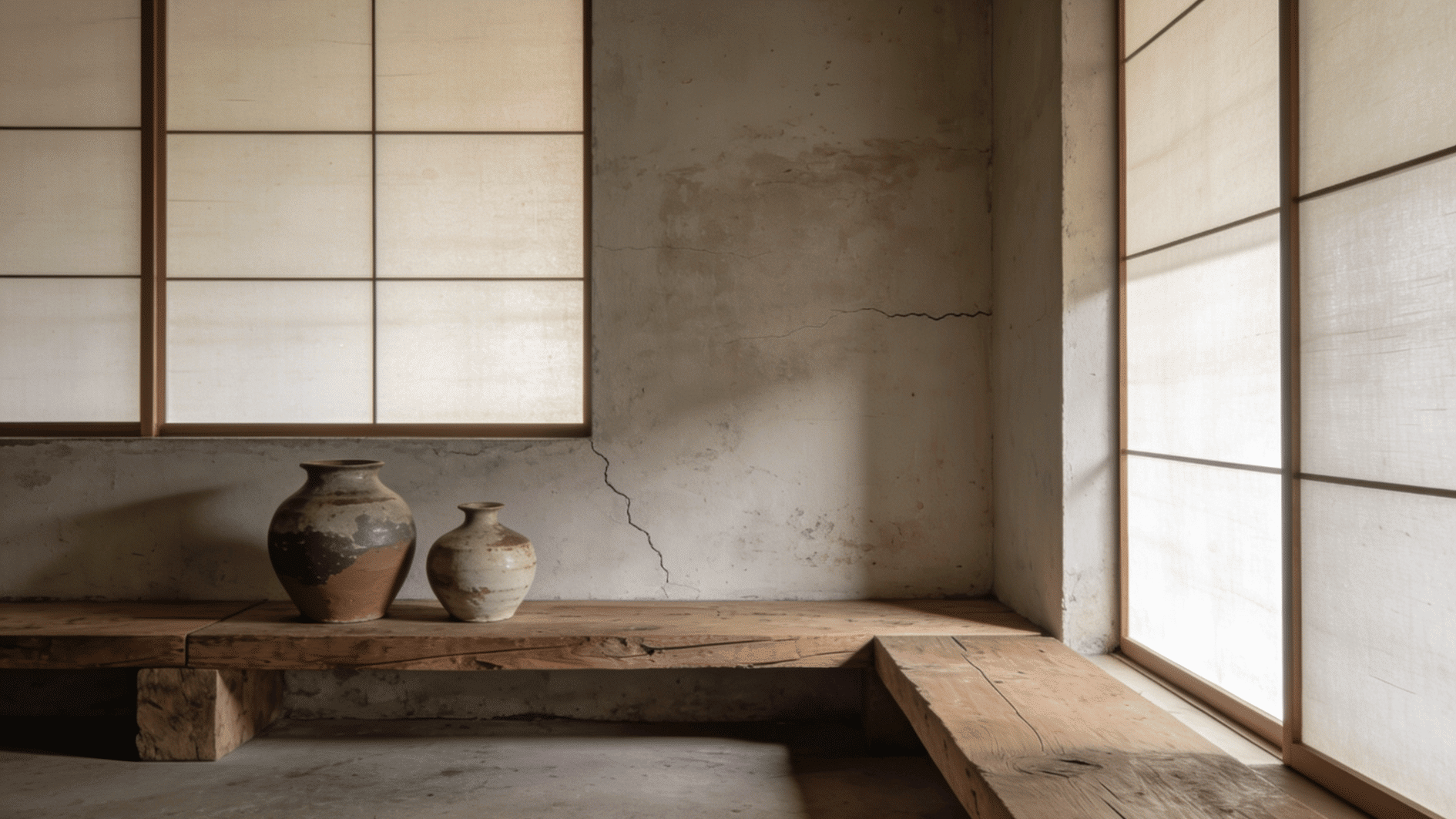
Wabi-Sabi style finds beauty in imperfection and natural aging. Inspired by Japanese philosophy, it values handmade pieces, simple forms, and materials that show character over time.
That philosophy makes Wabi-Sabi less about following a look and more about changing how you see everyday objects.
Key elements
- Aged wood and natural stone
- Handmade ceramics with uneven finishes
- Muted shades like clay, beige, and gray
- Minimal décor with meaningful objects
Unlike Japandi, Wabi-Sabi embraces imperfections instead of aiming for perfect balance.
26. Biophilic
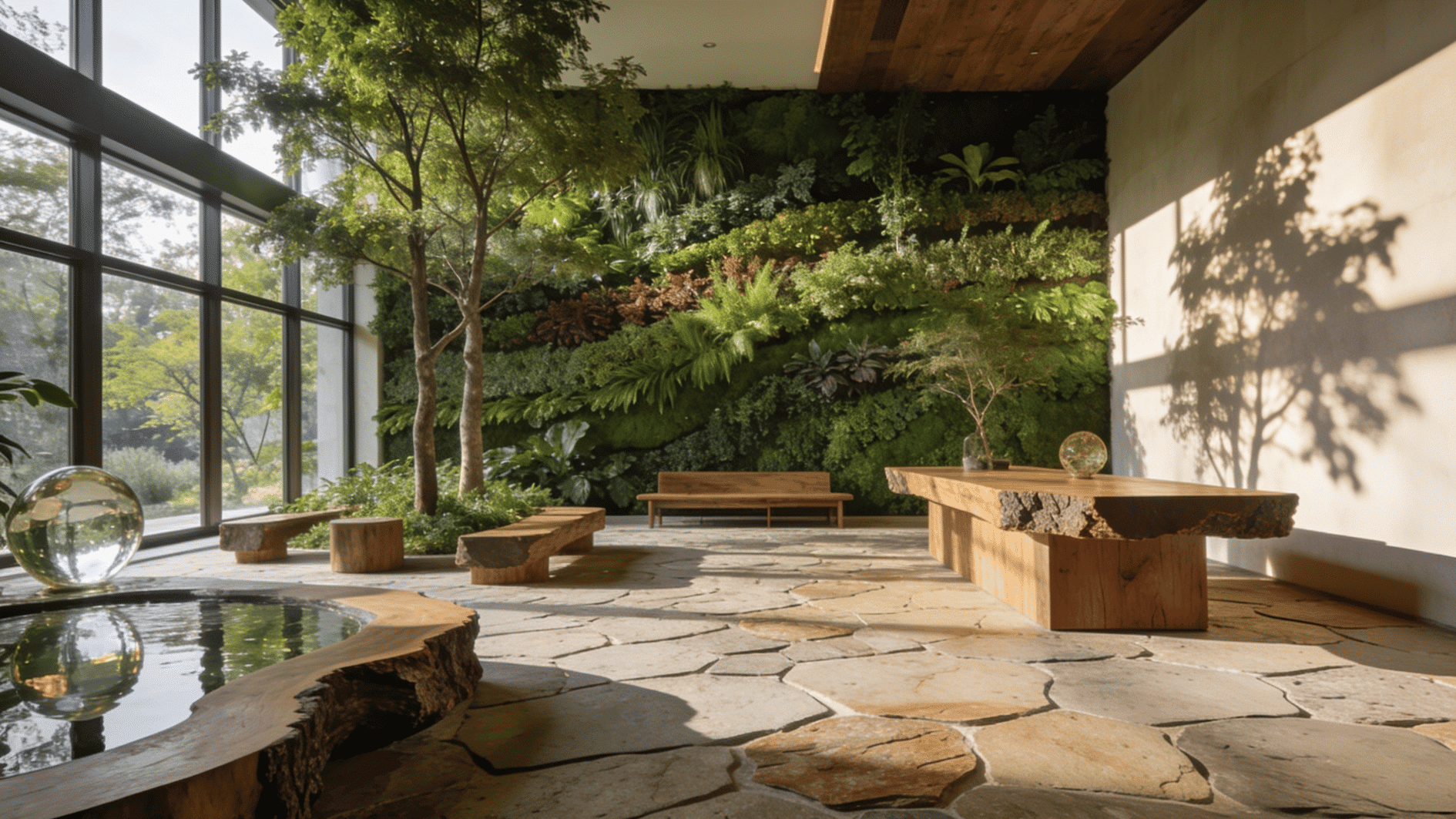
Biophilic style connects the indoors with nature by bringing natural elements into everyday spaces.
It focuses on creating healthier, refreshing environments through plants, sunlight, and organic materials.
You’ll usually notice:
- Indoor plants and living walls
- Large windows for natural light
- Wood, stone, and natural fibers
- Nature-inspired colors and textures
It works well in homes, offices, and wellness spaces where a connection to nature is important.
27. Zen
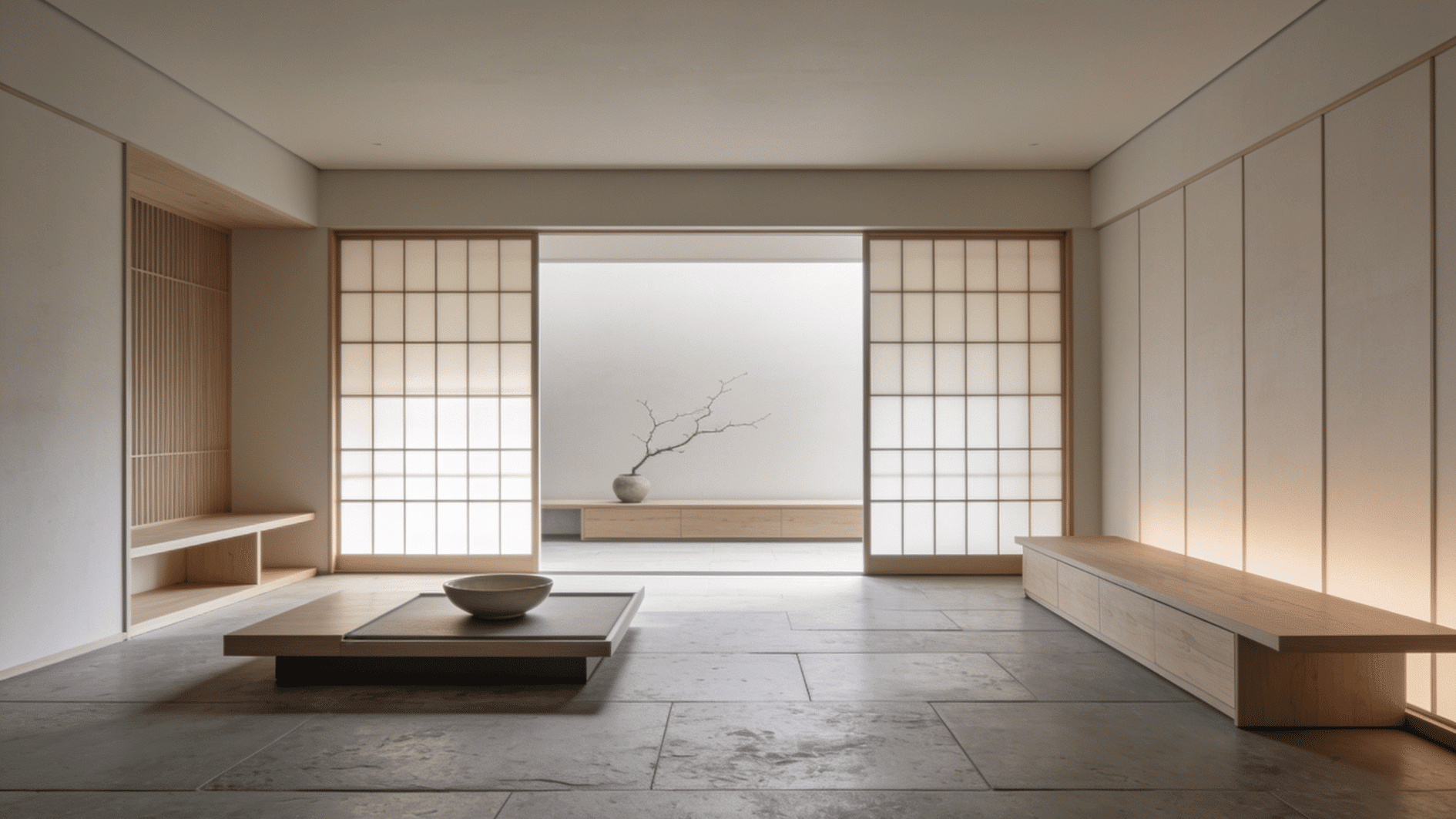
Zen style creates peaceful spaces centered around simplicity, balance, and calmness.
Inspired by Japanese design principles, it uses fewer elements and focuses on creating a sense of openness and relaxation.
Signature details:
- Neutral colors and uncluttered layouts
- Natural materials like wood and bamboo
- Low-profile furniture and soft lighting
- Simple décor chosen with intention
Unlike Wabi-Sabi, Zen emphasizes order and harmony, while Wabi-Sabi highlights natural imperfections. It works especially well in bedrooms, meditation areas, and quiet corners.
Conclusion
Home décor styles are not strict rules. They are simply a way to understand whatyou’ree already drawn to, whether that’s the clean lines of modern design or the cozy warmth of farmhouse style.
Homes end up blending two or three styles naturally, and that’s completely normal.
The goal isn’t to copy a look exactly.
It’s about spotting what feels right and starting from there. Look back through this list and pick one or two popular home décor styles that stood out most.
Try applying them to a single room first, like your living room or bedroom, before making changes throughout your home. That’s the easiest way to figure out what actually works for you.
Frequently Asked Questions
What’s the Most Popular Home Décor Style Right Now?
Modern farmhouse and organic modern are the most searched styles today.
Does Environment or Location Matter When Picking a Style?
Yes, climate and natural light both affect which styles work best.
Do I Need to Spend a Lot of Money to Stick to One Design Style?
No, sticking to one style actually helps you spend less overall.






3 Responses