The ceiling line is easy to overlook, but it can have a big effect on how finished a room feels.
Crown molding creates a clear transition between walls and ceilings, helps soften awkward corners, and can add character without changing the entire space.
With the right placement and proportions, crown molding can work across many interior styles. Below are ideas that show how different styles can change the look of a room.
Crown Molding Ideas for Every Ceiling
I usually judge crown molding by how it changes the proportions of a room rather than by the profile alone. A molding that looks understated in a large living room can feel much heavier once you bring it into a smaller bedroom with a lower ceiling.
1. Classic White Crown Molding
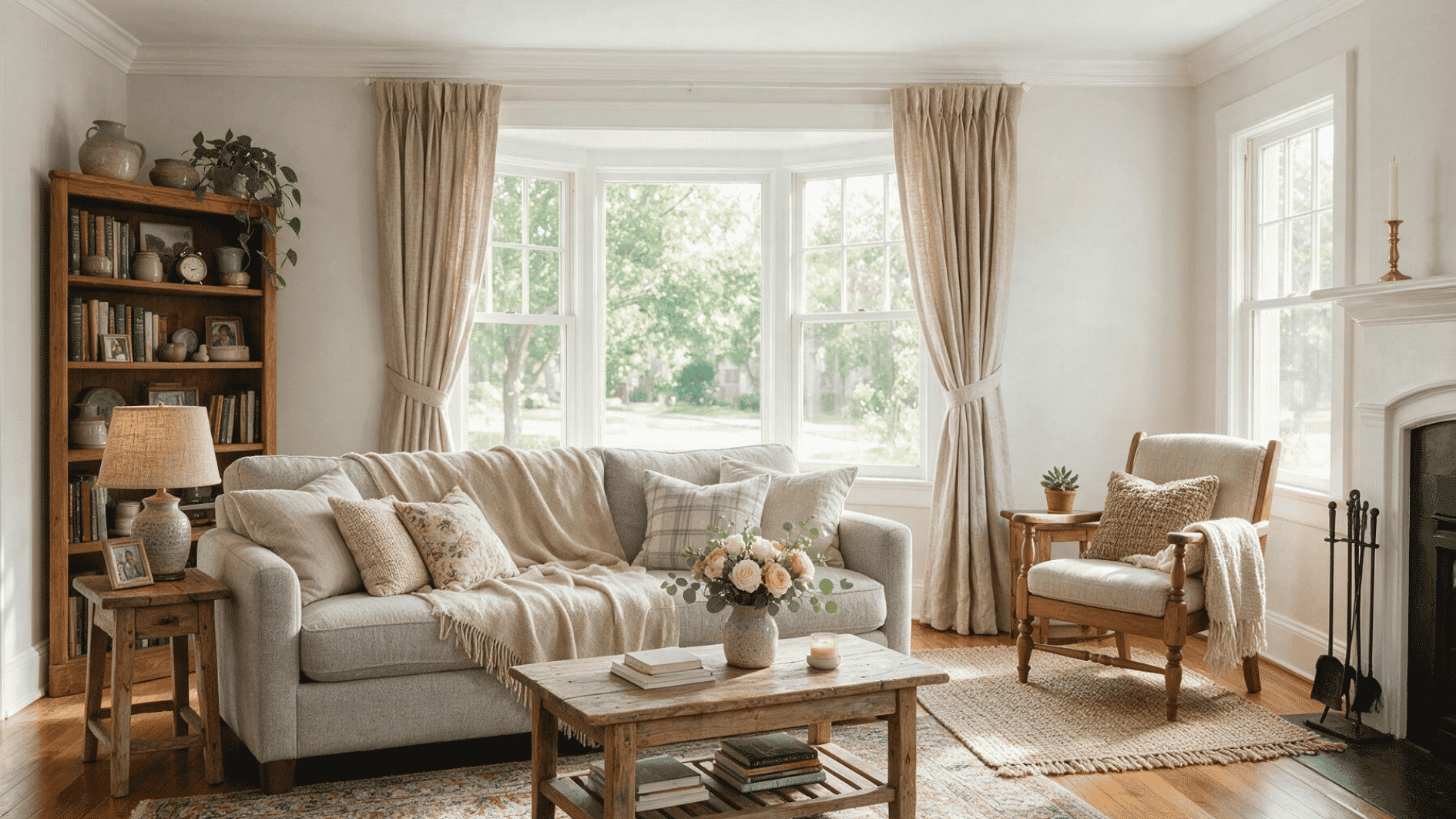
I tend to start with white molding when a room already has several strong colors or finishes. It gives the ceiling line definition without introducing another competing element. It works especially well in traditional and transitional interiors, while a simpler profile can also suit modern rooms.
- What it looks like: A clean, paint-grade profile in white that sits flush against the ceiling line.
- Why it works: White trim disappears into the ceiling or frames the wall depending on contrast, making it the most adaptable option available.
- Best for: Living rooms, bedrooms, and dining rooms.
2. Modern Crown Molding Designs
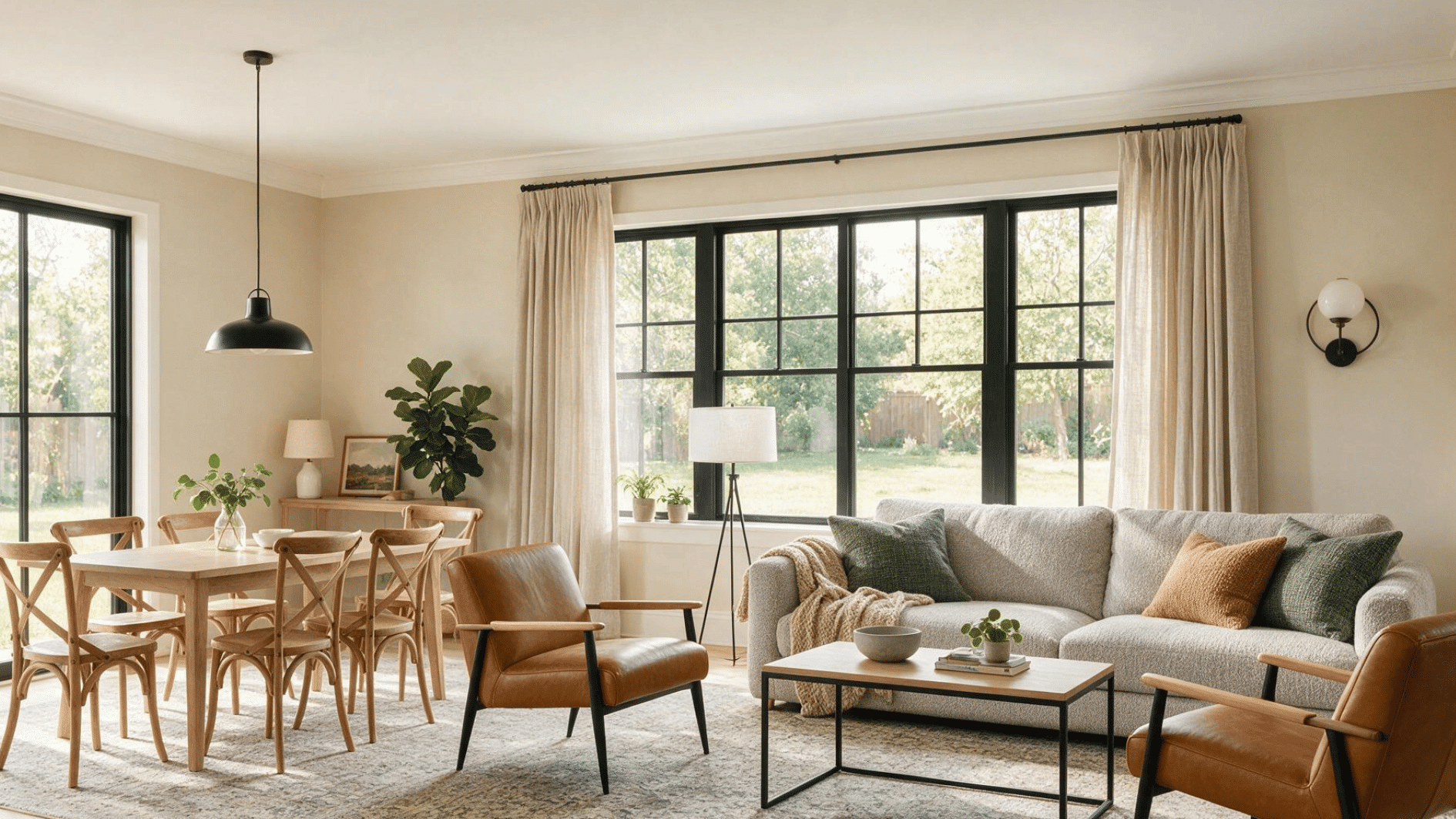
Thin, straight profiles create a clean ceiling edge without adding visual weight. This style skips curves and ornamentation entirely, making the trim feel like a natural extension of the architecture. It keeps attention on the room, not the detail.
- What it looks like: A flat, narrow profile with straight edges and no decorative curves.
- Why it works: The simplicity of the profile makes it feel built-in rather than applied, which suits contemporary design well.
- Best for: Contemporary homes and open-plan living spaces.
3. Contemporary Layered Molding
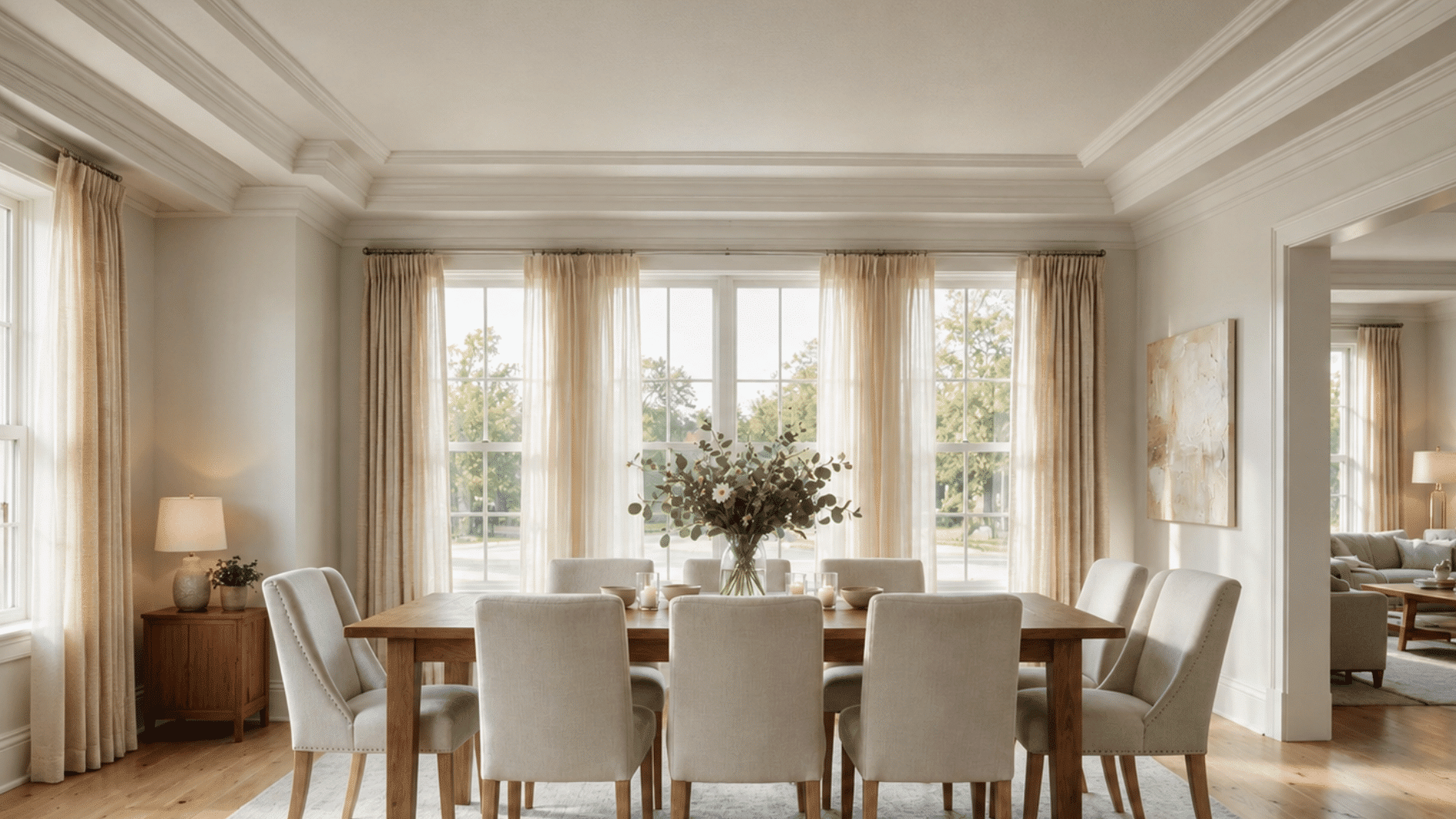
Stacking multiple trim pieces creates depth and a custom-built appearance. Each layer adds dimension without leaning into traditional ornamentation. The result looks considered and architectural rather than decorative.
- What it looks like: Two or more trim profiles stacked together to create a built-up ceiling border.
- Why it works: Layering creates a custom, architectural finish that reads as intentional design rather than standard trim.
- Best for: Larger rooms and newer construction homes.
4. Decorative Crown Molding Styles
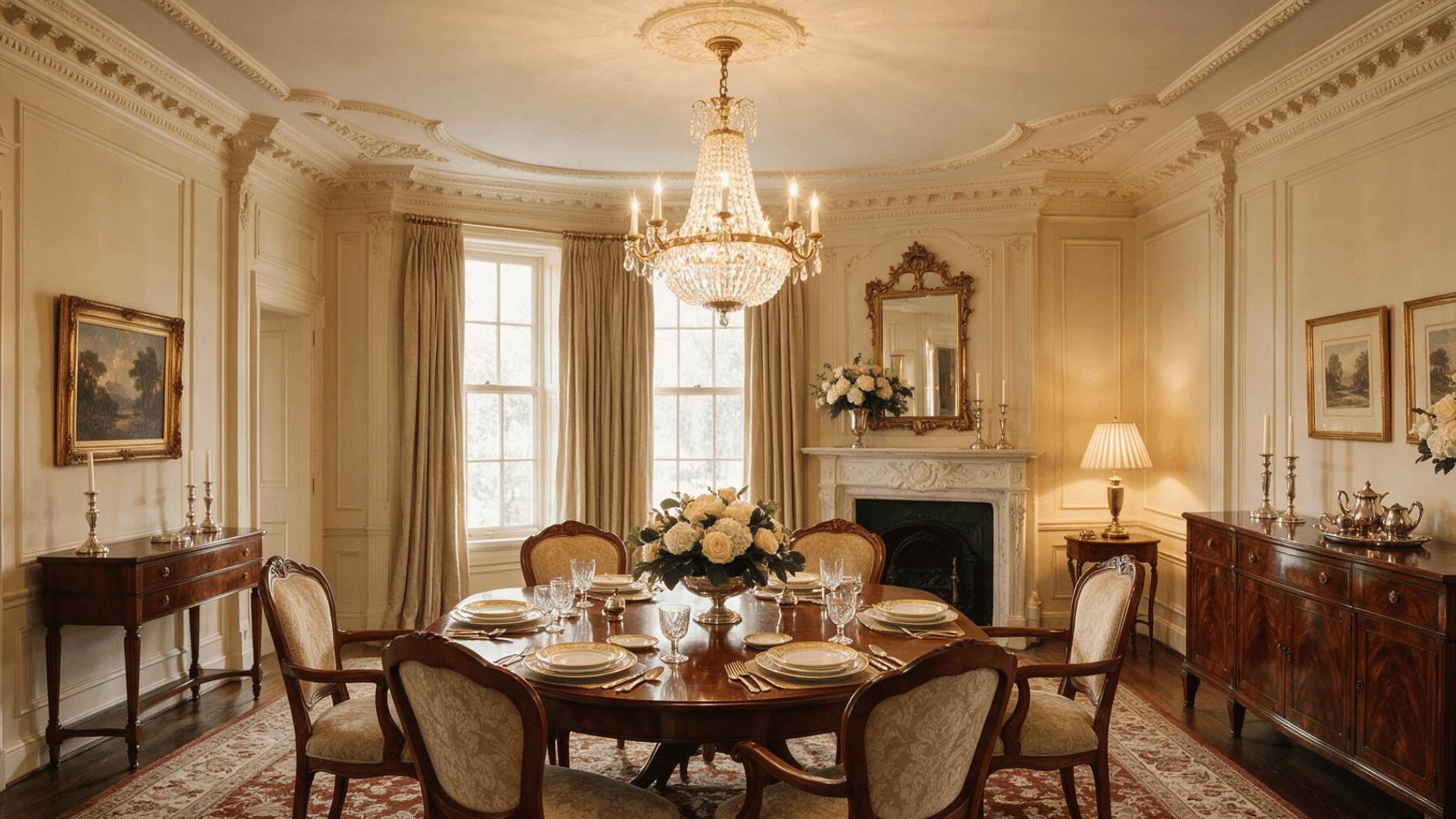
Curved profiles, repeated patterns, and detailed edges give formal rooms a strong sense of character. This style references classical architecture and works best where the room already leans traditional. It turns the ceiling line into a deliberate design statement.
- What it looks like: A wide profile with curves, egg-and-dart patterns, or detailed relief work along the face.
- Why it works: The detailing adds visual richness that anchors a formal interior and gives the ceiling line architectural authority.
- Best for: Dining rooms, entryways, and traditional interiors.
5. Wide Crown Molding Designs
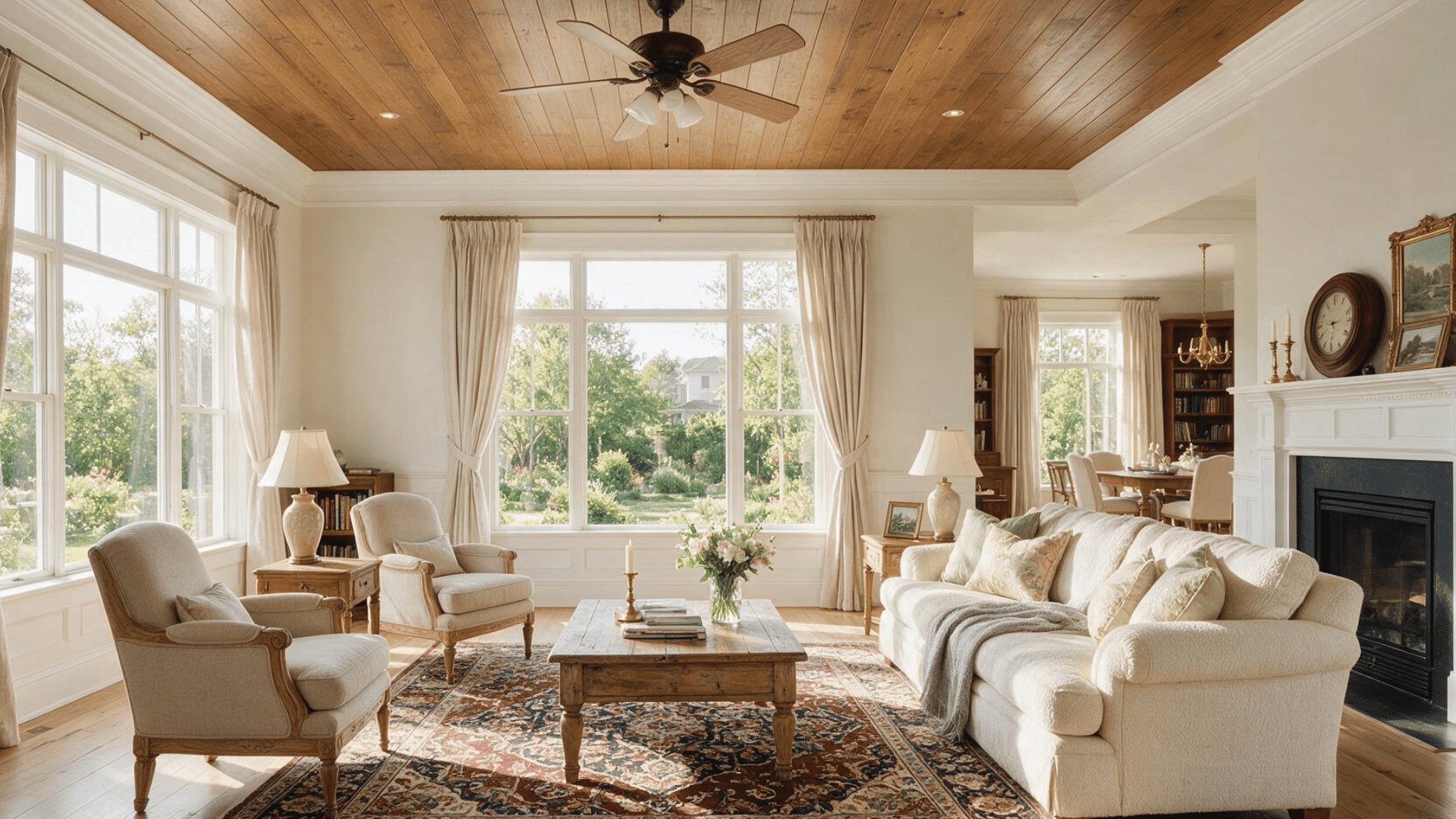
With wider molding, I always look at ceiling height before choosing the profile. A substantial trim can balance tall walls beautifully, but the same width can make an eight-foot ceiling feel noticeably lower.
Tall walls need larger trim to maintain visual proportion. A wide profile fills the transition zone between wall and ceiling without looking lost or undersized.
- What it looks like: A broad profile, typically 5 inches or wider, that commands the upper wall and ceiling junction.
- Why it works: A wider profile fills the visual gap that tall walls create, keeping the room feeling proportional and finished.
- Best for: Large living rooms and spacious homes with 9-foot-plus ceilings.
6. Crown Molding With LED Lighting
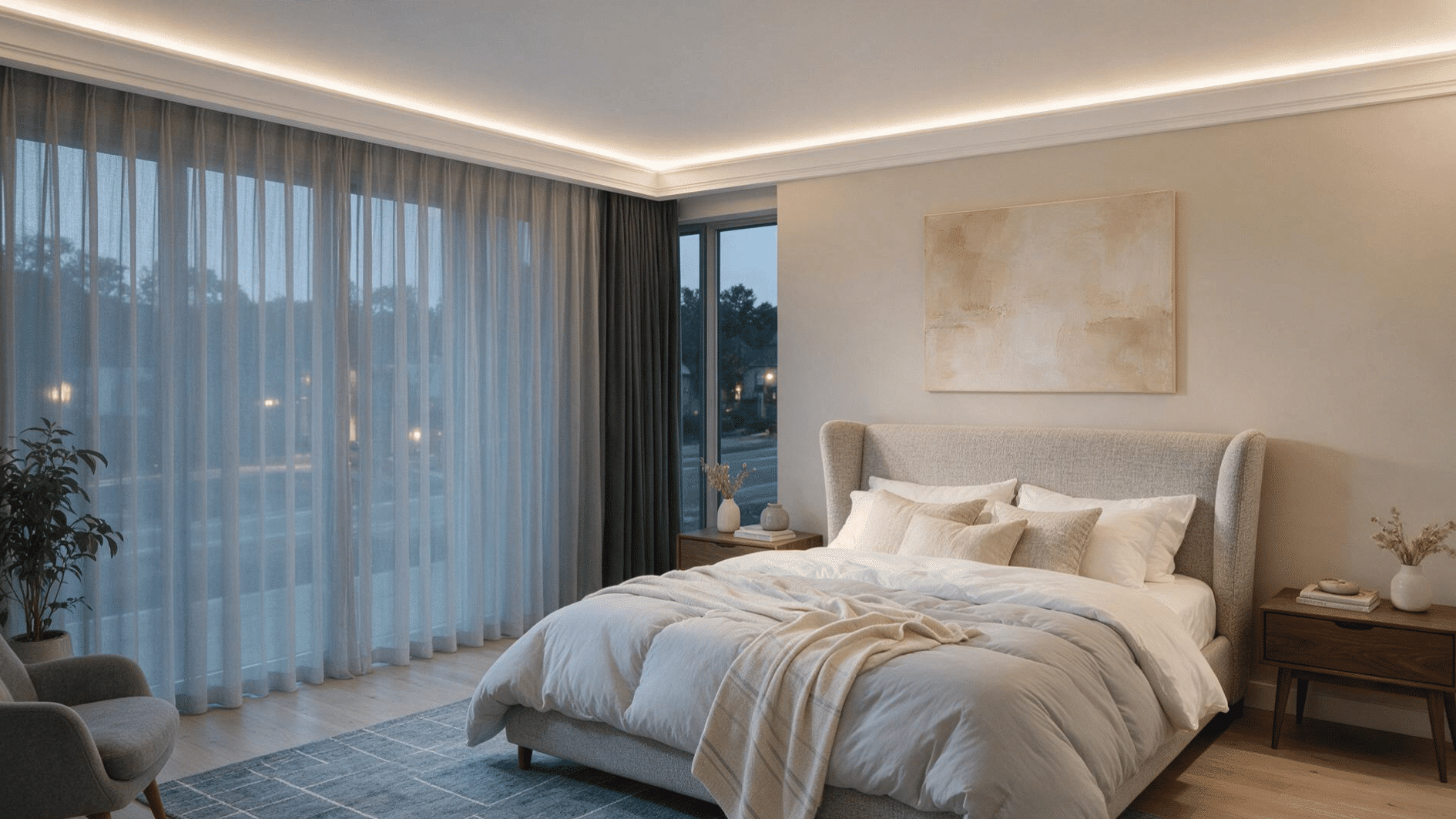
Trim with a recessed channel behind it allows LED strip lights to sit completely out of sight. The light washes across the ceiling and creates a soft, ambient glow without visible fixtures. It adds a layered lighting effect that changes how the room feels after dark.
- What it looks like: A trim profile with a recessed ledge behind it that conceals LED strip lighting.
- Why it works: The hidden light source creates a soft ceiling glow that adds depth and atmosphere without any visible hardware.
- Best for: Bedrooms, media rooms, and living spaces.
7. Two-Tone Crown Molding
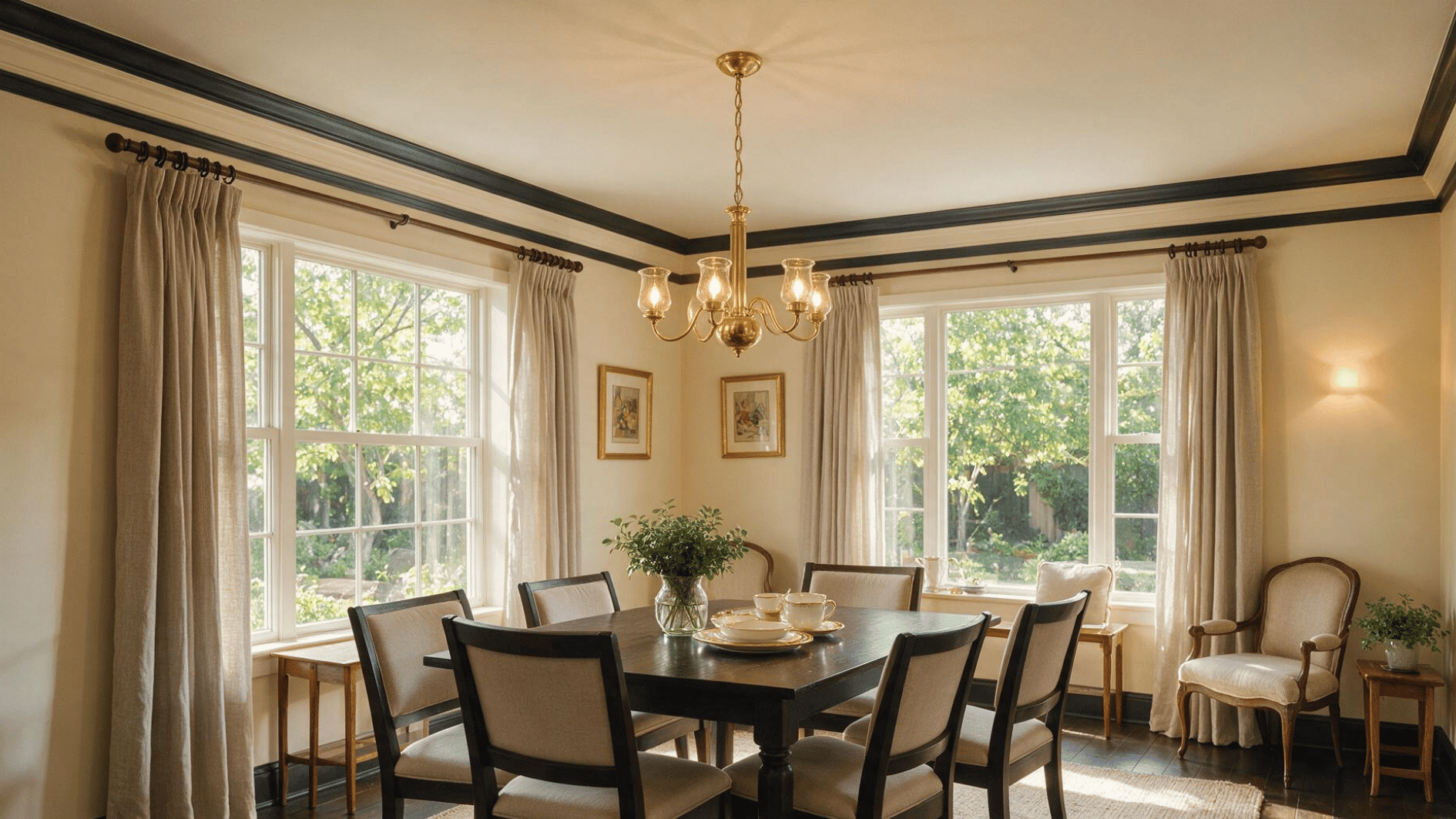
Painting trim a different shade from the ceiling or wall turns it into a stronger design feature. A warm trim against a cool wall or dark molding on a white ceiling both create intentional contrast. It shifts crown molding from background detail to focal point.
- What it looks like: Trim painted in a shade that contrasts with either the wall color, ceiling color, or both.
- Why it works: Contrast makes the trim a deliberate design feature rather than a subtle finishing detail.
- Best for: Modern and creative interiors.
8. Black Crown Molding
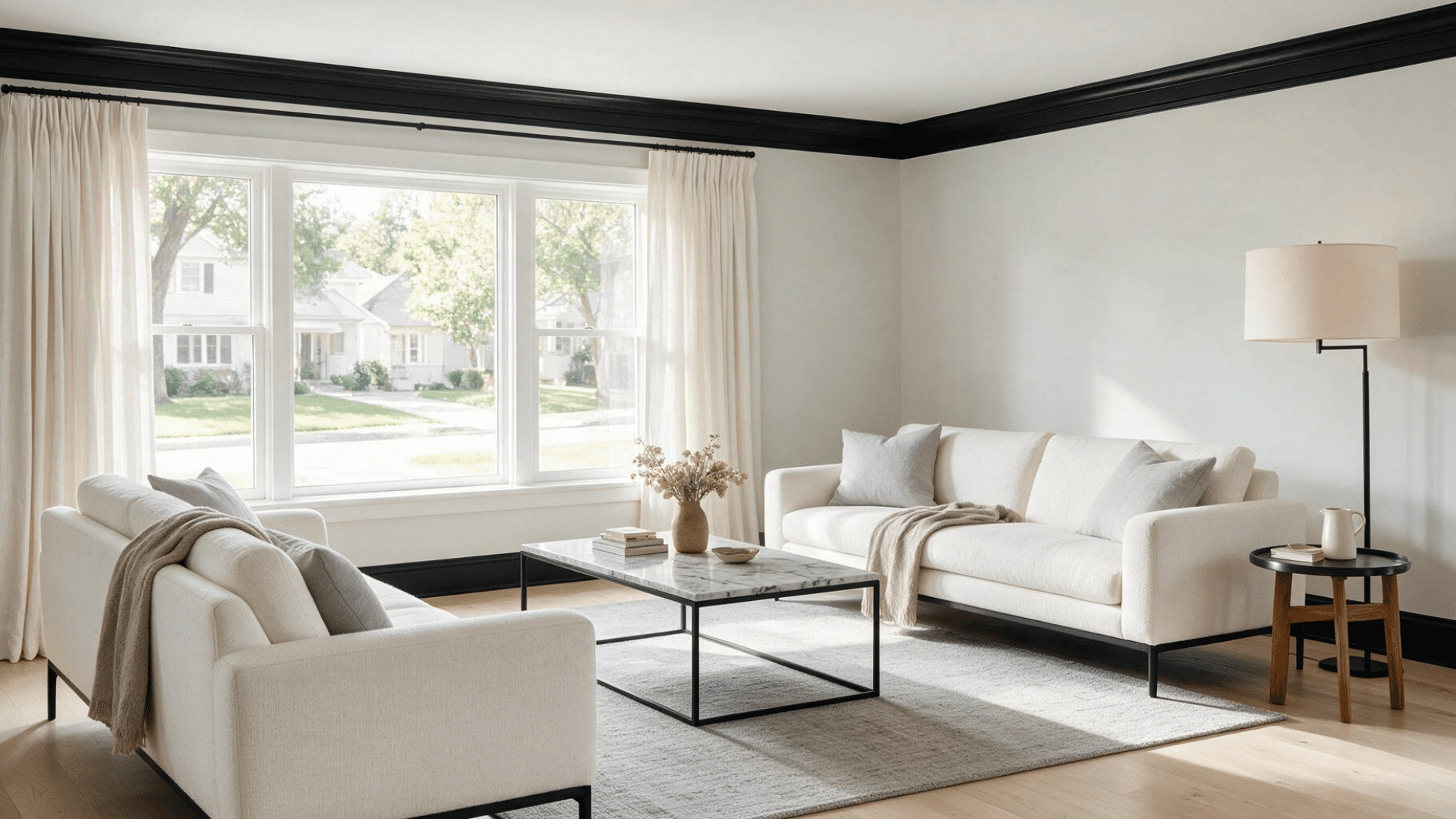
Dark trim creates sharp definition where the wall meets the ceiling. Against light walls and white ceilings, black molding frames the room with confidence. It suits spaces that already use contrast as a core part of the design language.
- What it looks like: A standard or slim profile finished in matte or satin black paint.
- Why it works: Black molding acts as an architectural frame rather than a background detail, giving the room a sharp, finished edge.
- Best for: Contemporary and high-contrast interiors.
9. Wood Crown Molding Ideas
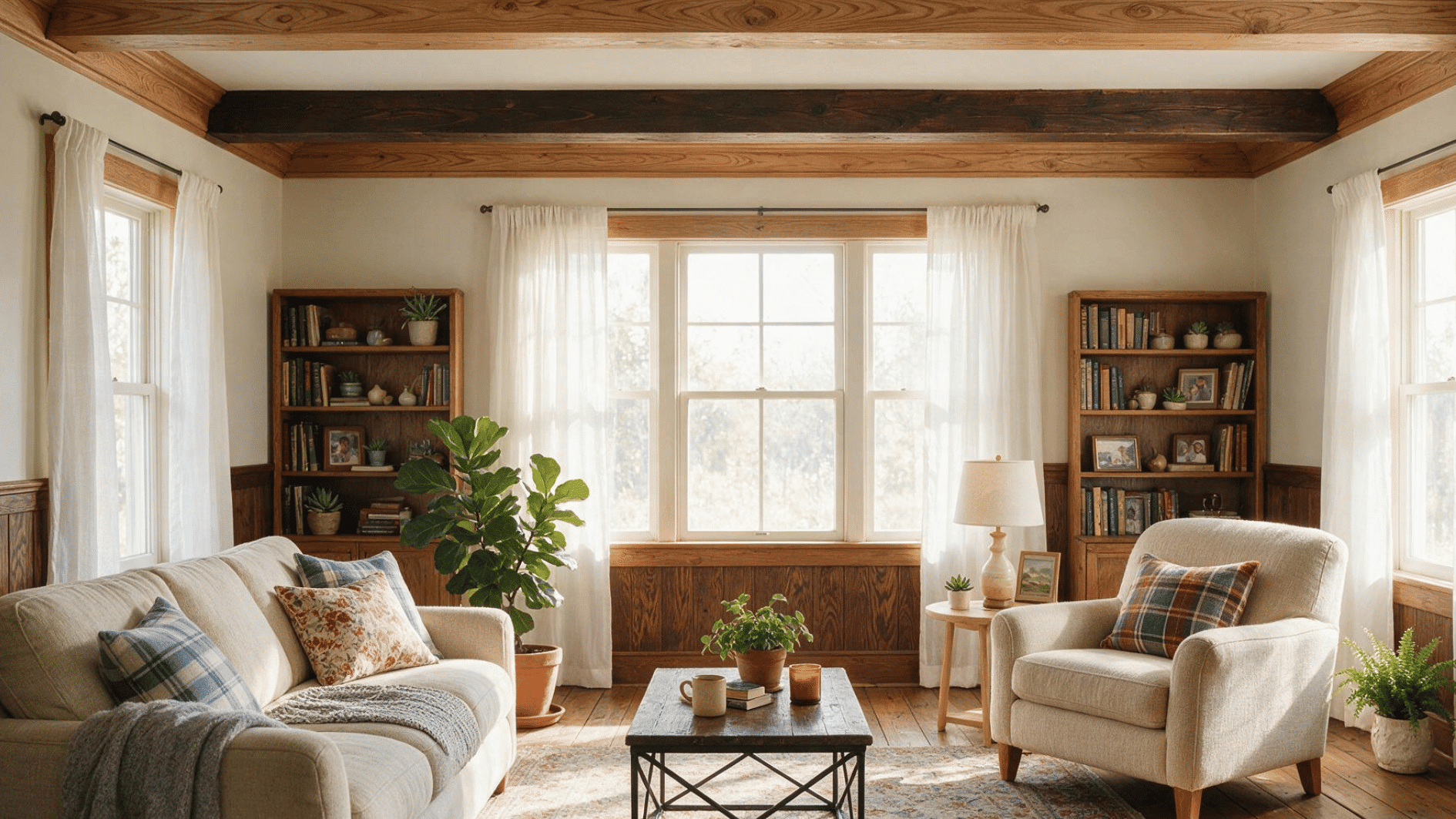
Natural wood brings texture and warmth that painted trim cannot replicate. Stained options highlight the grain for a richer finish, while painted wood offers a cleaner look that still feels grounded. Either way, wood ceiling adds a material quality that elevates the trim detail.
I would recommend comparing the wood tone with existing floors, doors, and built-ins before committing, since mismatched stains are much more noticeable at the ceiling line than expected.
- What it looks like: A solid wood profile in a natural stain or painted finish, with visible grain texture.
- Why it works: Wood adds tactile warmth and material quality that paint-grade alternatives cannot match.
- Best for: Farmhouse interiors, rustic, and traditional homes.
10. Beadboard Ceiling Combinations
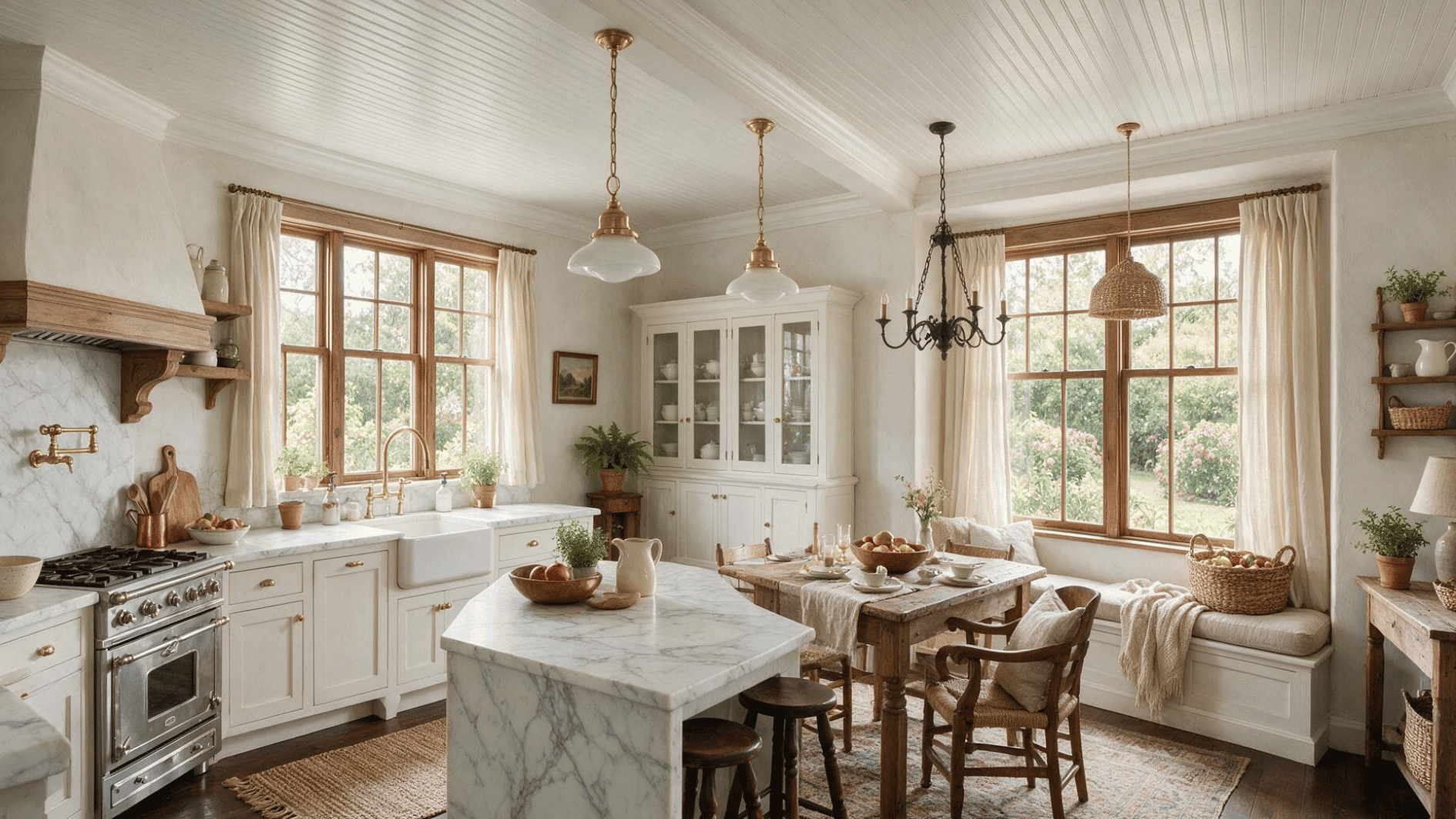
Painting crown molding the same color as the wall works especially well in a color-drenched bedroom, creating a more continuous look from wall to ceiling. The trim acts as a clean border between the detailed ceiling and the plain wall below. It frames the beadboard and stops the texture from feeling unfinished at the edges.
- What it looks like: A painted trim profile installed where a beadboard ceiling meets the wall, creating a defined transition.
- Why it works: The molding gives the beadboard a finished edge and adds weight to what could feel like an incomplete ceiling treatment.
- Best for: Farmhouse kitchens, coastal interiors, and rooms with textured ceiling finishes.
11. Matching Crown Molding
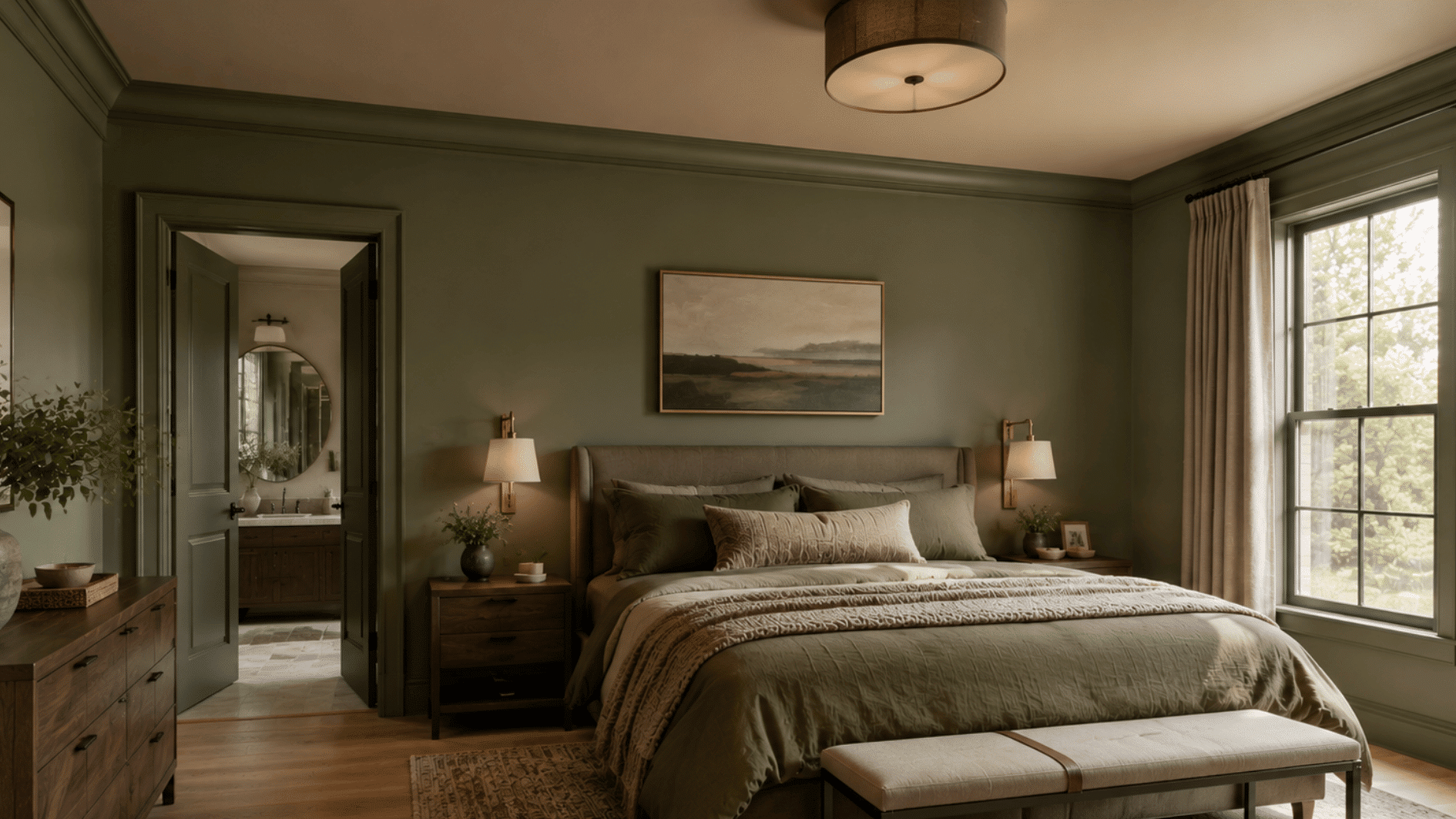
Painting crown molding the same color as the wall creates a seamless, enveloping effect that makes the room feel taller and more cohesive. It removes the visual break between wall and ceiling without removing the trim detail entirely. The molding still adds structure, just without drawing attention to itself.
- What it looks like: Trim and wall finished in the same paint color, with the ceiling in a contrasting shade.
- Why it works: Matching the molding to the wall extends the color upward and makes the ceiling feel higher.
- Best for: Bold interiors, moody color palettes, and rooms where seamless walls are the design intent.
12. Offset Ceiling Trim Patterns
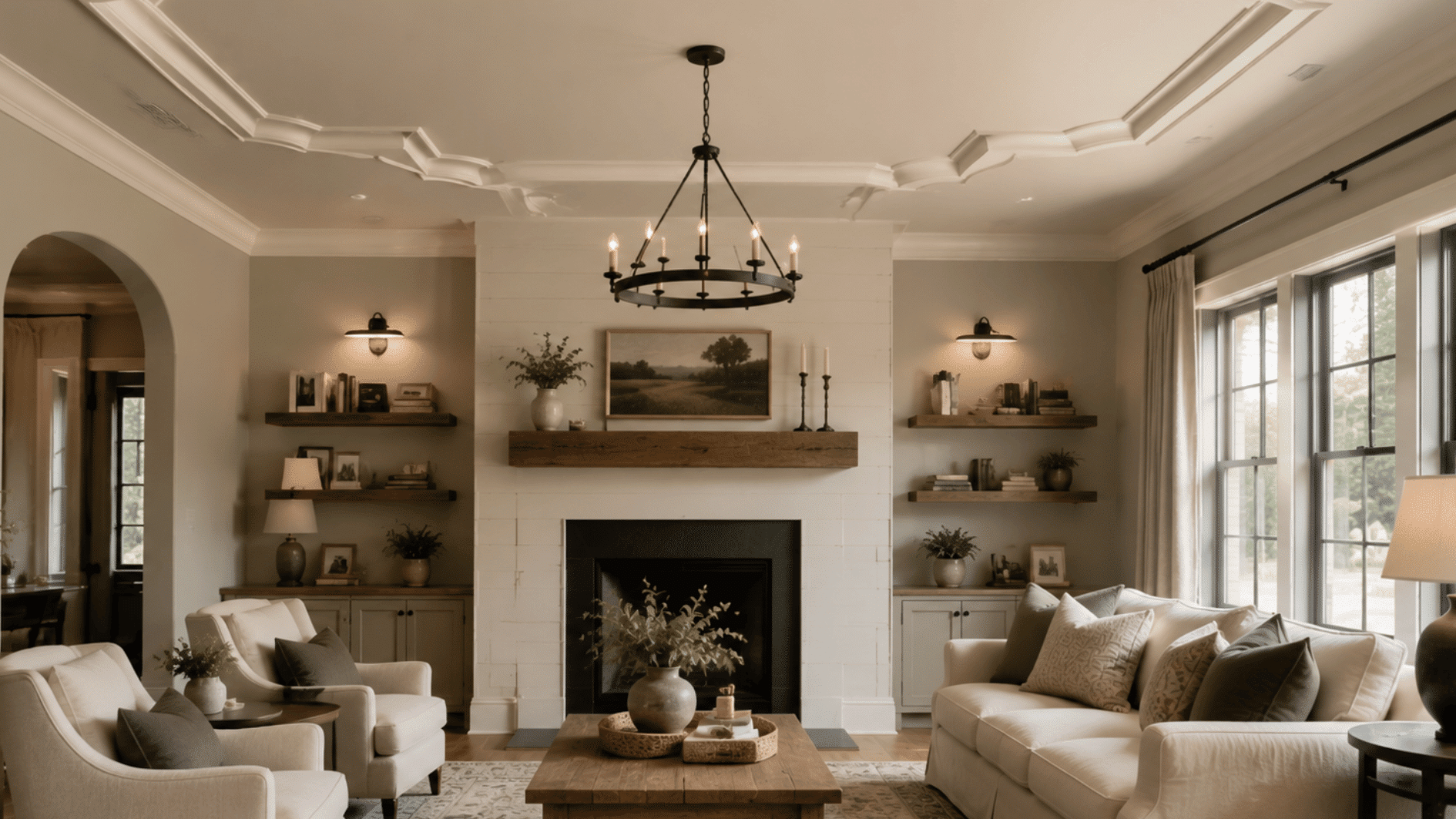
Offset trim patterns create a more unexpected ceiling design by moving away from a standard border layout. Instead of following the same line around the entire room, the trim placement adds variation while keeping the overall look structured.
- What it looks like: Asymmetrical trim sections, staggered borders, or unique ceiling layouts with custom architectural detail.
- Why it works: The unusual placement adds visual interest and makes the ceiling feel designed rather than simply finished.
- Best for: Modern homes, open layouts, and rooms with large ceiling areas.
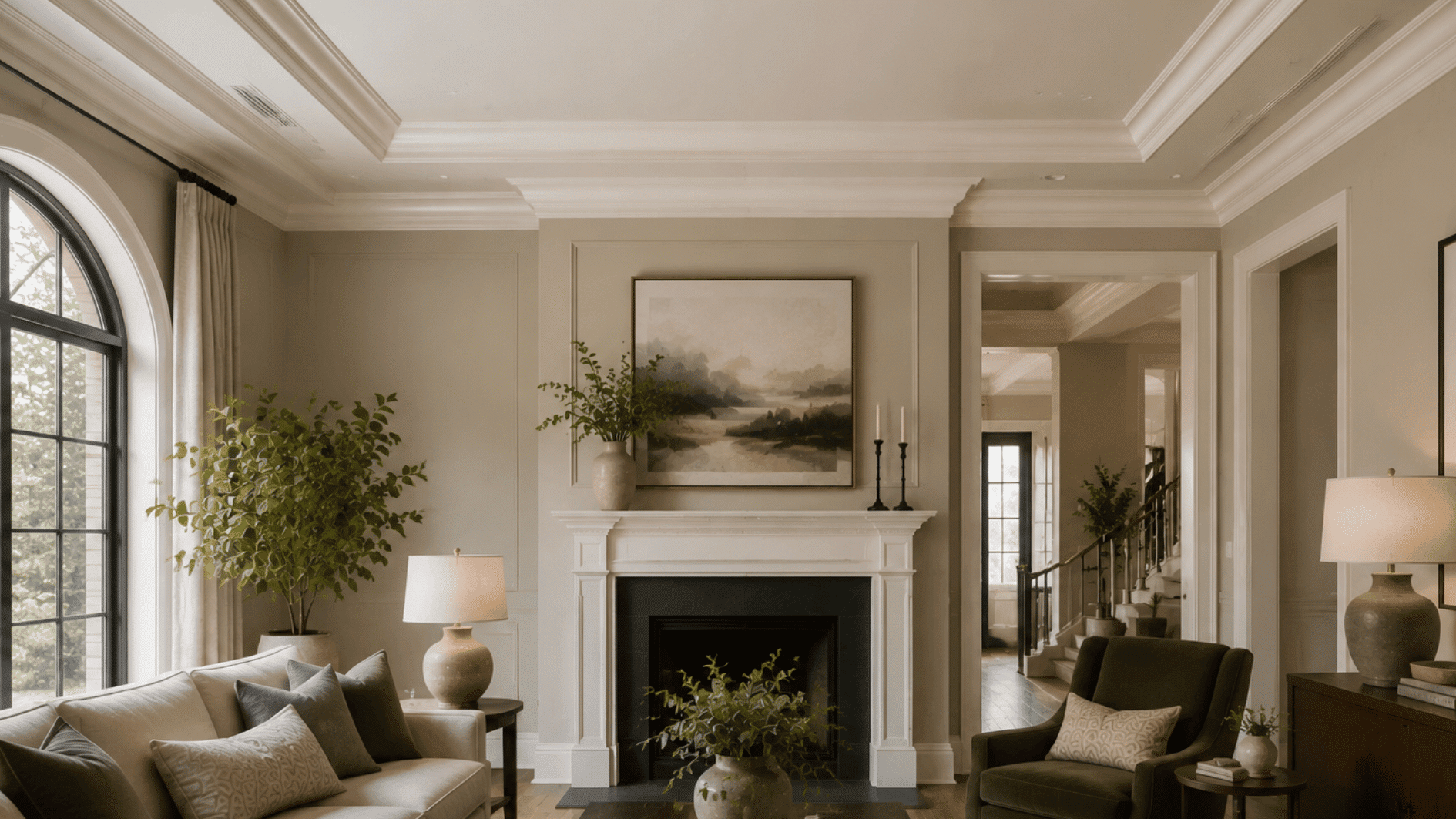
13. Coffered Ceiling Details
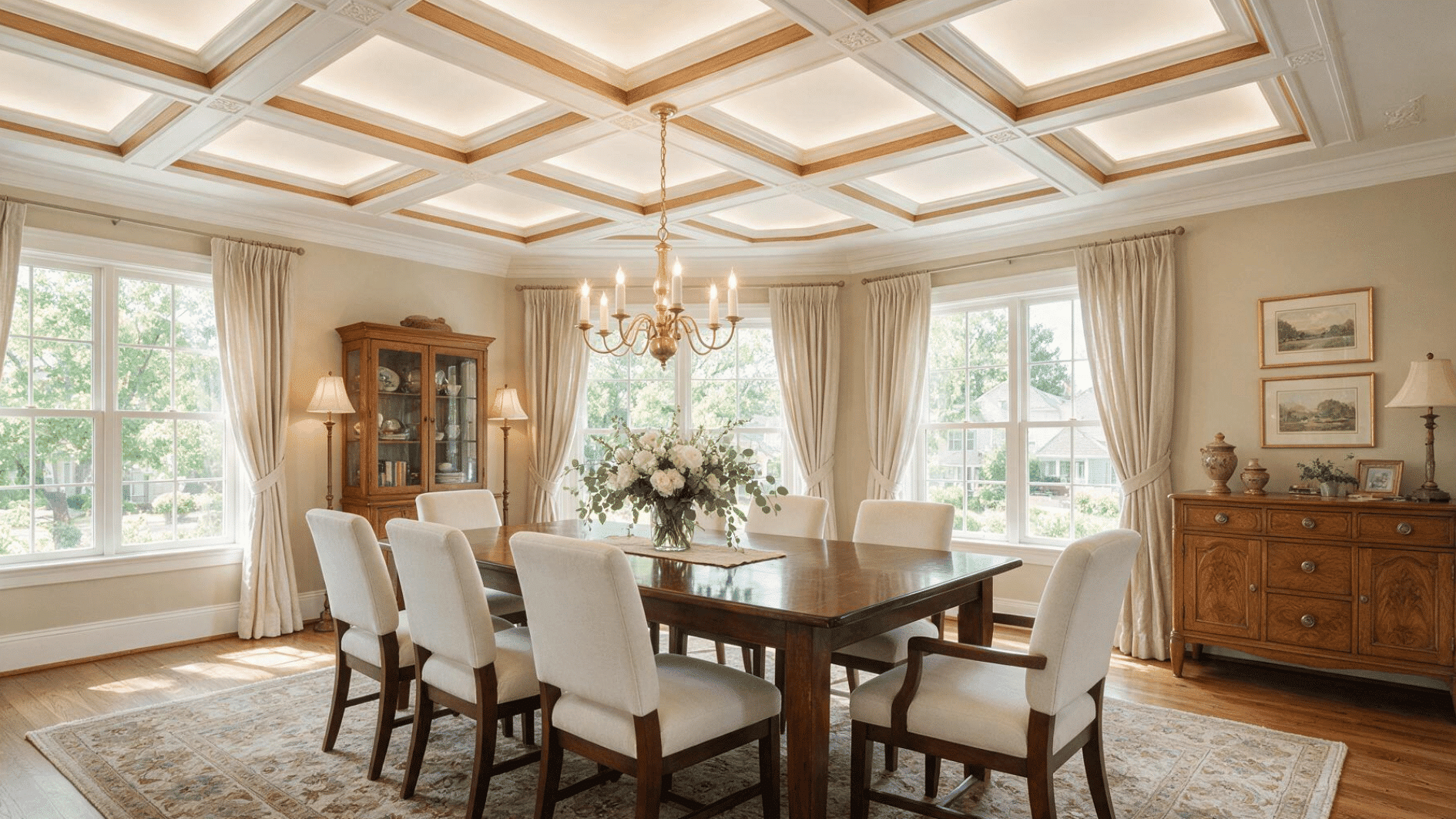
Coffered ceilings paired with crown molding create a structured, architectural look by adding recessed sections and defined borders overhead. The molding helps frame each ceiling section and gives the entire design a finished transition between surfaces.
- What it looks like: A ceiling with recessed square or rectangular panels outlined by trim.
- Why it works: The combination adds depth and structure, turning a plain ceiling into a more detailed architectural feature.
- Best for: Large living rooms, dining rooms, home offices, and homes with higher ceilings
Popular Materials Used for Crown Molding
Choosing the right material affects how the trim looks, how long it lasts, and where it can be installed. For anyone looking for ceiling trim ideas, knowing material differences helps avoid costly mistakes.
| Material | Best For | Key Features |
|---|---|---|
| Wood | Traditional and farmhouse homes | Natural texture, takes stain well, durable, customizable finish, ages well |
| MDF | Budget-friendly projects | Smooth surface, easy to paint, consistent density, widely available, cost-effective |
| Polyurethane | Bathrooms and humid areas | Lightweight, moisture-resistant, easy to install, holds detail well, low maintenance |
| Plaster | Decorative and ornate designs | Allows custom shapes, highly detailed, premium finish, traditional material, long-lasting |
| PVC | Outdoor and high-moisture spaces | Weatherproof, rot-resistant, lightweight, easy to cut, holds paint well |
How to Choose the Right Crown Molding for Your Home?
Not every crown molding profile that looks good in a photo will work in your room. I always look at these 5 main things – ceiling height, room dimensions, existing trim, wall color, and the amount of architectural detail already present before narrowing down a style.
- Consider Your Ceiling Height: Taller ceilings carry wider profiles. Lower ceilings need thinner trim to avoid feeling cramped.
- Match the Style to Your Home: Modern homes suit clean lines, contemporary spaces work with layered designs, and traditional interiors can handle ornate detail.
- Think About Room Size: Larger rooms support stronger trim. Smaller spaces almost always look better with a narrower, more restrained profile.
- Factor in the Room’s Purpose: Bedrooms and quieter spaces suit subtle ceiling trim ideas. Living and dining rooms can take something with more presence.
- Keep Existing Architecture in Mind: If your home has paneling, archways, or built-ins, the molding should complement them rather than compete.
Before choosing crown molding, I look at the whole room, including ceiling height, existing trim, architectural details, and furniture scale. Larger rooms can usually handle wider profiles, while smaller or busier spaces often suit narrower trim. If I am unsure, I test a short sample near the ceiling first because seeing the profile in the actual room gives a much clearer sense of proportion.
Conclusion
Crown molding works best when it feels connected to the rest of the room rather than added as an afterthought. From simple painted trim to wood, layered profiles, and ceiling details, each option creates a different result.
Compare a few styles, check the proportions in your space, and choose the one that fits naturally. Start with one room and build from there.
Frequently Asked Questions
What Size Crown Molding Works Best for Standard 8-Foot Ceilings?
A 3- to 4-inch profile is the most proportional choice. Anything wider can make the ceiling feel lower.
Can Crown Molding Be Installed on a Budget?
Yes. MDF is the most cost-effective material and takes paint cleanly.
What Is the Difference Between Crown Molding and Ceiling Trim?
Crown molding is a specific type of ceiling trim installed at the angle where the wall meets the ceiling.
Is Crown Molding Hard to Install Without Professional Help?
Straight runs are manageable. Corners and joints require precise miter cuts, which is where most installations go wrong.