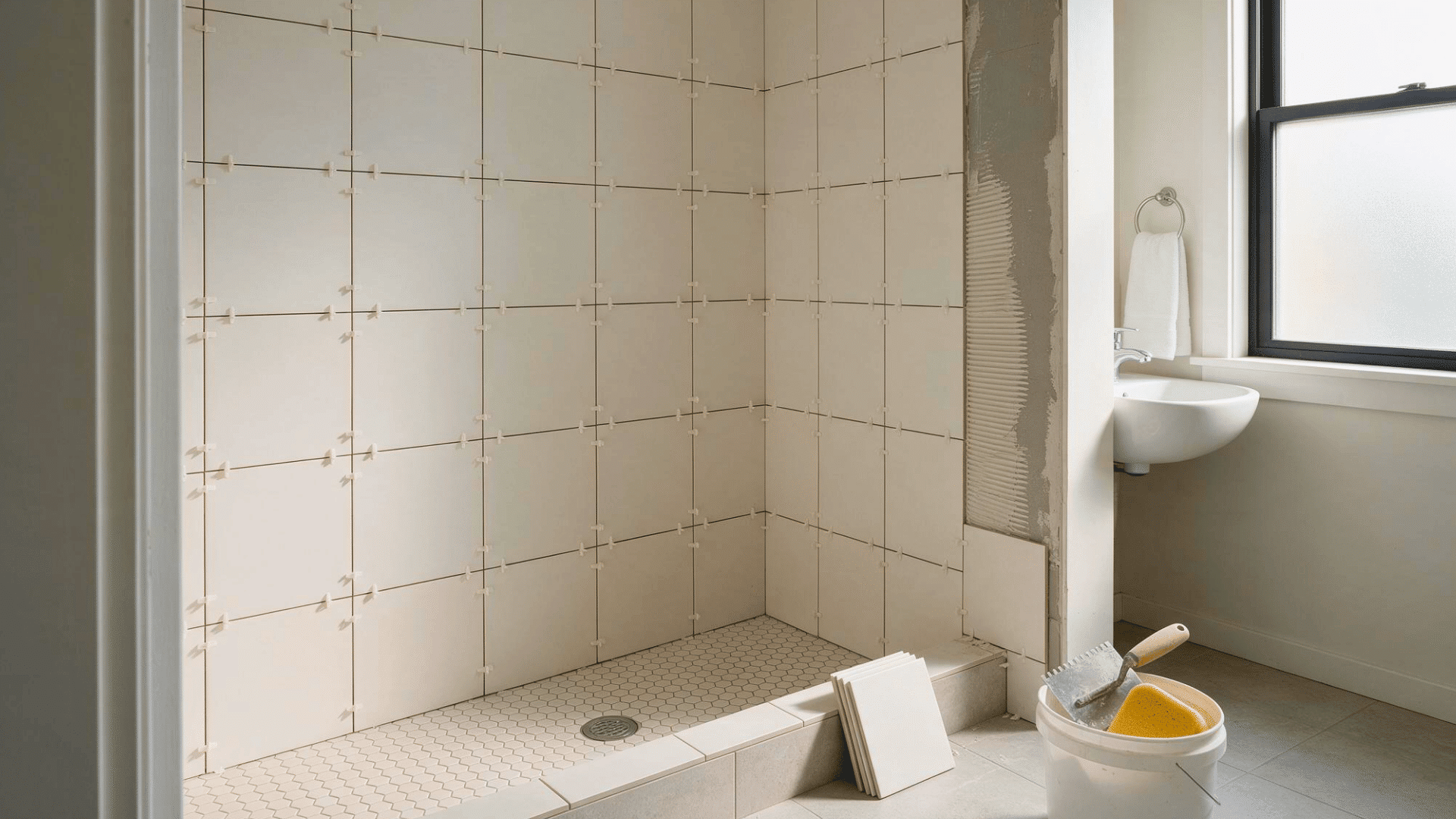
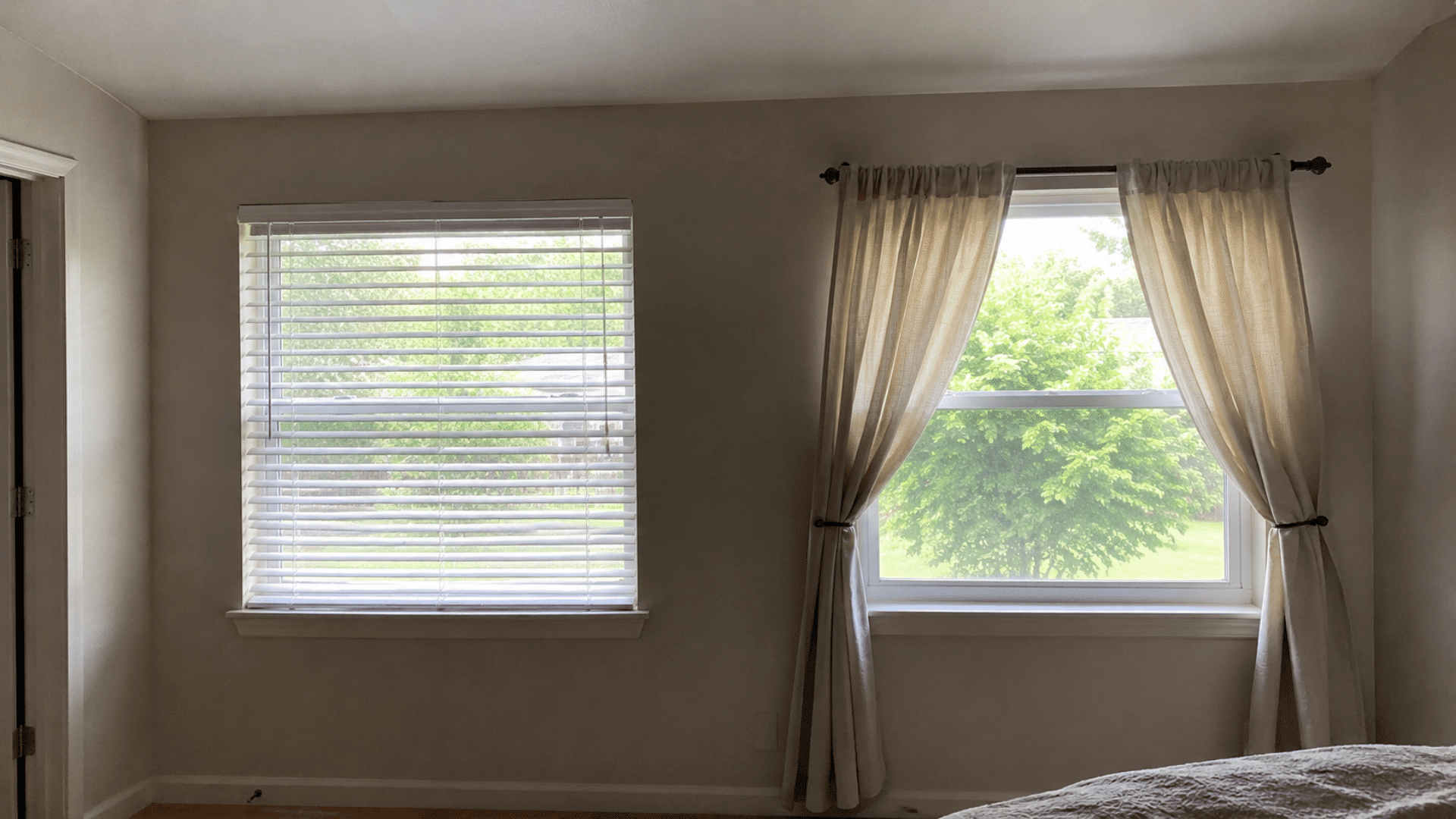
Choosing between blinds and curtains isn’t always as easy as it seems. The right choice can make a room feel more comfortable and work better for your daily routine.
While writing about home styling for years, I’ve learned that every room has different needs. Light, privacy, cleaning, and budget all play a part in making the right choice.
I often find myself testing small room updates, and window treatments are one of the first things I notice because they influence how a space feels every day.
In this comparison, I’ll explain the differences between blinds and curtains, where each works best, and what to consider before making your decision.
Why Understanding the Difference Between Blinds and Curtains Matters
Buying window coverings is a long-term decision. Comparing your options first can help you make a more confident choice.
I’ve found that small details, like how a room is used or how often the windows are opened, can make a bigger difference than people expect.
Knowing these differences before you buy makes it easier to choose with confidence. It also helps you pick a window covering that you’ll be happy with over the long term.
Blinds vs. Curtains: Key Differences
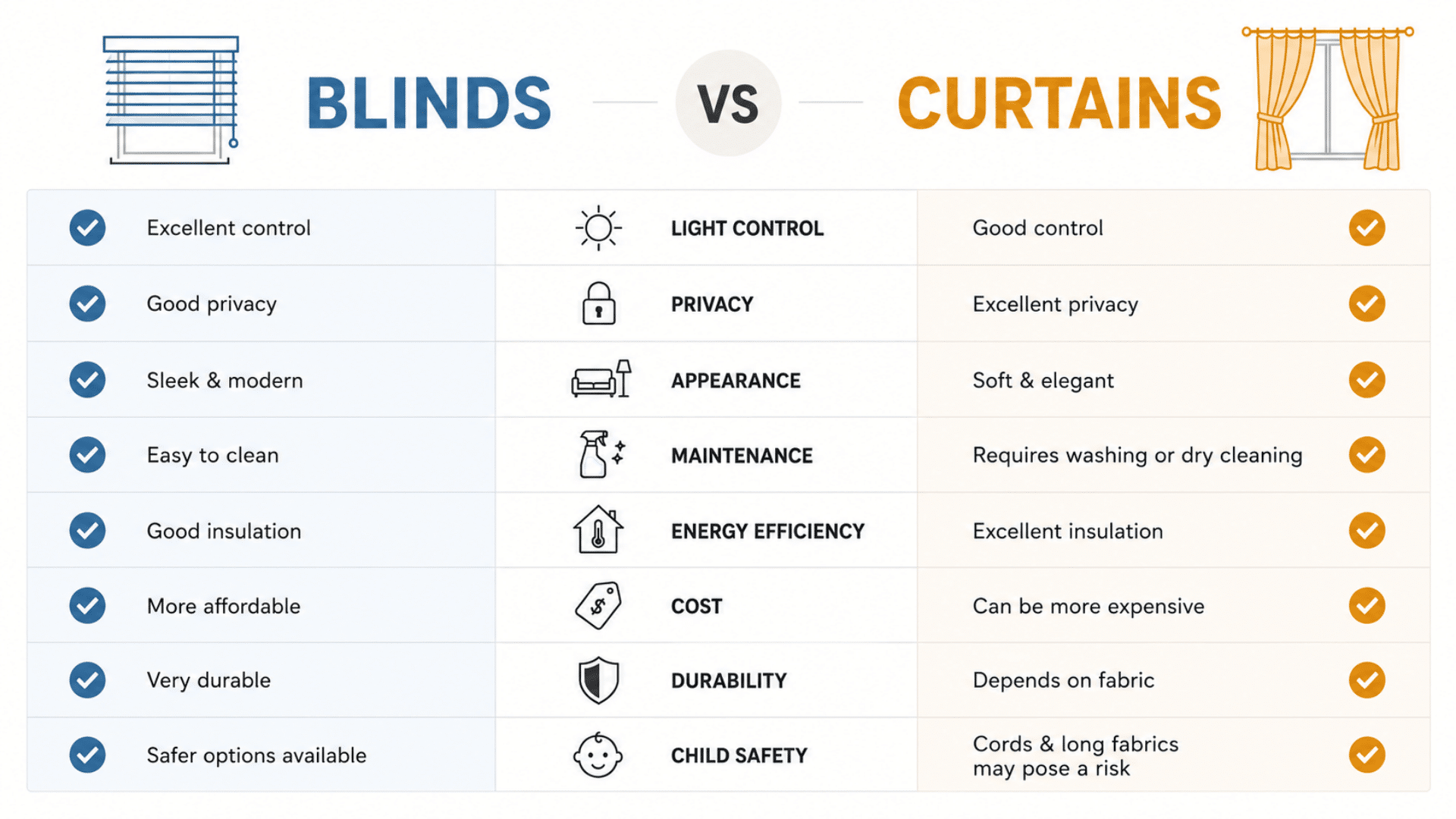
Blinds and curtains may serve the same purpose, but they differ in light control, privacy, maintenance, cost, and everyday use.
I’ve found that comparing these features first makes it much easier to choose the right option for each room.
1. Light Control
Light control is one of the biggest differences between blinds and curtains. The better option depends on how much flexibility you want throughout the day.
Blinds:
- Adjustable slats let you control the amount and direction of sunlight.
- You can reduce glare while still allowing natural light into the room.
Curtains:
- Light control depends on the fabric, from sheer panels to blackout curtains.
- They are usually either fully open or fully closed, with fewer adjustment options.
If you want more control over changing light levels, blinds are the better choice. Curtains work well when your goal is to soften daylight or block it almost completely.
2. Privacy
Privacy is another key factor when comparing blinds and curtains. Both work well, but they provide privacy in different ways.
Blinds:
- Tilt the slats to limit outside views while letting in some daylight.
- Close the slats fully for added privacy, especially at night.
Curtains:
- Thick fabrics provide full coverage when closed.
- Sheer curtains offer daytime privacy but less coverage after dark.
Both options provide good privacy. Blinds offer more flexibility, while curtains create a more complete barrier when closed.
3. Appearance and Style
The look of your window covering can change how a room feels. The best choice depends on the style you want to create.
Blinds:
- Create clean lines that suit modern and simple interiors.
- Available in different colors, finishes, and slat sizes.
Curtains:
- Add softness, texture, and warmth to a room.
- Offer a wide range of fabrics, patterns, and lengths.
Blinds suit clean, simple spaces, while curtains add a softer finish and more decorating options.
4. Materials
Blinds and curtains come in different materials, each with its own benefits. Choosing the right one depends on the room and daily use.
Blinds:
- Common materials include wood, faux wood, aluminum, vinyl, and composite.
- Moisture-resistant options work well in kitchens and bathrooms.
Curtains:
- Available in cotton, linen, polyester, velvet, sheer, and blackout fabrics.
- Different fabrics offer varying levels of light filtering and insulation.
Blinds offer more hard-surface material choices, while curtains provide greater fabric variety.
5. Cleaning and Maintenance
Regular cleaning helps window coverings look their best. Some options require much less effort than others.
Blinds:
- Usually need dusting and an occasional wipe with a damp cloth.
- Hard surfaces make everyday cleaning simple.
Curtains:
- May need machine washing, hand washing, or dry cleaning.
- Fabric can collect dust, pet hair, and odors over time.
Blinds are generally easier to maintain, while curtains require more care depending on the fabric.
6. Energy Efficiency
Window coverings can help make a room more comfortable by reducing heat gain and heat loss.
Blinds:
- Help block direct sunlight during warmer months.
- Small gaps between slats allow some heat transfer.
Curtains:
- Thick or thermal fabrics provide better insulation.
- Help keep rooms warmer in winter and cooler in summer.
Curtains usually provide better insulation, especially when made from thermal or blackout fabrics.
7. Durability
The lifespan of window coverings depends on the material and how often they are used.
Blinds:
- Faux wood, aluminum, and composite blinds are built for daily use.
- Resistant to moisture and everyday wear when properly maintained.
Curtains:
- Good-quality fabrics can last for years with proper care.
- Some materials may fade after long exposure to direct sunlight.
Both can last a long time, but quality blinds usually handle daily wear better.
8. Cost
Your budget can influence which option makes more sense. Prices vary depending on material, size, and customization.
Blinds:
- Basic vinyl blinds are often one of the most affordable choices.
- Motorized and real wood options cost considerably more.
Curtains:
- Ready-made panels fit many budgets.
- Custom fabrics, linings, and hardware increase the total cost.
Both come in a wide price range, but standard blinds are often the lower-cost option for most homes.
9. Installation
Installation affects both the appearance and the time needed to set up your window coverings.
Blinds:
- Usually mount inside or outside the window frame.
- Most standard blinds can be installed with basic tools.
Curtains:
- Require curtain rods, brackets, and proper placement above the window.
- Longer panels may need more measuring for the best fit.
Both are straightforward to install, though blinds often require fewer parts.
10. Child and Pet Safety
Safety should always be part of your decision, especially in homes with young children or pets.
Blinds:
- Cordless models reduce the risk of accidents.
- Slats are less likely to collect pet hair than fabric.
Curtains:
- Cord-free by design, making them a simple option for many families.
- Long curtains may attract climbing pets or playful children.
Cordless blinds and properly installed curtains are both safe choices when selected with your household in mind.
Which is Better for Different Rooms?
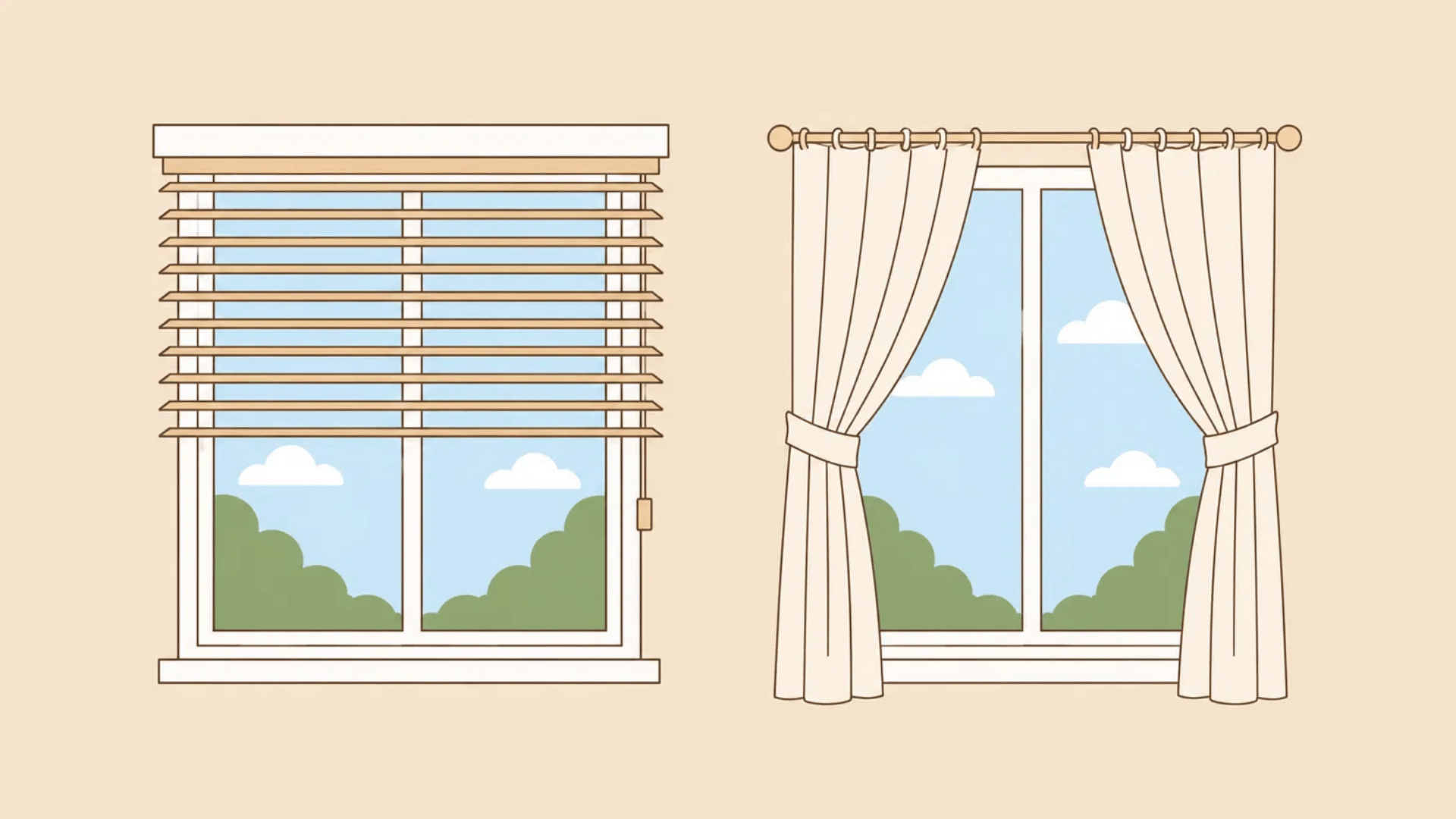
The best choice often depends on how each room is used. Privacy, moisture, sunlight, and cleaning needs can all affect which window covering works better.
I’ve found that choosing room by room usually leads to a better result than using the same window covering throughout the entire house.
| Room | Best Choice | Why It Works |
|---|---|---|
| Bedroom | Curtains | Better darkness and added insulation. |
| Living Room | Blinds + Curtains | Flexible light control with extra comfort. |
| Kitchen | Blinds | Easy to clean and moisture resistant. |
| Bathroom | Blinds | Handles humidity better than most fabrics. |
| Dining Room | Curtains | Softens the room and adds privacy. |
| Home Office | Blinds | Reduces glare while keeping daylight. |
| Nursery or Kids’ Room | Curtains | Blackout options support better sleep. |
| Sliding Glass Doors | Vertical Blinds | Smooth operation for large openings. |
The best choice depends on the room and how you use it. Matching the window covering to the space usually gives the best results.
How to Choose Between Blinds and Curtains?
The right choice depends on your room, budget, and daily routine. Keep these factors in mind before making your decision.
- Room Type: Match the window covering to the room’s moisture, sunlight, and everyday use.
- Light Control: Decide if you need adjustable daylight or full light blocking for the space.
- Privacy: Consider how much privacy you need during both the day and the night.
- Budget: Compare ready-made and custom options before deciding what fits your budget.
- Maintenance: Pick an option that matches the amount of cleaning you’re willing to do.
- Energy Efficiency: Think about how well the window covering helps reduce heat transfer.
- Window Size: Choose a style that suits the size and shape of your windows.
- Children and Pets: Look for safe, durable options that handle everyday family life well.
- Room Style: Select a design that blends naturally with your room’s overall look.
Can You Use Blinds and Curtains Together?
Yes, you can use blinds and curtains together. In many rooms, layering both gives you more flexibility than choosing just one.
I’ve found this works especially well in bedrooms and living rooms. It gives you better control over light, privacy, and comfort throughout the day.
For the best result, install blinds close to the window and hang curtains higher than the frame. This helps both window coverings work smoothly together.
Final Thoughts
By now, you’ve seen that both blinds and curtains have their own strengths. The better option depends on your room, daily routine, and the features you value most.
I rarely think of this as an all-or-nothing decision. Using different window coverings in different rooms often gives the most practical result.
If easy maintenance and adjustable light matter most, blinds are a smart choice. If comfort, insulation, and a softer finish are your priorities, curtains are often the better fit.
Take a little time to think about how each room is used before making your decision. A thoughtful choice now can make your space feel more comfortable for years to come.
Frequently Asked Questions
Do Blinds or Curtains Add More Value to a Home?
Quality window coverings can improve a home’s appearance and function, but their value depends on the room, material, and overall design.
Which Option Lasts Longer in Strong Sunlight?
Faux wood, aluminum, and high-quality composite blinds generally resist sun damage better, while some curtain fabrics may fade over time.
Can I Replace Curtains With Blinds Without Changing the Window?
Yes. Most windows can be fitted with blinds using standard mounting hardware, though accurate measurements are important.
How Often Should Blinds and Curtains Be Replaced?
There is no fixed timeline. Replace them when they become damaged, difficult to operate, badly faded, or no longer meet your needs.