

Walk into any home décor store or scroll through a design app, and you’ll quickly see that curtains are not just “curtains” anymore.
There are different styles, fabrics, lengths, and names, and choosing the wrong one can quietly change how a room feels without making it obvious why.
This guide keeps things simple. It breaks down the main types of curtains by style, fabric, length, and room use, so you can easily understand the differences.
By the end, it will be easier to choose curtains that fit your space, match your needs, and feel right for everyday living.
Do Curtain Types Change How a Room Looks and Feels?
Yes, they do, and the difference is often more noticeable than people expect.
A heavy velvet curtain can make a living room feel cozy, rich, and dramatic. A sheer linen panel, on the other hand, can make the same space feel light, airy, and relaxed.
The way a curtain hangs also changes the mood of a room. Pleated or structured styles create a more formal look, while loose, flowy curtains feel softer and more casual.
Even the length matters. Floor-length curtains can make ceilings look taller, while short café curtains keep the space breezy and informal.
So before choosing a curtain just because it looks good in a photo, it helps to understand what each type actually does, both visually and practically. That’s what the section below breaks down.
Main Types of Curtains by Style and Design
Curtains come in many styles, each creating a different look and level of privacy in a room. The right design depends on how you measure your window size, decor, light needs, and preferred level of coverage.
1. Eyelet Curtains
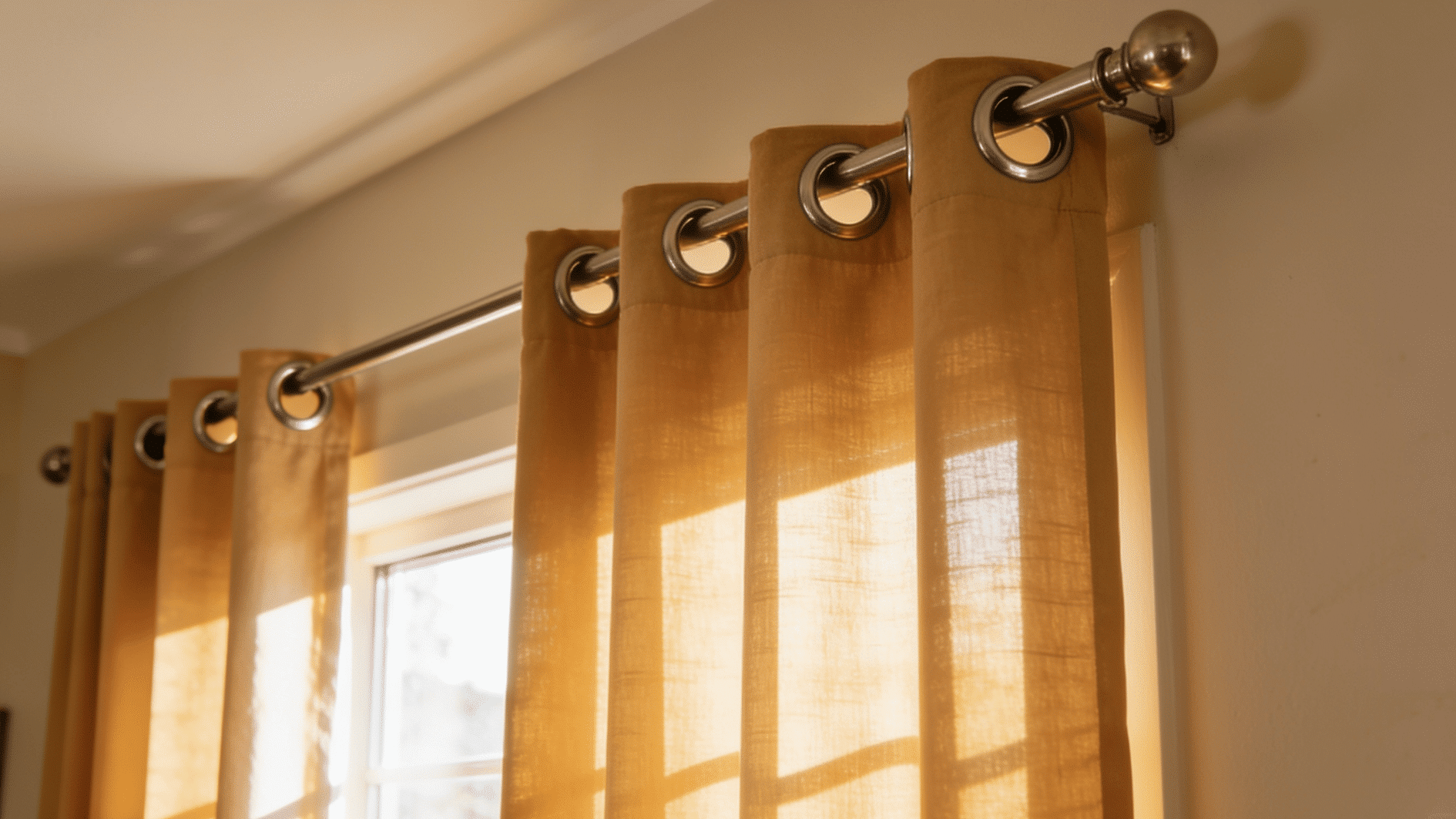
Eyelet curtains come with metal rings at the top, and the rod passes directly through them. This makes them one of the easiest styles to use in daily life. They form soft, even folds and suit most modern spaces.
- Metal rings allow the curtain to slide easily along the rod without hooks or extra fittings.
- Forms soft, even folds that stay consistent across the full window width.
- Very simple to open and close, making them practical for daily use.
- Works well in bedrooms, living rooms, and modern-style interiors
- Low-maintenance design that stays neat with minimal effort
2. Pinch Pleat Curtains
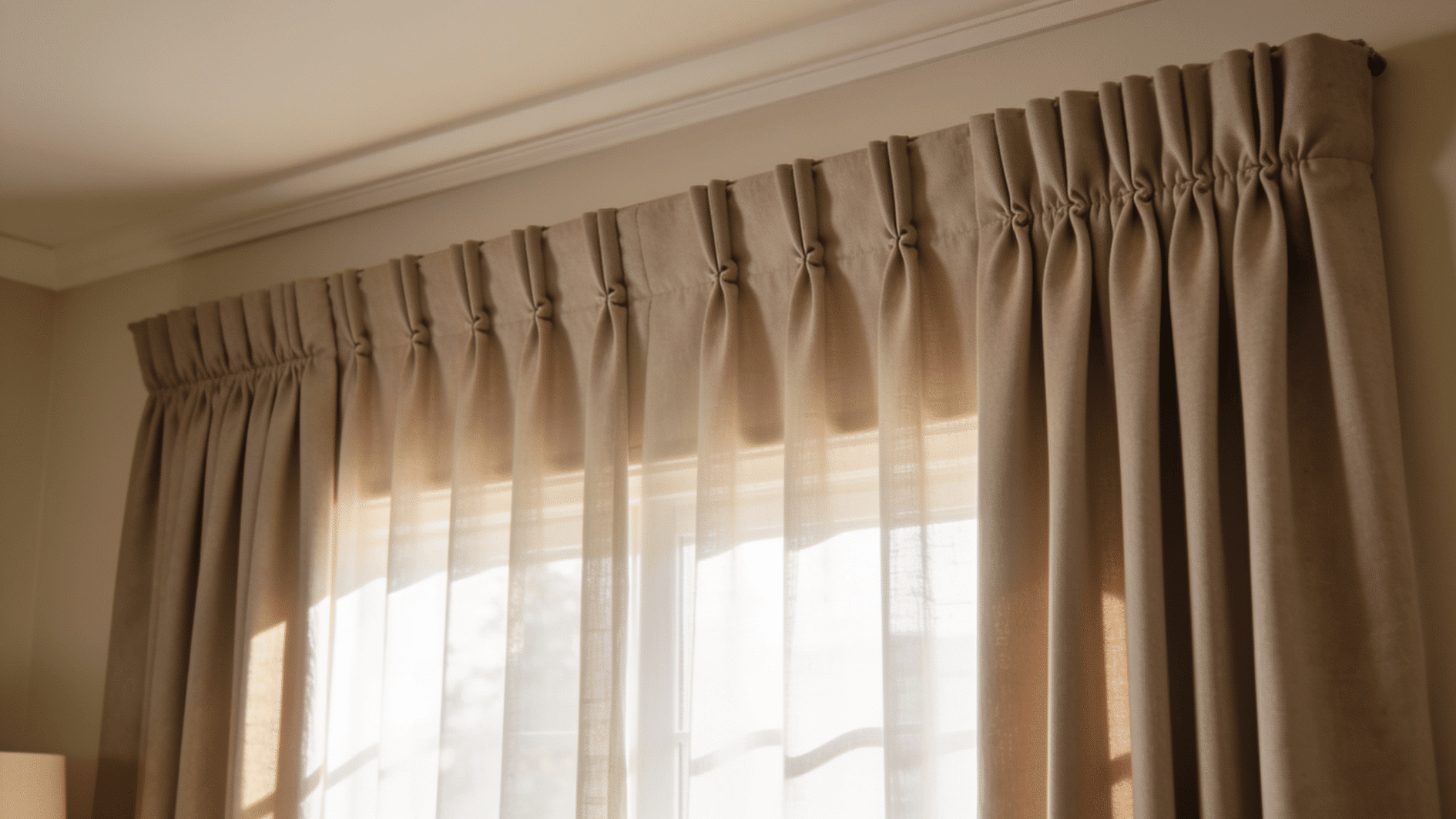
Pinch-pleat curtains are stitched at the top to create tight folds. This gives a structured and tailored look that feels more formal than casual styles. They are often used where a refined finish is needed.
- Fabric is stitched into fixed pleats that create strong vertical folds.
- Requires hooks or rings for proper hanging and structure
- Gives a clean, tailored appearance suitable for formal spaces
- Commonly used in hotels, dining rooms, and elegant living areas. Works best with thicker fabrics
3. Tab Top Curtains
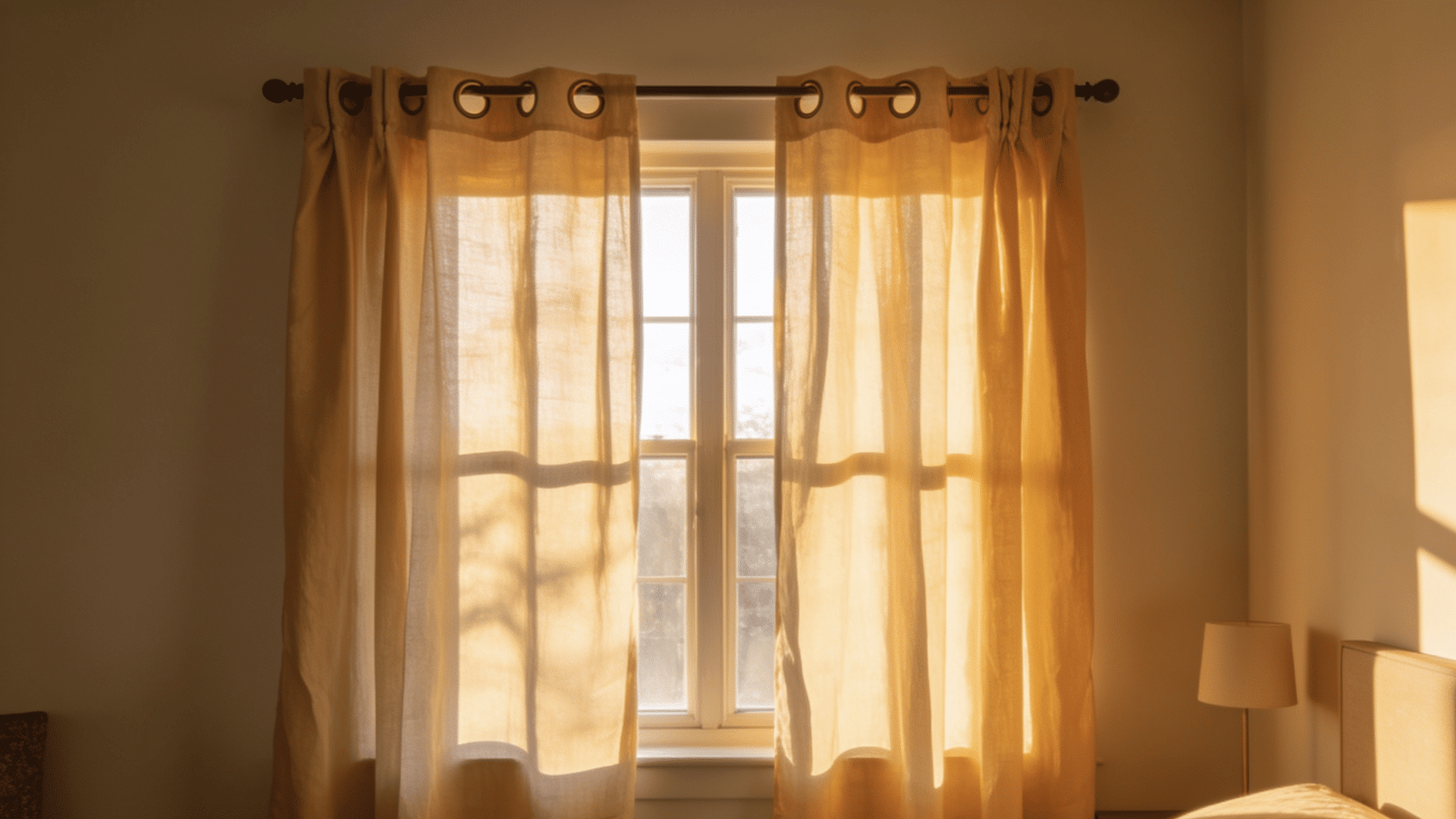
Tab top curtains have fabric loops at the top that go over the rod. This creates a soft, relaxed look that feels less structured and more casual.
- Fabric loops are stitched directly into the curtain top for rod placement.
- Creates loose, natural folds with a soft flowing appearance
- Gives a relaxed, informal feel that suits simple interiors
- Works well in bedrooms, cottages, or casual living spaces
- Not ideal for heavy curtains or frequent opening and closing
4. Rod Pocket Curtains
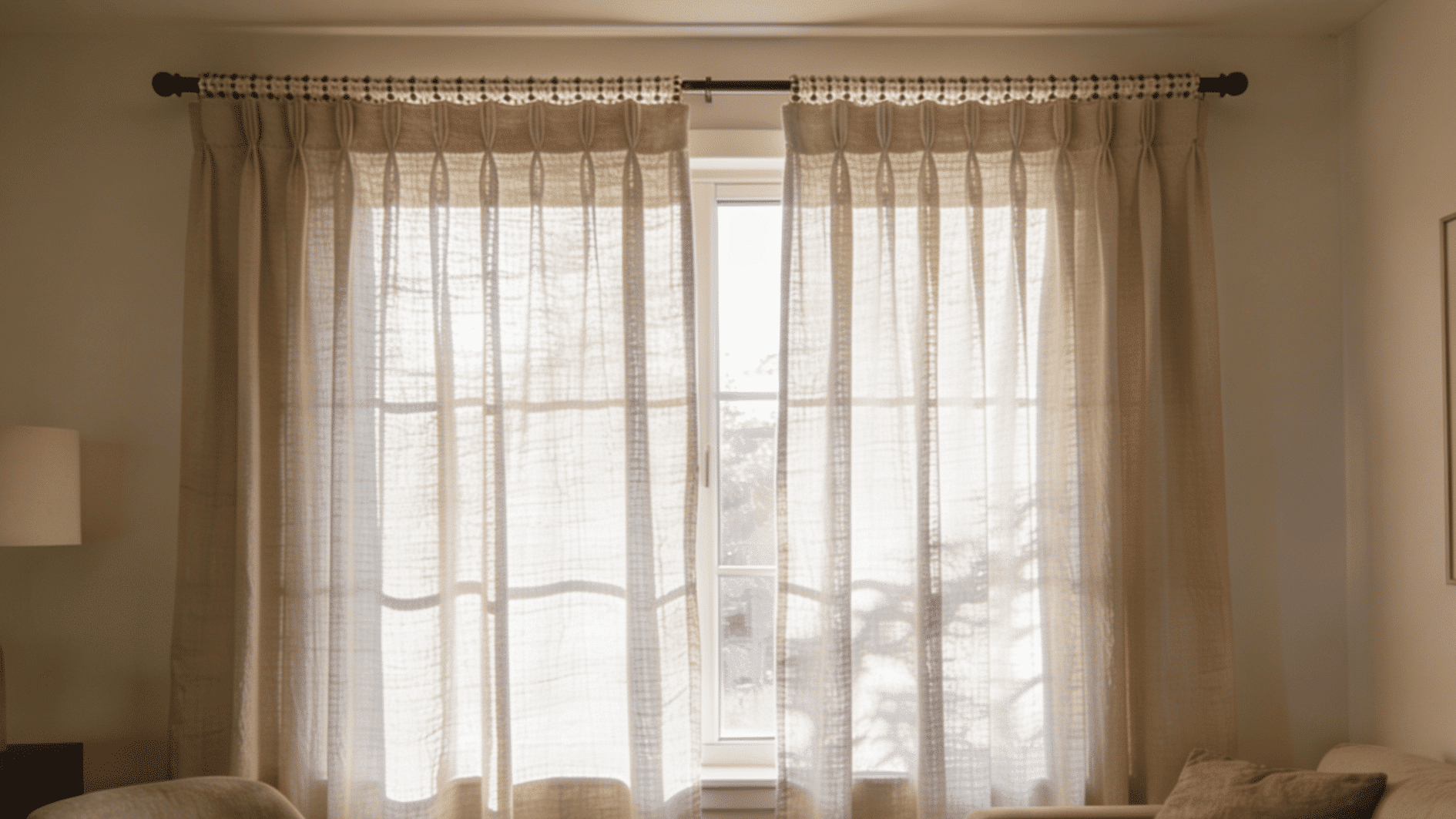
Rod pocket curtains have a stitched channel at the top where the rod slides in. This creates a gathered look that feels simple and decorative but less practical for frequent use.
- Rod slides directly through a built-in fabric pocket at the top.
- Creates a soft, gathered effect along the curtain header
- Simple and affordable design that is easy to install
- Not smooth to slide frequently, so better for fixed setups
- Works best for decorative windows or light-use areas
5. Goblet Pleat Curtains
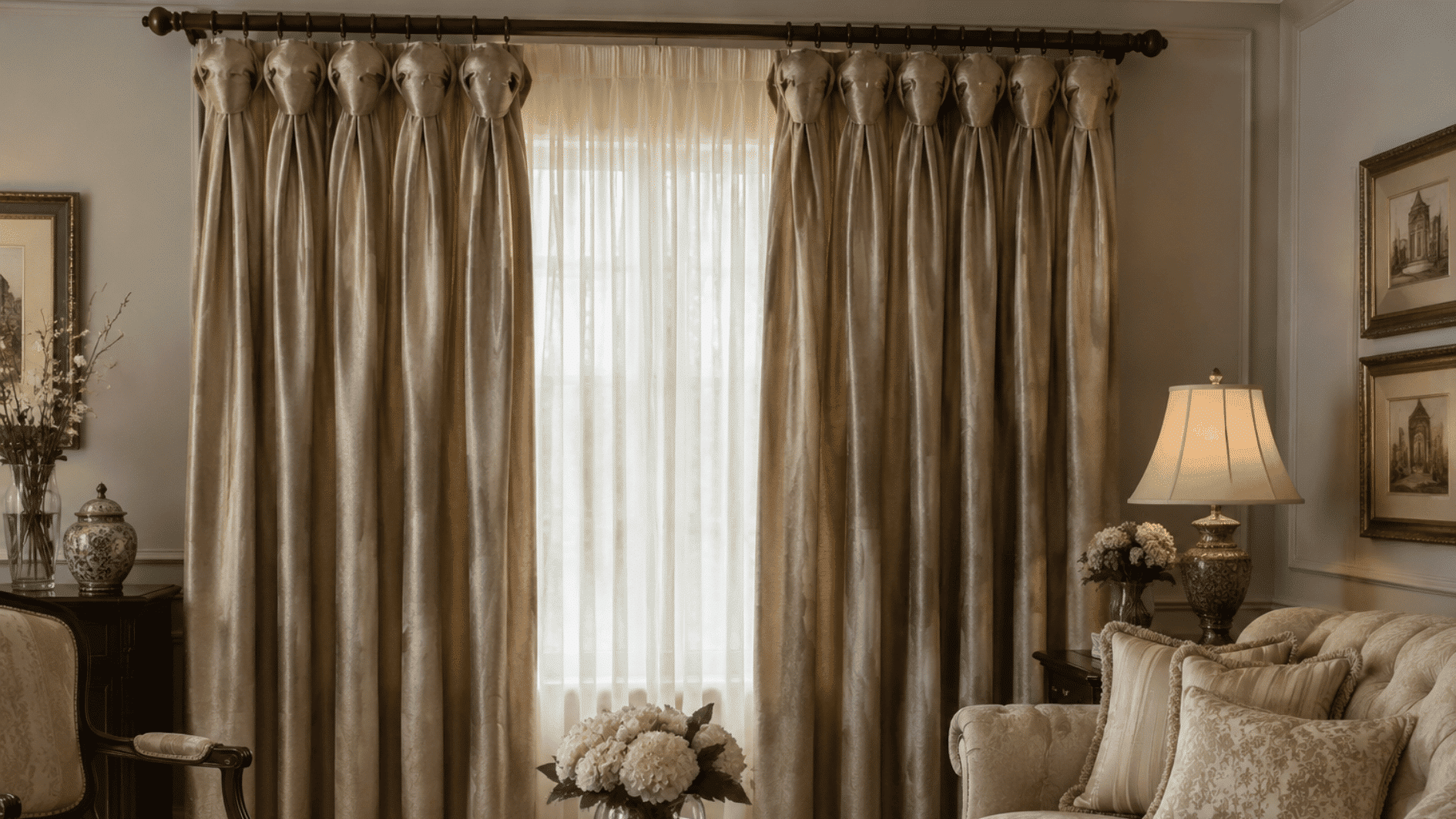
Goblet pleats are shaped like a rounded cup at the top. This style feels rich and decorative, often used in more formal or statement interiors.
- Top pleats are shaped into rounded, goblet-like forms.
- Often padded to maintain structure and volume.
- Creates a strong decorative and luxurious appearance
- Common in formal dining rooms and elegant living spaces
- Usually custom-made, making them more premium in cost.
6. Wave Fold Curtains
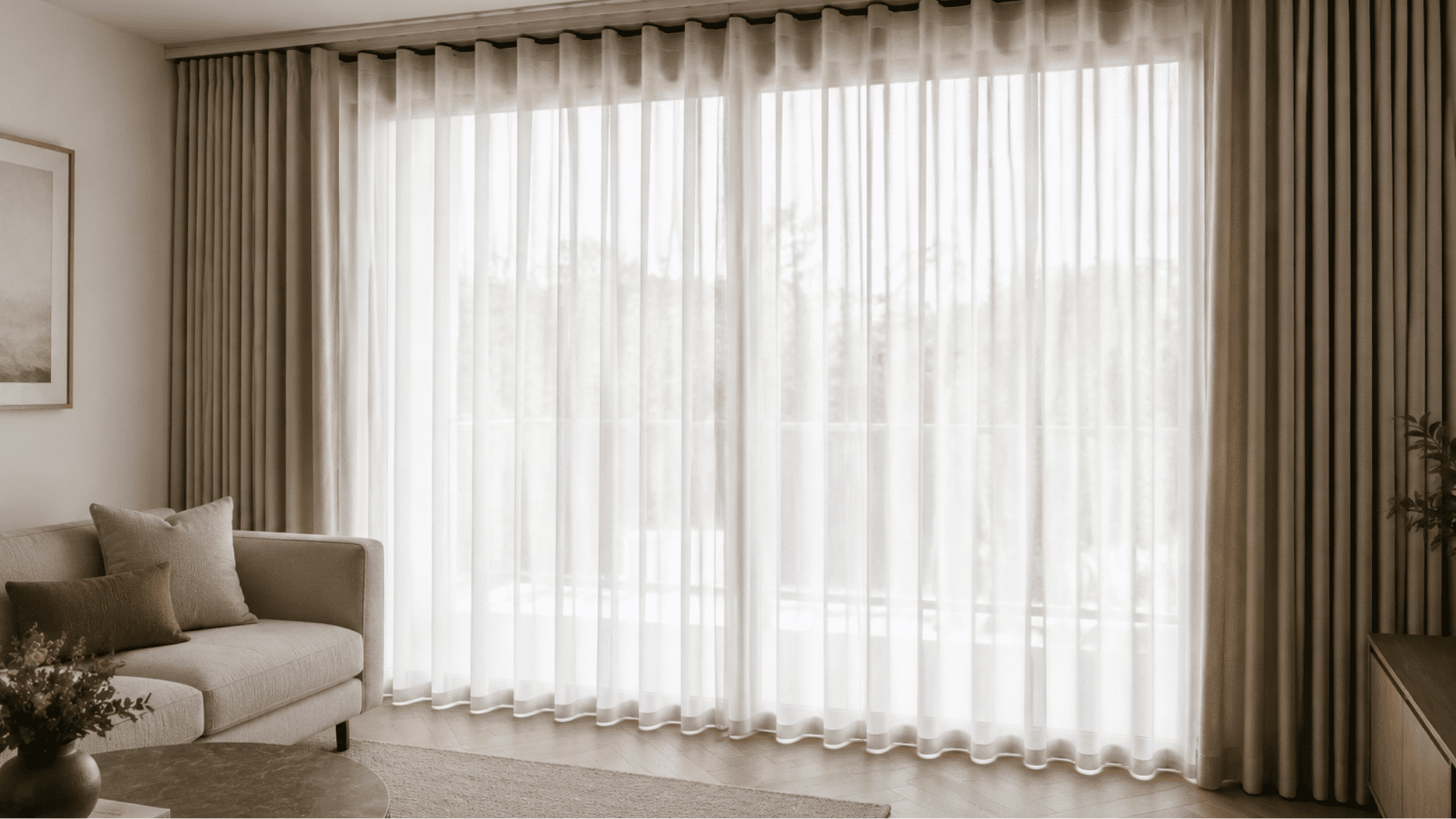
Wave fold curtains create smooth, continuous wave patterns across the window. They give a clean and modern finish, often seen in contemporary homes and hotels.
- Even the wave pattern runs smoothly from one end to the other.
- Requires a special track system for proper installation
- Works well for large windows, glass doors, and open spaces
- Gives a sleek, modern, hotel-style interior finish
- Popular in contemporary and minimalist home designs
7. Tie-Up Curtains
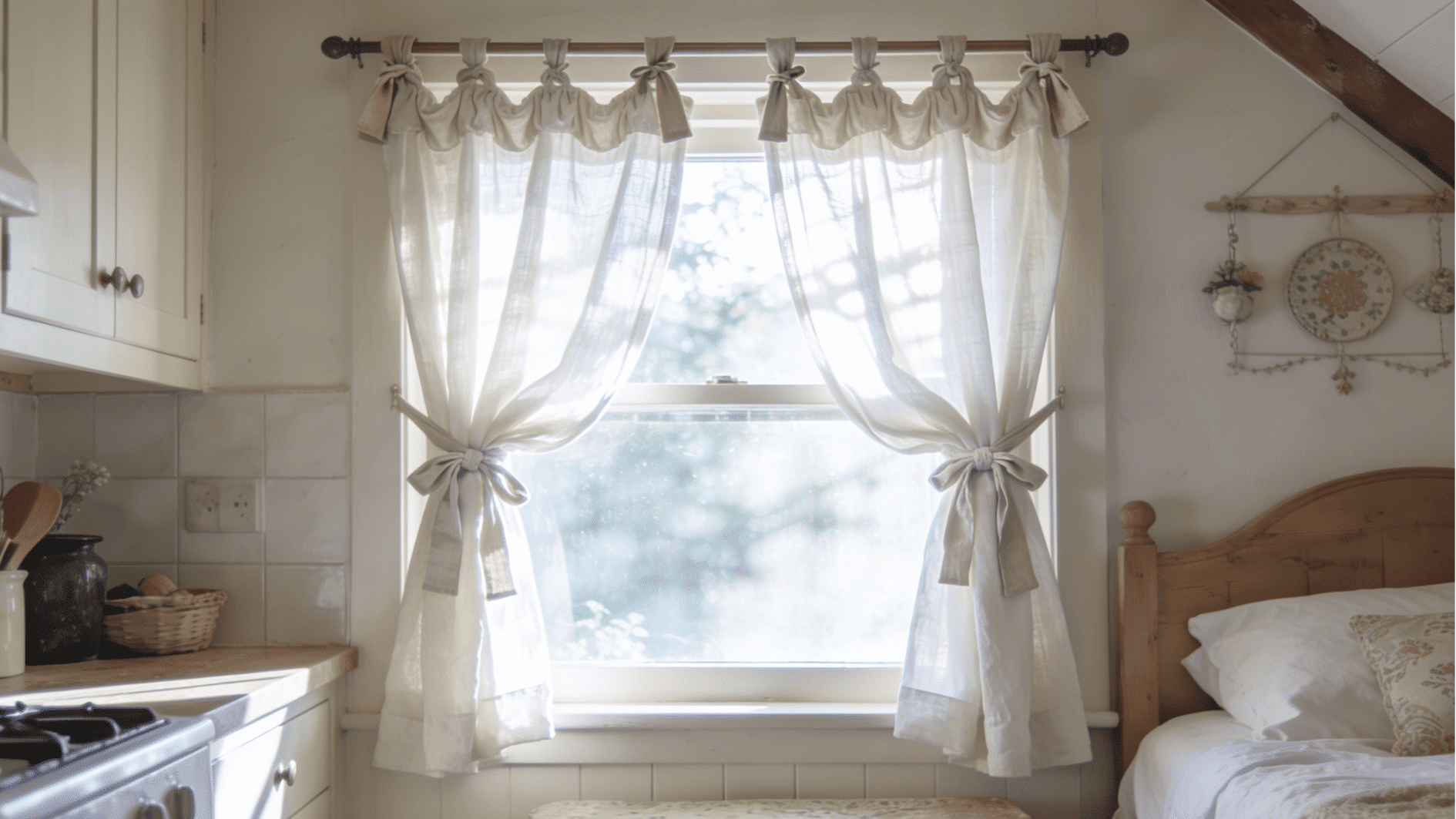
Tie-up curtains use fabric ties to hold the curtain at different heights. This makes them flexible and decorative, often used in smaller or casual spaces.
- Fabric ties allow you to adjust the curtain height as needed.
- Creates a soft, decorative look with a relaxed feel
- Lets in more natural light when pulled up or tied
- Best suited for kitchens, small windows, or cottage-style rooms
- Adds a light, informal charm to the overall space
Common Types of Curtains Based on Fabric
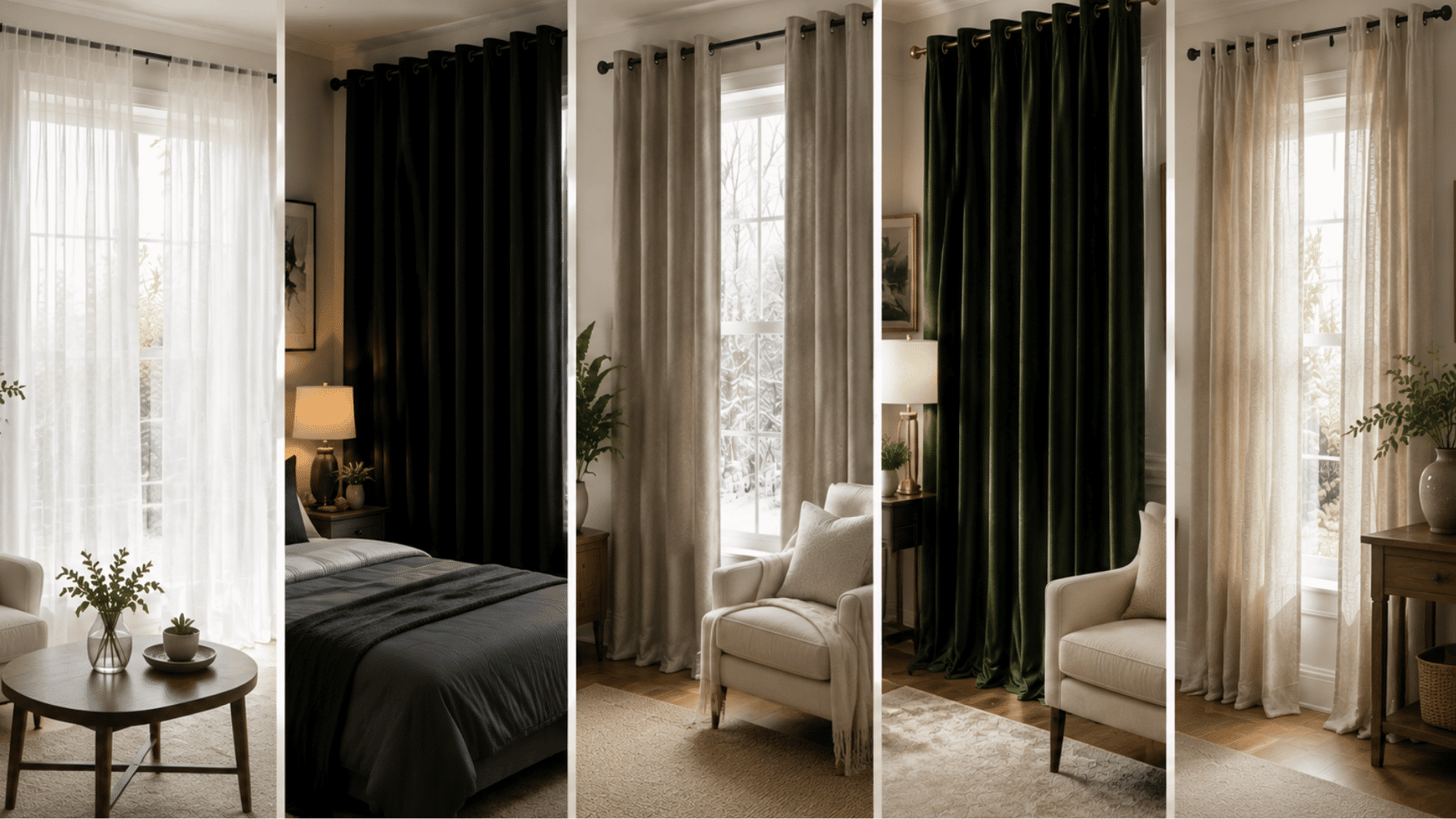
The fabric you choose affects how your curtains look, feel, and perform. From light-filtering sheers to insulating blackout options, each material offers a different balance of style, privacy, and comfort.
1. Sheer Curtains
Sheer curtains are lightweight and semi-transparent, allowing soft natural light to enter while offering some daytime privacy.
Best for: Living rooms, bedrooms, and spaces where you want a bright, airy feel.
Benefits:
- Create a relaxed and open look
- Let in plenty of natural light
- Work well when layered with heavier curtains
Things to know: They do not block much heat, cold, or outside noise, so they are often paired with thicker curtains for better coverage.
2. Blackout Curtains
Blackout curtains use tightly woven or coated fabrics to block most outside light, making them a popular choice for rooms that need more darkness.
Best for: Bedrooms, nurseries, and home theaters.
Benefits:
- Reduce sunlight and glare
- Help with temperature control
- Provide better privacy
Things to know: They are heavier and less breathable compared to lighter fabrics like sheer or linen curtains.
3. Thermal Curtains
Thermal curtains are designed with insulating layers that help control indoor temperatures throughout the year.
Best for: Rooms that get too hot in summer or lose heat during winter.
Benefits:
- Keep warmth inside during colder months
- Reduce heat entering from outside
- Help lower outside noise
Things to know: The added insulation makes them thicker and slightly bulkier than standard curtains.
4. Velvet Curtains
Velvet curtains are thick, soft, and known for their rich texture and elegant appearance.
Best for: Formal living rooms, bedrooms, and spaces needing a warmer feel.
Benefits:
- Block light effectively
- Reduce sound coming from outside
- Add depth and warmth to a room
Things to know: Velvet needs regular care because it collects dust and may require dry cleaning.
5. Linen Curtains
Linen curtains have a natural textured finish that creates a casual yet polished look.
Best for: Modern, coastal, and relaxed interiors.
Benefits:
- Lightweight and breathable
- Offer a balance between sheer and heavy fabrics
- Create a soft, natural look
Things to know: Linen wrinkles easily and may need occasional ironing to maintain a neat appearance.
Curtain Types Based on Length and Coverage
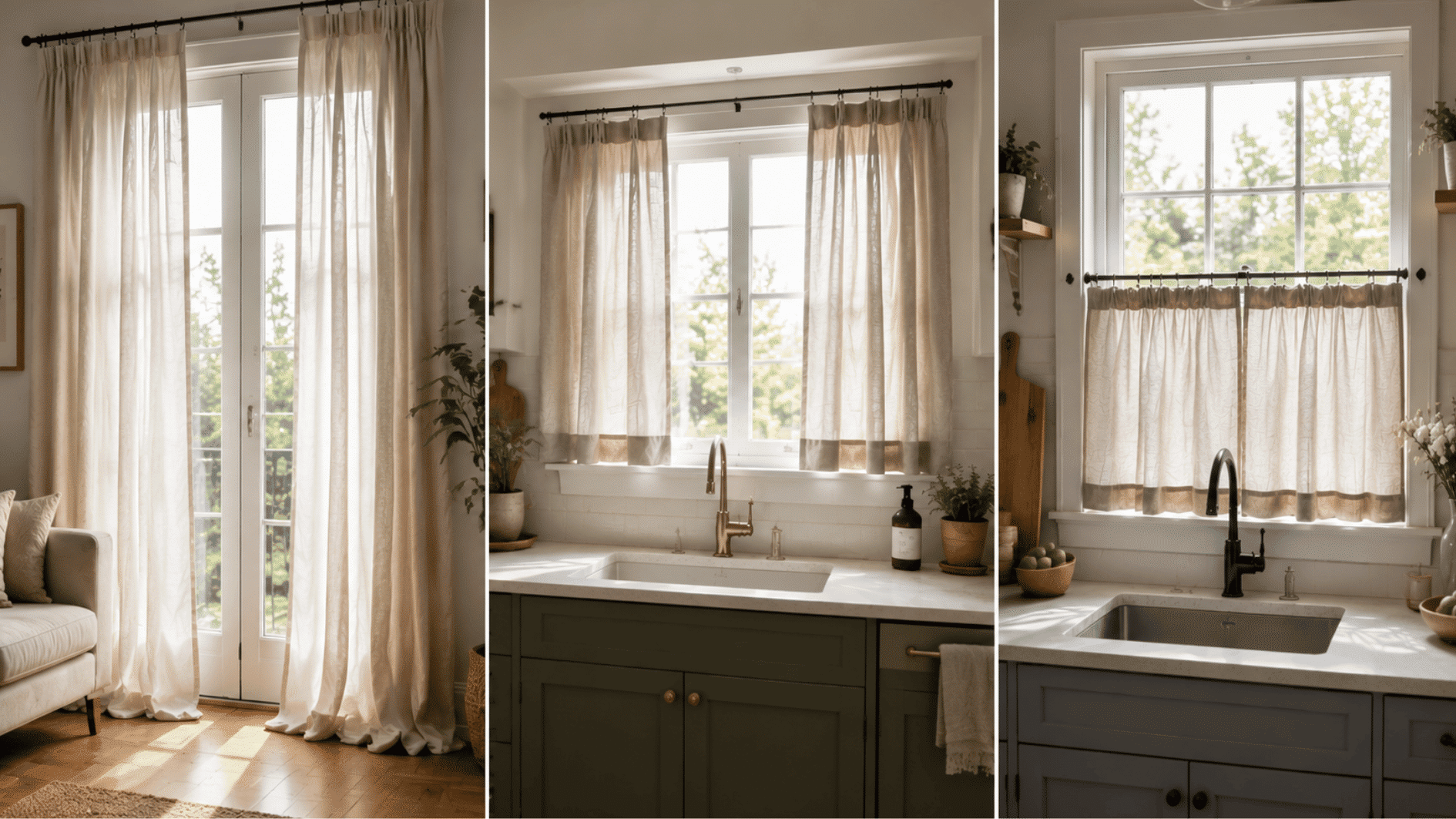
Curtain length is not just a size detail; it quietly changes how the whole room feels. It can make ceilings look higher, windows look wider, or the space feel more open or more grounded. Here’s a simple look at the main options.
| Curtain Type | Coverage | Best For |
|---|---|---|
| Floor Length | Falls all the way to the floor, either grazing it or slightly pooling | Living rooms and bedrooms -creates a taller, elegant look |
| Sill Length | Stops right at the windowsill | Spaces where floor-length fabric gets in the way, like sinks, radiators, or window seats |
| Café Curtains | Covers only the lower half of the window, hung on a small rod at the midpoint | Kitchens and bathrooms – casual, with privacy but no light blockage up top |
Single Window Curtain Ideas Worth Trying
Not every window comes in a perfect pair or a wide setup. Many homes have just one window that may feel small, large, or oddly shaped.In cases like this, the right curtain choice is less about matching the room and more about working with that single window in a smart way.
1. Sheer Only Setup
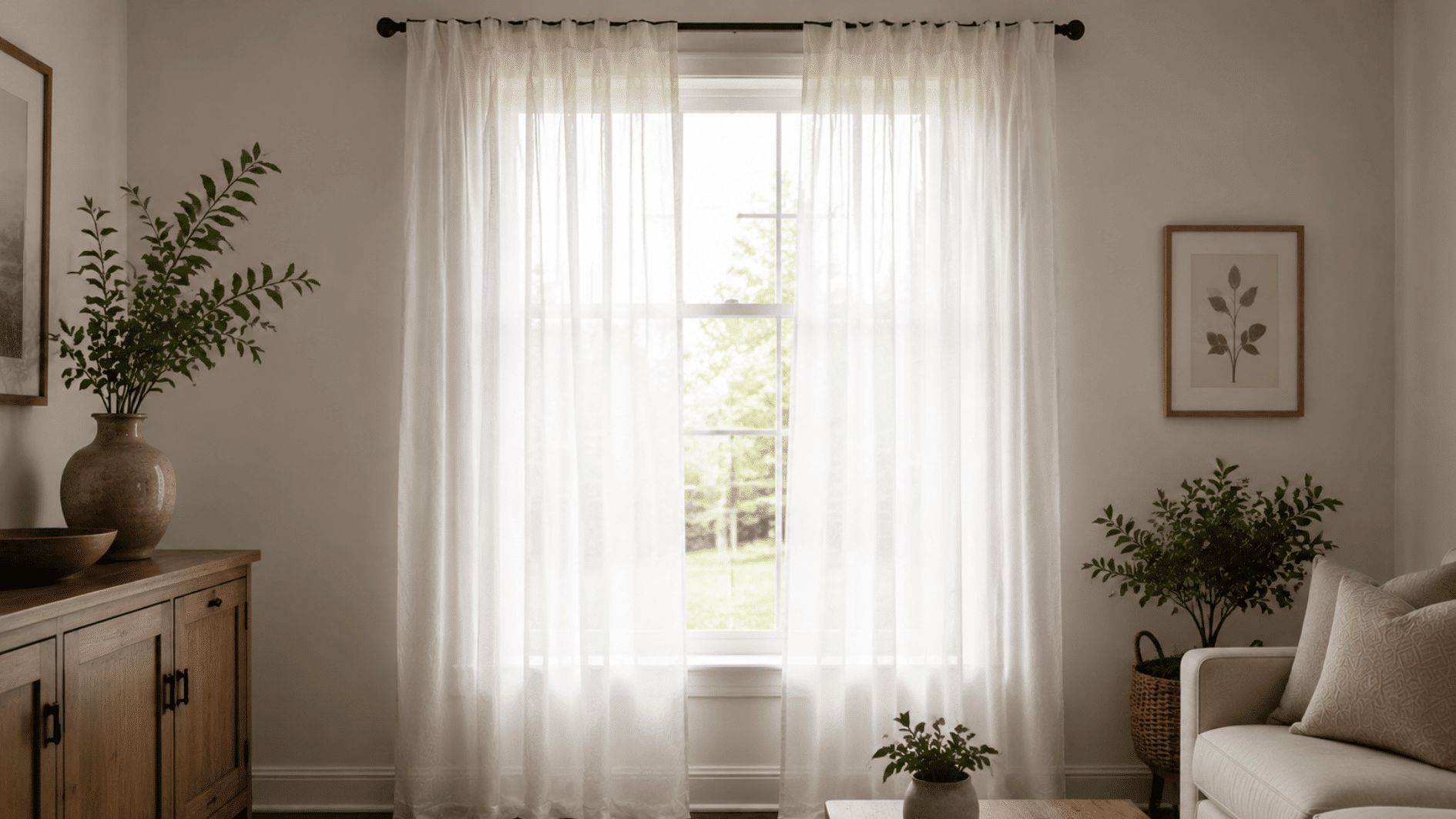
Sheer curtains are a simple way to keep things light and airy. They let natural sunlight come through while still softening the view from outside.
This works well in living rooms, small bedrooms, or reading corners where you want brightness without harsh glare or heavy fabric.
2. Blackout Curtain for Full Privacy
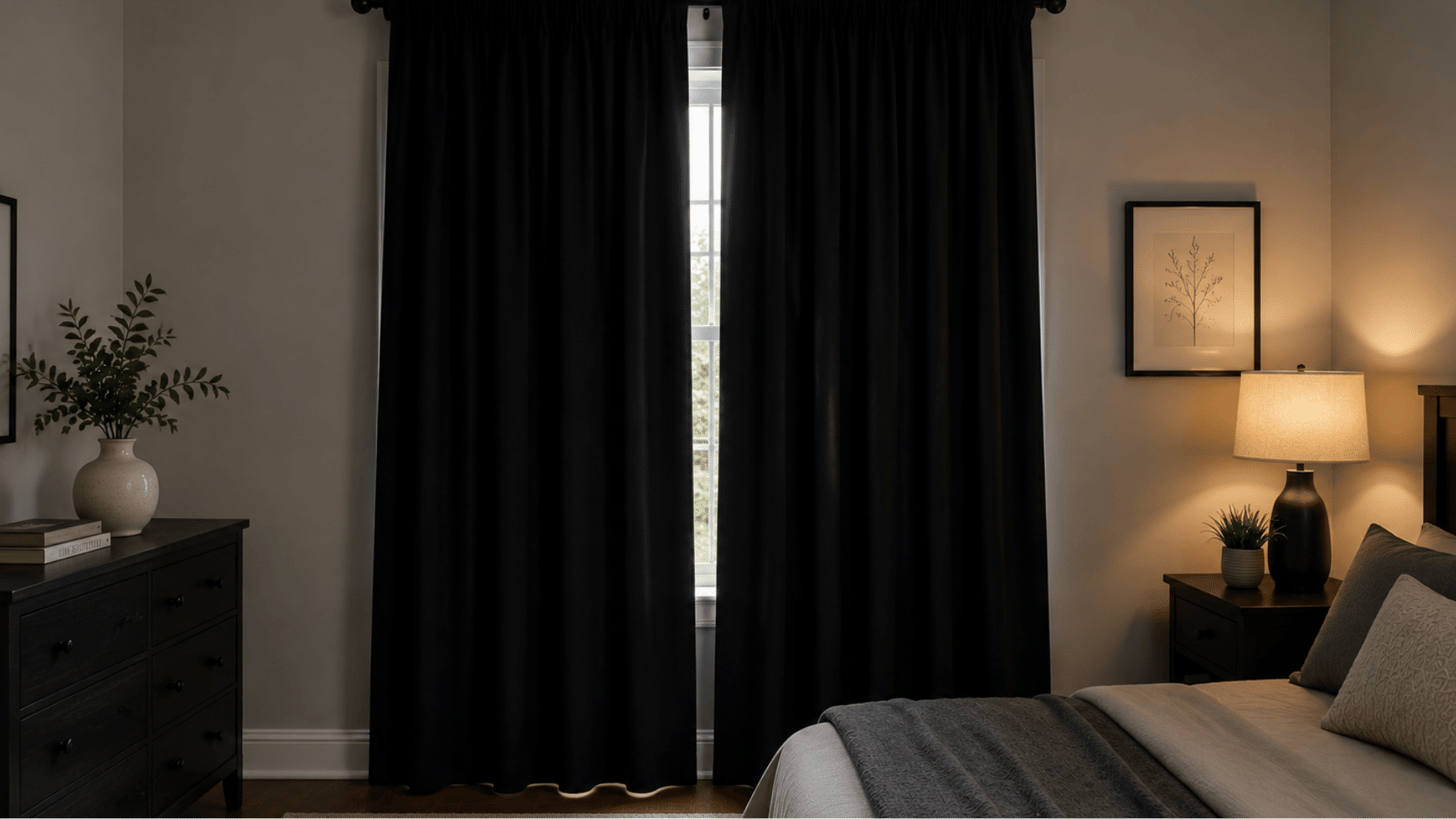
If your main goal is blocking light, a single blackout curtain does the job well. It keeps the room dark when needed and helps with better sleep or screen comfort.
This is a practical choice for bedrooms, home offices, or media spaces where light control matters most.
3. Floor-Length Single Panel Look
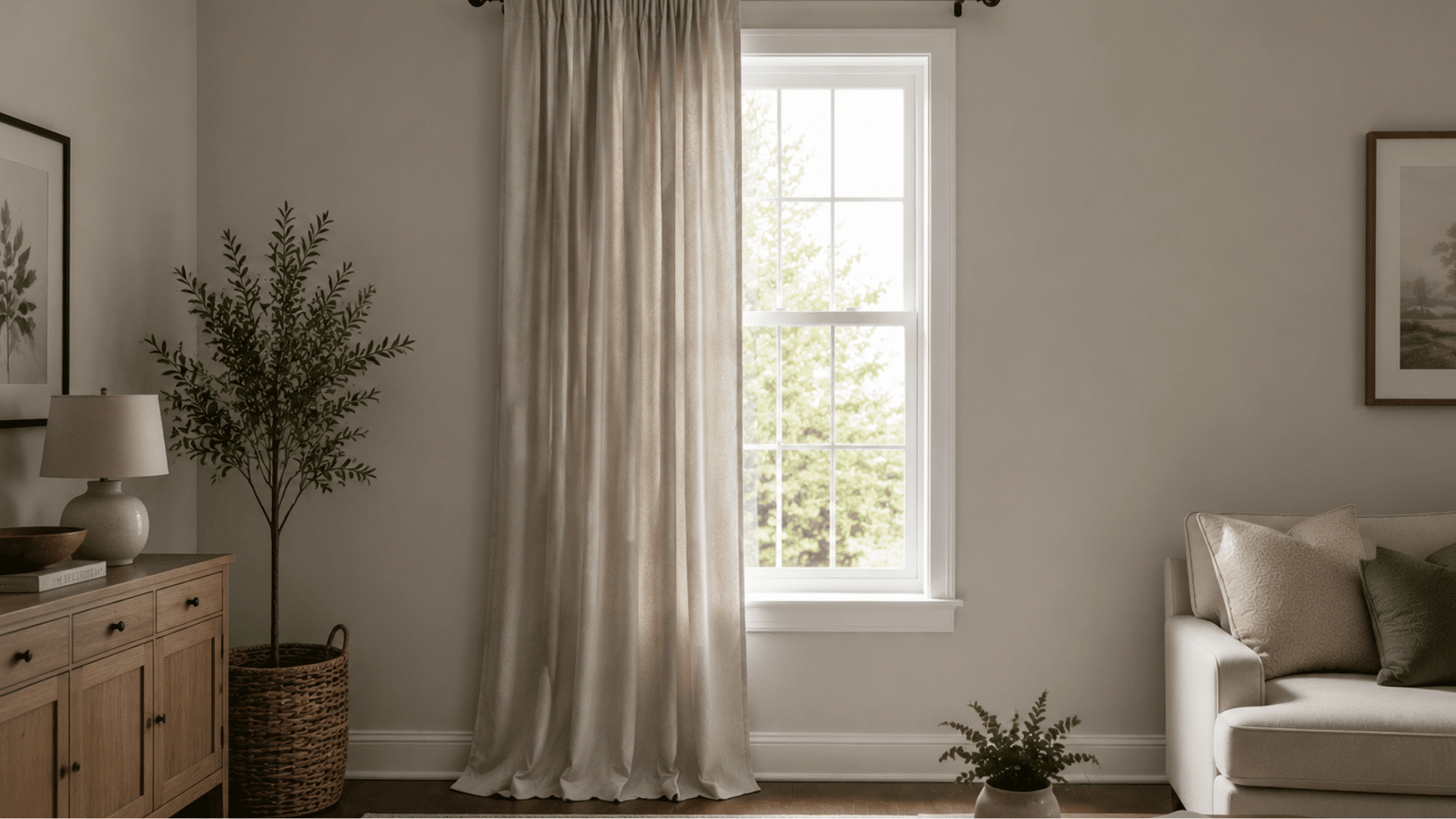
A floor-length curtain on one window can instantly make the room feel taller and more finished. Even a simple fabric looks more styled when it reaches the floor.
It fits easily in most rooms and works well if you want something clean without adding extra layers.
4. Side-Swept Curtain Style
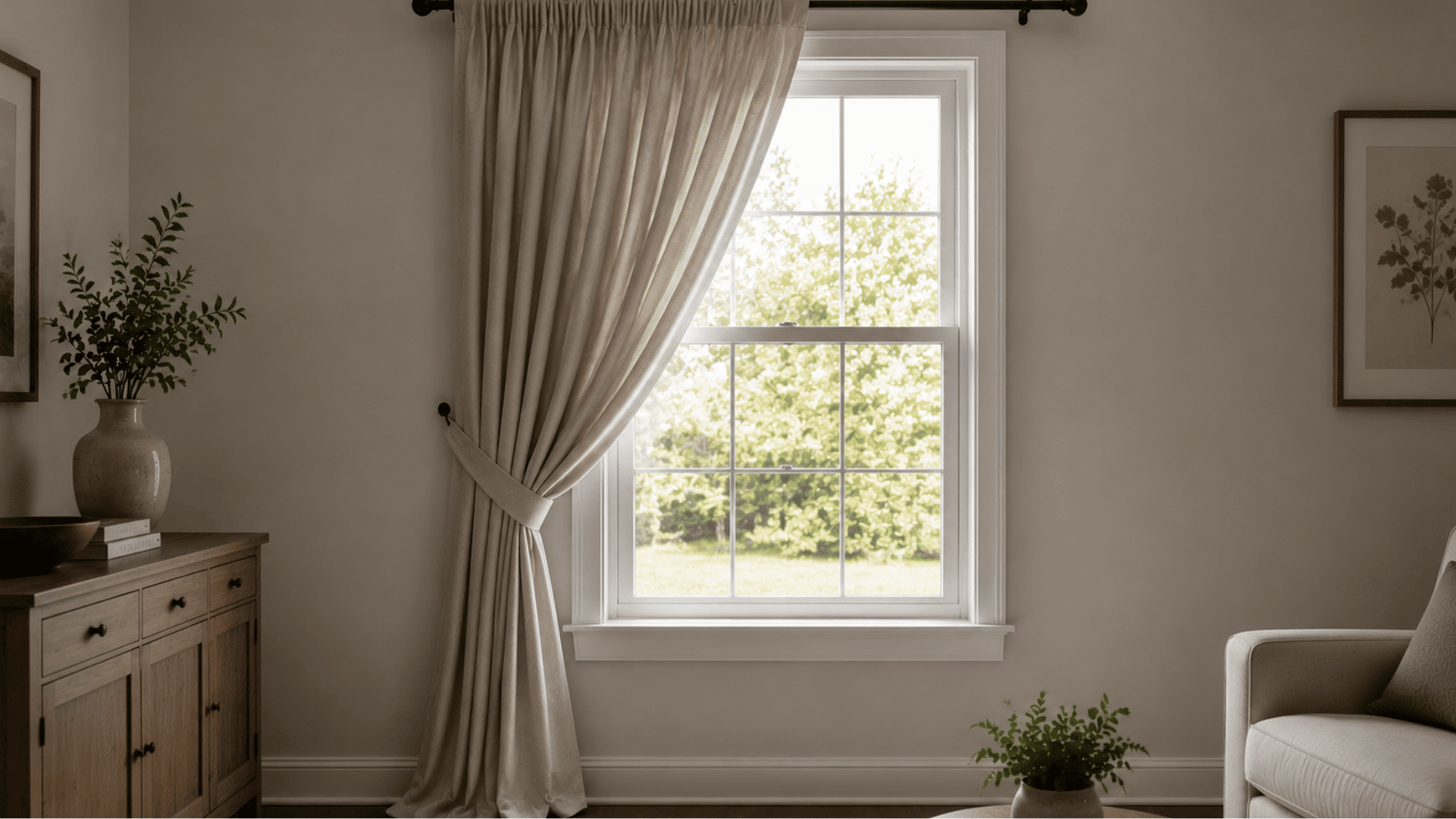
This is when the curtain is pulled back and held to one side rather than covering the entire window. It keeps the window open while still adding a soft decorative touch.
It’s great for rooms where you want maximum natural light but still want a styled look.
5. Café Curtain for Half Coverage
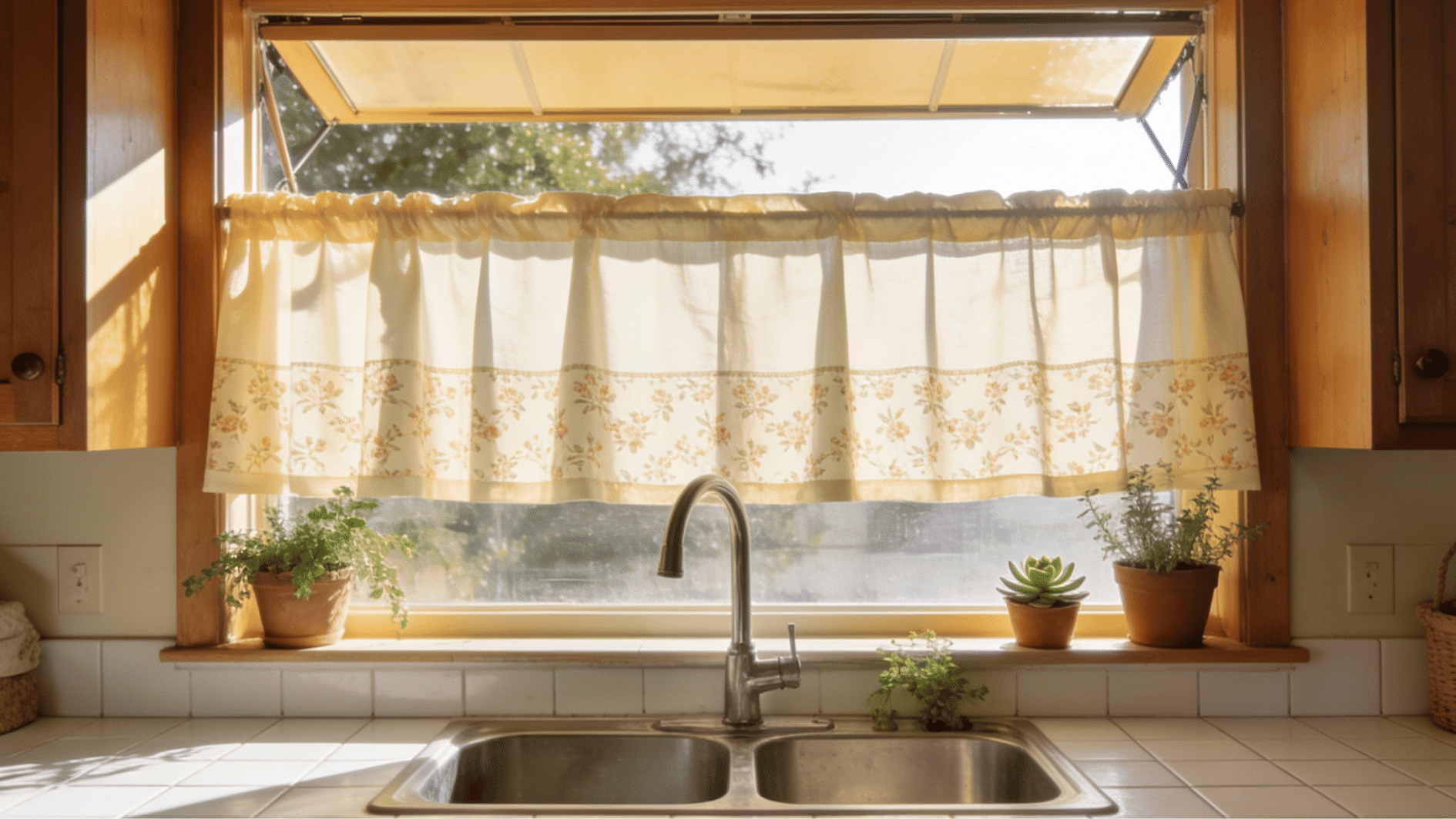
Café curtains cover only the lower half of the window, which gives privacy without blocking sunlight from the top.
They’re commonly used in kitchens and bathrooms, bringing a relaxed, homely feel to the space.
6. Layered Look for a Single Window
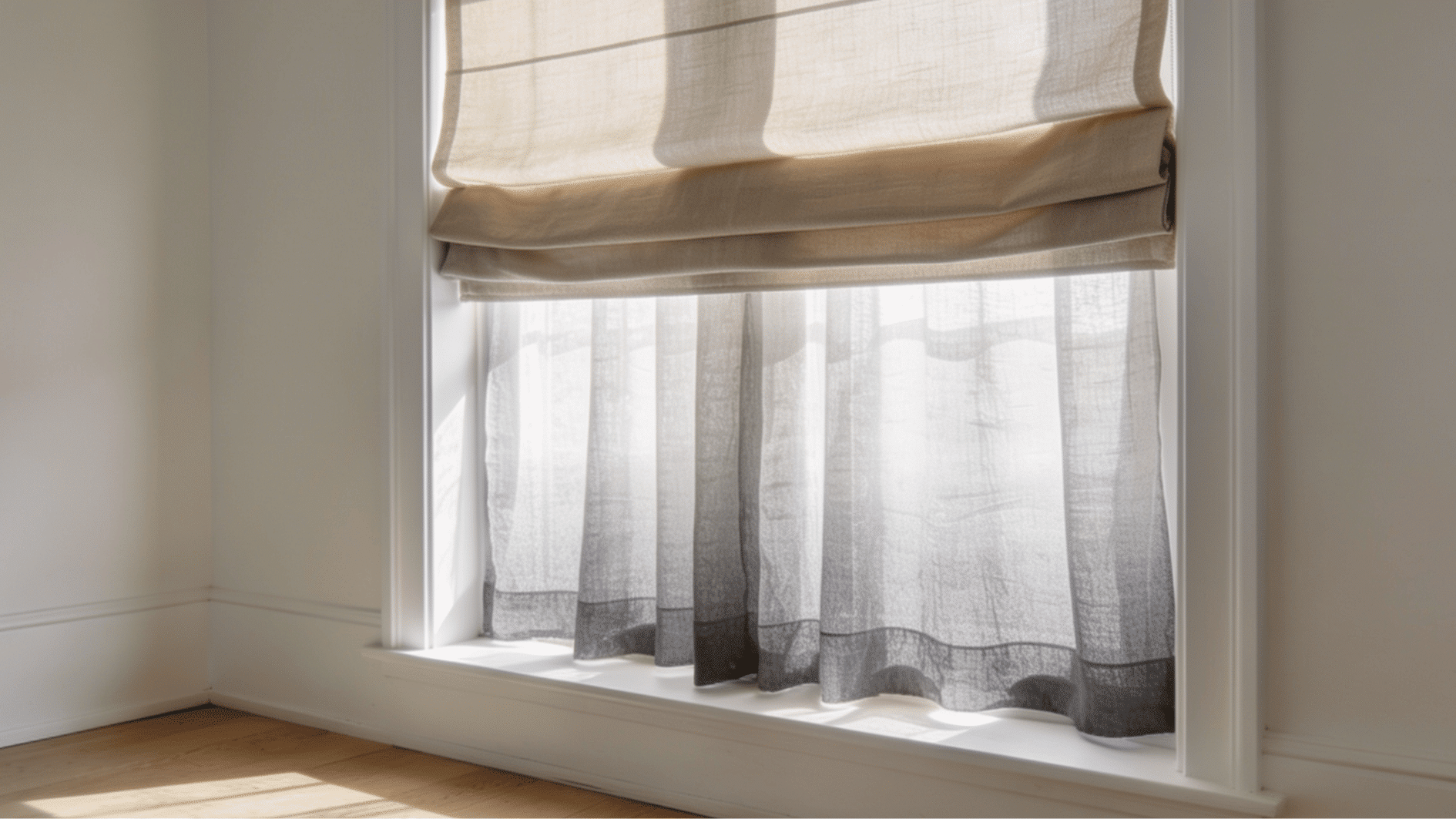
Even one window can have layers. A sheer curtain with a light panel gives you more control over light and privacy throughout the day.
It also adds a bit of depth, so the window doesn’t feel plain or unfinished.
Common Curtain Mistakes That Affect the Final Look
Even the right curtain style and fabric can look off if small setup mistakes happen. Rod height, width, length, and lining all affect balance, light, and the room’s overall feel.
Below are the most common mistakes to avoid so your curtains hang neatly and look polished:
- Hanging the rod too low: It makes the window look smaller and reduces the sense of height in the room.
- Choosing curtains that are too narrow: instead of going wider for a fuller, more gathered, and balanced look
- Ignoring the room’s purpose: using heavy blackout fabric in kitchens or very light sheers in bedrooms.
- Leaving the curtain length uneven can make the setup feel incomplete.
- Skipping lining leads to faster fading, less privacy, and weaker light control over time.
- Using the wrong curtain height for the wall can break visual balance and make ceilings feel lower.
- Overcrowding the window: with too many layers can make the space feel heavy instead of clean.
Final Takeaway
Understanding curtain types makes choosing the right option for your space much easier.
Once you know how each style works, picking the right one becomes clear because you can see what actually fits your room rather than guessing from looks alone.
For a single window, simplicity works best. A clean setup is often enough to make it look complete, balanced, and intentional without extra layers or effort.
At the end of the day, focus on what your room needs first, then match it with a style you like. When both line up, everything feels natural, practical, and visually right.
Frequently Asked Questions
How Do I Choose Curtain Fabric for Different Rooms?
Light fabrics suit living areas, while heavier fabrics work better for bedrooms needing privacy.
Can I Mix Different Curtain Styles In the Same Home?
Yes, different styles can work together if you keep colors and tones consistent.
What Curtain Length Works Best for a Small Window?
Short or café-length curtains usually work best for small windows.
Do Curtain Colors Affect Room Lighting?
Yes, light colors brighten a room, while dark shades make it feel cozier and more enclosed.
How Often Should Curtains Be Cleaned or Replaced?
Curtains should be cleaned every few months and replaced when they fade or wear out.






One Response