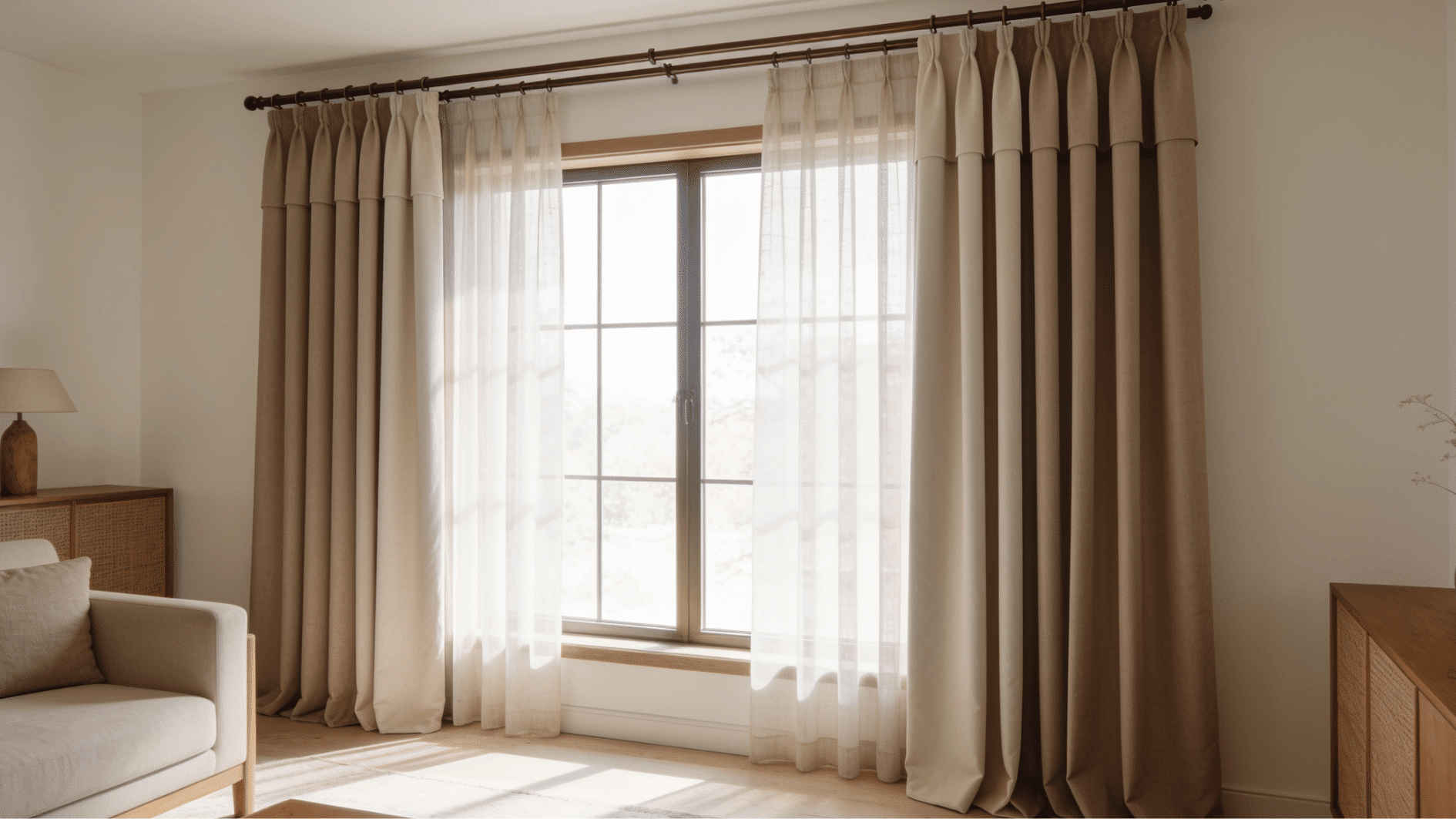
You’ve probably seen those windows that just look right, layered, soft, finished, without being able to say exactly why. It’s rarely one perfect curtain doing all the work.
It’s usually two or three treatments stacked with intention. If you’ve been Googling how to layer curtains and getting overwhelmed by conflicting advice, here’s the short version.
It’s less about rules and more about knowing which layer goes where and why. Let’s get into it.
Why Do People Layer Curtains?
Sunlight may stream into a bedroom at 7 a.m., while the same room needs to be dark and private by 10 p.m.
One curtain rarely handles both jobs well. A fabric that lets in soft daylight usually cannot provide complete darkness, while a heavy blackout panel may make the room feel closed off during the day.
That is why I often recommend splitting the work between two treatments. A sheer curtain can soften sunlight, while an outer curtain provides privacy and stronger light control when needed.
Curtain layering also adds depth to a window. A single panel can sometimes sit flat and look disconnected from the rest of the room. Adding a second layer gives the window more shape and helps it feel like part of the overall room plan rather than an afterthought.
I have also found that layering gives homeowners more flexibility. You can adjust a single treatment without replacing the entire setup as seasons, sleep habits, or privacy needs change.
Choosing the Right Window Treatments Before You Start
Before you buy anything, know what each treatment does. It won’t take long, and it makes every choice after this easier.
| Treatment | Placement in Layering | What It Does |
|---|---|---|
| Sheer Curtains | Closest to the window | Softens daylight and keeps rooms bright |
| Curtain Panels | Outer decorative layer | Adds color, texture, and structure |
| Blackout Curtains | Outer privacy layer | Blocks light fully and adds stronger privacy |
| Shades | Inside or close to the glass | Gives adjustable light control without adding bulk |
| Blinds | Closest to the window frame | Offers tilt control and works well in moisture-prone rooms |
For most rooms, the easiest curtain layering formula is:
Window → sheer curtain → blackout or heavier curtain → room
How to Layer Curtains Like a Pro
Once you know what each treatment does, putting it together is simple. There’s no guesswork left, just an order to follow.
Step 1: Decide What the Room Needs
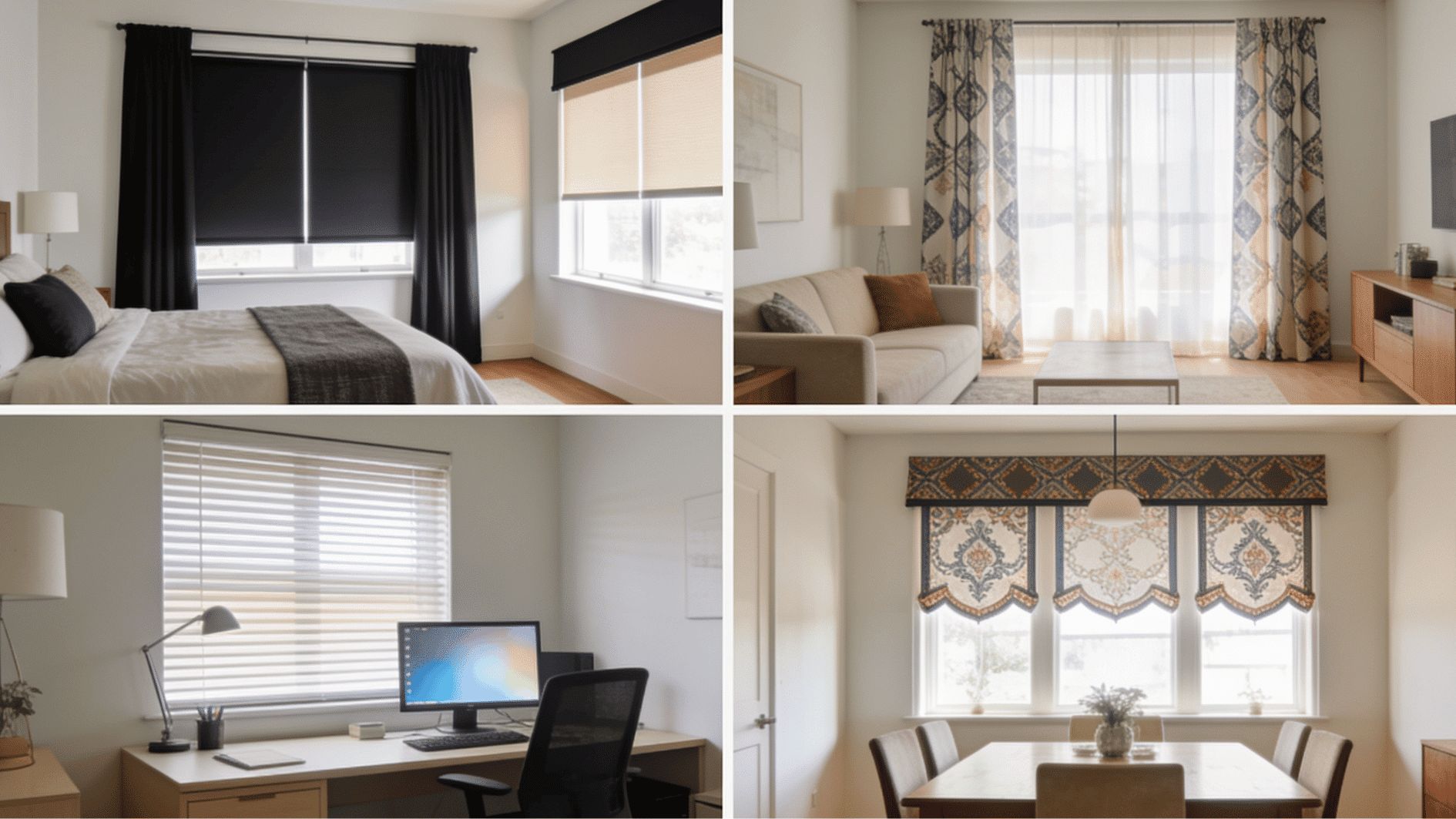
Start with the room’s purpose. Bedrooms usually need blackout coverage and privacy. Living rooms need soft light and a finished look. Home offices may need glare control. Dining rooms may need more style than full light blocking.
Once you know what the room needs, it becomes easier to choose the right combination.
Step 2: Choose the Base Layer
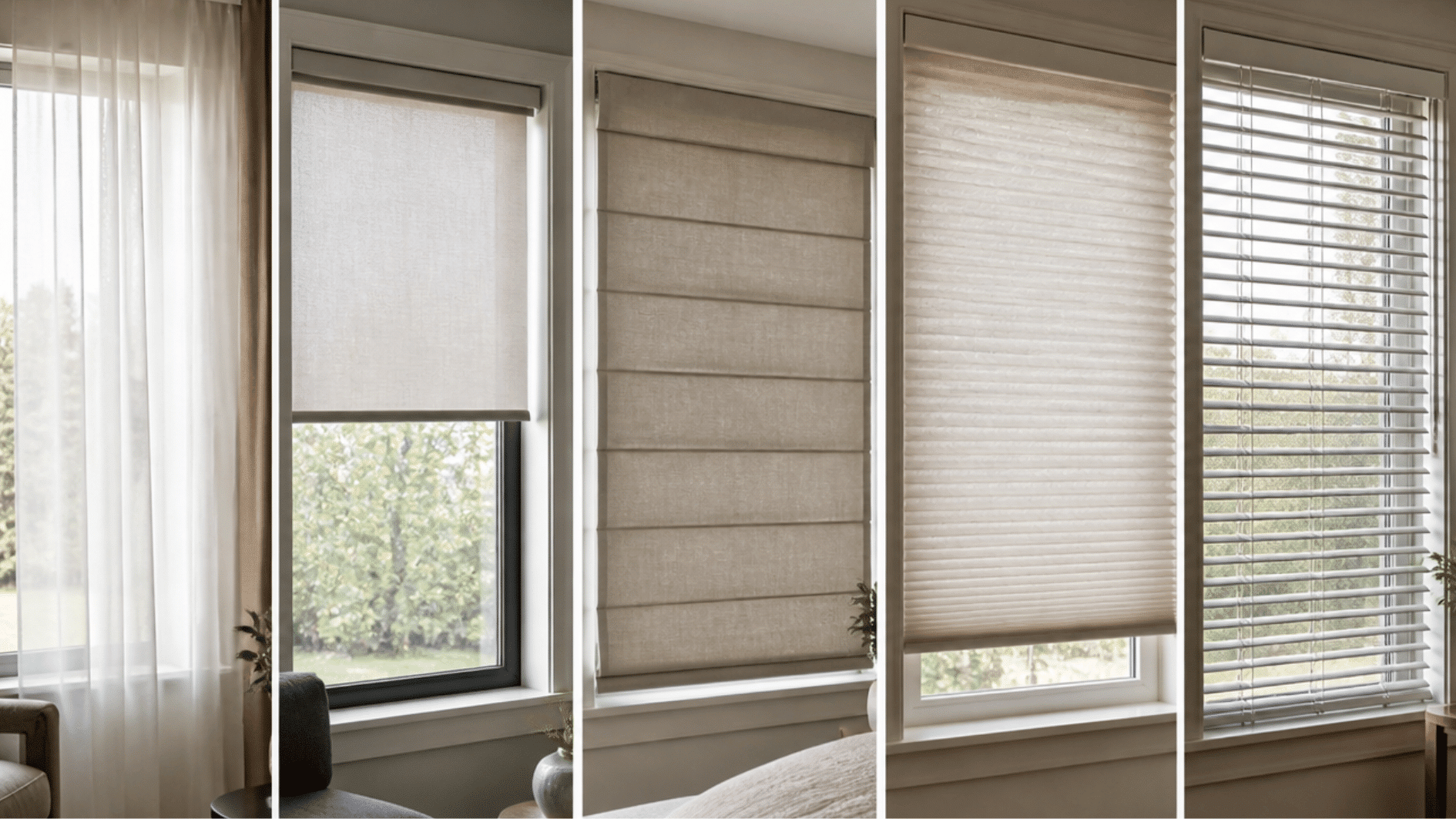
The base layer sits closest to the glass. Depending on the room, this may be a sheer curtain, roller shade, Roman shade, cellular shade, or blind.
I usually suggest sheers when the main goal is softer daylight. They reduce harsh brightness without making the room feel dark. Shades and blinds work better when you need more direct control over glare, privacy, or insulation.
In sunny rooms, blackout curtains can reduce heat while the sheer layer keeps the window usable during the day.
Step 3: Add the Main Curtain Layer
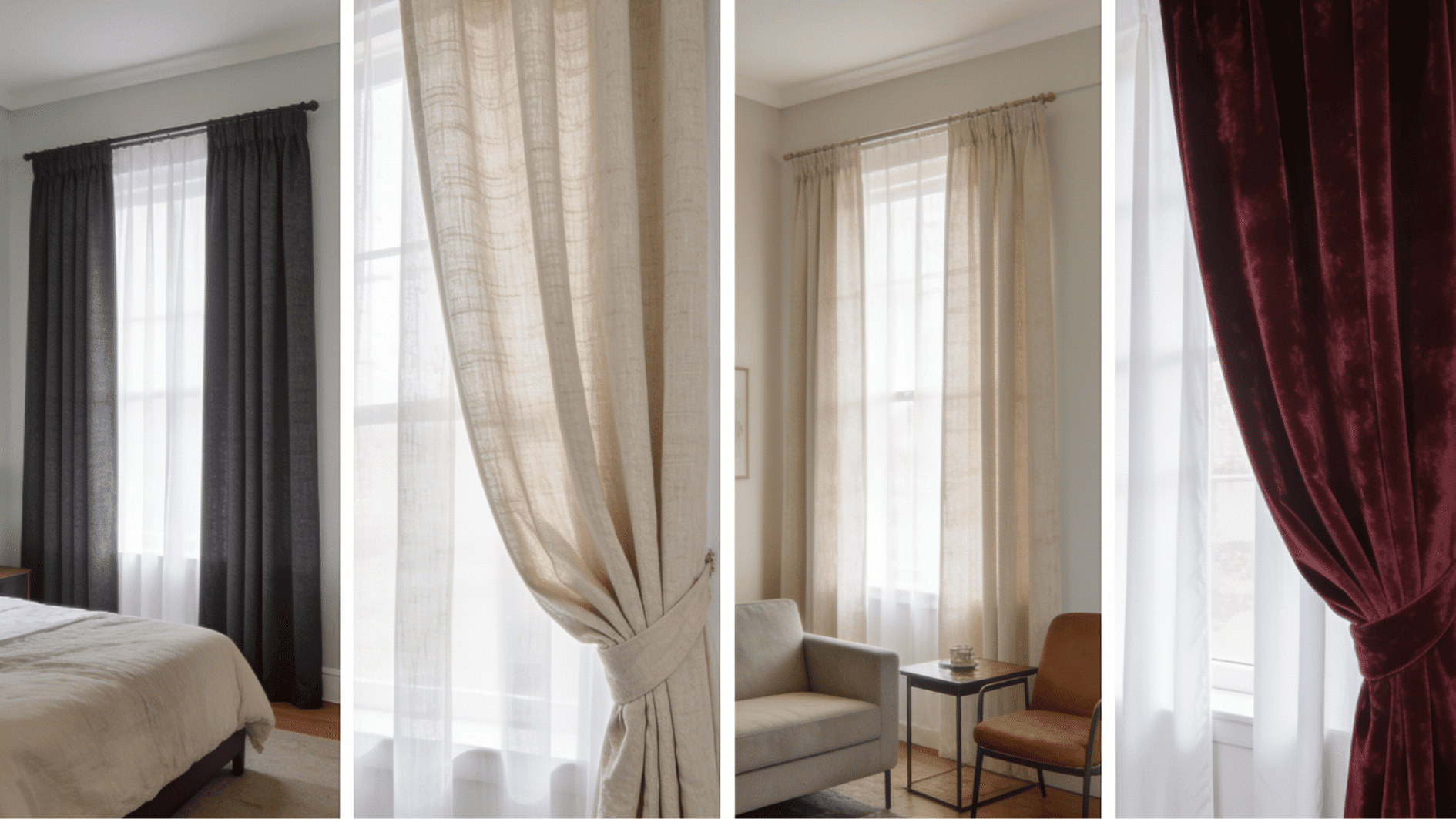
The outer curtain layer carries most of the window’s visual weight. Use blackout curtains or drapes for bedrooms, linen for relaxed spaces, velvet for a richer look, or cotton panels for everyday rooms.
This layer should match both the room style and the level of coverage you need.
Step 4: Use the Right Hardware
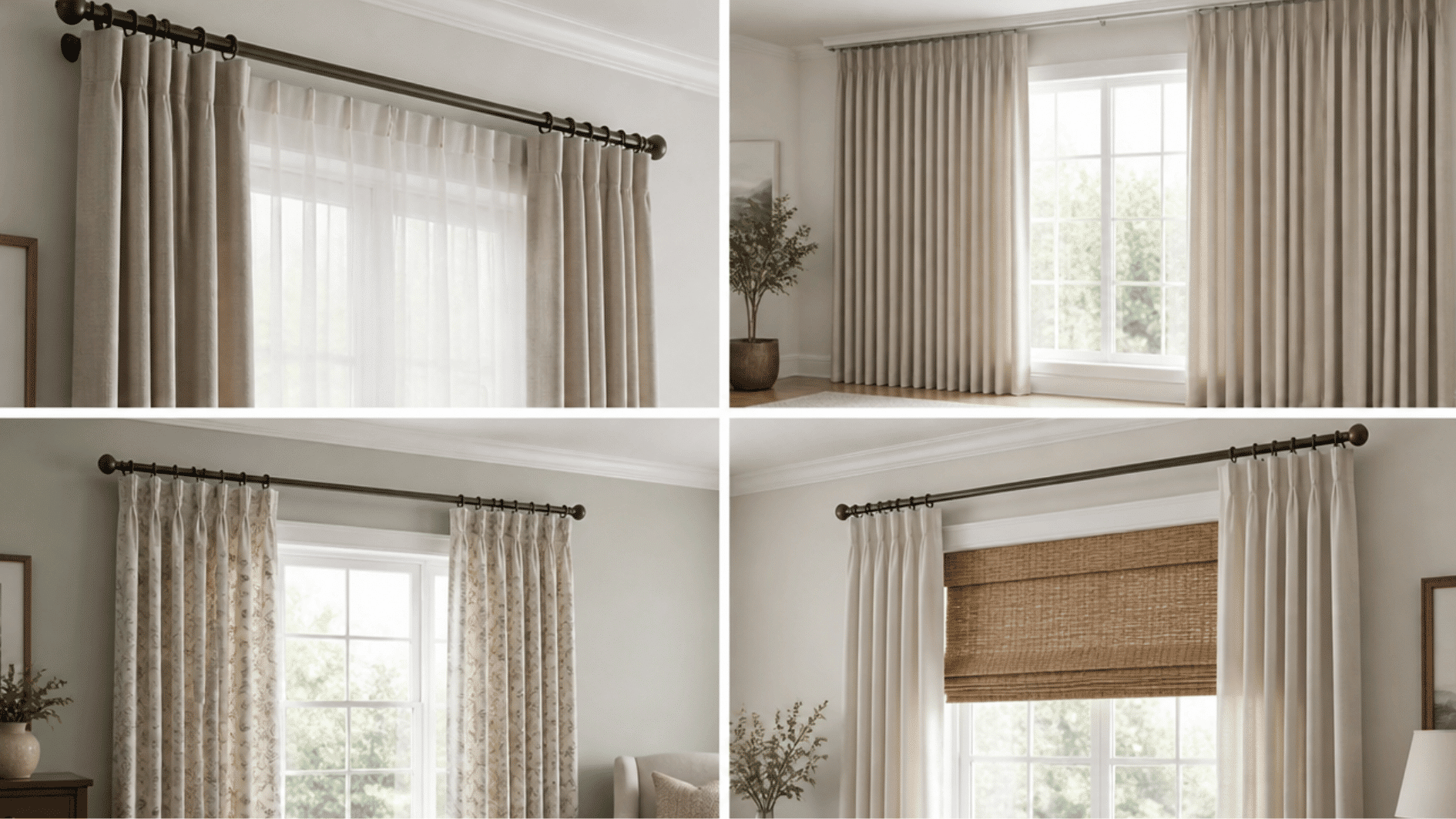
A double rod is the easiest option for layering sheers and curtains because both layers can move separately. A ceiling track gives a cleaner modern look, while a shade with a curtain rod works well when you want structure plus softness.
| Hardware Type | Best For | Why It Works |
|---|---|---|
| Double Curtain Rod | Sheers with drapes | Lets both layers move separately |
| Ceiling Track | Modern or full-wall curtains | Gives a clean, smooth finish |
| Single Rod | Decorative layering only | Works if one layer stays mostly fixed |
| Inside-Mount Shade with Rod | Shades with curtains | Keeps the window neat and practical |
Step 5: Hang Curtains Higher and Wider
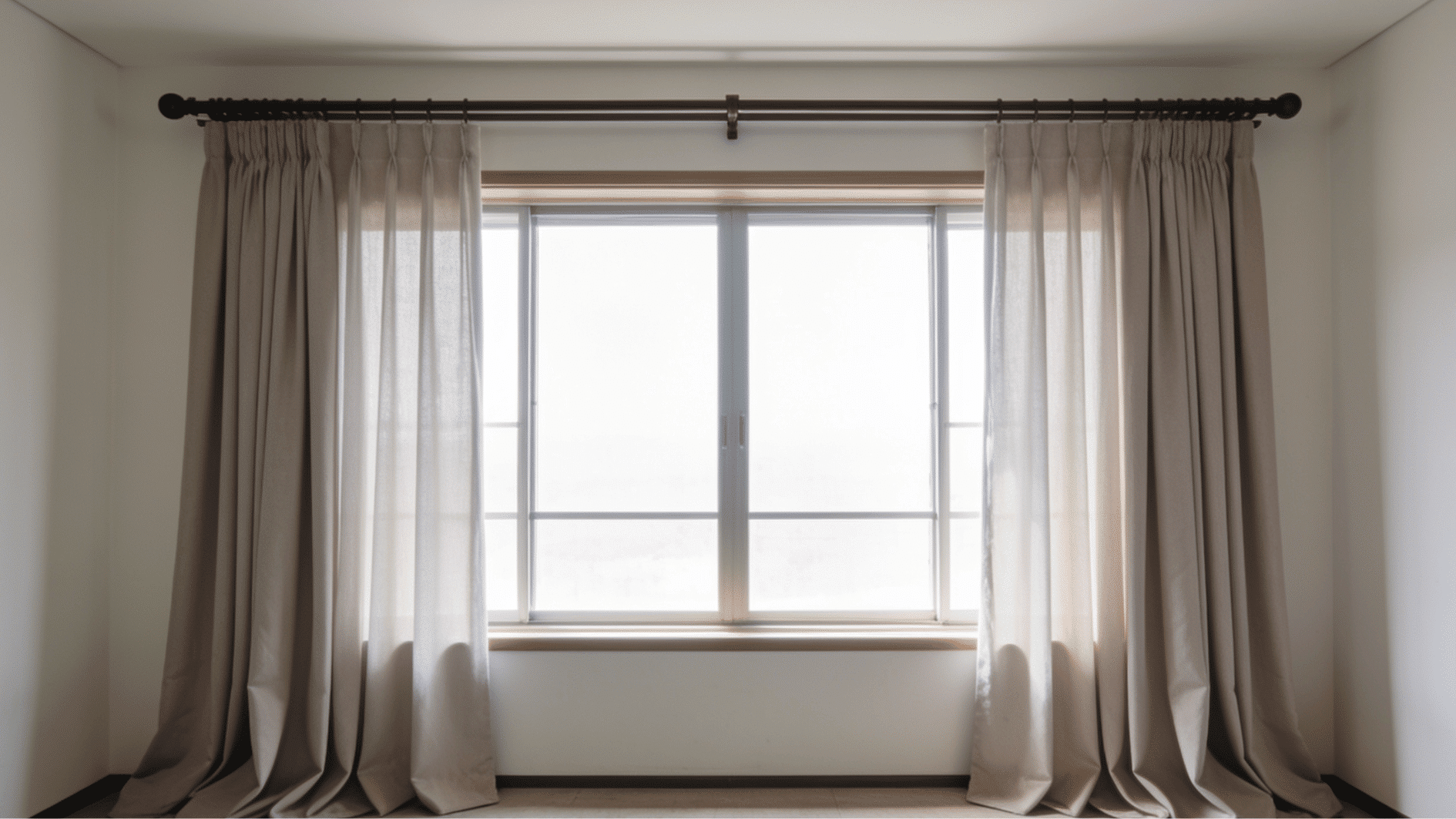
For a taller, fuller look, hang the rod above the window frame and extend it beyond the window. This makes the window look larger and gives the curtain panels space to sit when open.
- Rod Height: Hang the rod 4–12 inches above the window, or closer to the ceiling if you want the room to look taller.
- Rod Width: Extend the rod 8–12 inches beyond each side of the window when possible, so curtains can open fully without blocking too much light.
- Curtain Fullness: Choose curtain panels that are about 1.5–2 times the window width for a fuller, softer look.
- Curtain Length: Let the curtains touch the floor or lightly break at the bottom for a more polished finish.
Step 6: Arrange the Layers
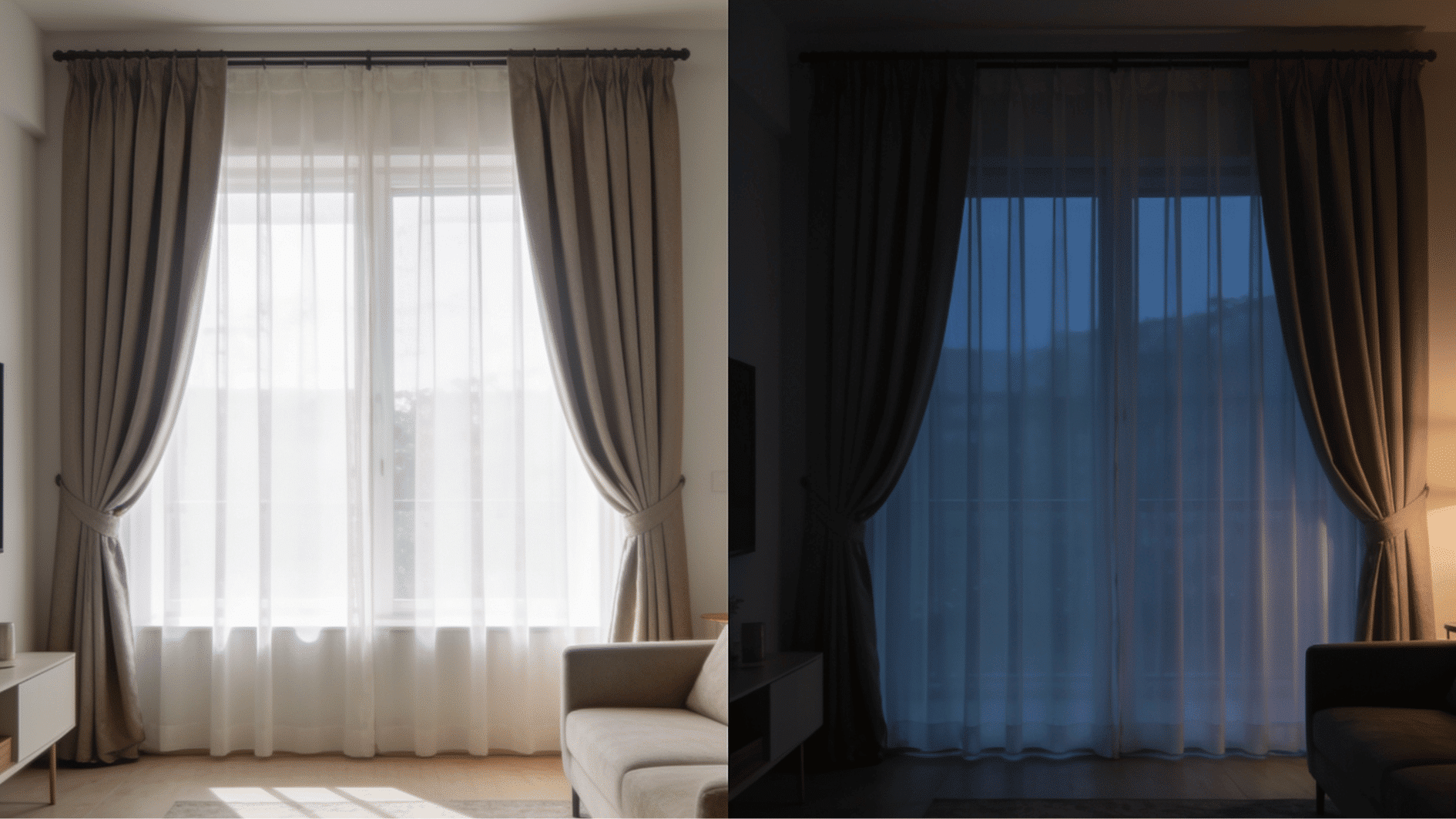
During the day, keep the sheer layer closed and open the heavier curtains. This keeps the room bright while adding some privacy.
At night, close the outer curtains for better coverage. Make sure both layers fall evenly and do not bunch too tightly on one side.
I also check how the folds fall after the curtains have been hanging for a few days. New panels often hold packaging creases or spread unevenly at first. Steaming the fabric and gently training the folds can help the layers hang more consistently.
Best Curtain Layer Combinations to Copy
Curtain layering works best when each layer has a clear purpose, such as softness, privacy, light control, or style.
Use the table below to choose a combination that fits the room and understand how to arrange each layer.
| Combination | Best For | How to Layer | Overall Look |
|---|---|---|---|
| Sheers + Blackout Curtains | Bedrooms, nurseries, media rooms | Place sheers closest to the window and blackout curtains on the outer rod. | Soft by day, dark by night |
| Sheers + Linen Drapes | Living rooms and dining rooms | Hang sheer inside and linen drapes outside for light filtering and softness. | Airy, relaxed, and bright |
| Roller Shade + Curtains | Modern homes and apartments | Install the roller shade inside the window frame and hang curtains outside. | Clean and practical |
| Roman Shade + Drapes | Bedrooms and formal rooms | Use the Roman shade as the base layer and frame it with drapes on both sides. | Tailored and cozy |
| Blinds + Curtains | Rentals and everyday spaces | Keep blinds close to the glass and add curtain panels on an outer rod. | Flexible and easy to control |
| Double Sheers | Bright rooms with low privacy needs | Use two sheer layers in similar tones or soft contrast for added depth. | Light, soft, and breezy |
Arranging Curtains by Window Type
Not every window plays by the same rules. A bay window, a sliding door, a corner window, they each need panels, sheers, blackout drapes, or shades arranged a little differently. The base-sheer-outer order still holds; it’s just the details that shift.
1. Bay Windows
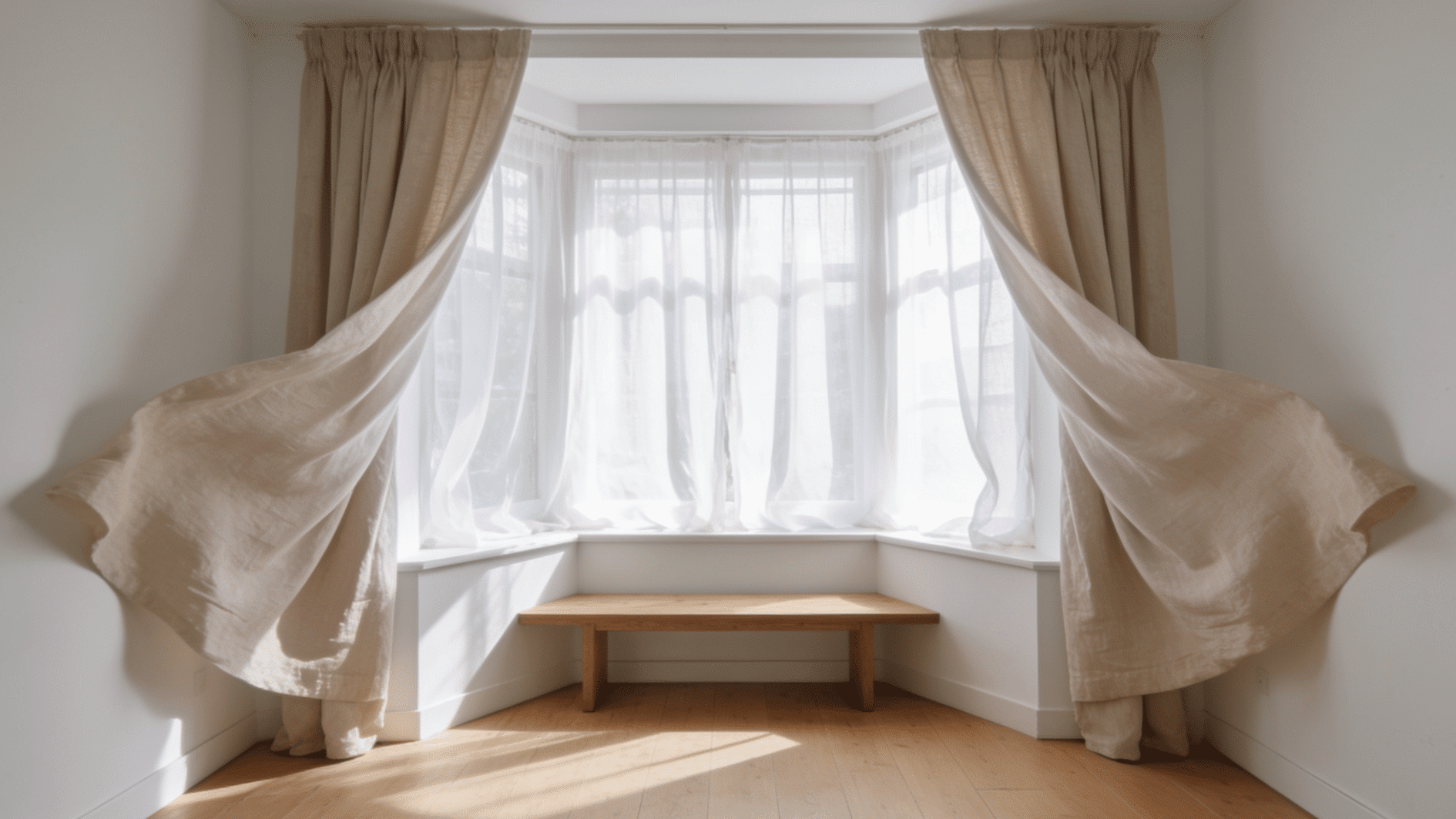
Bay windows usually have angled sections, so one long rod can make curtain layers bunch awkwardly where the window bends. A cleaner option is to mount separate rods for each angled section, allowing each curtain panel to fall naturally within its own frame.
For layering, use sheers or light curtains on each section and add heavier side panels only where needed. This keeps the bay window open, bright, and balanced without hiding its shape.
Color Combos:
- Soft white sheers with beige linen curtains
- Ivory curtains with warm taupe side panels
- Light gray sheers with charcoal outer panels
- Cream sheers with sage green drapes
2. Sliding Doors or Glass Walls
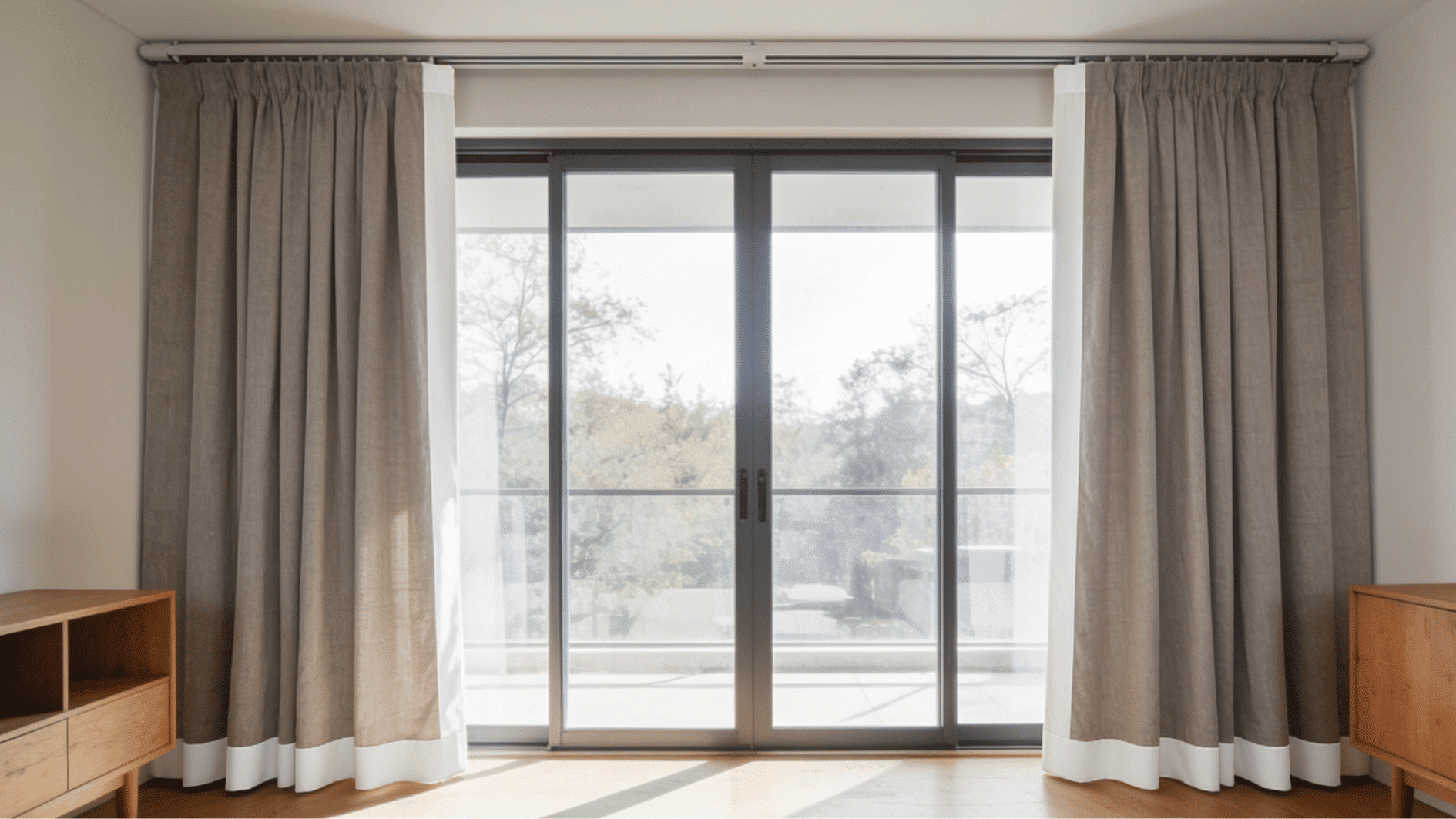
Sliding doors and wide glass walls need coverage that moves easily. Instead of using several thin sheer panels, choose one wide curtain panel or a pair of full-width panels that can slide smoothly to the side.
For privacy and light control, heavier linen, cotton, or blackout panels usually work better than sheers alone. A stretched sheer can look too thin across a large glass area.
Color Combos:
- White curtains with tan or beige walls
- Warm gray curtains with white trim
- Oatmeal linen panels with natural wood tones
- Navy curtains with soft white sheers for a deeper look
3. Corner Windows
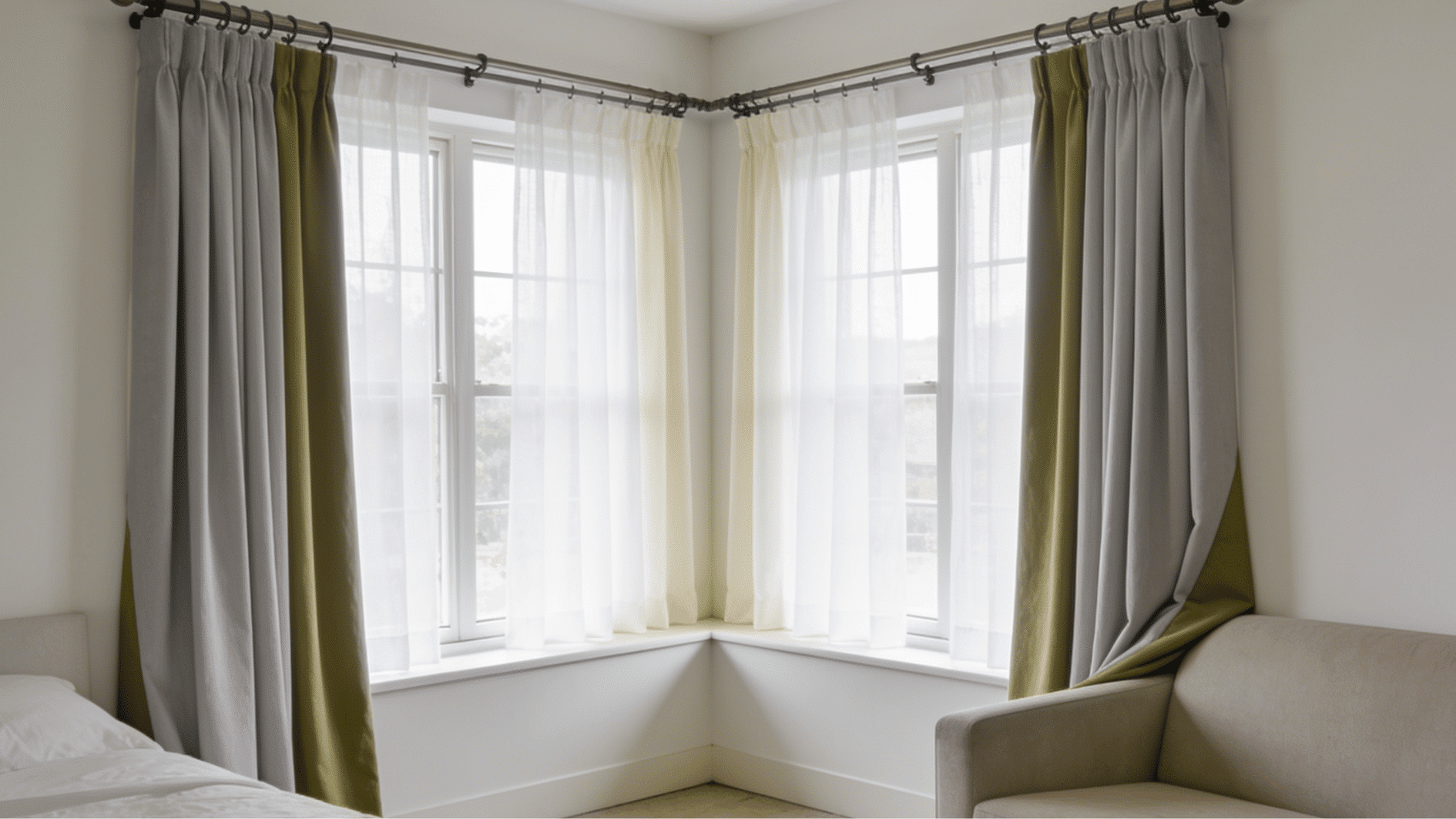
Corner windows can look broken up if each side is treated separately. Using a single continuous curtain panel or a rod connecting both windows helps visually join the corner and makes the room feel more complete.
Keep the layers simple so the corner does not feel crowded. A sheer base with one soft outer curtain layer works well, especially in living rooms or bedrooms.
Color Combos:
- White sheers with light gray curtains
- Cream sheers with olive green drapes
- Beige curtains with warm wood furniture
- Soft blue curtains with white inner panels
4. French Doors
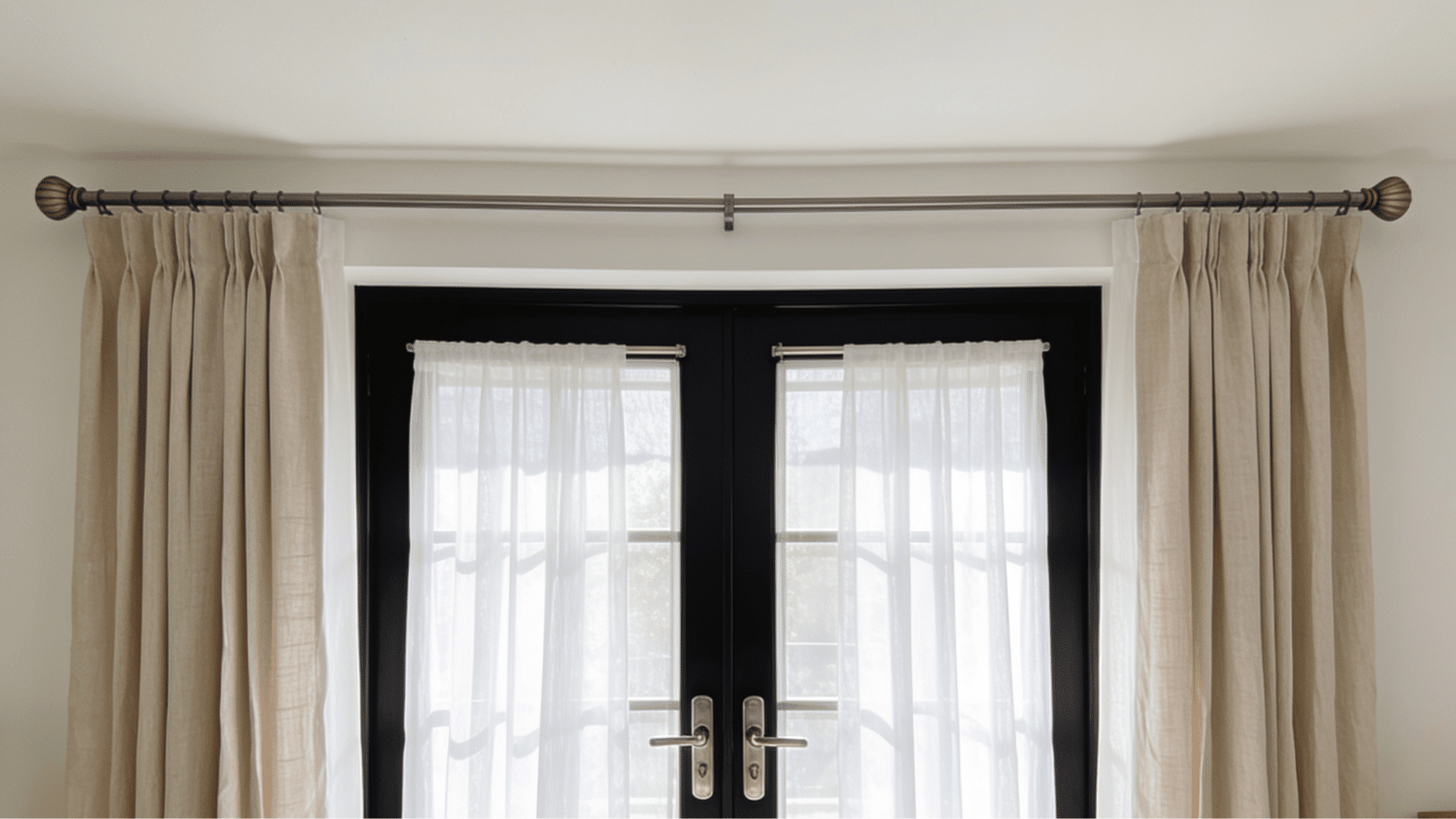
French doors need curtain layers that do not interfere with opening and closing. Mount the rod above the frame, rather than directly on the door, when possible, so the fabric stays clear of the door swing.
Use lightweight curtains, slim drapes, or shades close to the glass. Avoid bulky layered panels that can get caught in handles or hinges.
Color Combos:
- White sheers with soft beige drapes
- Cream curtains with brushed gold hardware
- Light linen panels with black door frames
- Dusty blue curtains with warm white walls
5. Small or Narrow Windows
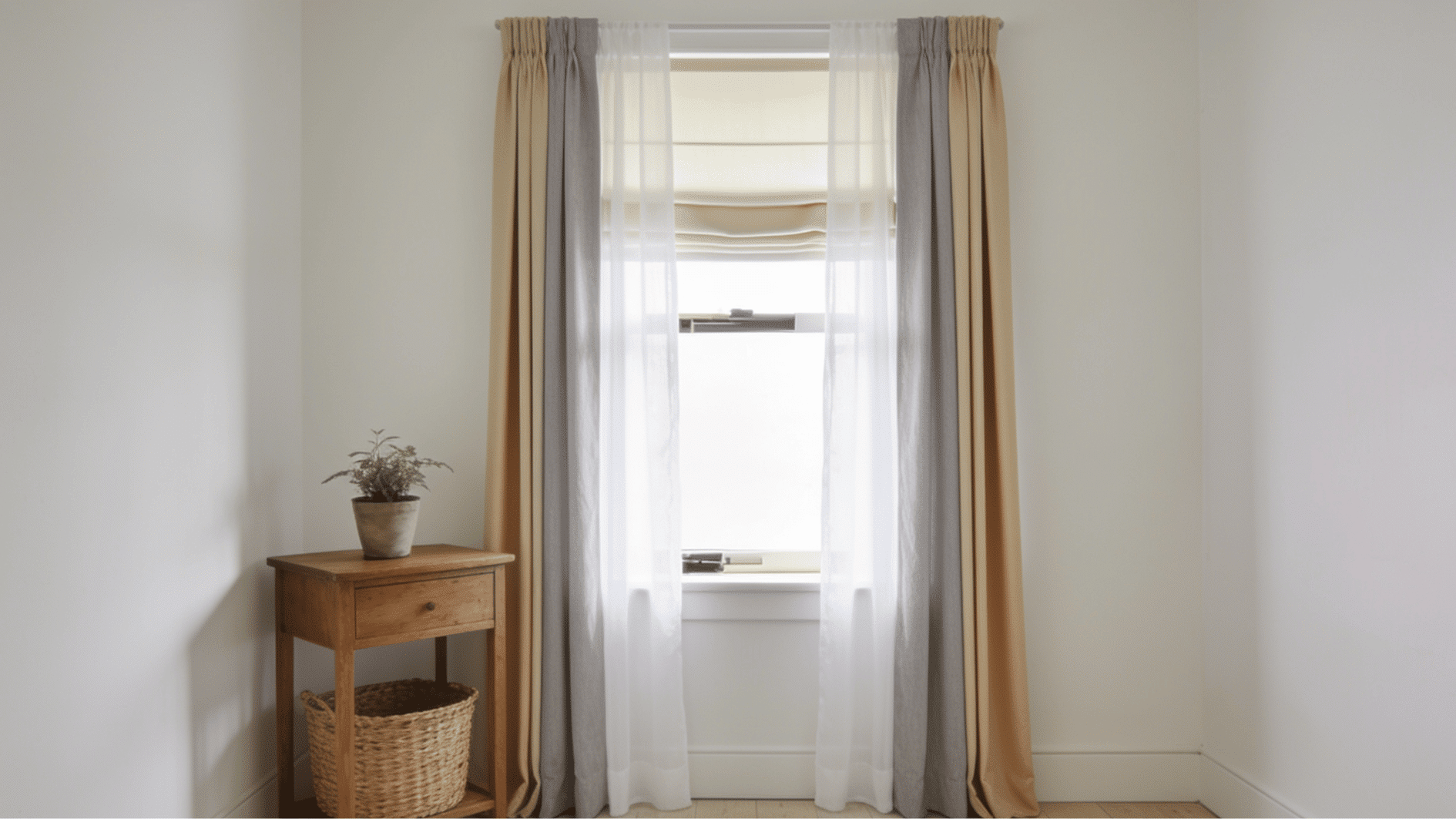
Small windows can quickly become overwhelmed by heavy fabric or multiple rods. For these windows, I usually limit the setup to two treatments.
Avoid heavy triple-layer setups because they can make the window look smaller and visually crowded. Choose lighter fabrics and clean colors to keep the space open.
Color Combos:
- White sheers with pale gray curtains
- Cream Roman shade with beige side panels
- Soft blush curtains with white inner sheers
- Light sage curtains with ivory walls
Simple Tips to Make Curtain Layers Look More Polished
Small details can make layered curtains look either clean and intentional or cluttered. These quick tips help you achieve a more balanced, finished window setup without overthinking it.
- Match hardware to room metals: Keep rod finishes in line with existing fixtures, such as handles, lights, or furniture hardware, for a unified look.
- Prep curtains before hanging: Steam or lightly iron fabric first to remove packaging creases, especially on cotton or heavier materials.
- Test light before adding blackout layers: Live with sheers for a day or two to see how much light control you actually need.
- Avoid exact length matching with blinds: Let curtains fall slightly past shades or blinds for a more natural, layered look.
- Leave space between layers: Keep rods slightly separated so curtains move freely without catching or bunching.
The Bottom Line
Good curtain layering isn’t something you notice right away. It’s something you notice is missing when it’s not there. Get the order right. Keep the proportions balanced.
Your window stops competing for attention and starts pulling the room together. Pick one window in your home. Try the order from this guide. See how it looks once it’s all in place.
After years of moving furniture, testing room layouts, and correcting window treatments that looked better in theory than they did in daily life, I have learned that proportion and function matter most.
Small things, like rod height or fabric fold, matter more than people expect. Getting them right is what separates a styled window from one that just has curtains.
Once it clicks on that first window, the rest of the house falls into place faster.
Frequently Asked Questions
Do Curtain Layers Need to Be the Same Length?
No, sheers can sit slightly shorter while the outer layer runs closer to the floor.
What Color Should Sheers Be Under Blackout Curtains?
Lighter than the blackout layer, this keeps the daytime look soft instead of heavy.
Can You Layer Curtains Over Vertical Blinds?
Yes, vertical blinds work as a base layer the same way horizontal blinds or shades do.
How Far Apart Should Double Curtain Rods Be?
About 3 to 4 inches, enough for both layers to move without rubbing together.
Does Layering Curtains Block Out More Noise?
Yes, an extra fabric layer adds some sound dampening, though it won’t fully soundproof a room.