
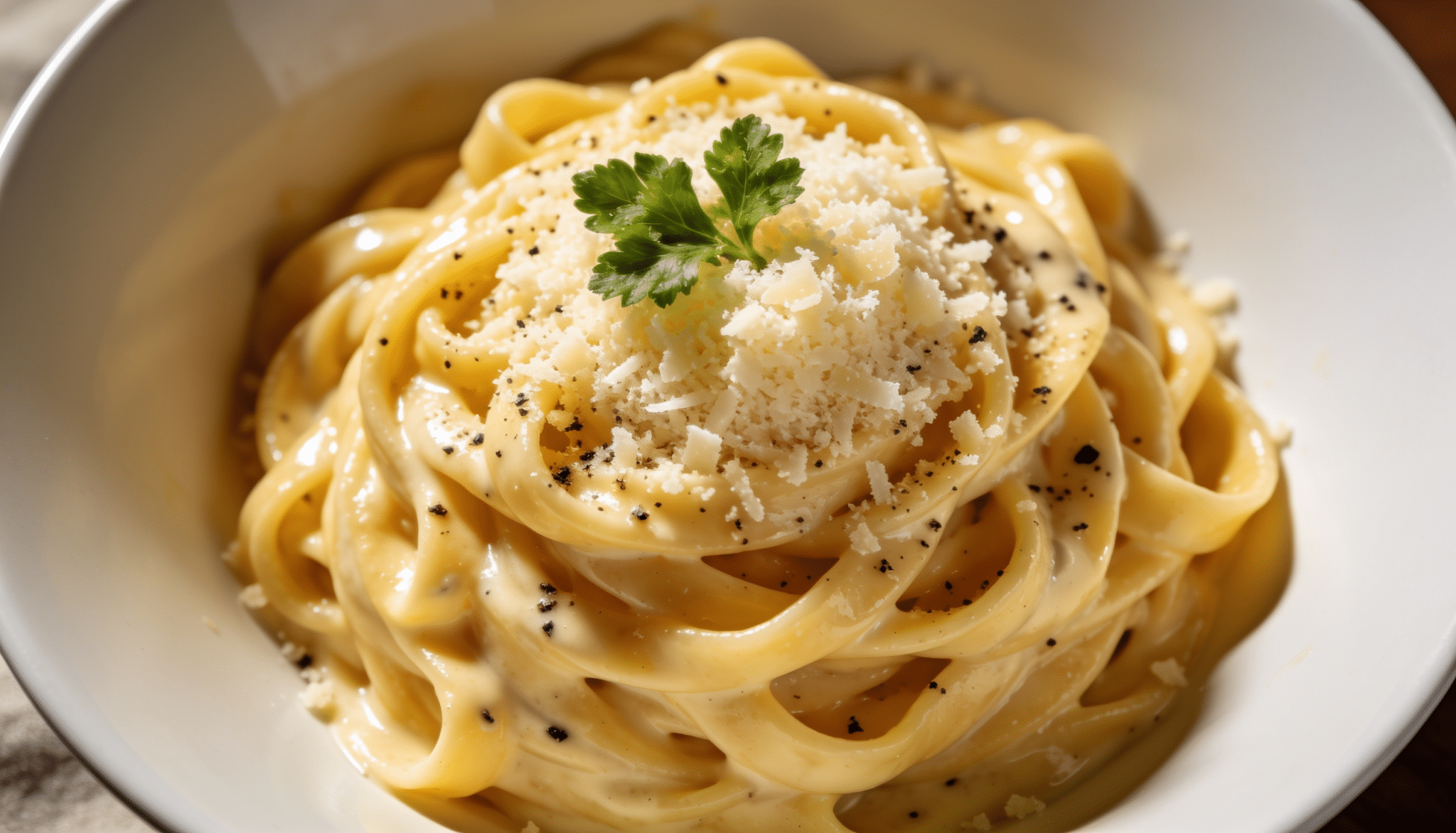
A rich, creamy Alfredo sauce can turn a simple bowl of pasta into a satisfying homemade meal.
While jarred sauces are easy to find, making Alfredo sauce from scratch gives you better flavor, texture, and control over the ingredients.
The best part? Homemade Alfredo sauce comes together in minutes using a few kitchen staples like butter, Parmesan cheese, and cream.
From traditional Italian recipes to popular American versions, there are several ways to prepare Alfredo sauce at home.
This guide covers everything you need to know, including ingredients, step-by-step instructions, common fixes, and tasty variations.
By the end, you’ll have the confidence to make smooth, creamy Alfredo sauce whenever the craving strikes.
What is Alfredo Sauce?
Alfredo sauce is a rich pasta sauce known for its creamy texture and buttery, cheesy flavor.
The original Italian version was made with just butter, Parmesan cheese, and pasta water. As the ingredients were mixed together, they formed a smooth coating for the pasta.
Over time, the recipe became especially popular in the United States, where heavy cream is often added to create a thicker and creamier sauce.
This creamy version is often compared with other white sauce bases for pasta dishes, which follow a similar method but use different ratios of butter, milk, or cream depending on the texture you want.
Today, both styles are widely enjoyed. Some people prefer the simplicity of the traditional recipe, while others enjoy the richer American version.
Ingredients You’ll Need
Making Alfredo sauce at home is simpler than you might think – you only need a handful of quality ingredients to get started.
| Ingredient | Role | Notes |
|---|---|---|
| Butter | Fat base and flavor foundation | Use unsalted for better control over seasoning |
| Heavy Cream | Adds body and richness | Full-fat gives the best texture |
| Parmesan Cheese | Thickens and adds savory, nutty depth | Freshly grated melts smoother than pre-shredded |
| Salt | Enhances overall flavor | Add gradually and taste as you go |
| Black Pepper | Adds mild heat and depth | Freshly cracked preferred |
| Garlic (optional) | Adds aromatic, savory flavor | Not in the original Italian version |
| Nutmeg (optional) | Adds subtle warmth | A small pinch goes a long way |
| Parsley (optional) | Adds color and freshness | Sprinkled on as a garnish |
| Extra Cheese (optional) | Richer, cheesier flavor | Pecorino Romano is a popular addition |
Tip: Always grate Parmesan cheese fresh from a block and let it come to room temperature before adding it to the sauce. This helps it melt more evenly and reduces the chances of a grainy texture.
How to Make Alfredo Sauce From Scratch
Making Alfredo sauce from scratch takes about 15 minutes and uses ingredients you may already have in your kitchen. Although the recipe is simple, paying attention to heat and timing can make a big difference in the final texture.
Step 1: Melt the Butter
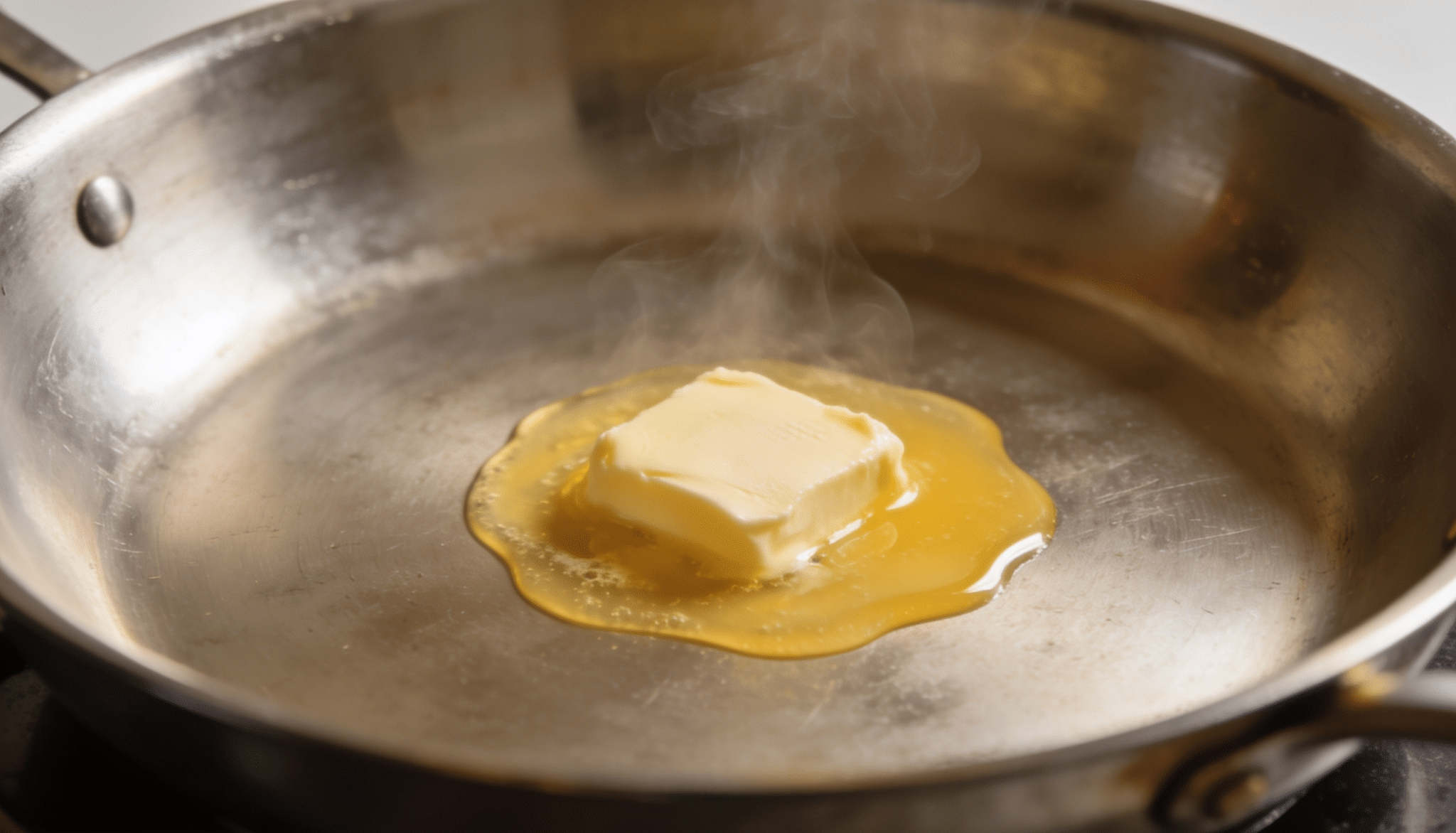
Place the butter in a large skillet or saucepan over medium-low heat. Allow it to melt slowly while stirring occasionally. Avoid letting the butter brown, as this can change the flavor of the sauce.
The butter creates the foundation of Alfredo sauce, so taking a minute to melt it gently is worth the effort.
Step 2: Add the Cream
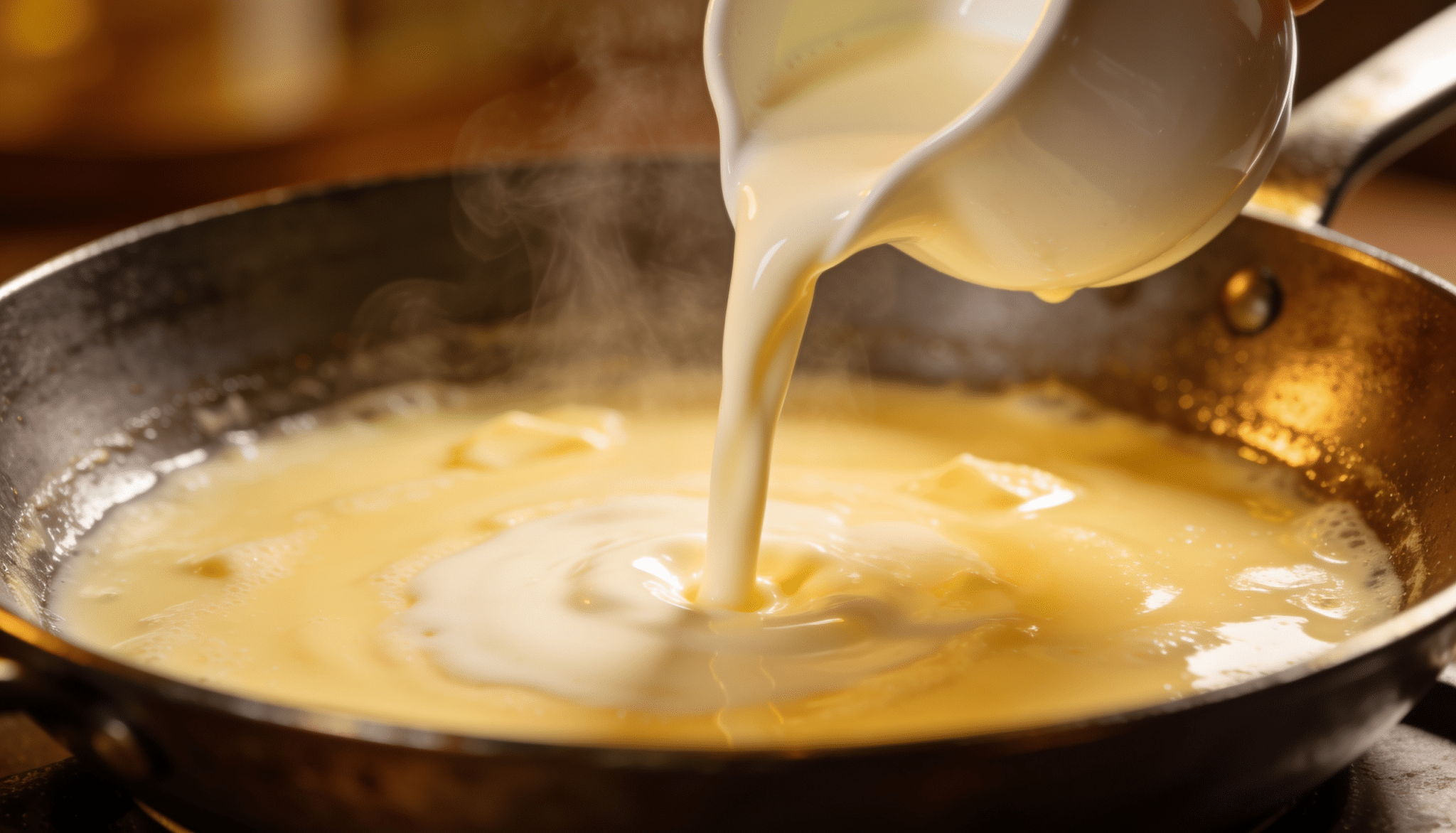
Once the butter has melted, slowly pour in the heavy cream and stir to combine. Let the mixture warm for 3 to 5 minutes over low heat. You should notice small bubbles forming around the edges, but the cream should never reach a rolling boil.
Heating the cream gradually helps it blend smoothly with the butter and prepares it for the cheese.
Step 3: Stir in the Parmesan Cheese
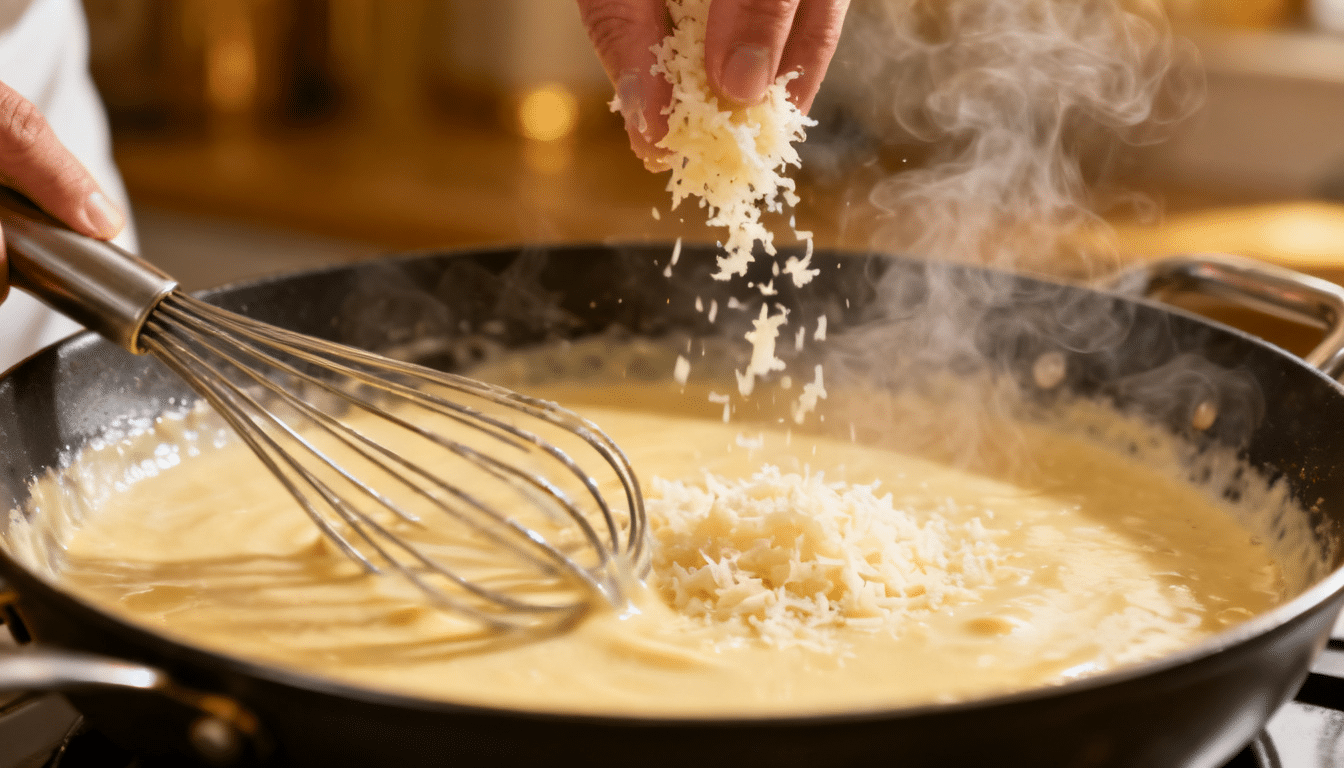
Reduce the heat to low before adding the Parmesan cheese. Add the cheese in small handfuls rather than all at once, whisking continuously after each addition. This gives the cheese time to melt evenly into the sauce.
Keep stirring until the sauce looks smooth, creamy, and free of lumps.
Step 4: Season the Sauce
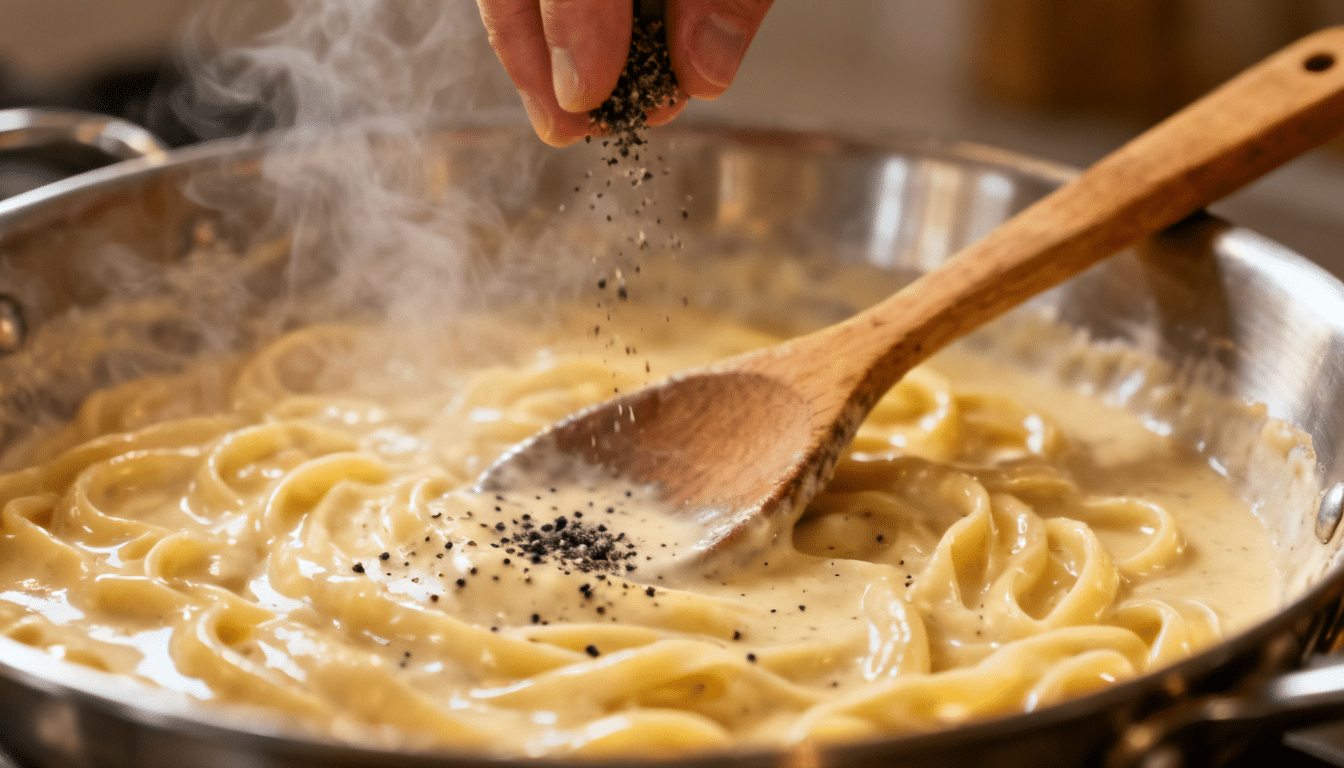
Taste the sauce before adding any salt since Parmesan cheese already contains a good amount of saltiness. Add black pepper and adjust the seasoning as needed.
If you enjoy a stronger flavor, this is also the time to add minced garlic, garlic powder, or a pinch of nutmeg.
Continue stirring for another minute to allow the flavors to blend together.
Step 5: Toss With Pasta
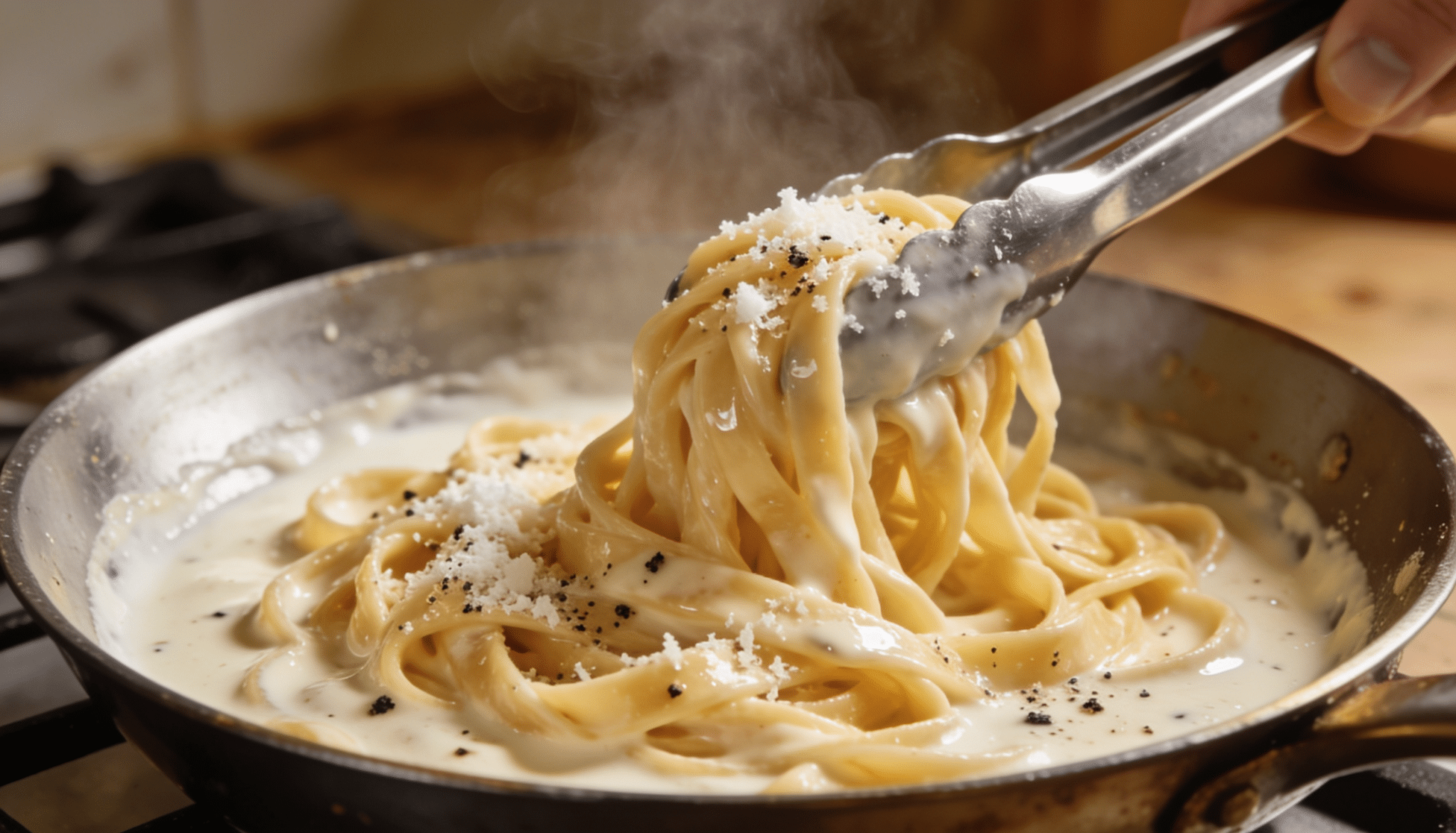
Add freshly cooked pasta directly to the sauce while it’s still hot. Use tongs or a large spoon to toss the pasta until every piece is evenly coated. Let the pasta sit in the sauce for about a minute so it can absorb some of the flavor.
Serve immediately with extra Parmesan cheese and freshly cracked black pepper on top.
Tip: Reserve about ½ cup of pasta water before draining the pasta. If the sauce becomes too thick, stir in a tablespoon at a time until it reaches the consistency you prefer.
Recipe for the Traditional Alfredo Sauce
Many people are surprised to learn that traditional Alfredo sauce is much simpler than the creamy version commonly served in the United States.
The original recipe, created in Rome, relied on just a few ingredients: butter, Parmesan cheese, and pasta water.
Ingredients Needed
| Ingredient | Amount | Purpose |
|---|---|---|
| Fettuccine Pasta | 12 ounces | Traditional pasta used for Alfredo |
| Unsalted Butter | ½ cup (1 stick) | Creates richness and forms the sauce base |
| Parmesan Cheese, finely grated | 1½ cups | Adds flavor and creamy texture |
| Reserved Pasta Water | ½–1 cup, as needed | Helps bind the ingredients into a smooth sauce |
| Salt | To taste | Enhances flavor |
| Black Pepper | To taste | Adds mild seasoning |
Steps to Follow
Follow these simple steps to make traditional Alfredo sauce with just a handful of ingredients.
- Step 1: Cook the Pasta – Bring a large pot of salted water to a boil and cook the fettuccine until al dente. Before draining, reserve 1 cup of the hot pasta water. This starchy water helps create the sauce’s signature creamy texture.
- Step 2: Add the Butter – Transfer the hot pasta to a large skillet or mixing bowl. Add the butter and toss until it melts completely and evenly coats the noodles.
- Step 3: Incorporate the Parmesan Cheese – Gradually add the Parmesan cheese while continuously tossing the pasta. Adding the cheese in small amounts helps it melt evenly and prevents clumping.
- Step 4: Create the Sauce – Slowly add a few tablespoons of the reserved pasta water while tossing the pasta. Continue alternating between the cheese and pasta water until a smooth, creamy sauce forms around the noodles.
- Step 5: Adjust the Consistency – If the sauce feels too thick, stir in a little more pasta water. If it seems too thin, continue tossing for another minute until it naturally thickens.
- Step 6: Season and Serve – Taste and add salt if needed. Finish with freshly cracked black pepper and extra Parmesan cheese, then serve immediately.
Tip: The secret to traditional Alfredo sauce is patience. Add the Parmesan cheese gradually and toss continuously with the hot pasta to create a smooth, creamy sauce without using heavy cream.
More Alfredo Sauce Variations to Try
One of the best things about Alfredo sauce is how easy it is to adapt. A few ingredient changes can create entirely different flavors while keeping the creamy base that makes Alfredo so popular.
1. Garlic Alfredo Sauce
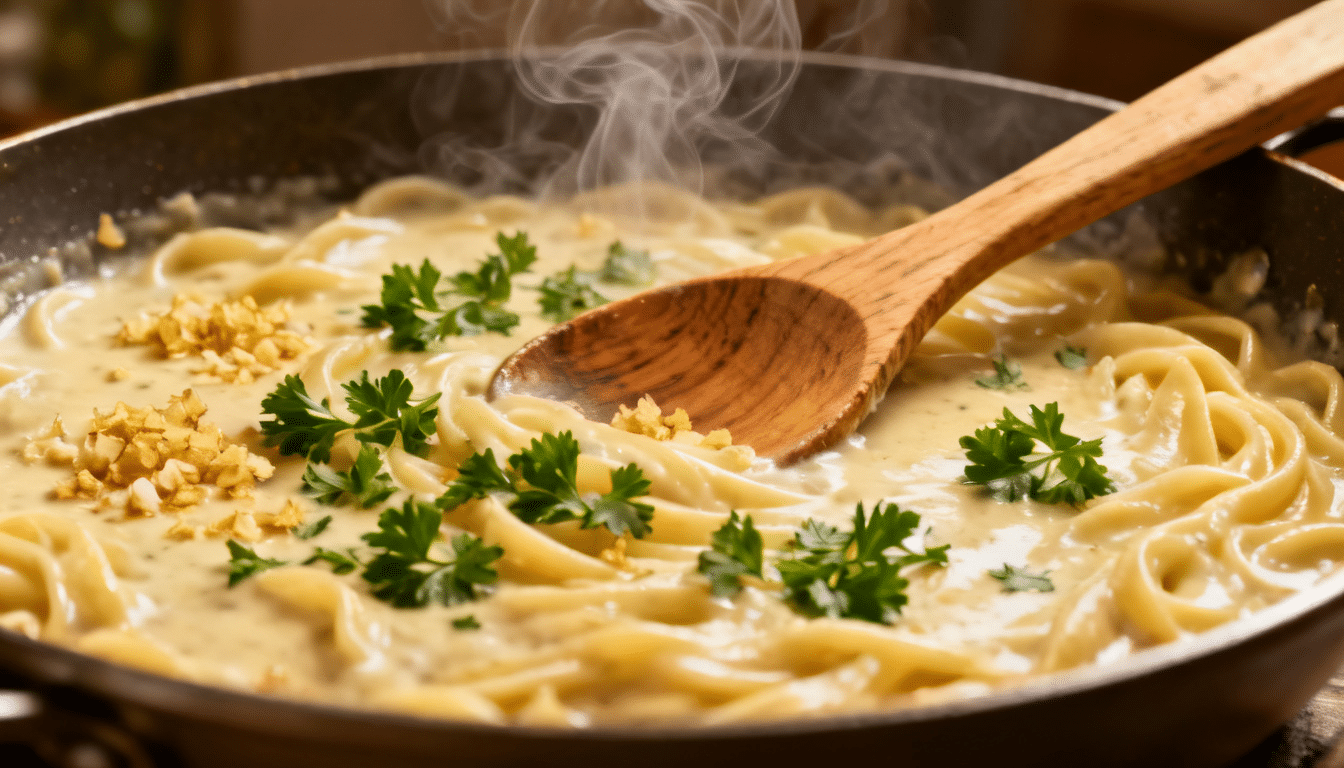
For extra flavor, sauté 2 to 3 minced garlic cloves in butter before adding the cream. The garlic adds a savory depth that complements the richness of the sauce without overpowering it.
This variation pairs especially well with chicken, shrimp, and roasted vegetables.
2. Chicken Alfredo
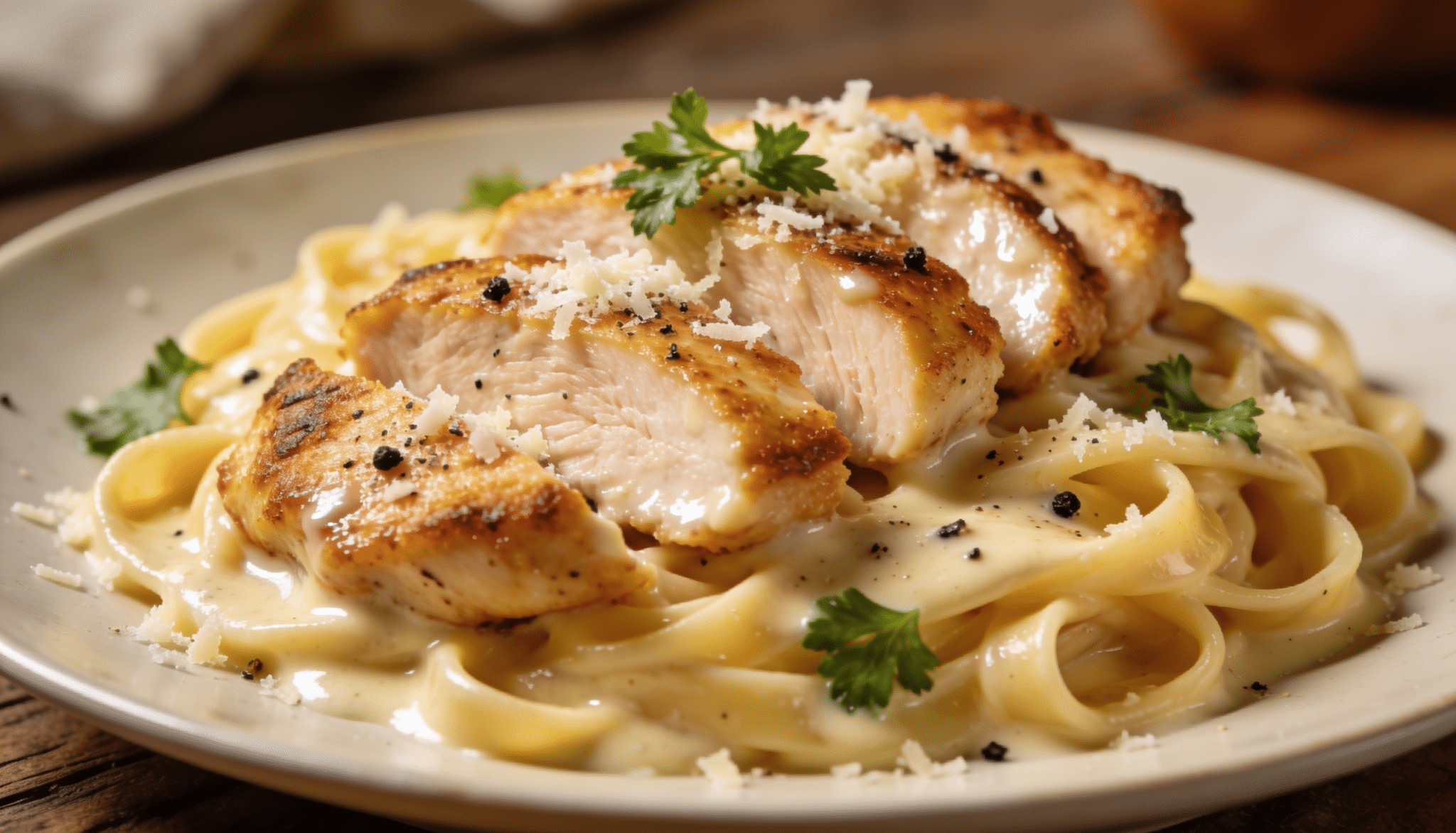
Add sliced grilled or pan-seared chicken to turn Alfredo sauce into a hearty main course. Chicken adds protein and makes the dish more filling for family dinners or meal prep.
For the best flavor, season the chicken with salt, pepper, and Italian herbs before cooking.
3. Shrimp Alfredo
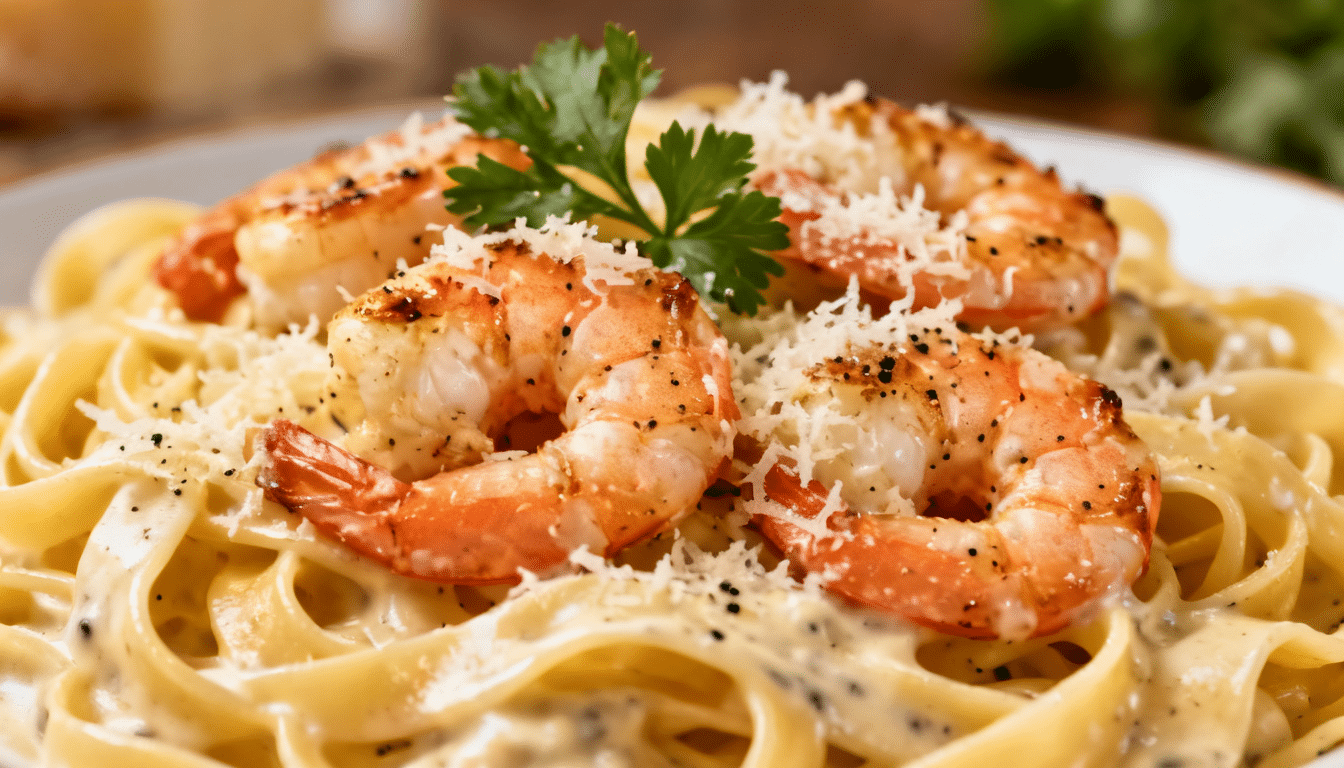
Tender shrimp adds a seafood twist that pairs perfectly with creamy Alfredo sauce. Cook the shrimp separately until pink and juicy, then stir it into the sauce just before serving.
This variation works particularly well with fettuccine and a sprinkle of fresh parsley.
4. Broccoli Alfredo
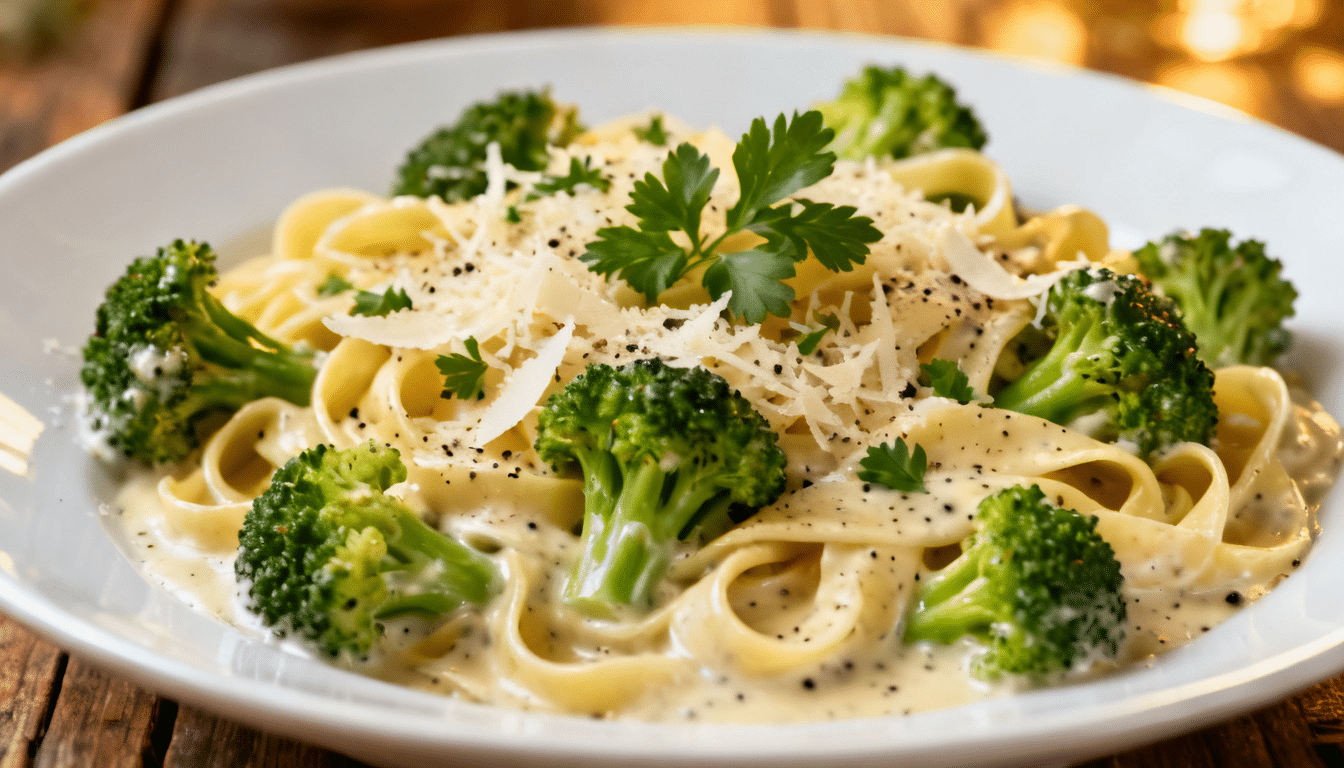
Steamed broccoli adds freshness, texture, and color while balancing the richness of the sauce. Its mild flavor blends well with Alfredo without taking attention away from the creamy base.
This is a simple way to include more vegetables in your meal.
5. Spicy Alfredo Sauce
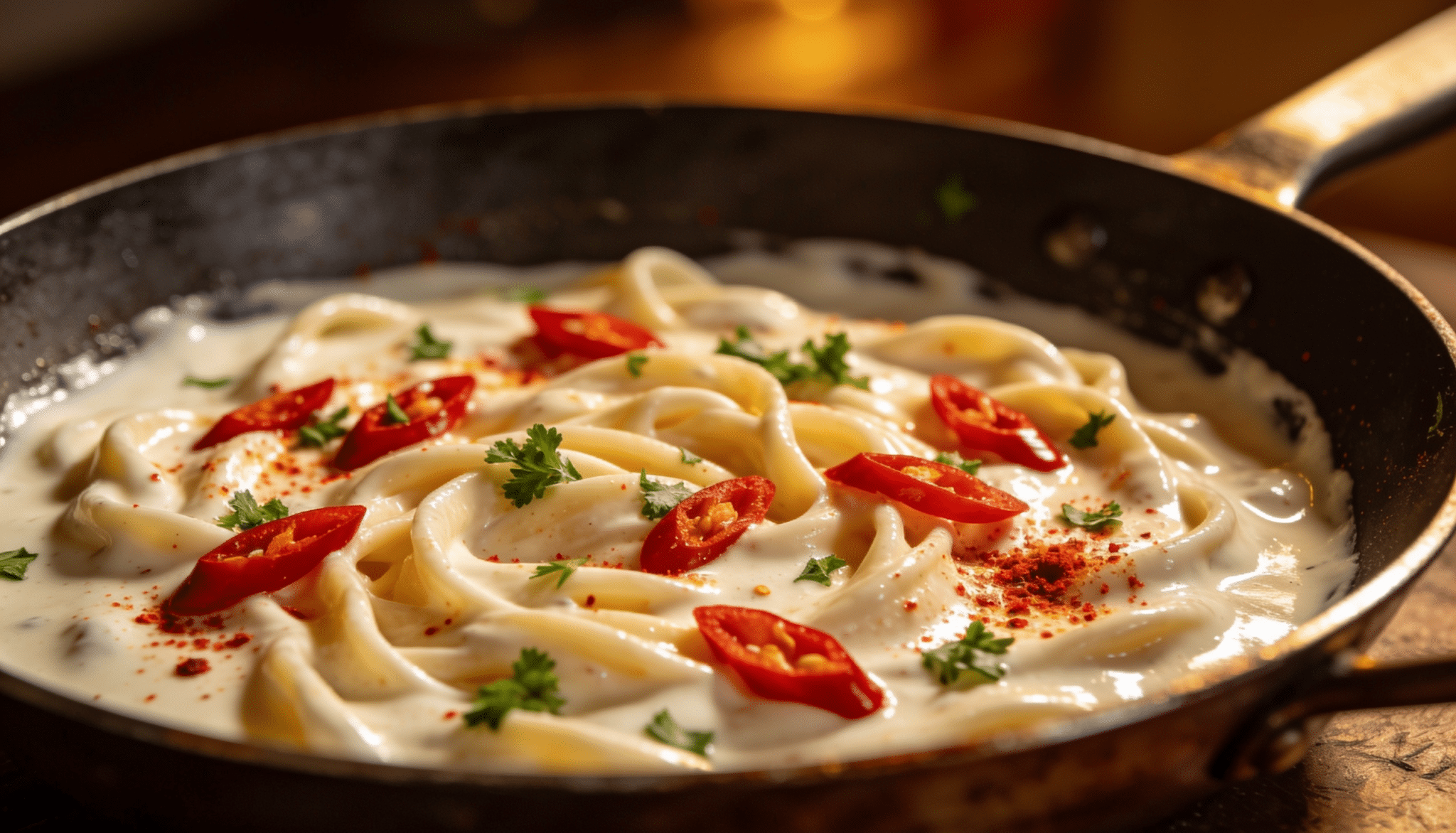
Add red pepper flakes or a dash of hot sauce for a subtle kick that complements the creamy flavor. The heat creates a pleasant contrast to the richness of the butter, cream, and cheese.
Adjust the spice level gradually to suit your taste preferences.
Common Alfredo Sauce Mistakes and How to Fix Them
Even a simple Alfredo sauce can go wrong if a few key details are overlooked. Here are the most common issues and their solutions:
- Grainy Sauce: Add Parmesan cheese over low heat and use freshly grated cheese for smoother melting.
- Sauce Too Thick or Too Thin: Adjust the consistency with reserved pasta water. Add a little if the sauce is too thick, or let it simmer briefly if it’s too thin.
- Sauce Separation: Avoid boiling the sauce after adding cheese and keep the heat low throughout cooking.
- Overly Salty Flavor: Taste before seasoning since Parmesan already contains salt. If needed, balance the flavor with a splash of cream or milk.
- Clumpy Cheese: Add the cheese gradually while stirring continuously instead of adding it all at once.
Final Thoughts
Making Alfredo sauce from scratch is easier than many people think. With a few simple ingredients and the right technique, you can create a rich, creamy sauce that’s far more flavorful than most store-bought options.
From the traditional Roman recipe to popular variations like chicken, shrimp, and garlic Alfredo, there’s a version for every taste and occasion.
The key is to use quality ingredients, cook over low heat, and add the cheese gradually for the smoothest texture.
Once you’ve mastered the basics, you’ll have a reliable homemade sauce that’s perfect for weeknight dinners, special meals, and everything in between.
Frequently Asked Questions
Can I Make Alfredo Sauce Ahead of Time?
Yes, you can prepare Alfredo sauce a day in advance and store it in the refrigerator. Reheat it gently before serving for the best results.
What is the Best Parmesan Cheese for Alfredo Sauce?
Freshly grated Parmigiano-Reggiano is often preferred because it melts smoothly and offers a rich, nutty flavor.
Can I Use Alfredo Sauce as a Pizza Sauce?
Absolutely. Alfredo sauce works well as a white sauce base for pizzas topped with chicken, spinach, mushrooms, or mozzarella cheese.
Is Alfredo Sauce Gluten-Free?
Most homemade Alfredo sauces are naturally gluten-free since they don’t require flour. Always check ingredient labels if you’re serving someone with dietary restrictions.
What Herbs Go Well with Alfredo Sauce?
Fresh parsley, basil, thyme, and oregano can add extra flavor and freshness without overpowering the creamy sauce.






One Response