Your bedroom has one job: to feel like the best part of your home. And yet somehow it ends up being the room you just tolerate.
The bed’s shoved against a wall, the nightstand is whatever table fits, and the vibe is mostly “fine.” Fine isn’t good enough.
The right master bedroom layout can turn a forgettable room into one that actually feels intentional, restful, and a little bit special.
Just the right ideas in the right order. And lucky for you, that’s exactly what’s coming up next.
Can You Turn a Regular Bedroom Into a Master Bedroom?
Yes. In many homes, a regular bedroom can be converted into a master bedroom. The key difference is not just size but also purpose. A master bedroom is typically the primary sleeping space in a home.
It is designed to offer greater comfort, privacy, and convenience. It often includes more square footage than secondary bedrooms and may have features such as a walk-in closet or direct access to a bathroom.
However, there are no strict rules. With enough space and the right features, a standard bedroom can serve as the home’s main bedroom and meet the needs of its occupants.
Master Bedroom Layout Ideas to Transform Your Space
Your bedroom should feel like a personal retreat, calm, considered, and designed around the way you actually live. The right master bedroom layout ties everything together for you.
Browse the ideas below to find the approach that fits your space:
1. The Centered Focal Wall Bed Placement
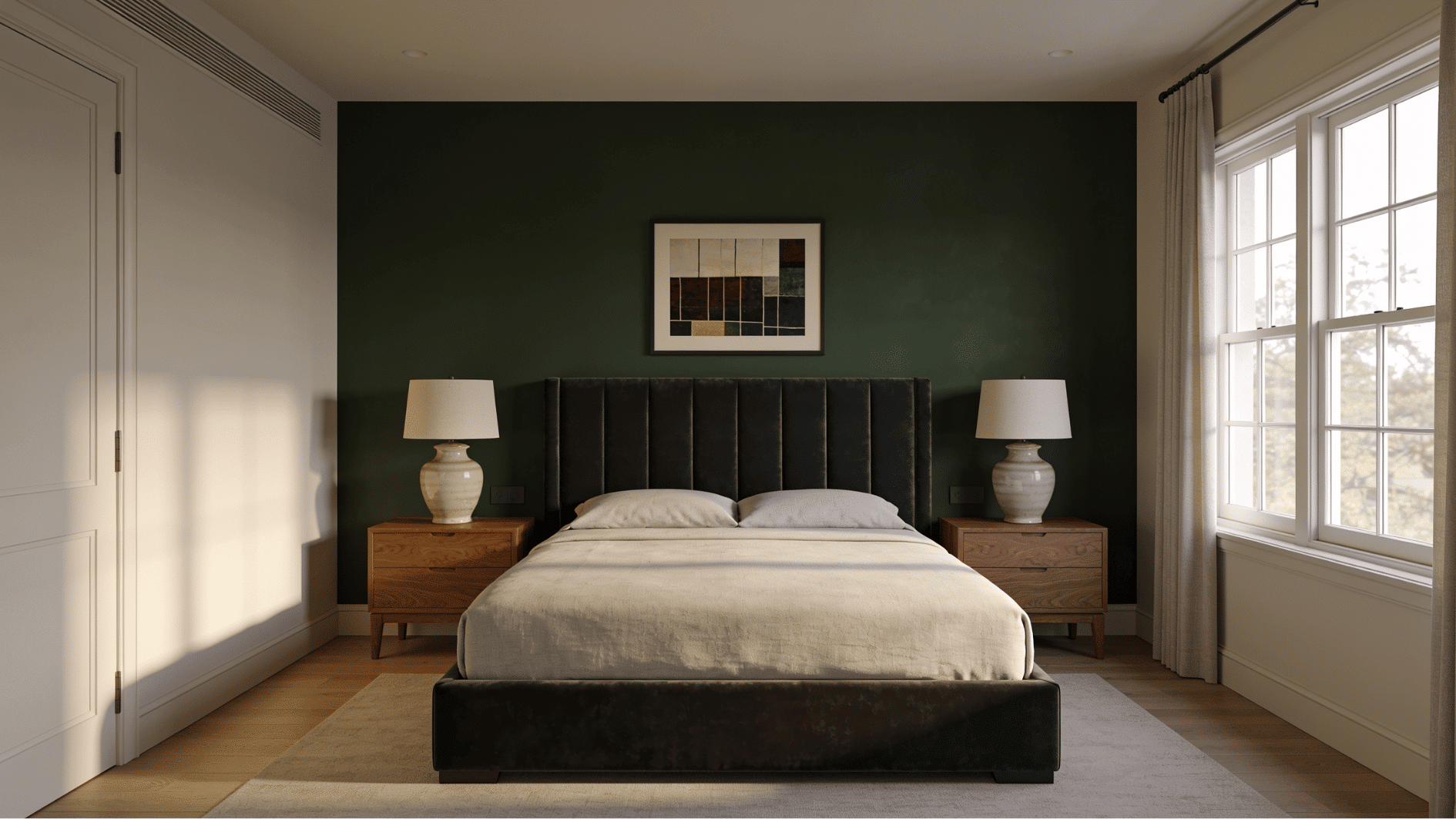
One strong wall behind the bed gives the entire room a sense of purpose and direction. It is one of the most reliable ways to bring order and intention to a bedroom without overcomplicating the design.
This centered setup also supports good feng shui for the bedroom because the bed feels grounded and easy to access from both sides.
- Elements: Statement headboard, symmetrical nightstands, centered art, wall sconces
- Key Features: Promotes equal access from both sides of the bed
- Best For: Rectangular rooms with one long, unobstructed wall
- Design Advantages: Easy to layer with textiles and lighting for added depth
My Tip: “Choose a wall opposite the door, it’s the first thing you see when you enter.”
2. The Floating Bed Configuration
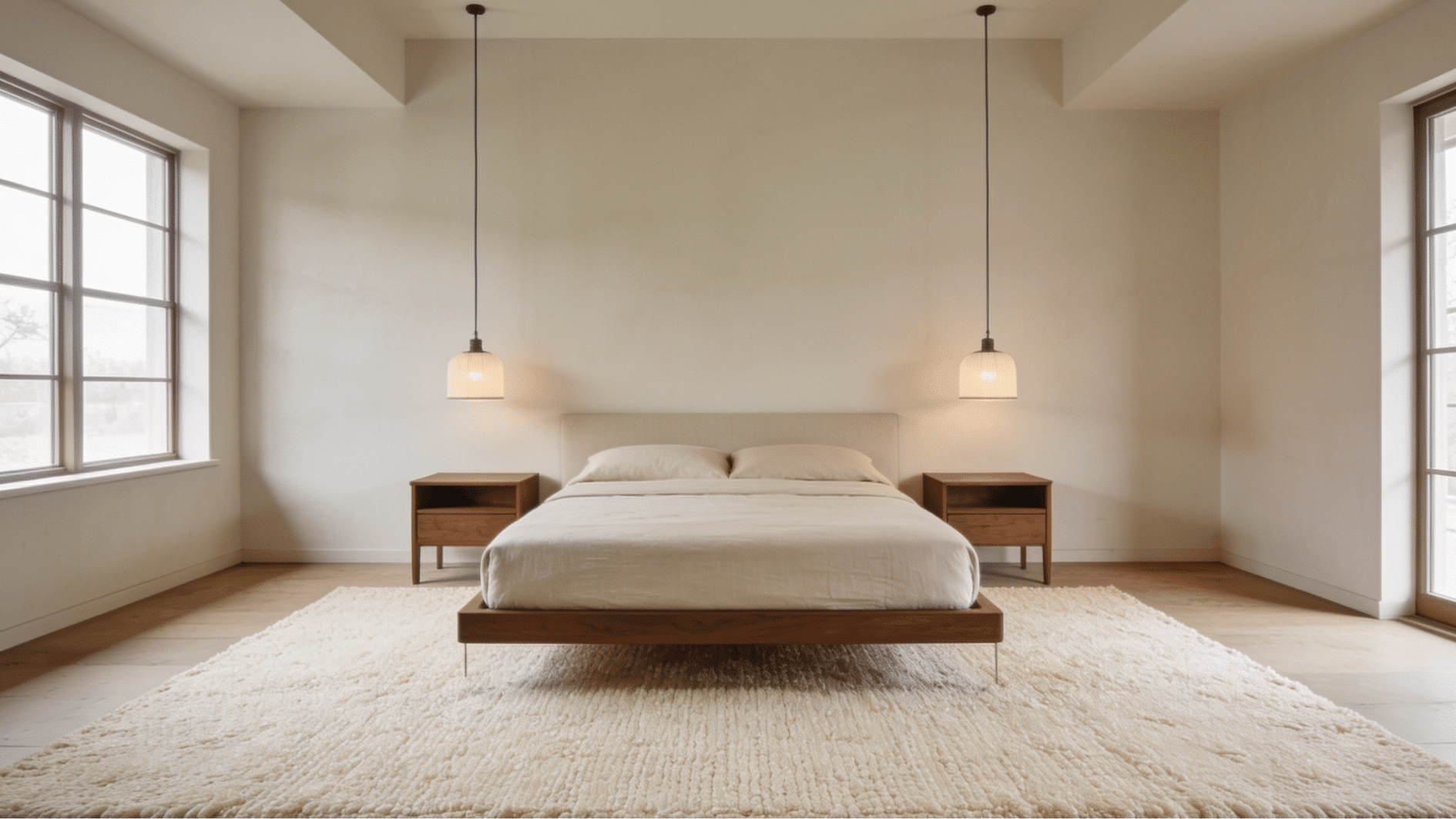
Moving the bed away from the walls entirely brings a sense of openness that immediately feels intentional. It is a bold move that sets the tone for a space designed to feel genuinely generous.
- Elements: Platform bed, matching nightstands, area rug, flanking pendants
- Key Features: Works beautifully with symmetrical furniture on each side
- Best For: Large rooms with generous square footage to spare
- Design Advantages: A large rug underneath anchors the entire arrangement visually
My Tip: “Extend the rug at least 24 inches beyond each side of the bed to ground the whole arrangement.”
3. The Corner Bed Layout
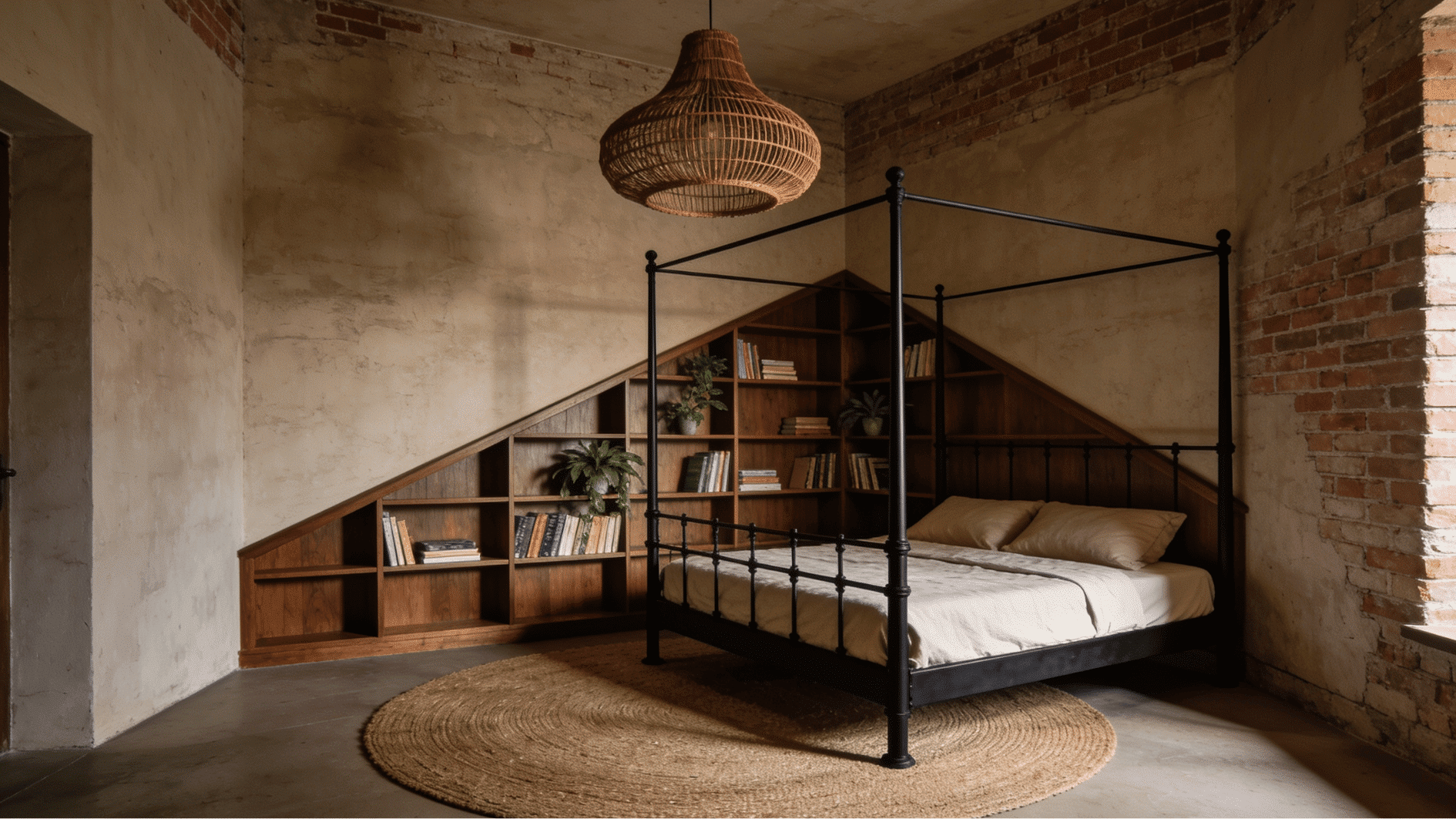
A diagonal bed placement is an unexpected choice that makes the room feel distinctive and thoughtfully considered.
- Elements: Canopy bed, corner shelving, angled rug, overhead pendant
- Key Features: Frees up significant wall space on two sides simultaneously
- Best For: Square rooms with no dominant feature wall
- Design Advantages: Freed walls suit full-length mirrors, wardrobes, or gallery displays
My Tip: “Use a round rug to soften the angles and keep the layout feeling balanced.”
4. The Built-In Headboard and Storage Wall
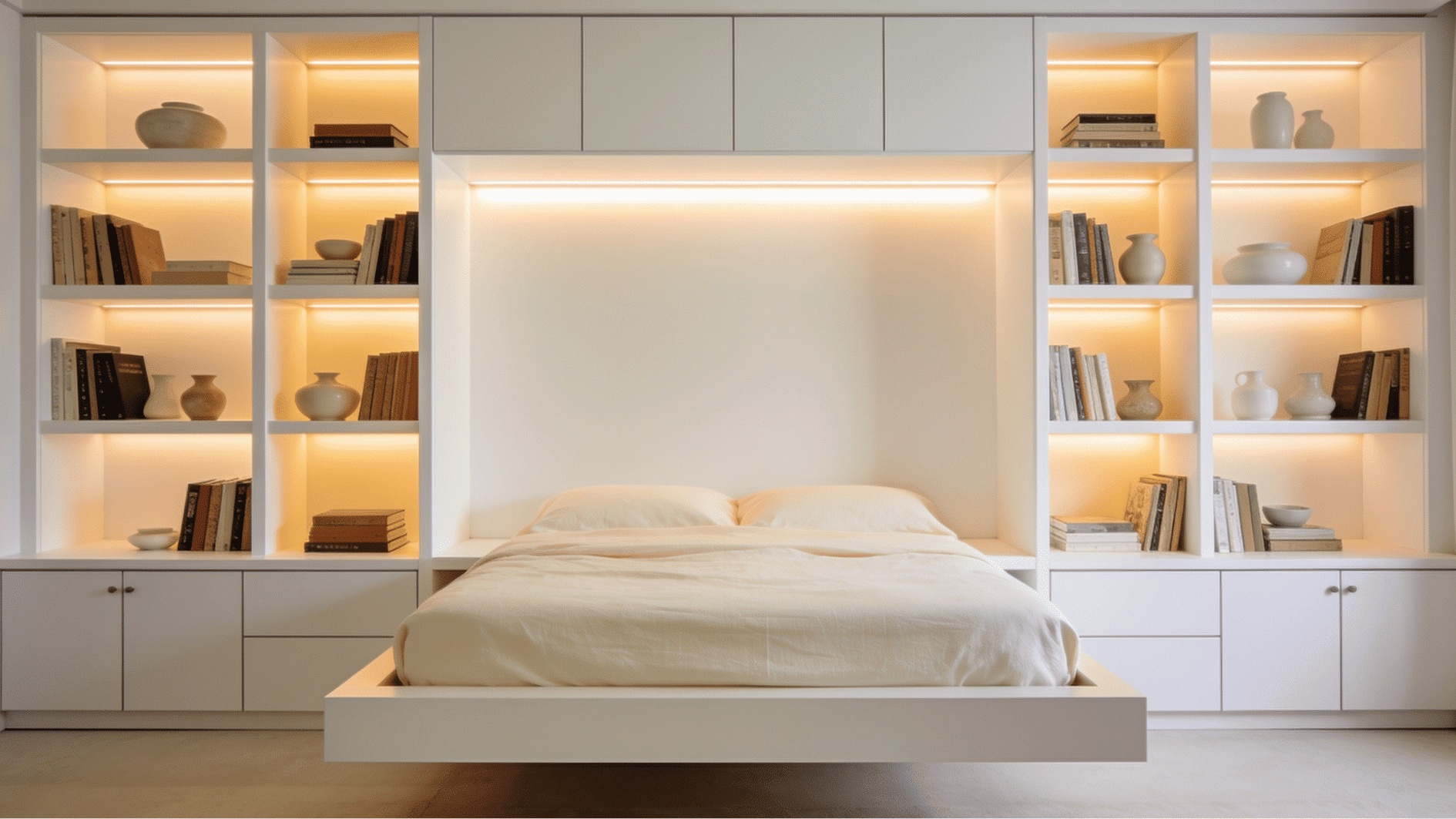
This approach turns the wall behind the bed into the most hardworking surface in the entire room. It delivers a result that feels architecturally considered rather than assembled from separate pieces.
- Elements: Custom built-in unit, open shelving, concealed cabinets, integrated reading lights
- Key Features: Floating nightstands can be built directly into the unit
- Best For: Rooms where floor space is limited but storage needs are high
- Design Advantages: Fully tailored so every compartment serves a specific purpose
My Tip: “Add warm LED strips inside the shelves for an instant hotel-suite atmosphere.”
5. The Bedroom Sitting Area Arrangement
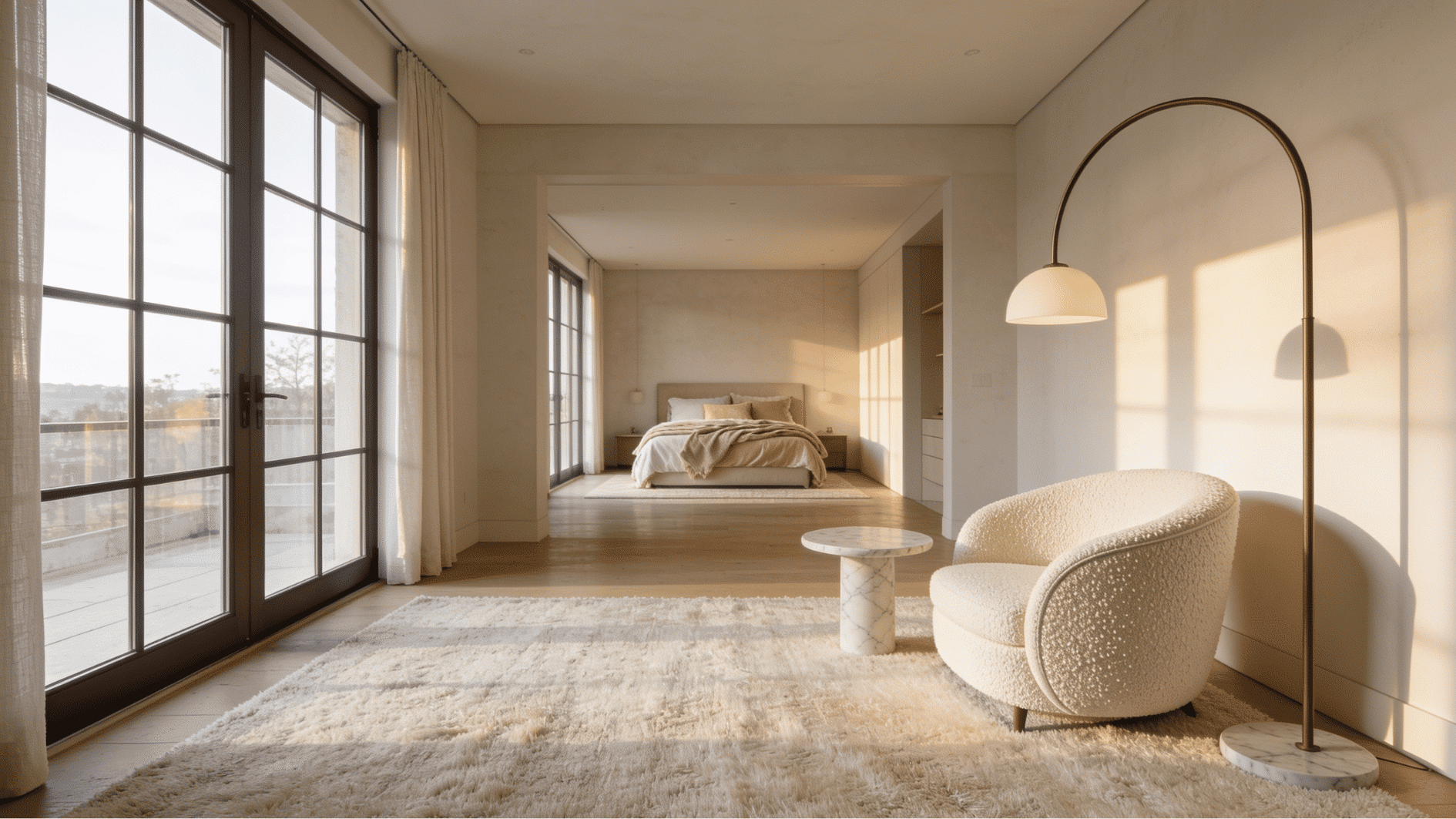
A second functional zone within the bedroom changes how the entire space is experienced throughout the day. It shifts the room from somewhere you sleep to somewhere you genuinely want to spend time.
- Elements: Accent chair, chaise or loveseat, floor lamp, defining area rug
- Key Features: A rug visually separates the seating zone from the sleeping area
- Best For: Homeowners who read, work, or unwind in their bedroom regularly
- Design Advantages: Introduces varied furniture silhouettes that add visual richness
My Tip: “Angle the seating slightly toward a window rather than placing it perfectly straight on.”
6. The Symmetrical Twin Nightstand Setup
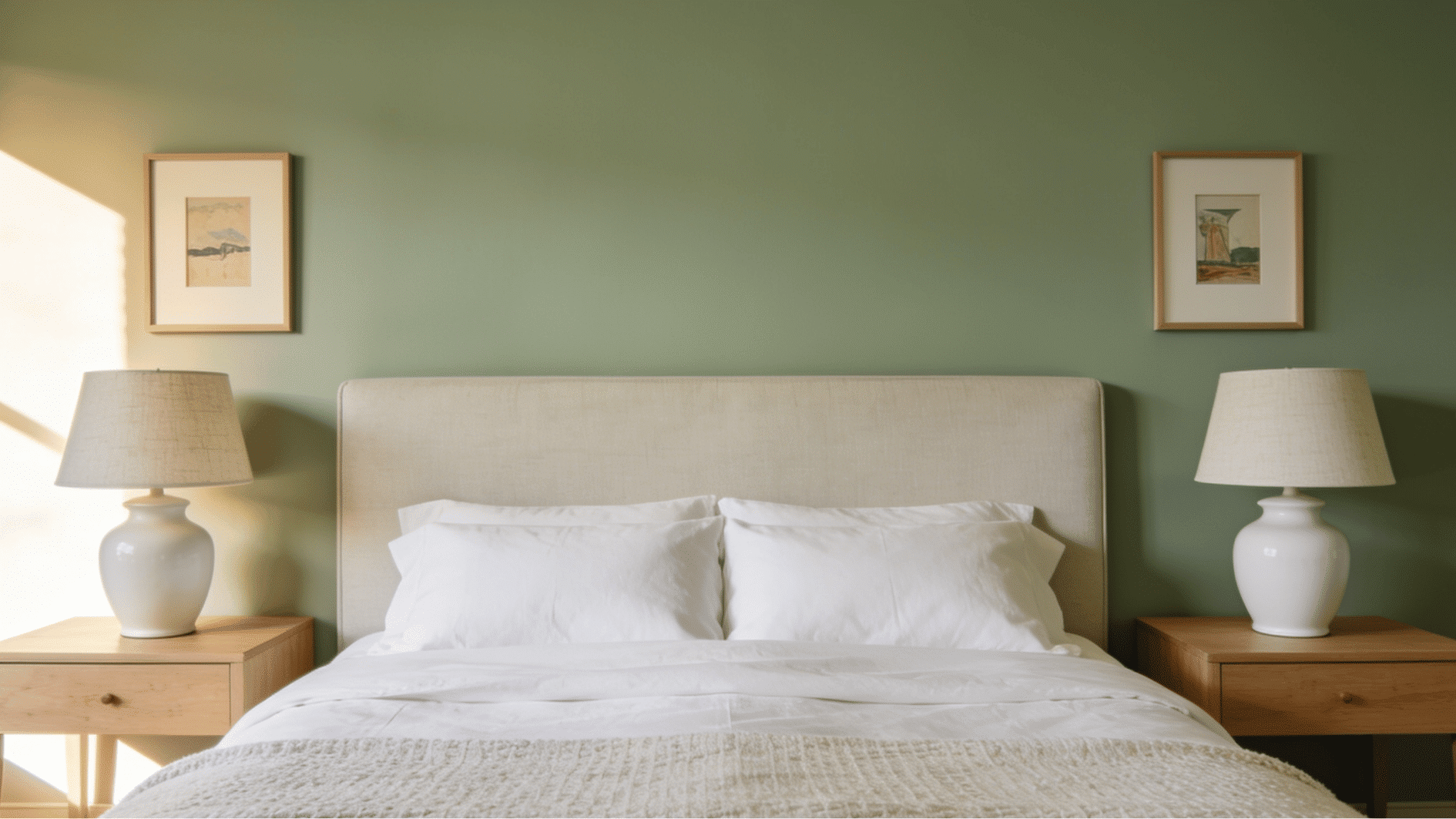
There is a reason this approach appears in every well-designed bedroom. It brings an effortless sense of calm and completeness that is hard to achieve any other way.
- Elements: Matching nightstands, identical table lamps, coordinated bedside accessories
- Key Features: Paired wall sconces free up nightstand surface space entirely
- Best For: Couples who each want equal, functional bedside storage
- Design Advantages: Identical lamps with slightly varied nightstands feel curated, not clinical
My Tip: “Pair with matching lamps, but add one small personal item on each nightstand so the setup feels balanced without looking too stiff.”
7. The Window-Facing Bed Position
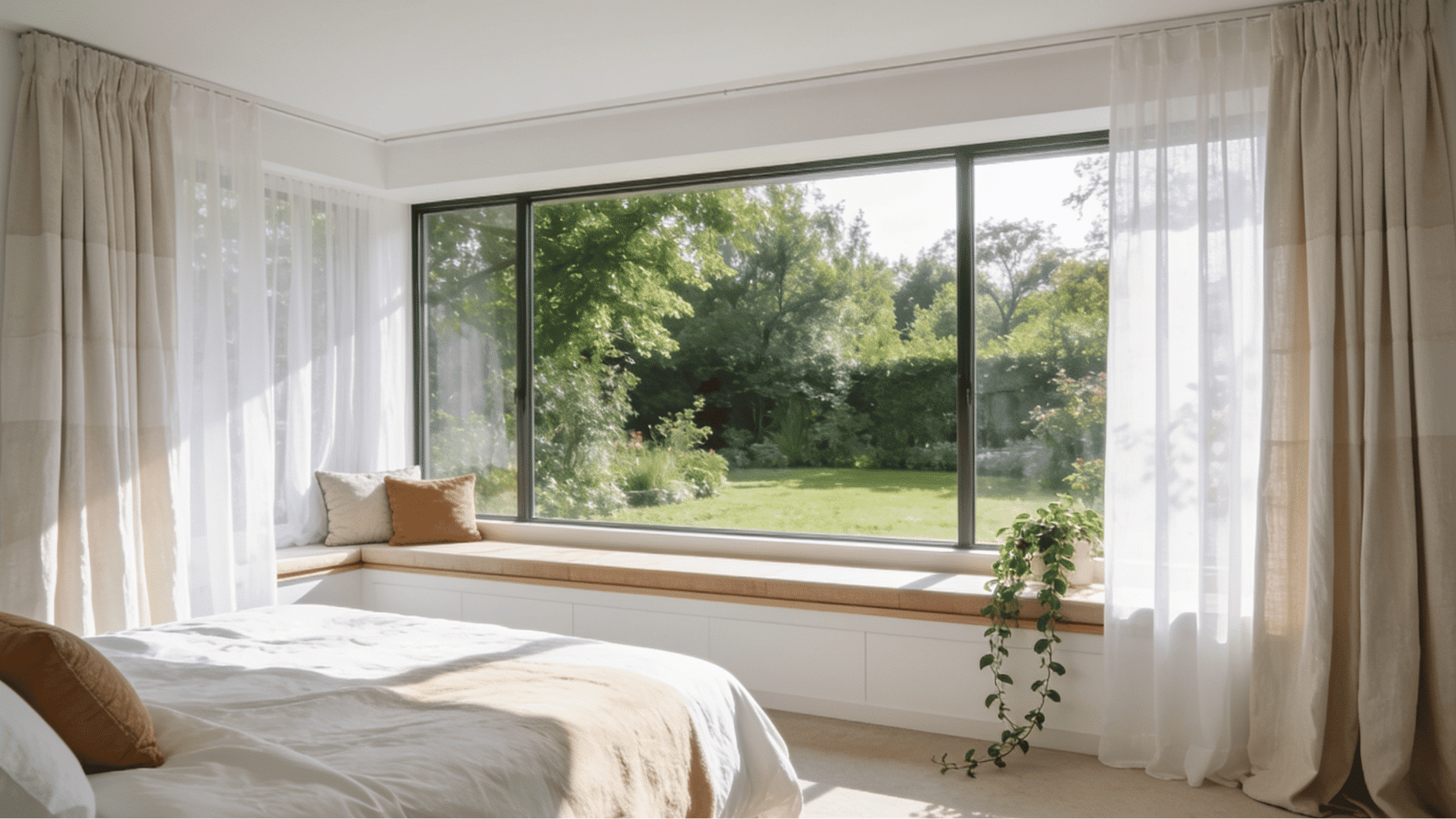
Waking up to natural light rather than a wall changes the entire tone of the morning. This placement connects the sleeping space to the rhythm of the day in a way that feels genuinely restorative.
- Elements: Layered shears and blackout curtains, window seat, greenery accents
- Key Features: South and east-facing windows offer the best quality of morning light
- Best For: Rooms with a garden view, skyline, or strong natural light source
- Design Advantages: Sheer and blackout layering gives full control over brightness at any hour
My Tip: “Keep sheers closest to the glass and heavier drapes on the outside to preserve the view during the day.”
8. The Accent Wall Behind the Bed
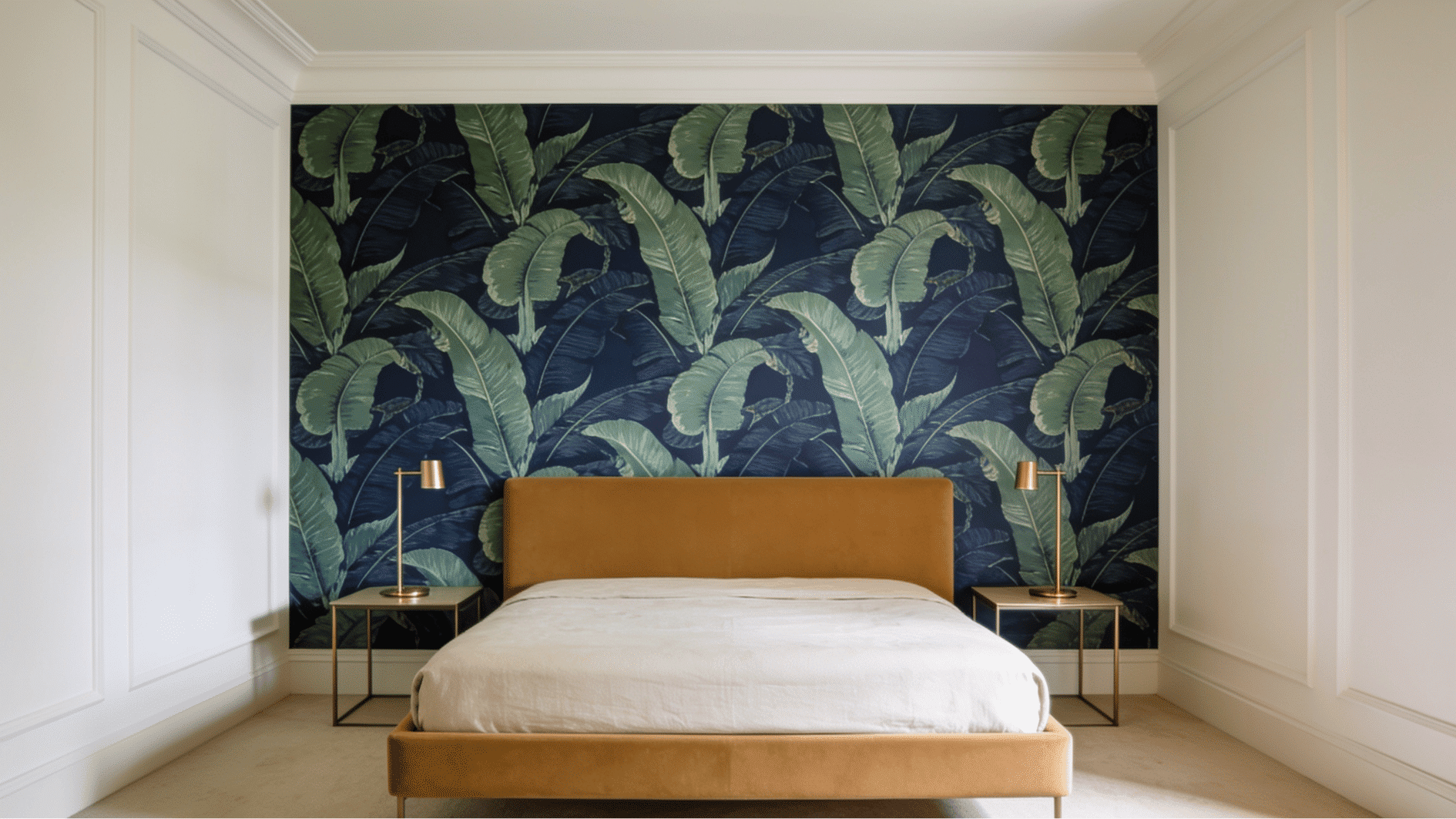
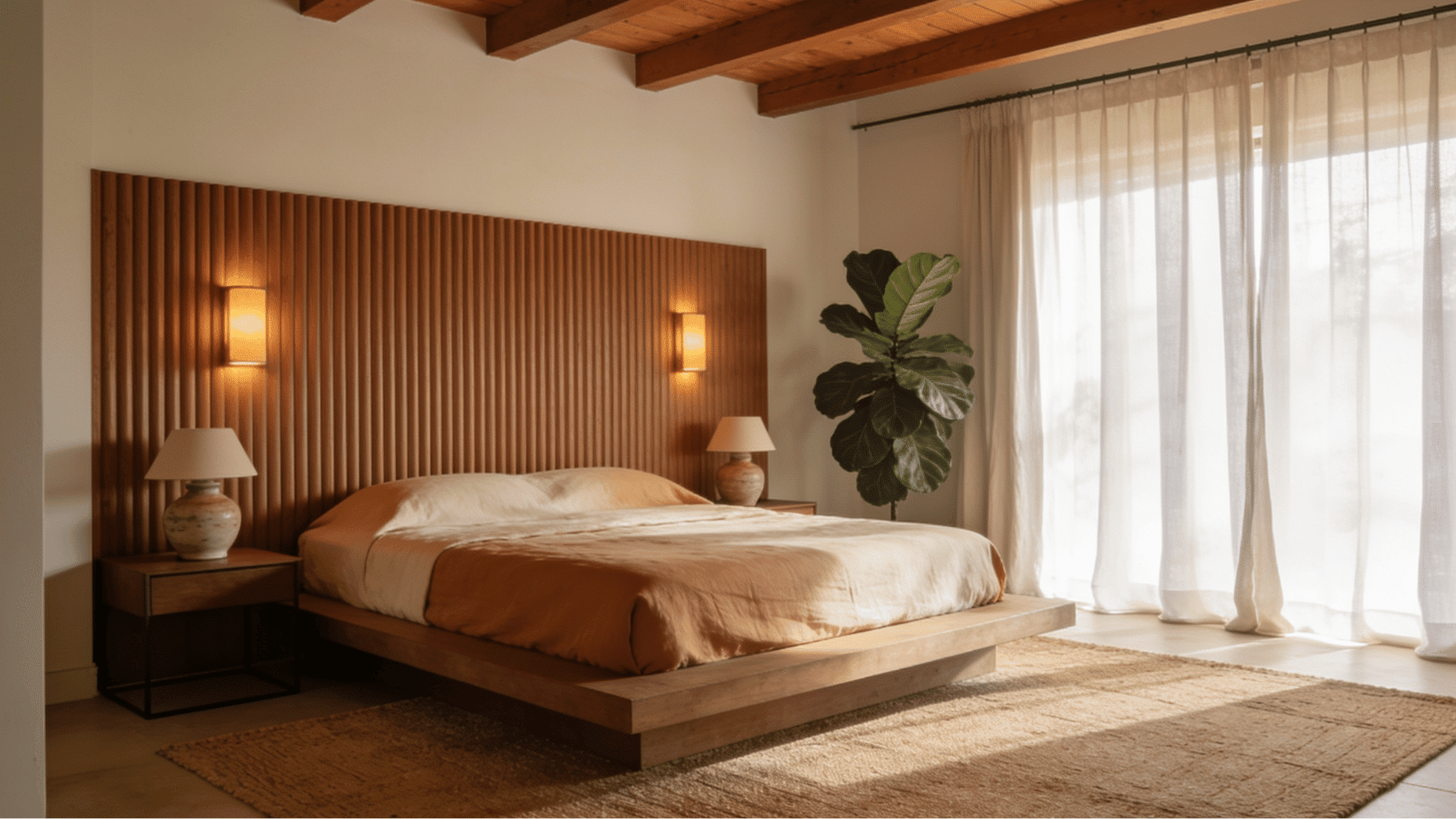
A single treated wall can do more for a bedroom’s atmosphere than almost any other design decision. It gives the room a strong identity and a sense of intention without requiring any changes to the furniture or floor plan.
- Elements: Wallpaper mural, limewash paint, fluted panelling, or stone veneer
- Key Features: Removable wallpaper makes this fully renter-friendly
- Best For: Anyone wanting high impact without structural changes
- Design Advantages: Keeps the rest of the room calm while still feeling layered and considered
My Tip: “Wrap the treatment a few inches onto adjacent walls so it reads as architectural, not just decorative.”
9. The Low-Profile Platform Bed Layout
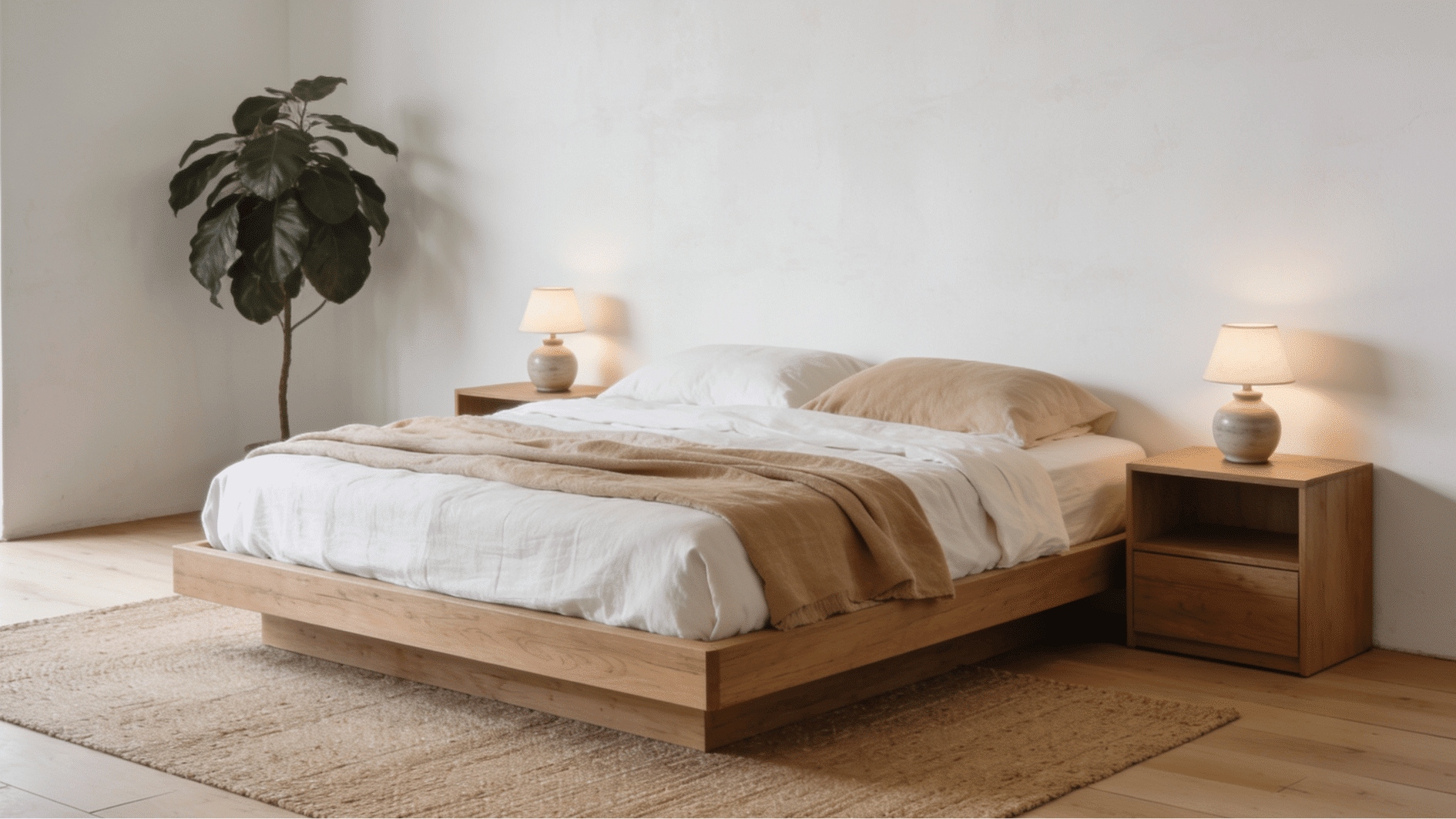
Lowering the bed frame changes the entire visual language of the room. It feels calmer, more grounded, and somehow more deliberate as a result.
- Elements: Low platform frame, linen bedding, floor-level lighting, minimal nightstands
- Key Features: Pairs naturally with Japandi, Scandinavian, and organic modern styles
- Best For: Rooms with standard or lower ceiling heights
- Design Advantages: Encourages a cohesive, floor-level approach to all surrounding furniture
My Tip: “Keep every other furniture piece low as well so the consistency reads throughout the whole room.”
10. The Walk-In Wardrobe Integration
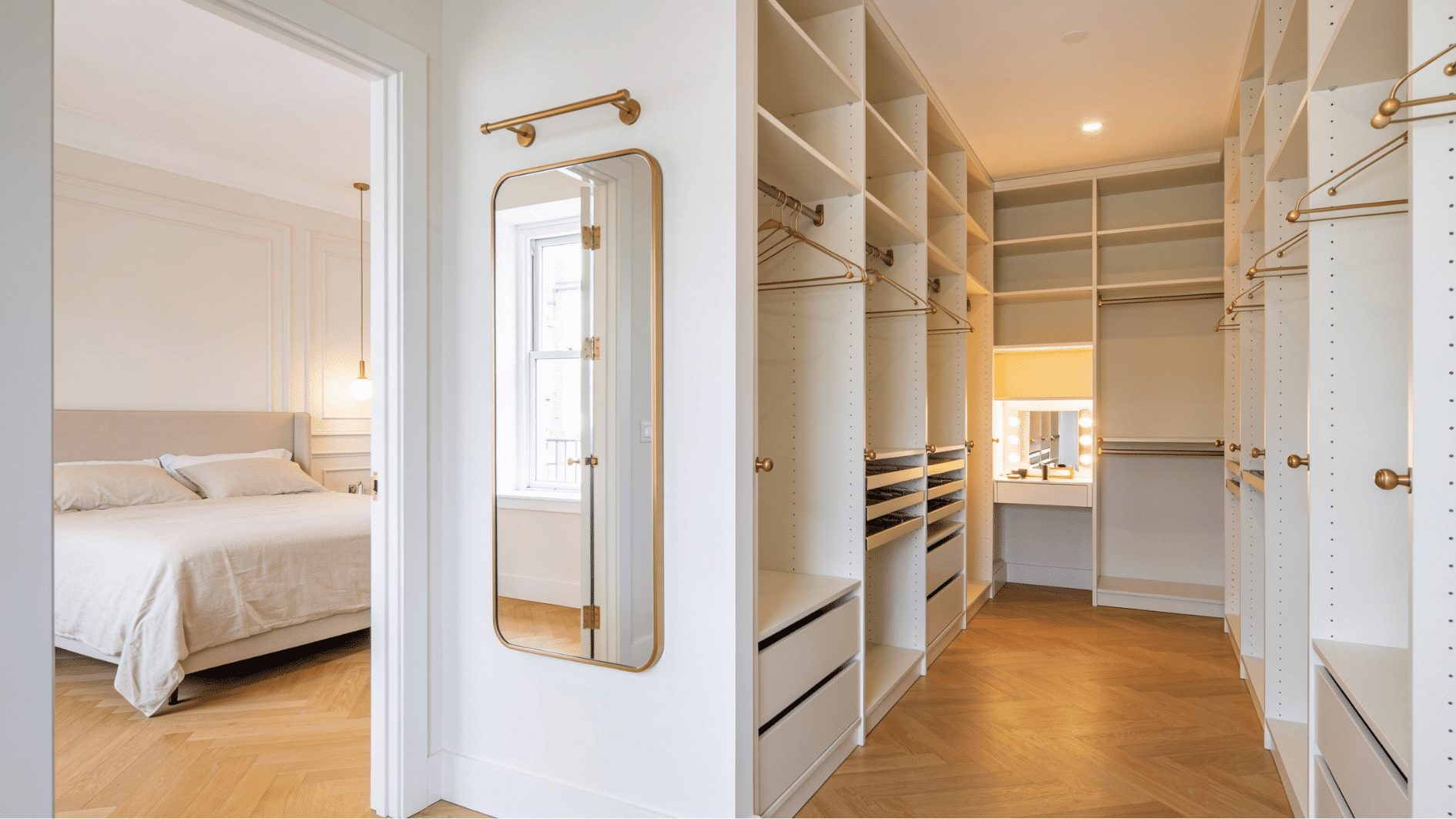
When the sleeping space and dressing space work together seamlessly, the entire morning routine feels different. This is one of those master bedroom layout decisions that improves daily life as much as it improves the room’s appearance.
- Elements: Wardrobe alcove, full-length mirror, vanity with lighting, clear flow path
- Key Features: Matching flooring across both spaces makes them read as one
- Best For: Large rooms with an adjacent alcove or spare room to convert
- Design Advantages: Keeps all clothing storage completely out of the sleeping zone
My Tip: “Use the same flooring throughout both spaces so they feel designed as one.”
11. The Canopy Bed Centerpiece
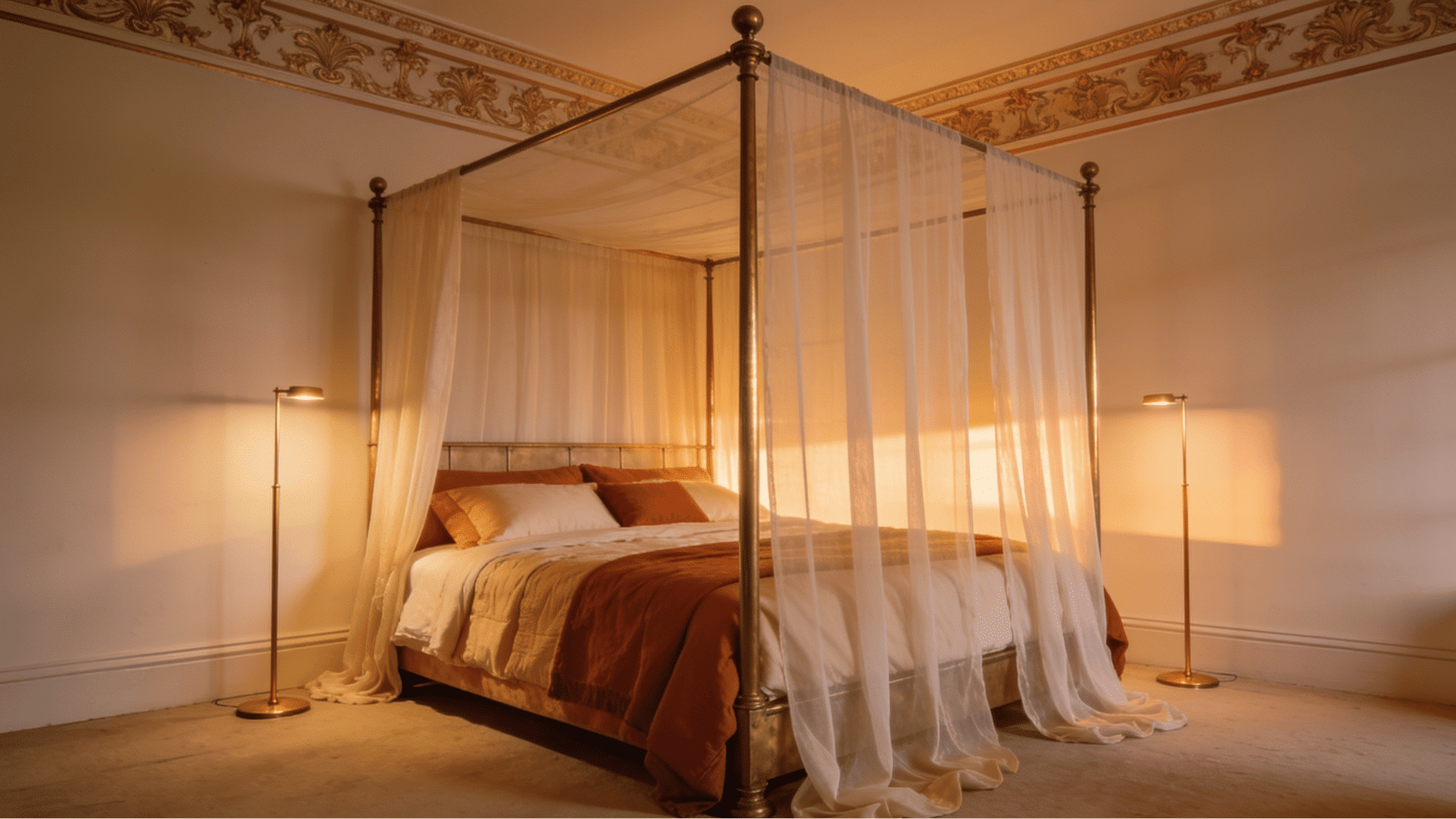
Few furniture pieces carry the same visual authority as a canopy bed. It commands the room without competing with anything around it and adds a layer of drama that transforms the sleeping experience entirely.
- Elements: Four-poster frame, draped fabric, ceiling-height curtains, rich layered bedding
- Key Features: A bare metal or wood frame works just as powerfully without any fabric
- Best For: Rooms with higher ceilings and a strong design direction
- Design Advantages: The vertical frame draws the eye upward and emphasises ceiling height
My Tip: “Skip the fabric on a modern frame and let the bare structure speak on its own.”
12. The Layered Lighting Plan
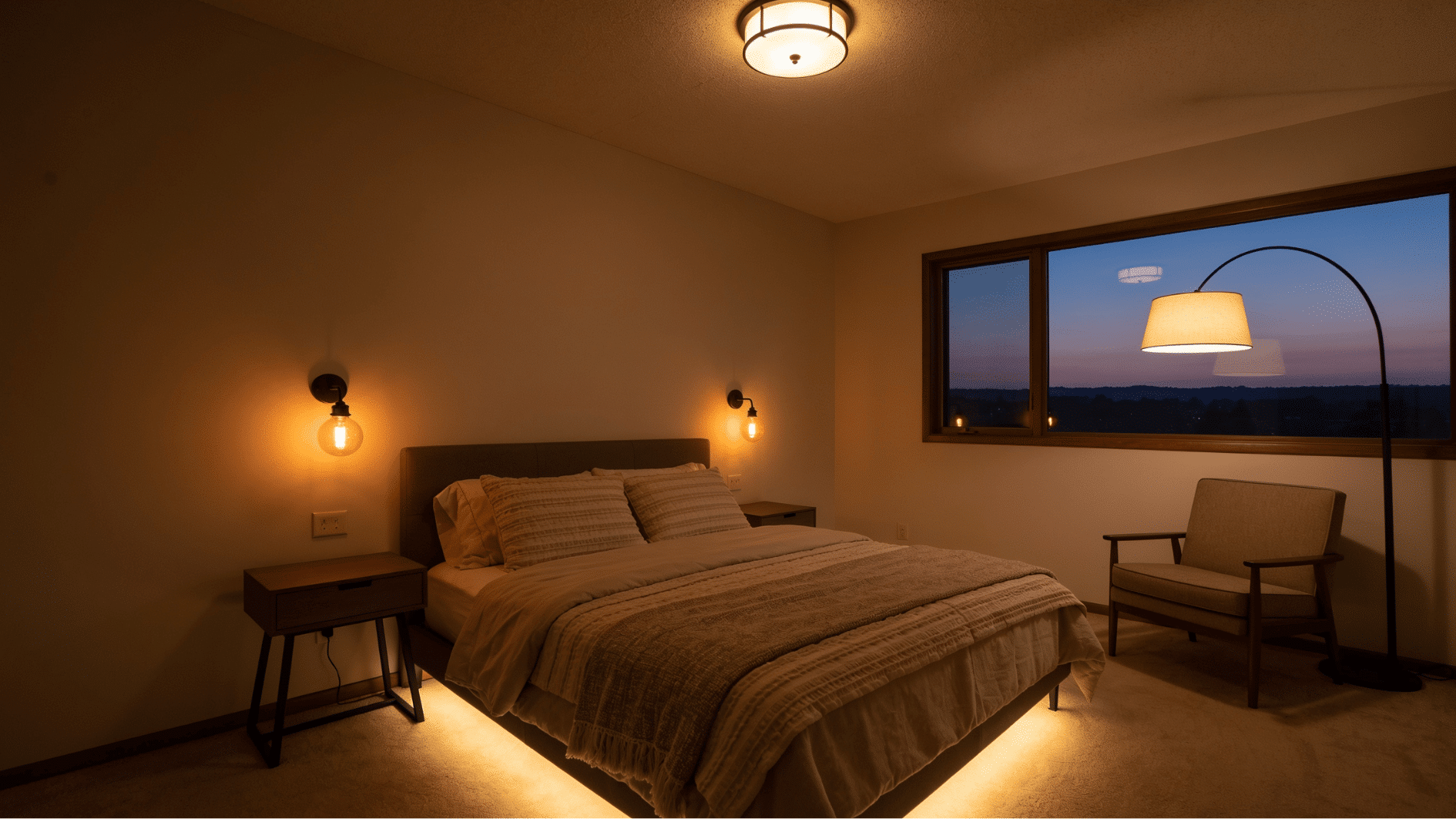
The difference between a flat bedroom and one that feels warm and considered often comes down entirely to how the lighting is handled. Getting this right transforms how every other element in the room is perceived after dark.
- Elements: Dimmer ceiling fixture, bedside sconces, corner floor lamp, under-bed LED strips
- Key Features: A single smart dimmer controlling all sources makes adjustments effortless
- Best For: Anyone wanting full atmospheric control without getting out of bed
- Design Advantages: Reveals texture, depth, and warmth in materials that flat overhead light conceals
My Tip: “Install one smart panel that controls every light in the room from a single point.”
13. The Bedroom Bench at the Foot of the Bed
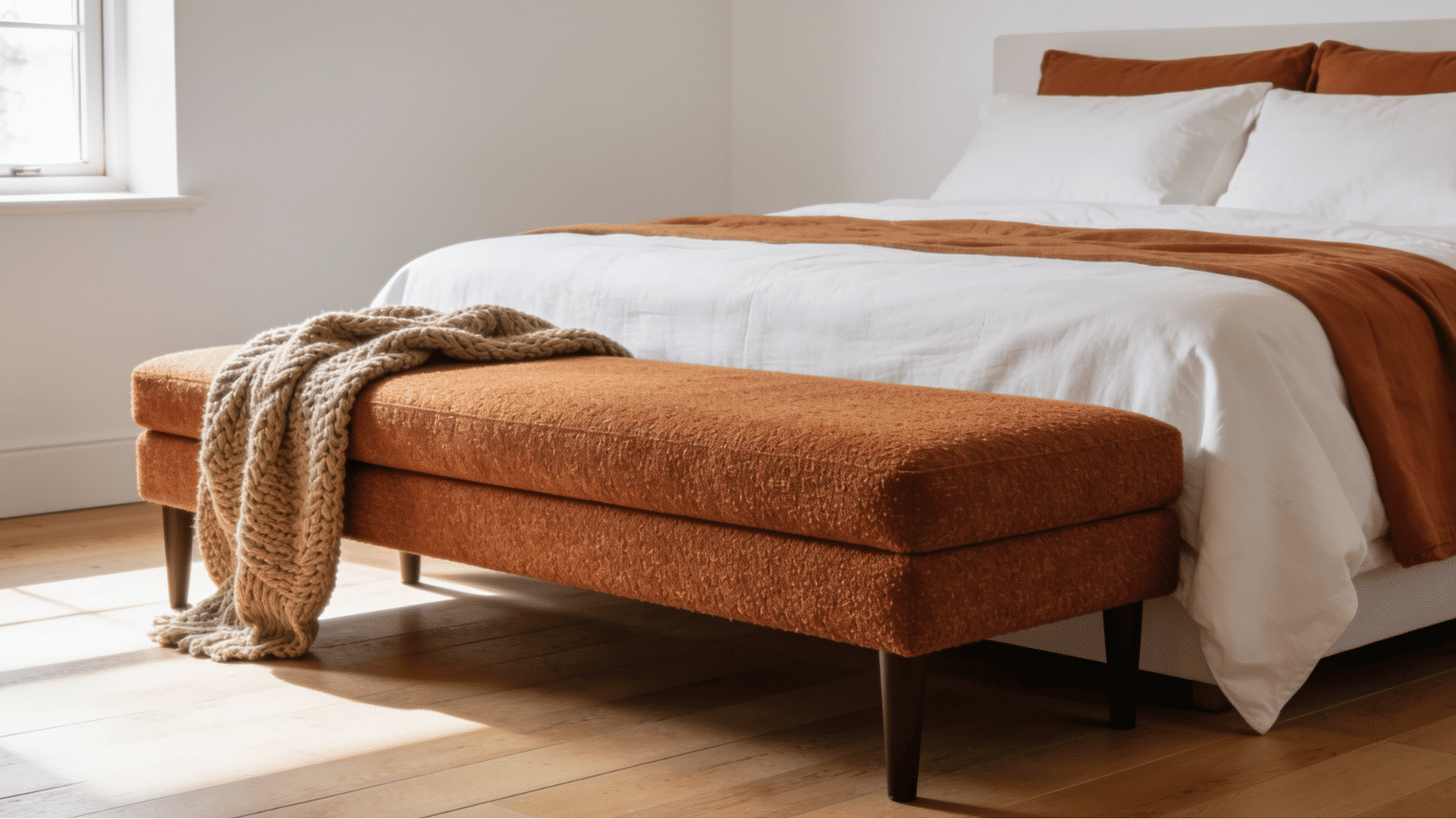
It is often the smallest additions that signal the most care in a room’s design. A bench is one of those quiet details that separates a room that feels genuinely complete from one that simply has furniture in it.
- Elements: Upholstered bench or storage ottoman, styled throw blanket
- Key Features: Two-thirds the bed width is the ideal proportion, never the full width
- Best For: Any style of bedroom where the bed is the primary focal point
- Design Advantages: Provides a practical perch for dressing without adding visual clutter
My Tip: “A draped throw across one end of the bench adds texture without looking too styled.”
14. The Gallery Wall Bedroom Feature
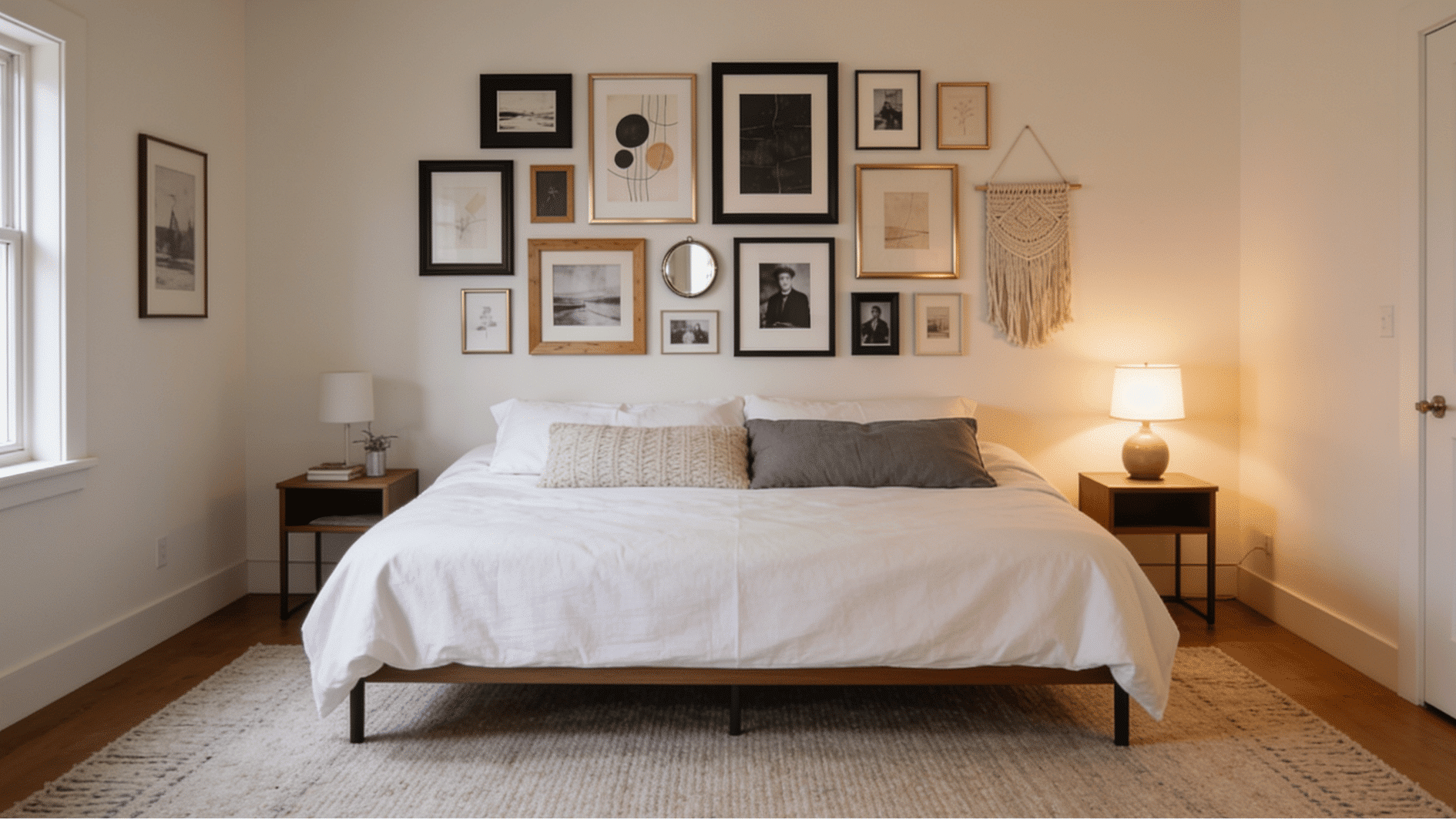
Replacing a headboard with a curated arrangement of art and objects creates something no furniture showroom can replicate. It is one of the most expressive and personal things you can do to a bedroom wall.
- Elements: Framed prints, photographs, mirrors, sculptural objects, wall hangings
- Key Features: Arrange on the floor first and photograph before committing to the wall
- Best For: Renters and those who want a deeply personal, non-permanent feature
- Design Advantages: Can be updated, rearranged, or expanded over time without starting over
My Tip: “Mix frame finishes but keep the mat colour consistent so the arrangement holds together visually.”
15. The Neutral Tonal Bedroom Palette
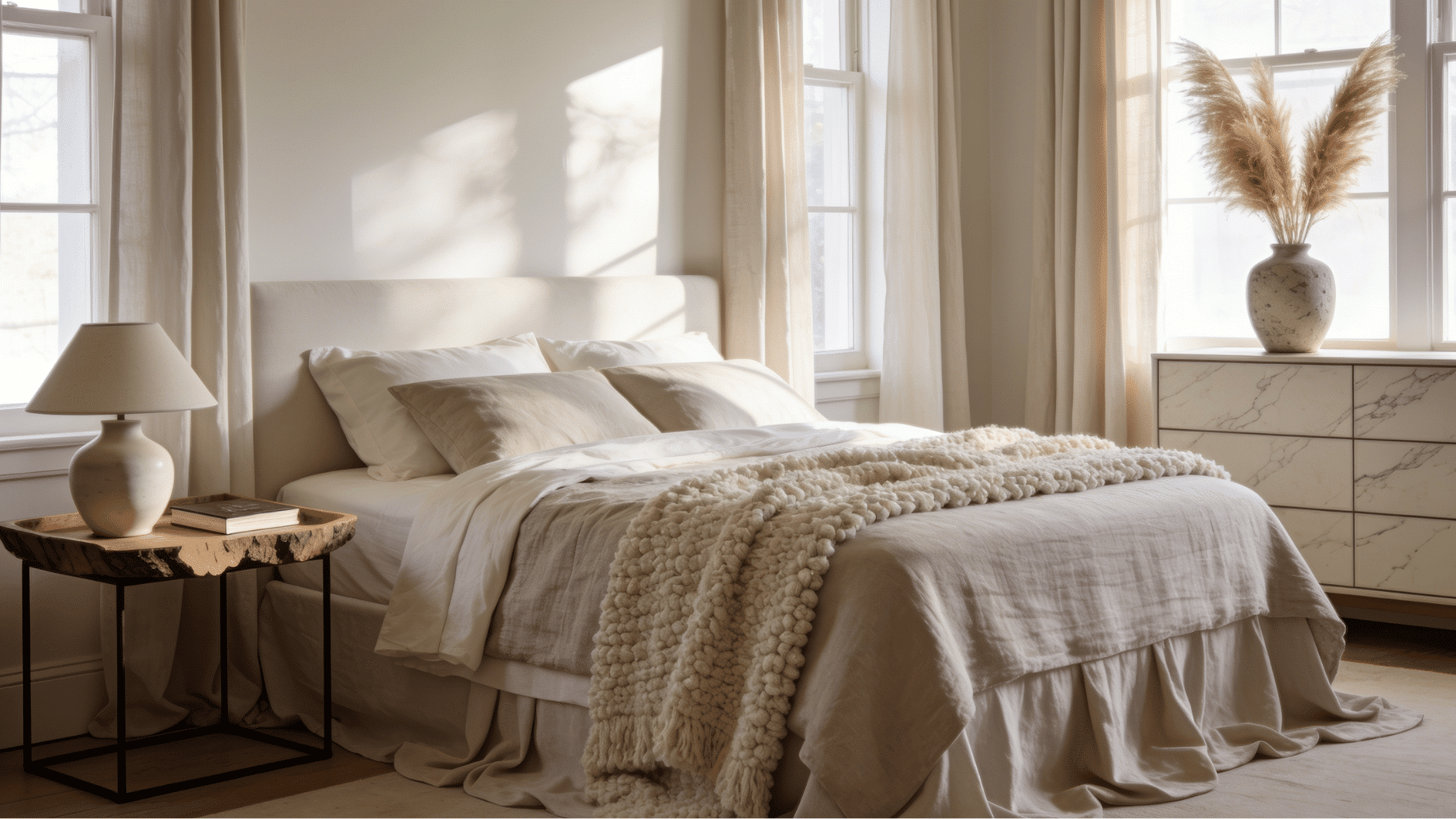
When every surface belongs to the same colour family, the room achieves a cohesion that feels effortless and deeply calm. It is a palette approach that never dates and only improves as more layers are added over time.
- Elements: Layered neutral bedding, tone-on-tone curtains, linen, boucle, and cotton textiles
- Key Features: Texture becomes the primary design tool, rough beside smooth beside woven
- Best For: Anyone building a restful, long-lasting bedroom scheme on a considered budget
- Design Advantages: Seasonal accessories in the same tonal range refresh the room without disrupting it
My Tip: “Add one warm wood element such as a tray, a frame, or a stool to stop the palette from feeling cold.”
16. The Mirrored Furniture and Reflective Surface Layout
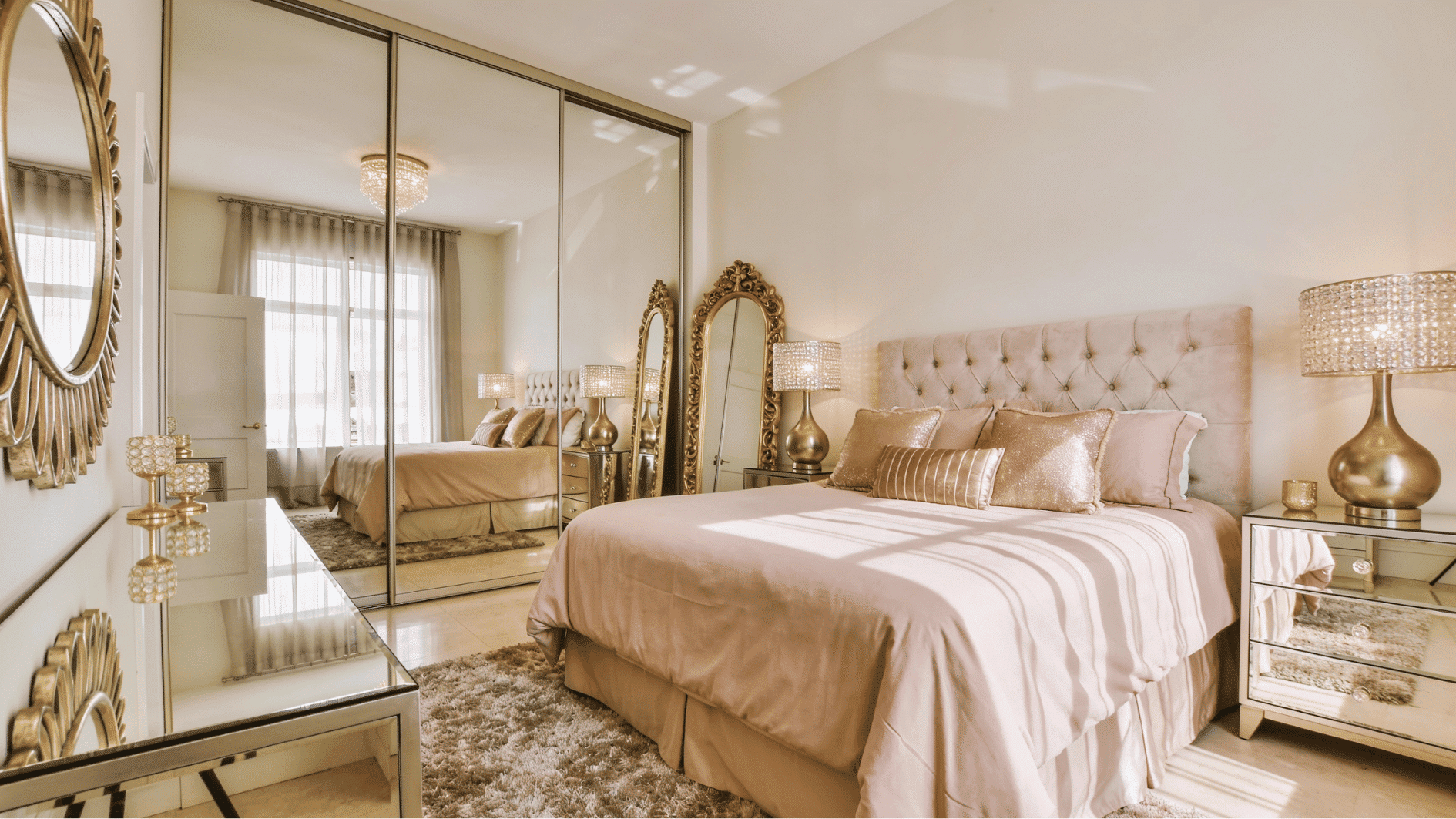
Reflective surfaces multiply the light already in the room and make the space feel considerably larger than its actual footprint. It is a high-impact approach that requires no structural work whatsoever.
- Elements: Mirrored wardrobe doors, reflective dresser, large floor mirror, metallic lamp bases
- Key Features: Positioning mirrors to face a window doubles the natural light in the room
- Best For: Smaller bedrooms that need to feel more open and generous
- Design Advantages: Achieves a glamorous, polished result purely through furniture and accessory choices
My Tip: “Angle mirrors toward a window rather than the bed so the light bounces without the discomfort of waking up to your own reflection.”
17. The Biophilic Bedroom Design
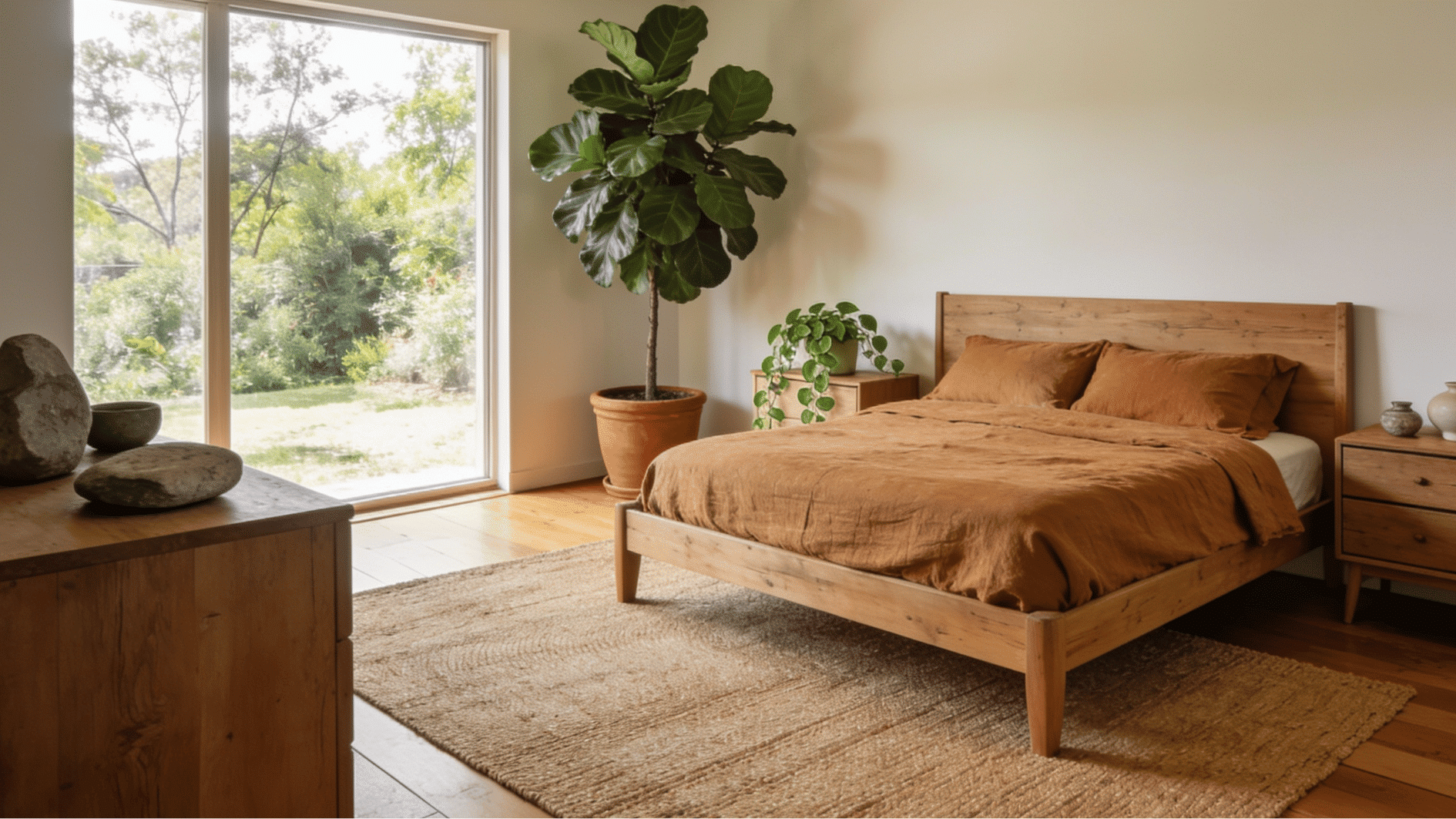
Bringing natural materials and living elements into the bedroom creates a space that works with the nervous system rather than against it.
- Elements: Indoor plants at varied heights, natural wood furniture, stone or terracotta accessories, jute rug, linen bedding
- Key Features: Grouping plants in odd numbers at three different heights looks most natural
- Best For: Wellness-focused homeowners drawn to Japandi or organic modern styles
- Design Advantages: Natural materials age beautifully and only improve the room’s character over time
My Tip: “One large-leaf plant in the corner does more for the room than five small ones scattered around it.”
It’s a Wrap
And there you have it: master bedroom layout ideas that actually move the needle. Pick what works for your space, mix a couple of ideas together, and don’t overthink it.
A better bedroom isn’t always about buying new things. Sometimes it’s just about shifting what’s already there. Start with one change, see how it feels, and go from there.
The room you’ve been wanting is closer than you think!
Frequently Asked Questions
What is the Minimum Room Size Needed to Float a Bed Away from the Walls?
A floating bed works best in rooms of at least 12×14 feet to allow comfortable clearance on all sides.
Can I Combine Multiple Layout Ideas in One Bedroom?
Yes, layouts like layered lighting, a foot bench, and a neutral palette can coexist without competing.
Are Master Bedroom Layout Ideas Applicable to Rented Spaces?
Yes, options like removable wallpaper, gallery walls, and reflective furniture require zero permanent alterations