A box spring is one of those bed components that many people have but rarely think about. It usually stays out of sight and out of mind.
I’ve noticed that questions about box springs often come up when it’s time to buy a new mattress. One of the most common questions is, “What is a box spring used for?”
In this post, I’ll explain what a box spring is, how it supports a mattress, the benefits it can offer, and when it makes sense to use one.
By the end, you’ll have a clearer understanding of whether a box spring belongs in your bed setup and how it can affect comfort and support.
What is a Box Spring Used For?
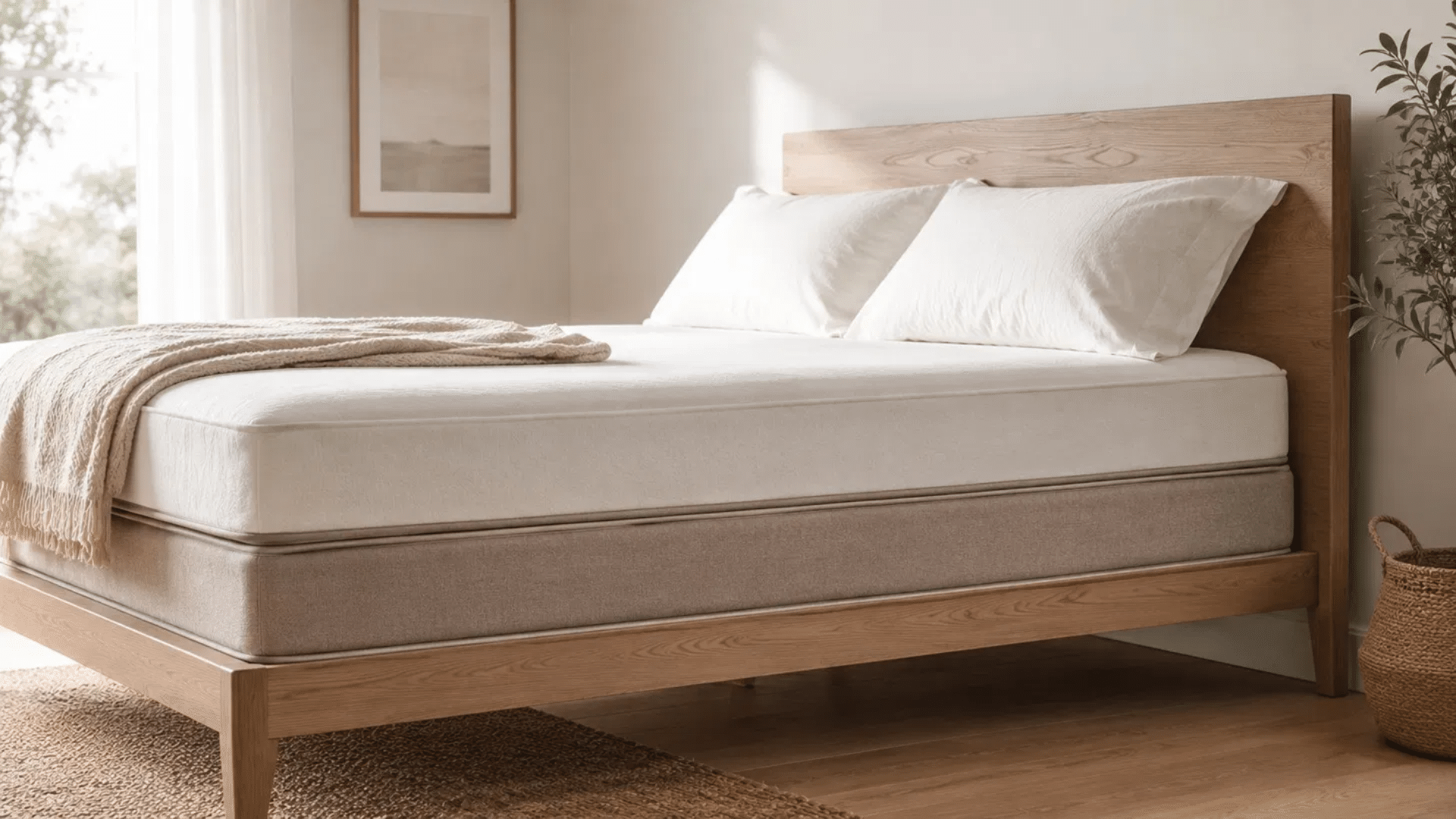
A box spring is a bed base that sits between a mattress and a bed frame. It is typically made with a wooden or metal frame and covered in fabric.
Its purpose explains what a box spring is used for in a bed setup. It supports the mattress, creates a more stable sleeping surface, and helps absorb everyday pressure from sitting, lying down, and moving around in bed.
In addition to providing support, a box spring can add height to the bed, improve airflow beneath the mattress, and help it maintain its shape over time.
Benefits of Using a Box Spring
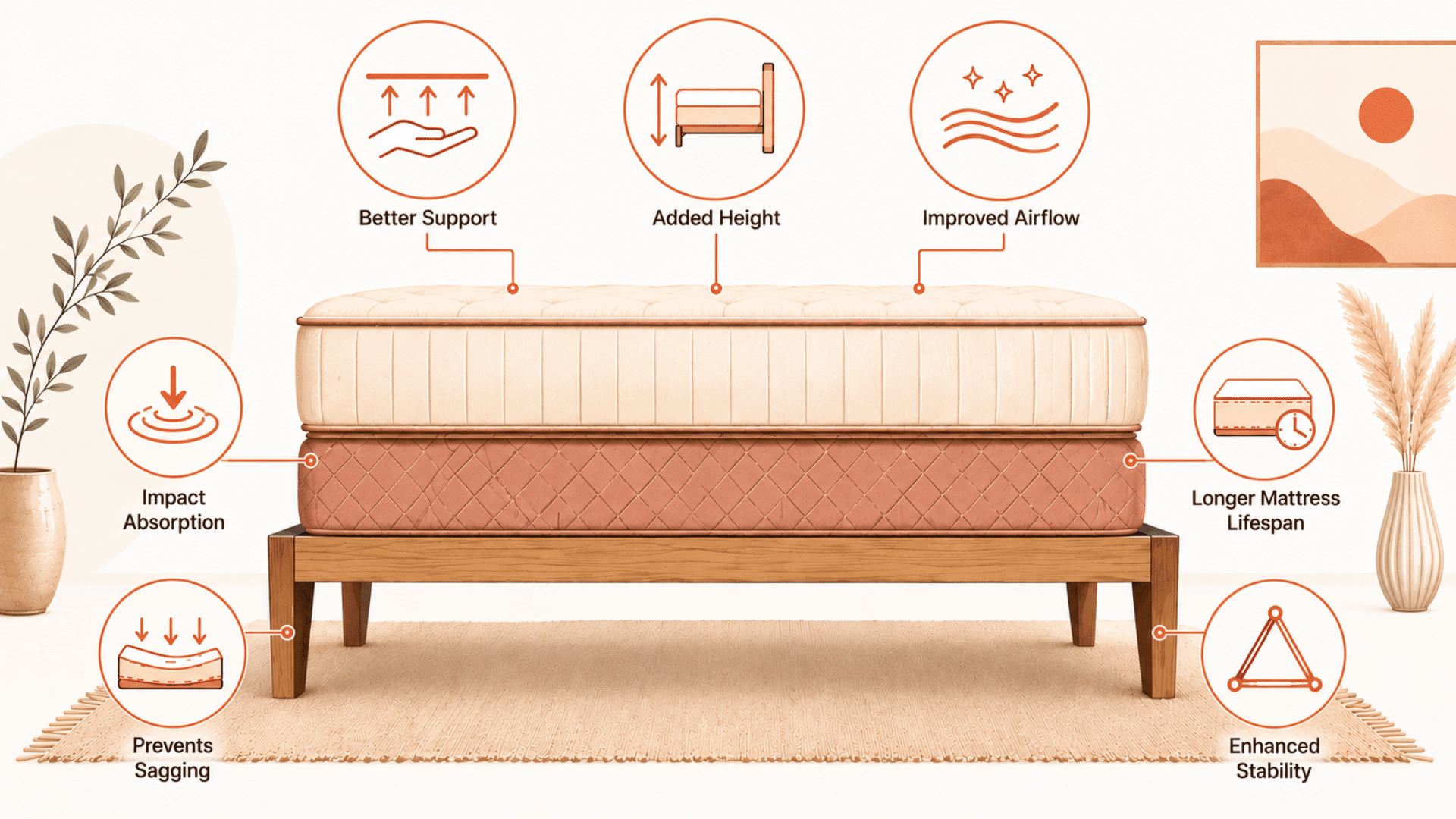
A box spring offers several advantages beyond simply supporting a mattress. Depending on your bed setup, it can contribute to comfort, stability, and long-term mattress performance.
- Provides Better Support: A box spring creates a stable foundation that helps distribute body weight evenly across the mattress. This can contribute to a more balanced and comfortable sleep surface.
- Adds Bed Height: It raises the mattress higher off the floor, which many people find more comfortable for getting in and out of bed. The added height can also make the bed feel more substantial.
- Improves Airflow: The space created beneath the mattress allows air to circulate more freely. Better airflow can help reduce moisture buildup and support a fresher sleep environment.
- Absorbs Everyday Impact: A box spring helps manage some of the pressure caused by sitting, lying down, and changing positions throughout the night. This can reduce stress on the mattress over time.
- Supports Mattress Longevity: When used with a compatible mattress, a box spring can help minimize uneven wear. This added support may help the mattress maintain its shape and performance for longer.
- Reduces Mattress Sagging: By providing consistent support underneath, a box spring can help prevent parts of the mattress from sinking prematurely. This can lead to a more even sleep surface over time.
- Improves Overall Bed Stability: A quality box spring helps keep the mattress properly supported and aligned on the bed frame. This can reduce movement and make the entire bed feel more secure.
Do You Need a Box Spring?
Not every mattress requires a box spring. The right choice depends on the type of mattress you have and the kind of support your bed frame provides.
I’ve found that many people assume every mattress needs a box spring, but that isn’t always the case with modern mattress designs.
Traditional innerspring mattresses often work well with box springs because they are designed to benefit from the added support and shock absorption. In these cases, a box spring can help the mattress perform as intended.
Many modern memory foam, latex, and hybrid mattresses are built to work with solid foundations or platform beds instead. Support needs can vary for hybrid mattresses, so it is best to check the brand’s base recommendations before using a box spring
Before choosing a box spring, it’s always a good idea to check the mattress manufacturer’s recommendations.
Which Mattresses Work Best with a Box Spring?
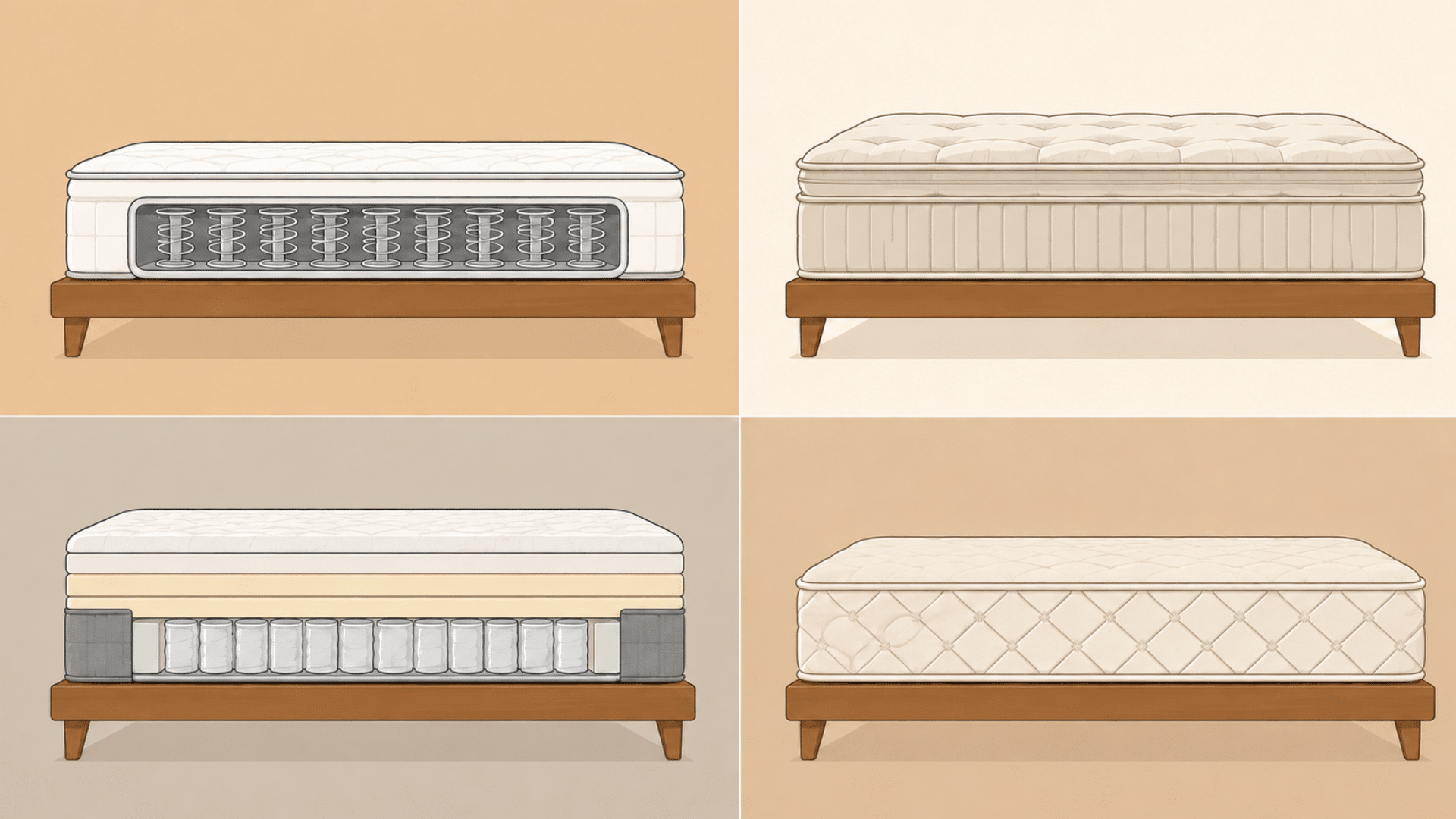
While not every mattress is designed for a box spring, some types can benefit from the added support and height it provides. The following mattress types are generally the most compatible with a box spring.
- Innerspring Mattresses: These are the most common mattresses paired with box springs and are often designed to work together.
- Pillow Top Mattresses: Many pillow top models are compatible with box springs, provided the manufacturer recommends this setup.
- Some Hybrid Mattresses: Certain hybrid mattresses can be used with a box spring, though support requirements vary by brand and model.
- Older Mattress Models: Traditional mattress designs frequently rely on box springs to provide proper support and maintain comfort.
Before using a box spring, it’s always worth checking the manufacturer’s guidelines to ensure compatibility with your mattress.
Box Spring vs. Foundation: What’s the Difference?
Box springs and foundations both support a mattress, but they are built differently. Box springs offer more flexibility, while foundations provide a firmer and more solid surface.
Choosing the right option depends on your mattress type and support needs.
| Feature | Box Spring | Foundation |
|---|---|---|
| Construction | Contains springs or a metal grid | Made of wood, metal, or slats |
| Support | More flexible | More firm and stable |
| Best For | Innerspring mattresses | Foam, latex, and hybrid mattresses |
| Shock Absorption | Helps absorb movement | Limited shock absorption |
| Mattress Compatibility | Traditional mattress setups | Most modern mattress types |
Regardless of which support system you choose, it’s important to make sure it remains in good condition. Over time, wear and tear can affect how well a box spring performs.
Signs It’s Time to Replace Your Box Spring
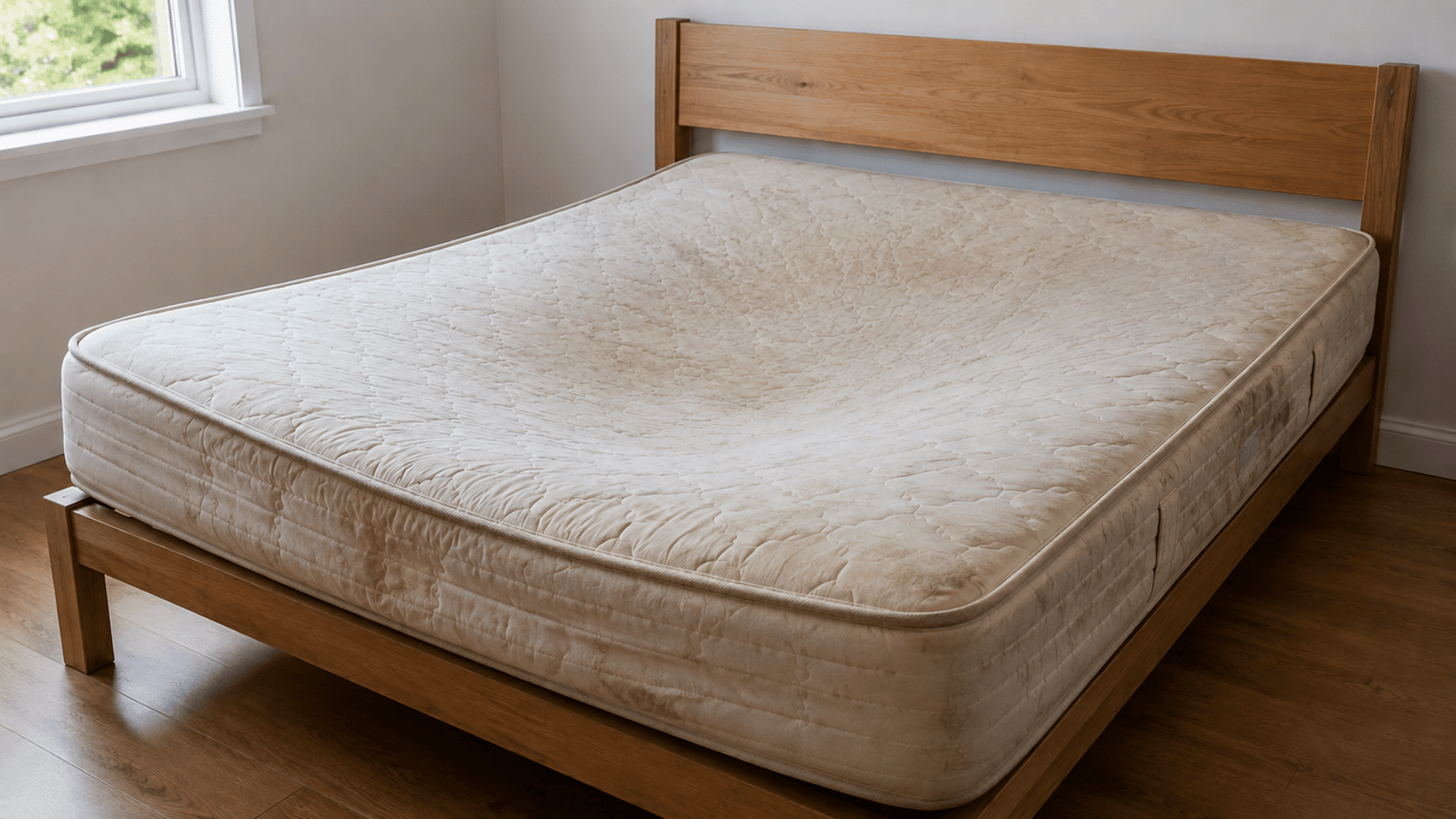
Like any part of a bed setup, a box spring can wear down over time. Recognizing the warning signs early can help you maintain proper mattress support and comfort.
- Visible Sagging: If the box spring appears uneven or dips in certain areas, it may no longer provide proper support.
- Squeaking Sounds: Frequent creaking or squeaking can indicate worn-out components or structural issues.
- Reduced Comfort: A mattress that suddenly feels less supportive may be a sign that the box spring is wearing down.
- Broken Frame or Supports: Cracks, bent metal, or damaged supports can affect the stability of the entire bed.
- Uneven Mattress Wear: A failing box spring may cause certain areas of the mattress to wear out faster than others.
- Age and Wear: Most box springs don’t last forever. If yours is several years old and showing signs of wear, it may be time for a replacement.
Final Thoughts
A box spring may not be the most noticeable part of a bed setup, but it can have a meaningful impact on mattress support and overall comfort. Its role goes beyond simply sitting beneath the mattress.
The right box spring can help create a more stable sleeping surface while supporting the mattress over time. It may also improve airflow and add a comfortable amount of bed height.
I’ve learned that many people focus on the mattress itself and overlook the foundation underneath. Yet both pieces work together to influence how a bed feels and performs.
Understanding what a box spring is used for can help you choose the right support system for your mattress.
Frequently Asked Questions
Can You Put a New Mattress on An Old Box Spring?
It depends on the condition of the box spring. If it is worn, damaged, or no longer provides even support, replacing it may be a better option when purchasing a new mattress.
Can a Box Spring Be Used on the Floor?
Yes, a box spring can be placed directly on the floor, though many people prefer a bed frame for added height and airflow.
Can Two Twin Box Springs Be Used for a King Mattress?
Yes, two twin box springs are commonly used to support a king-size mattress. This setup can make transportation and installation easier.
Are Box Springs Available In Different Heights?
Yes, box springs come in various heights, including standard and low-profile options. The right choice depends on your preferred bed height and bedroom setup.