Starting solids is an exciting milestone in your baby’s first year. It’s also the stage when many parents begin trying baby-led weaning as an alternative to traditional spoon-feeding.
Many parents choose baby-led weaning because it lets babies learn about food on their own instead of relying only on spoon-feeding.
As someone who spends a lot of time around food and cooking, I like how this method introduces babies to different textures, flavors, and ingredients early.
Still, knowing what to offer and what to avoid can feel confusing. In this blog, I’ll cover the best baby-led weaning foods, foods to skip, and safety tips for smoother mealtimes.
Understanding Baby-Led Weaning
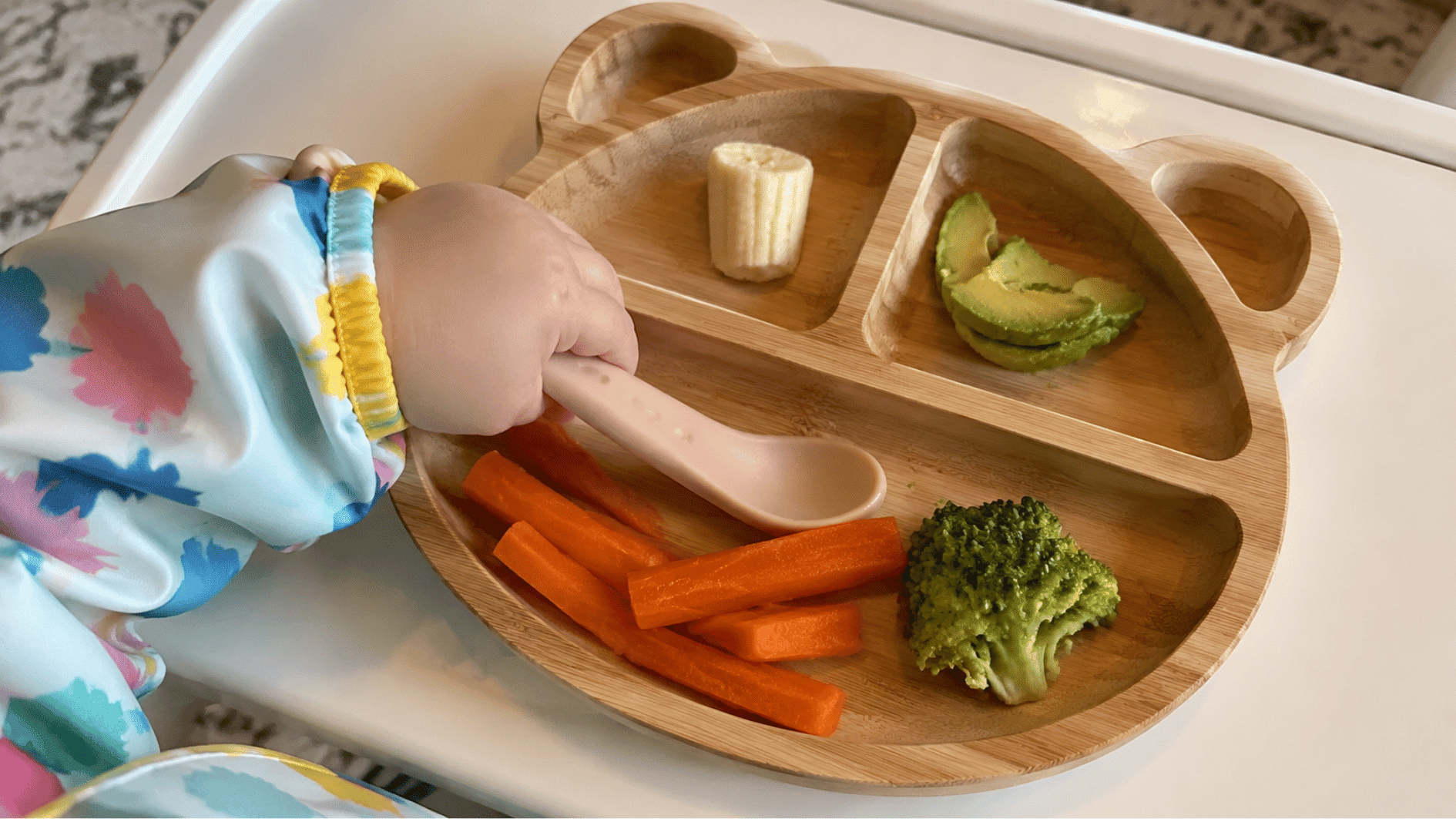
Baby-led weaning is a feeding approach that allows babies to feed themselves soft, age-appropriate foods instead of being spoon-fed purees. It encourages them to eat food independently from the start.
Most babies begin baby-led weaning around six months of age when they can sit upright with minimal support and show interest in eating. Developmental readiness is more important than age alone.
Many parents prefer this method because it helps babies experience different textures, practice self-feeding skills, and participate in family mealtimes naturally and enjoyably.
Getting Started with Baby-Led Weaning
Before introducing solid foods, make sure your baby shows these signs of readiness:
- Can sit upright with minimal support.
- Shows interest in food during family meals.
- Reaches for food or objects independently.
- Brings items to their mouth with coordination.
- Has lost the tongue-thrust reflex.
Most babies reach these milestones around six months of age. Every baby develops at a different pace, so readiness cues are often more important than age alone.
Once your baby shows readiness signs, homemade baby food recipes can help you plan soft foods with simple ingredients.
Note: If your baby was born prematurely or has feeding concerns, it’s best to speak with your pediatrician before starting solids.
Best Baby-Led Weaning Foods to Start With
The best baby-led weaning foods are soft, easy to hold, and rich in nutrients. Starting with a variety of foods can help babies become comfortable with different flavors and textures from an early age.
1. Vegetables
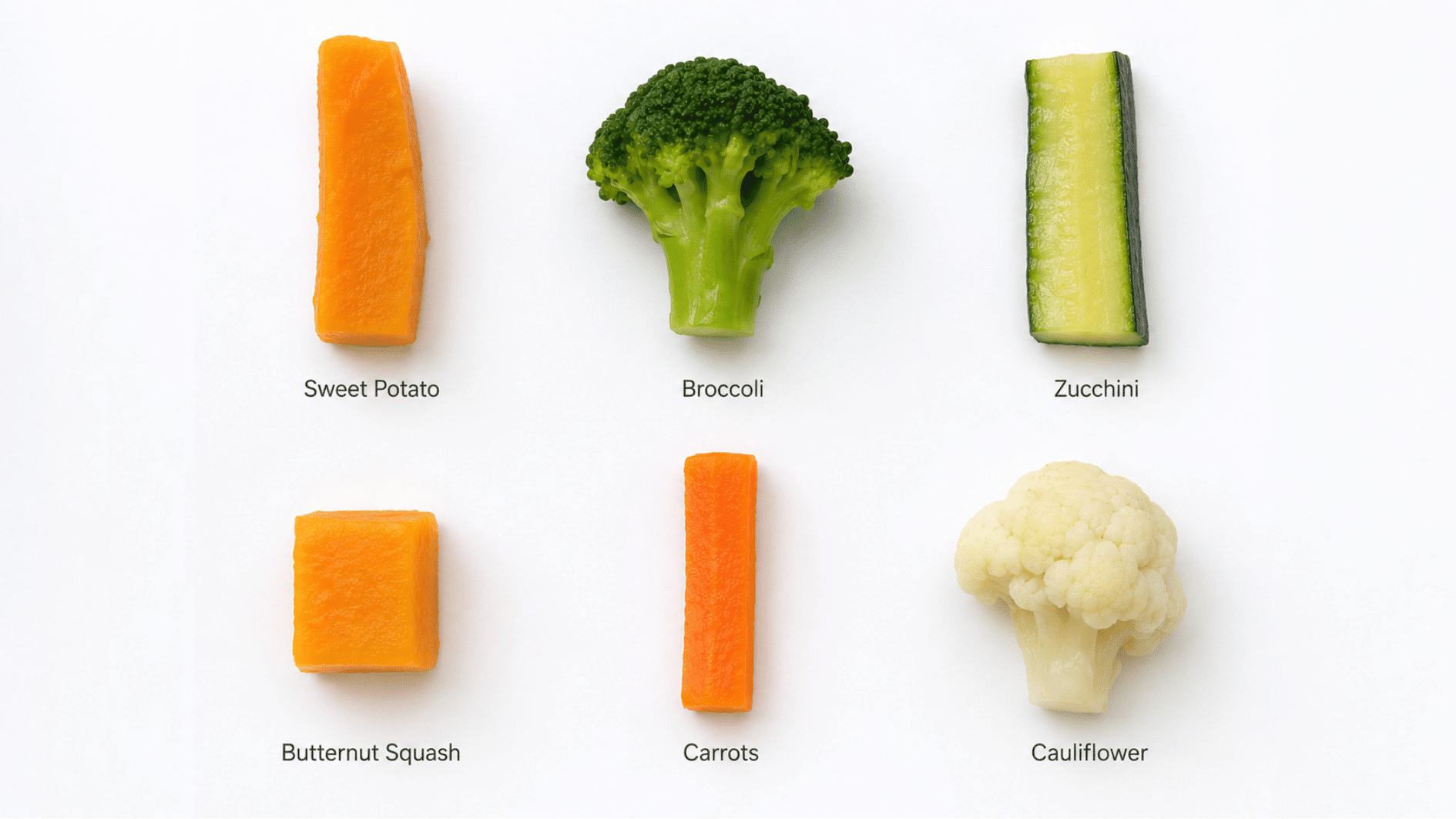
Vegetables are often a great starting point because they are easy to prepare and packed with vitamins and minerals. When cooked until soft, they are also simple for babies to grasp and eat independently.
A few vegetables that work particularly well for baby-led weaning:
- Sweet Potato
- Broccoli
- Zucchini
- Butternut Squash
- Carrots
- Cauliflower
2. Fruits
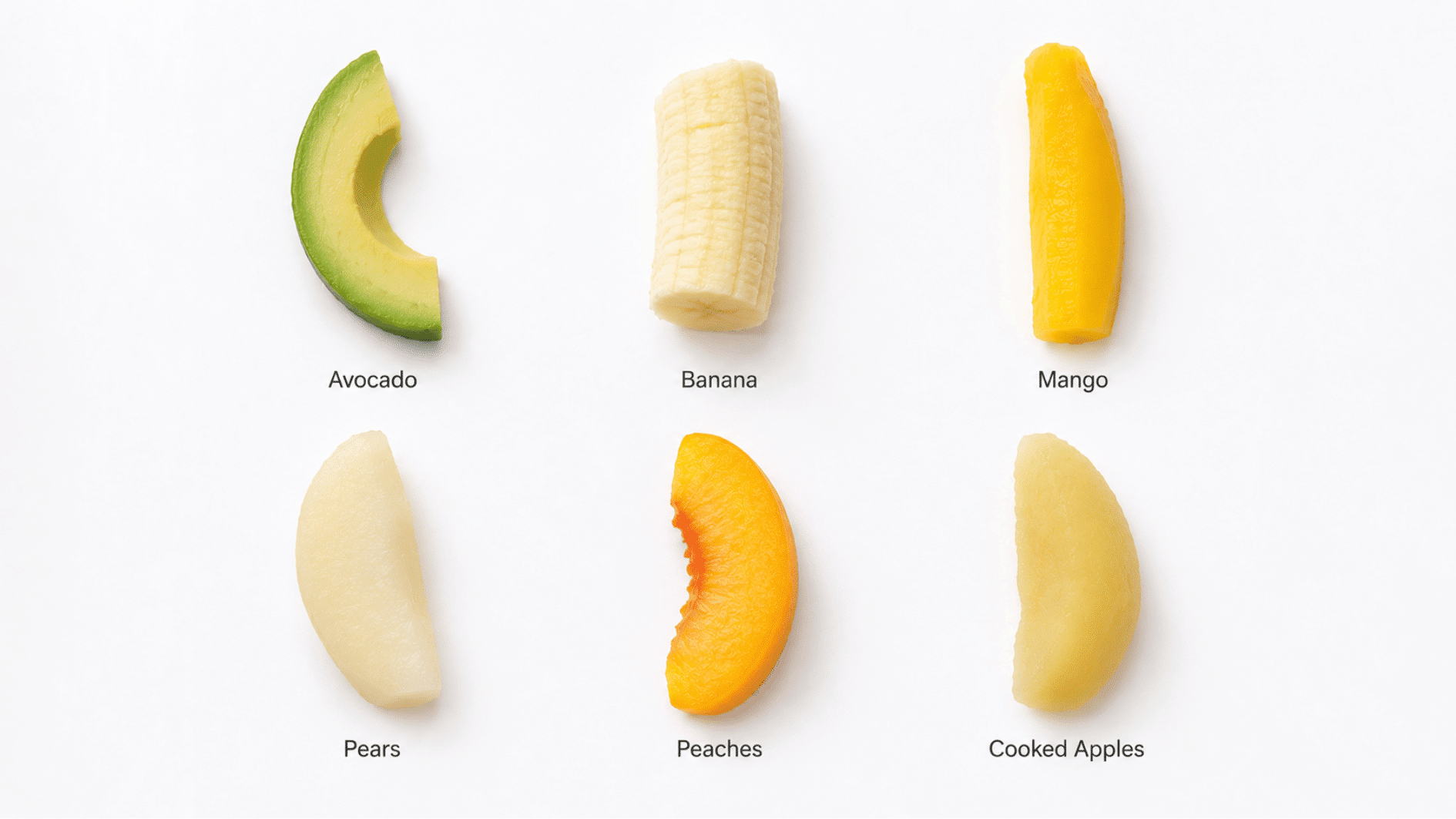
Fruits provide natural sweetness along with important vitamins, fiber, and hydration. Many soft fruits are easy for babies to hold and eat during mealtimes.
Some popular fruit options include:
- Avocado
- Banana
- Mango
- Pears
- Peaches
- Cooked Apples
3. Protein Foods
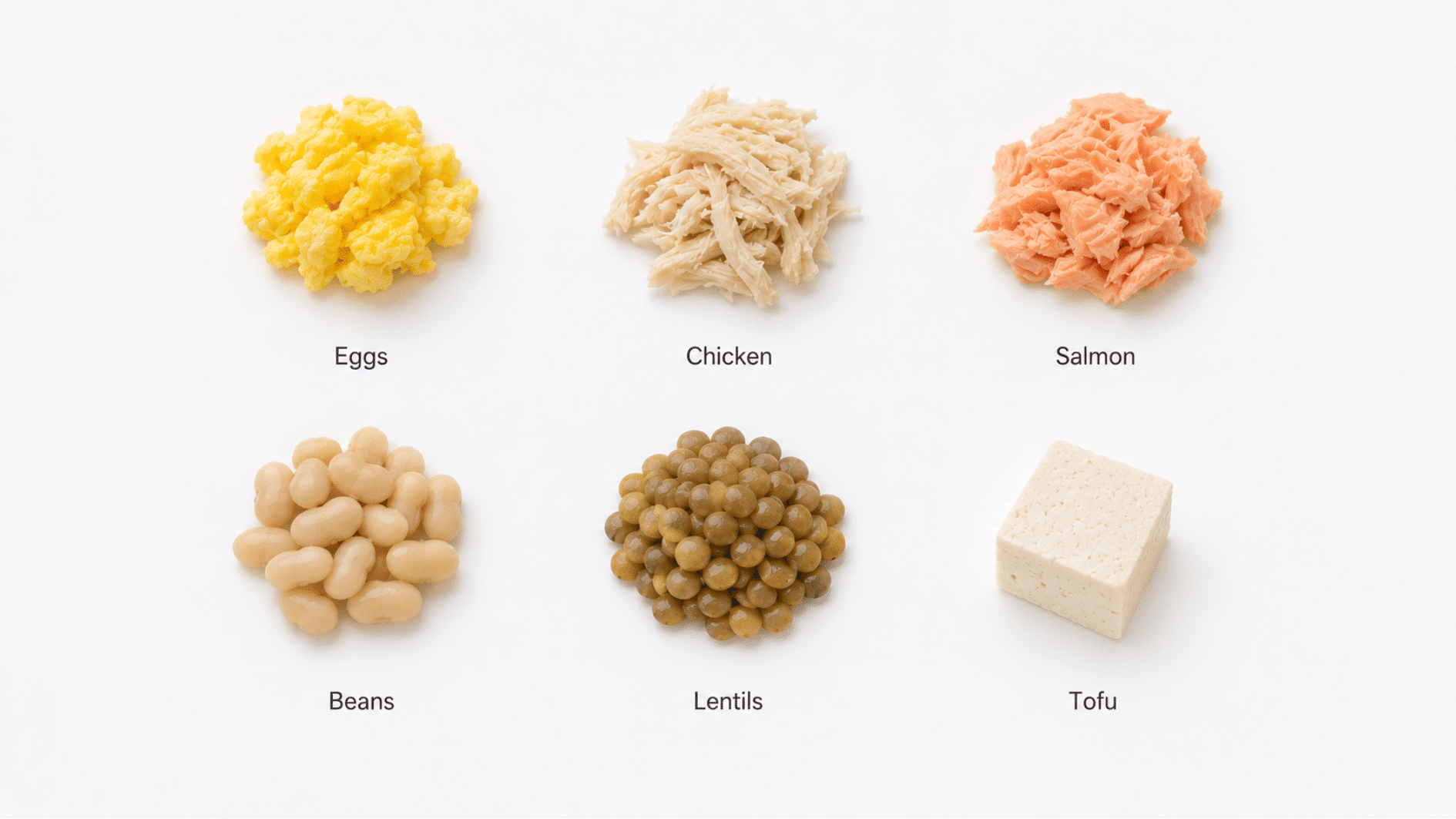
Protein-rich foods support healthy growth and help babies meet their increasing iron needs after six months. Including a variety of protein sources can also introduce different textures early on.
Good protein choices for babies include:
- Eggs
- Chicken
- Salmon
- Beans
- Lentils
- Tofu
4. Grains and Carbohydrates
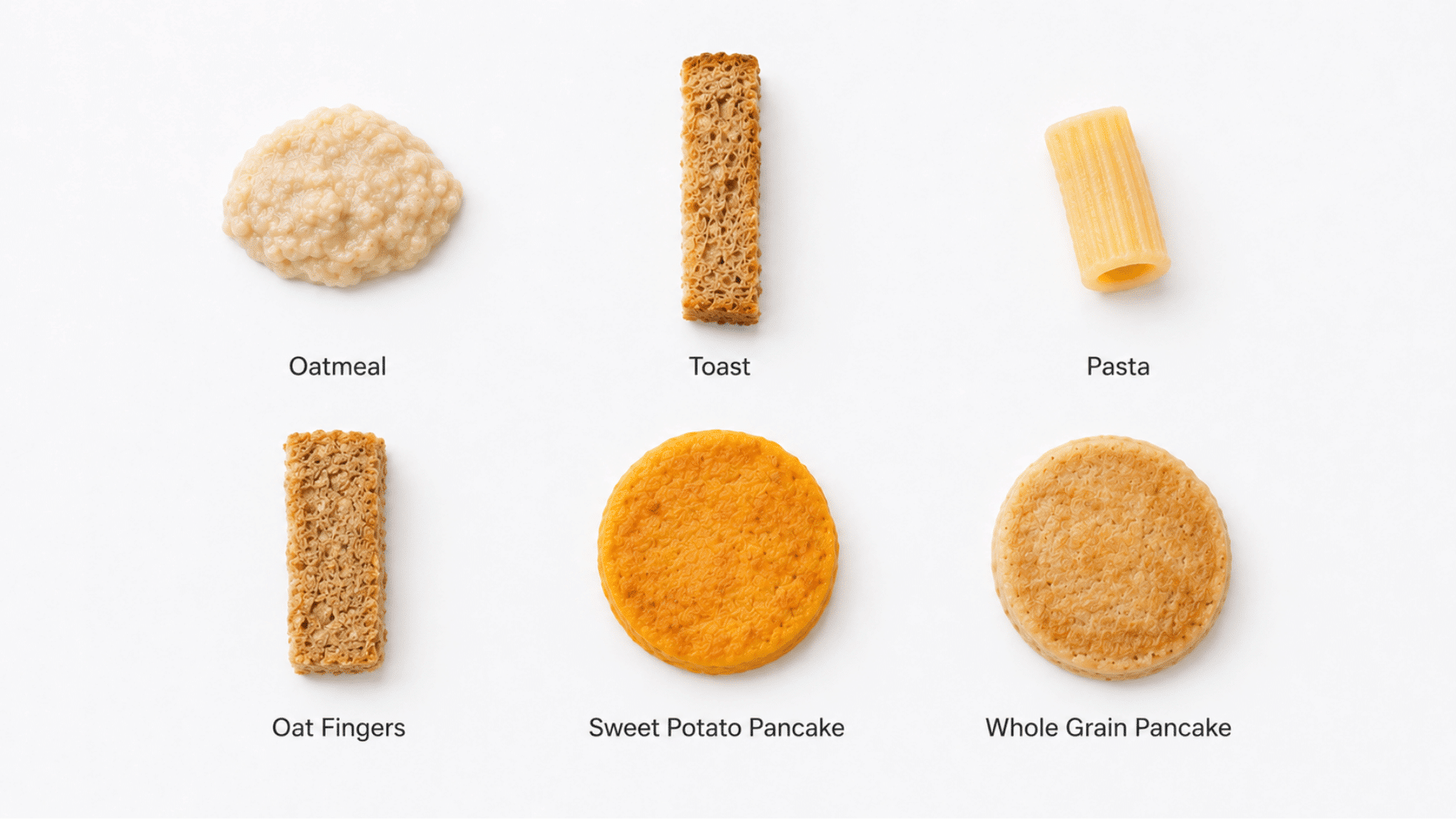
Grains and carbohydrates provide energy for growing babies and can help them practice self-feeding skills. Soft and easy-to-grasp options are usually the best place to start.
Consider adding these carbohydrate-rich foods to your baby’s plate:
- Oatmeal
- Toast
- Pasta
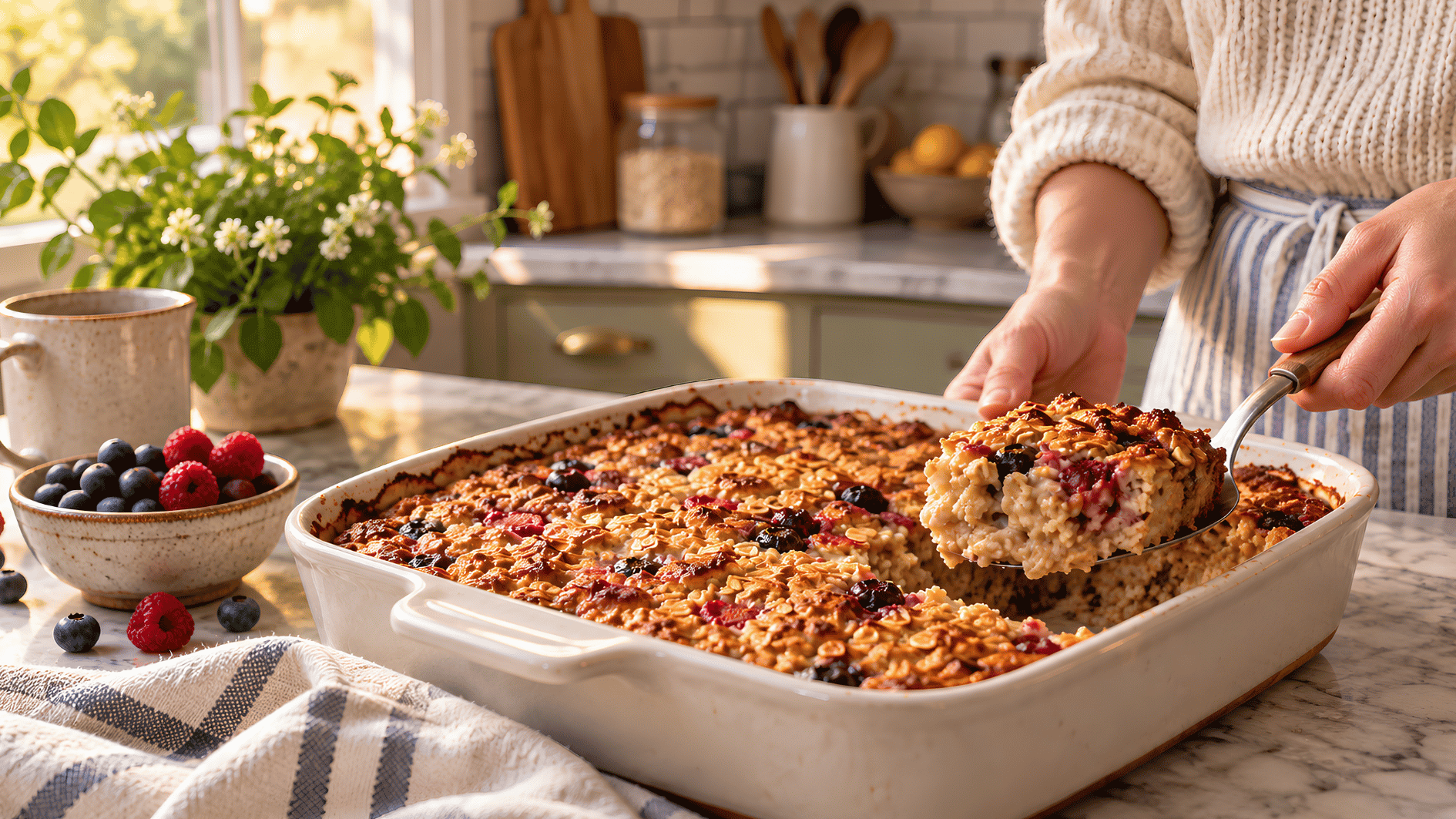
- Oat fingers
- Sweet Potato Pancakes
- Whole Grain Pancakes
5. Dairy Foods
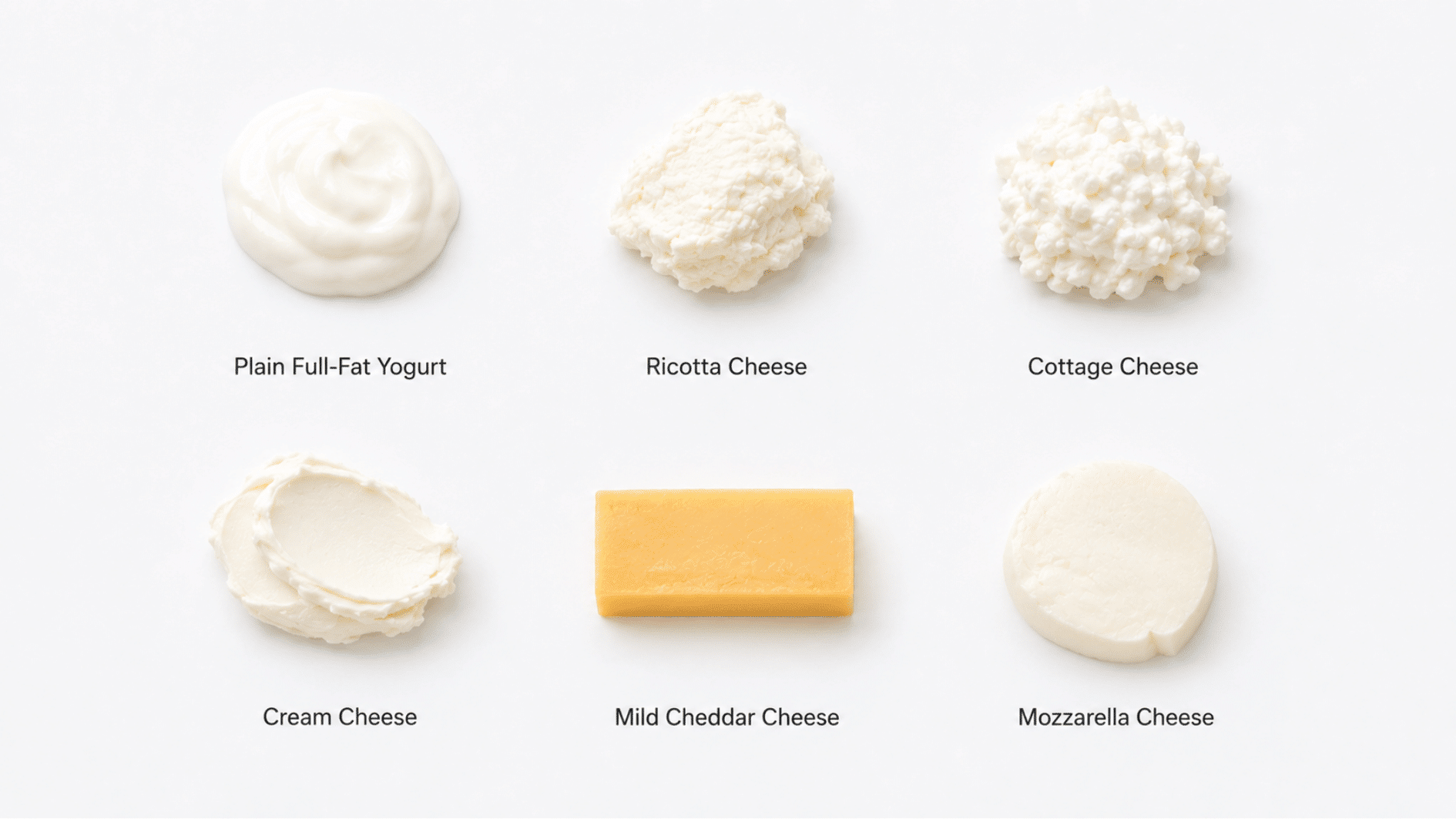
Dairy products can provide calcium, protein, and healthy fats that support a baby’s development. Full-fat and age-appropriate options are generally recommended.
Some beginner-friendly dairy foods include:
- Plain Full-Fat Yogurt
- Ricotta Cheese
- Cottage Cheese
- Cream Cheese
- Mild Cheddar Cheese
- Mozzarella Cheese
Foods to Avoid During Baby-Led Weaning
While many foods are suitable for baby-led weaning, some should be avoided because they can pose choking hazards or may not be safe for babies under one year of age.
Keeping these foods off the menu can help create a safer feeding experience.
| Food | Why It Should Be Avoided | Safer Alternative |
|---|---|---|
| Honey | May contain bacteria that can cause infant botulism in babies under 12 months | Mashed banana or unsweetened fruit puree |
| Whole Nuts | Can easily cause choking | Thinly spread smooth nut butter |
| Whole Grapes | The round shape creates a choking risk | Quartered grapes |
| Cherry Tomatoes | Small and round, making them a choking hazard | Quartered cherry tomatoes |
| Raw Carrots | Too hard for babies to chew safely | Steamed or roasted carrots |
| Raw Apples | Firm texture increases choking risk | Soft-cooked apple slices |
| Popcorn | Difficult to chew and easy to inhale | Soft fruit pieces or puff snacks designed for babies |
| Processed Meats | Often high in sodium and preservatives | Shredded chicken or baked salmon |
Introducing Common Allergens During Baby-Led Weaning
Introducing allergenic foods early and in age-appropriate forms is now widely encouraged by many pediatric experts. The key is to offer them gradually and observe your baby’s response.
- Eggs: A rich source of protein and one of the most common allergens introduced during infancy.
- Peanuts: Often introduced early in small amounts to help support allergy prevention.
- Tree Nuts: Includes almonds, cashews, and walnuts, typically offered as smooth nut butters.
- Dairy: Foods like yogurt and cheese can be introduced gradually while monitoring for reactions.
- Wheat: Commonly found in bread, pasta, and cereals, making it easy to incorporate into meals.
- Soy: Present in foods such as tofu and soy yogurt, providing a plant-based protein option.
- Fish: Offers important nutrients like omega-3 fatty acids and should be introduced carefully.
- Shellfish: A common allergen that should be introduced individually and in age-appropriate forms.
If your baby has a family history of food allergies, eczema, or other medical concerns, consult your pediatrician before introducing common allergens.
Preparing Baby-Led Weaning Foods Safely
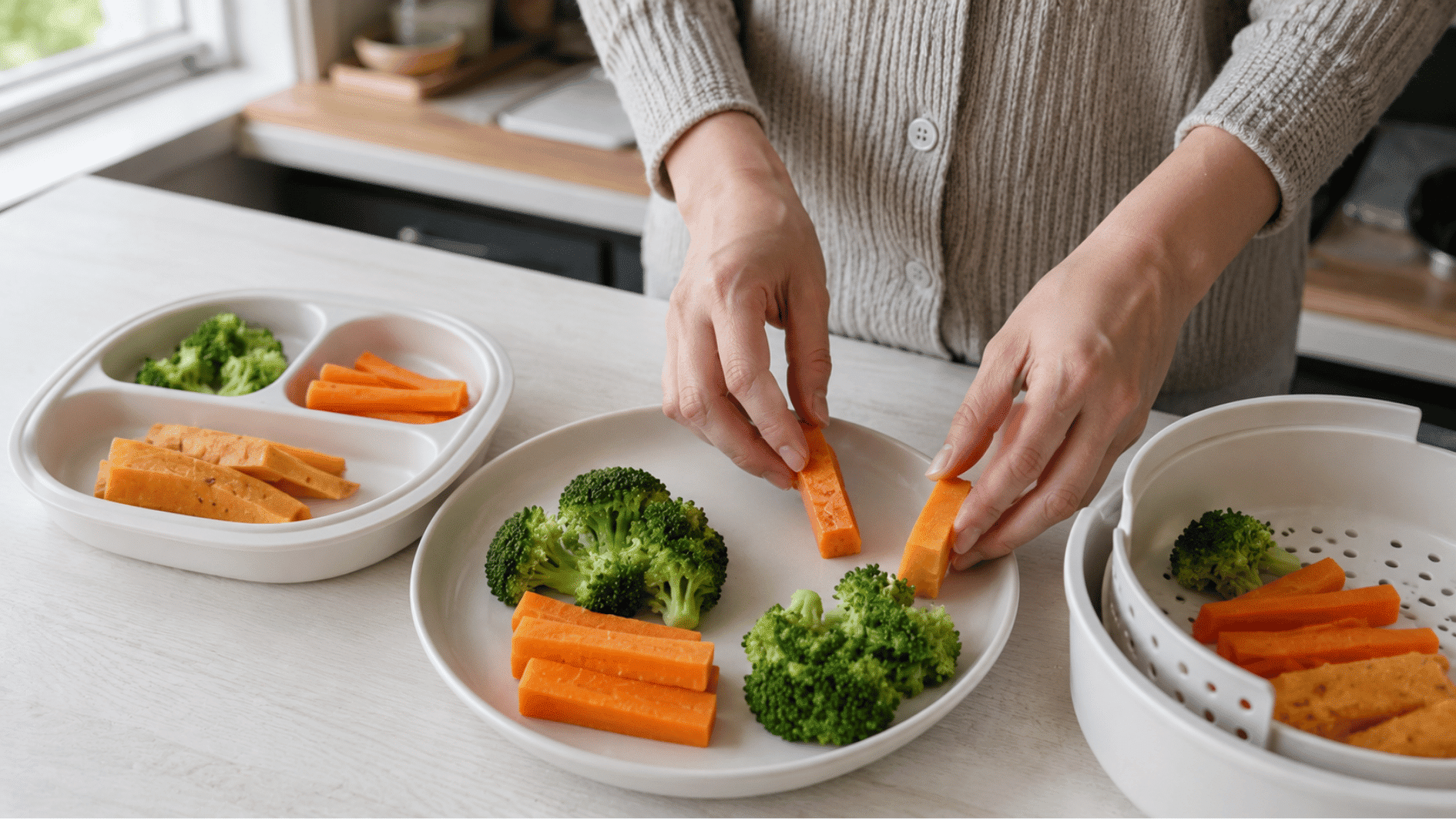
The way food is prepared is just as important as the food itself. Most baby-led weaning foods should be soft enough to mash easily between your fingers and large enough for babies to hold comfortably.
| Food | Preparation Method | Serving Style |
|---|---|---|
| Sweet Potato | Steam or roast until soft | Thick wedges |
| Broccoli | Steam until tender | Florets with stem attached |
| Avocado | Slice when ripe | Long wedges or strips |
| Banana | Peel and cut lengthwise | Half banana or long strips |
| Eggs | Scramble or make an omelet | Soft pieces or strips |
| Carrots | Steam or roast until soft | Thick sticks |
| Pasta | Cook until very soft | Large pasta shapes |
| Chicken | Cook thoroughly and shred | Soft shredded pieces |
Preparing foods correctly can make self-feeding easier and safer. Just as important as preparation is knowing which foods should be avoided during the early stages of baby-led weaning.
Baby-Led Weaning Safety Tips
Offering the right foods is only part of the process. Following a few basic safety practices can help create a positive and secure mealtime experience for your baby.
- Always Supervise Meals: Never leave your baby unattended while eating.
- Use an Upright High Chair: Ensure your baby is seated upright during meals.
- Serve Soft Foods: Offer foods that are easy to mash with gentle pressure.
- Avoid Choking Hazards: Keep hard, round, and crunchy foods off the menu.
- Know Gagging vs. Choking: Understanding the difference can help you react appropriately.
- Learn Infant CPR: Basic CPR knowledge can prepare you for emergencies.
With safety basics in place, parents can focus on helping their babies build confidence and independence at mealtimes.
Conclusion
Baby-led weaning can be a great way to introduce solid foods while encouraging independence at mealtimes.
Starting with soft, nutrient-rich foods can help babies become more comfortable with self-feeding and new flavors. Patience is important, as every child progresses at their own pace.
Food safety should always remain a priority. Paying attention to food preparation, avoiding common choking hazards, and introducing allergens carefully can help create a safer feeding environment.
Most importantly, remember that baby-led weaning doesn’t have to be perfect. Focus on consistency, supervision, and positive mealtime experiences as your baby develops lifelong eating habits.
Frequently Asked Questions
What is the 4-Day Rule for Baby-Led Weaning?
The 4-day rule involves introducing one new food at a time and waiting about four days before offering another new food. This can make it easier to identify any reactions or sensitivities to a specific food.
Why are Some Healthcare Professionals Cautious About Baby-Led Weaning?
Some healthcare professionals are concerned that babies may not get enough iron-rich foods and other nutrients if meals are not planned carefully.
Can I Combine Purees and Baby-Led Weaning?
Yes, many parents choose a combination approach that includes both purees and baby-led weaning foods. This allows babies to practice self-feeding while still being introduced to a variety of textures and flavors.
How Many Meals Should You Start With During Baby-Led Weaning?
Most babies start with one solid meal a day around six months of age. As they become more comfortable with eating, meal frequency can gradually increase based on their age and appetite.