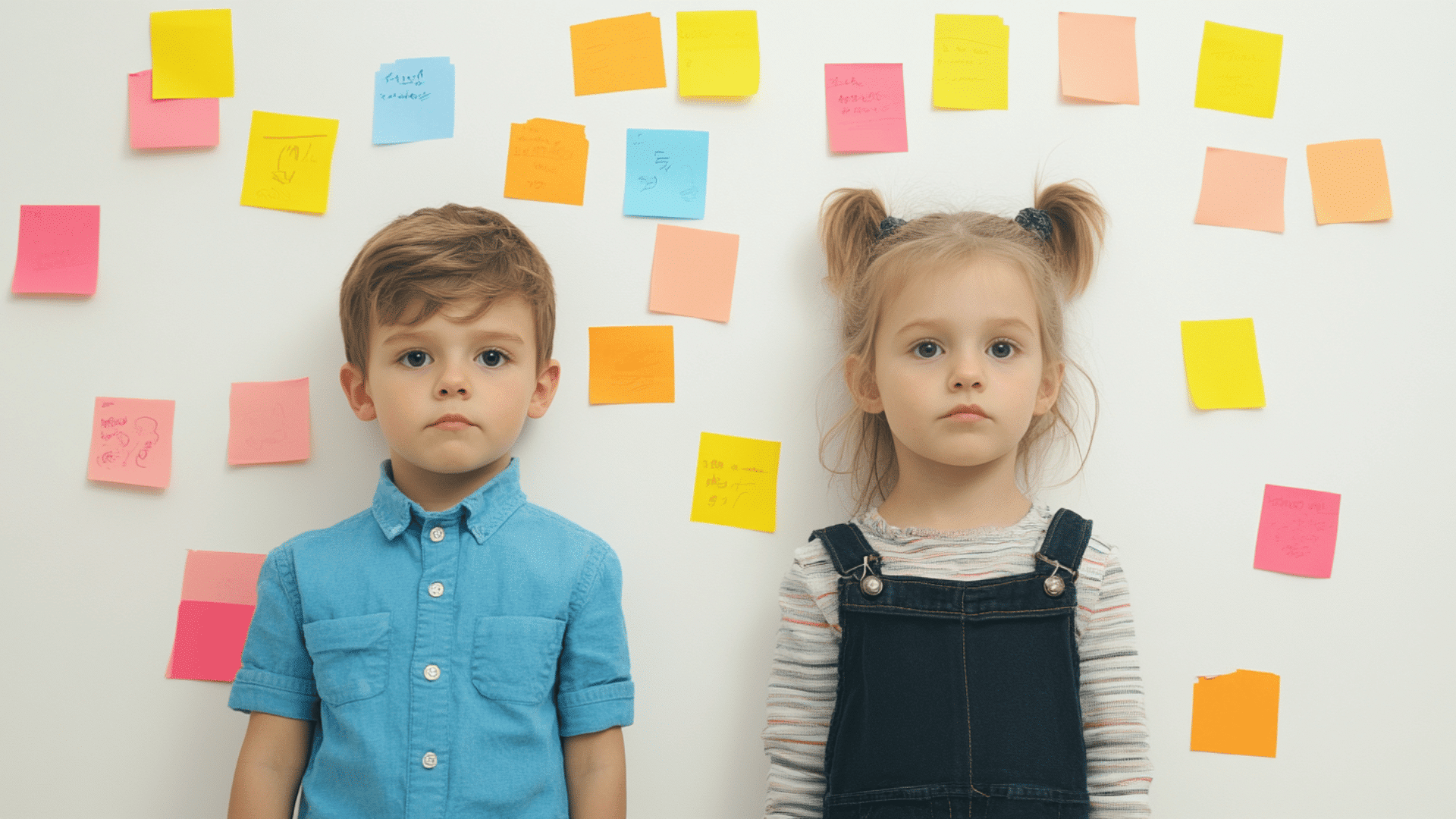
Kindness is easier for kids to understand when they can see it, make it, and share it. A simple card, jar, bracelet, or note can turn a small lesson into something they remember.
These activities are also easy to fit into a quiet afternoon, classroom theme, playdate, or family weekend. Kids can use colors, drawings, and short messages to show care in their own way.
In this blog, you’ll find kindness craft ideas that are simple to set up and easy to adjust for different ages.
What Do Kindness Crafts Teach Kids?
Kindness crafts teach kids to care through action, helping them understand how their kind actions affect others’ feelings.
They support early empathy by encouraging children to think beyond their needs and consider what makes others feel included or appreciated.
These crafts build social skills like sharing, patience, teamwork, and emotional control through respectful language, turns, and cooperation.
They demonstrate that care doesn’t need to be grand; small, thoughtful actions can make a difference.
Materials Required
Kindness crafts generally use simple, child-friendly materials suitable for home or classroom settings. Choose safe, age-appropriate items and keep extra supplies ready for group projects.
| Material Type | Examples |
|---|---|
| Paper items | Craft paper, cardstock, note cards |
| Coloring Tools | Crayons, markers, colored pencils |
| Joining Supplies | Glue sticks, tape |
| Cutting Tools | Child-safe scissors |
| Decorative items | Stickers, ribbons, yarn |
| Reused items | Clean jars, boxes, and cardboard |
| Display items | String, clips, poster board |
| Clean-Up items | Wipes, table covers |
Kindness Craft Ideas for Kids
Kindness crafts help children learn compassion, empathy, and gratitude through hands-on activities. The ideas below are easy to adapt for home, school, or group settings. Adult supervision helps keep each activity safe, age-friendly, and meaningful.
1. Kindness Jar
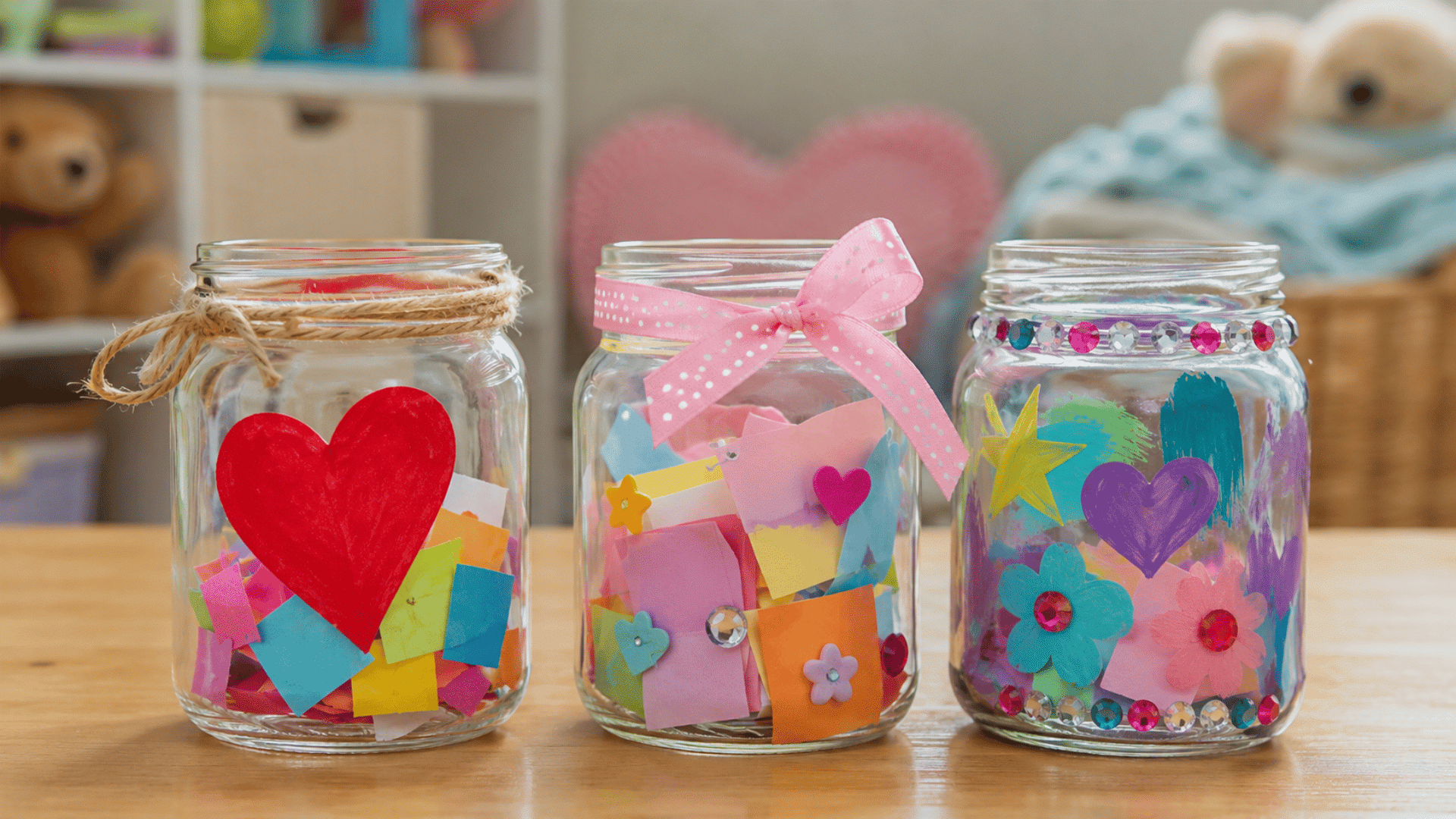
A kindness jar gives kids a place to collect kind actions they do or notice. They can add short notes during the day and read them later with an adult or group.
What It Teaches: Gratitude and Awareness. It helps children notice that kind acts happen in small daily moments, not only during special events.
Steps:
- Take a clean jar or container.
- Let kids decorate it with craft materials.
- Ask them to write one kind act on a small note.
- Fold the note and place it inside the jar.
- Read a few notes together at the end of the week.
2. Compliment Chain
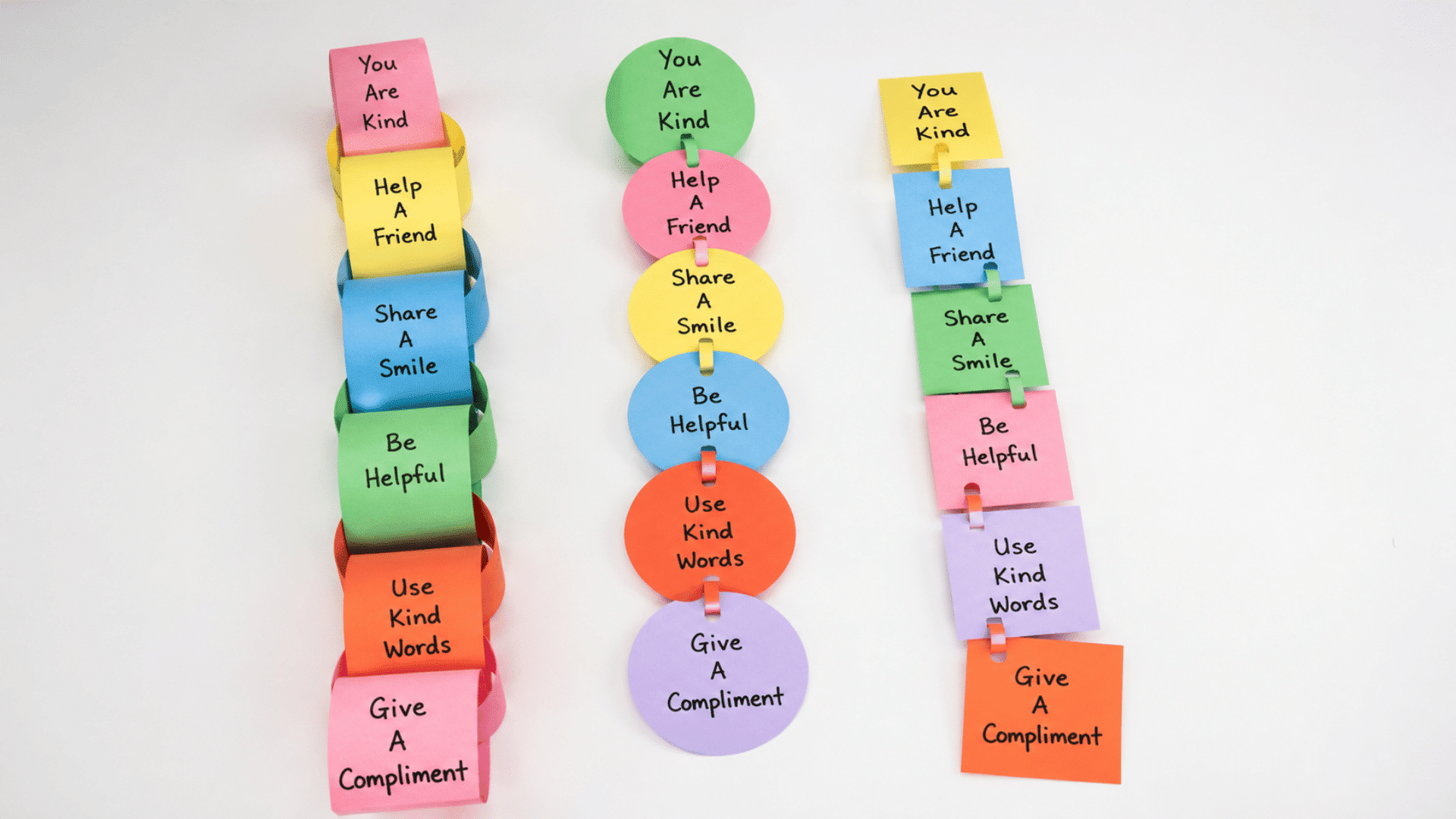
A compliment chain lets kids write kind words on paper strips and link them together. Each link can include a caring message for a friend, sibling, classmate, or teacher.
What It Teaches: Positive Communication. It helps kids practice giving kind, respectful compliments that make others feel valued.
Steps:
- Cut paper into long strips.
- Ask kids to write one kind message on each strip.
- Loop the first strip and tape the ends.
- Add more strips through the loop to make a chain.
- Hang the chain where kids can see it often.
3. Thank-You Cards
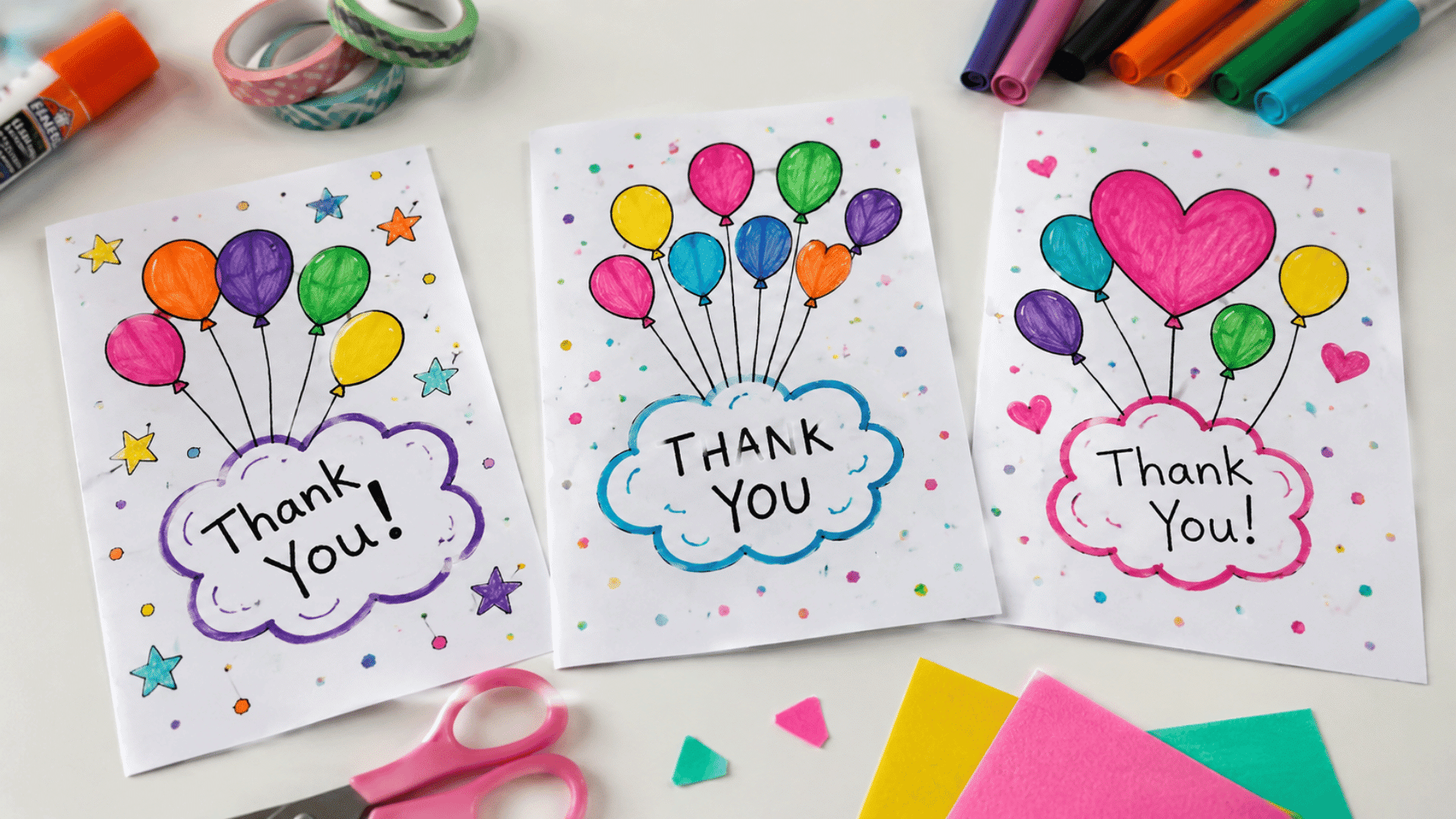
Thank-you cards help kids show appreciation to people who care for them or help them. They can write a short message and add a simple drawing or design.
What It Teaches: Gratitude. It helps children understand that saying thank you can make another person feel seen and appreciated.
Steps:
- Fold a piece of paper or card.
- Ask the child to choose one person to thank.
- Help them write a short message.
- Let them decorate the card.
- Give or mail the card with adult help.
4. Helping Hands Craft
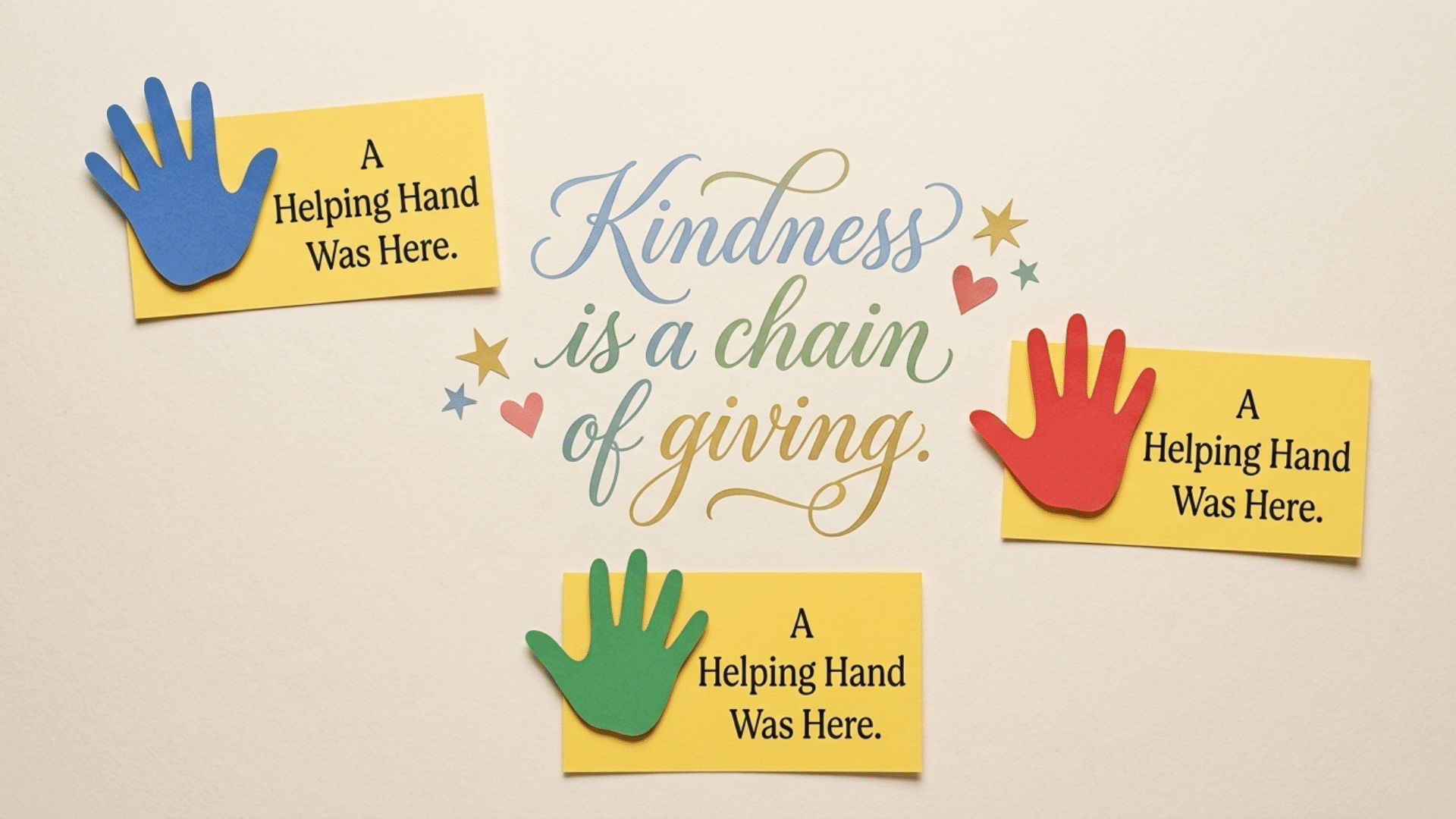
A helping hands craft lets kids trace their hands and write kind actions on each finger. The actions can be simple, such as helping, sharing, listening, including, and thanking.
What It Teaches: Helpful Behavior. It shows children that their hands can be used for caring actions in everyday life.
Steps:
- Trace the child’s hand on paper.
- Cut out the hand shape with adult help.
- Write one kind action on each finger.
- Let the child decorate the handprint.
- Display it as a daily kindness reminder.
5. Kindness Rocks
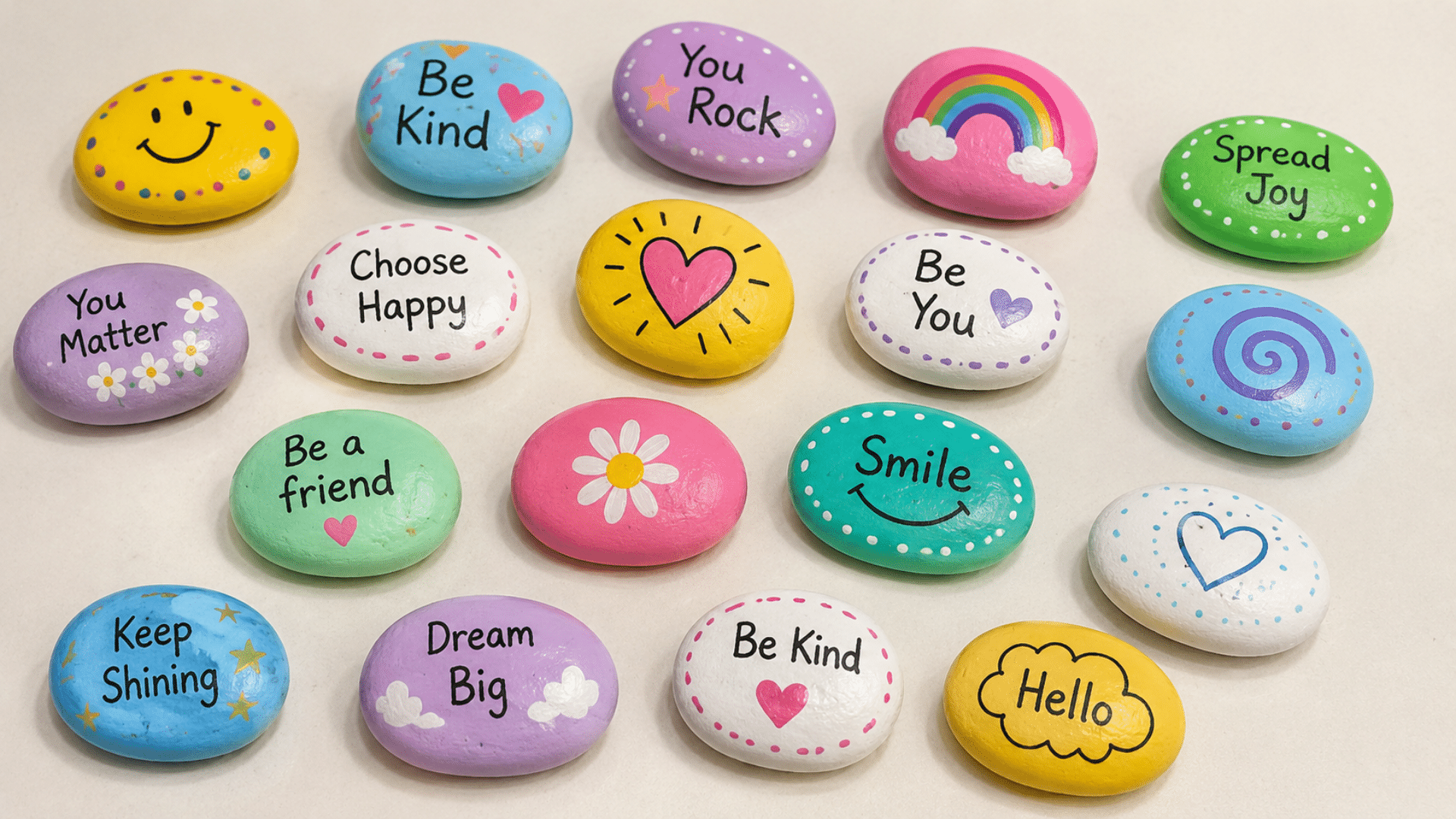
Kindness rocks let kids add short caring messages to smooth stones. These can be kept in a safe indoor spot, garden area, or kindness corner.
What It Teaches: Encouragement. It helps kids learn that a few kind words can bring comfort and support to someone’s day.
Steps:
- Choose clean, smooth stones.
- Let kids paint or color the surface.
- Add a short kind message.
- Let the stones dry fully.
- Place them in a safe spot with adult support.
6. Kindness Flower
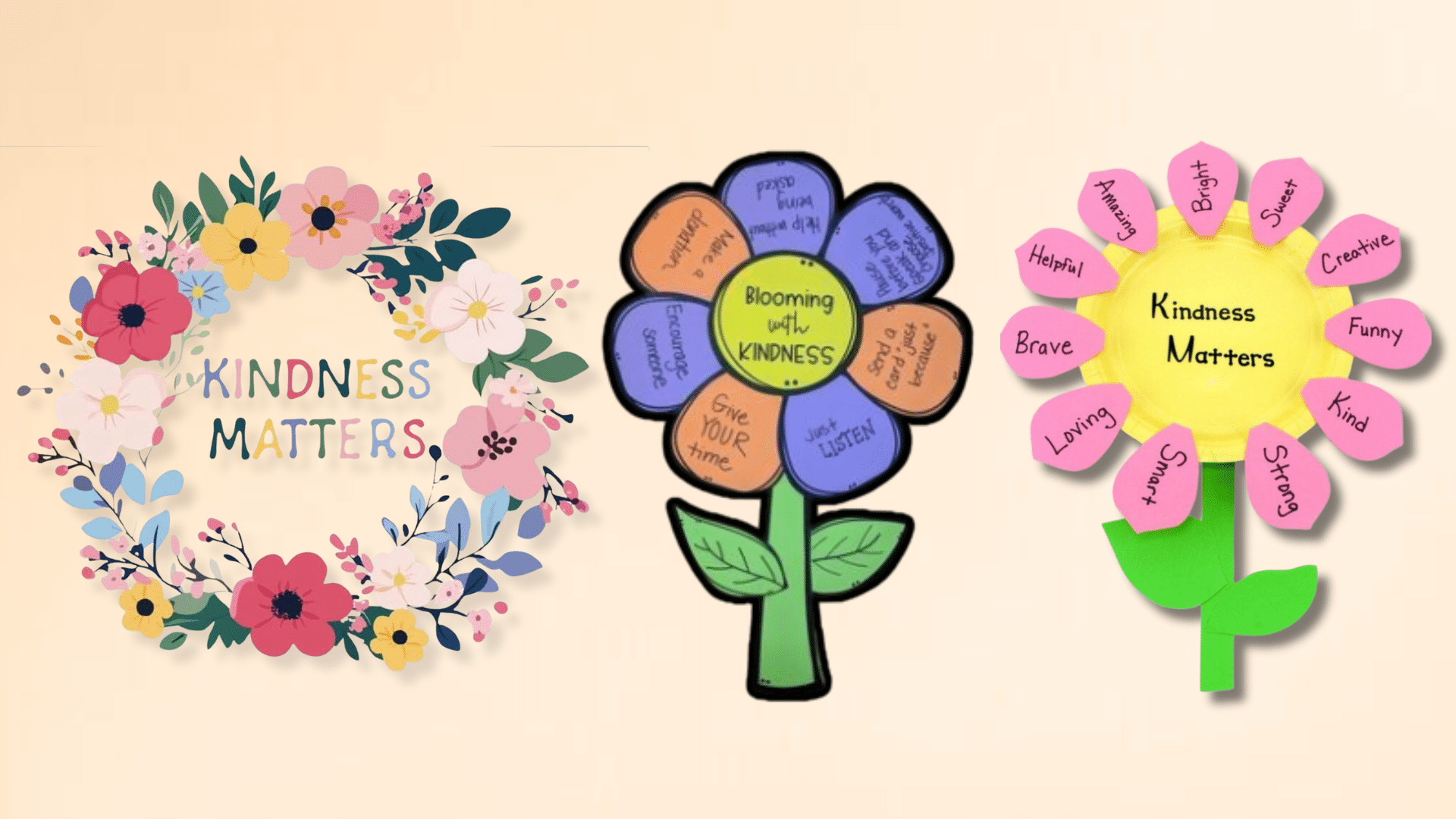
A kindness flower uses each petal to show one thoughtful action. Kids can add simple ideas like helping a friend, sharing, or using gentle words.
What It Teaches: Empathy. It helps children see that kindness can grow when they make caring choices again and again.
Steps:
- Cut a circle for the flower center.
- Cut several petal shapes.
- Write one kind action on each petal.
- Glue the petals around the center.
- Display the flower at home or in class.
7. Friendship Bracelets
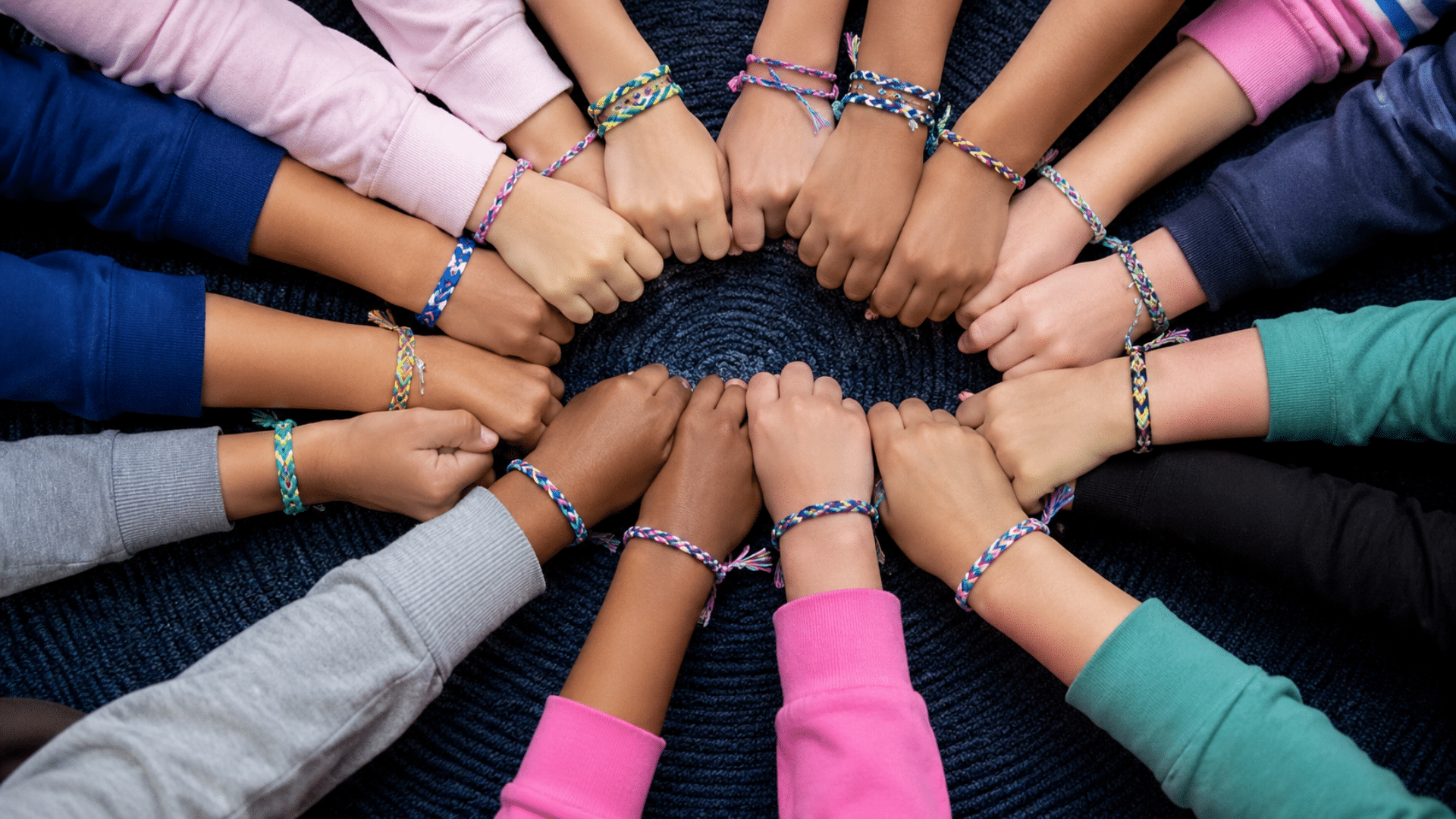
Friendship bracelets are a wonderful way for kids to create something heartfelt for someone special. They get to pick colors or patterns that bring to mind their loved ones, making the gift even more meaningful.
What It Teaches: Thoughtfulness. It helps children consider someone else’s feelings before giving a handmade gift.
Steps:
- Choose string, yarn, or beads.
- Help the child plan a simple pattern.
- Make the bracelet with adult support.
- Ask the child to think of one kind sentence to say.
- Give the bracelet to the chosen person.
8. Kindness Bookmarks
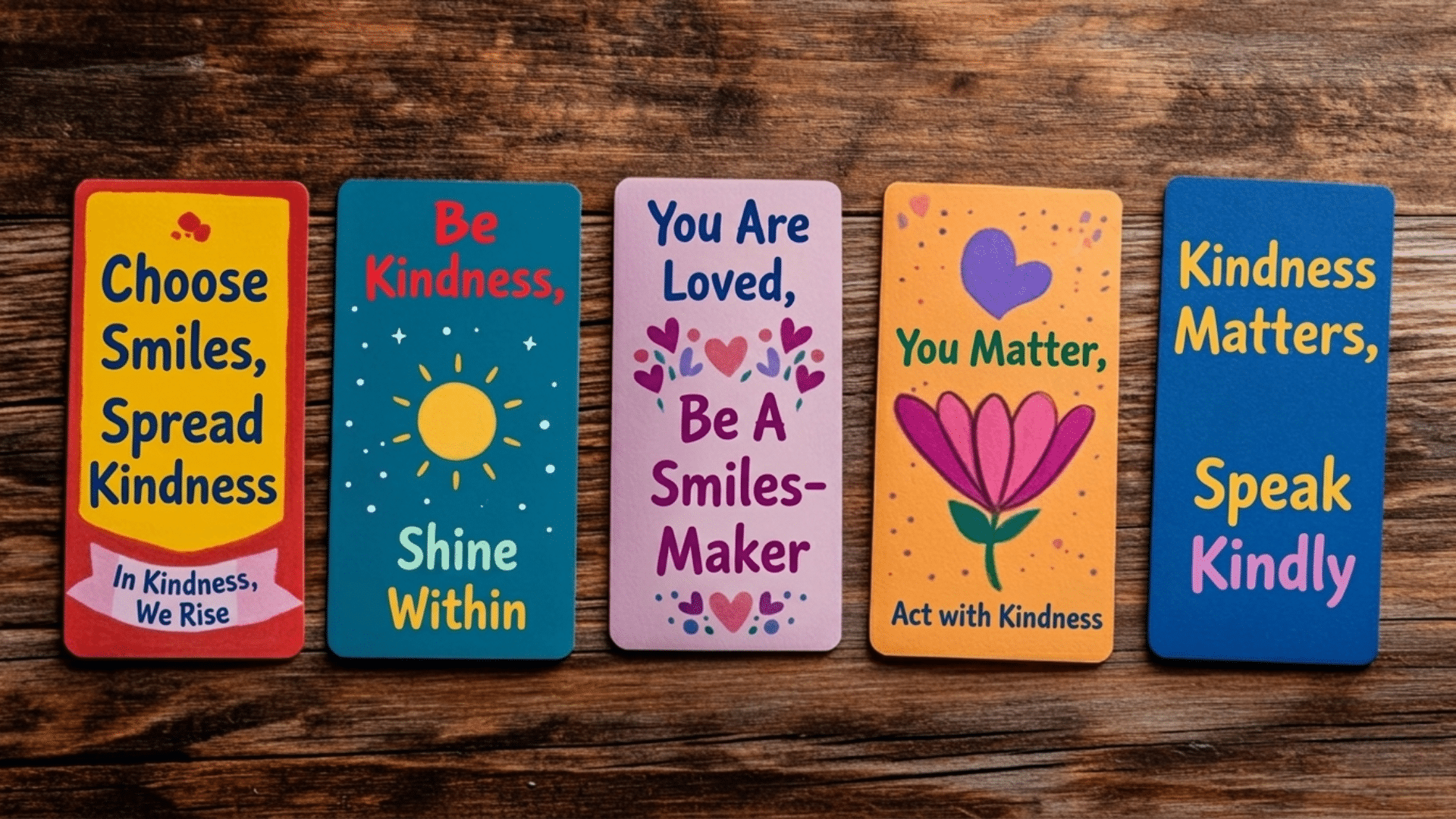
Kindness bookmarks are simple crafts kids can give to family members, classmates, or reading partners. Each bookmark can include a short caring message.
What It Teaches: Sharing Kind Words. It helps children use writing and creativity to brighten another person’s reading time.
Steps:
- Cut cardstock into bookmark shapes.
- Ask kids to write a short kind message.
- Let them decorate the bookmark.
- Add a ribbon at the top, if desired.
- Give it to someone who enjoys reading.
9. Kindness Tree
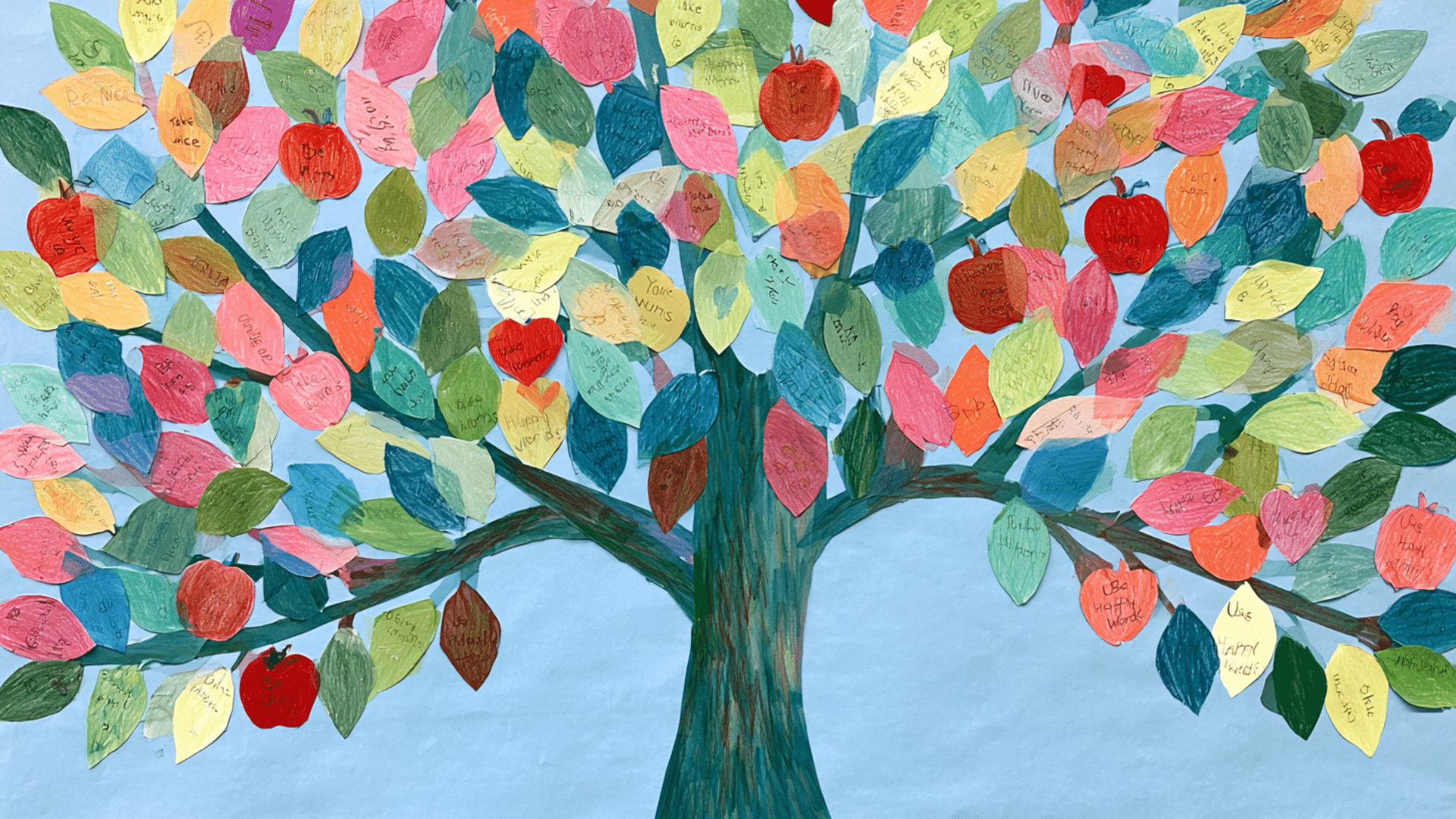
A kindness tree grows as kids add leaves with kind actions written on them. it can be used over several days or weeks at home or in class.
What It Teaches: Consistency. It helps children see that repeated kind actions can build a caring space over time.
Steps:
- Make a tree trunk on paper or poster board.
- Cut out leaf shapes.
- Ask kids to write kind actions on the leaves.
- Add one leaf to the tree each day.
- Read the leaves together after several days.
10. Kindness Coupon Book
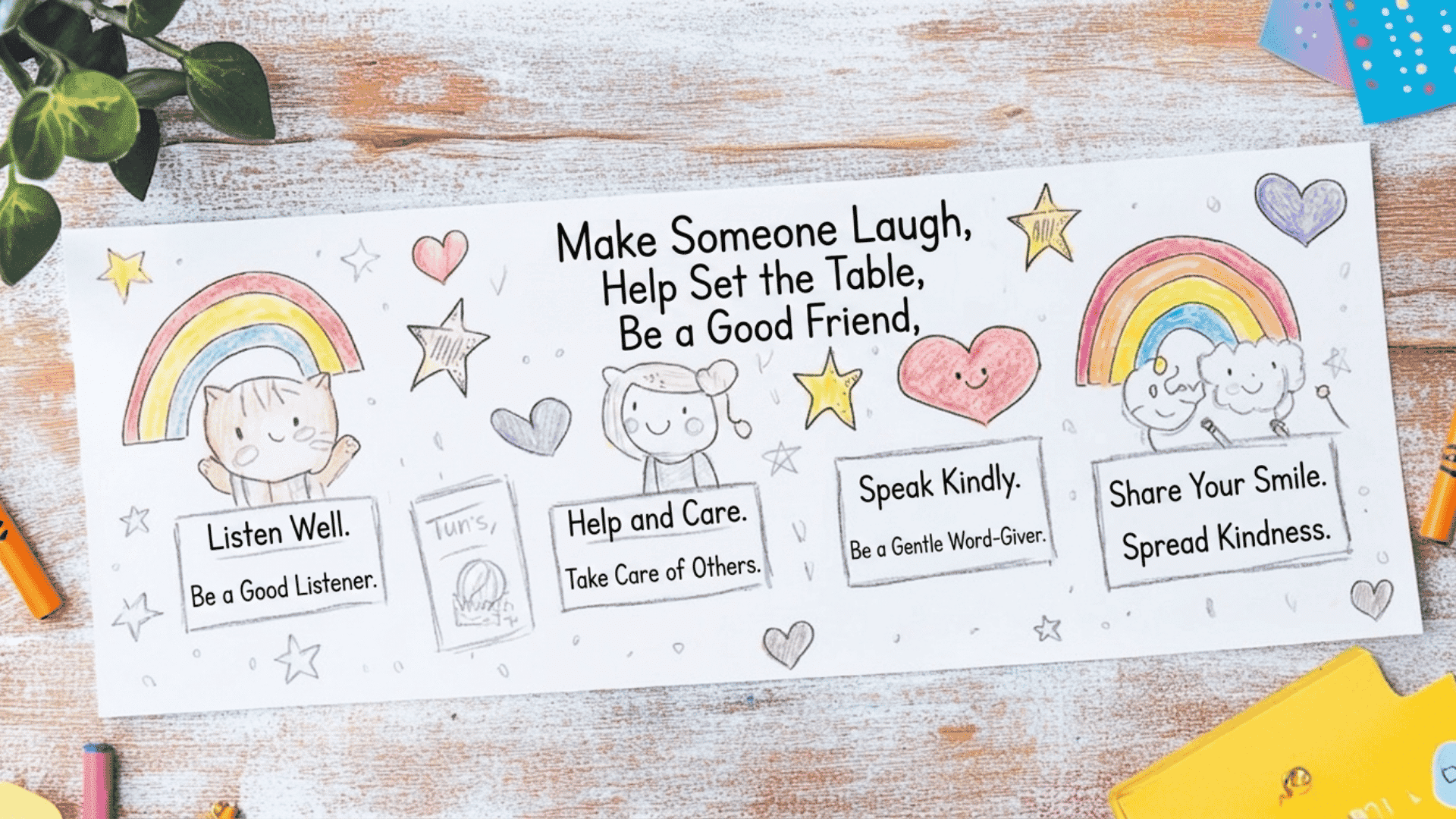
A kindness coupon book lets kids offer helpful actions to someone else. Each coupon can include a small task, such as helping clean up or spending time together.
What It Teaches: Service and Responsibility. It helps children learn that kindness can be shown through helpful actions, not only words.
Steps:
- Cut paper into small coupon shapes.
- Write one helpful action on each coupon.
- Let kids decorate each page.
- Staple or tie the coupons together.
- Give the book to a family member or friend.
11. Kindness Notes Wall
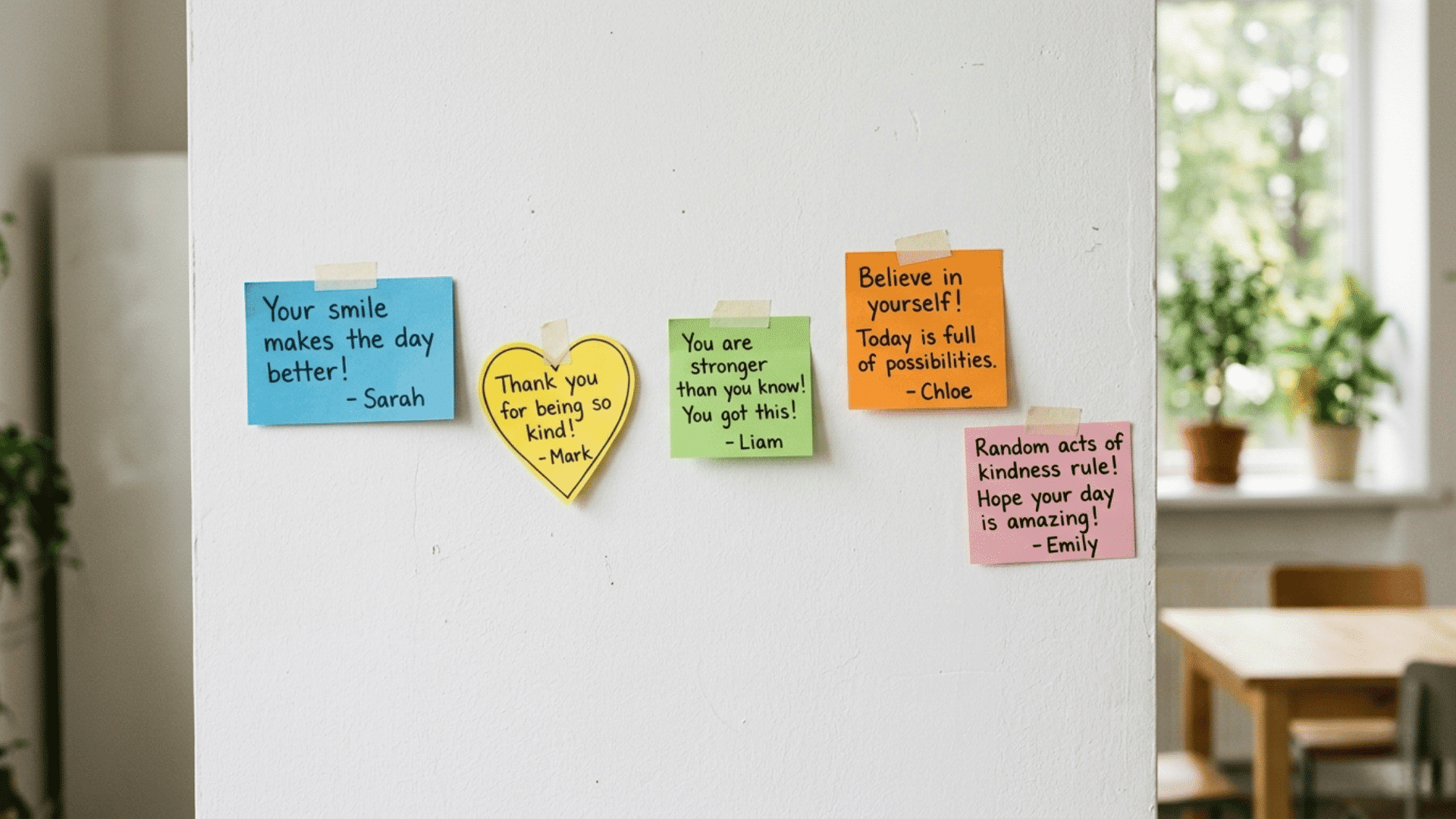
A kindness notes wall gives kids a shared space to post short caring messages. They can write notes for classmates, family members, or group friends.
What It Teaches: Respectful Expression. It helps children share kind thoughts in a simple, safe, and positive way.
Steps:
- Choose a wall, board, or large sheet of paper.
- Give kids small notes or cards.
- Ask them to write kind messages.
- Check each note before posting.
- Add the notes to the wall for everyone to read.
12. Caring Cards for Helpers
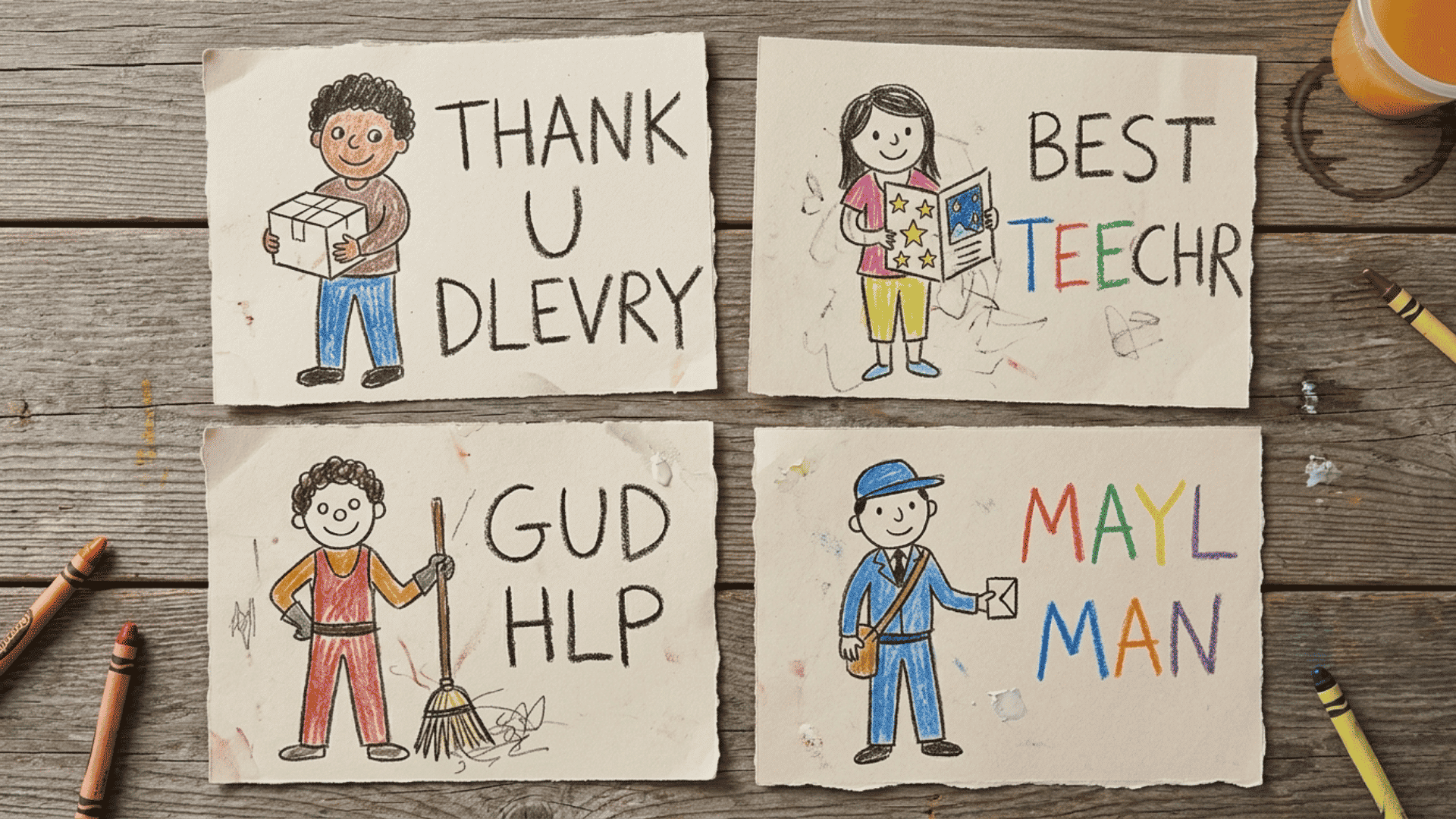
Caring cards for helpers let kids thank people who support their daily life, such as teachers, school staff, coaches, or family members.
What It Teaches: Appreciation. It helps children notice the people who care for them and respond with thoughtful words.
Steps:
- Ask kids to name someone who helps them.
- Fold paper into a card.
- Help them write a short thank-you message.
- Let them decorate the card.
- Give the card with adult support.
Tips for Making Crafts with Kids
Kindness craft-making is more meaningful when kids understand why they are creating. Before starting, talk about who may receive the craft and how kind words can brighten someone’s day.
Keep the message simple, respectful, and age-appropriate. Younger kids can use short phrases, drawings, or symbols, while older kids can write more thoughtful notes with adult support.
Let children make small choices during activities, such as message, color, shape, or recipient, personalizing the craft and encouraging consideration of others.
After the craft is done, ask a short reflection question. You can ask, “How might this make someone feel?” or “What kind action can you try today?” These talks help children practice kindness beyond craft time.
Final Thoughts
Kindness crafts can turn simple creative time into a thoughtful learning moment for children. They give kids space to think about others, use caring words, and make respectful choices.
Modify these activities to suit your child’s age, mood, and context. The aim isn’t to create a perfect craft.
Instead, focus on teaching children that kindness is something they can practice daily through small, considerate actions.
Frequently Asked Questions
What Age Group Can Try Kindness Crafts?
Most kindness crafts suit preschool, kindergarten, and elementary students. Younger children might need assistance with cutting and writing.
How Can Parents Make Kindness a Daily Habit?
Parents can ask kids to do one kind thing each day, like helping a sibling, sharing a toy, or saying something nice.
How Can Parents Use Kindness Crafts With Kids?
Parents can sit with kids, make the craft together, and talk about what each kind message means in real life.