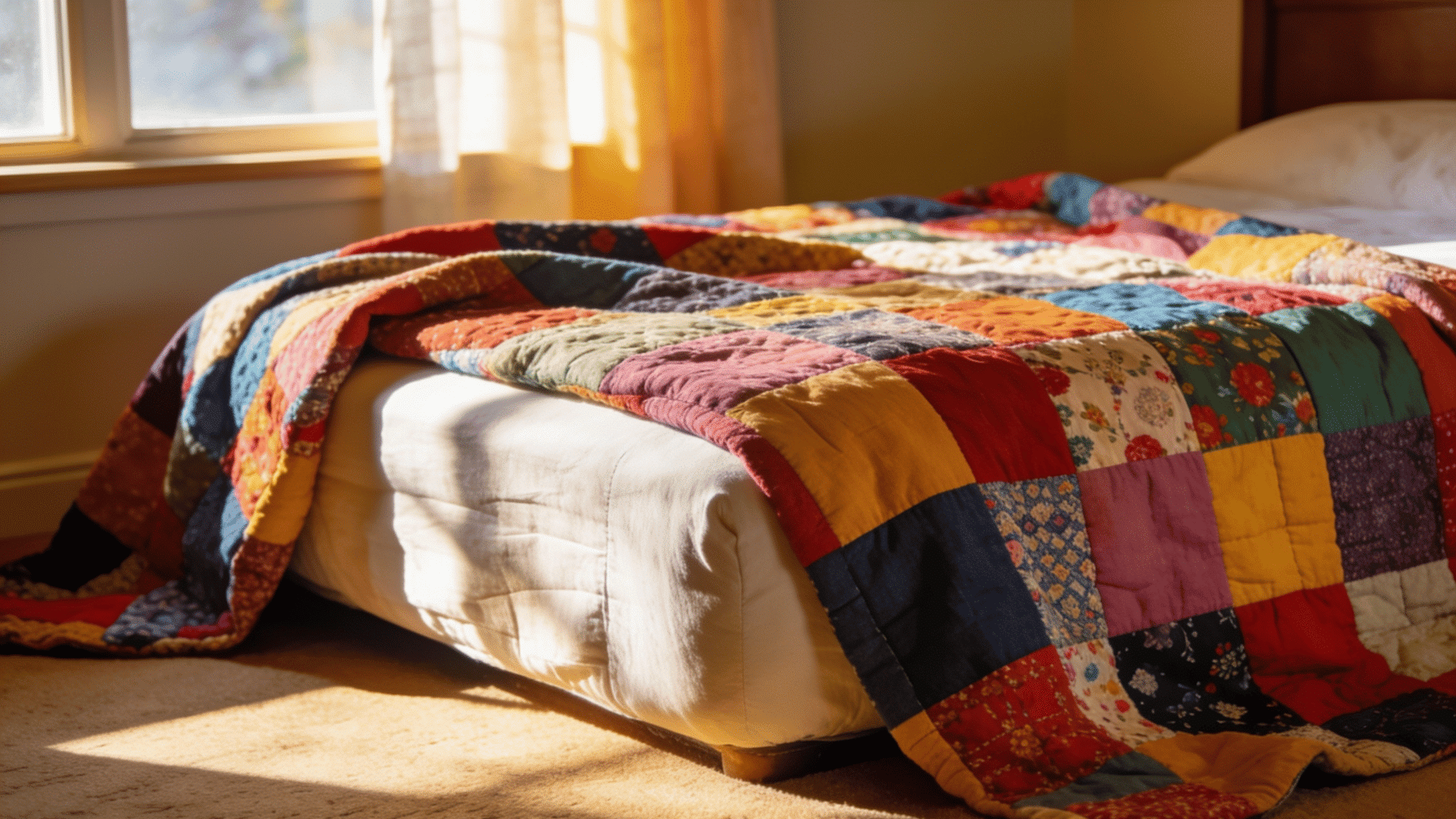
Choosing the right quilt size can have a big impact on both comfort and the overall look of a bed.
I often check measurements before starting a quilting project because even a minor sizing error can affect the finished piece.
From Twin and Full beds to queen and king-size quilt dimensions and specialty sizes, understanding standard quilt measurements can save time and improve project accuracy.
This guide includes clear quilt measurements, useful sizing tips, and printable reference information. With the right dimensions on hand, creating a well-fitting quilt becomes much simpler and more enjoyable.
Benefits of Using a Quilt Size Chart
A quilt size chart serves as a valuable reference when planning a quilting project. It helps ensure that the finished quilt provides the right amount of coverage for the intended bed size while making fabric calculations more accurate.
Since preferences for quilt coverage vary from one person to another, having a standard sizing guide can simplify the planning process.
A quilt size chart can help with:
- Determining the correct quilt dimensions for different mattress sizes.
- Estimating fabric, batting, and backing requirements more accurately.
- Choosing the right amount of side and foot coverage.
- Reducing measurement errors before cutting fabric.
- Planning quilt blocks, borders, and overall layout more effectively.
- Creating quilts that fit both standard and oversized mattresses comfortably.
Using a sizing reference from the beginning can save time, reduce material waste, and help achieve a well-proportioned finished quilt.
Standard Quilt Sizes at a Glance
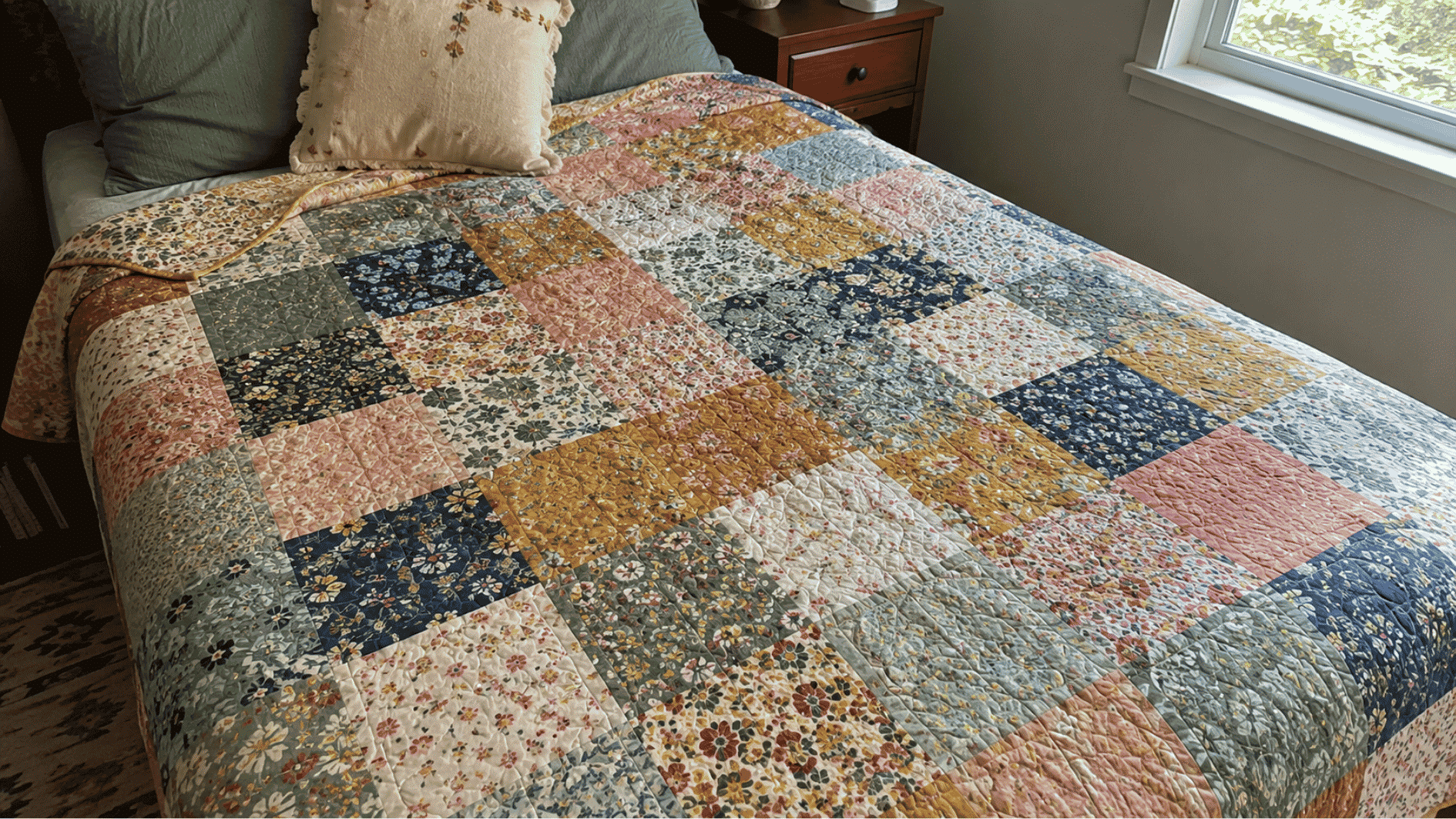
Use this quick-reference chart to compare common quilt sizes and their corresponding mattress dimensions. It provides an easy way to identify the appropriate quilt size for different bed types before planning your next quilting project.
| Quilt Type | Quilt Size | Mattress Size |
|---|---|---|
| Crib | 36 x 52 inches | 28 x 52 inches |
| Toddler | 42 x 58 inches | 28 x 52 inches |
| Twin | 70 x 90 inches | 39 x 75 inches |
| Twin XL | 70 x 95 inches | 39 x 80 inches |
| Full/Double | 84 x 90 inches | 54 x 75 inches |
| Queen | 90 x 108 inches | 60 x 80 inches |
| Olympic Queen | 98 x 108 inches | 66 x 80 inches |
| King | 108 x 108 inches | 76 x 80 inches |
| California King | 108 x 112 inches | 72 x 84 inches |
Many quilters refer to this chart when comparing different bed sizes, especially when determining the correct king size quilt dimensions for larger mattresses.
Crib and toddler quilt measurements are often used with modern baby quilt patterns free because smaller quilts are easier to plan, cut, and sew.
For easy reference, download this free printable quilt size chart.
How to Measure a Bed for a Quilt
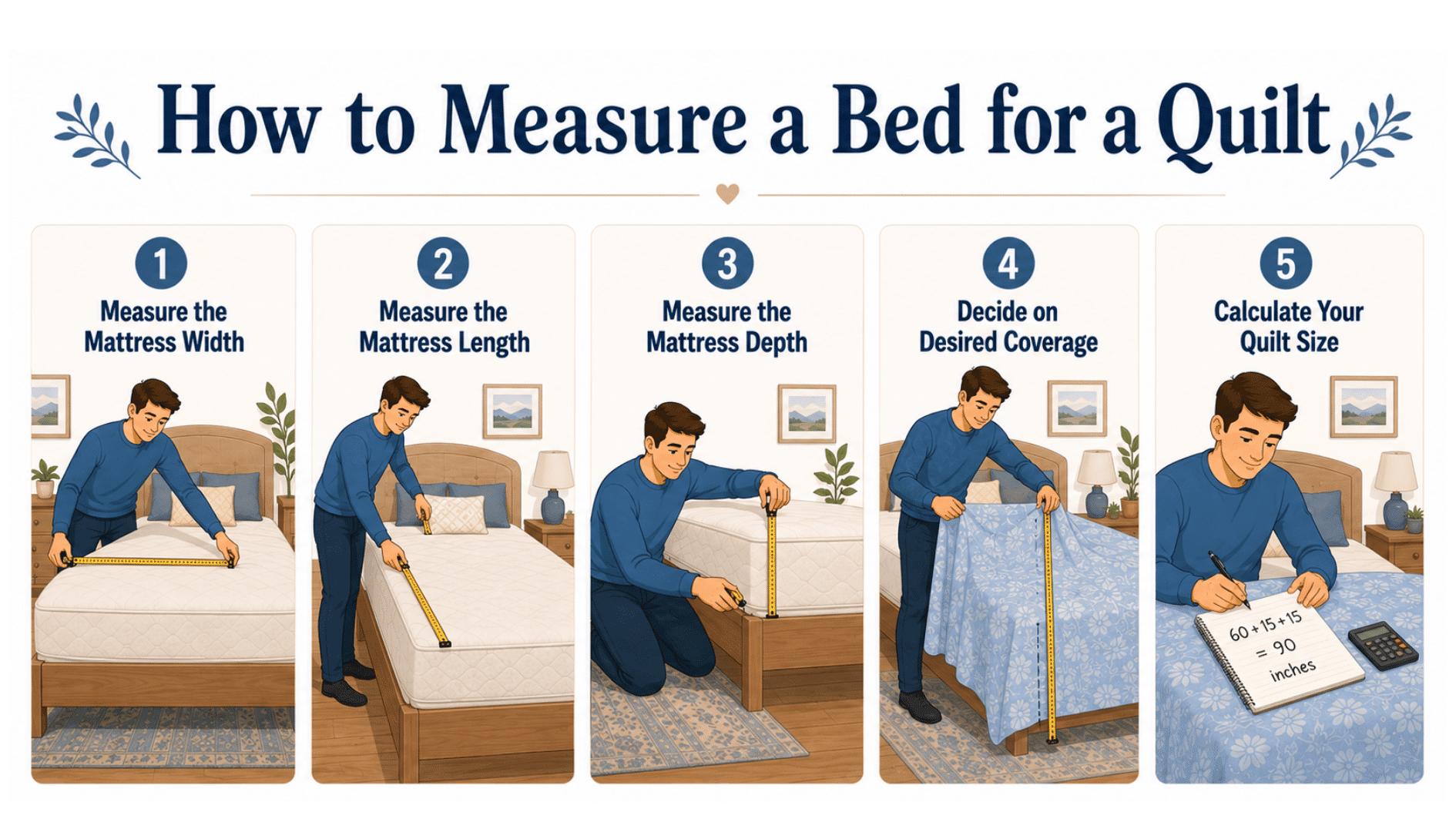
Taking accurate measurements before starting a quilting project can help ensure the finished quilt provides the right amount of coverage. Follow these simple steps to determine the ideal quilt dimensions for your bed.
Step 1: Measure the Mattress Width
Start by measuring the mattress from one side to the other. This measurement serves as the foundation for calculating the quilt’s overall width.
Tips:
- Measure across the widest part of the mattress.
- Record the measurement in inches.
- Double-check for accuracy before moving to the next step.
Step 2: Measure the Mattress Length
Measure the mattress from the head of the bed to the foot. This will help determine the minimum quilt length required.
Tips:
- Measure in a straight line along the mattress surface.
- Include any mattress toppers that add length.
- Note the measurement for later calculations.
Step 3: Measure the Mattress Depth
Mattress depth refers to the thickness of the mattress. This measurement is especially important for pillow-top, hybrid, and extra-thick mattresses.
I always measure the mattress before purchasing fabric because even a few inches can affect the final fit.
Tips:
- Measure from the bottom edge to the top surface.
- Include mattress toppers if they remain on the bed.
- Thicker mattresses may require larger quilts for proper coverage.
Step 4: Decide on Desired Coverage
Think about how much fabric you want hanging over the sides and foot of the bed. Coverage preferences can vary depending on style and comfort needs.
Tips:
- Choose a smaller overhang for a cleaner look.
- Add extra coverage if you prefer a more relaxed appearance.
- Consider whether the quilt will be used daily or primarily for decoration.
Step 5: Calculate Your Quilt Size
Add your preferred coverage measurements to the mattress width and length to determine the final quilt dimensions.
Tips:
- Add side coverage to both sides of the mattress.
- Include additional length for foot coverage if desired.
- Compare your measurements with a standard quilt size chart before finalizing your project.
Factors That Can Affect Quilt Size
While standard quilt measurements provide a helpful starting point, several factors can influence the final dimensions of a quilt.
These considerations become particularly important when planning king-size quilt dimensions, as larger quilts require more precise measurements and material estimates.
| Factor | Impact on Quilt Size | Consideration |
|---|---|---|
| Mattress Depth | May require larger dimensions | Measure mattress thickness before planning |
| Desired Overhang | Affects width and length | Decide how much coverage you prefer |
| Sleeping Preferences | Influences overall coverage | Choose a size based on comfort needs |
| Bed Height | May require extra length | Taller beds often need longer quilts |
| Quilt Purpose | Affects coverage needs | Decorative or everyday use |
| Mattress Type | May require custom sizing | Check dimensions for specialty mattresses |
Conclusion
A quilt size chart is a helpful tool for choosing the right dimensions for your project. It can help ensure a comfortable fit and a balanced appearance on any bed.
Standard quilt measurements provide a useful starting point. Factors such as mattress depth and coverage preferences can then help determine the ideal size.
I always find that taking a few extra minutes to verify measurements helps avoid adjustments later. Proper planning can save time, reduce material waste, and improve overall project accuracy.
Keep these standard quilt measurements handy for future projects. Having quick access to standard dimensions can help you create quilts that are both functional and visually appealing.
Frequently Asked Questions
What Size Quilt is Best for Beginners?
A crib-size quilt, usually around 40 x 60 inches, is often best for beginners because it is easier to manage and requires less fabric.
How Many 12×12 Squares Do I Need to Make a Queen-Size Quilt?
A standard Queen-size quilt typically requires about 56 to 72 twelve-inch squares, depending on the desired coverage, borders, and overall quilt design.
What is the Most Popular Quilt Size?
Queen-size quilts are generally considered the most popular bed quilt size because they fit one of the most commonly used mattress sizes and provide versatile coverage for many households.
How Much Overhang Should a Queen Quilt Have?
A Queen quilt typically has 10 to 15 inches of overhang on the sides and foot of the bed, providing comfortable coverage and a balanced appearance.