Your bedroom is more than just a place to sleep. It’s where you start and end your day, making comfort and relaxation important factors when choosing a paint color.
From my experience working with homeowners, I’ve seen how the right color choice can completely change the mood of a bedroom. Even a simple paint update can make the space feel more inviting and comfortable.
In this blog, I’ll share some of the best bedroom colors recommended by interior design professionals.
You’ll also find several of the most calming bedroom colors that can help create a relaxing space for rest and sleep.
How Room Color Can Change the Entire Feel of a Bedroom
In my experience, wall color has a bigger impact on a bedroom than many people realize. It’s often the first thing that shapes how the room feels, even before you notice the furniture or décor.
I’ve seen bedrooms feel calmer, warmer, or more spacious simply because of a color change. Soft greens and blues often create a relaxing atmosphere, while deeper shades can make a room feel cozy and comfortable.
The right paint color can help create a space where you genuinely enjoy spending time.
That’s why choosing from the best bedroom colors is about more than appearance—it’s about creating the mood you want every day.
Best Bedroom Colors for a Calm, Comfortable, and Stylish Space
The right paint color can influence how comfortable and relaxing your bedroom feels. Here are some of the best bedroom colors that can help create a peaceful space while complementing different interior styles.
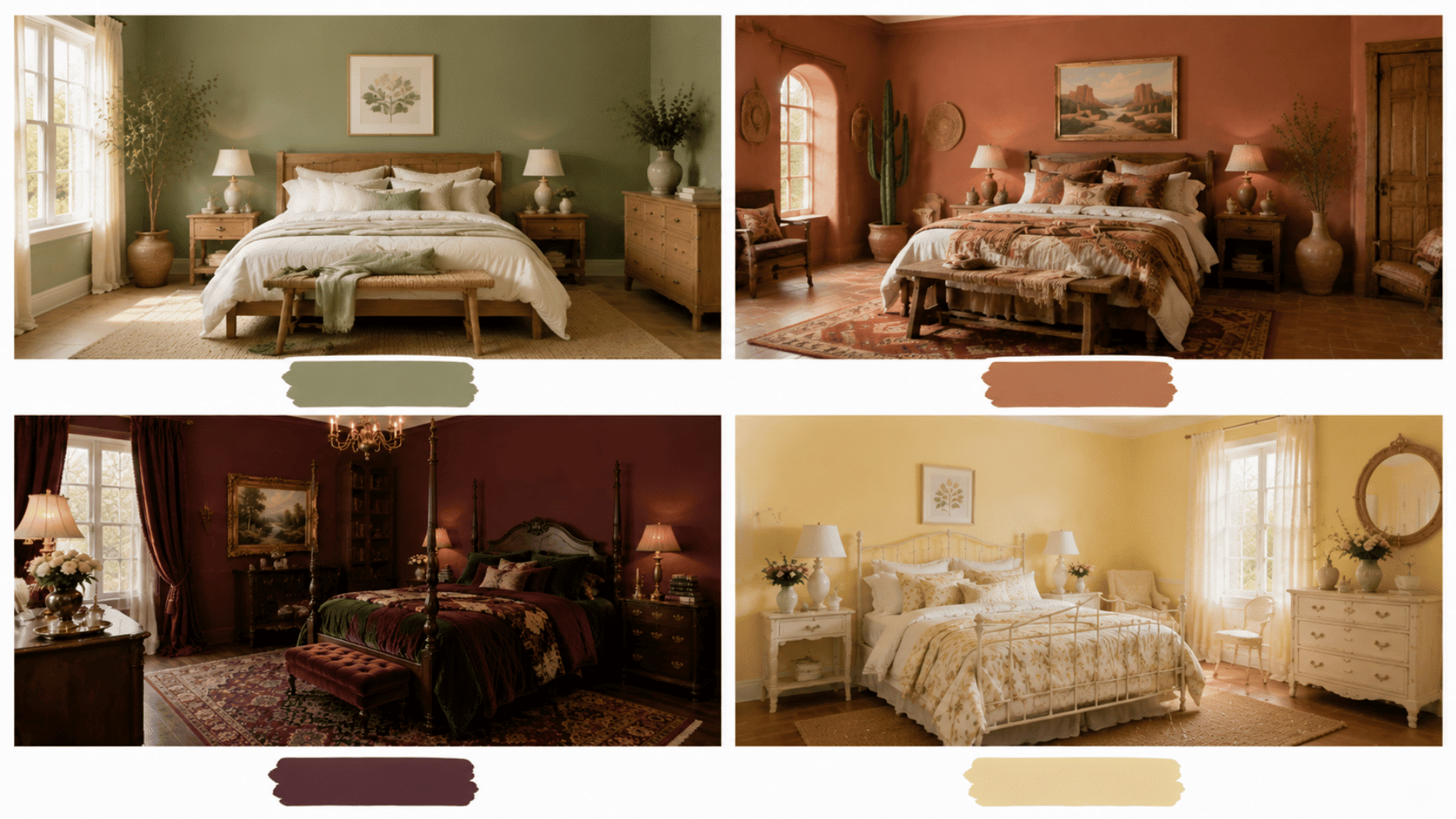
1. Sage Green
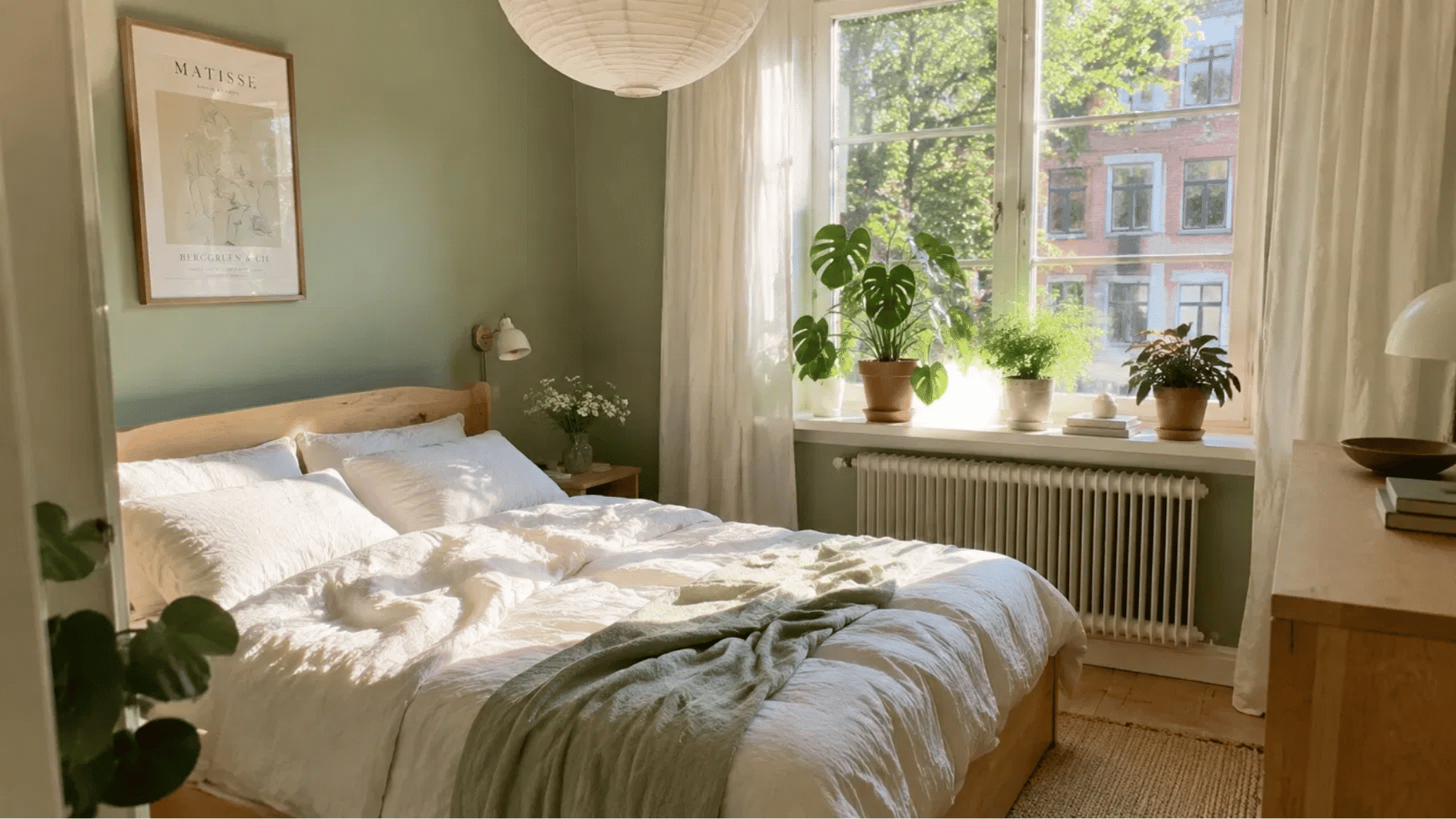
Sage green is one of the best bedroom colors for creating a peaceful and balanced space. Over the years, I’ve noticed that many people choose this shade because it feels calm without looking flat.
Its soft green undertones bring a natural feel to the room while remaining easy to pair with different décor styles.
Why Sage Green Works Well in Bedrooms:
- Creates a soothing environment
- Brings a subtle connection to nature
- Complements both modern and classic interiors
Recommended Paint Colors:
2. Soft Blue-Green
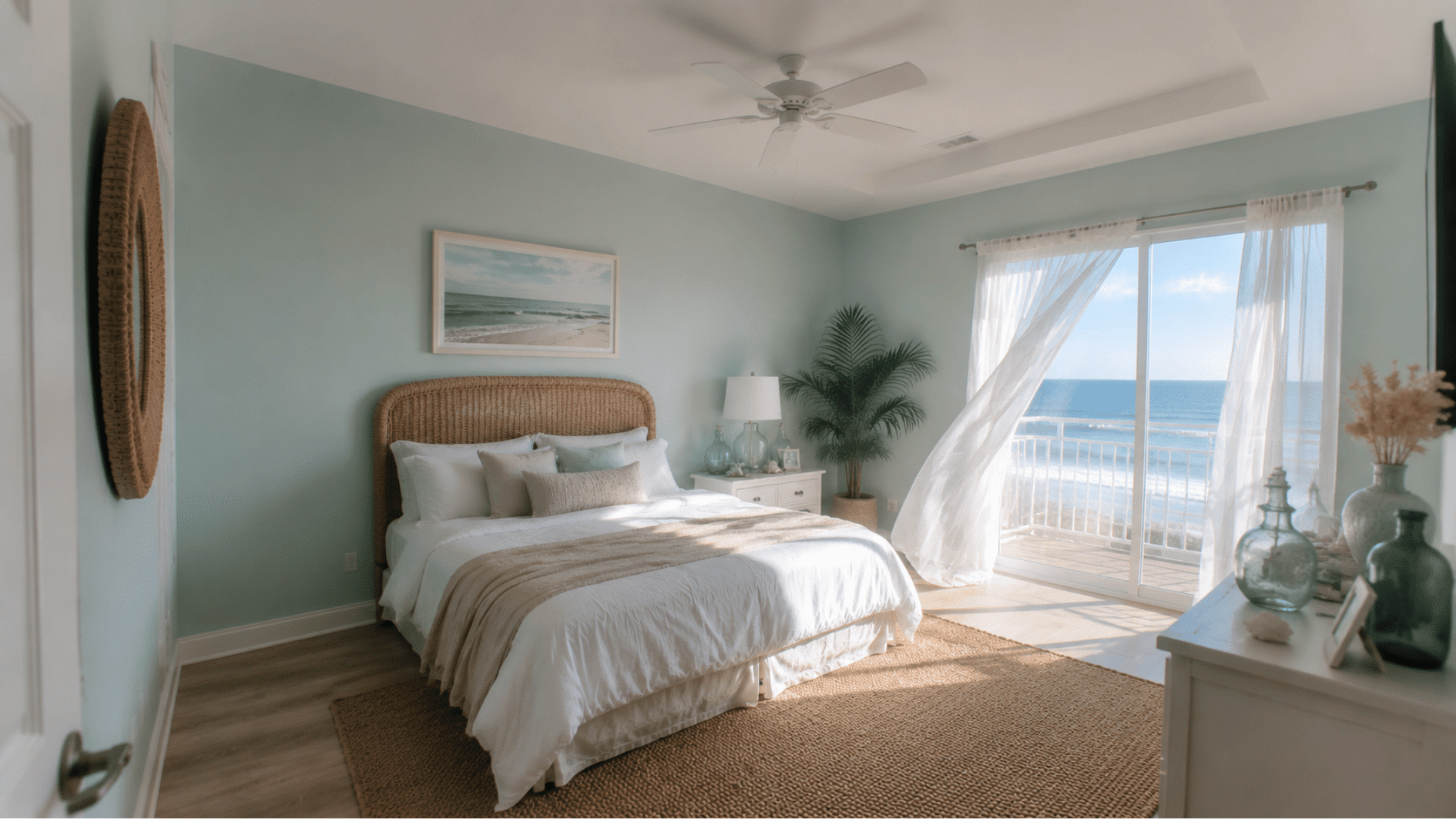
Soft blue-green blends the calming qualities of blue with the freshness of green. This combination helps create a bedroom that feels light, refreshing, and comfortable throughout the day.
How Soft Blue-Green Creates a Relaxing Space:
- Promotes a calm mood
- Helps rooms feel more open
- Works well with coastal and contemporary styles
Recommended Paint Colors:
3. Creamy Off-White
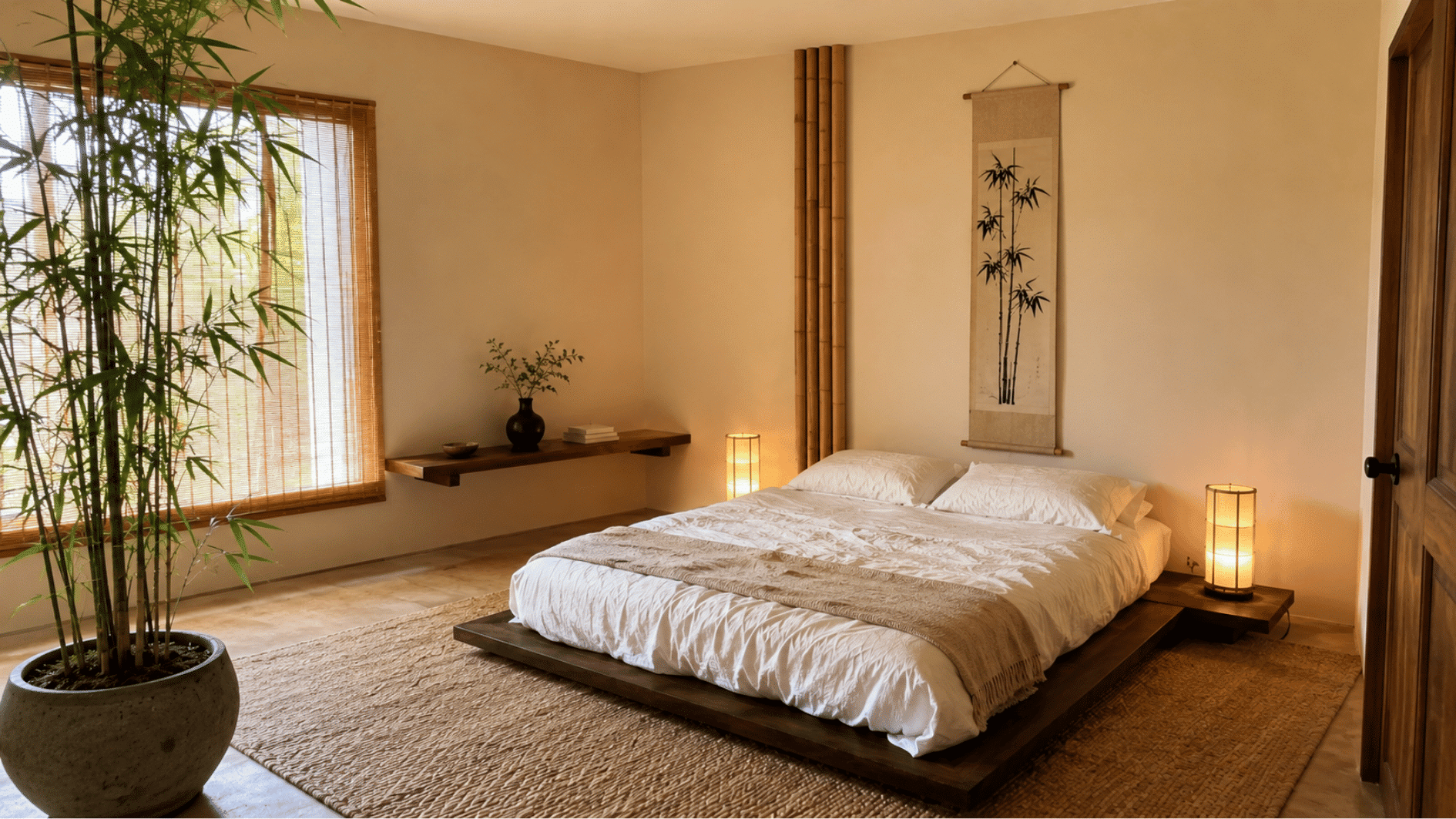
Creamy off-white is a dependable choice for those who prefer a bright bedroom without the stark look of pure white. Its warm undertones help create a comfortable setting that feels inviting at any time of day.
What Makes Creamy Off-White a Popular Choice:
- Enhances natural light
- Works with almost every color palette
- Makes smaller rooms feel larger
Recommended Paint Colors:
4. Warm Greige
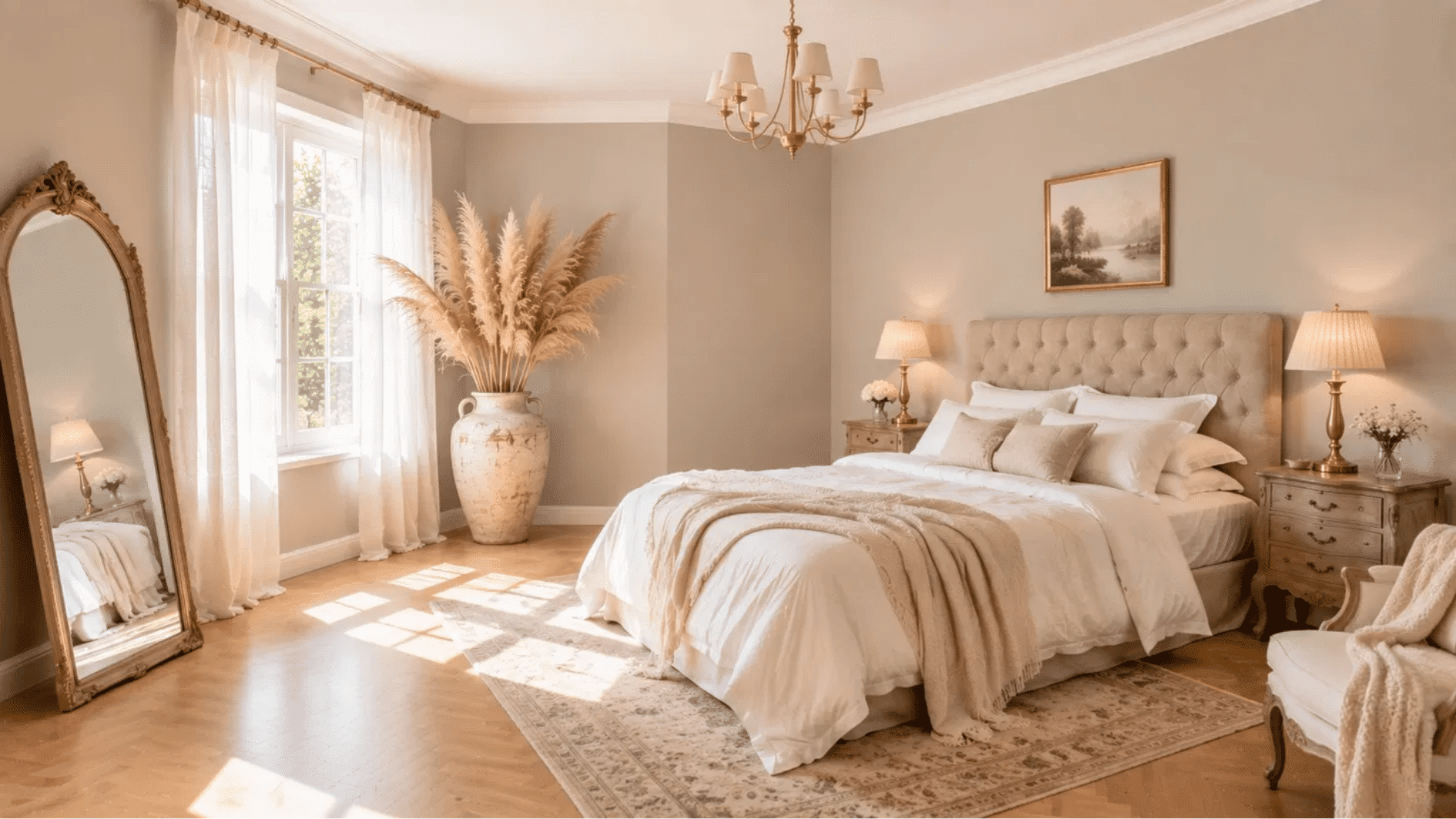
Warm greige combines the softness of beige with the versatility of gray. In my experience, it is one of the easiest bedroom colors to decorate around because it adapts well to changing furniture, flooring, and accent colors.
Why Warm Greige Remains a Favorite:
- Offers warmth without appearing yellow
- Works in both bright and low-light rooms
- Provides a timeless foundation for décor
Recommended Paint Colors:
5. Earthy Terracotta
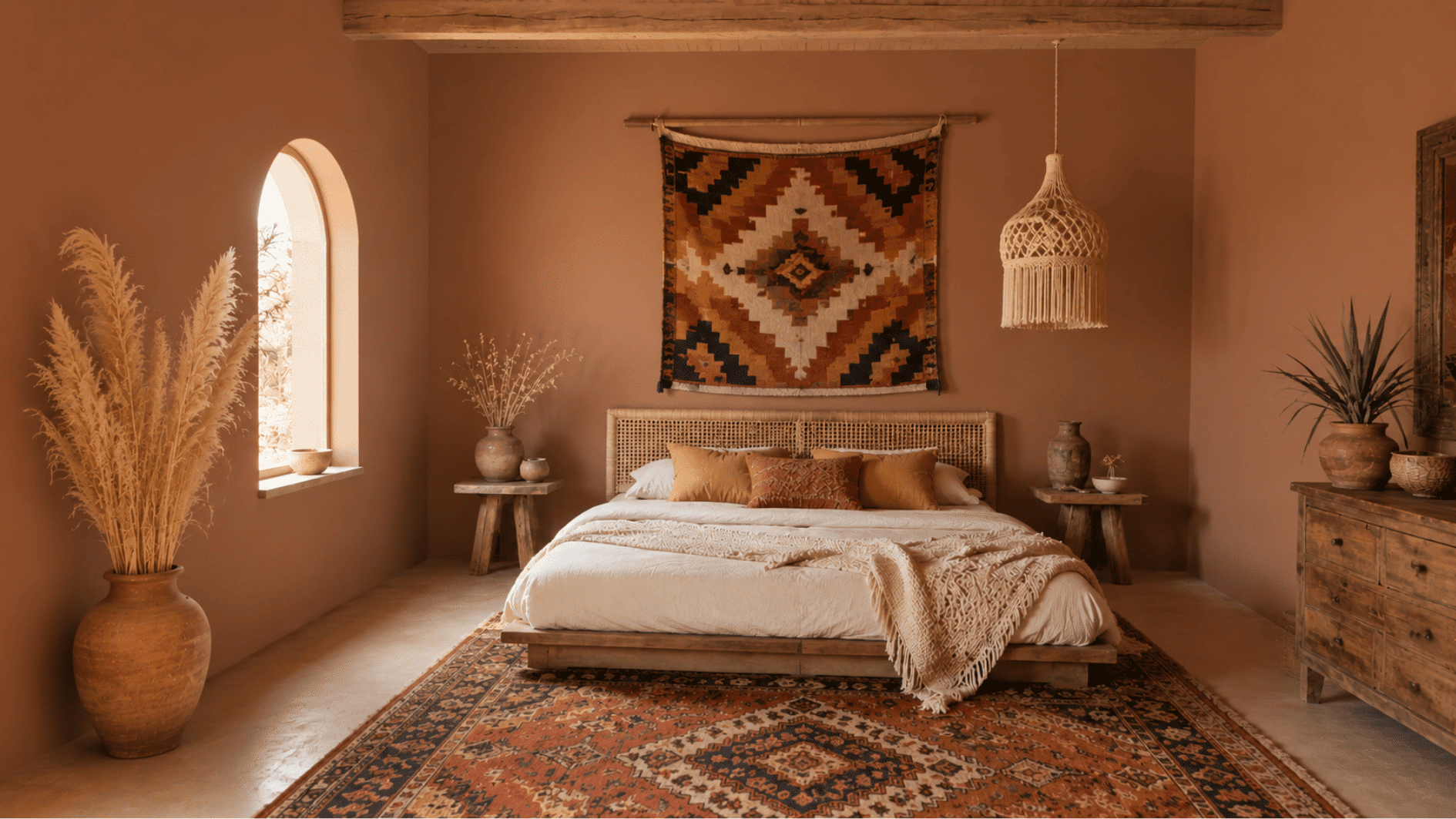
Terracotta introduces warmth and character through rich earth-inspired tones. It adds personality to a bedroom while maintaining a welcoming and comfortable feel.
How Terracotta Adds Warmth to a Bedroom:
- Creates a cozy atmosphere
- Adds visual depth
- Pairs naturally with organic materials
Recommended Paint Colors:
6. Deep Teal / Marine Blue
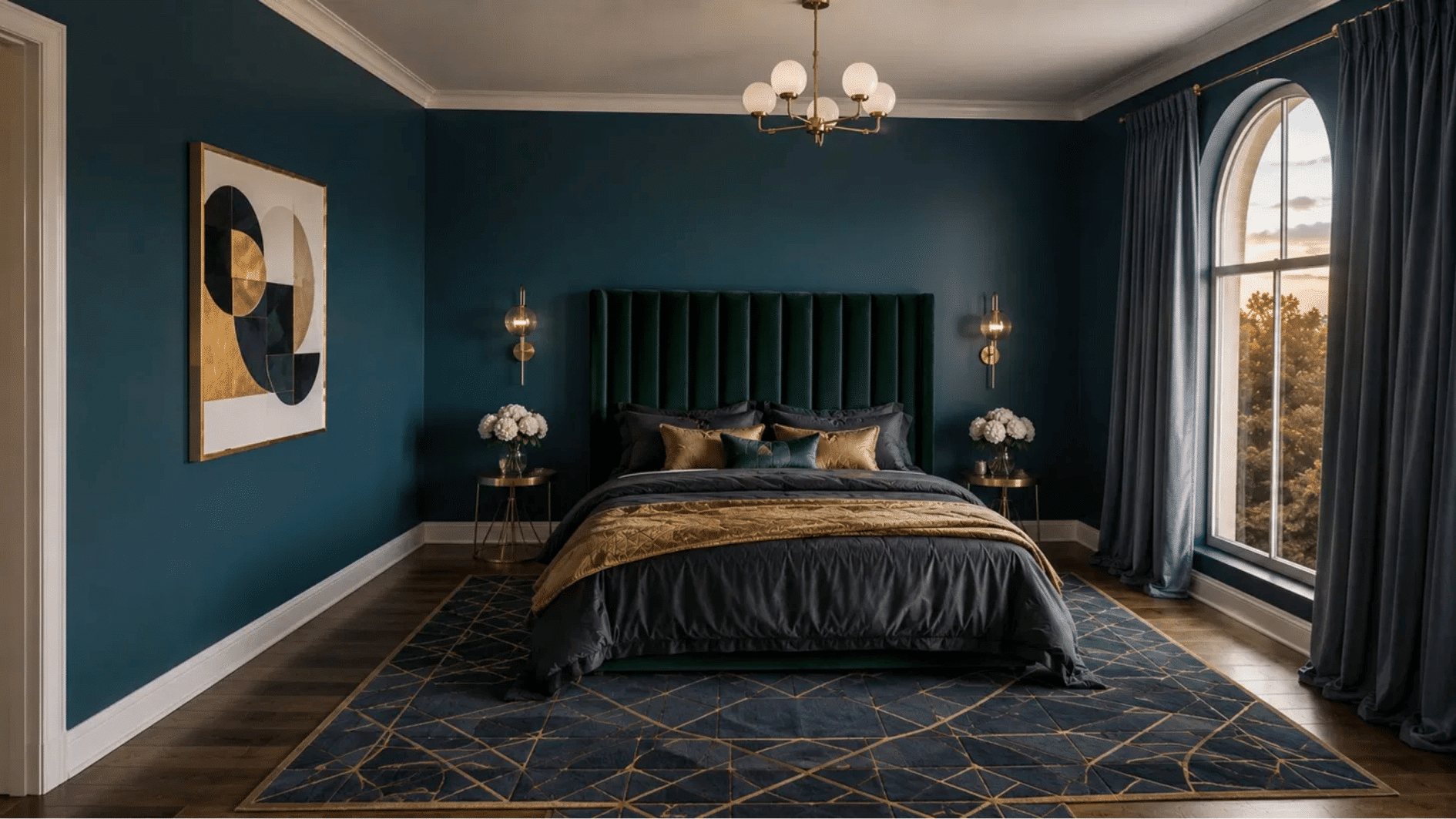
Deep teal brings richness and depth to a bedroom without feeling overly dramatic. Its blend of blue and green tones creates a balanced look that feels grounded and relaxing.
Deep teal also works beautifully in a color-drenched bedroom, where the walls, trim, and ceiling share the same rich tone.
What Makes Deep Teal Stand Out:
- Adds depth to larger spaces
- Creates a cozy nighttime feel
- Works well as a feature wall or full-room color
Recommended Paint Colors:
7. Muted Clay Pink / Blush
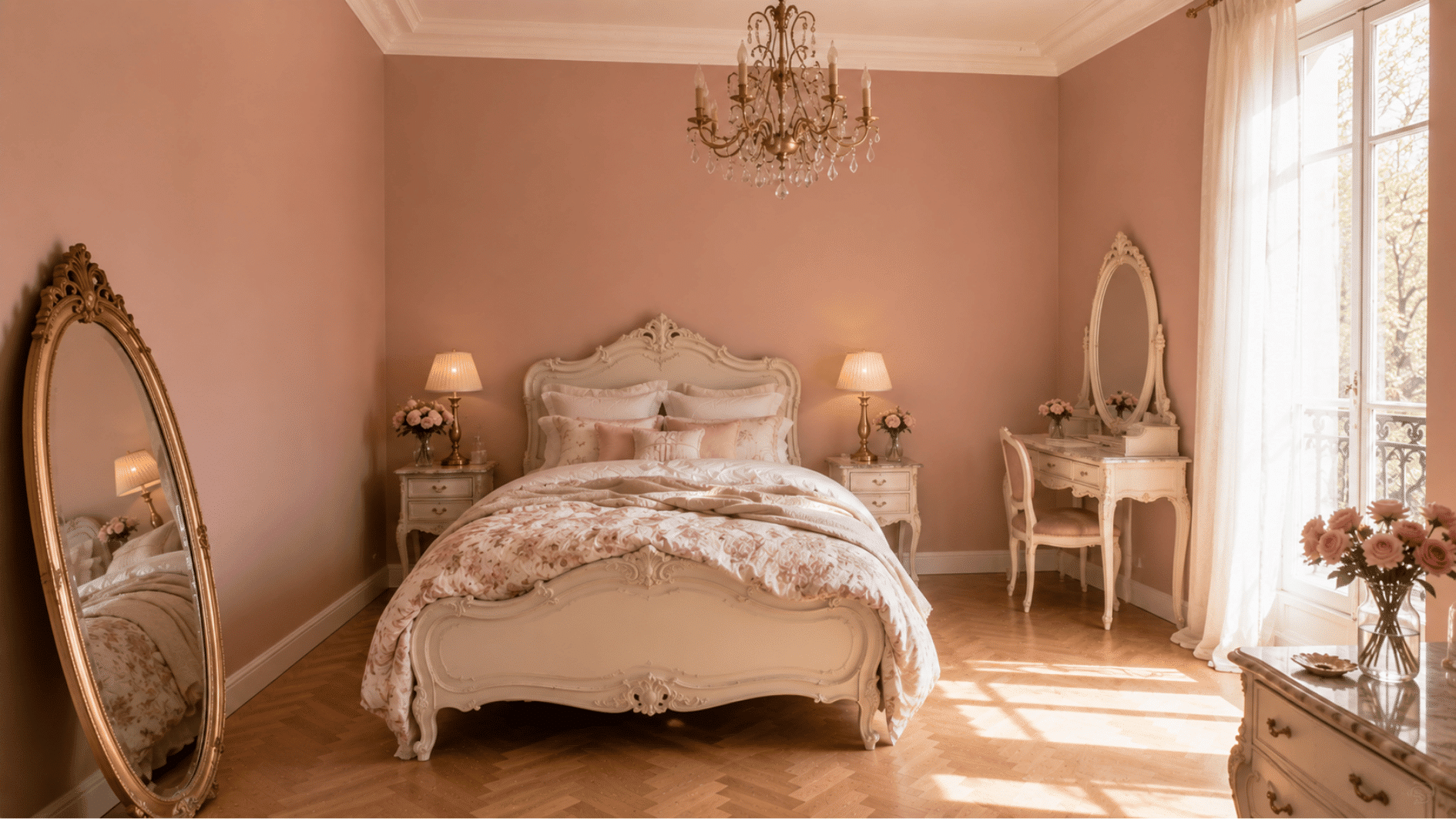
Muted clay pink offers a soft touch of color while remaining warm and understated. It brings comfort to a bedroom without dominating the overall design.
Why Muted Blush Feels Soft and Comfortable:
- Adds gentle warmth
- Softens the appearance of a room
- Complements many neutral shades
Recommended Paint Colors:
8. Espresso / Rich Brown
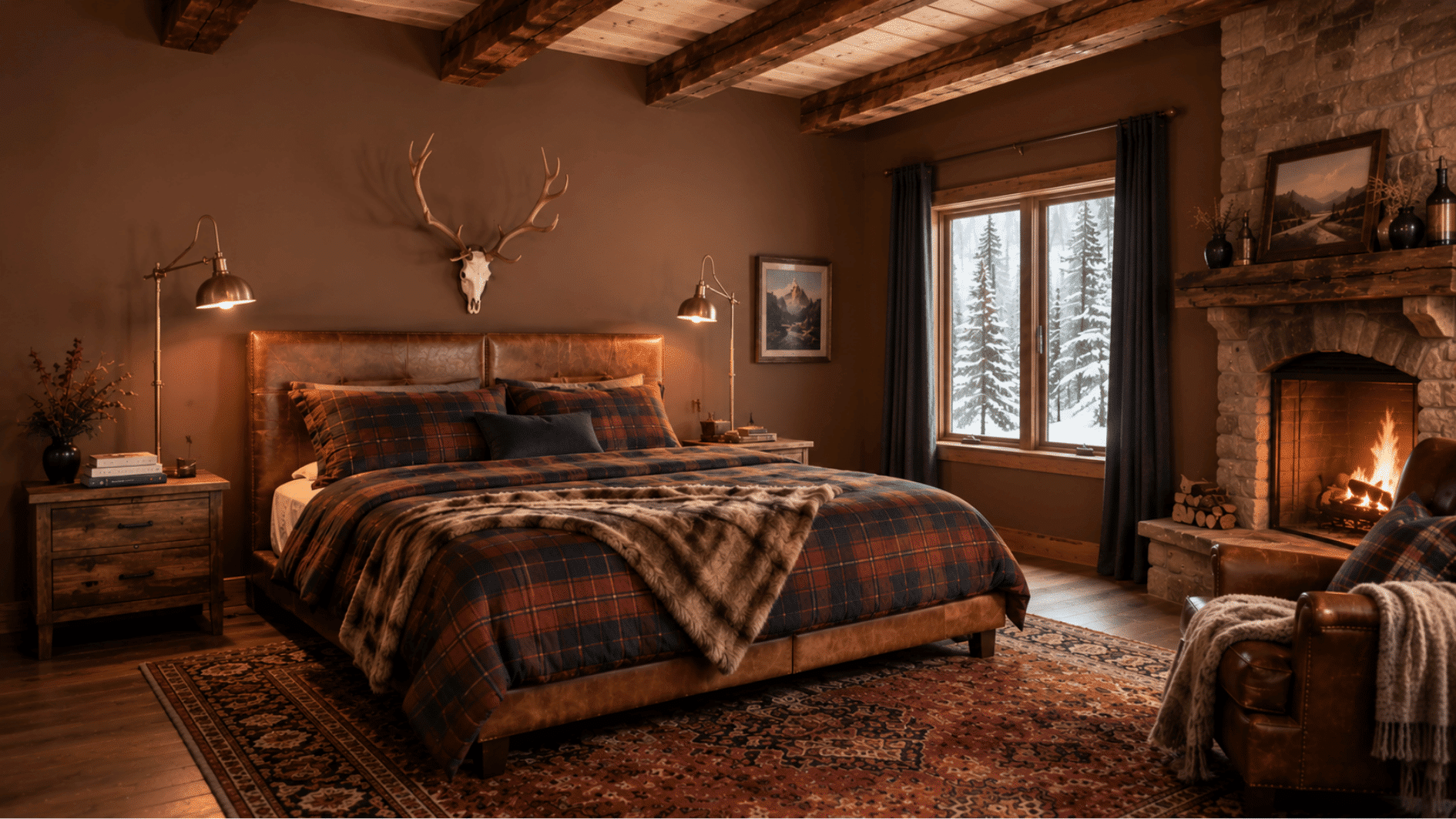
Rich brown shades create a grounded and comforting bedroom environment. These deeper tones can make larger rooms feel more intimate while adding contrast and depth.
How Rich Brown Creates a Cozy Setting:
- Brings warmth to spacious rooms
- Adds contrast without feeling harsh
- Works well with layered textures
Recommended Paint Colors:
9. Powder Blue / Light French Gray
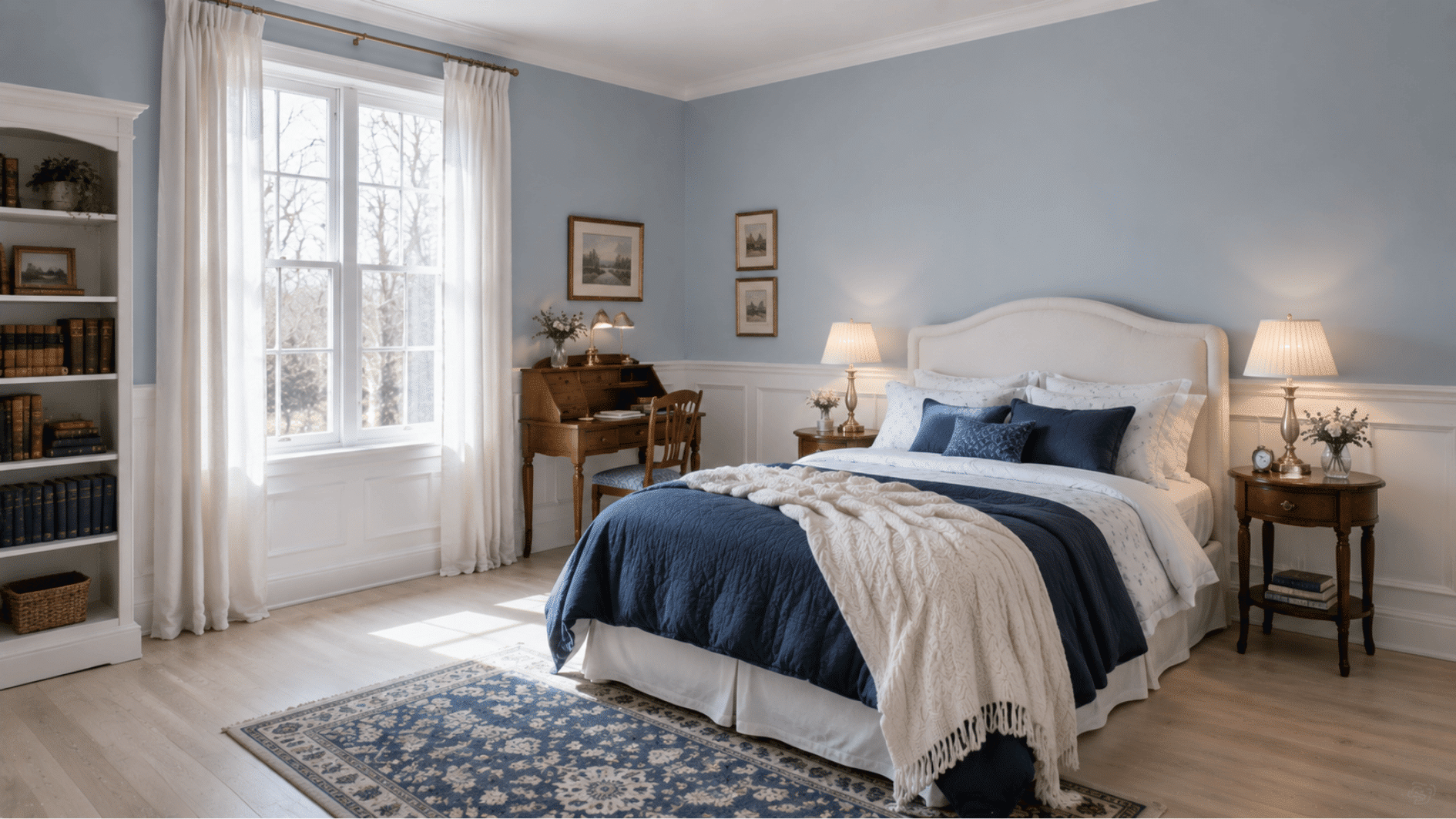
Powder blue continues to be one of the most calming bedroom colors. I often recommend shades like this because they help create a peaceful setting while keeping the room feeling bright and airy.
Why Powder Blue Is a Bedroom Classic:
- Supports a relaxing atmosphere
- Reflects light softly
- Fits both traditional and modern spaces
Recommended Paint Colors:
10. Warm Taupe
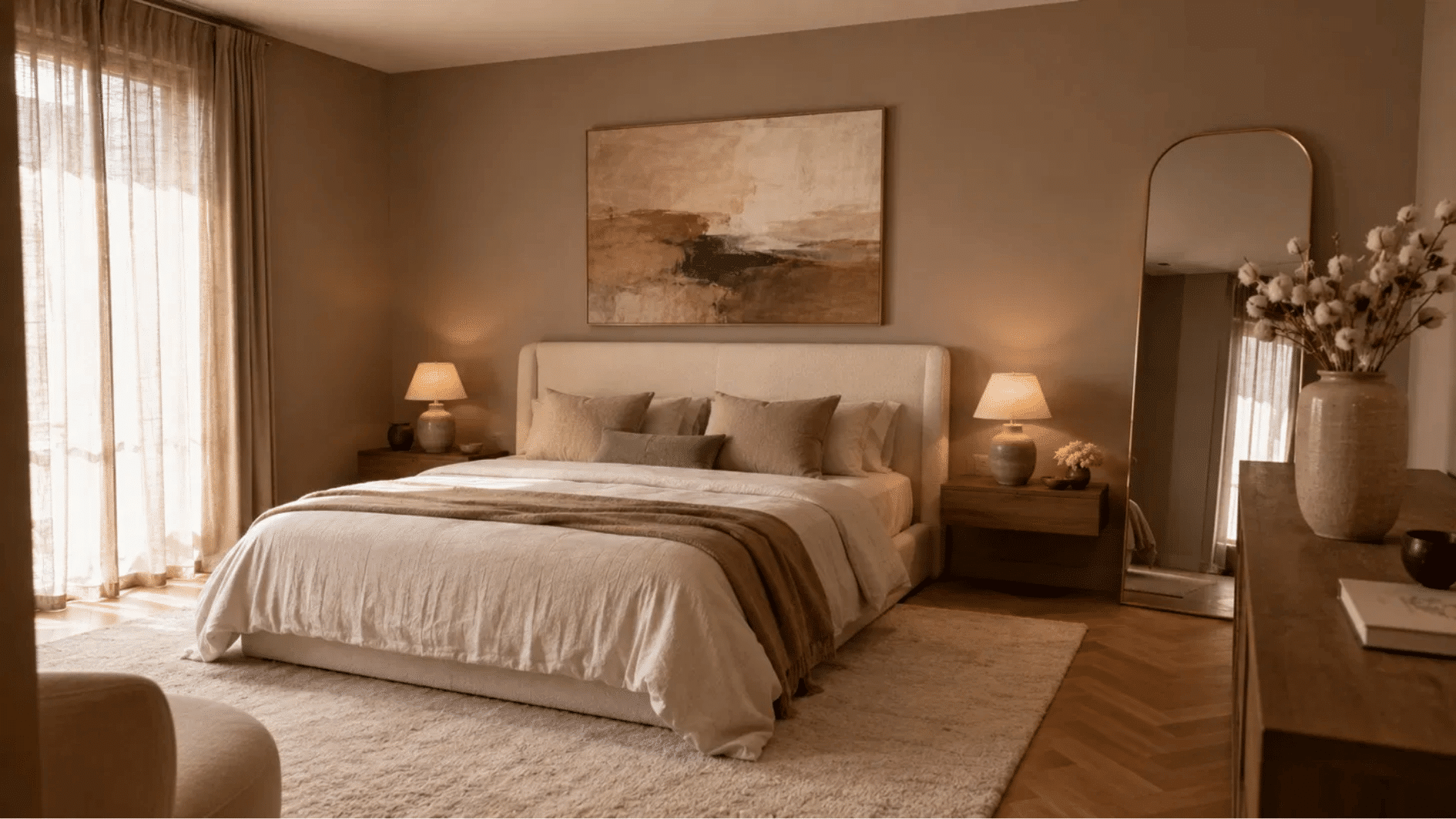
Warm taupe is a versatile neutral that balances comfort and sophistication. It offers more warmth than gray while remaining subtle enough to support a variety of design styles.
What Makes Warm Taupe So Versatile:
- Works with warm and cool accents
- Creates a welcoming environment
- Adapts to different lighting conditions
Recommended Paint Colors:
11. Olive Green
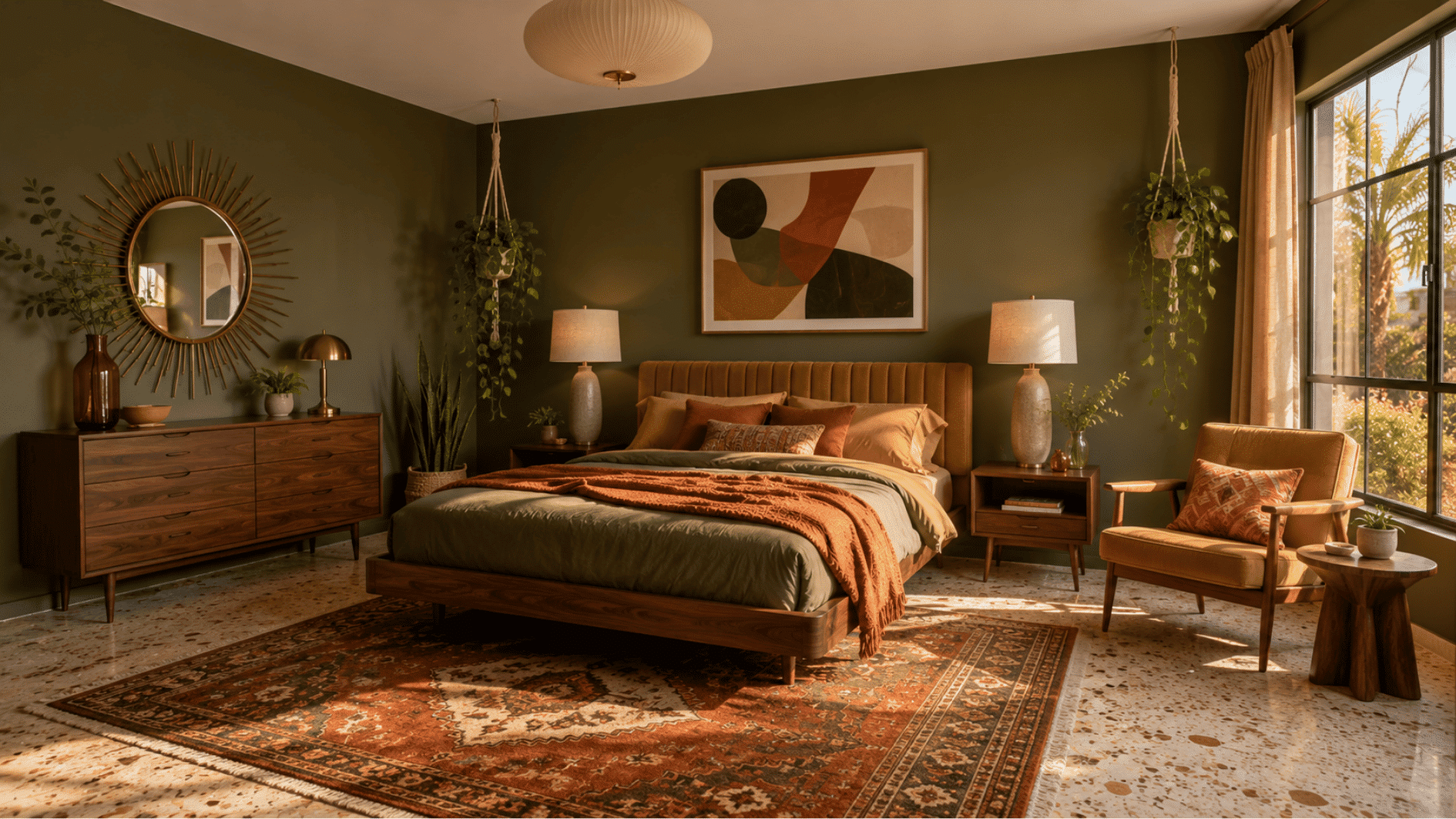
Olive green provides a richer alternative to lighter green shades. Its earthy appearance helps create a grounded bedroom that feels connected to natural elements.
Why Olive Green Works in Modern Bedrooms:
- Adds depth without feeling heavy
- Complements wood and metal finishes
- Creates a relaxed and balanced look
Recommended Paint Colors:
12. Deep Plum / Burgundy
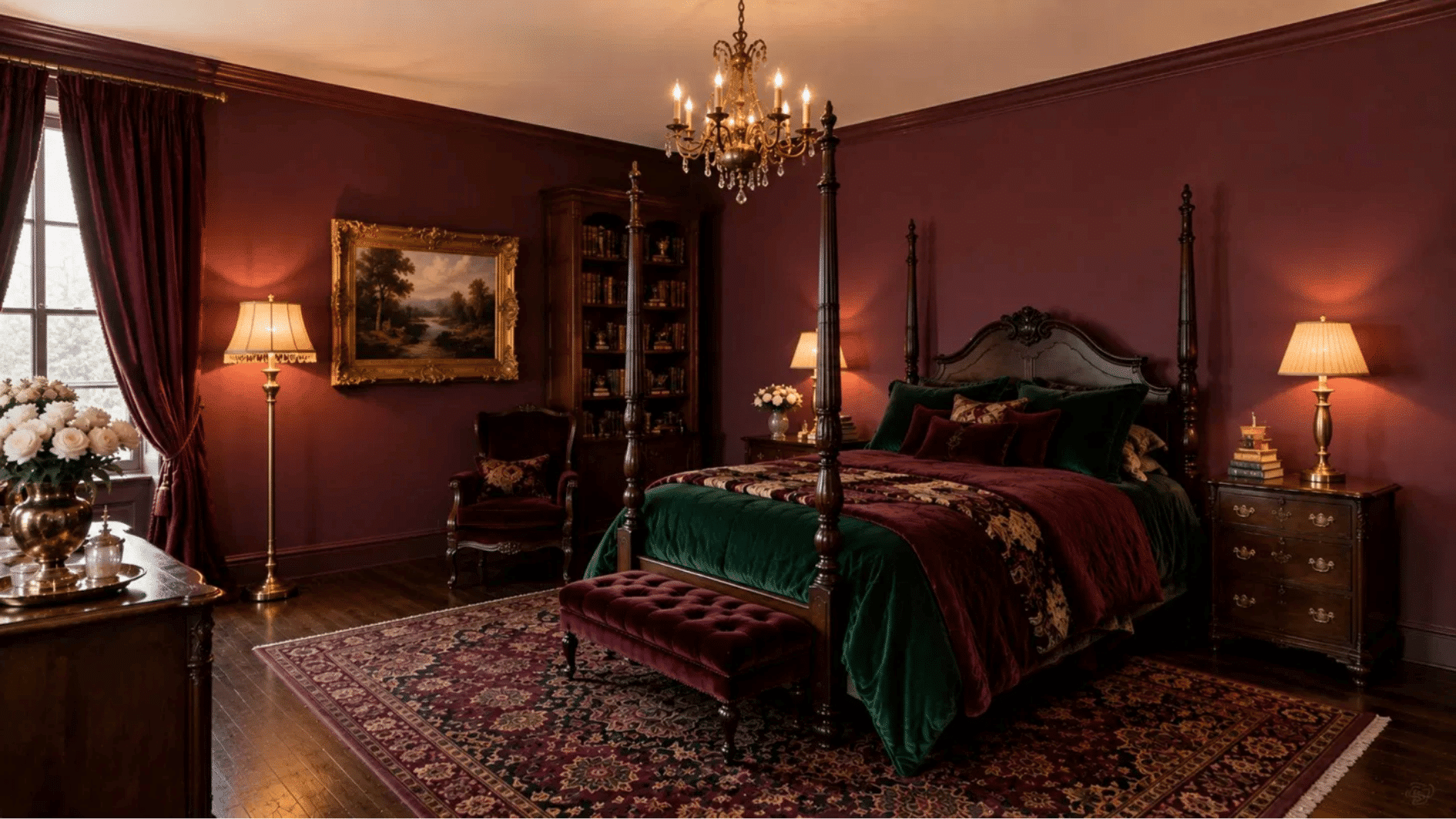
Deep plum and burgundy bring warmth and personality to bedroom interiors. These colors can create a dramatic look while still feeling comfortable and suitable for rest.
How Deep Plum Adds Character:
- Creates a cozy atmosphere
- Introduces rich color and depth
- Makes a strong visual statement
Recommended Paint Colors:
13. Soft Lavender
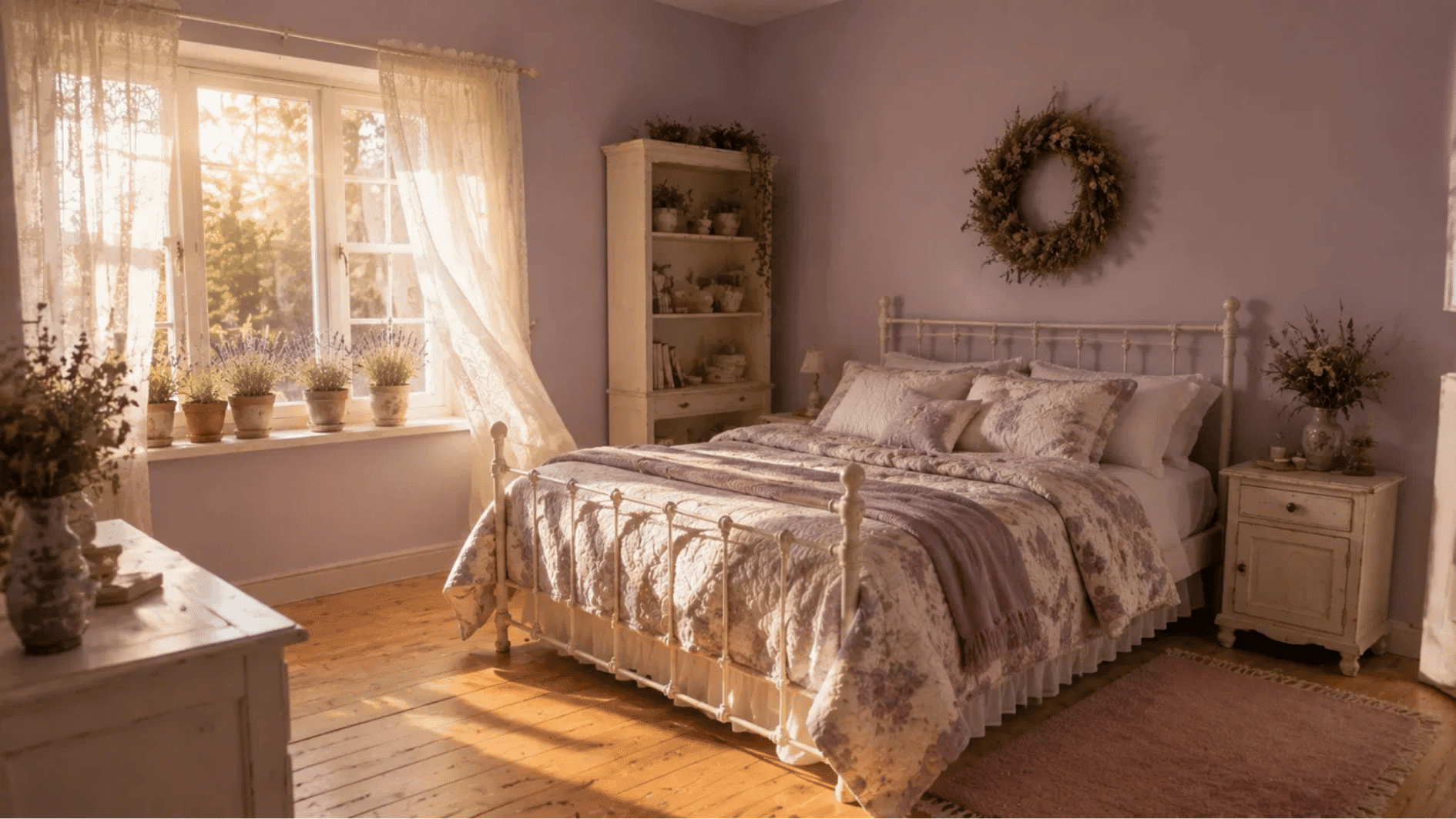
Soft lavender introduces subtle color while maintaining a calm and restful feel. It serves as a gentle alternative to blue and gray tones in bedroom design.
What Makes Lavender Feel Relaxing:
- Creates a peaceful environment
- Adds color without overwhelming the room
- Blends easily with neutral décor
Recommended Paint Colors:
14. Pale Yellow / Vanilla Custard
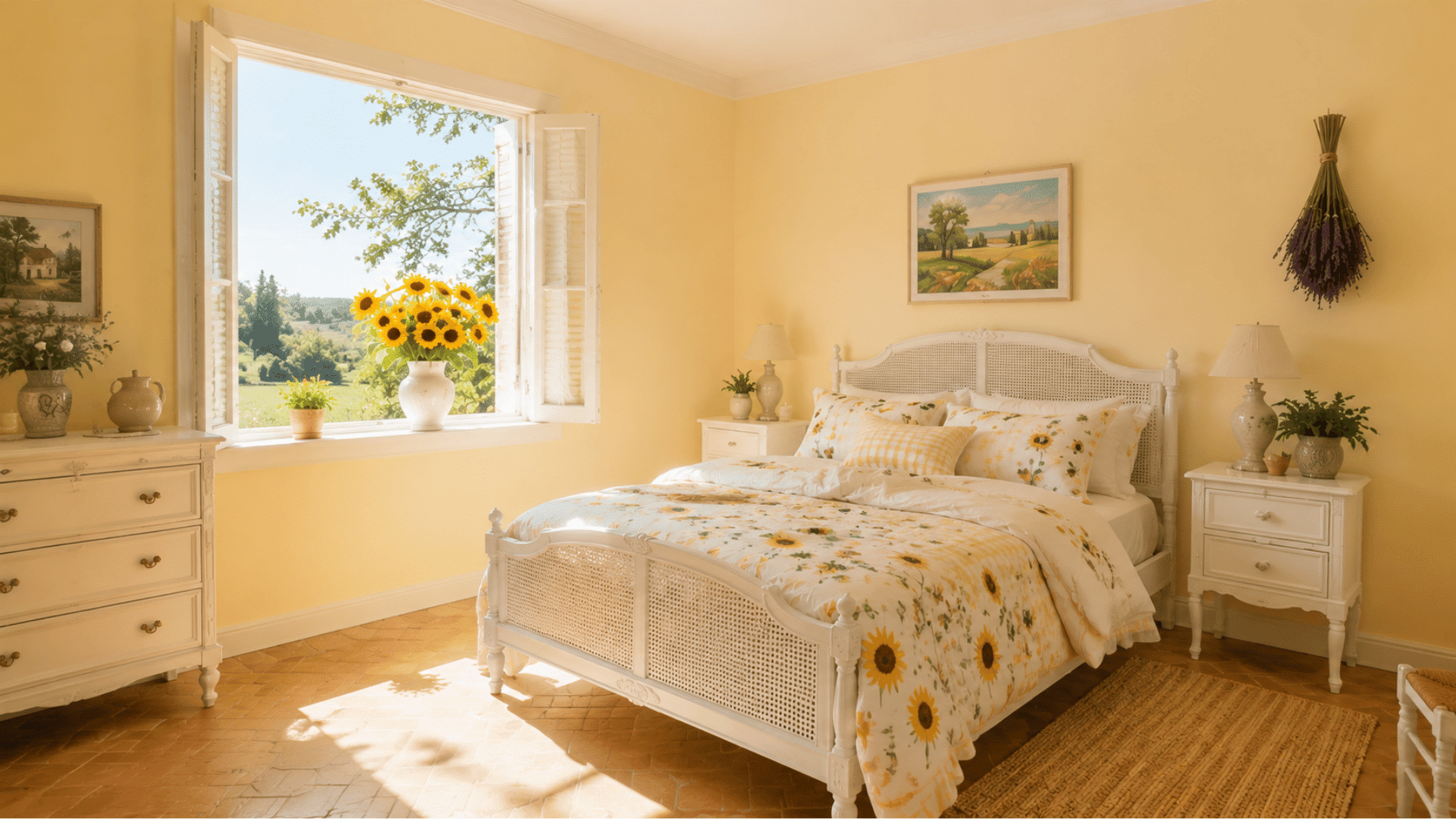
Pale yellow brings warmth and brightness to a bedroom. I’ve seen this shade work especially well in rooms with limited natural light because it helps create a lighter and more welcoming feel throughout the day.
Why Pale Yellow Brightens a Bedroom:
- Reflects available light effectively
- Adds warmth without feeling overpowering
- Creates an uplifting environment
Recommended Paint Colors:
15. Charcoal Blue
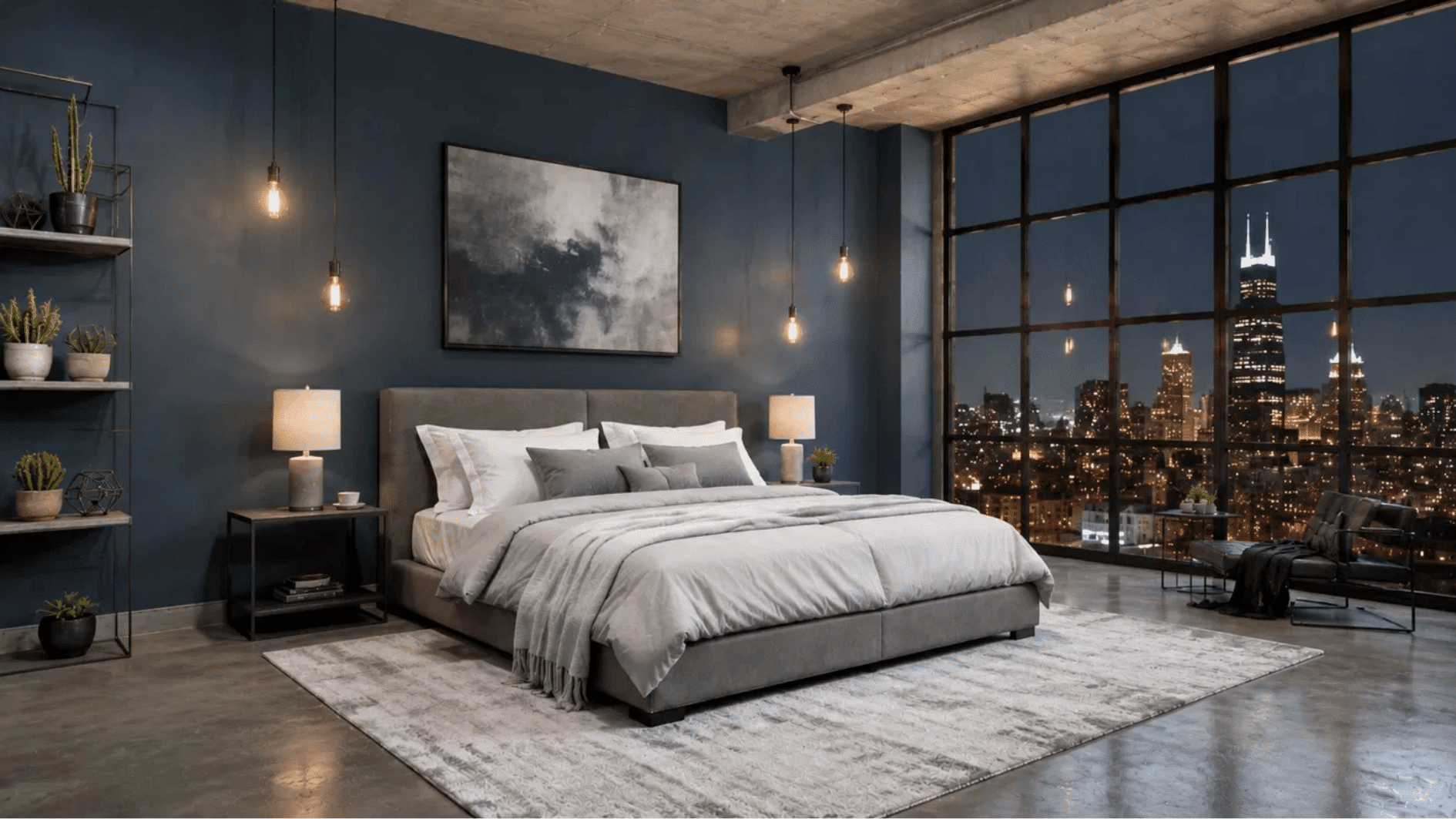
Charcoal blue combines the richness of dark colors with the calming qualities of blue. It offers depth and contrast while maintaining a comfortable and relaxing bedroom setting.
How Charcoal Blue Adds Depth:
- Creates visual interest
- Works well in contemporary and traditional spaces
- Adds contrast without overwhelming the room
Recommended Paint Colors:
Quick Bedroom Color Pairing Reference
From my experience, the right furniture, bedding, and accent colors can make a bedroom feel more complete.
| Bedroom Color | Furniture & Wood Tones | Accent Colors |
|---|---|---|
| Sage Green | Light Oak, Whitewashed Wood | Cream, Brass |
| Soft Blue-Green | Natural Oak, Ash Wood | White, Soft Gray |
| Warm Greige | Medium Wood Tones | White, Charcoal |
| Earthy Terracotta | Rustic Wood, Rattan | Cream, Olive Green |
| Deep Teal / Marine Blue | Dark Walnut, Mahogany | Brass, Ivory |
| Powder Blue / Light French Gray | White Oak, Maple | White, Silver |
| Charcoal Blue | Dark Oak, Walnut | White, Brass |
How to Choose the Best Bedroom Color for Your Space
The best bedroom color depends on more than personal preference. From my experience, factors like room size, natural light, and existing furniture can all influence which shade works best.
- Room Size: Light colors can make smaller bedrooms feel more open, while darker shades can add warmth and depth to larger spaces.
- Natural Light: Bedrooms with limited sunlight often benefit from warmer tones, while brighter rooms can support both warm and cool colors.
- Existing Furniture: Choose a paint color that complements your furniture, flooring, and bedding for a more coordinated appearance.
- Relaxing Feel: Shades like Sage Green, Powder Blue, and Soft Lavender can help create a calm and comfortable environment.
- Warm or Bold Style: Colors such as Terracotta, Warm Taupe, Rich Brown, Deep Teal, Charcoal Blue, and Burgundy can add warmth, depth, and character to the room.
Conclusion
The best bedroom colors are those that support the atmosphere you want to create while complementing your room’s size, lighting, and furnishings.
A color that works well in one bedroom may not always be the best fit for another.
From my experience, the most successful bedroom color choices are based on both personal preference and practical factors. Natural light, furniture finishes, and room dimensions can all influence the final result.
Before making a final decision, test paint samples on your walls and view them at different times of the day. This simple step can help you choose a color that looks consistent and works well within your space.
Frequently Asked Questions
What is the Healthiest Color to Sleep In?
Blue is often considered one of the best colors for sleep because it is associated with calmness and relaxation. Soft shades like light blue and powder blue can help create a peaceful bedroom environment.
What Color is Replacing Grey?
While gray remains popular, many people are now choosing warmer shades like Sage Green, Warm Greige, Olive Green, and Warm Taupe for a softer and more inviting look.
What Color Should You Avoid in a Bedroom?
Bright colors like red, orange, and electric purple can feel too stimulating for a bedroom. Very dark shades may also make the space feel heavy when overused.