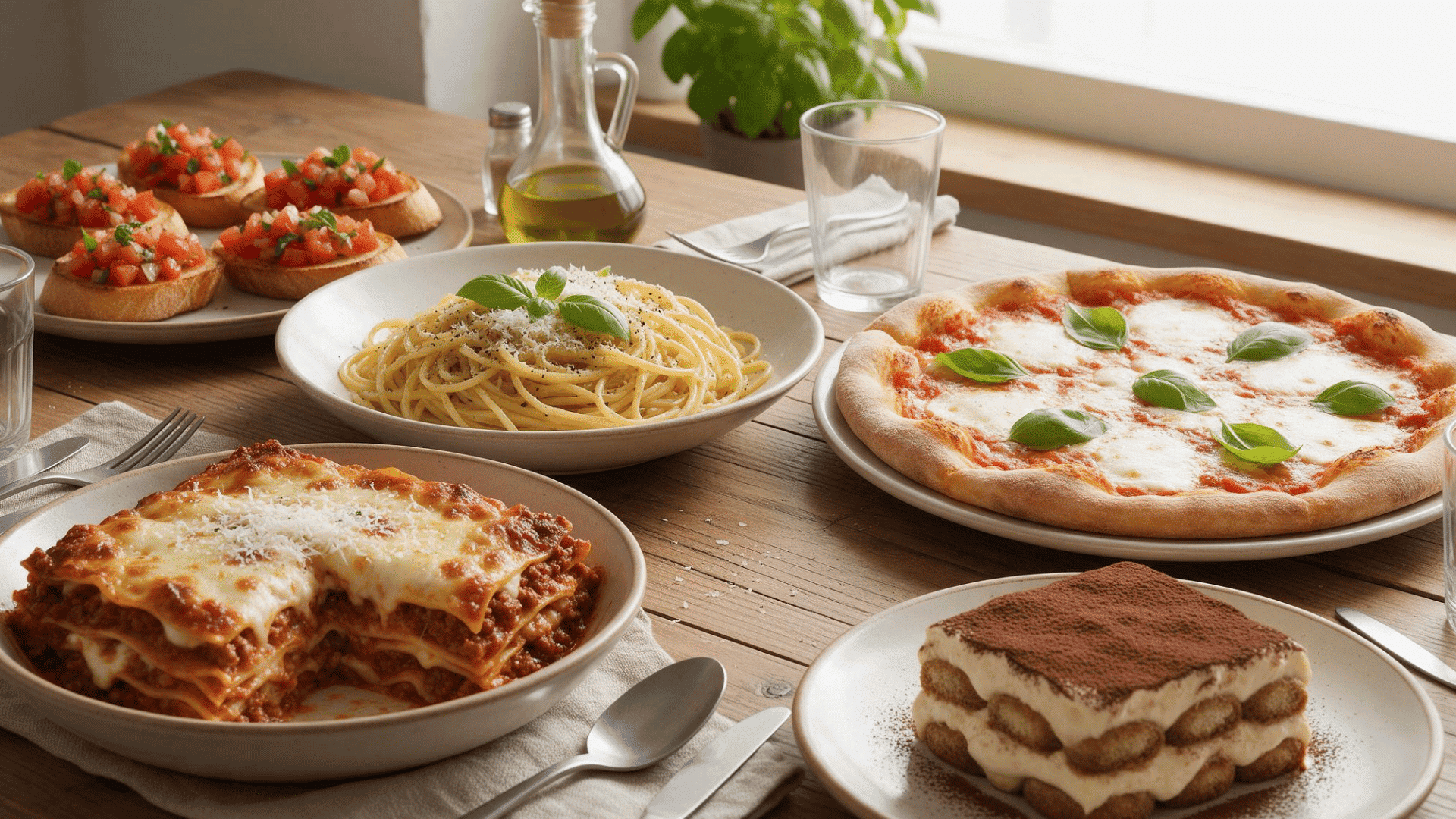
Some meals do more than fill a plate; they carry stories from one region, family, and generation to the next. Italian recipes often look simple, yet small choices in ingredients and technique can change the final dish completely.
Knowing a little background makes these classics more meaningful to cook. From rustic starters to comforting Italian entrees, each recipe has its own character.
This blog covers classic dishes, regional traditions, cooking methods, and serving ideas.
What Makes Italian Recipes Authentic vs. Italian-American?
Authentic Italian recipes stay close to one region. They lean on a handful of ingredients and let each one stand out.
A simple sauce built from ripe tomatoes, garlic, and olive oil is typical, and pasta plays a supporting role, served in modest portions before the main course.
Italian-American recipes grew out of immigrant kitchens with different ingredients on hand. Meat, cheese, and cream were cheaper here, so dishes became heartier. Richer cream-based pasta sauces also became more familiar in American kitchens, alongside sauces that leaned heavily on garlic, cheese, and dairy.
I’d call a dish authentic when it reflects one region’s restraint and call it Italian-American when it favors abundance instead. Neither version is wrong, just different traditions.
Authentic Italian Recipes to Make at Home
This recipe collection brings together classic starters, pastas, mains, breads, soups, and desserts, giving you plenty of traditional Italian dishes to choose from. If you are mainly looking for simple pasta dinners, those can also work well for busy weeknights.
1. Bruschetta al Pomodoro
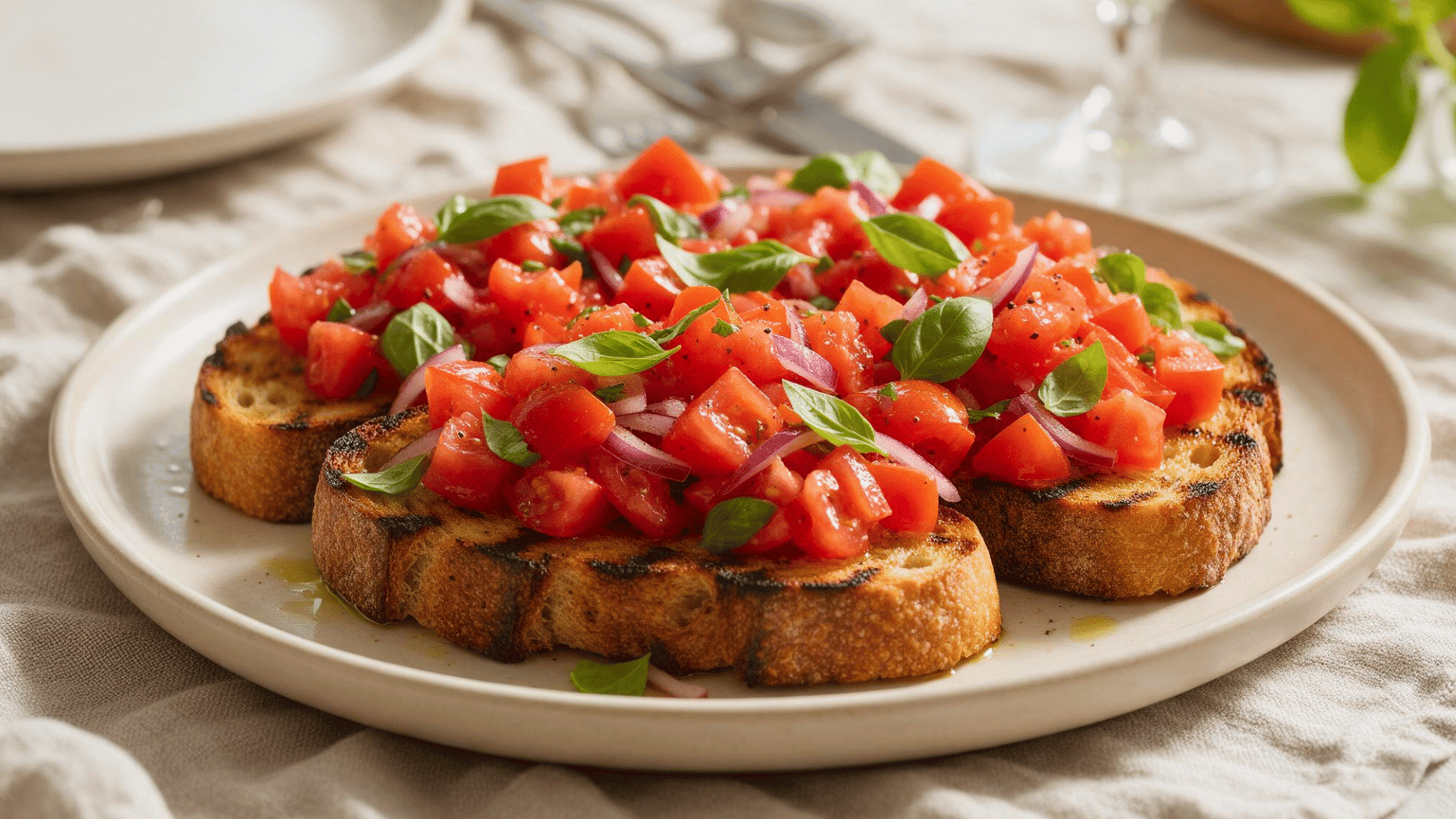
Grilled, garlic-rubbed bread topped with fresh chopped tomato, basil, and olive oil comes from Bruschetta al pomodoro from central Italy, where it started as a way to use up day-old bread.
You’ll love it because the charred bread and juicy tomato topping feel simple but hit every note at once.
|
Ingredient |
Amount |
Prep Notes |
|---|---|---|
|
Country bread |
8 slices, ½-inch thick |
Toast/grill until golden |
|
Garlic clove |
1 clove, halved |
Rub on toasted bread |
|
Ripe tomatoes |
4 Roma tomatoes, diced |
Small dice; deseed |
|
Fresh basil |
10 leaves, torn |
Tear just before mixing |
|
Extra virgin olive oil |
4 Tbsp + extra for drizzling |
Toss with tomatoes; drizzle before serving |
|
Salt |
½ tsp, to taste |
Mix into tomatoes |
Steps:
- Grill or toast the bread until charred and sturdy.
- Rub each slice with the cut garlic clove while still warm.
- Toss the diced tomatoes with basil, olive oil, and salt.
- Spoon the tomato mixture onto the bread.
- Serve right away, before the bread softens.
My Tip: Skip the mayonnaise or balsamic glaze drizzle. Those are American additions, not part of the traditional version.
2. Insalata Caprese (Caprese Salad)
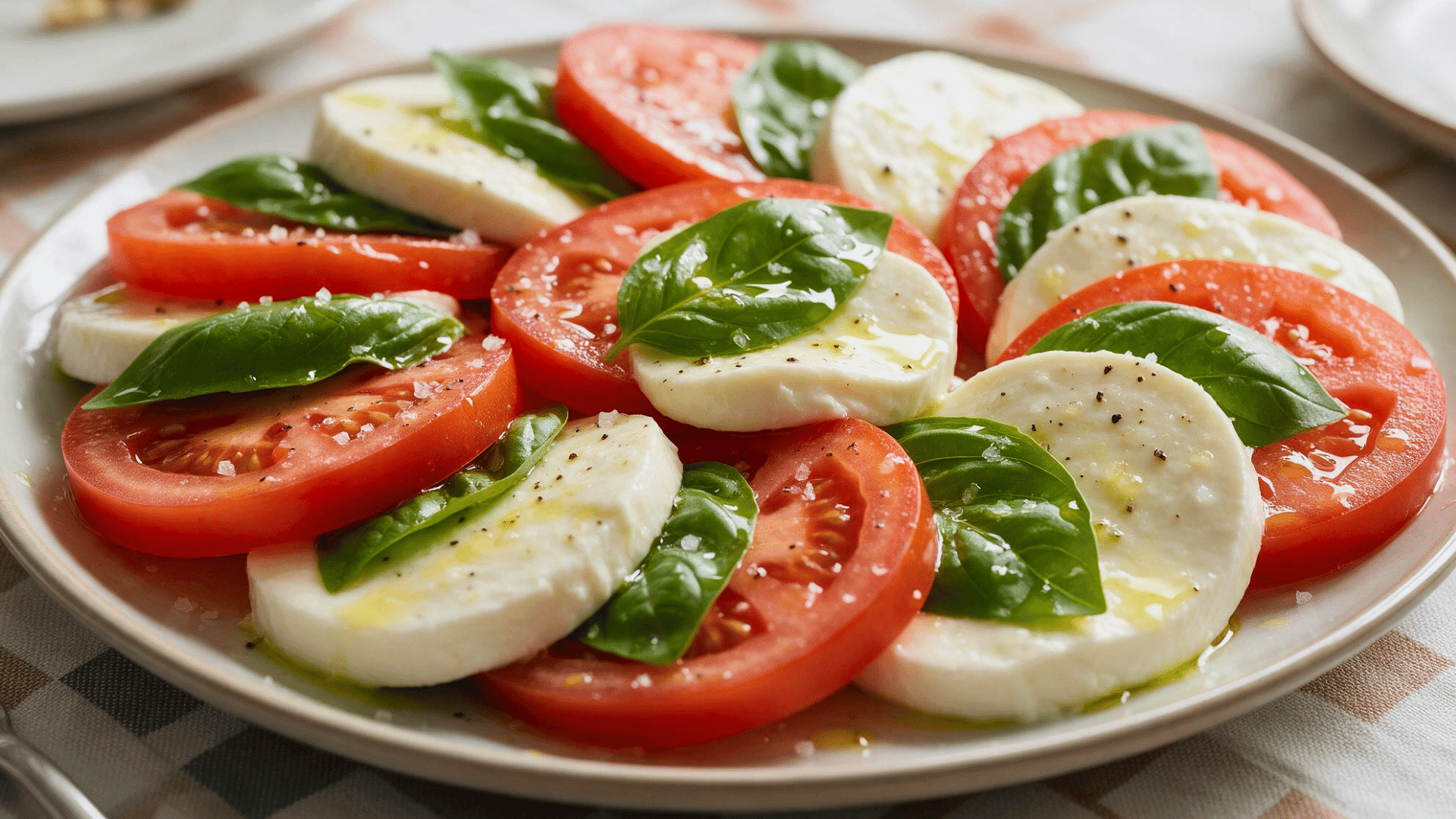
Insalata Caprese is a three-ingredient salad from Capri, built on mozzarella, tomato, and basil.
No cooking is involved, so the result depends entirely on how good those ingredients are. It’s fast, refreshing, and lets ripe summer tomatoes speak for themselves, making it stay popular.
|
Ingredient |
Amount |
Prep Notes |
|---|---|---|
|
Fresh mozzarella (buffalo) |
8 oz, sliced ¼-inch thick |
Pat dry after draining |
|
Ripe tomatoes |
2 large (about 1 ¼ lb), sliced ¼-inch thick |
Use middle slices only |
|
Fresh basil leaves |
10 leaves |
Add whole or torn |
|
Extra virgin olive oil |
2-3 Tbsp |
Drizzle just before serving |
|
Salt |
To taste (kosher/flaky) |
Sprinkle over top |
|
Black pepper |
To taste, freshly ground |
Add just before serving |
Steps:
- Slice the mozzarella and tomatoes to matching thickness.
- Arrange the slices in an alternating pattern on a plate.
- Tuck whole basil leaves between the slices.
- Drizzle with olive oil just before serving.
- Season with salt and pepper.
3. Arancini
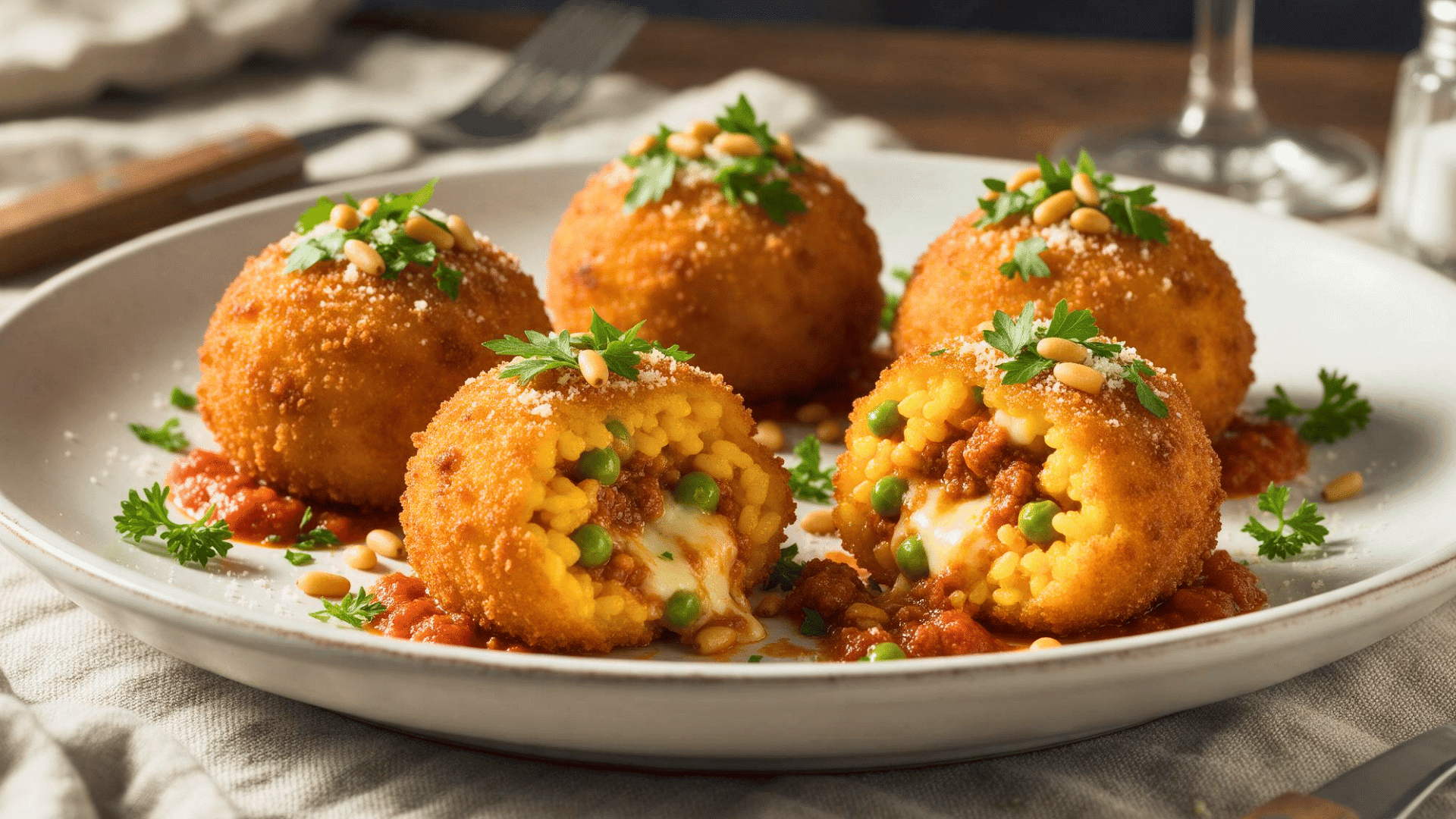
Fried, stuffed Sicilian rice balls, usually filled with ragù, mozzarella, or peas, called Arancini, come from ‘arancia,’ since a golden fried ball looks like a small orange.
I prefer them for the contrast: a crisp shell outside and soft, filled rice inside. The rice needs to cool and firm up first. Warm rice won’t hold its shape, and the balls will fall apart in the fryer.
|
Ingredient |
Amount |
Prep Notes |
|---|---|---|
|
Cooked, cooled risotto-style rice |
2 cups Arborio rice (cooked) |
Cool fully, 1+ hour, before shaping |
|
Filling (ragù, mozzarella, or peas) |
4 oz mozzarella, cubed / ½ cup peas / 1 cup ragù |
Press into center of rice ball |
|
Eggs, beaten |
2 large |
Use for dipping before crumbs |
|
Flour |
½ cup |
Coat lightly before egg wash |
|
Breadcrumbs |
1½-2 cups |
Roll balls fully to coat |
|
Oil, for frying |
Enough to submerge balls |
Heat to 350°F before frying |
Steps:
- Chill the cooked rice until firm.
- Scoop a portion of rice and press a well into the center.
- Add the filling, then mold the rice around it into a ball.
- Coat the ball in flour, then egg, then breadcrumbs.
- Deep-fry until golden.
- Drain before serving.
4. Spaghetti alla Carbonara
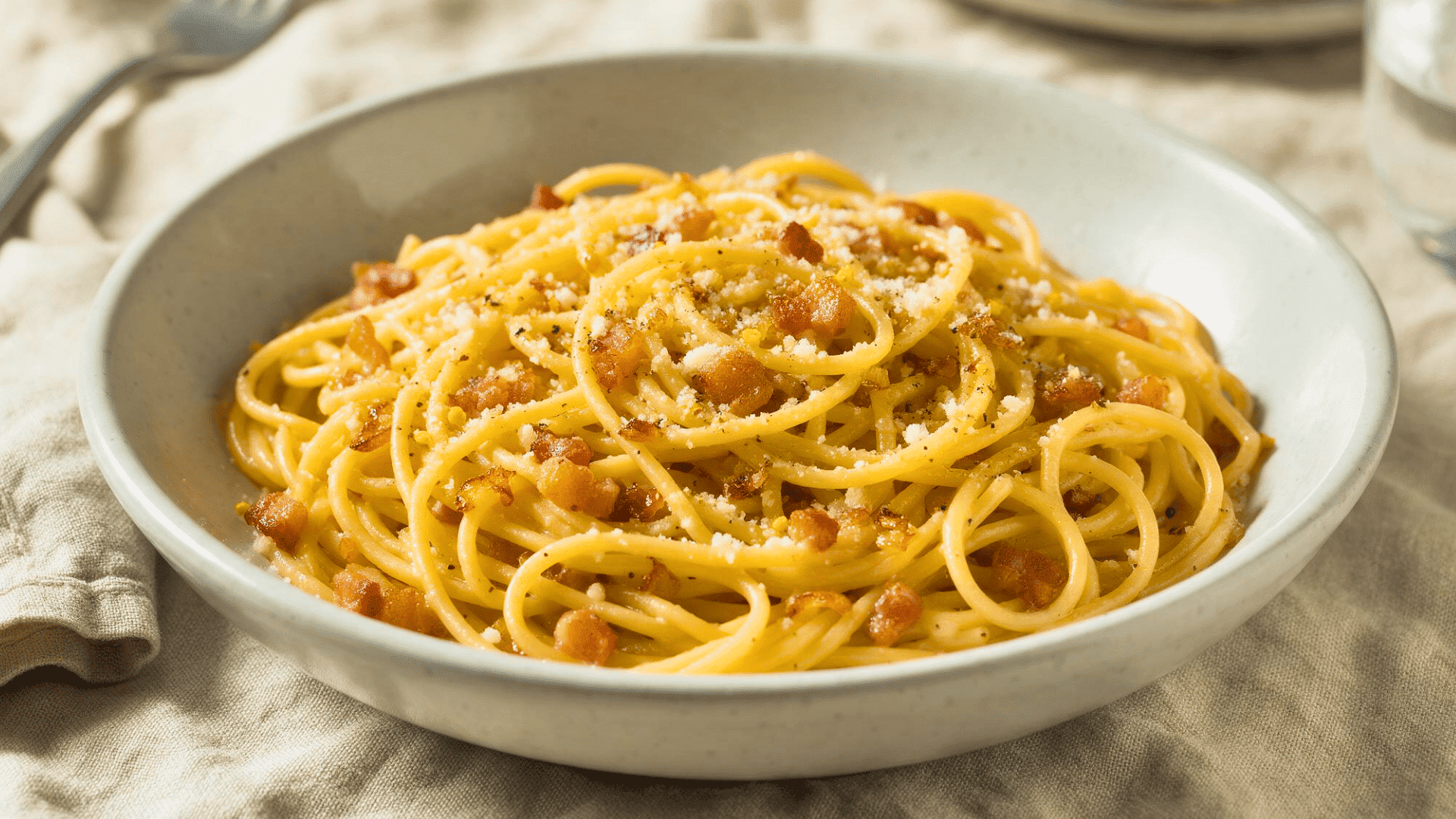
Carbonara uses only four ingredients: eggs, guanciale, Pecorino Romano, and black pepper, with no cream.
It’s a Roman dish, and also the most commonly botched one outside Italy. People refer to it because it’s rich and savory, yet made from almost nothing.
The sauce comes from off-heat emulsification, not cooking the eggs directly. Getting the texture right starts with cooking pasta al dente and saving some starchy pasta water. The hot pasta and reserved water then help the egg-cheese mixture turn creamy instead of scrambling.
|
Ingredient |
Amount |
Prep Notes |
|---|---|---|
|
Spaghetti |
12 oz (350 g) |
Cook al dente; save pasta water |
|
Guanciale, diced |
7 oz (200 g) |
Fry until crisp; keep rendered fat |
|
Whole eggs + extra yolks |
1 whole egg + 3 yolks |
Whisk off-heat with cheese/pepper |
|
Pecorino Romano, finely grated |
1 cup (100 g) |
Grate fresh for a smooth melt |
|
Black pepper, coarsely ground |
1 tsp, or to taste |
Toast briefly for more aroma |
Steps:
- Render the diced guanciale in a dry pan until crisp.
- Whisk the eggs, cheese, and pepper together in a bowl.
- Cook the pasta until al dente, reserving the starchy water.
- Off the heat, toss the hot pasta with the guanciale and its fat.
- Quickly stir in the egg mixture with a splash of pasta water.
- Keep stirring until the sauce turns creamy, not scrambled.
5. Tagliatelle al Ragù alla Bolognese
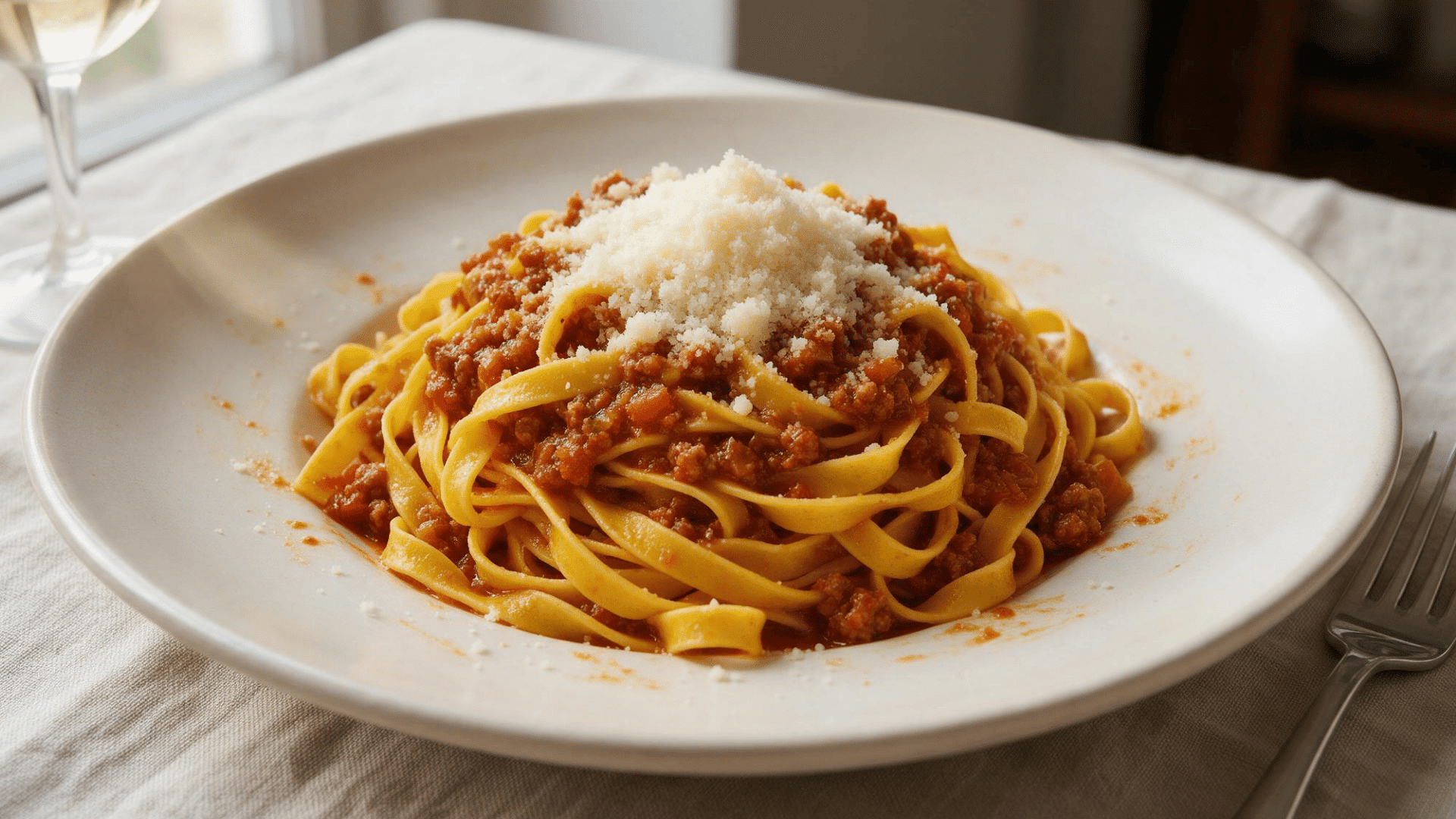
Traditionally served with flat tagliatelle, not spaghetti. That’s the first thing to know, since ‘spaghetti bolognese’ outside Italy is a different, thinner dish.
This sauce needs time. Long, low simmering is what turns simple ingredients into something deep and layered. It’s not a weeknight fix, but the payoff is a sauce that coats the pasta instead of pooling under it.
|
Ingredient |
Amount |
Prep Notes |
|---|---|---|
|
Fresh tagliatelle |
12 oz (350 g) |
Cook briefly (2-3 min) in salted water |
|
Ground beef and/or pork |
10 oz (300 g) beef + 5 oz (150 g) pancetta/pork |
Brown well before adding liquids |
|
Onion, carrot, celery (soffritto) |
1.75 oz (50 g) each, finely chopped |
Sauté until soft, don’t brown |
|
Tomato paste or passata |
10.5 oz (300 g) passata |
Stir in after browning meat |
|
Whole milk |
1 cup (240 ml) |
Add midway; lets meat soften |
|
Dry white wine |
½ cup (120 ml) |
Simmer until alcohol evaporates |
|
Parmigiano-Reggiano, grated |
To taste, for serving |
Grate fresh; add off heat |
Steps:
- Sauté the soffritto in butter or oil until soft.
- Add the ground meat and brown it well.
- Deglaze with wine and let it evaporate.
- Stir in the tomato and milk.
- Simmer uncovered on very low heat for at least 2-3 hours, stirring occasionally.
- Toss with cooked tagliatelle.
- Finish with grated Parmigiano.
6. Trofie al Pesto alla Genovese
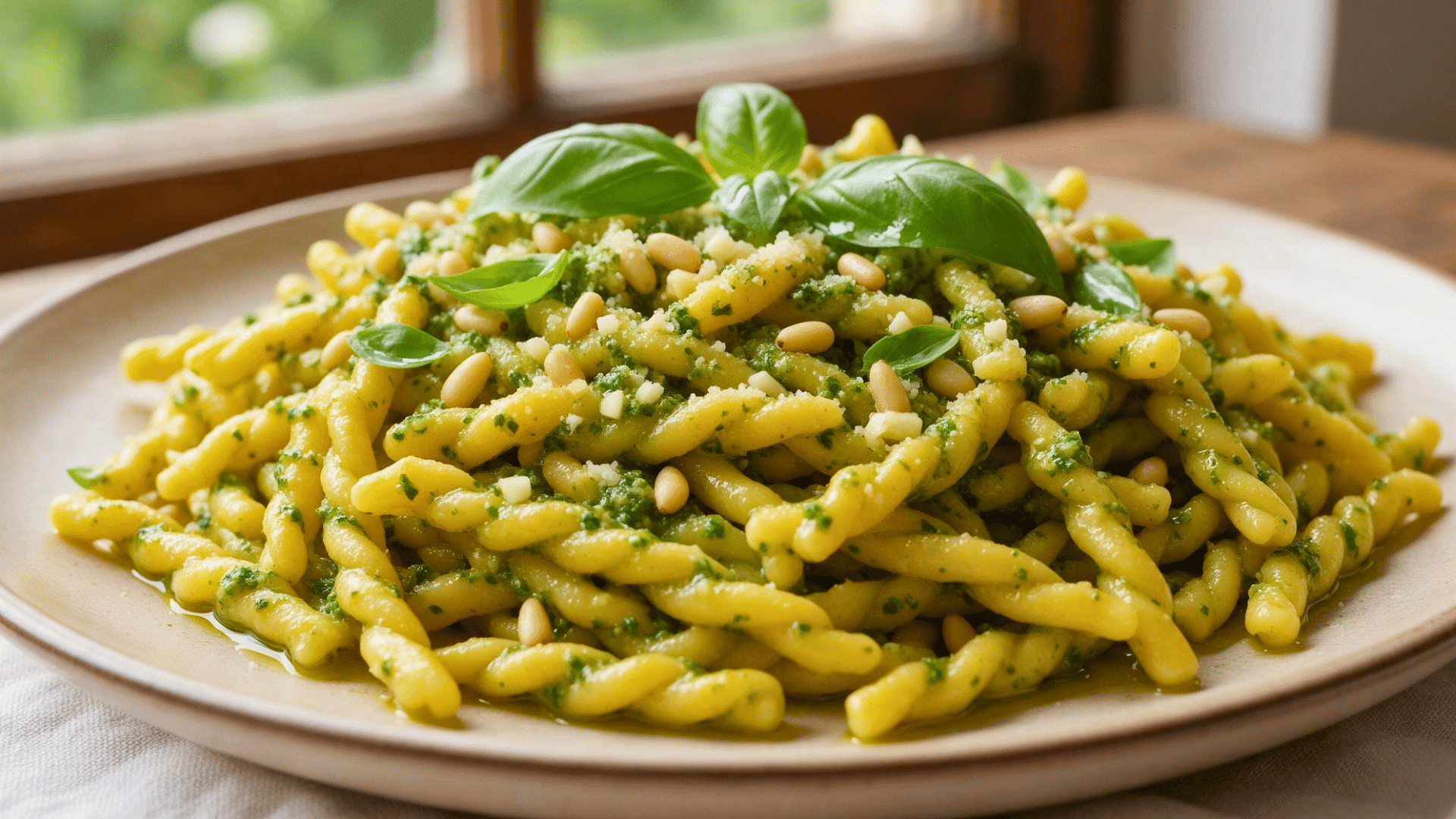
Pesto alla Genovese is an uncooked basil sauce from Liguria, traditionally tossed with trofie or trenette.
It’s blended from basil, pine nuts, garlic, and hard cheese, and it stays popular because it tastes fresh in a way cooked sauces can’t match. If pine nuts are unavailable or do not suit your needs, pesto without pine nuts uses the same basic idea with a different nut or seed base.
Food historians generally trace the name “pesto” to the Genoese dialect word for the mortar-and-pestle method used to make it, one of the few Italian sauce names that describes technique rather than ingredients.
|
Ingredient |
Amount |
Prep Notes |
|---|---|---|
|
Trofie or trenette pasta |
1 lb (450 g) |
Cook al dente; save pasta water |
|
Fresh basil leaves |
4 packed cups (80 g) |
Pat dry; avoid bruising before blending |
|
Pine nuts |
¼ cup (40 g) |
Pulse with garlic first for even paste |
|
Garlic |
2 cloves |
Add sparingly; blend first |
|
Parmigiano-Reggiano and/or Pecorino |
½ cup Parmigiano (40 g) + Pecorino to taste |
Add last; pulse briefly |
|
Extra virgin olive oil |
¾ cup (180 g) |
Add gradually to reach smooth consistency |
Steps:
- Blend or pound the basil, pine nuts, and garlic with olive oil until smooth.
- Stir in the grated cheese by hand.
- Boil the pasta, traditionally alongside diced potato and green beans in the same pot.
- Toss the pasta and vegetables with the pesto.
7. Lasagna alla Bolognese
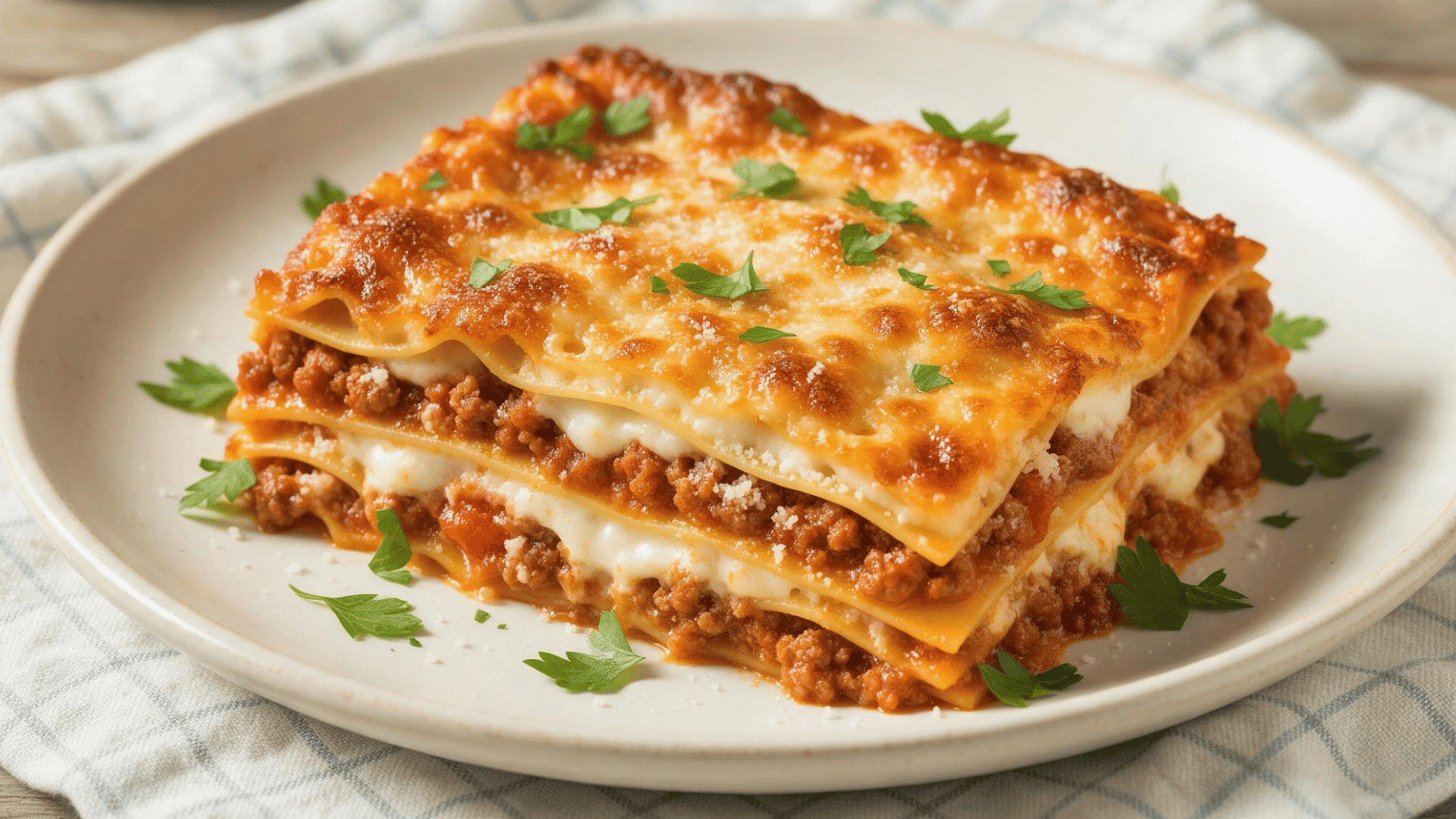
Traditional lasagna alla Bolognese uses béchamel, not ricotta. That’s the key difference I’ve noted from the common American version, and it’s what gives this dish its silky texture instead of a grainy one.
|
Ingredient |
Amount |
Prep Notes |
|---|---|---|
|
Fresh lasagna sheets |
1 lb (450 g) |
Par-boil briefly if not oven-ready |
|
Ragù alla Bolognese |
4 cups (1 liter) |
Spread thin, even layers |
|
Béchamel (milk, butter, flour, nutmeg) |
3 cups milk, 4 Tbsp butter, 6 Tbsp flour, nutmeg to taste |
Whisk until smooth; season last |
|
Parmigiano-Reggiano, grated |
To taste, layered + topping |
Sprinkle between every layer and on top |
Steps:
- Spread a thin layer of ragù and béchamel in a baking dish.
- Layer pasta sheets, ragù, béchamel, and cheese, repeating.
- Finish the top layer with béchamel and a generous coating of Parmigiano.
- Bake until bubbling and golden.
- Rest for 10 minutes before slicing.
8. Cacio e pepe
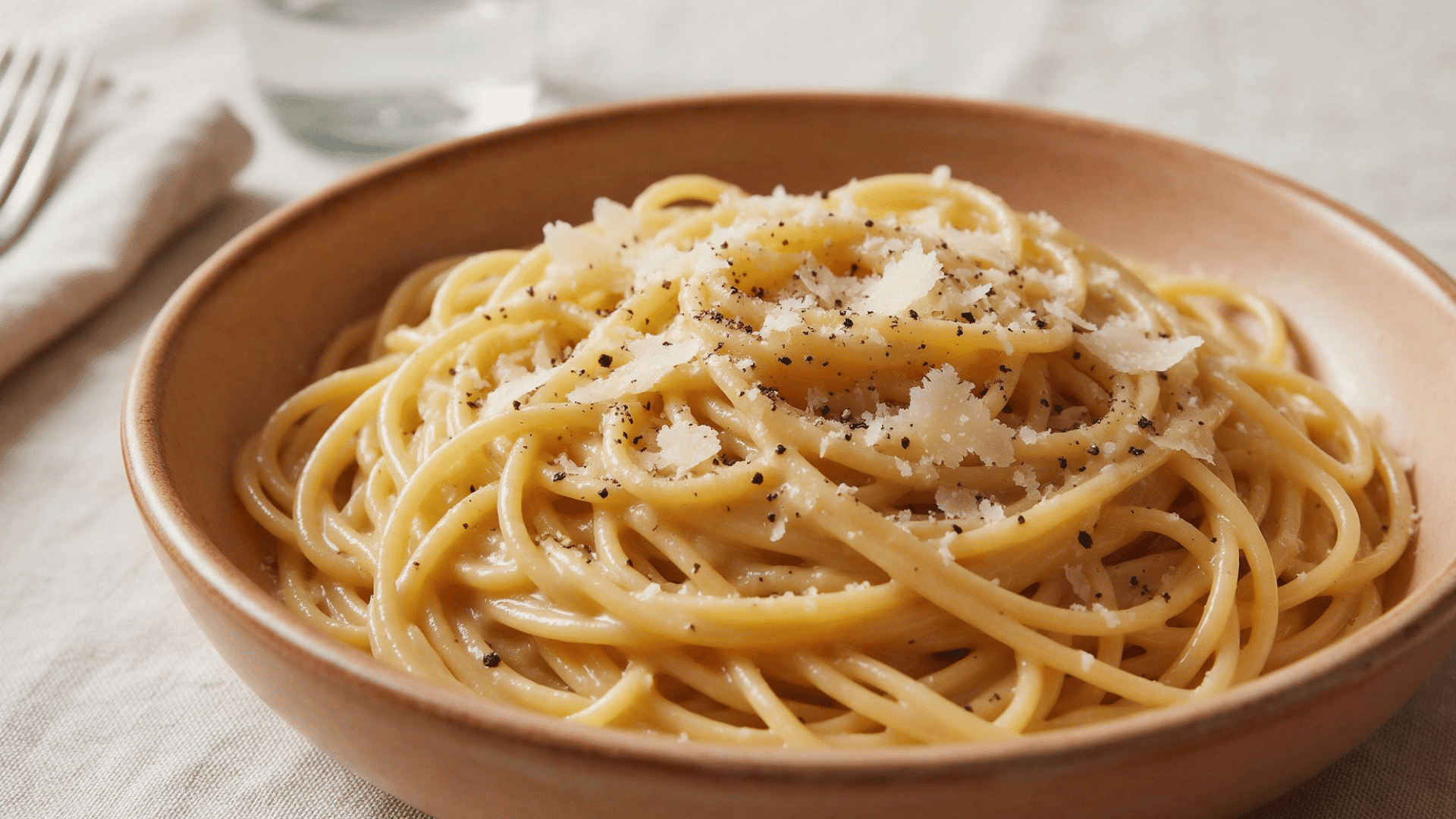
A three-ingredient Roman pasta: pasta, Pecorino Romano, and coarsely cracked black pepper, Cacio e pepe is often treated as carbonara’s simpler cousin.
People love it for the same reason- big flavor from almost nothing.
The sauce depends on starchy pasta water binding with the cheese into a smooth coating. Without enough starch, the cheese clumps instead of coating the noodles.
|
Ingredient |
Amount |
Prep Notes |
|---|---|---|
|
Spaghetti or tonnarelli |
12 oz (350 g) |
Cook 1-2 min before al dente |
|
Pecorino Romano, finely grated |
2 cups (200 g) |
Grate very fine to avoid clumps |
|
Black pepper, coarsely cracked |
1-1½ Tbsp |
Toast briefly in dry pan first |
Steps:
- Toast the cracked pepper briefly in a dry pan.
- Cook the pasta until al dente, reserving plenty of starchy water.
- Off heat, mash the cheese with a little pasta water into a smooth paste.
- Toss the hot pasta with the paste and pepper.
- Add water gradually until the sauce turns glossy and coats evenly.
9. Risotto alla Milanese
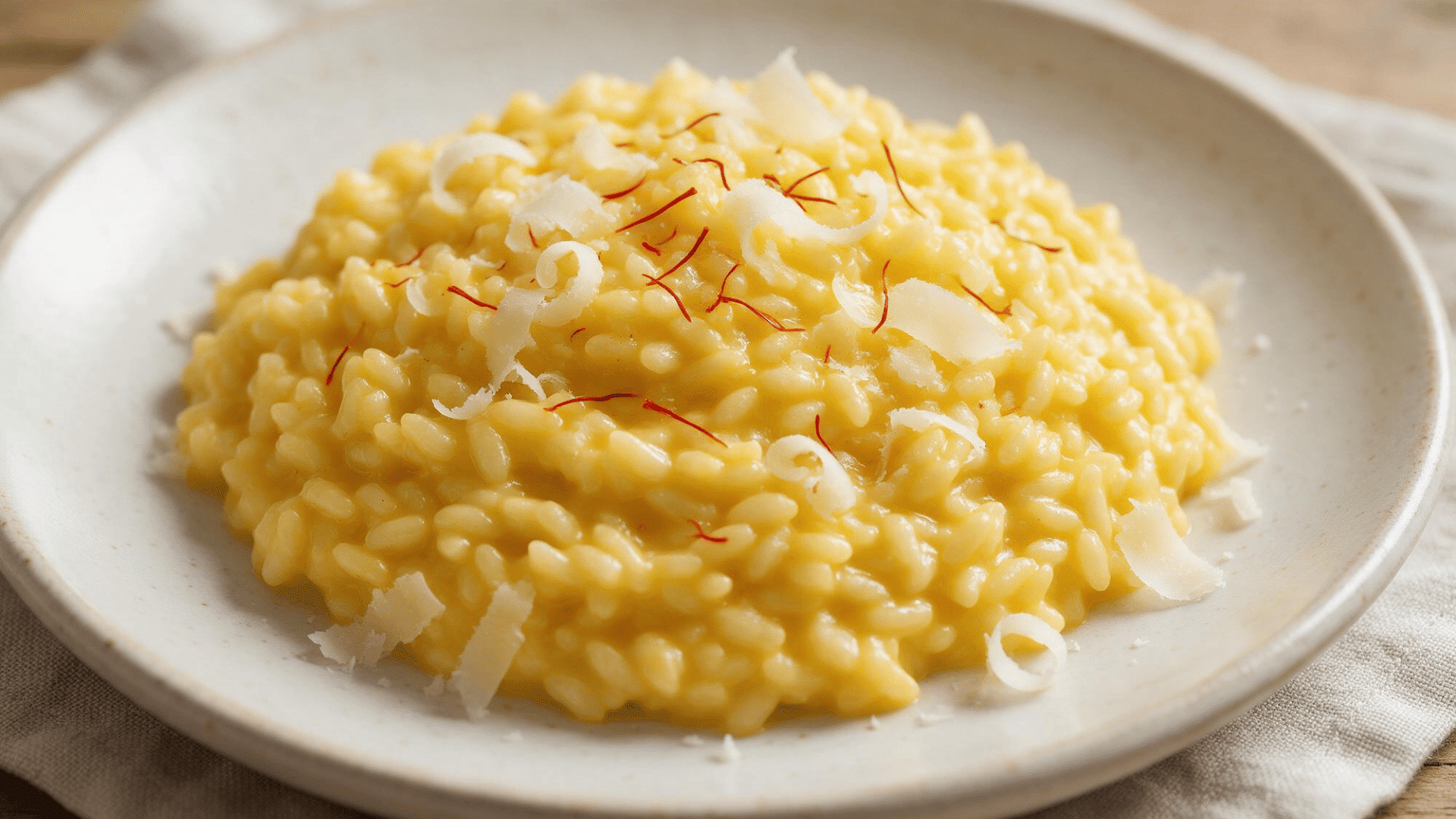
Risotto alla Milanese is Milan’s saffron rice dish, finished with butter and Parmigiano-Reggiano. It’s traditionally served alongside osso buco, and together they’re one of Lombardy’s best-known pairings.
The technique defines the dish as much as the saffron does. Each addition needs to absorb before the next goes in, which slowly releases starch for a creamy texture.
|
Ingredient |
Amount |
Prep Notes |
|---|---|---|
|
Carnaroli or Arborio rice |
1¾ cups (350 g) |
Toast in butter until edges turn glassy |
|
Saffron threads |
½ tsp |
Steep in a bit of warm stock first |
|
Warm beef or veal stock |
8 cups (2 liters) |
Add one ladle at a time; keep hot |
|
Onion, finely chopped |
1 small onion |
Sauté in half the butter until soft |
|
Dry white wine |
½ cup (100 ml) |
Add after toasting rice; let evaporate |
|
Butter |
1 stick (90 g), divided |
Half for sautéing, half for mantecatura |
|
Parmigiano-Reggiano (grated) |
½ cup (60 g) |
Stir in off heat, with cold butter |
Steps:
- Sauté the onion in butter until soft.
- Add the rice and toast for a minute or two.
- Deglaze with wine.
- Add warm stock one ladle at a time, waiting for each addition to absorb before adding more.
My Tip: Near the end, stir in the saffron. Beat cold butter and Parmigiano off the heat for the mantecatura. This step makes risotto glossy instead of stiff.
10. Polenta
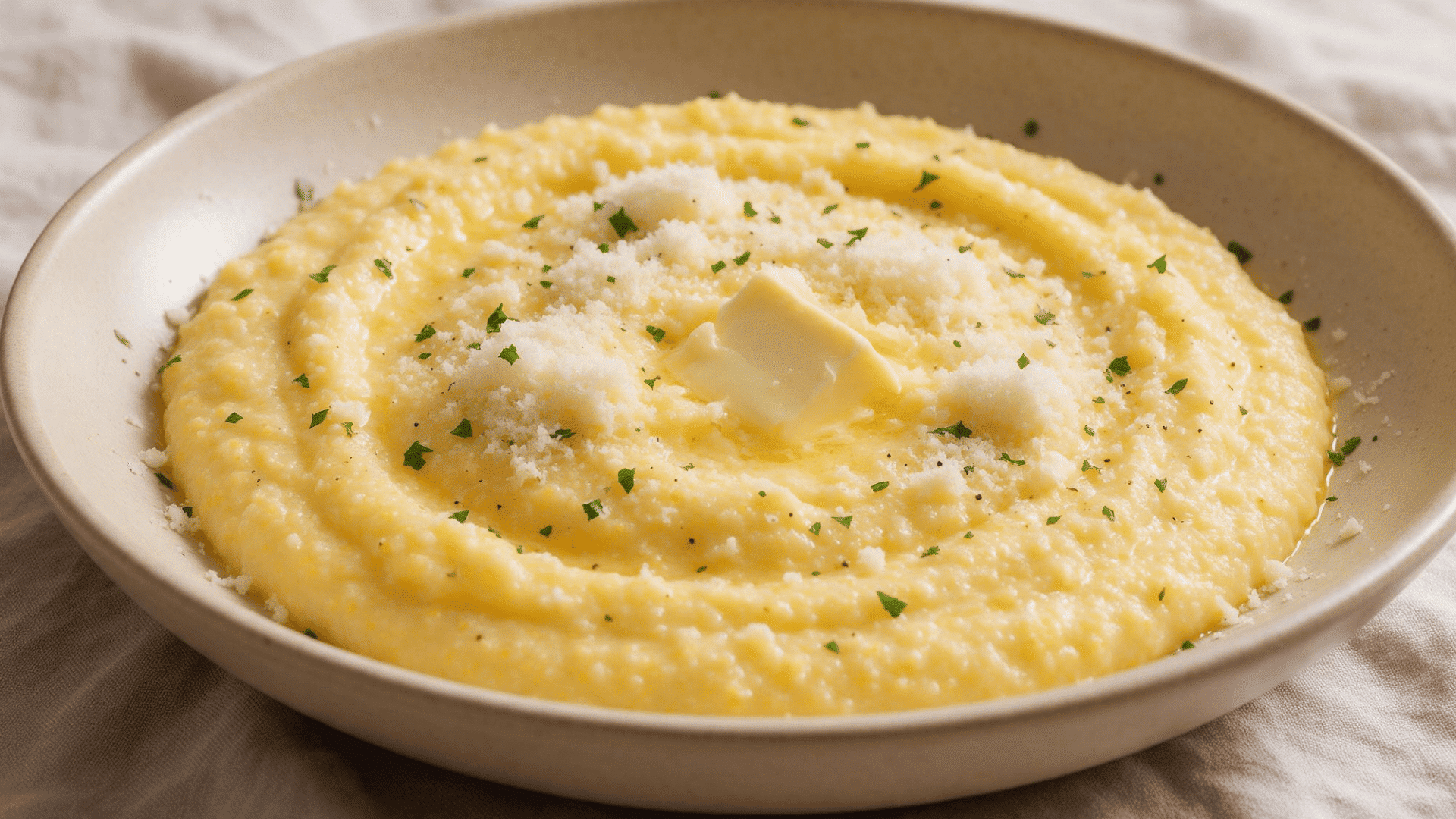
A slow-cooked cornmeal staple that replaces pasta in Northern Italian meals is Polenta, traditionally served with ragù, stews, or grilled meats, and it works best as a base that soaks up whatever sits on top.
|
Ingredient |
Amount |
Prep Notes |
|---|---|---|
|
Coarse cornmeal |
2½ cups (400 g) |
Add slowly to boiling liquid, whisking |
|
Water or stock |
6⅓ cups (1.5 liters) |
Bring to boil before adding cornmeal |
|
Salt |
1 Tbsp, coarse |
Dissolve in liquid before adding cornmeal |
|
Butter, optional |
2-4 Tbsp |
Stir in at the end, off heat |
|
Parmigiano-Reggiano (optional) |
½ cup, grated |
Stir in with butter for creaminess |
Steps:
- Whisk the cornmeal gradually into simmering salted liquid to avoid lumps.
- Cook on low heat, stirring frequently, for about 40–45 minutes.
- Continue until thick and no longer gritty.
- Stir in butter and cheese, if using.
- Serve soft, or spread to cool, slice, and grill later.
11. Pasta alla Norma
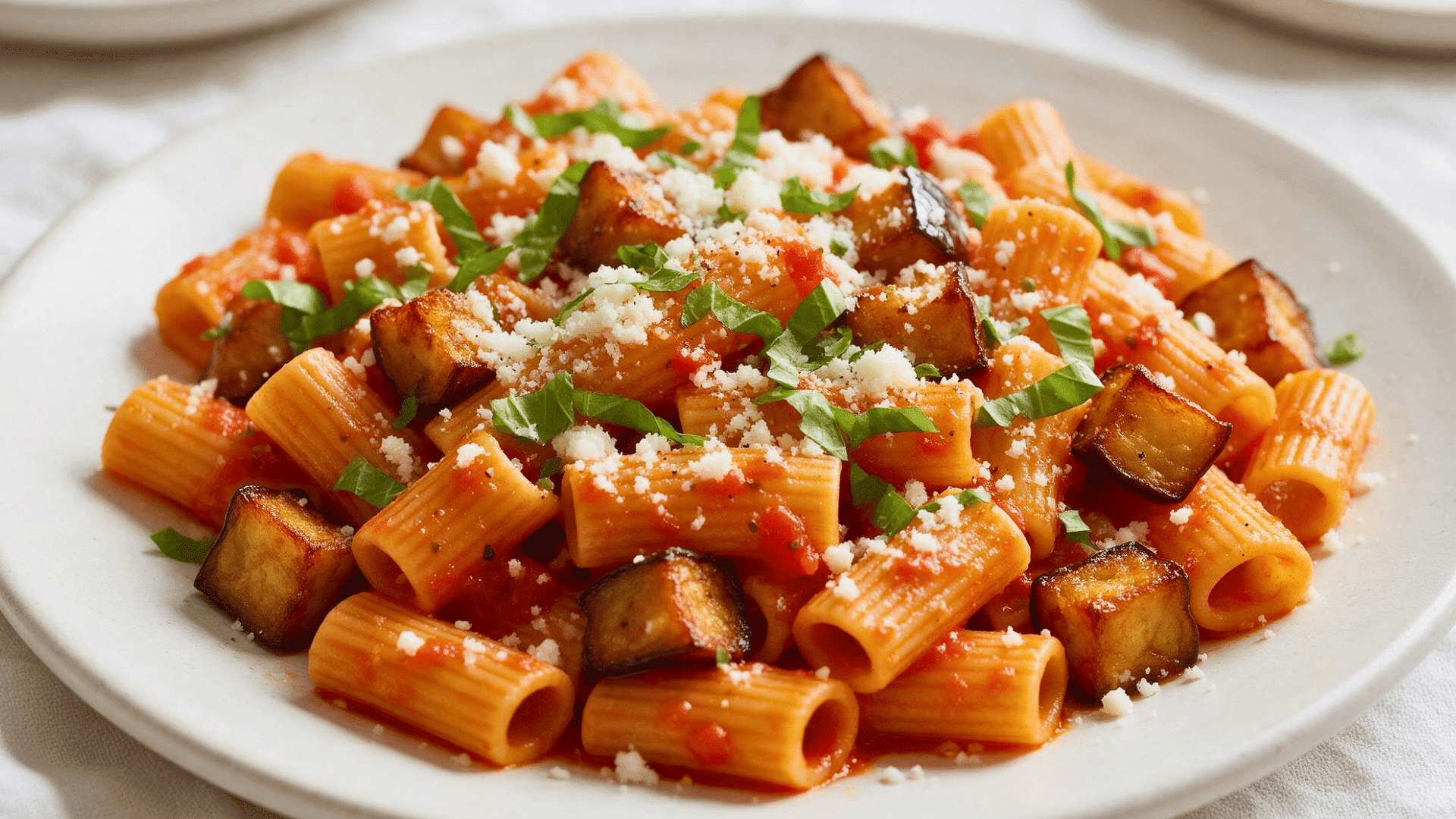
This one comes from Catania, Sicily, and combines fried eggplant, tomato sauce, salted ricotta, and basil over pasta.
The dish is named after Vincenzo Bellini’s opera “Norma,” and the story most often repeated by Sicilian food writers is that a local poet declared the pasta “a Norma” as flawless as the opera itself.
The eggplant needs real color. Frying or roasting it until deeply golden keeps it from turning watery once it hits the sauce.
|
Ingredient |
Amount |
Prep Notes |
|---|---|---|
|
Short pasta (rigatoni) |
1 lb (500 g) |
Cook al dente; reserve pasta water |
|
Eggplant |
1 lb (500 g), cubed |
Salt & drain 30 min before frying |
|
Tomato sauce |
3 cups (700 ml) passata |
Simmer with garlic until thickened |
|
Ricotta salata |
2 oz (50 g), grated |
Grate fresh; sprinkle on top only |
|
Fresh basil |
5-6 leaves |
Tear and stir in at the end |
|
Olive oil, for frying |
Enough to shallow-fry eggplant |
Fry until deeply golden; drain on paper towels |
Steps:
- Salt the eggplant cubes and let them drain.
- Fry or roast the eggplant until deeply golden.
- Simmer a simple garlic-tomato sauce separately.
- Toss the cooked pasta with the sauce and eggplant.
- Top with grated ricotta salata and torn basil.
12. Osso Buco
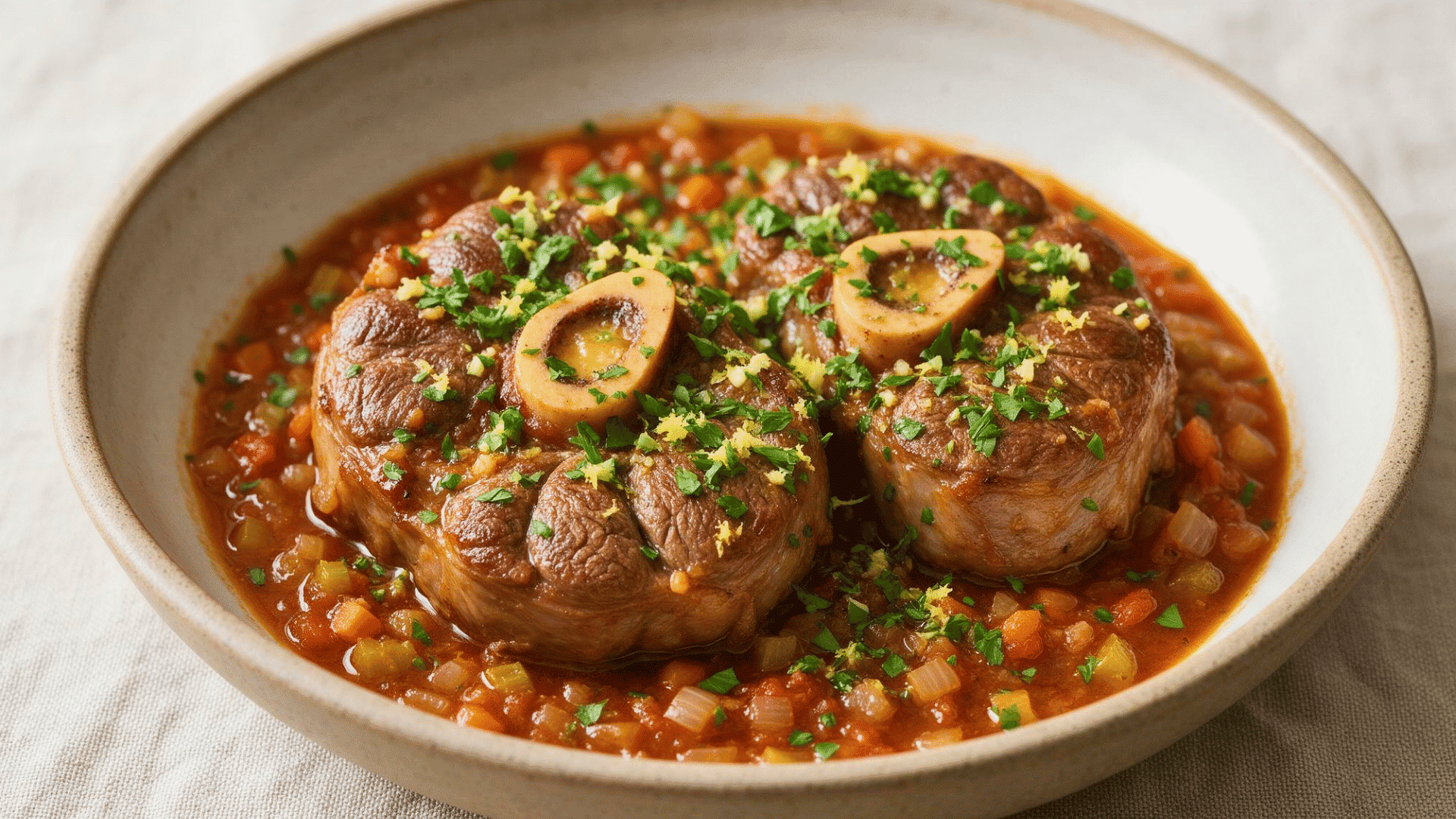
Osso buco is a braised veal shank dish from Milan, traditionally served alongside risotto alla Milanese. The shanks cook low and slow with wine, broth, and vegetables until the meat pulls away easily.
That long braise matters. It’s what breaks down the connective tissue in the shank, turning a tough cut tender without drying it out.
|
Ingredient |
Amount |
Prep Notes |
|---|---|---|
|
Veal shanks, cross-cut |
4 shanks, 1-1½ in thick |
Tie with twine to hold shape |
|
Flour, for dredging |
⅓ cup (50 g) |
Shake off excess before searing |
|
Onion, carrot, celery (soffritto) |
1 onion, chopped (plus carrot & celery to taste) |
Sauté in butter until soft |
|
Dry white wine |
½ cup (100 ml) |
Let evaporate before adding broth |
|
Broth |
2 cups (600 ml) |
Add gradually; keep sauce thick, not soupy |
|
Tomato, optional |
1-2 Tbsp tomato paste |
Stir in with soffritto |
|
Lemon zest, garlic, parsley (gremolata) |
Zest of ½ lemon, 1 clove garlic, small bunch parsley |
Mince fine; sprinkle on just before serving |
Steps:
- Dredge the shanks in flour and sear until browned on both sides.
- Remove the shanks and sauté the soffritto in the same pot.
- Return the shanks and deglaze with wine.
- Add broth to partly cover.
- Cover and braise low and slow for 1.5-2 hours, until fork-tender.
- Finish with a spoonful of gremolata.
13. Saltimbocca alla Romana
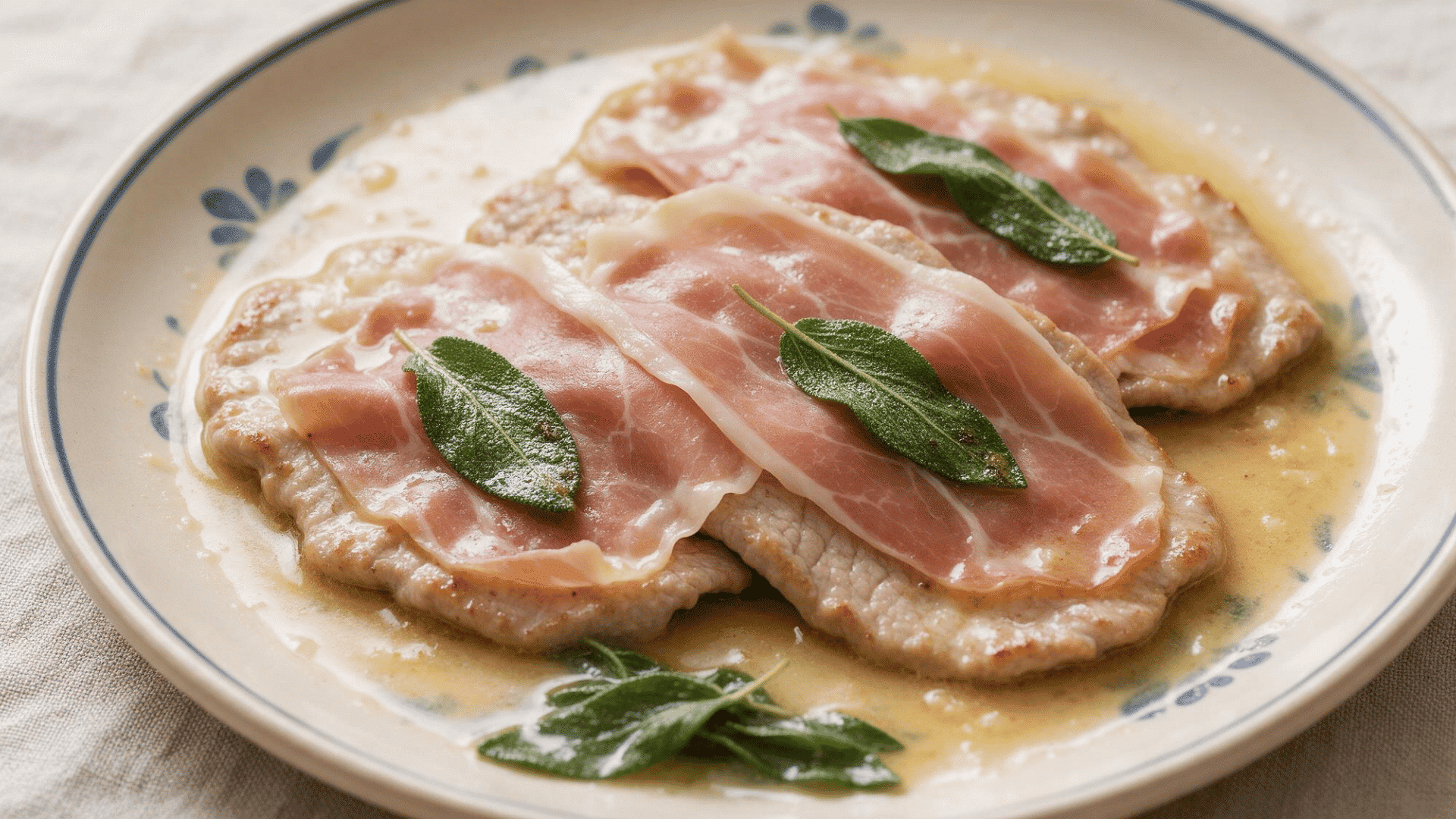
‘Saltimbocca’ translates to ‘jumps in the mouth, which fits a dish this quick and light. Thin veal cutlets get topped with prosciutto and sage, then pan-seared in butter and wine.
Speed matters here. The meat cooks briefly over high heat, so it stays tender instead of toughening up like a longer-cooked cut would.
|
Ingredient |
Amount |
Prep Notes |
|---|---|---|
|
Veal cutlets, thin |
6 slices, ¼ in thick |
Pound to even thickness |
|
Prosciutto slices |
6 slices |
Layer one per cutlet, secure with a toothpick |
|
Fresh sage leaves |
6 leaves |
Pin on top with prosciutto |
|
Butter |
3 Tbsp |
Melt before searing veal |
|
Dry white wine |
⅓ cup |
Add after browning; let reduce |
Steps:
- Lay a sage leaf and a slice of prosciutto on each cutlet.
- Secure with a toothpick.
- Sear quickly in butter, prosciutto-side down first.
- Flip briefly to finish cooking.
- Remove the meat and deglaze the pan with wine.
- Spoon the pan sauce over the meat.
14. Orecchiette con Cime di Rapa
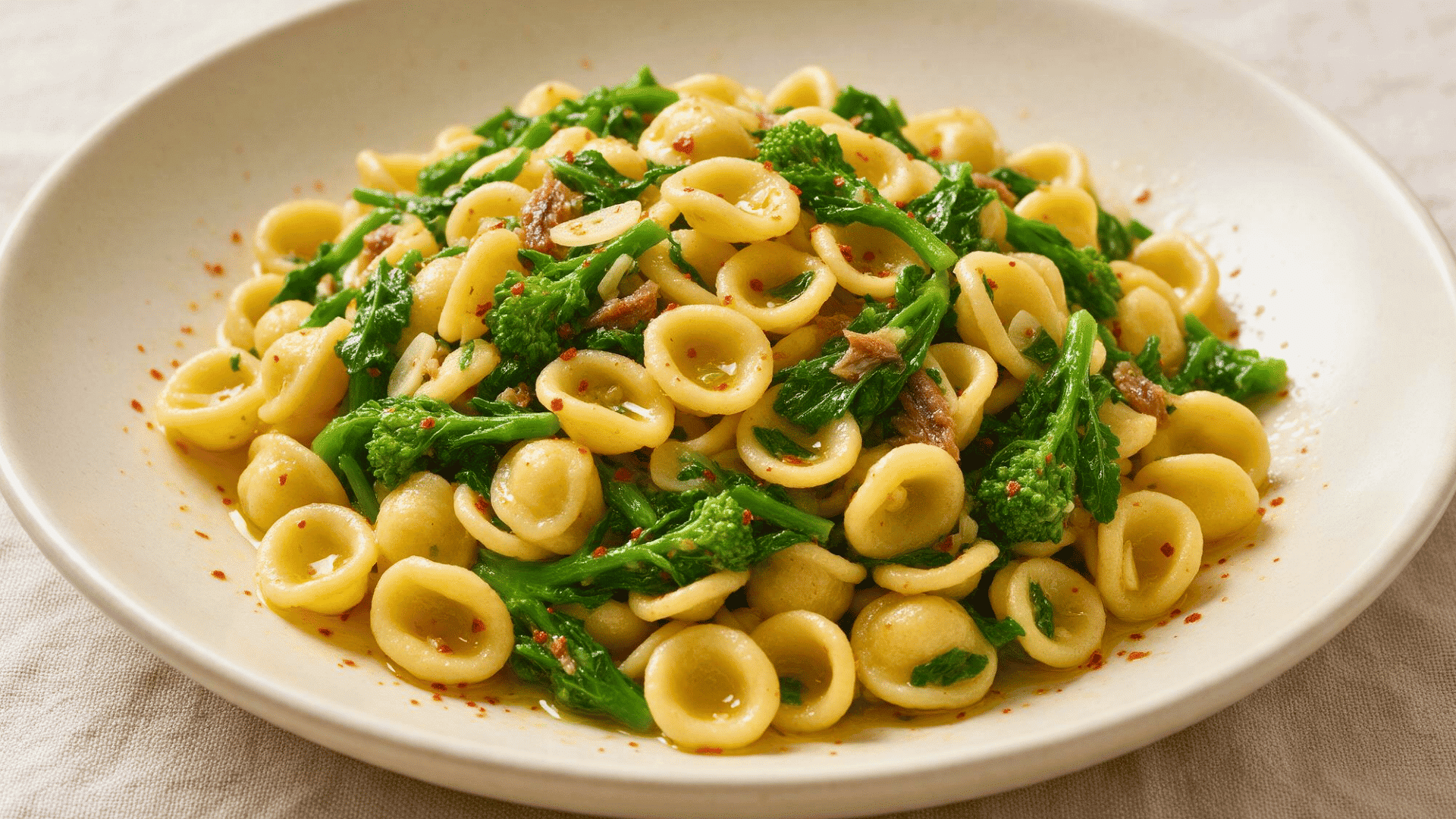
Orecchiette con cime di rapa pairs Puglia’s signature ‘little ear’ pasta with sautéed broccoli rabe, garlic, anchovy, and chili. Orecchiette is traditionally hand-formed, and it’s the shape most people associate with this region.
The bitterness of the greens isn’t masked here. Anchovy and olive oil balance it out, so the dish stays savory instead of sharp.
|
Ingredient |
Amount |
Prep Notes |
|---|---|---|
|
Orecchiette |
16 oz (450 g) |
Boil with broccoli rabe in the same pot |
|
Broccoli rabe (cime di rapa) |
1 lb (450 g), trimmed & chopped |
Cut into bite-size pieces before boiling |
|
Garlic |
5 cloves, sliced |
Sauté until golden; don’t burn |
|
Anchovy fillets |
4 fillets |
Melt into oil while stirring |
|
Chili flakes |
¼ tsp |
Add with garlic for infused oil |
|
Extra virgin olive oil |
6 Tbsp (90 g) |
Heat before adding garlic/anchovy |
Steps:
- Blanch the broccoli rabe briefly and set it aside.
- Sauté the garlic, anchovy, and chili in oil until the anchovy dissolves.
- Add the greens and cooked orecchiette to the pan with a little pasta water.
- Toss everything together to combine.
15. Pollo alla Cacciatora
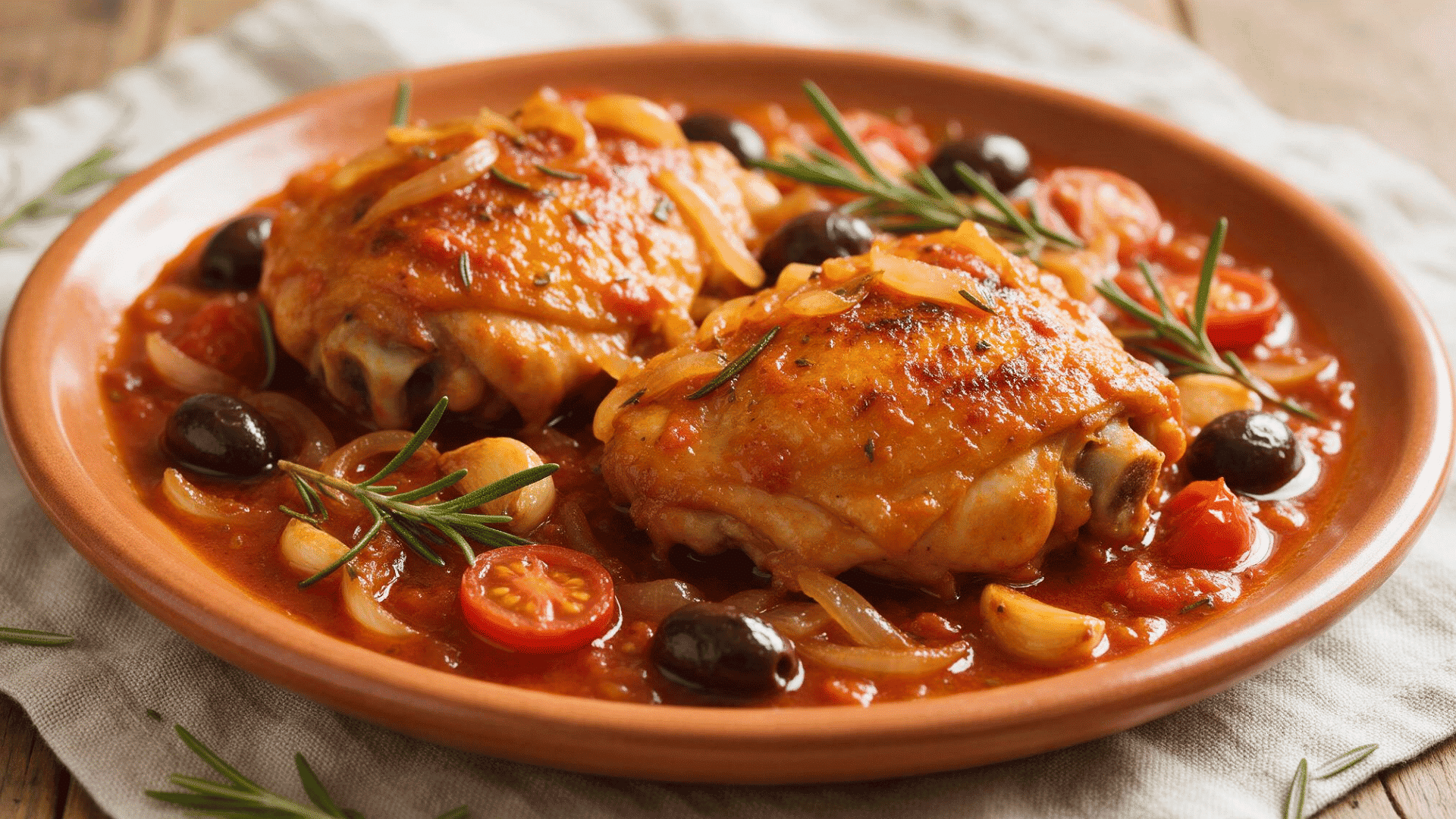
‘Cacciatora’ means ‘hunter-style,’ and this braised chicken dish traces back to central Italy, especially Tuscany and Umbria. That slow braise keeps the chicken moist while the sauce reduces down to something rich.
|
Ingredient |
Amount |
Prep Notes |
|---|---|---|
|
Chicken pieces, bone-in |
3 lb (1.5 kg), 8 pieces |
Sear until browned before braising |
|
Onion |
1 medium, chopped |
Sauté as base of soffritto |
|
Garlic |
2 cloves |
Add after onion softens |
|
Tomatoes |
1½ cups (450 g), peeled/passata |
Simmer until sauce thickens |
|
Rosemary or oregano |
3 sprigs rosemary |
Add early to infuse braise |
|
White or red wine |
½ cup (150 ml) |
Let reduce before adding tomatoes |
|
Olives or mushrooms (regional) |
Handful, pitted |
Stir in near end of cooking |
Steps:
- Brown the chicken pieces in oil and set aside.
- Sauté the onion and garlic in the same pan.
- Deglaze with wine.
- Add the tomatoes, herbs, and chicken back to the pan.
- Cover and simmer gently until the chicken is tender and the sauce has reduced.
My Tip: Build a tomato-forward sauce with olives or mushrooms or you can skip the tomato and lean on white wine.
16. Melanzane alla Parmigiana
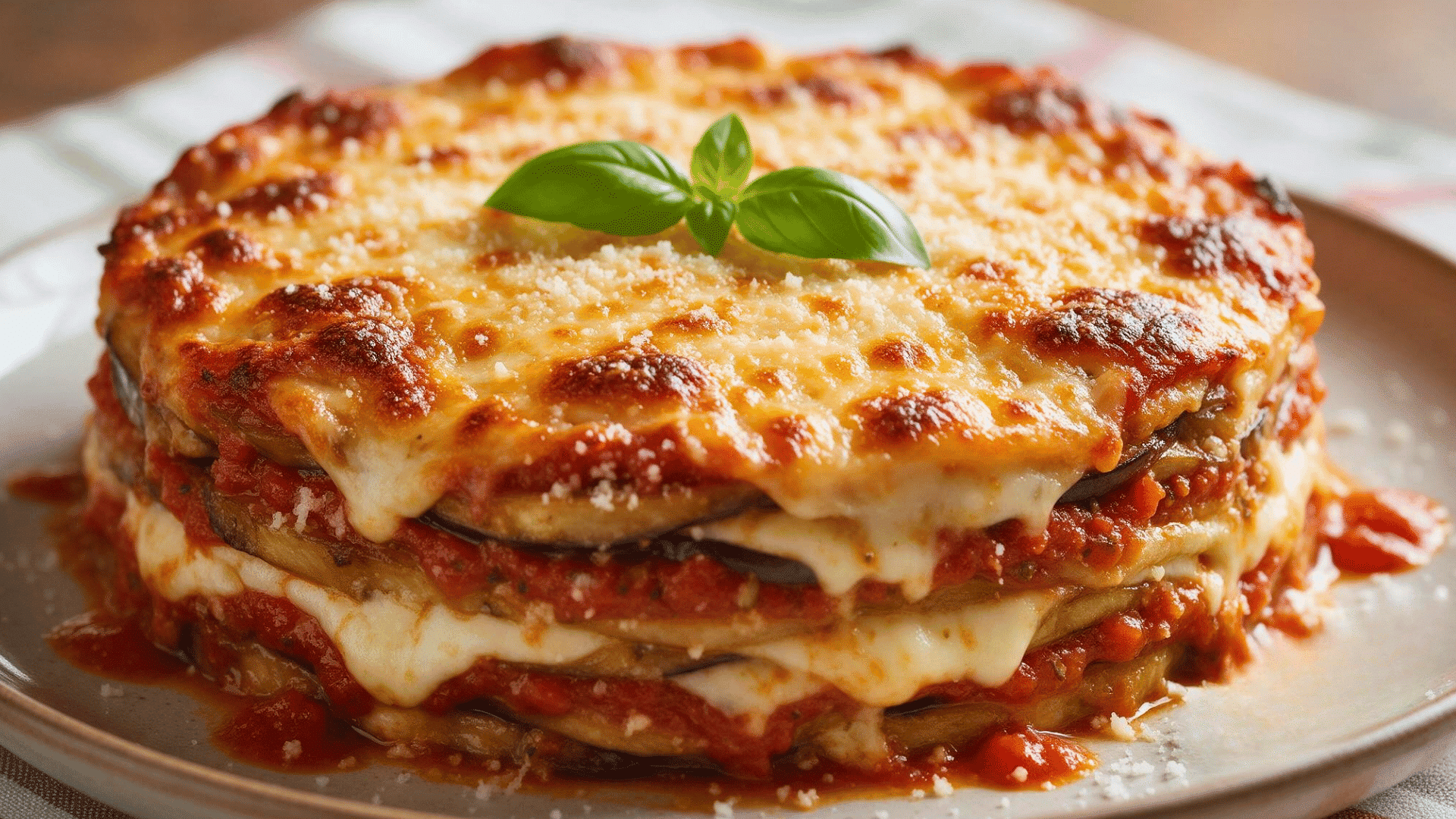
This is an eggplant dish, not a chicken one. Layers of fried or roasted eggplant get baked with tomato sauce and mozzarella until bubbling.
It comes from Southern Italy, with both Campania and Sicily claiming it. ‘Chicken parmigiana’ is an American adaptation of this concept.
|
Ingredient |
Amount |
Prep Notes |
|---|---|---|
|
Eggplant |
3 large |
Salt & drain 30 min before frying |
|
Tomato sauce |
3 cups (710 ml) |
Spread thin between each layer |
|
Mozzarella or provolone |
1 lb (450 g), chopped |
Distribute evenly per layer |
|
Parmigiano-Reggiano |
1 cup (85 g), grated |
Sprinkle on each layer + top |
|
Fresh basil |
To taste, torn |
Tear and layer with cheese |
|
Olive oil, for frying |
Enough to shallow-fry eggplant |
Fry until golden; drain excess oil |
Steps:
- Salt the eggplant slices
- Fry or roast the eggplant until golden.
- Layer the eggplant with tomato sauce, mozzarella, and Parmigiano in a baking dish.
- Repeat the layers.
- Bake until bubbling and golden on top.
17. Bistecca alla Fiorentina
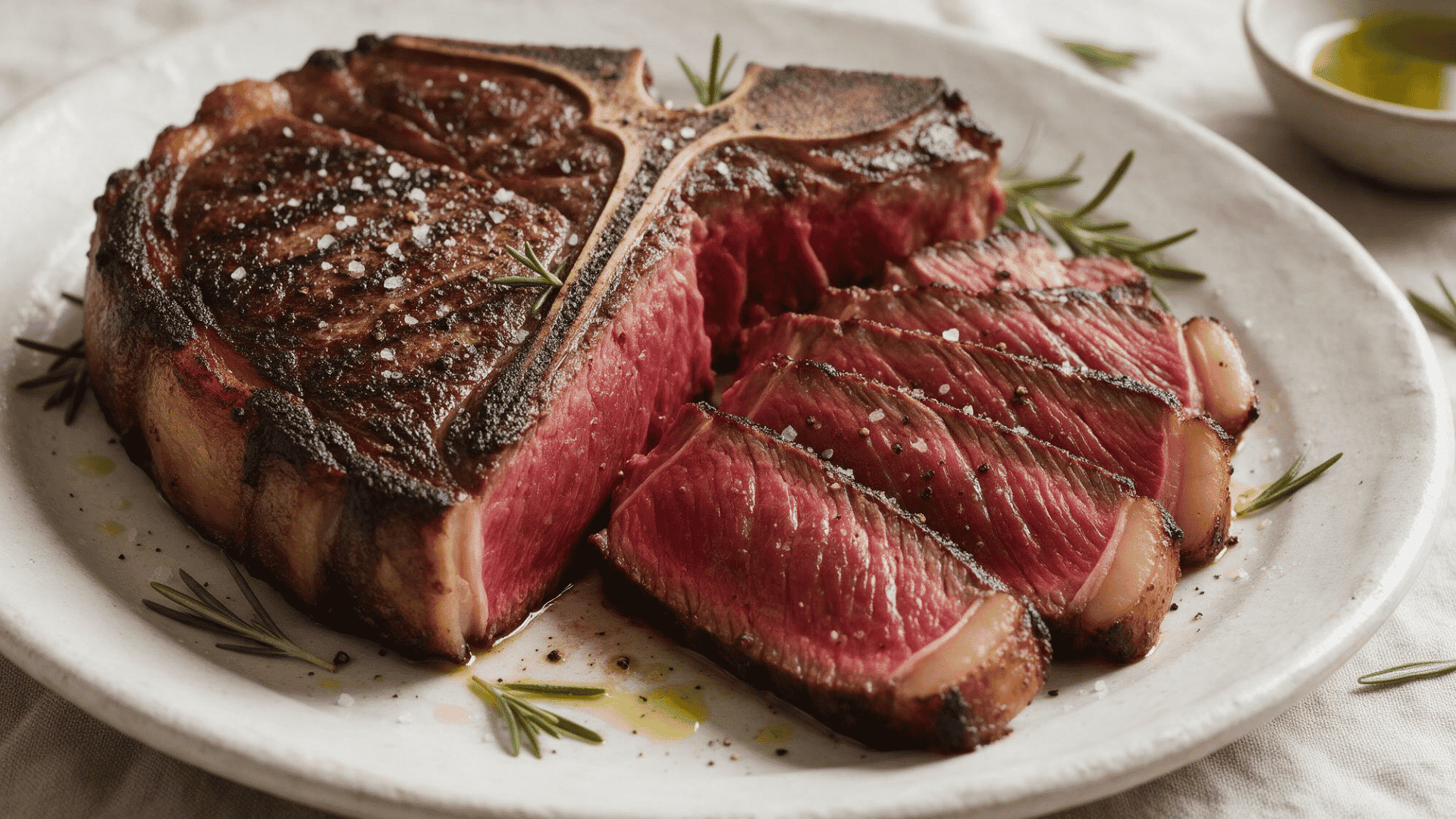
Bistecca alla Fiorentina is a thick-cut T-bone, traditionally from Chianina beef, grilled over high heat and served rare.
It comes from Florence, and the tradition calls for almost no seasoning. The quality of the beef is the whole point.
Florentine tradition sets both the cut and the cooking style. That’s what separates it from a generic grilled steak.
|
Ingredient |
Amount |
Prep Notes |
|---|---|---|
|
T-bone or Porterhouse steak, thick-cut |
1 steak, 2.5-3 lb, cut 2 in thick |
Bring to room temp before grilling |
|
Coarse salt |
To taste |
Season only after cooking |
|
Black pepper |
To taste |
Add after cooking, not before |
|
Extra virgin olive oil |
Light drizzle |
Finish with oil after resting |
|
Rosemary, optional |
1-2 sprigs |
Use only to brush oil, don’t marinate |
Steps:
- Bring the steak to room temperature.
- Grill over very high heat, searing each side.
- Stand the steak briefly on the bone edge to render fat.
- Season with coarse salt only after cooking.
- Rest a few minutes before slicing.
18. Pizza Margherita
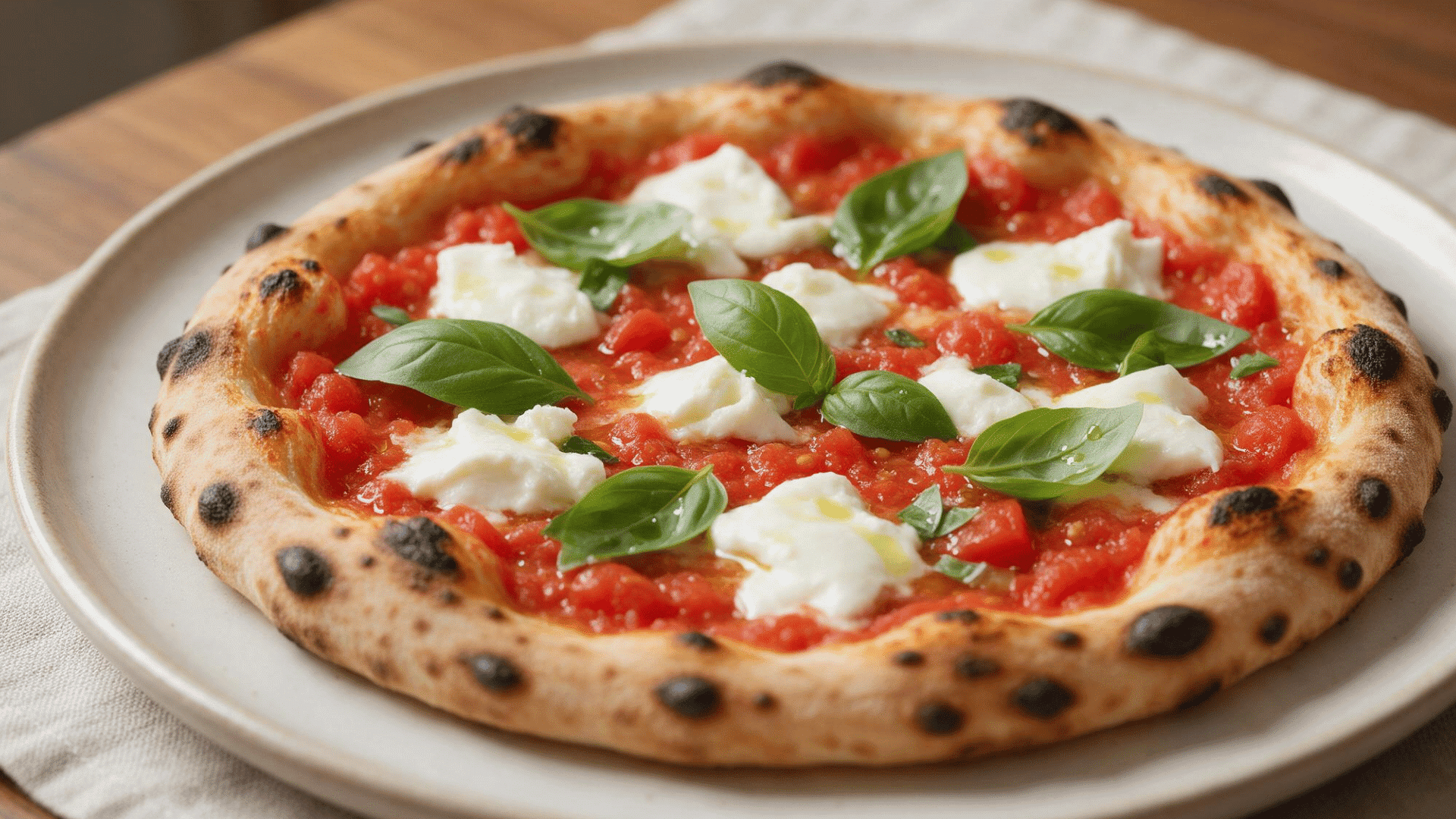
It comes from Naples and is simple: San Marzano tomatoes, mozzarella, and basil on a thin, hand-stretched dough. The colors are often tied to the Italian flag, a nod to Naples’ place in pizza history.
The bake is what sets it apart from most home versions. Traditionally, it goes into an extremely hot wood-fired oven for just a minute or two, which chars the crust while the center stays soft.
|
Ingredient |
Amount |
Prep Notes |
|---|---|---|
|
00 flour dough (flour, water, yeast, salt) |
200-250g dough ball per pizza |
Hand-stretch from center out; don’t use a rolling pin |
|
San Marzano tomatoes, crushed |
2.5-3 oz (70-80 g) |
Crush by hand; season with pinch of salt |
|
Fresh mozzarella (fior di latte or buffalo) |
3-3.5 oz (80-100 g) |
Tear or slice; drain excess liquid first |
|
Fresh basil |
3-4 leaves |
Add before or right after baking |
|
Extra virgin olive oil |
1½ tsp, drizzled |
Add just before baking |
Steps:
- Stretch the risen dough by hand into a thin round, keeping a puffy edge.
- Top with crushed tomato, torn mozzarella, and a drizzle of oil.
- Bake very briefly at the highest heat available.
- Finish with fresh basil straight from the oven.
19. Porchetta
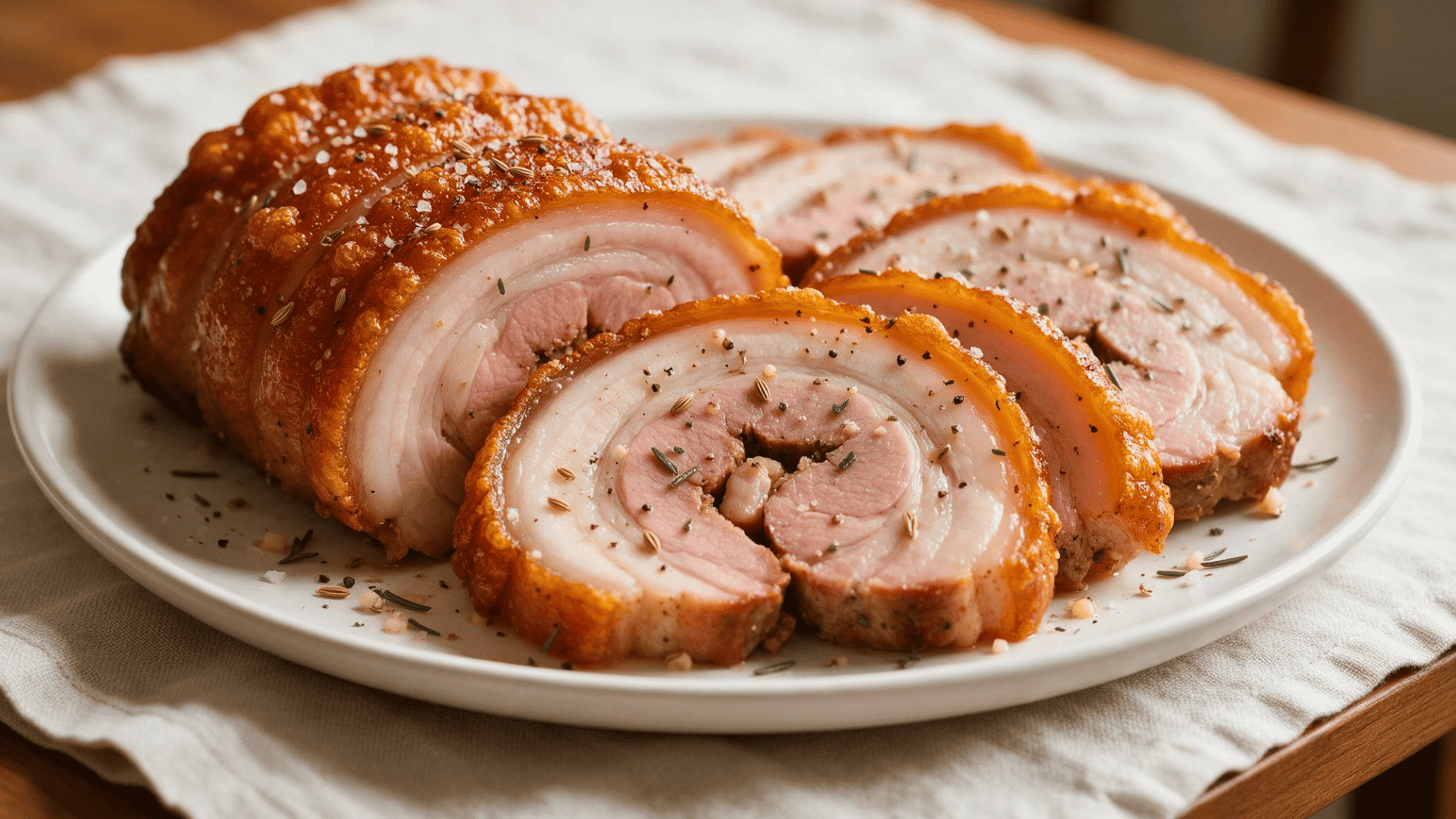
Porchetta is a boneless pork roll stuffed with rosemary, garlic, and fennel. It comes from central Italy, particularly Umbria and Lazio, where it’s traditionally sold sliced from market and food-stall carts.
The two-stage roast is what makes it work. Slow roasting at a lower temperature cooks the meat through, and a high-heat finish crisps the skin without drying it out.
|
Ingredient |
Amount |
Prep Notes |
|---|---|---|
|
Pork belly and loin, boneless, butterflied |
6-8 lb belly + 2 lb loin |
Ask butcher to butterfly flat and even |
|
Garlic |
8 cloves |
Sauté into a paste with oil |
|
Fresh rosemary |
2 Tbsp, chopped |
Mix into herb paste |
|
Fennel seeds or wild fennel |
2 Tbsp |
Toast lightly before crushing |
|
Salt |
To taste (about 2 tsp for filling) |
Salt both meat and skin generously |
|
Black pepper |
To taste |
Mix into herb paste |
Steps:
- Flatten the pork and season generously inside with garlic, herbs, salt, and pepper.
- Roll tightly and tie at intervals.
- Roast low and slow.
- Finish at high heat to crisp the skin.
- Rest before slicing.
Important food safety: Use a meat thermometer for the loin and belly separately; pork should reach an internal temperature of at least 145°F (63°C) with a rest. Don’t rely on time alone.
20. Minestrone
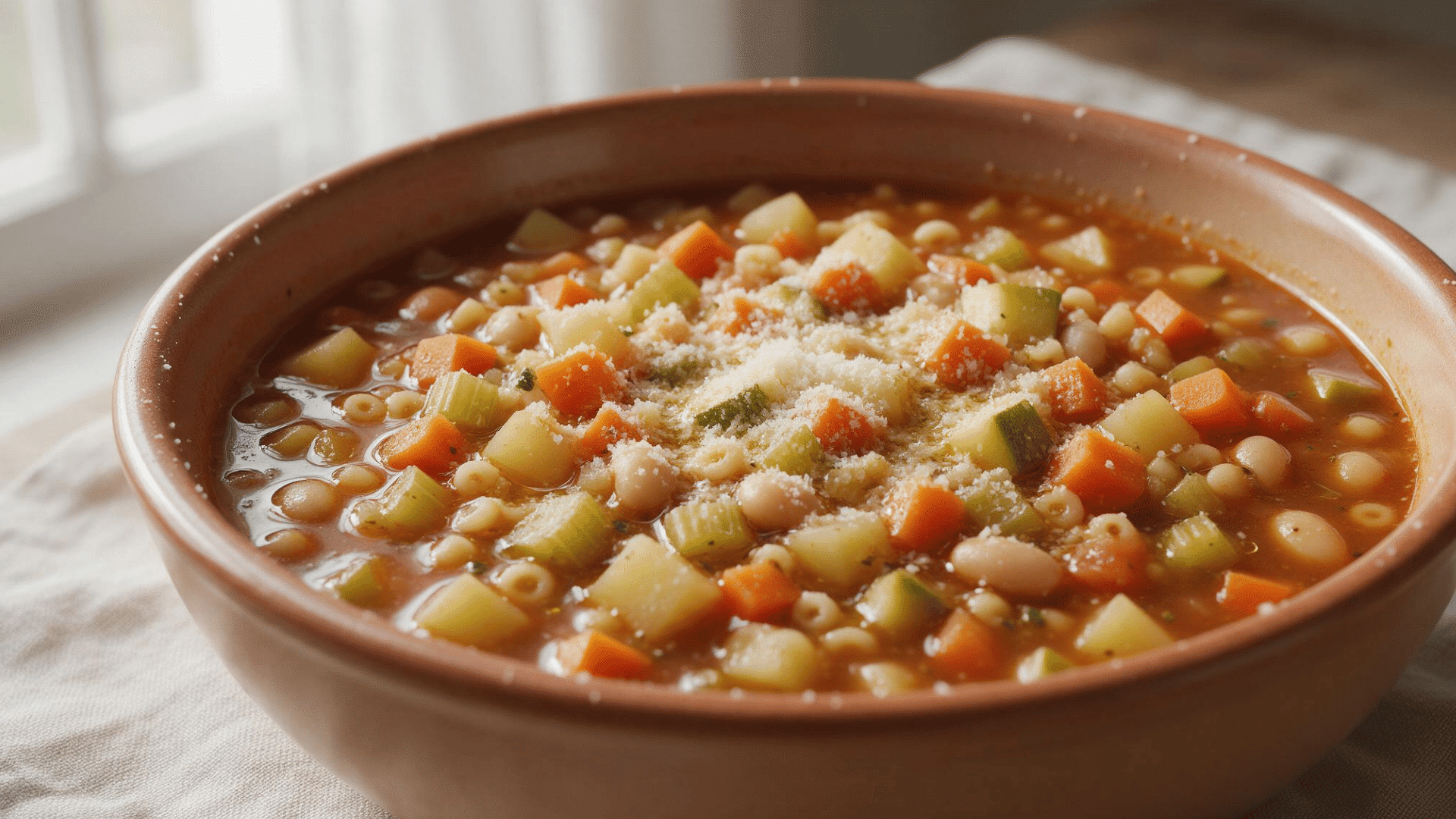
Minestrone is a seasonal vegetable soup with beans and small pasta or rice, and there’s no fixed recipe.
It traditionally uses whatever vegetables are in season, which is part of why it’s stayed popular across Italy for generations.
|
Ingredient |
Amount |
Prep Notes |
|---|---|---|
|
Seasonal vegetables (carrot, celery, potato, zucchini) |
2 carrots, 2 celery stalks, 3 potatoes, 1 zucchini, chopped |
Dice small for even cooking |
|
Beans |
1 (15 oz) can cannellini beans, drained |
Puree half for extra body |
|
Small pasta or rice |
1 cup ditalini |
Add near end; cook until al dente |
|
Vegetable or meat broth |
6-8 cups |
Simmer vegetables until tender |
|
Olive oil |
3 Tbsp |
Sauté onion, celery, carrot first |
|
Parmigiano rind, optional |
1 rind |
Simmer in broth; remove before serving |
Steps:
- Sauté the aromatics in olive oil.
- Add the harder vegetables and broth, then simmer until tender.
- Add the beans, pasta or rice, and quick-cooking vegetables toward the end.
- Finish with a drizzle of olive oil and grated cheese.
My Tip: Finish each bowl with a spoonful of pesto to give a brighter, herbier finish than the standard broth.
21. Focaccia
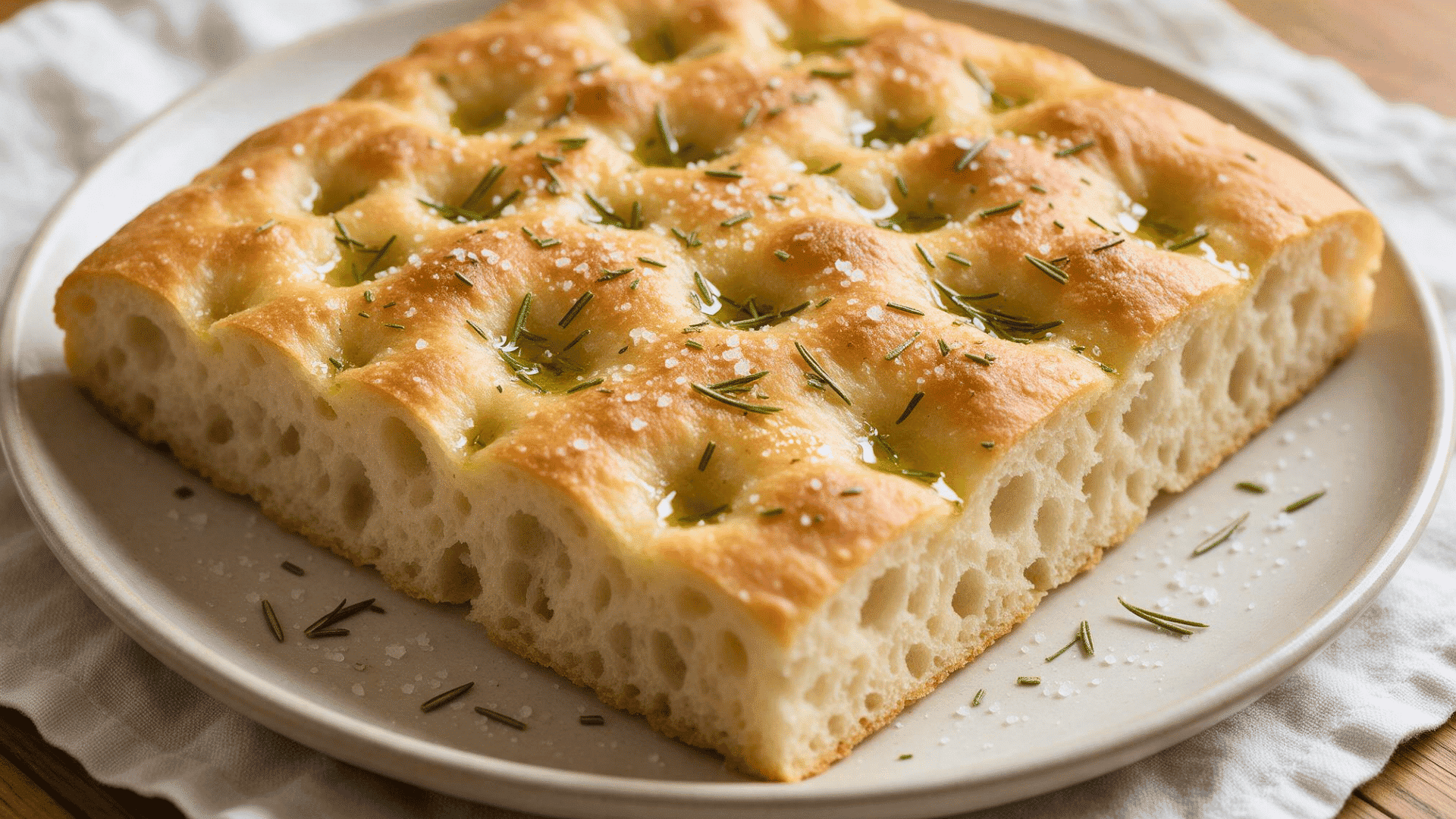
Focaccia is a dimpled, olive-oil-finished flatbread from Genoa, and focaccia genovese is the style most tied to its origin. It’s simpler than pizza dough, but the finish sets it apart.
If you are kneading dough by hand, keep the dough soft and slightly tacky rather than adding too much extra flour.
|
Ingredient |
Amount |
Prep Notes |
|---|---|---|
|
Flour |
2½ cups (350 g) |
All-purpose or 00; add more if too sticky |
|
Water |
1 cup (225 ml), lukewarm |
Whisk with yeast first, let rest for 5-10 min |
|
Yeast |
1 tsp, dried |
Dissolve in water before adding flour |
|
Extra virgin olive oil |
2 Tbsp in dough + 2-3 Tbsp for brine/finishing |
Press dimples deep enough to hold pooled oil |
|
Coarse salt |
1 Tbsp in dough + extra for topping |
Sprinkle coarse salt on top before baking |
|
Rosemary, optional |
To taste |
Press into dimples with oil before baking |
Steps:
- Mix and proof a wet, slack dough.
- Press the dough into an oiled pan and let it rise again.
- Dimple the surface all over.
- Pool olive oil and a light salt-water brine into the dimples.
- Bake until golden.
22. Cannoli Siciliani
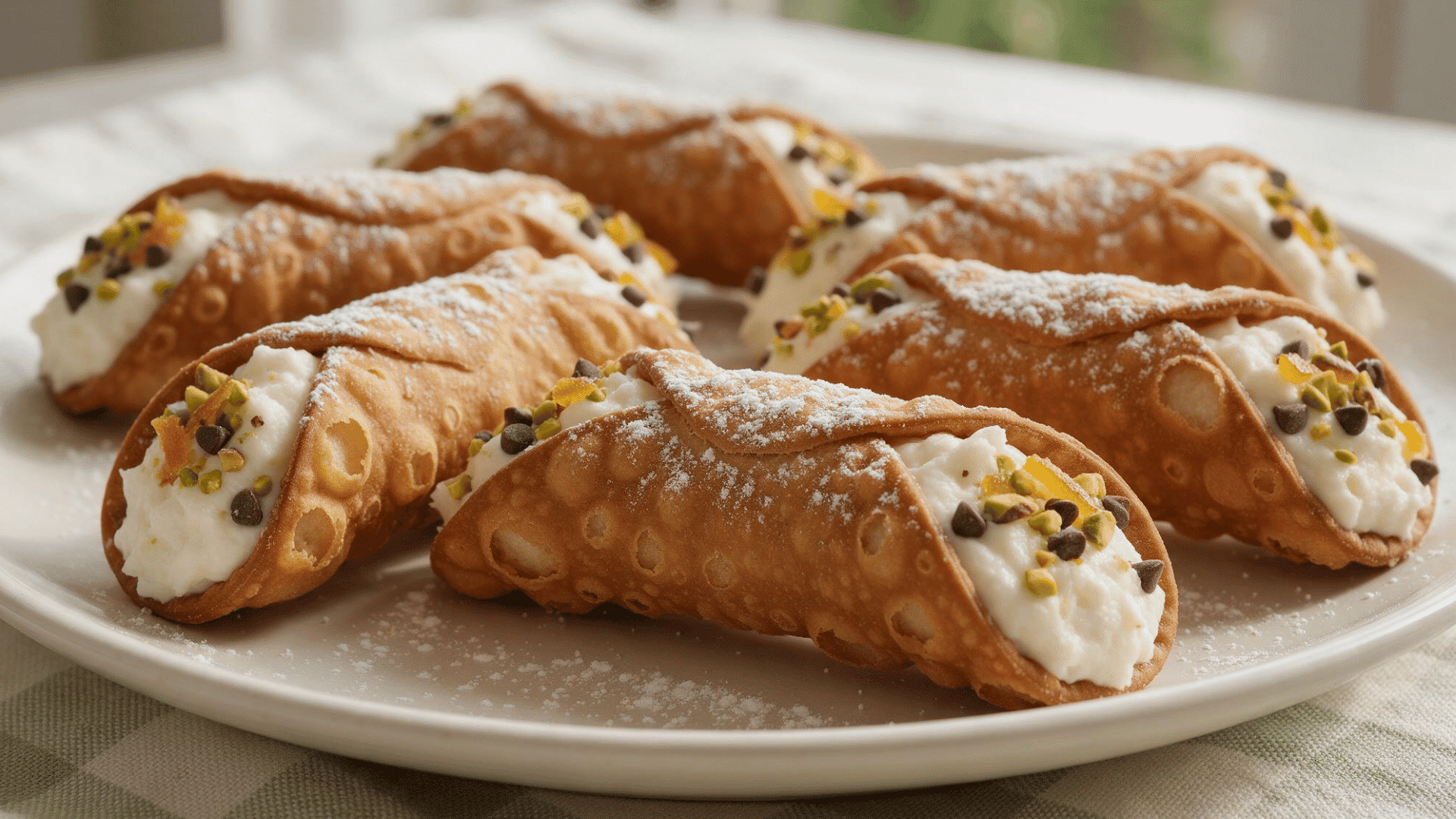
A fried pastry shell filled with sweetened ricotta, often studded with candied fruit or chocolate chips is Cannoli Siciliani, Sicily’s best-known dessert, and sheep’s-milk ricotta is the traditional base for the filling.
Timing matters as much as the recipe. The shells get filled only just before serving, since ricotta softens the fried pastry fast once it’s inside.
|
Ingredient |
Amount |
Prep Notes |
|---|---|---|
|
Pastry dough (flour, wine or vinegar, sugar, lard or butter) |
250g flour, 25g butter, 25g sugar, 70g Marsala wine |
Rest dough at least 1-2 hrs before rolling |
|
Ricotta, drained overnight |
500g (2 cups), sheep’s milk preferred |
Strain in fridge overnight; press through sieve for smoothness |
|
Powdered sugar |
150g (¾ cup) |
Fold into ricotta, don’t overmix |
|
Candied fruit or chocolate chips |
100g, to taste |
Fold in just before filling shells |
|
Oil, for frying |
Enough to submerge shells |
Fry at 350°F until golden; drain well |
Steps:
- Roll the dough thin and wrap it around metal cannoli tubes, sealing the edge.
- Fry until crisp and deep golden.
- Cool, then slide out the tubes.
- Beat the drained ricotta with powdered sugar until smooth.
- Fold in the candied fruit or chocolate chips.
- Pipe the filling into the shells just before serving.
23. Tiramisù
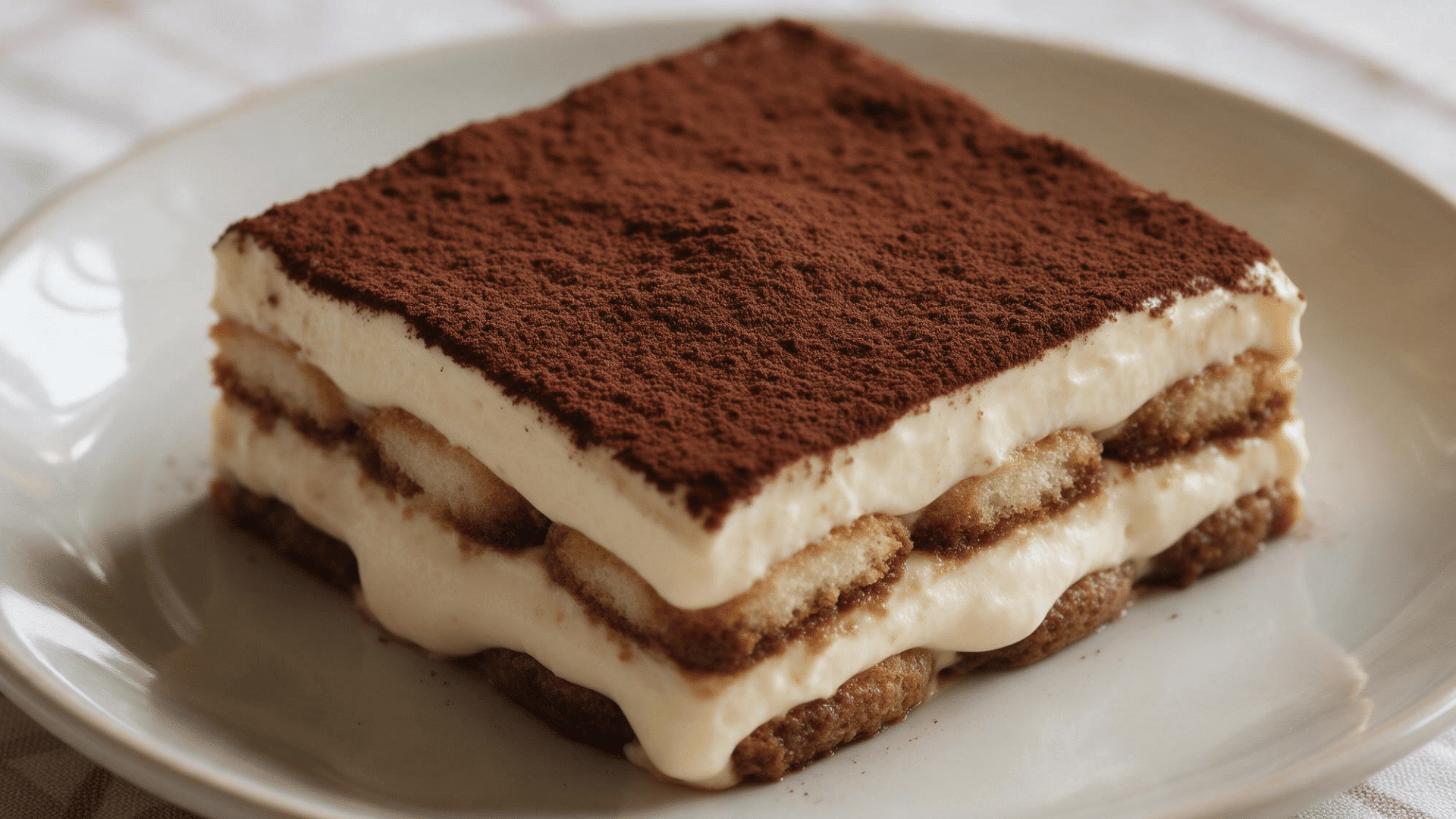
Tiramisù layers a mascarpone-egg mixture with espresso-soaked ladyfingers, then finishes with a dusting of cocoa powder.
It’s a relatively recent dessert; most food historians place its origin in the Veneto region in the 1960s or 1970s, tied to restaurants in Treviso, and it grew out of Veneto’s mascarpone and coffee culture.
|
Ingredient |
Amount |
Prep Notes |
|---|---|---|
|
Ladyfingers (savoiardi) |
300 g (about 30 cookies) |
Dip 1-2 sec only per side; don’t soak |
|
Brewed espresso, cooled |
300 ml (1¼ cups) |
Cool fully before dipping |
|
Mascarpone |
500 g (1.1 lb), cold |
Fold in gently to keep airy texture |
|
Eggs, separated |
4 medium eggs |
Whip whites and yolks separately |
|
Sugar |
100 g (½ cup) |
Split between yolks and whites |
|
Cocoa powder, for dusting |
To taste |
Dust just before serving, not too early |
Steps:
- Whisk the egg yolks with sugar until pale.
- Fold in the mascarpone.
- Whip the egg whites separately and fold in for lightness.
- Dip the ladyfingers in espresso.
- Layer the ladyfingers and mascarpone mixture in a dish, repeating.
- Chill for at least a few hours.
- Dust with cocoa before serving.
My Tip: Dunk ladyfingers only for a brief time period in the cooled espresso, or they turn mushy instead of holding their layers.
24. Gnocchi alla Sorrentina
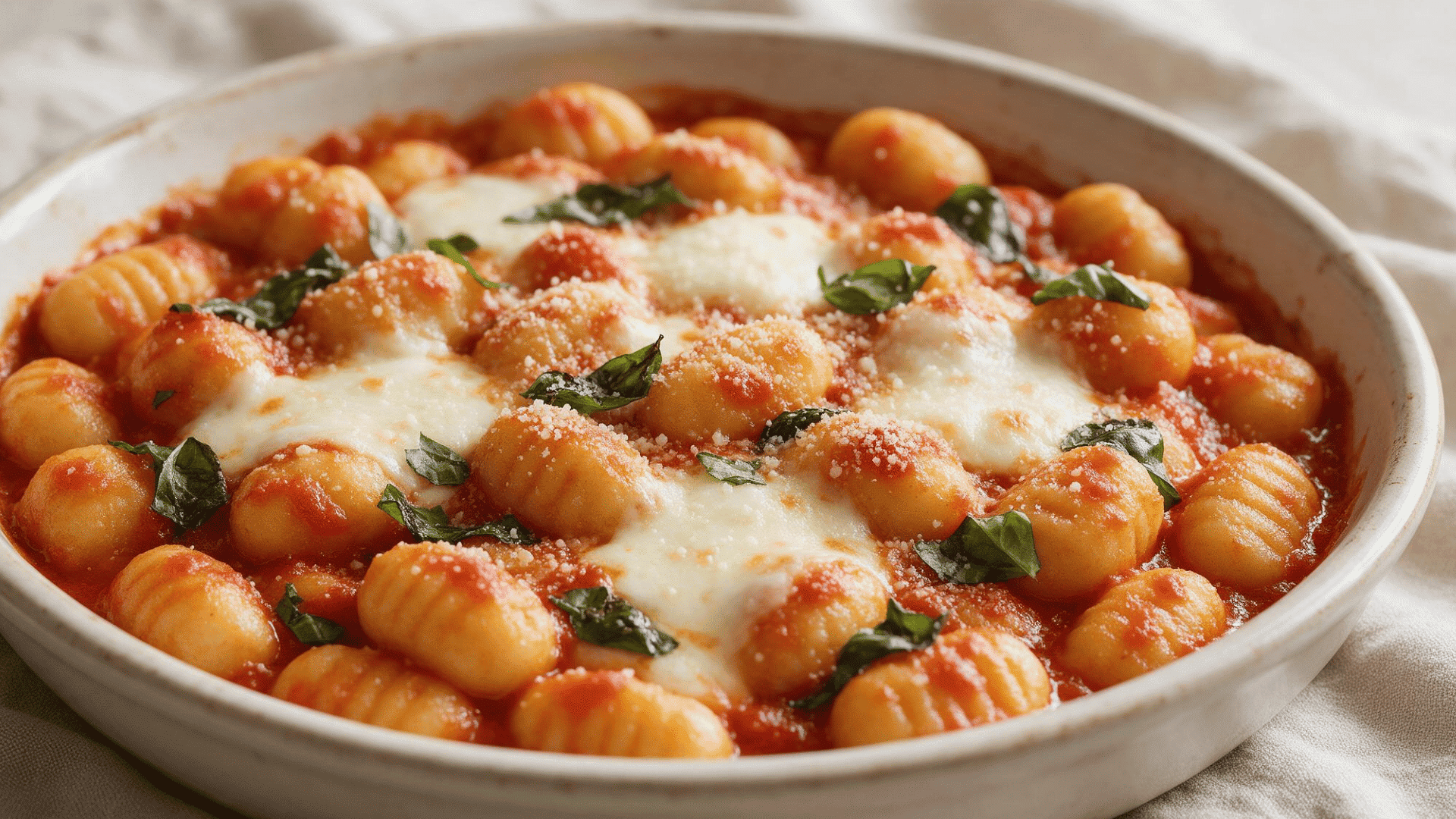
Gnocchi alla Sorrentina is potato gnocchi baked briefly with tomato sauce and melted mozzarella.
It’s named for Sorrento, on the Campania coast, where the tomato-mozzarella pairing shows up in dish after dish.
The bake stays short here. Gnocchi are already cooked by the time they hit the oven, so the goal is just melting the cheese, not cooking the pasta further.
|
Ingredient |
Amount |
Prep Notes |
|---|---|---|
|
Potato gnocchi |
1 lb (500 g) |
Boil until they float; drain gently |
|
Tomato sauce |
28 oz (800 g) crushed/pomodorini |
Simmer 10 min before adding gnocchi |
|
Fresh mozzarella, torn |
8.8 oz (250 g), 2 balls |
Add half into sauce, rest on top before baking |
|
Parmigiano-Reggiano, grated |
To taste |
Sprinkle generously on top |
|
Fresh basil |
1 handful |
Stir into sauce; garnish after baking |
Steps:
- Boil the gnocchi until they float, then drain.
- Toss briefly in warm tomato sauce.
- Transfer to a baking dish.
- Scatter torn mozzarella and grated Parmigiano over the top.
- Bake or broil just until the cheese melts and turns spotty golden.
- Finish with fresh basil.
25. Vitello Tonnato
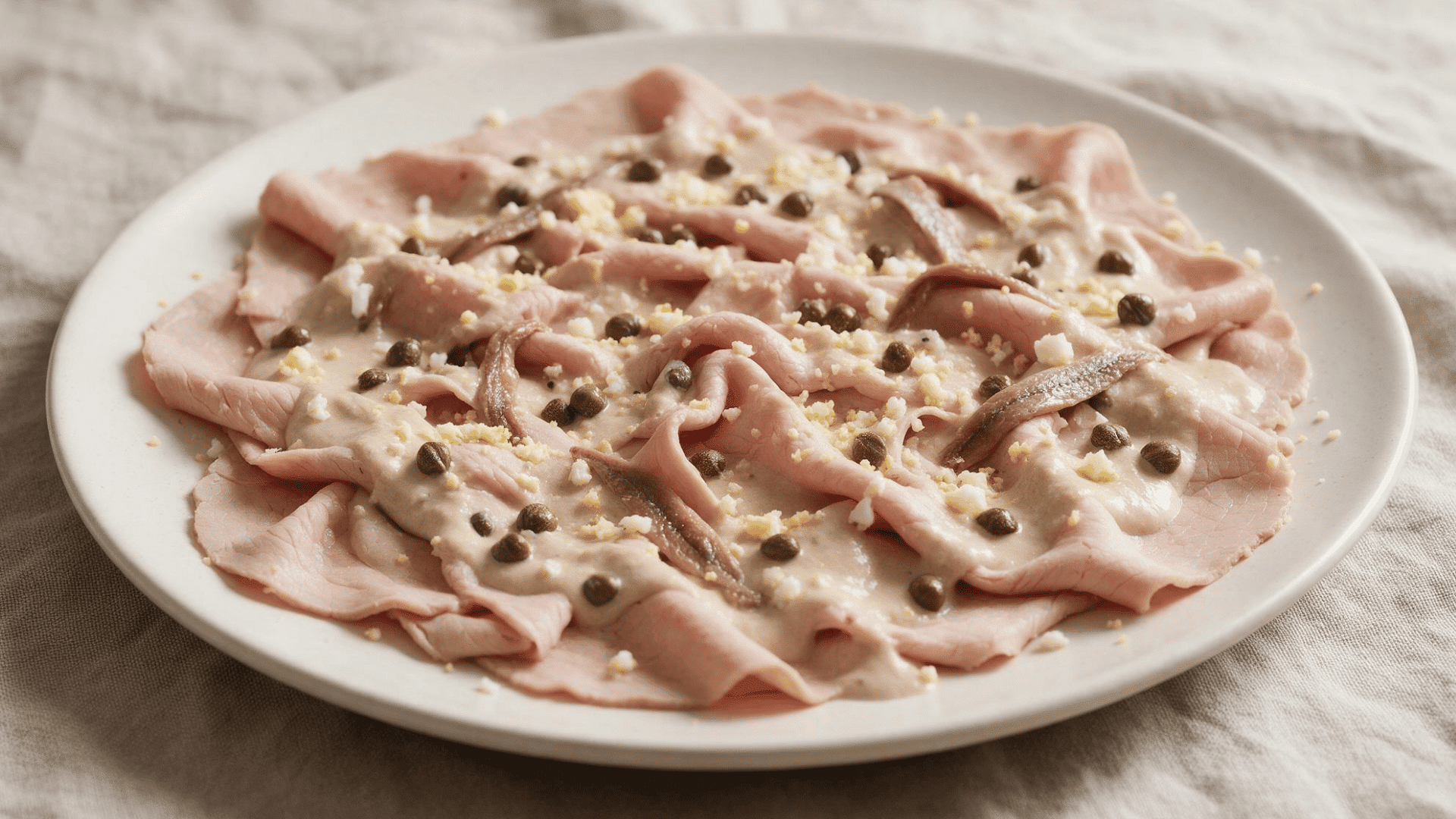
Cold, thinly sliced veal under a creamy tuna-caper sauce from Piedmont is Vitello tonnato- it works as a starter or a light main, and I love it because the rich sauce plays against the lean, mild veal.
The veal always gets cooked and cooled before slicing. Serve this dish cold or at room temperature, never warm.
|
Ingredient |
Amount |
Prep Notes |
|---|---|---|
|
Veal, eye round or similar lean cut |
800 g (1.7 lb) |
Poach whole, cool, slice thin |
|
Onion, carrot, and celery |
1 each, medium |
Simmer with veal |
|
Dry white wine |
1 cup (250 ml) |
Add to poaching liquid |
|
Canned tuna in oil |
3.5 oz (100 g), drained |
Blend into sauce |
|
Anchovy fillets |
4 fillets |
Blend into sauce |
|
Capers |
½ Tbsp (5 g) |
Blend; save some for garnish |
|
Hard-boiled egg yolks |
2 yolks |
Blend until creamy |
|
Olive oil |
About ½ cup |
Drizzle in while blending |
|
Lemon juice |
To taste |
Add at the end |
Steps:
- Gently poach the veal in wine, stock, and aromatic vegetables until tender.
- Cool the veal completely, then slice thinly.
- Blend the tuna, anchovies, capers, and egg yolks with olive oil until smooth.
- Spoon the sauce generously over the chilled veal slices.
- Refrigerate before serving.
Italian Meal Courses and Entrees to Try
A traditional Italian meal is built around several small courses rather than one large plate. It may begin with an aperitivo and antipasto, followed by a primo such as pasta, risotto, or soup.
The secondo brings the main meat or fish dish, often served with a vegetable contorno. Dessert, espresso, and sometimes a digestivo may follow, though everyday home meals usually include only two or three courses.
For dinner, you can keep things simple with a familiar Italian entree. Lasagna al forno offers a rich baked option, chicken cacciatore brings slow-cooked comfort, eggplant parmigiana works well for a meat-free meal.
Pick one based on your available time and how hearty you want dinner to feel.
Final Thoughts
Italian recipes are often at their best when you give simple ingredients enough time and attention. From pasta and risotto to hearty Italian entrees, each dish has its own rhythm and technique.
I think the best way to learn them is to cook one recipe at a time and notice the small details. Pick a dish that suits your mood, gather your ingredients, and start cooking your way through the classics.