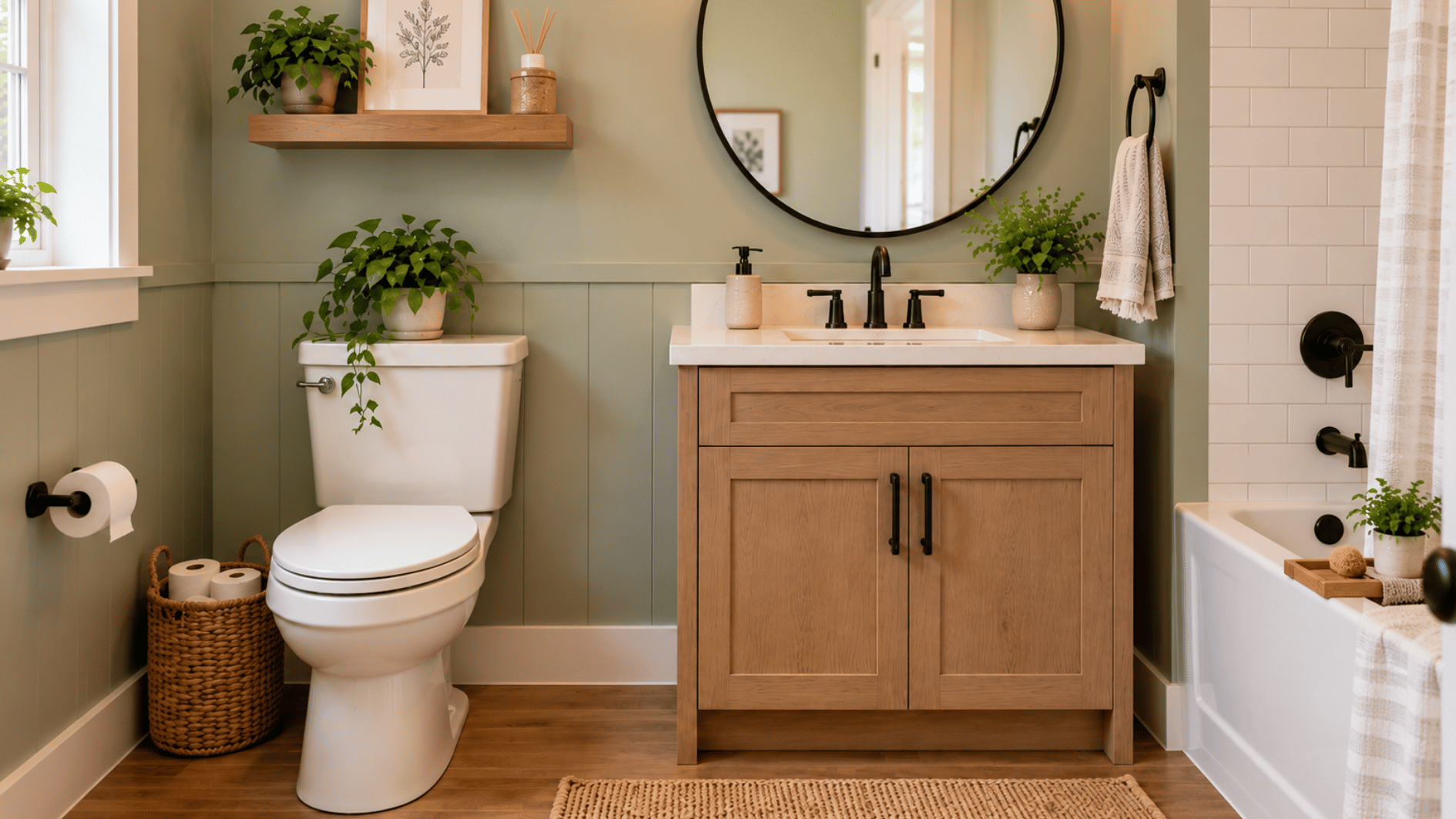
Have you ever stood in the bathroom aisle wondering why a shower liner and curtain seem so similar but are sold as two different things? A shower liner vs curtain decision is not only about appearance.
Once you think about daily use, upkeep, and how everything works together, the choice starts to feel a bit more meaningful. I tend to look at these choices the same way I look at room layouts.
This blog breaks down how the two differ, what to look for in a liner, and how shower liner sizes can affect the fit. A few simple details can make everyday routines feel much easier.
Difference Between a Shower Liner and Curtain
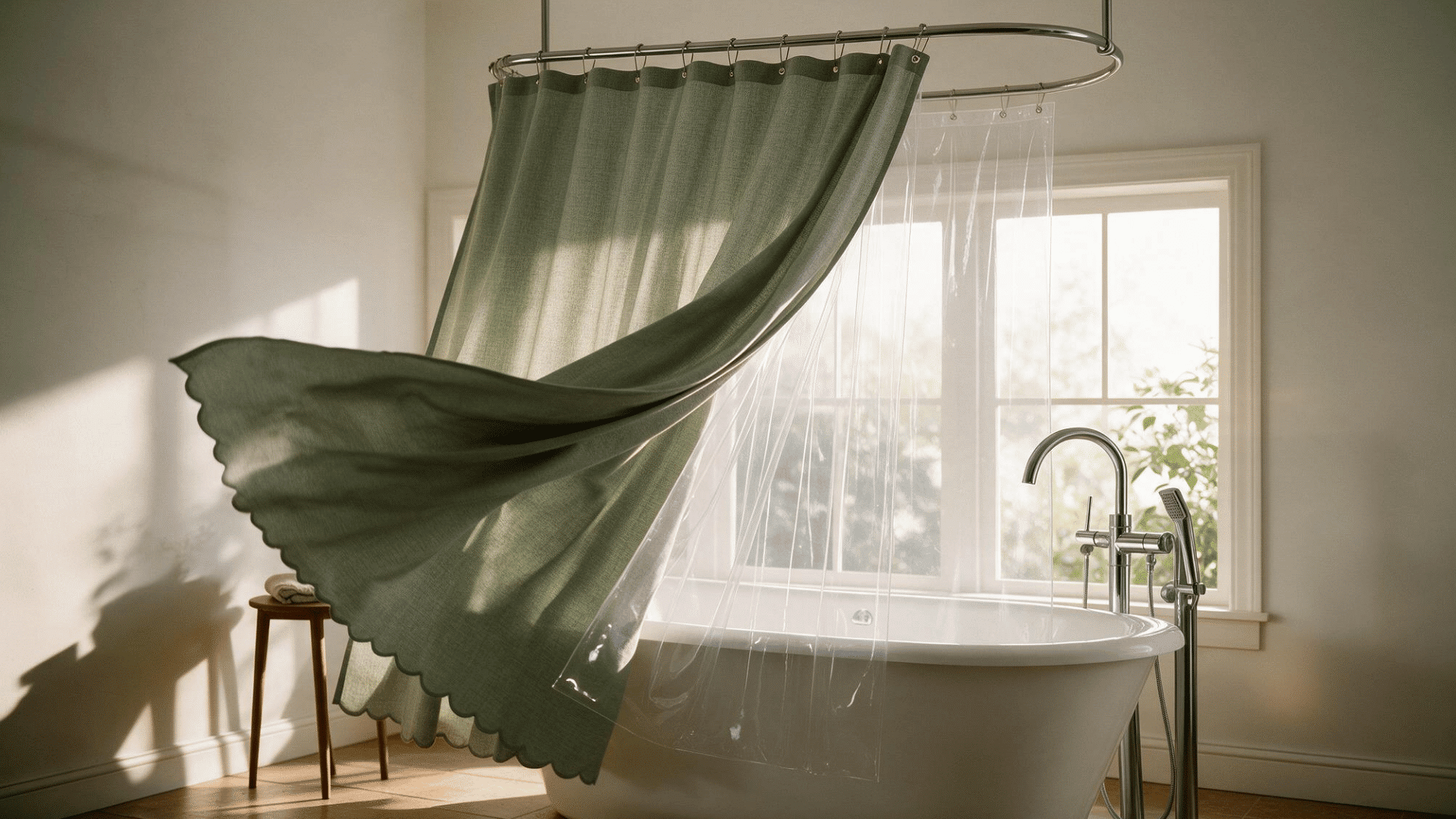
A shower liner and shower curtain serve different roles, even though they hang in the same area.
The liner sits closest to the water and helps keep splashes inside the tub or shower. A curtain usually hangs outside and is used more for privacy and appearance.
Shower liners are commonly made from PEVA, vinyl, polyester, or polyethylene. They are designed to handle regular water contact and may feel light, flexible, or more structured depending on the material.
Shower curtains are often made from polyester, cotton, linen, or synthetic blends. They usually offer more colors, patterns, and textures than liners.
The main difference comes down to water control on one side and privacy and style on the other.
Do You Need a Shower Liner and Curtain Together?
You do not always need both. The right setup depends on the curtain material, water exposure, and how much privacy you want.
Small bathroom walk-in shower setups can work differently because the opening and enclosure also affect how much splash protection you need. I would check the curtain material first. That usually makes the pairing choice much easier.
|
Setup |
What Works Best |
Why |
|---|---|---|
|
Decorative or absorbent curtain |
Curtain + liner |
The liner handles direct water. |
|
Waterproof liner only |
Liner alone |
It controls water and adds coverage. |
|
Waterproof shower curtain |
Curtain alone |
Some are made for direct spray. |
|
Unsure about the setup |
Check the care label |
It may state if a liner is needed. |
What Features Matter Most In a Shower Liner?
The small details can make a shower liner easier to use and maintain. Look beyond the material and check how the liner hangs, dries, cleans, and stays in place.
- Weighted hem: Helps keep the liner from moving too much during a shower.
- Bottom magnets: Can help hold the liner against compatible metal tubs.
- Reinforced holes: Reduce wear around the top where hooks pull on the liner.
- Rust-resistant grommets: Help protect the hanging points from moisture-related damage.
- Washable construction: Makes routine cleaning easier when the care label allows washing.
- Secure header: Helps the liner hang evenly without pulling at the top.
- Hookless design: Can make installation and removal faster.
- Opacity: Clear, frosted, and opaque options offer different levels of privacy.
- Thickness: Heavier liners usually stay in place better, while thinner ones feel lighter and more flexible.
Which Shower Liner Material Should You Choose?
The right material depends on how you want the liner to feel and how much care you want it to need. When comparing a shower liner vs. a curtain, I would pay closest attention to the liner’s everyday performance.
1. PEVA Shower Liners
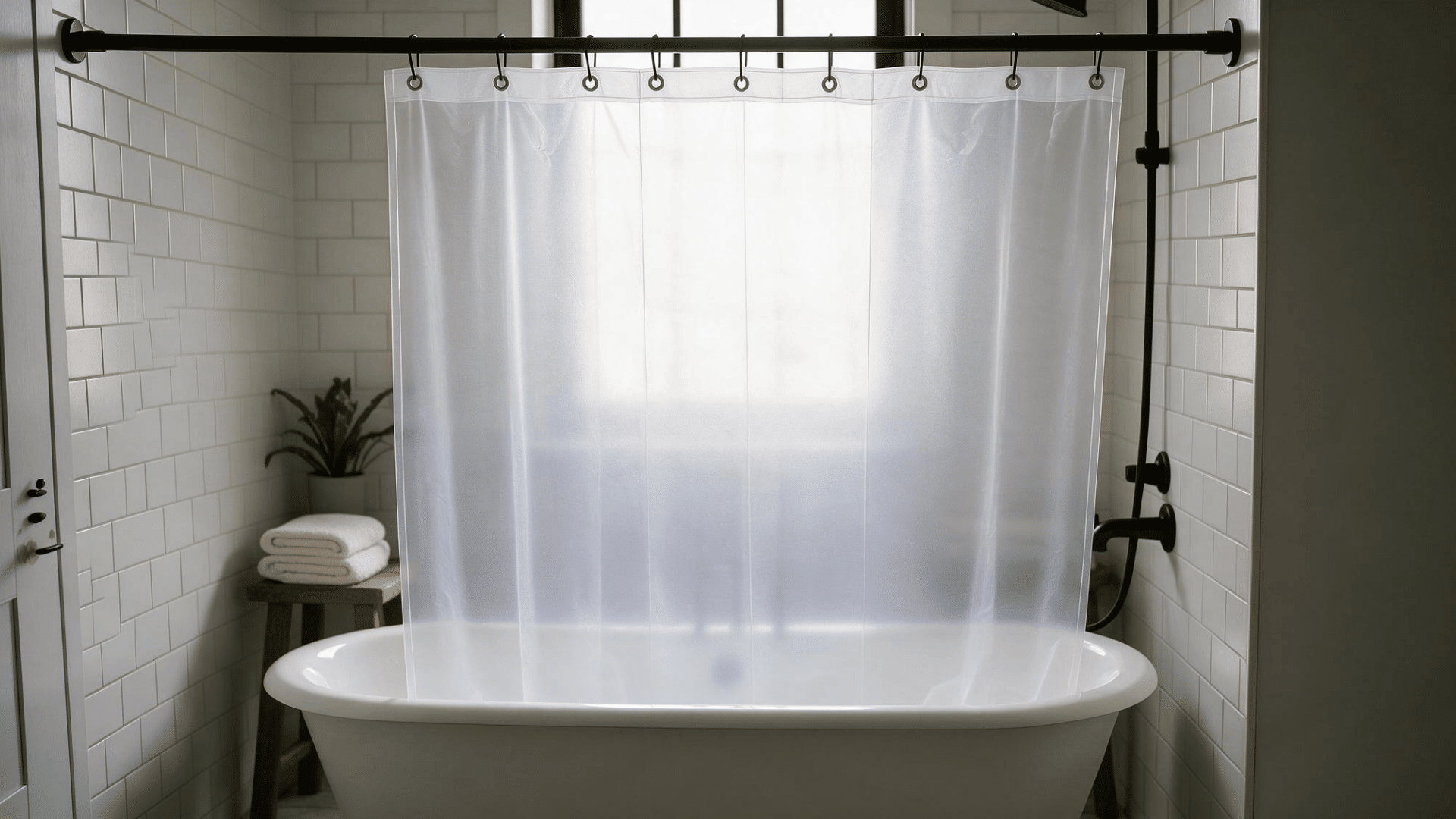
PEVA shower liners are waterproof plastic liners made without PVC. They are usually lightweight, flexible, and easy to hang, making them a practical choice for everyday bathrooms. Compared with heavier vinyl liners, PEVA often has less of a strong plastic smell when you first open it.
Because the material is thin, it dries fairly quickly but may move inward when the shower is running unless the bottom has magnets or weights. PEVA can also develop soap buildup or mildew if it stays damp for long periods.
- Look for: Reinforced top holes and weighted or magnetic bottom corners
- Best for: Everyday bathrooms where you want an inexpensive, low-maintenance liner
- Typical price: About $7–$21, depending on thickness, size, and features
- Recommendations: LiBa 8G PEVA, AmazerBath 5G Medium-Weight PEVA Liner, AmazerBath 8G Heavy-Duty PEVA Liner
2. Polyester Shower Liners

Polyester shower liners have a softer, fabric-like feel and are commonly chosen when washability matters. Many can go in the washing machine, which makes regular upkeep easier.
The material can take longer to dry than thin plastic liners, so good airflow is important. Some polyester liners also include weighted hems to help them stay in place during use.
- Look for: Machine-washable fabric, sturdy top holes, and a weighted bottom hem
- Best for: Bathrooms where you want a softer liner that is easy to wash
- Typical price: About $7–$20 for many standard-size options
- Recommendations: Titanker Waterproof Fabric Liner, Biscaynebay Hotel Quality Fabric Liner, Threshold RPET Fabric Midweight Liner
3. Vinyl or PVC Shower Liners
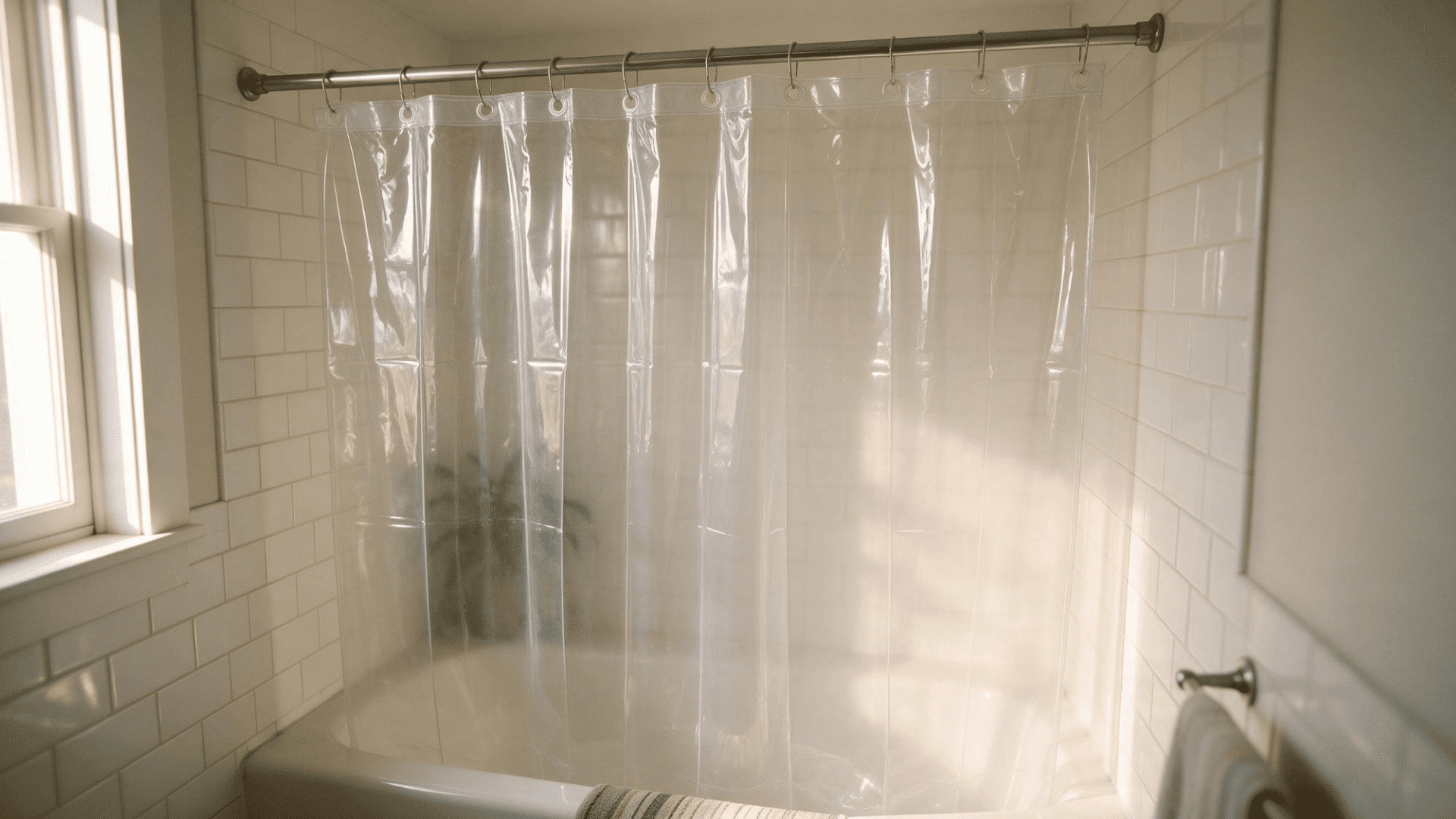
Vinyl or PVC liners form a strong waterproof barrier and are available in both lightweight and heavy-duty versions. Thicker options usually feel more structured and are less likely to move around during a shower.
They are generally easy to wipe clean, but the material can feel stiffer than PEVA or fabric. Weight and gauge are worth checking because they can change how the liner hangs and feels.
- Look for: A sturdy gauge, reinforced top edge, and finished seams
- Best for: Showers where you want a heavier and more structured water barrier
- Typical price: About $5–$20 for many standard options
- Recommendations:Zenna Home Heavyweight 10-Gauge Vinyl Liner, interDesign PVC Vinyl Liner,Zenna Home Standard Vinyl Liner
4. Polyethylene Shower Liners
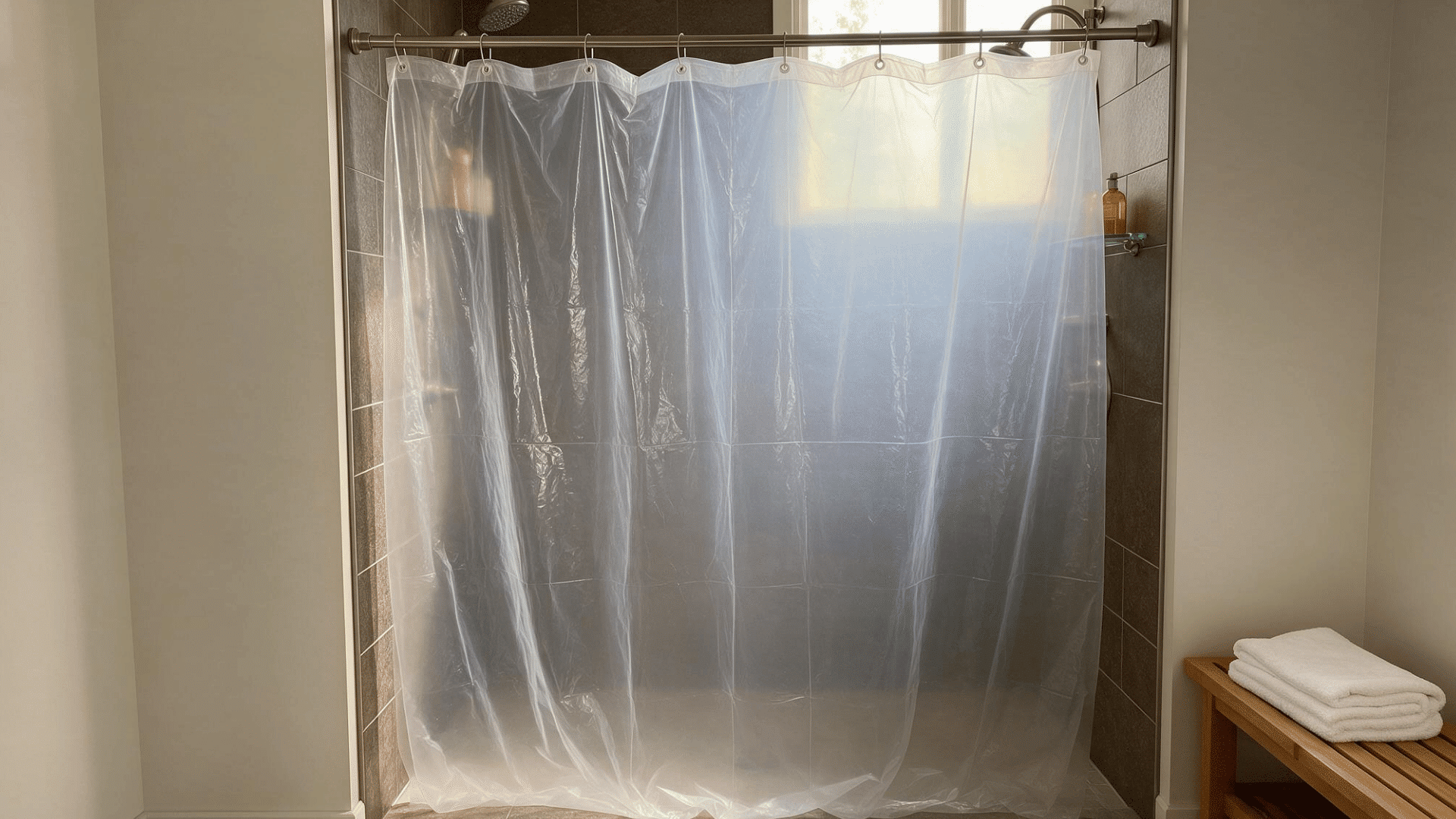
Polyethylene liners are usually thin, lightweight, and simple in construction. They provide basic waterproof coverage without the heavier feel of some vinyl liners.
Their lighter weight makes them easy to handle, but very thin versions may move more during use. A stronger top edge or weighted bottom can make the liner feel more stable.
- Look for: Enough material weight, secure top holes, and a stable bottom edge
- Best for: Basic shower setups where simple waterproof coverage is enough
- Typical price: About $9–$17 for many standard polyethylene or PEVA liners, with thicker or specialty sizes costing more.
- Recommendations: Glacier Bay Lightweight PEVA 2.4-Gauge 72 in. Liner, Glacier Bay PEVA Heavy 7-Gauge 70 × 72 in. Liner, Glacier Bay Premium 8-Gauge 70 × 72 in. Liner
5. Fabric or Microfiber Shower Liners
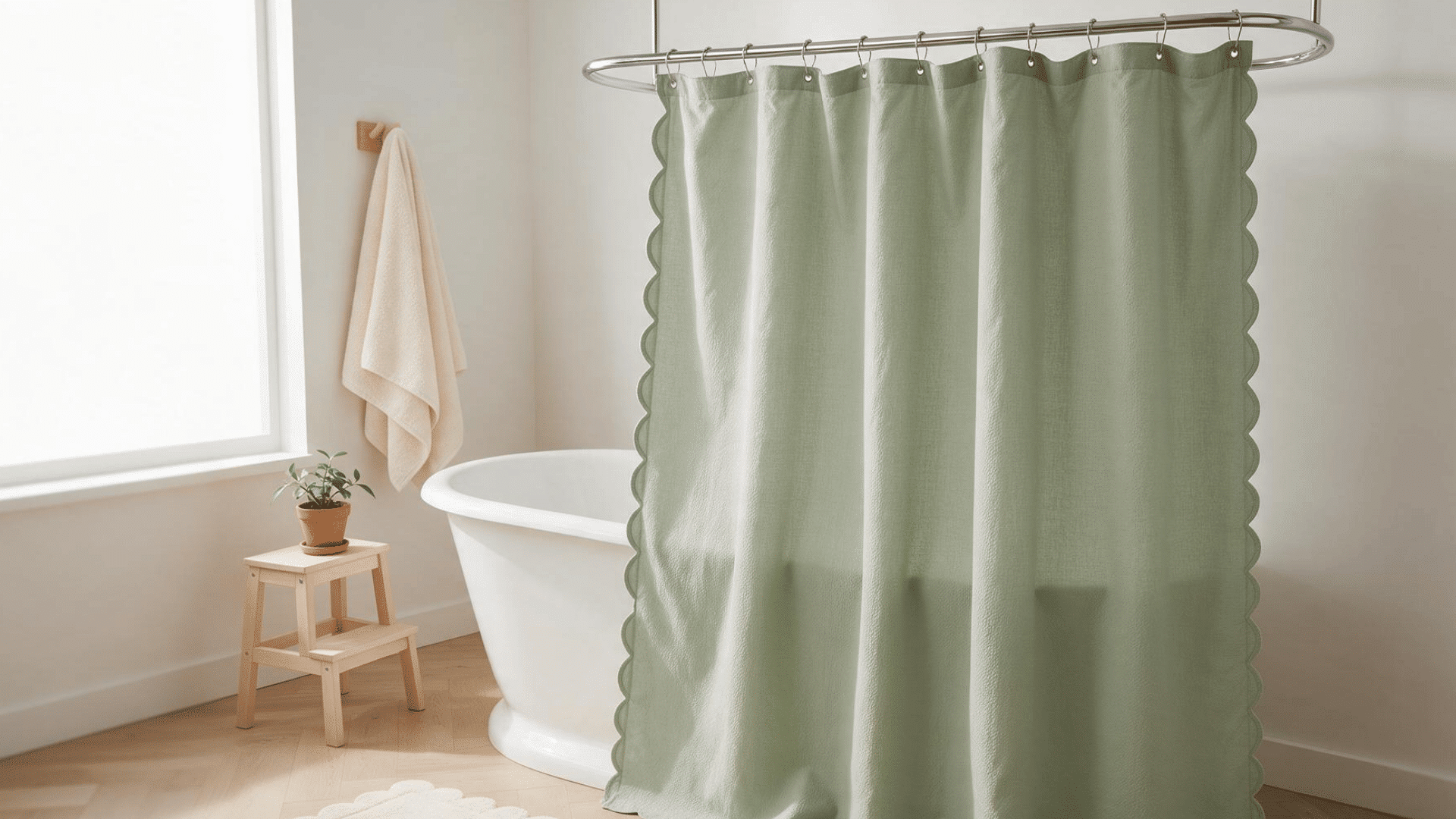
Fabric and microfiber liners have a softer, cloth-like finish and often look more polished than plastic styles. Many are washable, making them appealing when you prefer reusable fabric construction.
These liners may hold moisture longer than thin plastic options, so they need enough airflow to dry between showers. Some versions also use waterproof backing or treated fabric for better water control.
- Look for: Washable construction, strong grommets, and a water-resistant or waterproof finish
- Best for: Bathrooms where softness, appearance, and washability matter
- Typical price: About $8–$25+, depending on fabric weight, backing, and size
- Recommendations: N&Y HOME Fabric Shower Curtain Liner, ALYVIA SPRING Waterproof Fabric Liner, Threshold Waterproof Recycled Fabric Liner
How Do You Choose the Right Shower Liner Size?
The right shower liner size starts with measuring the actual shower opening instead of relying only on a “standard” label.
Measure the full width of the opening, then choose a liner with a little extra coverage so water is less likely to escape at the sides. Next, measure from the shower rod down to where you want the liner to end inside the tub or shower base. It should hang low enough to contain water without dragging or bunching.
Width formula:
Shower opening width + 6–12 inches = recommended liner width
Height formula:
Rod-to-tub measurement − 1–2 inches = recommended liner height
Common shower liner sizes include 72 × 72 inches for standard tub-and-shower setups, 54 × 78 inches for narrower stalls, 72 × 84 inches for taller showers, and 108 × 72 inches for wider openings.
How Do You Prevent Mold and Mildew On a Shower Liner?
Spread the shower liner fully after each use so water does not sit in folded areas. Better airflow also helps the surface dry faster.
Run the bathroom exhaust fan during and after showers when possible. Leaving the door open afterward can also help moisture clear more quickly.
Wash or wipe the liner as directed on the care label before buildup becomes heavy. I usually pay extra attention to the lower edge because it stays damp longer.
Replace the liner if stains, odors, cracks, or heavy buildup remain after cleaning. A damaged liner may also stop containing water as well as it should.
When Should You Replace a Shower Liner?
There is no single replacement schedule that works for every shower liner. Condition matters more than age, so check for damage that cleaning cannot fix.
- Persistent stains: Marks remain even after proper cleaning.
- Torn holes: Damage appears around the top or edges.
- Cracks or splits: The material starts breaking or separating.
- Lingering odor: Smell remains after washing and drying.
- Poor water control: The liner no longer hangs or works as it should.
- Worn surface: The material feels brittle, stretched, or heavily damaged.
Tip: Replace the liner once wear starts affecting how well it works rather than keeping it just because it still hangs.
Final Thoughts
A bathroom does not need every choice to feel important. Some things simply need to work well, stay out of the way, and fit the routine without creating extra effort.
I tend to trust the options that feel easy to live with after the first few days. That usually matters more than making the most elaborate choice.
With shower liner vs curtain, choose the setup that fits your space and does its job without creating extra work. If it works well day after day, you have made the right choice.
Frequently Asked Questions
Can a Shower Liner Be Used With a Curved Rod?
Yes, as long as the liner is wide enough to follow the curve without leaving gaps.
Do Shower Liners Shrink After Washing?
Some fabric liners can shrink slightly, so always follow the care label.
Can You Iron a Fabric Shower Liner?
Only if the care instructions allow it, since heat can damage some coatings or fibers.
Are Shower Liners Recyclable?
It depends on the material and local recycling rules, so check both before disposal.