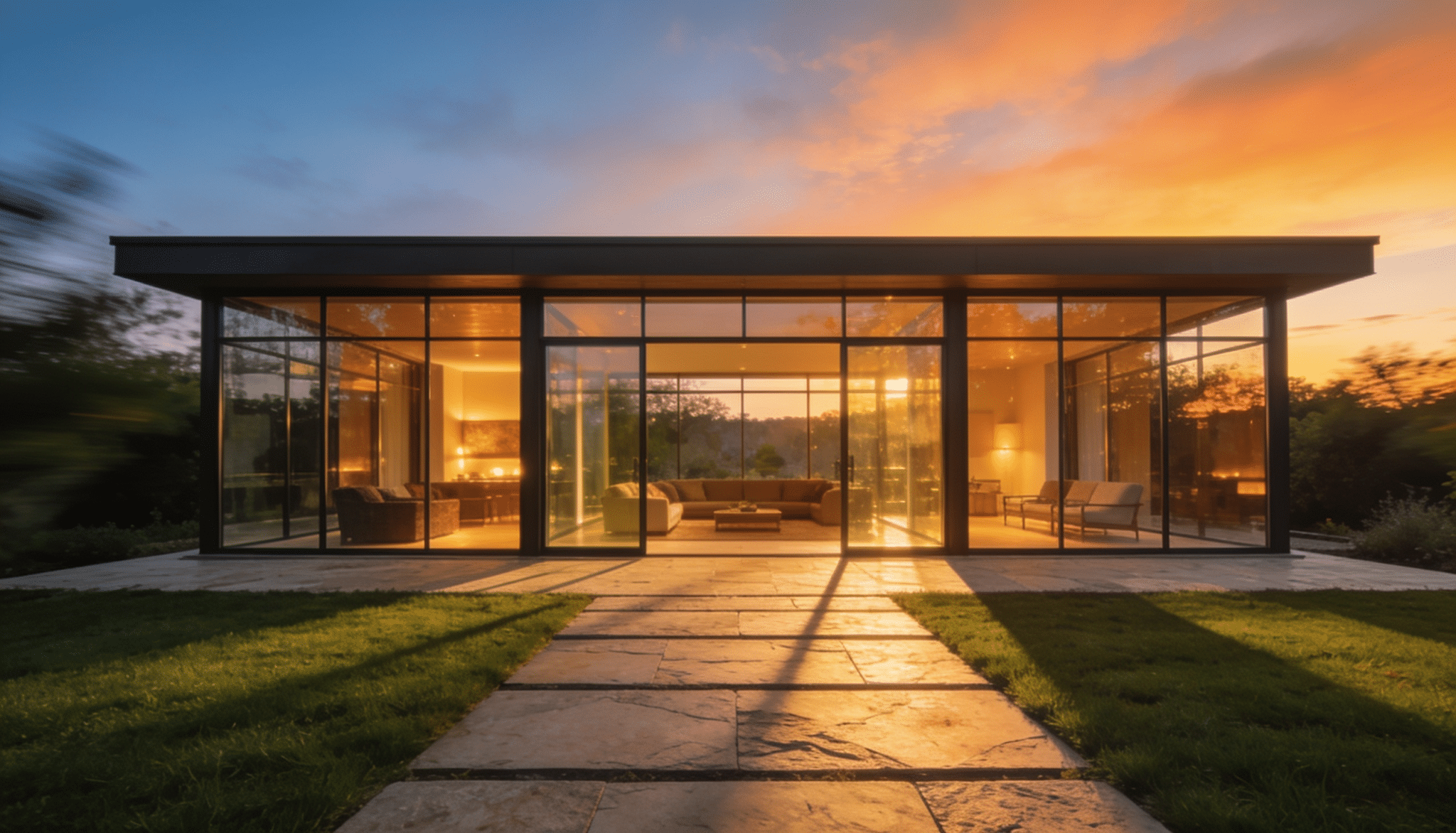
Need more living space without changing the front of your home? A back house room addition can add comfort, function, and flexibility while making better use of your property.
Many homeowners look to image-based platforms for inspiration because real-life examples make it easier to compare layouts, room types, and design styles.
A thoughtfully planned addition can also improve natural light, create a stronger connection to outdoor areas, and help existing rooms feel less crowded.
From bright family spaces to private work areas, the right addition can improve how your home works today while supporting future needs.
Below, you’ll find creative back house room addition ideas along with design details worth considering before planning your project.
Why Do Homeowners Add Rooms to the Back of Their House?
A back house room addition can add useful living space while keeping the front of the home mostly unchanged.
- More Usable Space: Adds room for a family area, office, guest room, or larger kitchen.
- Better Privacy: Keeps the new space away from the street and closer to the backyard.
- Indoor-Outdoor Connection: Helps link the home with a patio, deck, garden, or backyard.
- Natural Light: Rear additions can use backyard-facing windows or doors for a brighter room.
- Future Flexibility: The space can shift from playroom to office, guest room, or hobby area as needs change.
Back House Room Addition Ideas
From light-filled extensions to private retreats, back house room additions can completely change how a home looks and feels. These ideas showcase popular designs that homeowners often save for inspiration when planning extra living space.
1. Bright Family Room Addition
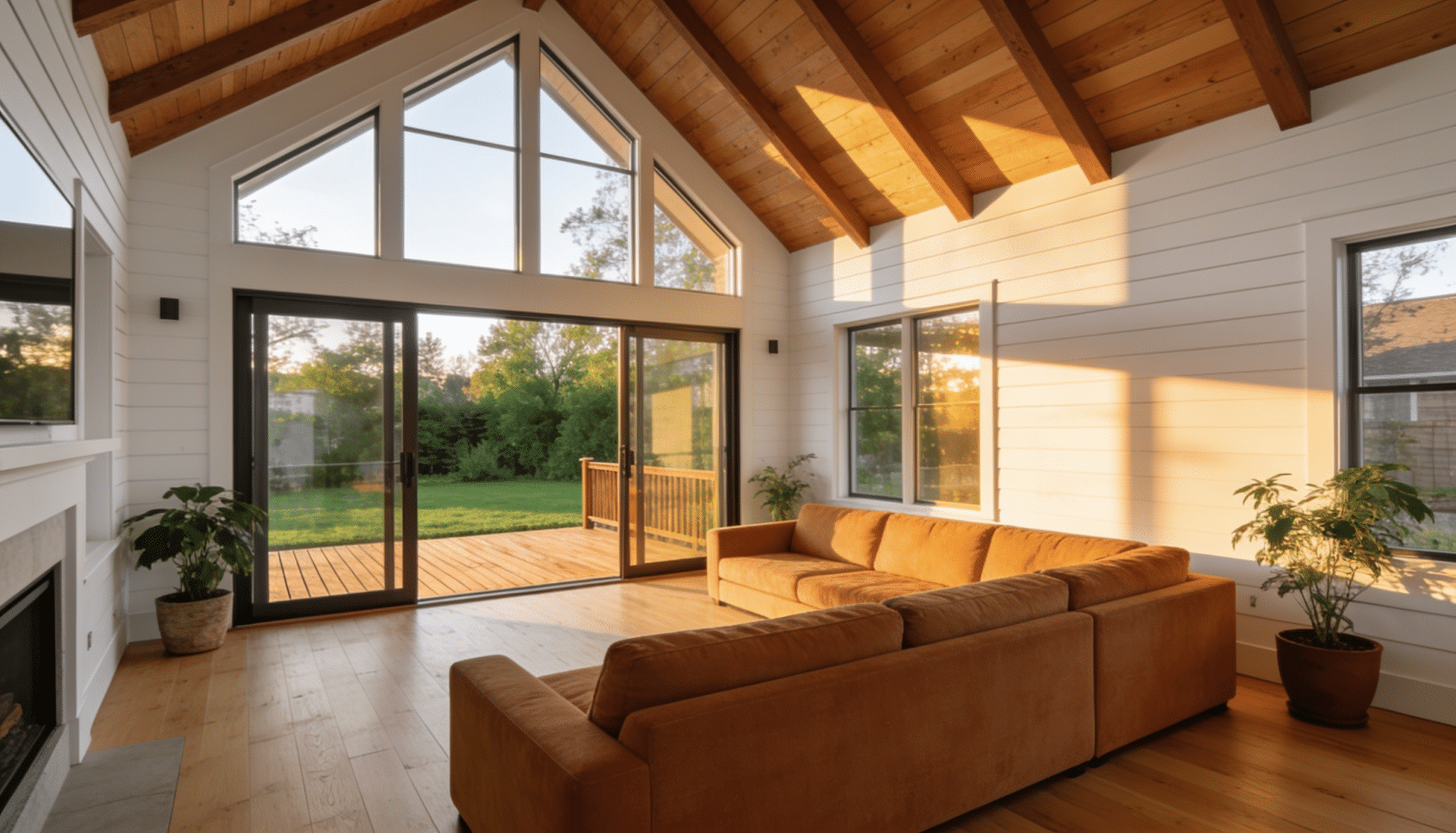
A bright family room addition often features oversized windows, airy layouts, and clear views of the backyard. These spaces are designed to feel open, inviting, and connected to the outdoors.
Many popular examples include vaulted ceilings, exposed beams, and light-colored finishes that help the room feel larger. Natural materials such as wood and stone are commonly used to add warmth and character.
Sliding glass doors leading to a patio or deck can create a smooth transition between indoor and outdoor living areas. This design is especially popular in modern and contemporary homes.
2. Glass-Enclosed Sunroom
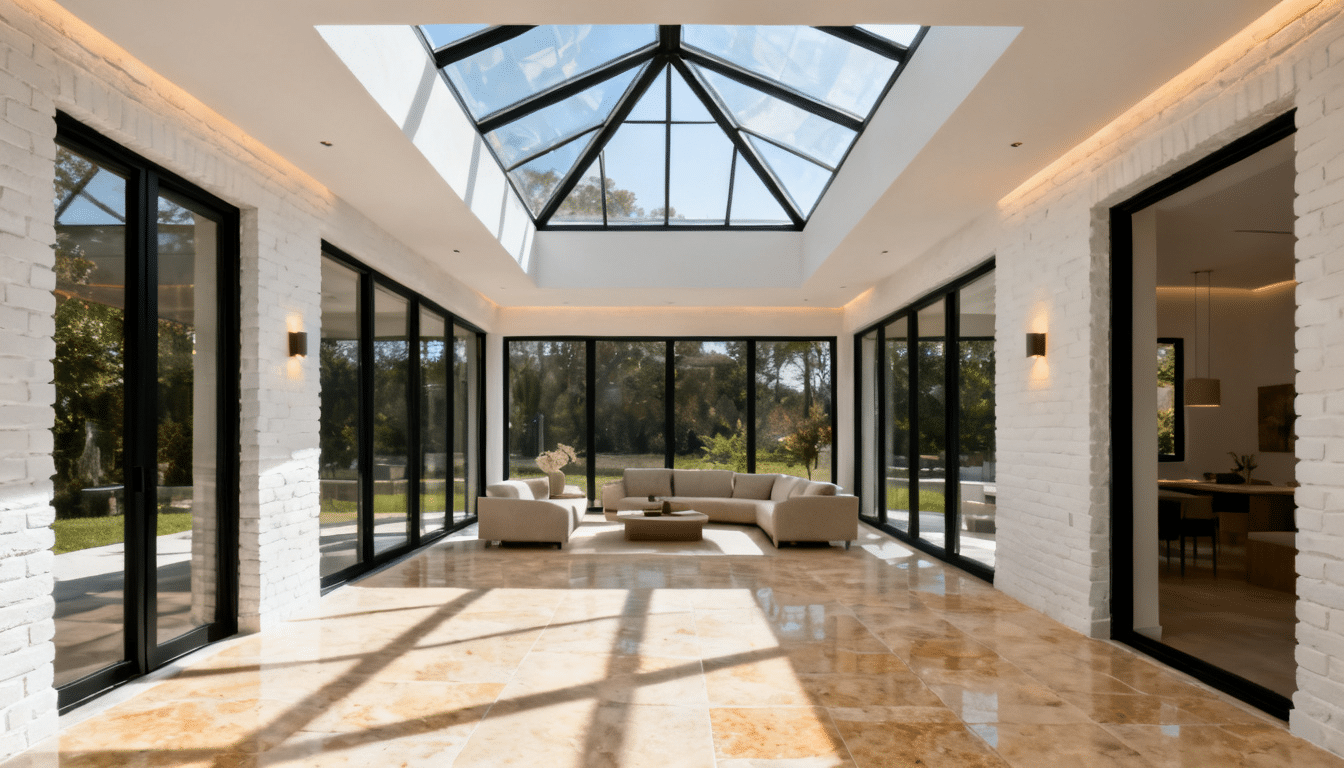
A glass-enclosed sunroom stands out for its wall-to-wall windows and bright atmosphere. It is often designed to maximize backyard views while filling the space with natural light.
Popular designs feature black-framed windows, skylights, comfortable seating, and indoor plants. These details create a fresh look that appears frequently in home design galleries.
Some homeowners prefer a clean, modern style, while others opt for a cozy space with layered textures and natural finishes. Both approaches work well in rear additions.
3. Spacious Kitchen Expansion
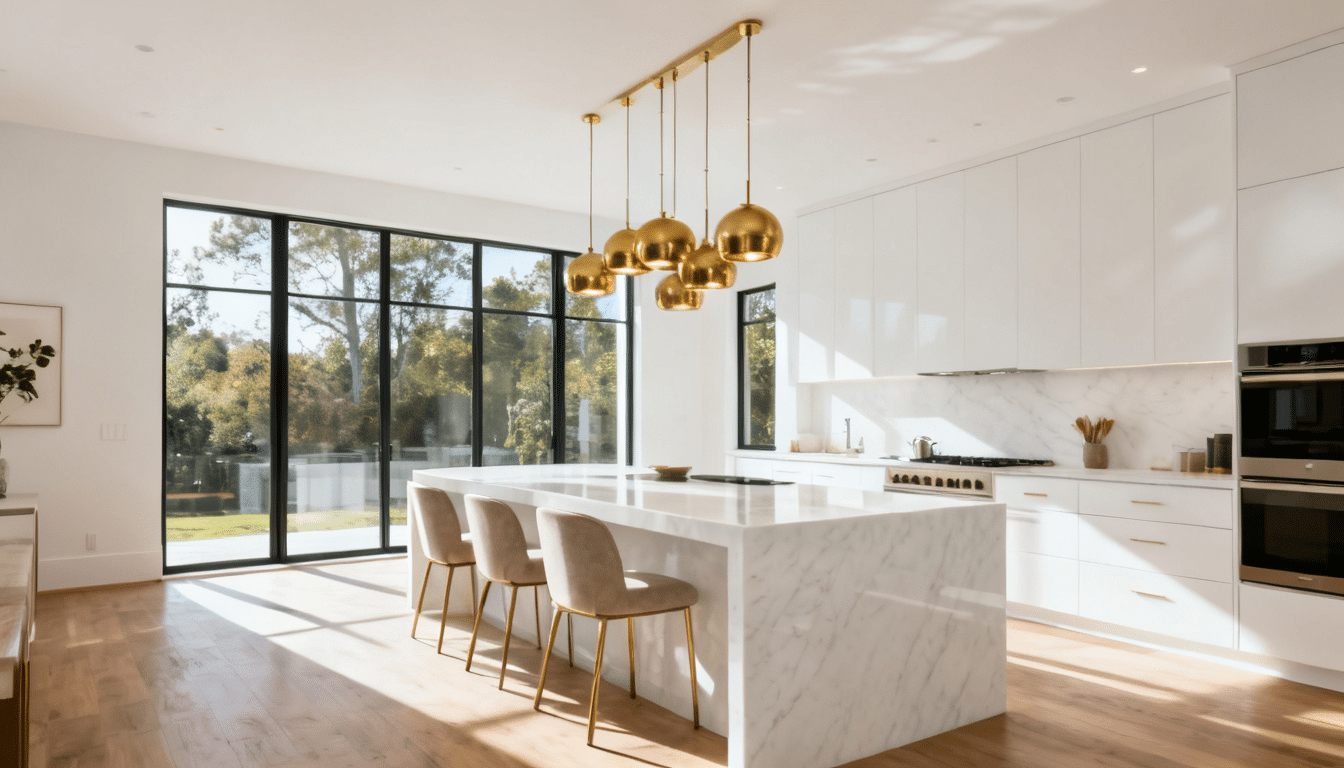
A kitchen expansion can transform the back of a home by creating a larger, more open gathering space. Many examples showcase oversized islands, statement lighting, and generous seating areas.
Rear kitchen additions often include large windows or glass doors that brighten the space and provide views of the backyard. This helps the kitchen feel more open and connected to outdoor areas.
Popular layouts blend the kitchen with nearby dining and living spaces. The result is a functional design that feels spacious and visually balanced.
4. Backyard-Facing Home Office
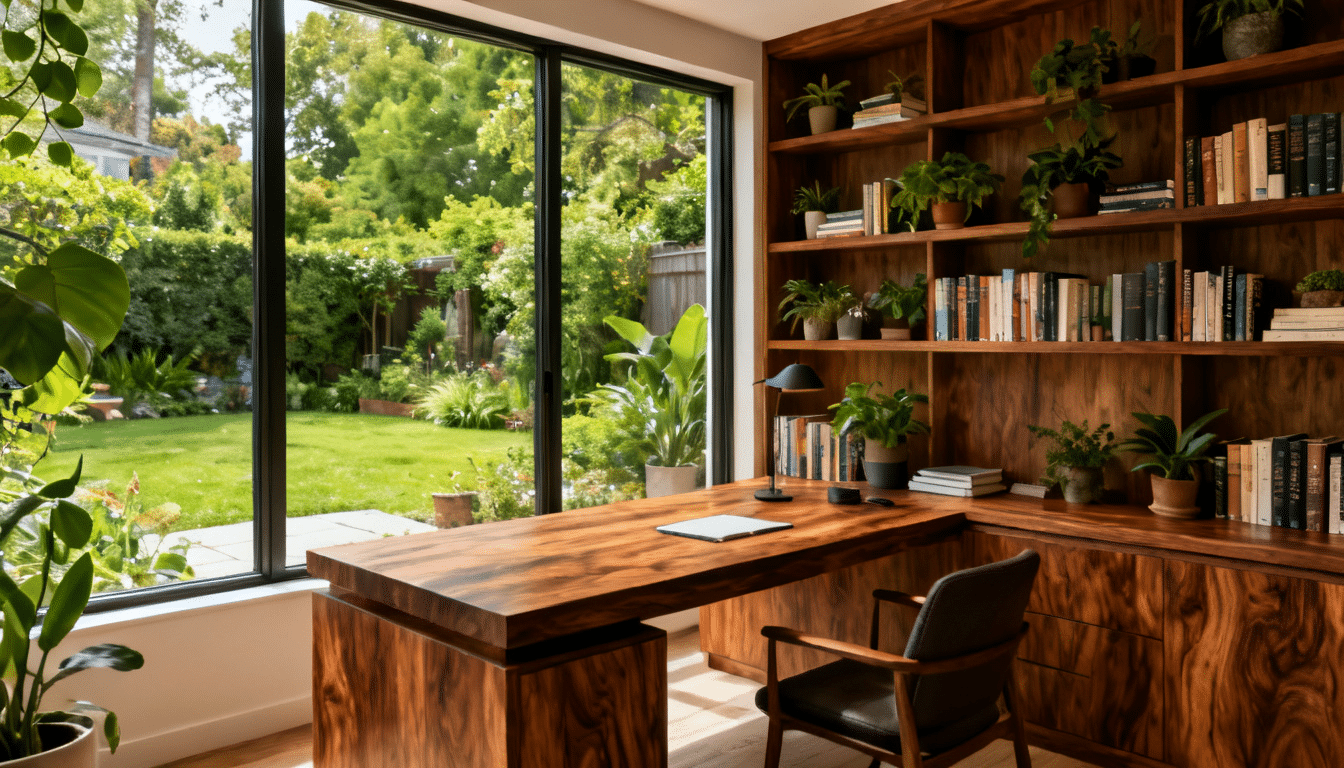
A backyard-facing office combines productivity with a peaceful setting. Large windows often become the focal point, creating a workspace filled with natural light.
Many designs feature built-in shelving, streamlined furniture, and simple color palettes. These elements help create a clean and organized environment.
Glass doors, reading corners, and custom workstations can add personality while maintaining functionality. These features are commonly seen in modern office additions.
5. Guest Suite Addition
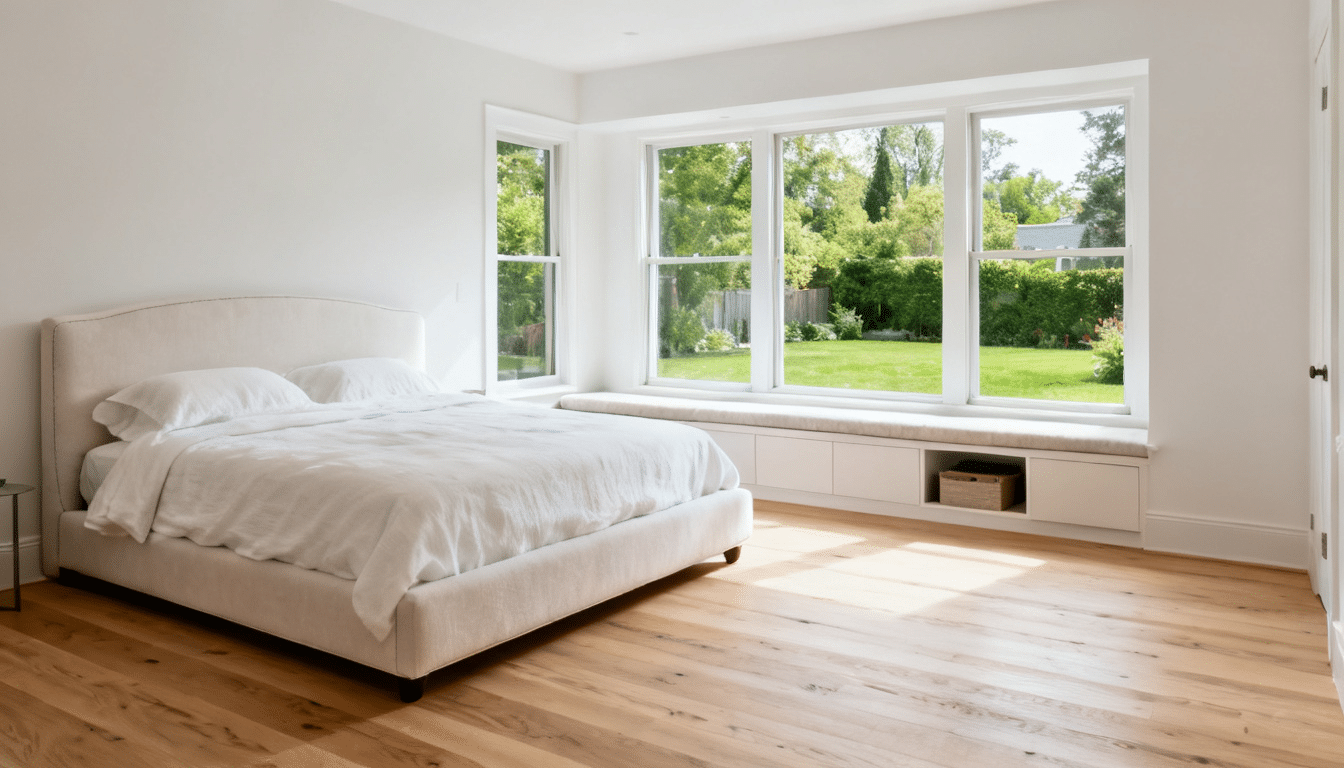
A guest suite addition provides a private and comfortable space for visiting family members or friends. Many designs include a bedroom, sitting area, and dedicated bathroom.
Popular examples focus on comfort through soft color palettes, large windows, and thoughtful lighting. These details help create a welcoming atmosphere.
6. Primary Bedroom Retreat
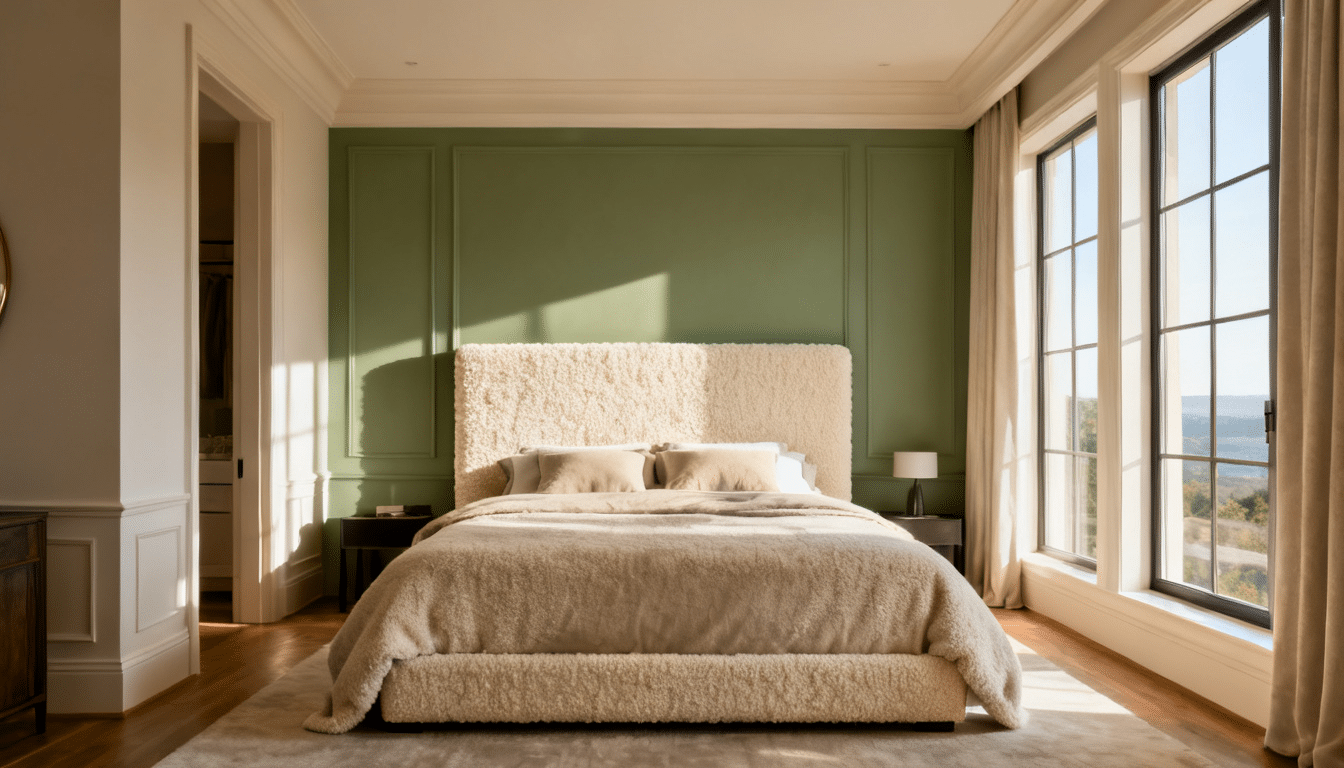
A primary bedroom retreat can turn an ordinary sleeping area into a spacious and relaxing escape. Many designs feature large windows that bring in natural light and showcase backyard views.
Popular examples include walk-in closets, sitting areas, and spa-inspired bathrooms. These additions help create a more luxurious and comfortable atmosphere.
Soft color palettes, layered lighting, and natural materials are often used to make the space feel calm and inviting. The result is a bedroom designed for both comfort and style.
7. Indoor-Outdoor Living Room
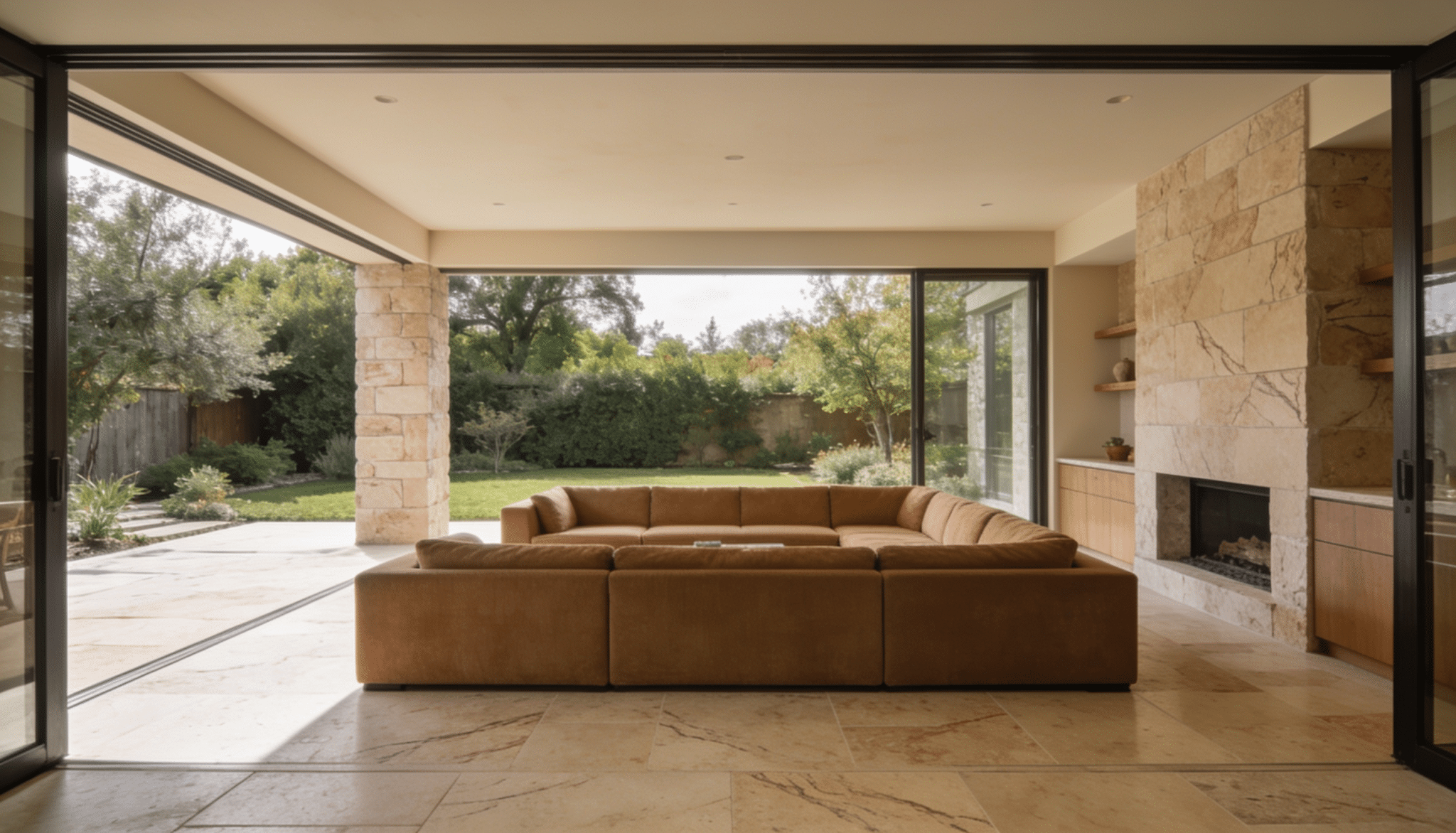
An indoor-outdoor living room blurs the line between the home and backyard. Large sliding or folding glass doors are often the standout feature in these designs.
Many examples include matching flooring materials that continue from the interior to the patio. This creates visual continuity and makes both areas feel larger.
Comfortable seating, outdoor views, and plenty of natural light help create a space that feels open and connected to its surroundings.
8. Children’s Playroom
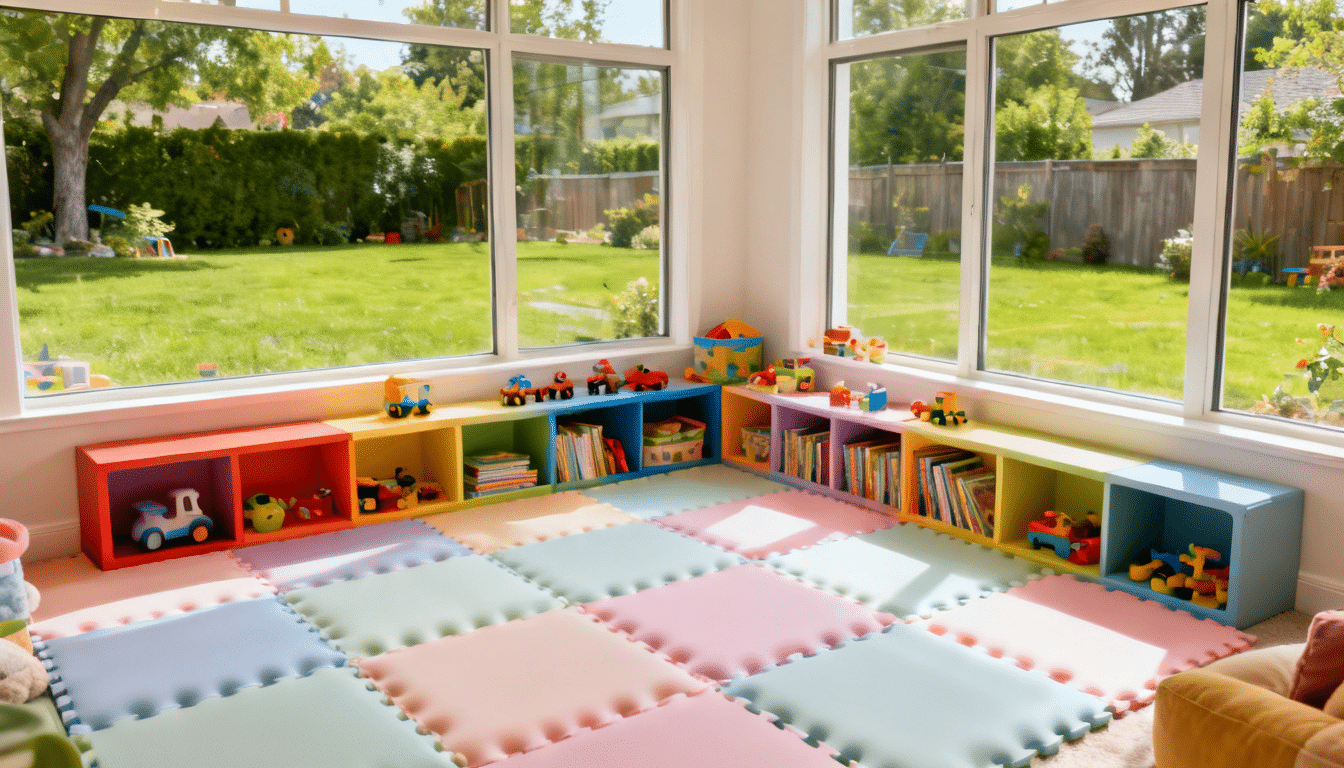
A dedicated playroom addition gives children a space designed around creativity, learning, and fun. Bright colors and flexible layouts are common features in many examples.
Popular designs include built-in storage, activity zones, and large windows that keep the room bright throughout the day. These details help maintain both organization and functionality.
Many homeowners choose designs that can easily adapt into study areas or hobby rooms as children grow older. This adds long-term value to the space.
9. Multi-Purpose Bonus Room
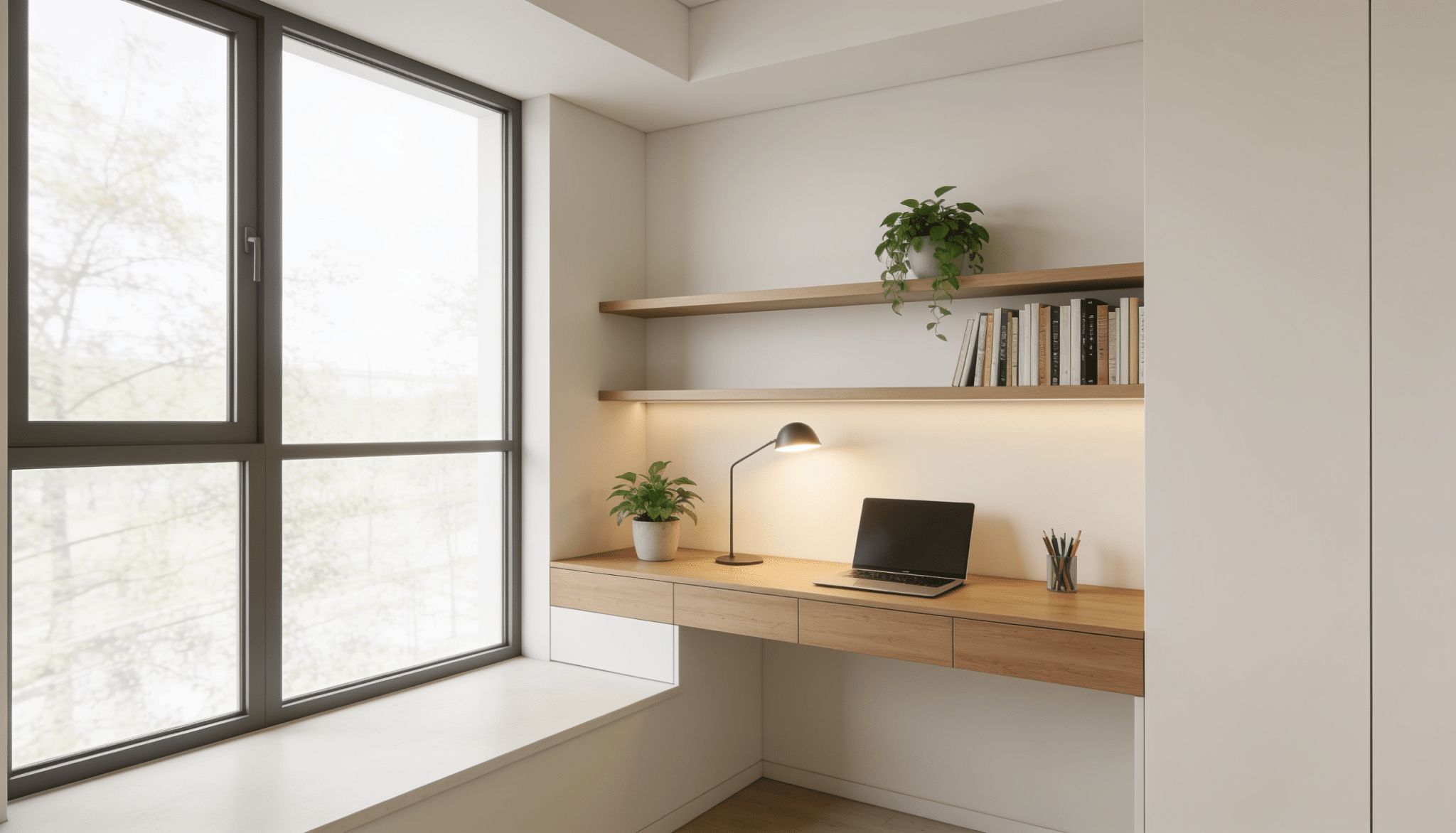
A bonus room offers flexibility and can be customized to fit changing needs over time. Many homeowners use it as a game room, media space, study area, or guest room.
Popular examples feature open layouts that allow furniture and décor to be rearranged as needed. Neutral finishes help the room adapt to different purposes.
Large windows and simple design details keep the space feeling bright and versatile. This makes it one of the most adaptable addition ideas.
10. Home Library and Reading Space
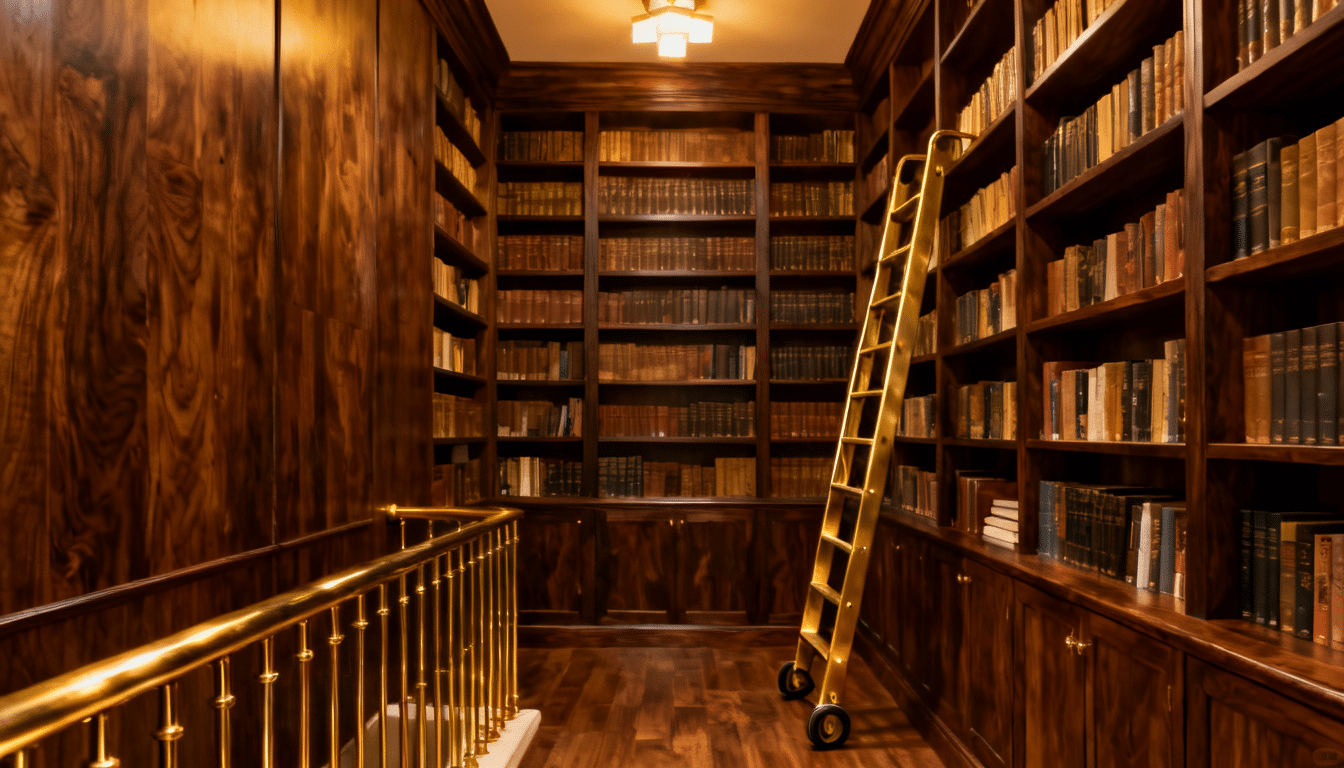
A home library addition creates a quiet retreat dedicated to books, relaxation, and focused reading. Built-in shelving is often the main design feature in these spaces.
Many examples include oversized chairs, window seating, and warm lighting that make the room feel comfortable and inviting. Natural wood finishes are also frequently used.
Large windows overlooking the backyard can make the space feel peaceful while adding plenty of daylight. The combination of comfort and function makes this a timeless addition idea.
Some guest suites include direct backyard access through French or sliding doors. This feature adds convenience while giving the space a more independent feel.
11. Creative Studio Space
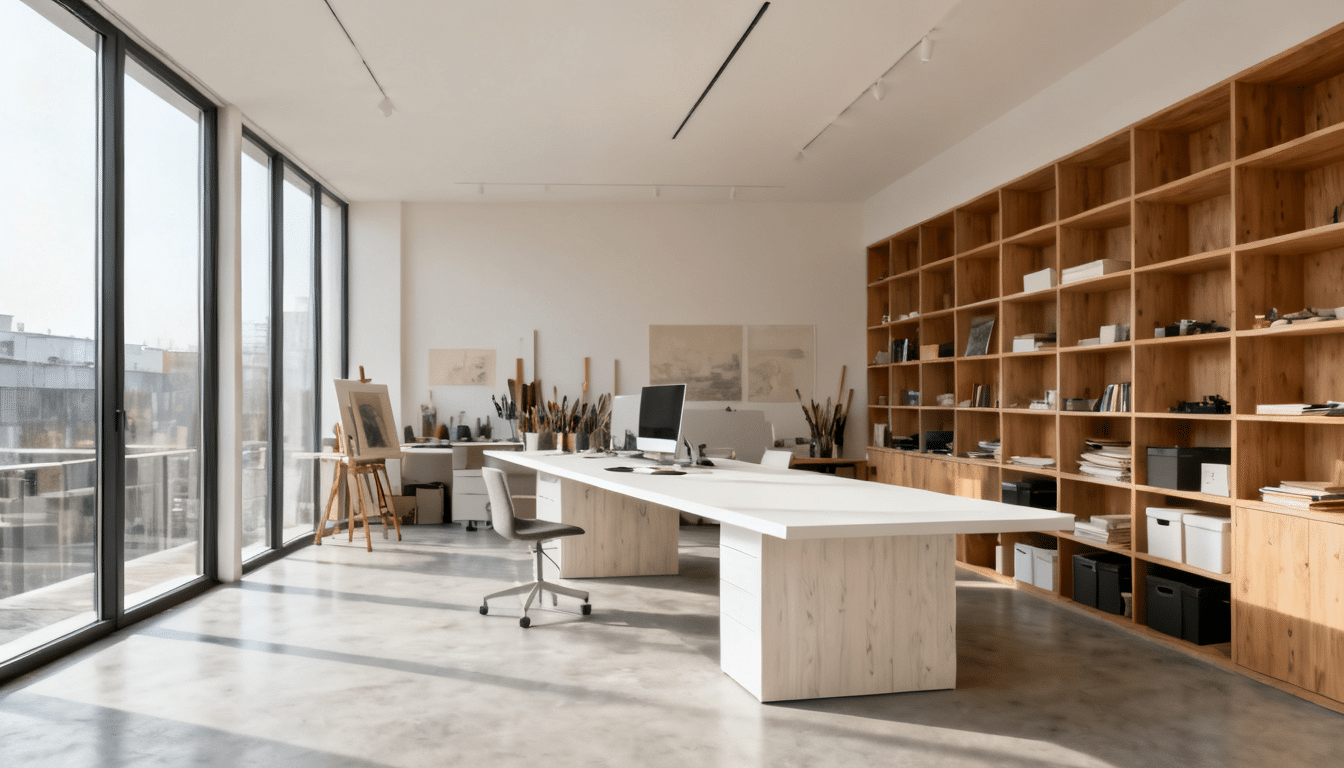
A creative studio addition provides a dedicated area for painting, crafting, photography, or other artistic pursuits. Large windows are often used to maximize natural light throughout the day.
Many designs feature open floor plans, clean surfaces, and built-in storage that keep supplies organized and within easy reach. These details help the space feel both practical and inspiring.
Popular examples combine neutral finishes with personal touches such as artwork displays, mood boards, and custom workstations. This creates a space that reflects individual creativity.
12. Dining Room Extension
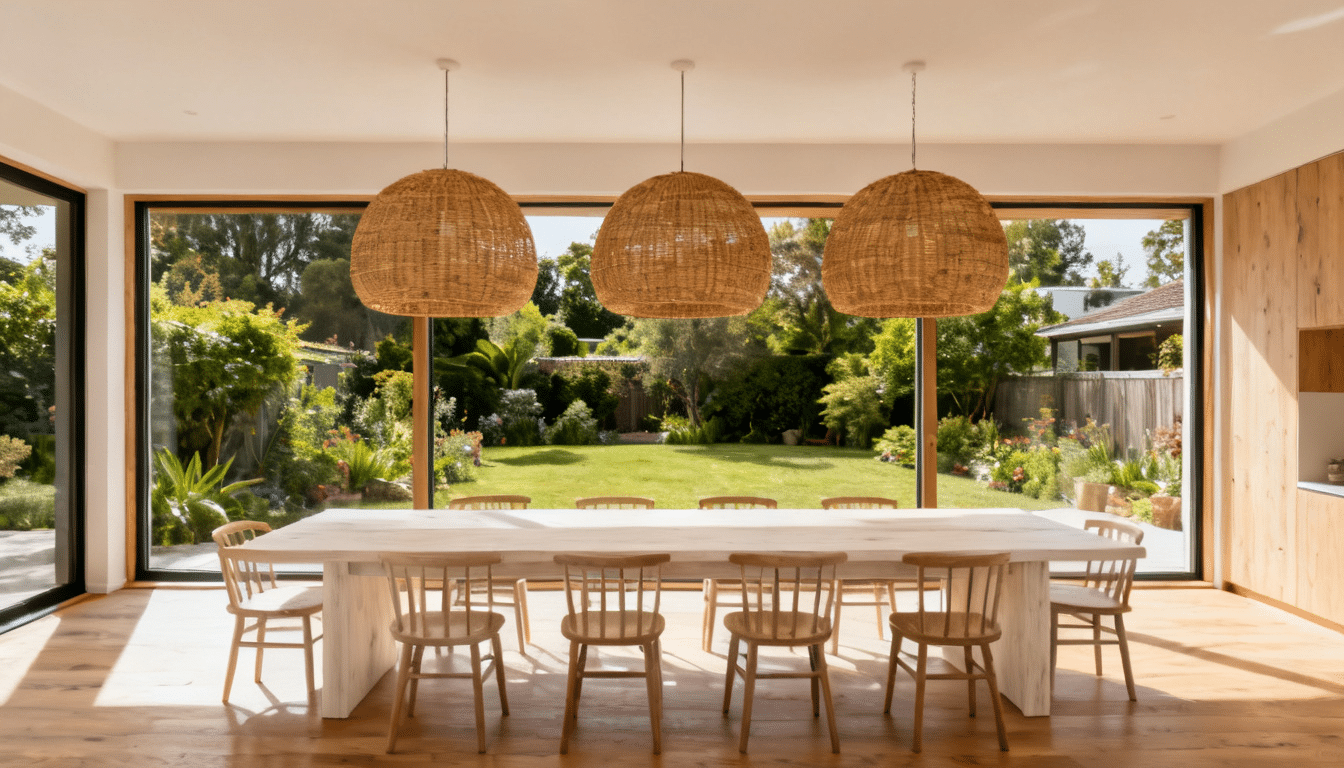
A dining room extension can make gatherings feel more comfortable by providing additional seating and a more open layout. Many designs focus on creating a welcoming atmosphere for everyday meals and special occasions.
Large windows, statement lighting, and spacious tables are common features in dining room inspiration photos. These elements help create a bright and inviting setting.
Some homeowners connect the dining area directly to outdoor entertaining spaces through glass doors. This arrangement can make hosting guests feel more effortless and enjoyable.
13. Home Gym
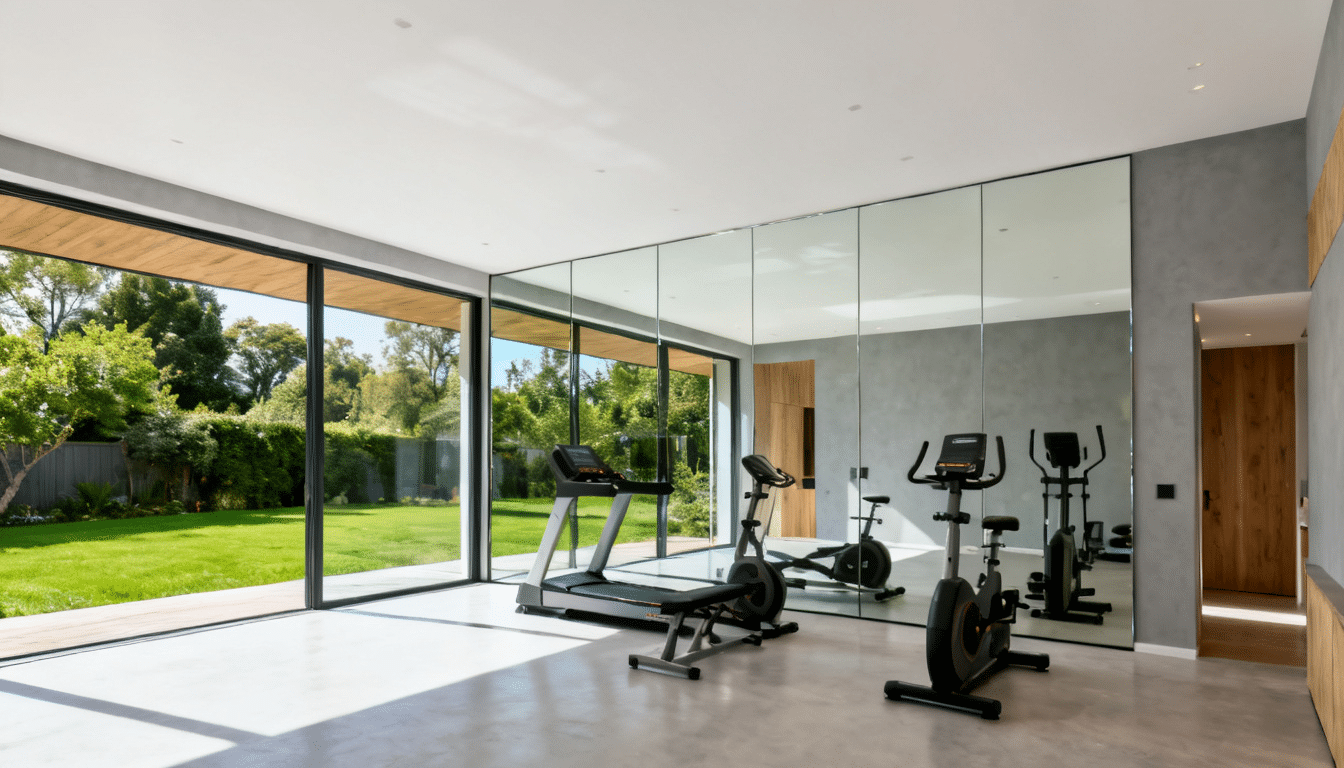
A home gym addition offers a dedicated workout space without taking over existing rooms inside the house. Clean layouts and large mirrors are often key features in these designs.
Many examples include floor-to-ceiling windows that bring in natural light while maintaining a sense of openness. Simple finishes help create a focused and uncluttered environment.
Popular home gyms combine cardio equipment, strength-training areas, and flexible floor space. This approach makes the room suitable for a variety of fitness routines.
14. Entertainment Room
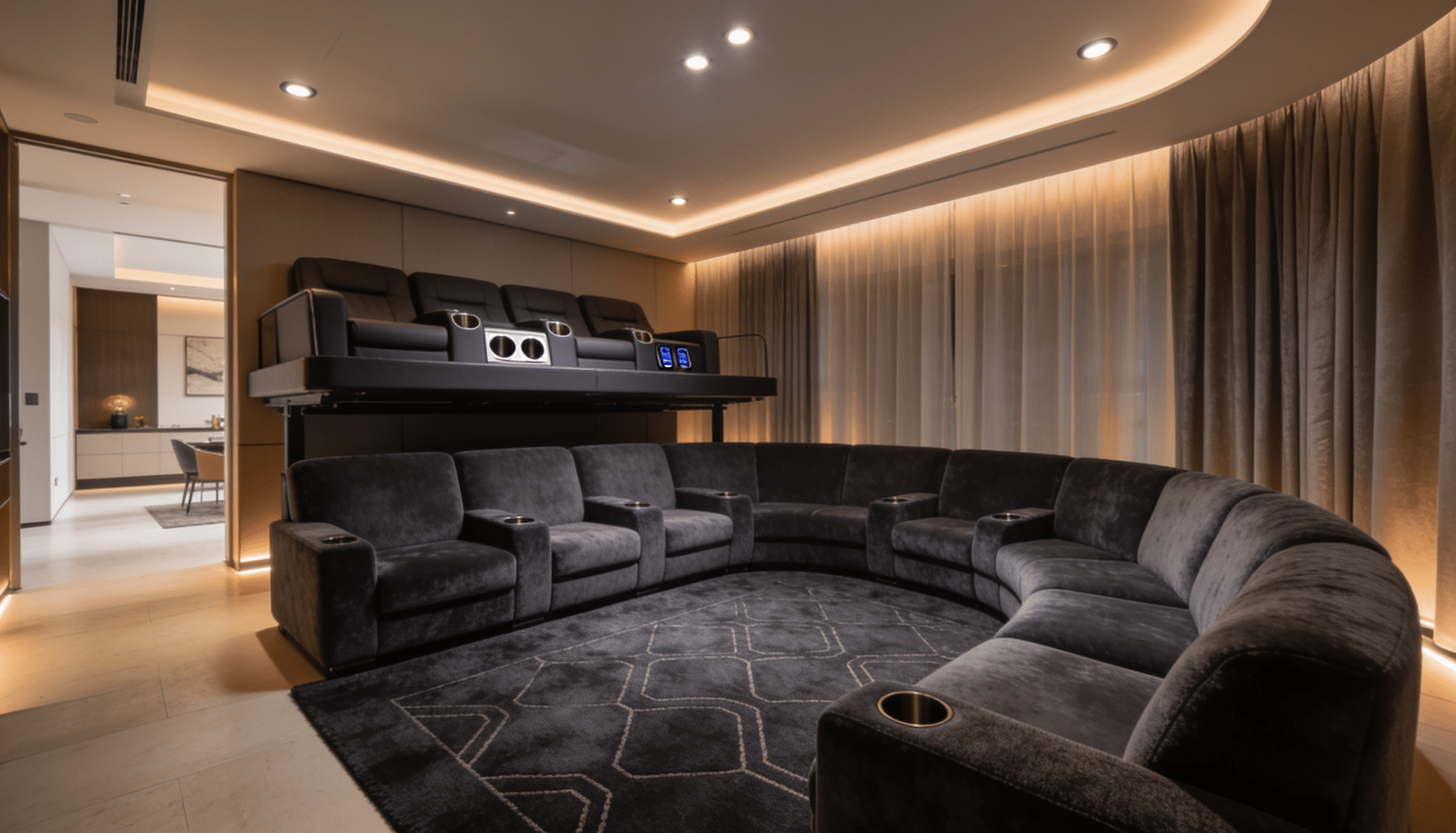
An entertainment room addition creates a space designed for movies, gaming, sports viewing, and social gatherings. Comfortable seating often serves as the focal point of the room.
Many designs incorporate large screens, built-in media storage, and layered lighting that enhances the overall viewing experience. Darker color schemes are also commonly used.
Modern examples balance comfort and style through clean lines, soft textures, and thoughtfully arranged furniture. These details help create a room that feels both functional and inviting.
15. Mudroom Addition
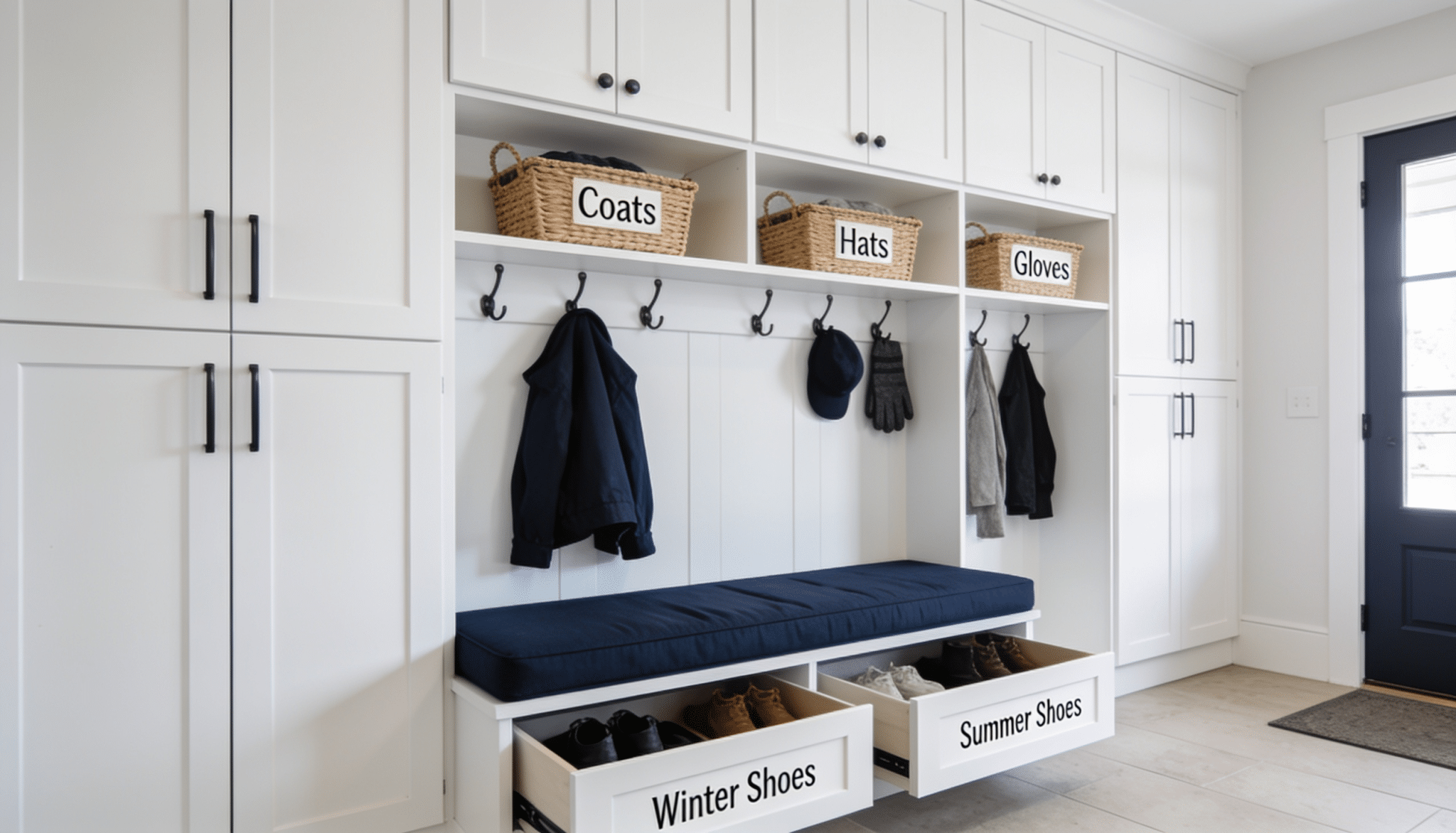
A mudroom addition can help keep the rest of the home organized by providing a dedicated entry point for shoes, bags, coats, and outdoor gear. It is especially useful for busy households.
Popular designs feature built-in benches, storage cubbies, and wall hooks that combine practicality with visual appeal. Durable flooring materials are another common feature.
Many homeowners position the mudroom near the backyard entrance to create a convenient transition space. This helps reduce clutter while maintaining a clean and organized interior.
16. Breakfast Nook Extension
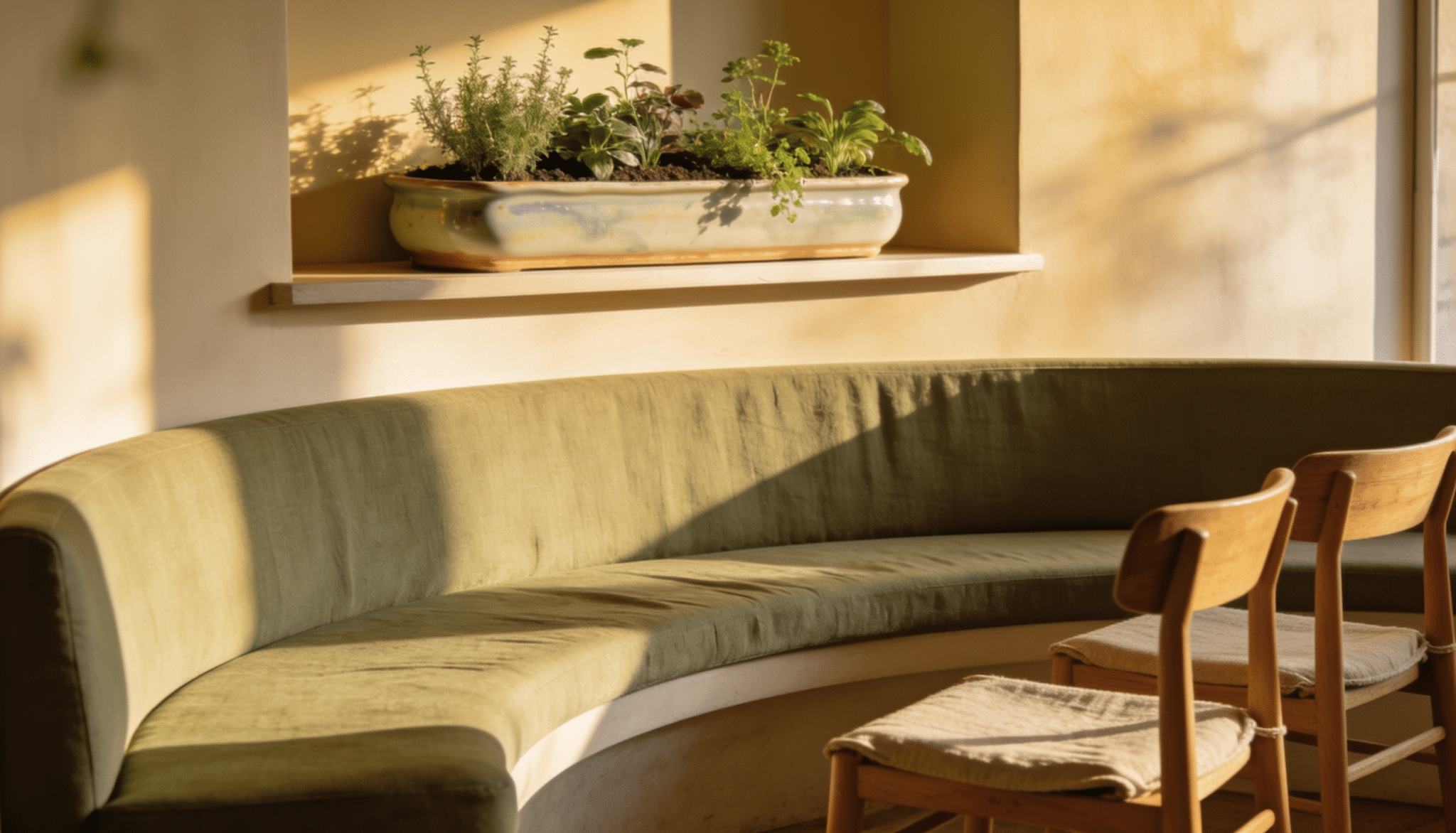
A breakfast nook extension creates a cozy spot for casual meals while adding character to the back of the house. Many designs use large windows to frame garden or backyard views.
Popular examples include built-in bench seating, round tables, and pendant lighting that create a comfortable and inviting atmosphere. These features work well in both modern and traditional homes.
Light color palettes and natural materials help the space feel bright throughout the day. The result is a charming area that encourages relaxed dining.
17. Hobby Workshop
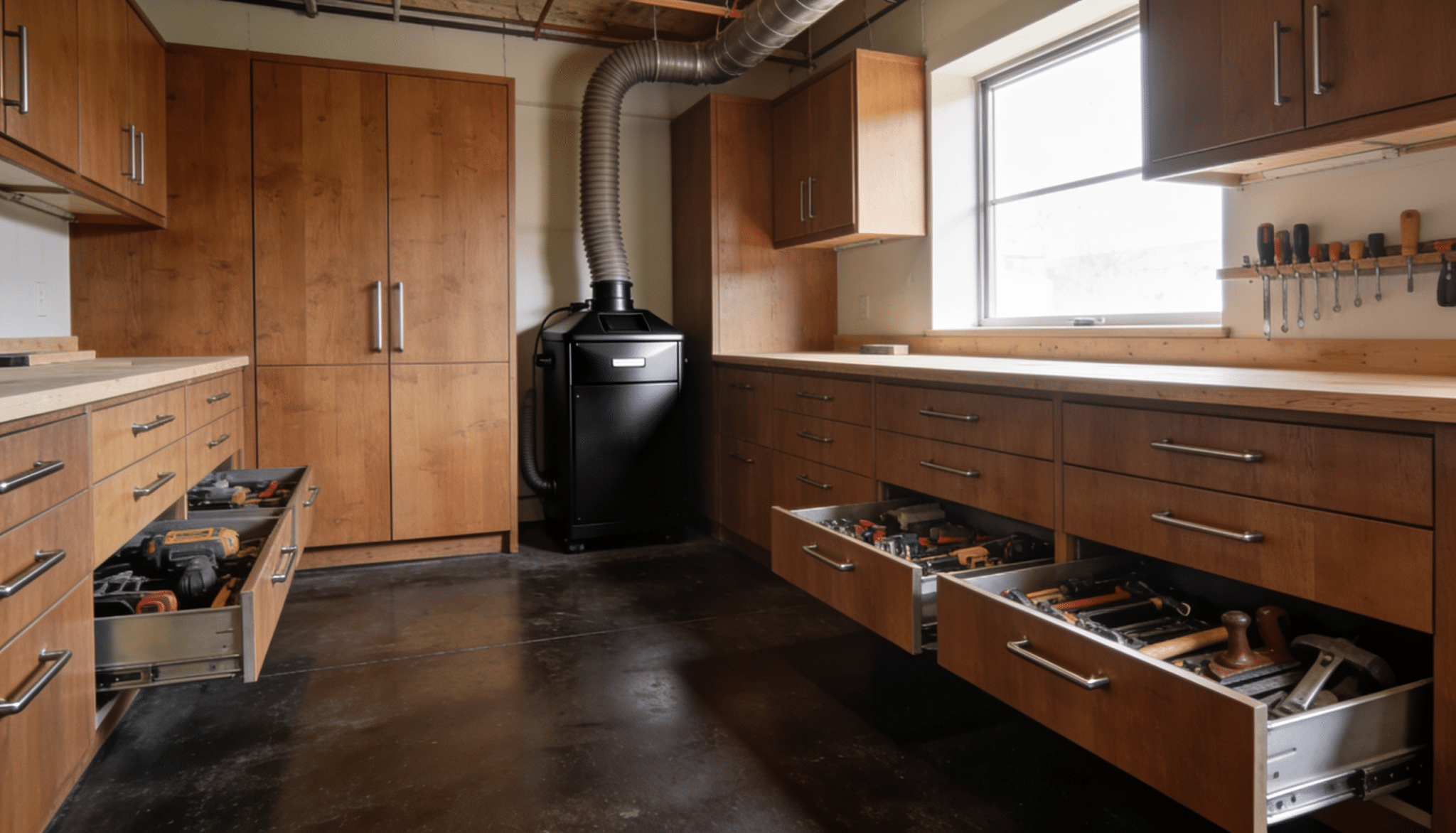
A hobby workshop addition provides a dedicated space for woodworking, crafting, collecting, or DIY projects. Open layouts are often preferred to accommodate different activities.
Many designs feature custom storage solutions, workbenches, and durable finishes that keep tools and supplies organized. Large windows can also make the space feel more comfortable.
Popular workshop additions balance practicality with visual appeal through clean lines and thoughtful organization. This creates a room that is both functional and attractive.
18. Teen Hangout Space
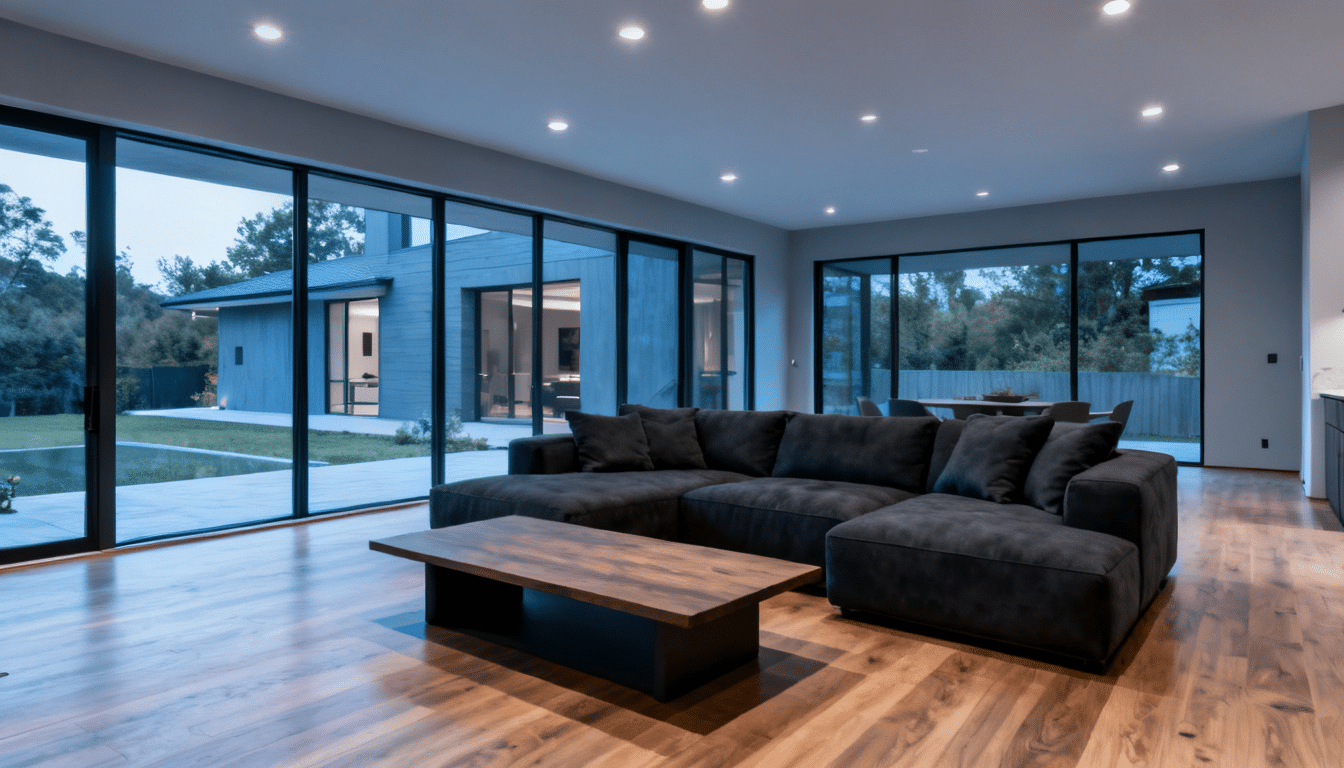
A teen hangout space offers a separate area where older children can relax, study, and spend time with friends. Comfortable seating is often the focal point of the design.
Many examples include gaming areas, study zones, and flexible furniture that can adapt to different activities. Neutral color schemes are frequently paired with bold accent pieces.
Large windows and open layouts help the room feel spacious while maintaining a casual and welcoming atmosphere. These features make the space suitable for both socializing and studying.
19. Pet-Friendly Room
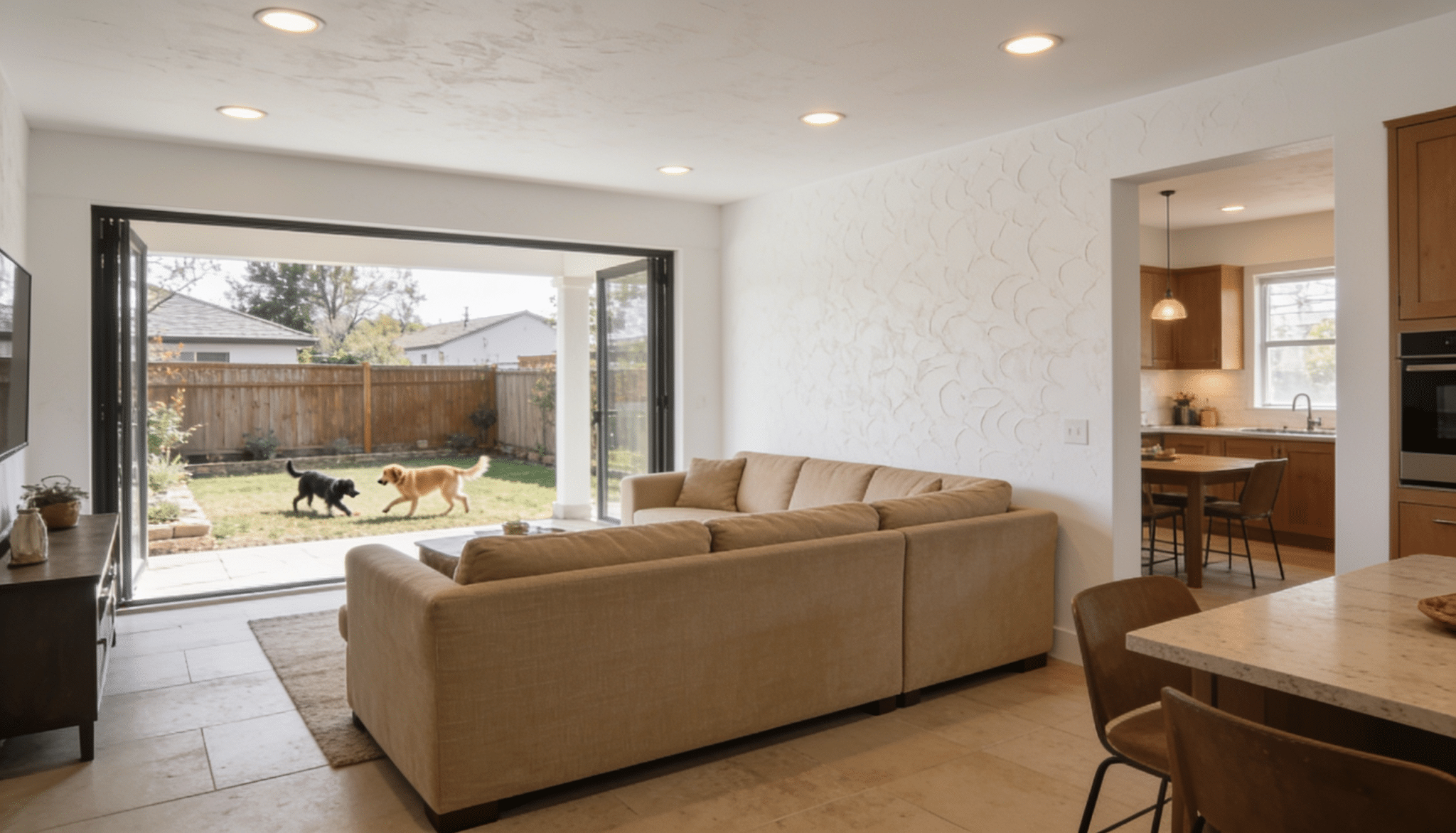
A pet-friendly room addition is designed around the needs of both pets and their owners. Many examples include built-in feeding stations, storage areas, and durable flooring.
Popular designs feature easy access to the backyard through glass doors, allowing pets to move between indoor and outdoor spaces with ease. Practical features are often blended into the overall design.
Clean finishes, organized storage, and comfortable resting areas help create a space that looks attractive while supporting everyday routines. This makes the room both stylish and functional.
20. Backyard Lounge Room
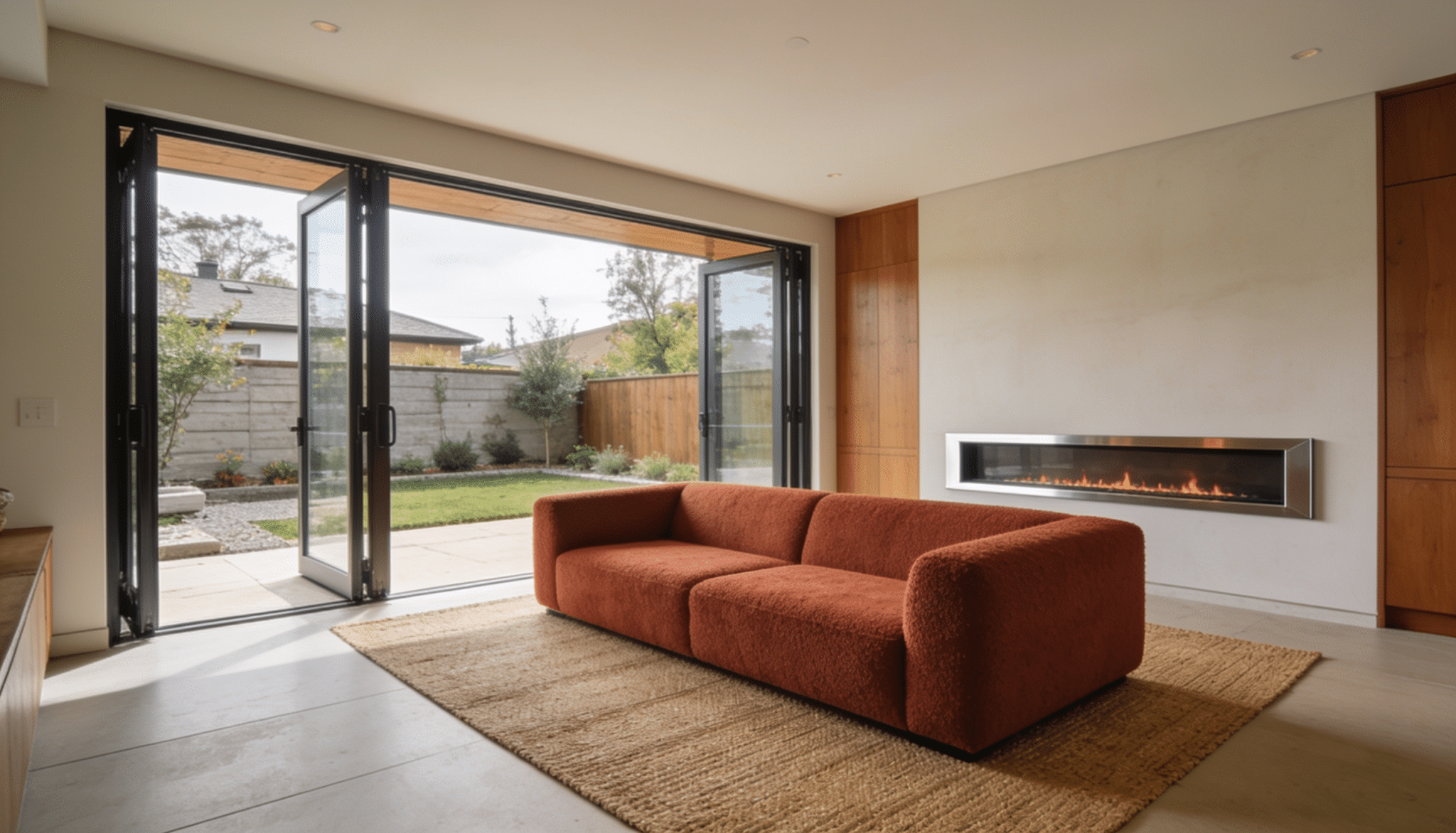
A backyard lounge room creates a relaxing retreat that takes full advantage of outdoor views. Large windows and comfortable seating are often the defining features of these spaces.
Many examples use soft textures, layered lighting, and natural materials to create a warm and welcoming atmosphere. The design often focuses on comfort and simplicity.
Some lounge rooms include direct access to patios, gardens, or outdoor seating areas. This connection helps the space feel more open and enjoyable throughout the year.
21. Mini Apartment for Family Members
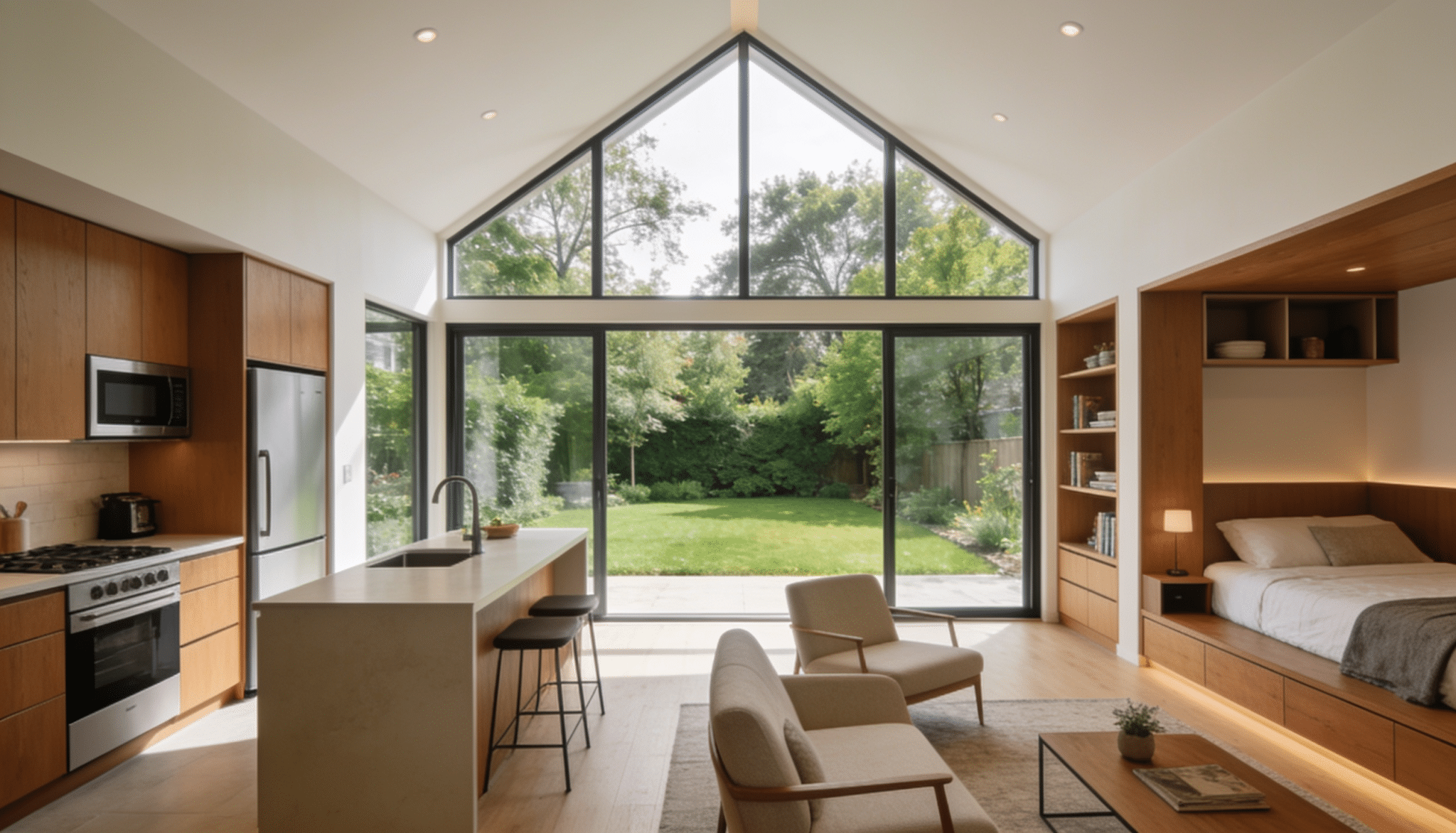
A mini apartment addition provides an independent living area while remaining connected to the main house. Many designs include a bedroom, bathroom, living space, and compact kitchenette.
Popular examples focus on privacy through separate entrances, thoughtful layouts, and efficient use of space. These features help create a comfortable living environment.
Large windows, modern finishes, and open floor plans can make even smaller layouts feel spacious. The result is a practical addition that offers flexibility for changing family needs.
How to Choose the Right Back House Room Addition
Choosing the right back house room addition starts with understanding how the extra space will improve your home and daily routine.
- Identify your main goal – Decide if you need more space for relaxing, working, hosting guests, or pursuing hobbies.
- Work with your existing layout – Choose an addition that connects naturally with nearby rooms and improves overall flow.
- Consider the available backyard space – Make sure the extension fits comfortably without overwhelming the outdoor area.
- Think about future flexibility – A room that can serve multiple purposes may remain useful for years to come.
- Match the style of your home – Similar materials, colors, and architectural details can help create a cohesive look.
- Set a realistic budget – Factor in construction costs, finishes, furnishings, and any permit-related expenses before making a decision.
Final Thoughts
Back house room additions can do more than add square footage. The right design can improve functionality, create a stronger connection to outdoor spaces, and give your home a fresh new look.
From spacious family rooms to compact garden retreats, there are plenty of ways to create a space that suits your needs and complements your home’s style.
Use these ideas as inspiration to identify the layouts, features, and design details that best match your vision.
Frequently Asked Questions
Which Back House Room Addition is Best for Entertaining?
Family rooms, indoor-outdoor living spaces, and dining room extensions are popular choices because they provide more space for gatherings and social activities.
Can a Back House Addition Improve Backyard Views?
Yes. Features such as large windows, glass walls, and patio-facing layouts can help frame outdoor views and make them a focal point of the space.
What Room Additions are Most Popular in Modern Homes?
Home offices, kitchen expansions, sunrooms, and multi-purpose bonus rooms are among the most commonly featured additions in current home design projects.
How Can I Make a Back House Addition Feel Unique?
Incorporating custom features such as window seats, built-in shelving, statement lighting, or specialty rooms can help create a space with its own character.