Finding homemade snacks that are simple to prepare and easy for little hands to hold can make busy days much easier.
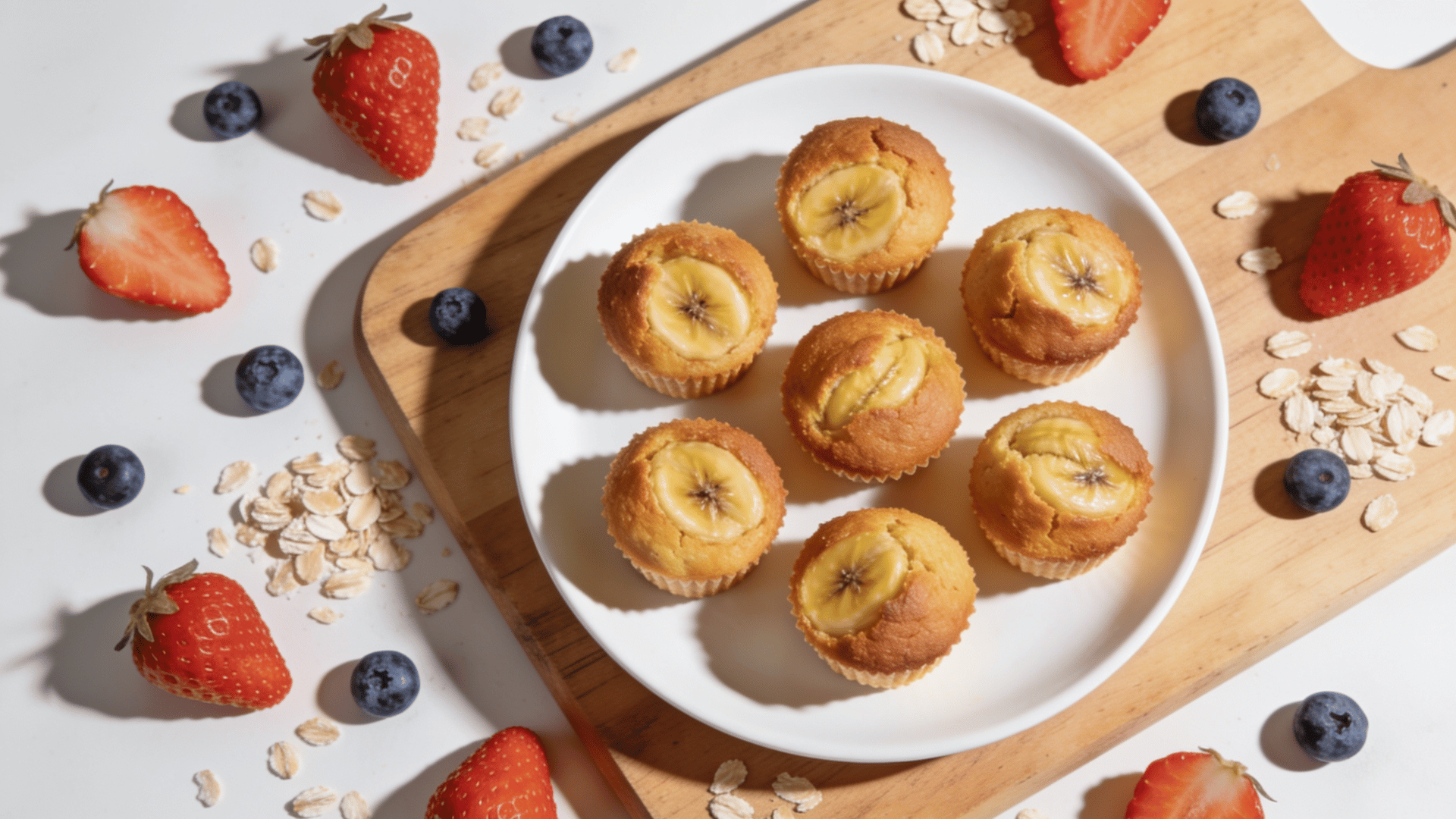
These toddler banana muffins are baked in a mini size, making them a practical choice for breakfast, lunchboxes, daycare, or afternoon snacks.
You’ll also find age-based serving ideas, storage tips, and simple baking techniques that help every batch of mini muffins for toddlers turn out soft, flavorful, and ready whenever your family needs a quick homemade snack.
Why Mini Banana Muffins are Great for Toddlers and Babies
Mini muffins are a practical choice for families looking for easy, homemade snacks that fit busy days.
Their small size makes them simple for little hands to pick up, helping babies and toddlers practice self-feeding while keeping portions manageable.
These toddler banana muffins are soft enough for many young eaters and can be served at breakfast, packed into lunchboxes, or offered as an after-school snack.
Since they’re made in smaller portions, it’s easy to serve one or two muffins at a time without creating extra waste.
Another reason parents like mini muffins for toddlers is that they store well. You can bake a larger batch, freeze individual portions, and warm them as needed. This makes meal planning easier while giving your child a homemade snack that’s ready in minutes.
Mini Banana Muffin Recipes for Toddlers and Babies
These toddler banana muffins are easy to customize with fruits, vegetables, whole grains, and other family-friendly ingredients.
Baking them as mini muffins for toddlers creates perfectly sized portions for breakfast, lunchboxes, and snacks. Choose the variation that best fits your child’s taste, age, and dietary needs.
1. Classic Mini Banana Muffins
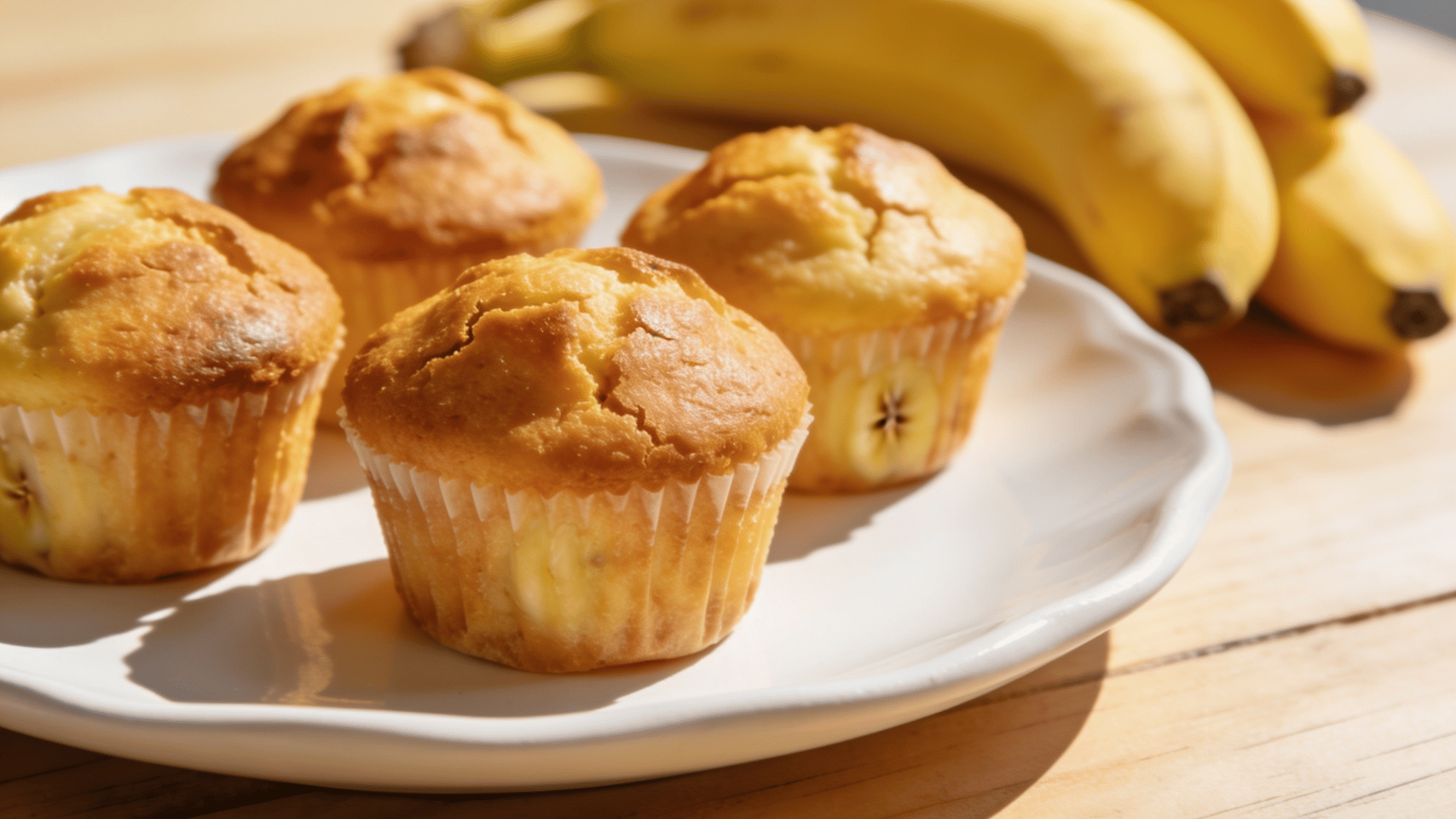
A classic banana muffin is always a dependable option for babies and toddlers. Ripe bananas provide plenty of flavor and help create a naturally soft texture that’s easy to chew. These muffins pair well with yogurt, fruit slices, or a glass of milk for a simple breakfast or snack.
If you’re introducing homemade baked snacks for the first time, this recipe is an excellent place to start.
Using overripe bananas also improves the texture, making the muffins naturally moist without relying on extra sweeteners.
Their small size makes them easy for little hands to hold during self-feeding. These mini muffins for toddlers are also a simple choice for everyday snacks, breakfast, or lunchboxes, while making portion control easier for parents.
2. Banana Oat Mini Muffins
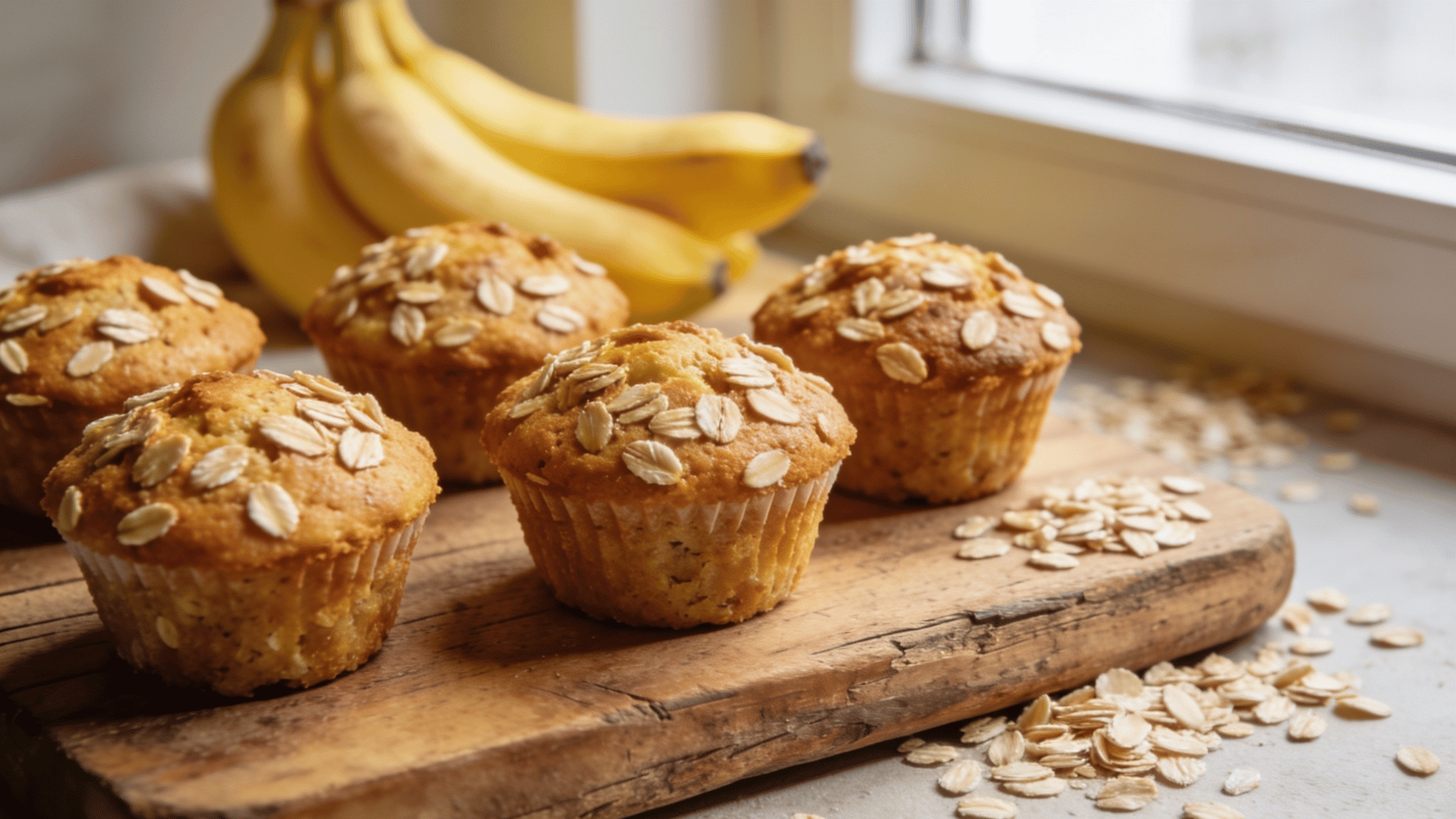
Rolled oats give these muffins a heartier texture while still keeping them soft enough for young children. They make a filling breakfast that pairs naturally with bananas and works well when you want a snack that lasts longer between meals.
For a smoother texture, pulse the oats in a blender before mixing them into the batter. This creates a softer crumb that many younger toddlers enjoy. You can also use old-fashioned oats instead of quick oats if that’s what you already have in your pantry.
Mini portions make it easy to serve just the right amount without leftovers. These toddler banana muffins also pack neatly into daycare or preschool lunchboxes and freeze well for busy mornings.
3. Blueberry Banana Muffins
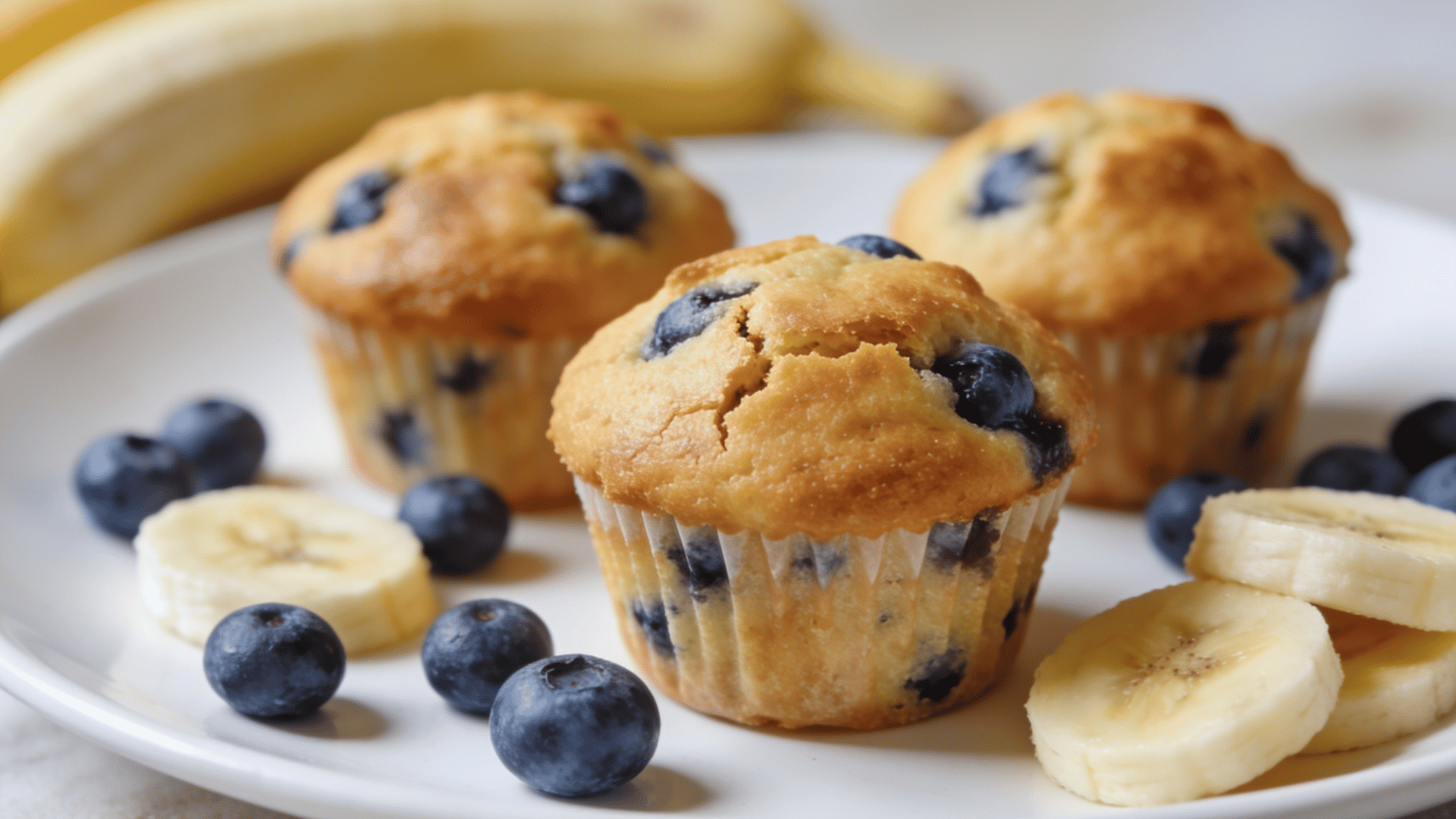
Blueberries add small bursts of sweetness that blend perfectly with ripe bananas. Fresh or frozen berries both work well, making this recipe easy to prepare throughout the year without changing the base batter.
If you’re baking for younger children, lightly mash larger blueberries before folding them into the batter.
This helps spread the fruit evenly and creates a softer bite. Tossing the berries in a little flour before mixing can also help prevent them from sinking.
The soft berries blend into each bite, making these mini muffins for toddlers easy to enjoy. They’re also a colorful homemade snack that works well in lunchboxes or snack containers.
4. Apple Cinnamon Banana Muffins
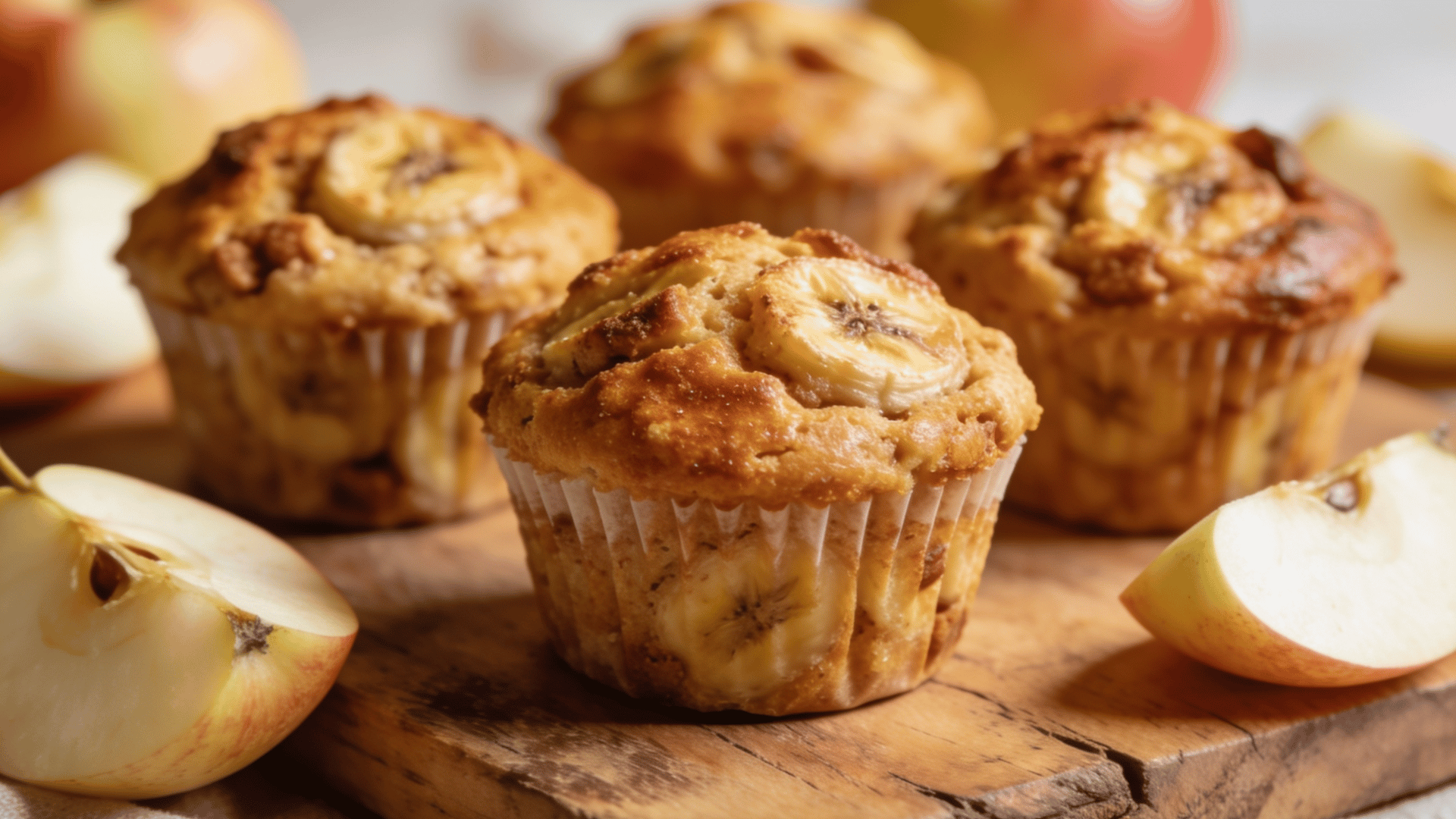
Grated apples bring extra moisture while cinnamon adds gentle flavor without relying on extra sugar. The apples soften during baking, giving every muffin a tender texture that many toddlers can easily chew.
Choose a sweet apple variety and grate it finely so it blends evenly into the batter. If the apple releases a lot of juice, gently squeeze out some of the liquid before adding it to keep the batter balanced.
These mini muffins stay soft, making them a good option for younger toddlers who are building chewing skills. They’re also easy to pack for meals away from home because they stay moist for several days.
5. Carrot Banana Muffins
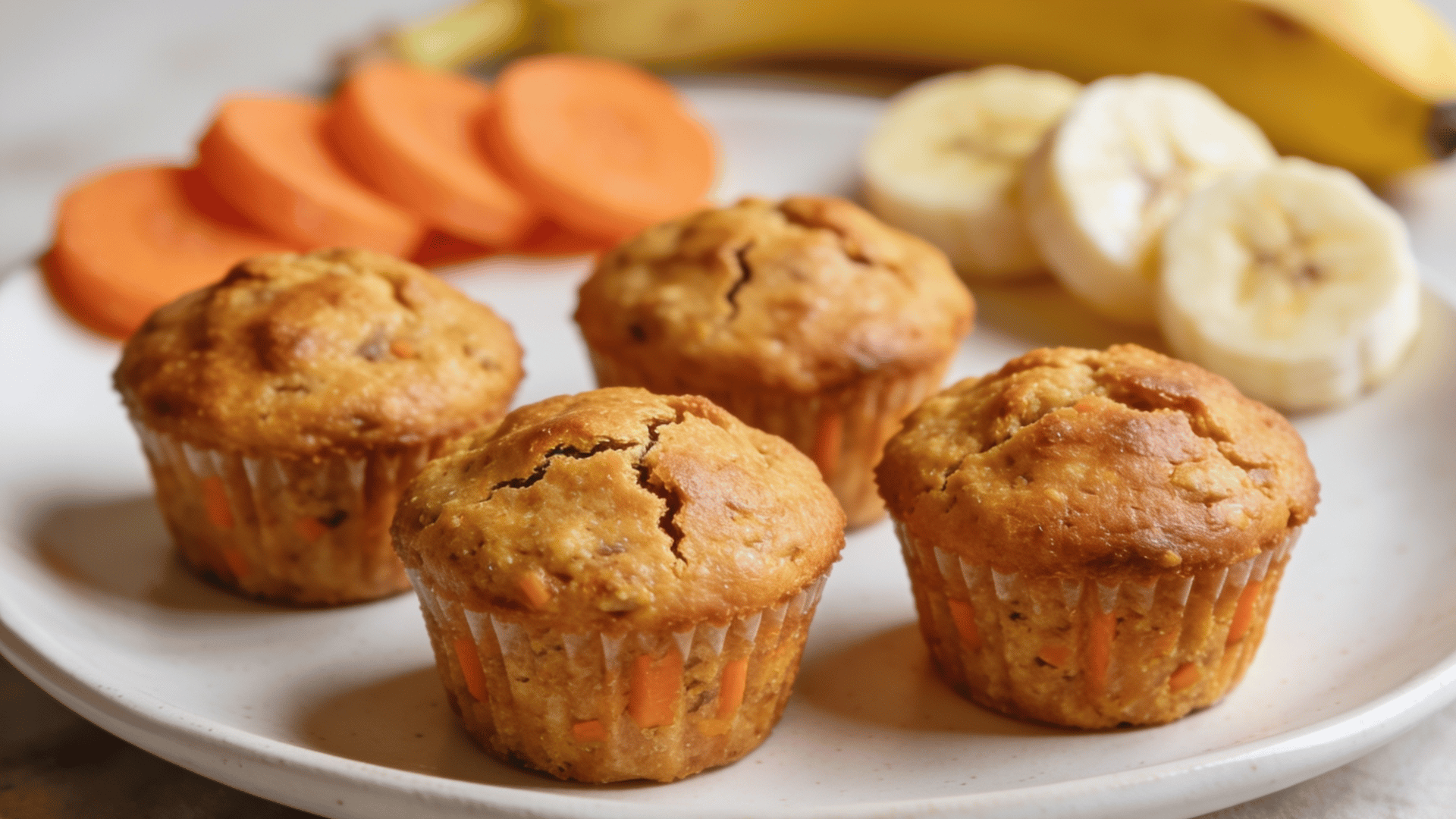
Finely grated carrots blend smoothly into the batter and become very tender during baking. The banana flavor remains the main taste, making this a practical option for children who are still getting used to vegetables.
Use the smallest holes on a box grater so the carrots mix evenly throughout the batter. Adding a little cinnamon can complement both the banana and carrot without overpowering either ingredient.
The mini size helps children practice picking up food independently. These toddler banana muffins are also a simple way to incorporate vegetables into homemade snacks without altering the familiar banana flavor.
6. Pumpkin Banana Muffins
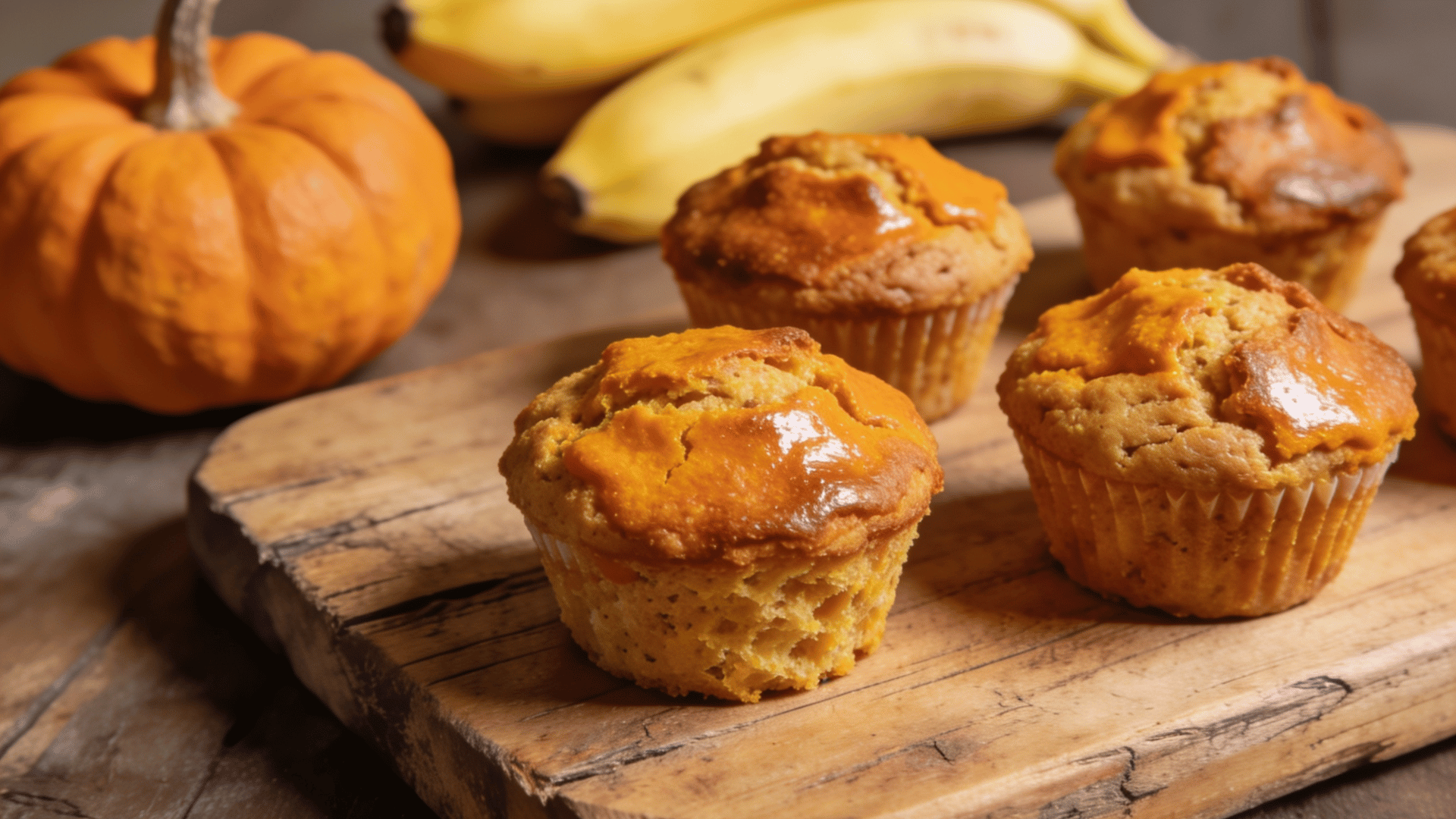
Pumpkin puree makes these muffins extra soft and moist while adding a mild flavor that pairs naturally with bananas. A little cinnamon can create a comforting flavor that’s especially popular during cooler months.
Use plain pumpkin puree instead of pumpkin pie filling, since pie filling contains added ingredients that can change the recipe. The puree also helps the muffins stay soft after freezing and reheating.
These soft mini muffins thaw well after freezing, making busy mornings easier. Their smaller portions also help reduce food waste because you can warm only what your child needs.
7. Strawberry Banana Muffins
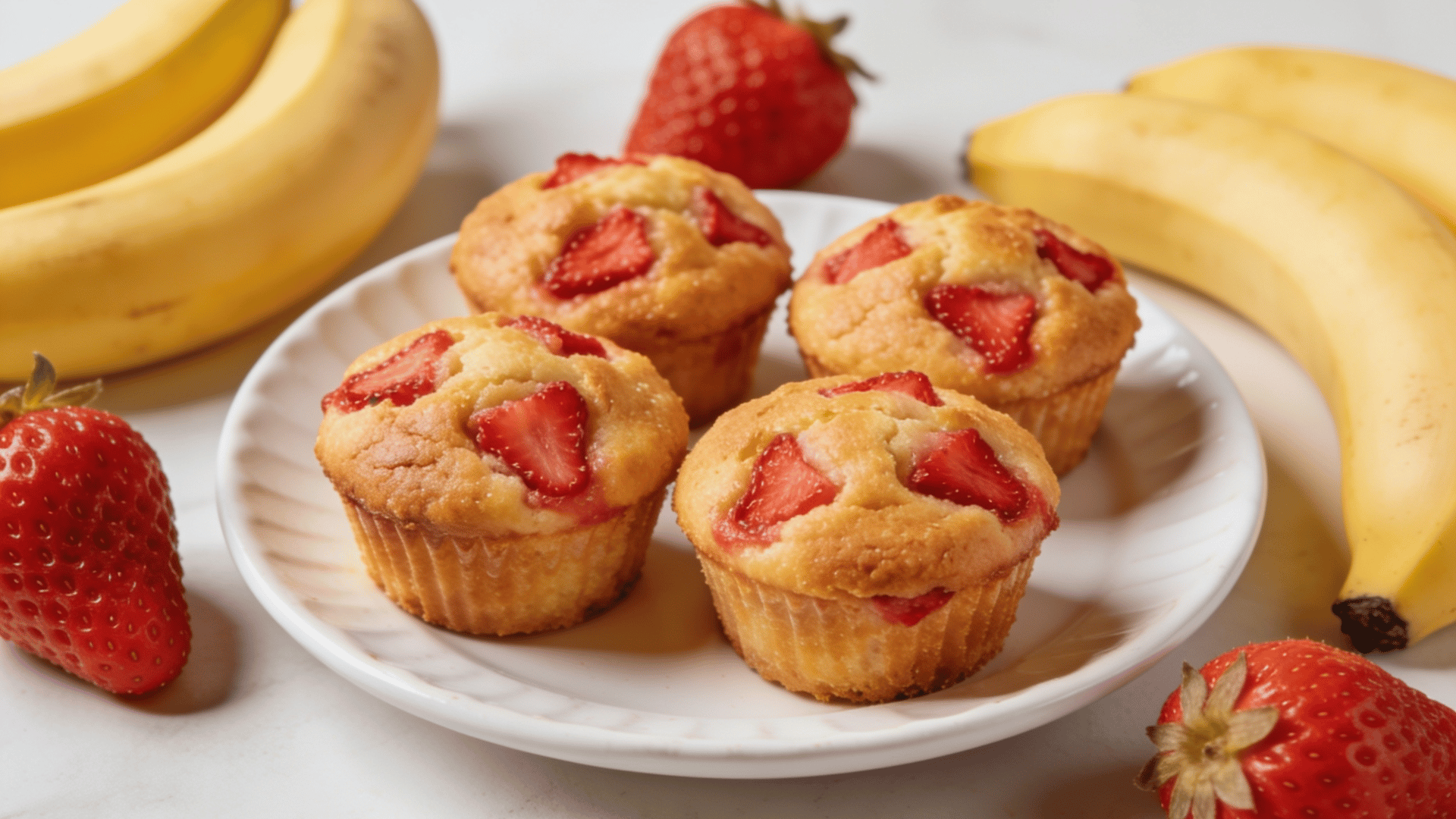
Fresh strawberries add bright flavor and make each muffin feel a little different from the classic recipe. Chopping the berries into small pieces helps distribute them evenly while keeping every bite soft.
Pat the chopped strawberries dry before mixing them into the batter to remove extra moisture. This simple step helps the muffins bake more evenly and keeps the texture light.
Each mini muffin offers a fruity flavor that’s easy to enjoy without becoming messy. They’re a great choice for spring and summer lunchboxes or afternoon snacks.
8. Zucchini Banana Muffins
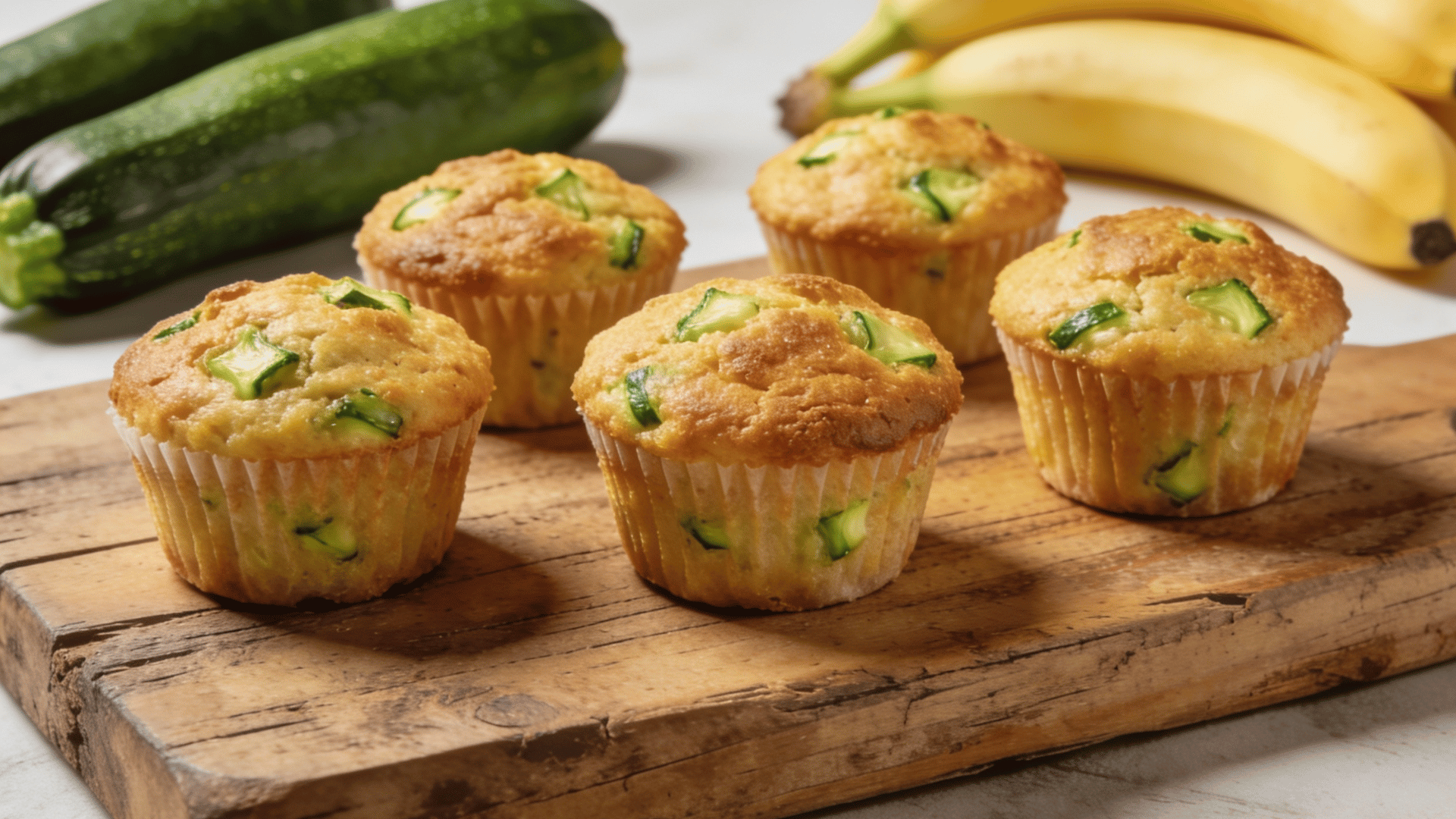
Finely grated zucchini almost disappears during baking while helping the muffins stay soft. Most children notice the banana flavor much more than the zucchini, making this another easy variation for families.
Squeeze out as much liquid as possible before adding the zucchini to the batter. Too much moisture can make the muffins heavy instead of soft.
Their soft texture makes them easy for toddlers to bite into. Since they’re baked in mini portions, they’re convenient for snacks, lunchboxes, or meals on busy days.
9. Peanut Butter Banana Muffins
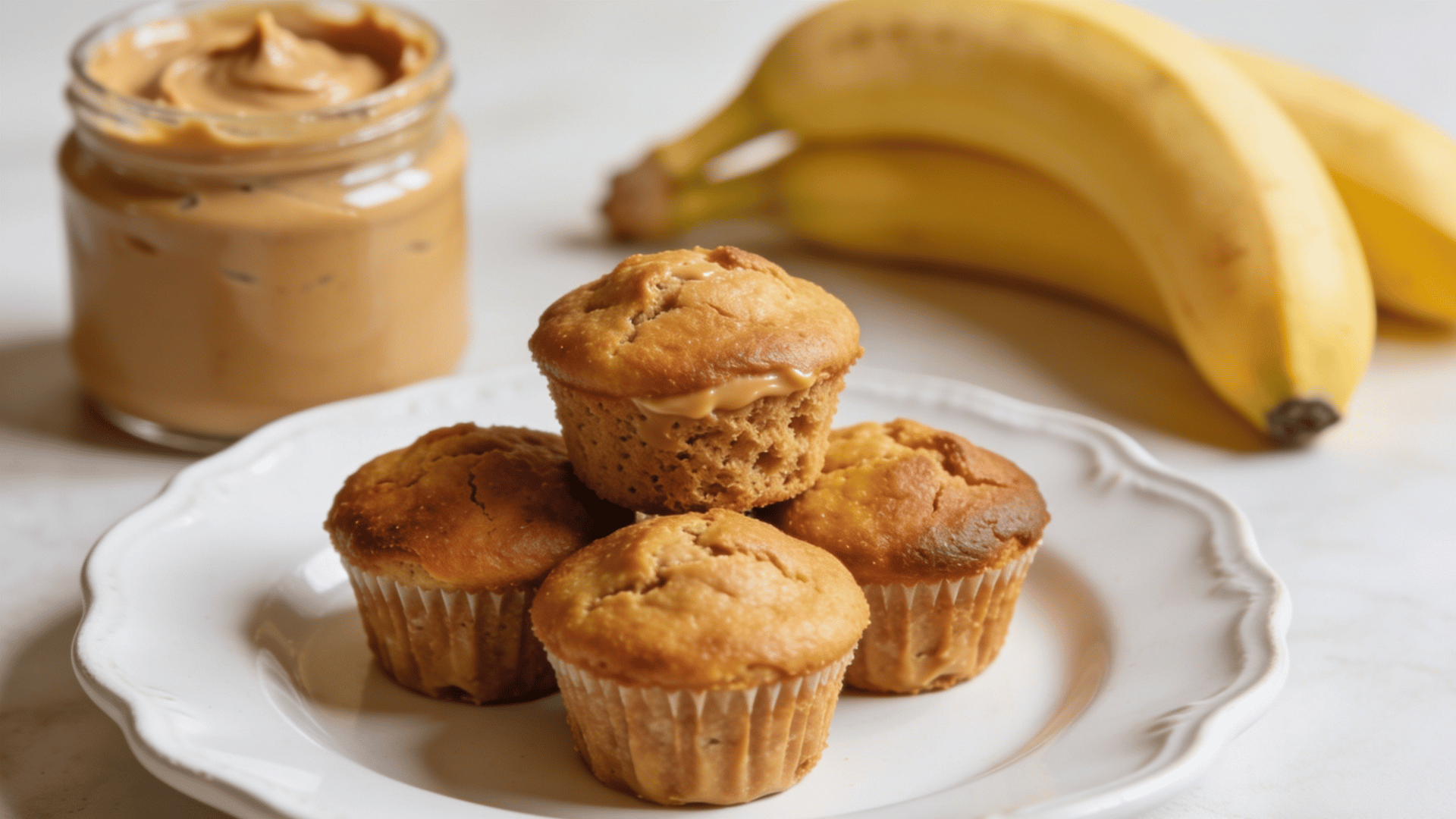
Peanut butter and banana create a familiar flavor combination that many families already enjoy. The peanut butter also makes the muffins more filling, making them suitable for breakfast or snacks before active play.
Only make this variation if peanuts have already been introduced safely. Creamy peanut butter blends more smoothly into the batter than chunky varieties, creating a more even texture.
These mini muffins are filling enough for active toddlers between meals. Their smaller size also makes serving simple while helping parents manage portions.
10. Greek Yogurt Banana Muffins
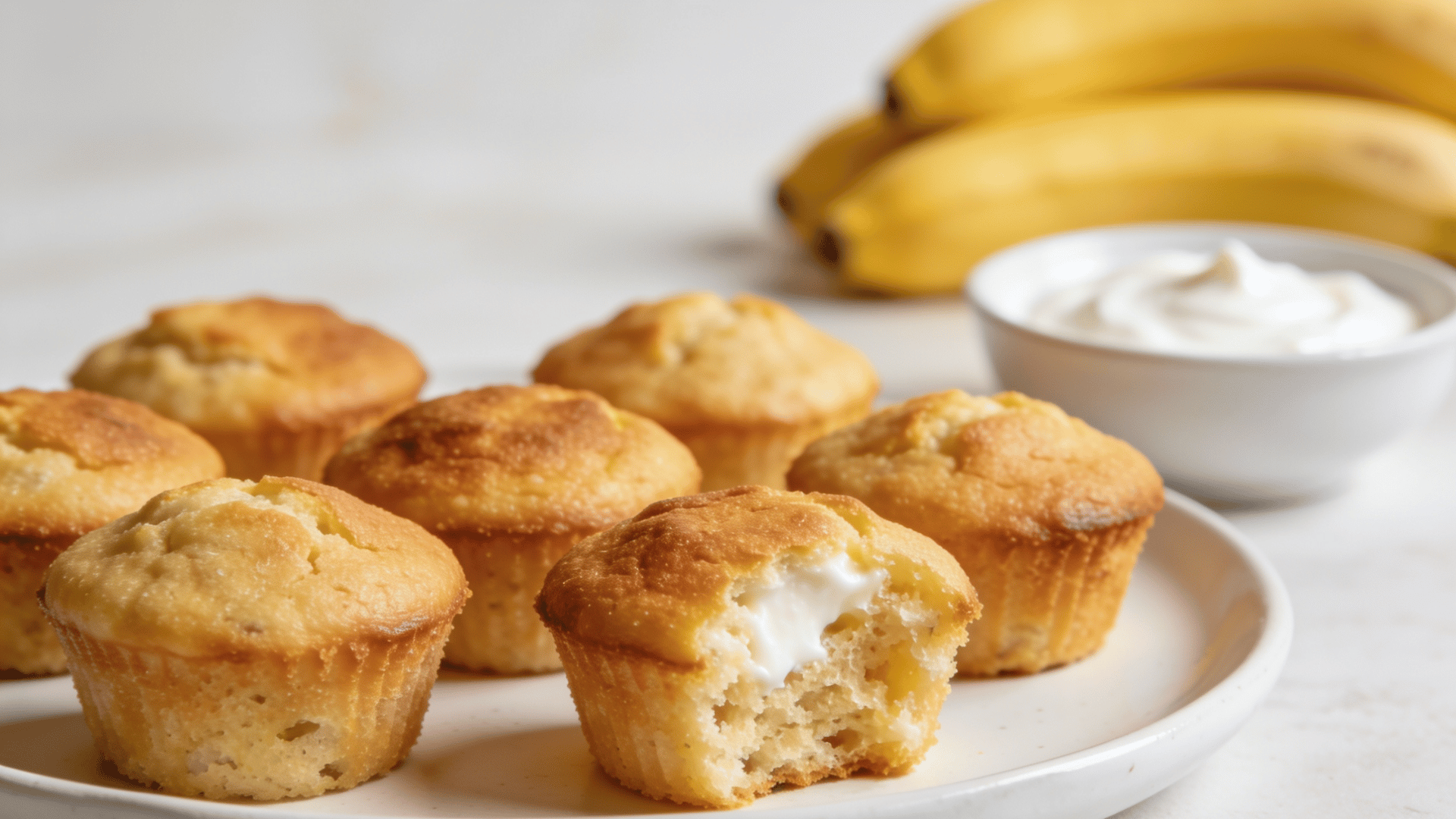
Plain Greek yogurt gives the muffins a soft, tender crumb while adding extra protein. It also helps the muffins stay moist for several days after baking, making them a convenient choice for weekly meal prep.
Full-fat plain yogurt often produces the softest results for young children. Stir the yogurt well before measuring so it mixes evenly into the batter.
The extra-soft texture makes these muffins easy for many young children to chew. Mini portions are also convenient for breakfast alongside fruit or as an afternoon snack.
11. Whole Wheat Banana Muffins
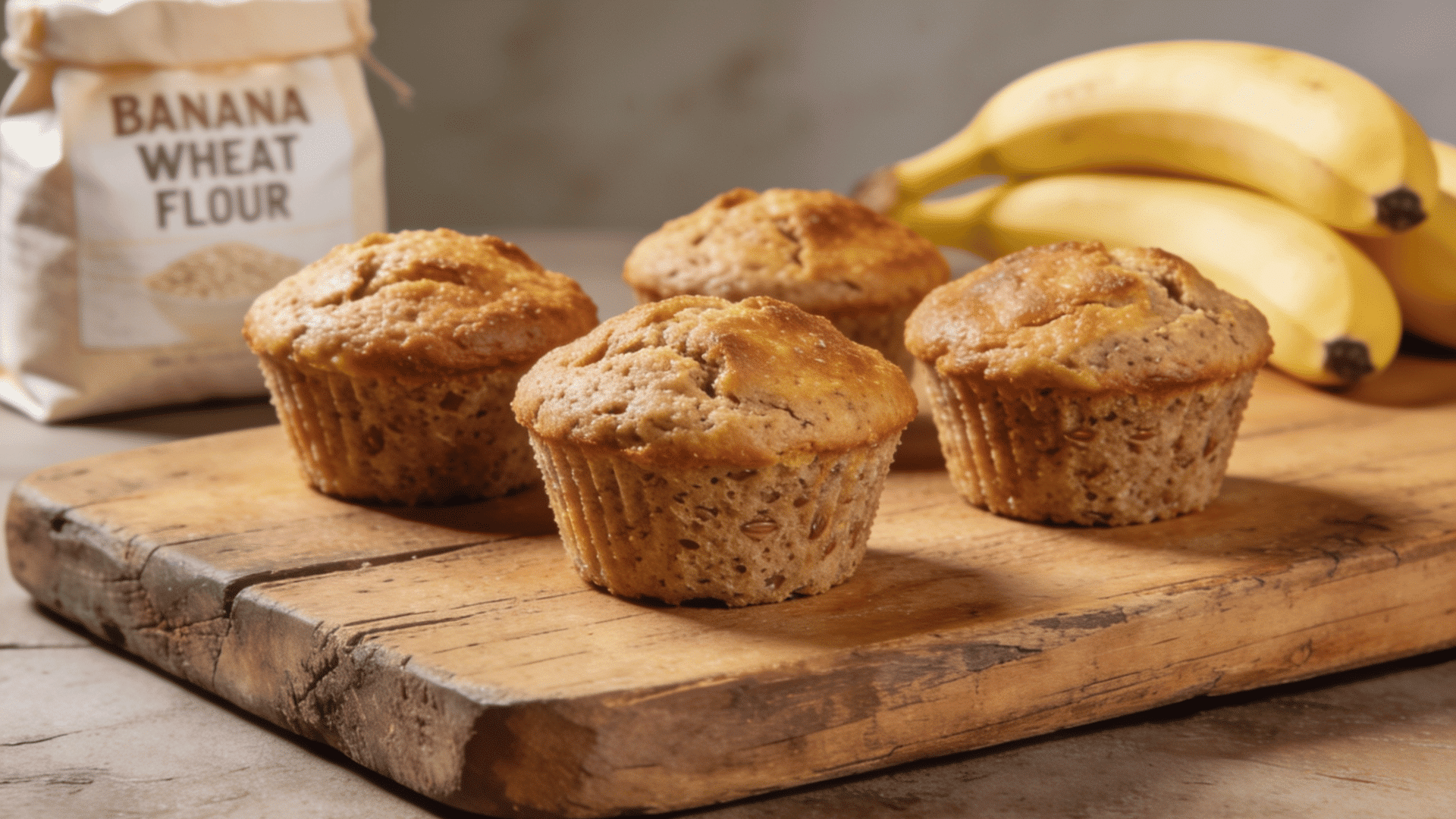
Whole-wheat flour gives the muffins a slightly heartier texture, while ripe bananas help keep them soft. Mixing whole wheat flour with all-purpose flour often creates the best balance between softness and structure.
If you’re switching from white flour for the first time, replacing only half of the flour can help children adjust to the different texture without changing the recipe too much.
These mini muffins are easy to grab when you’re heading out the door. Their size works well for snack trays, lunchboxes, and quick breakfasts.
12. Banana Flaxseed Muffins
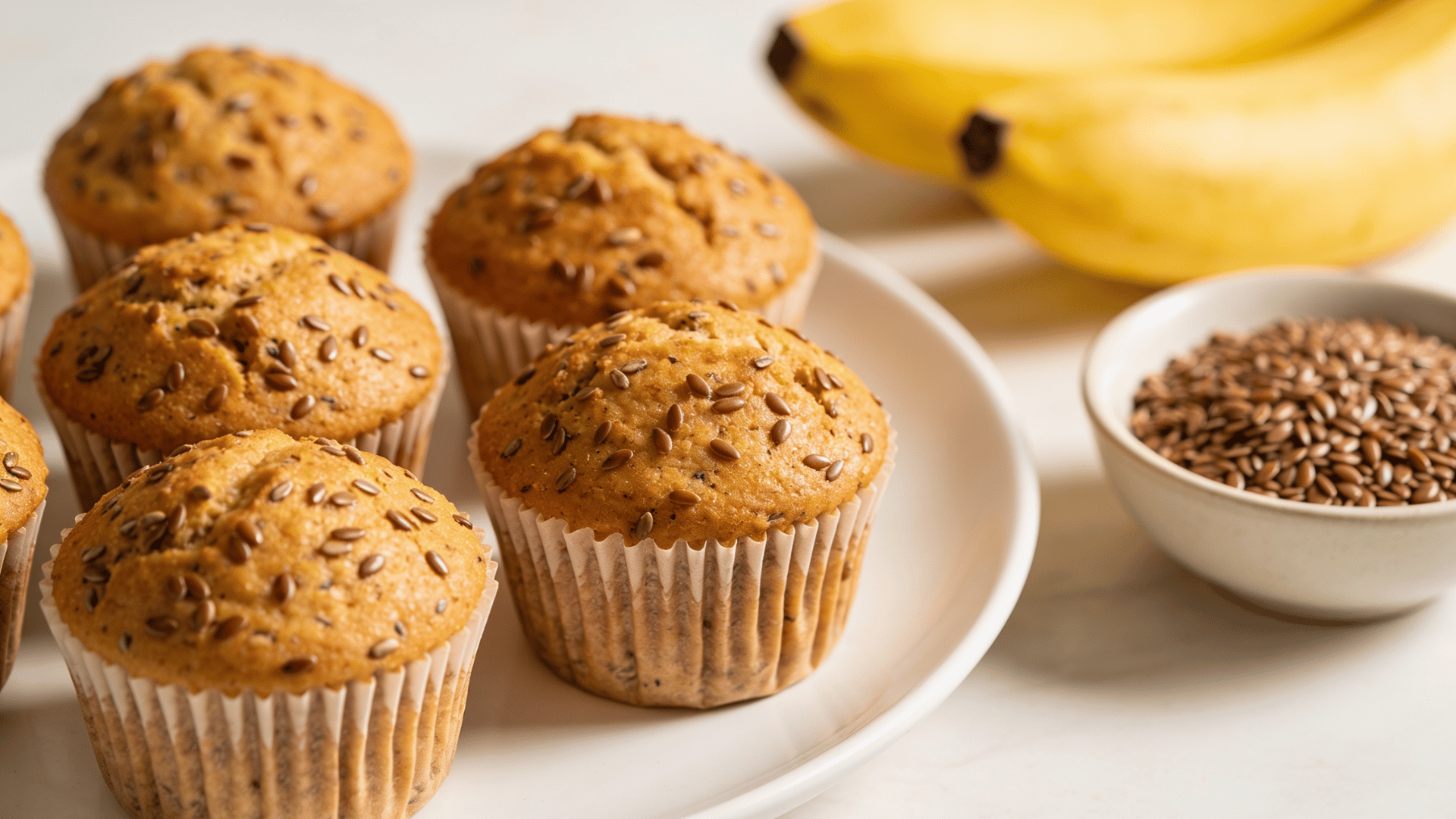
Ground flaxseed blends smoothly into the batter without significantly changing the banana flavor. A small amount mixes in easily while keeping the muffins soft and easy to enjoy.
Since flaxseed absorbs moisture, measure it carefully and avoid adding too much. If the batter feels thicker than usual, a small splash of milk can help restore the consistency.
Making them as mini muffins creates portions that are easy for toddlers to finish. They’re also simple to freeze and reheat whenever you need a homemade snack.
13. Banana Chia Muffins
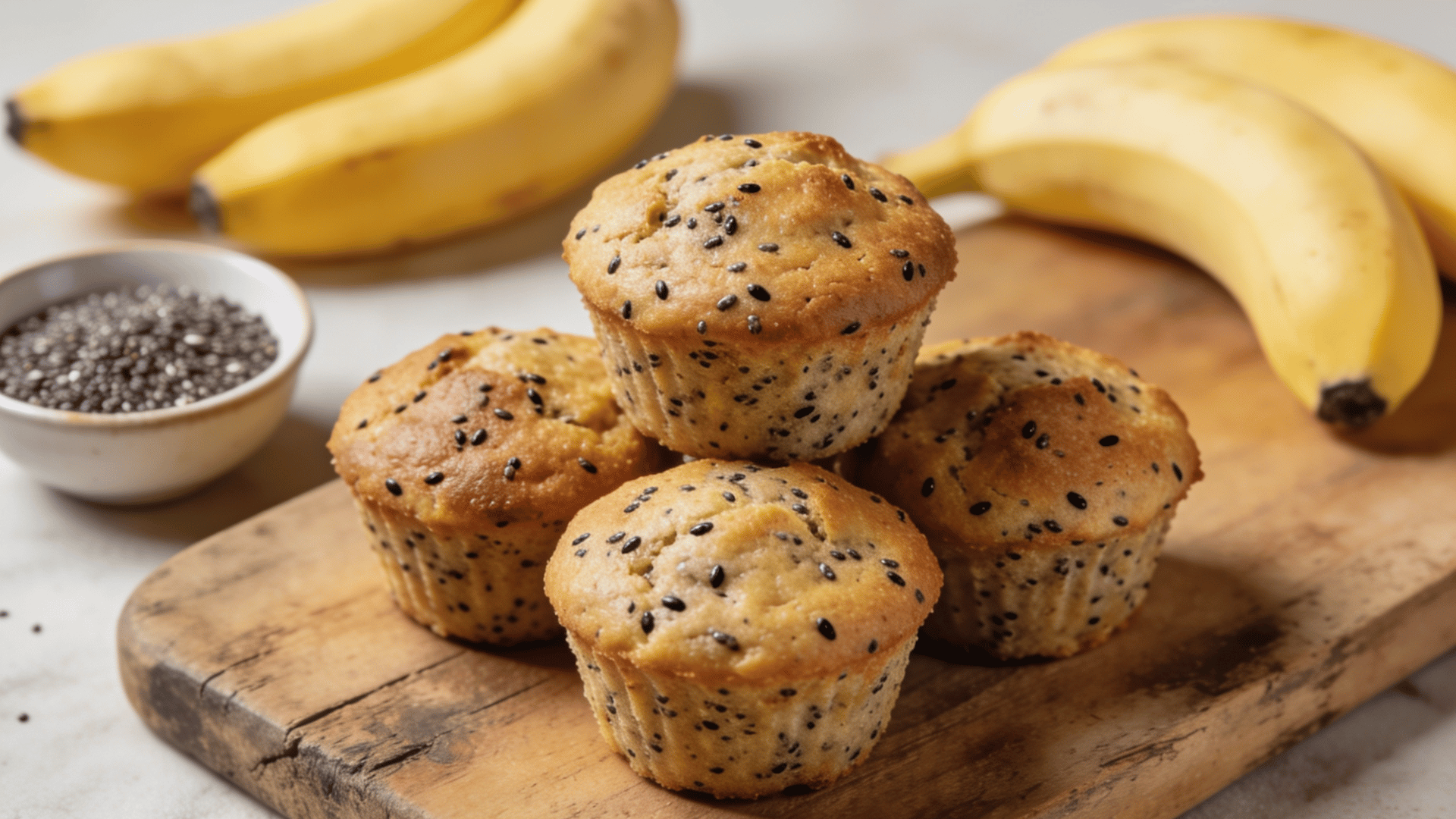
Chia seeds add a light texture while blending easily into banana batter. Letting the batter rest for several minutes before baking allows the seeds to absorb moisture and distribute more evenly.
A small amount of chia seeds is usually enough for the recipe. Too many seeds can make the batter thicker than expected, so it’s best to follow the recipe measurements.
These bite-sized muffins are convenient for practicing self-feeding with less mess. They also fit neatly into snack boxes for daycare, preschool, or family outings.
14. Chocolate Chip Banana Muffins
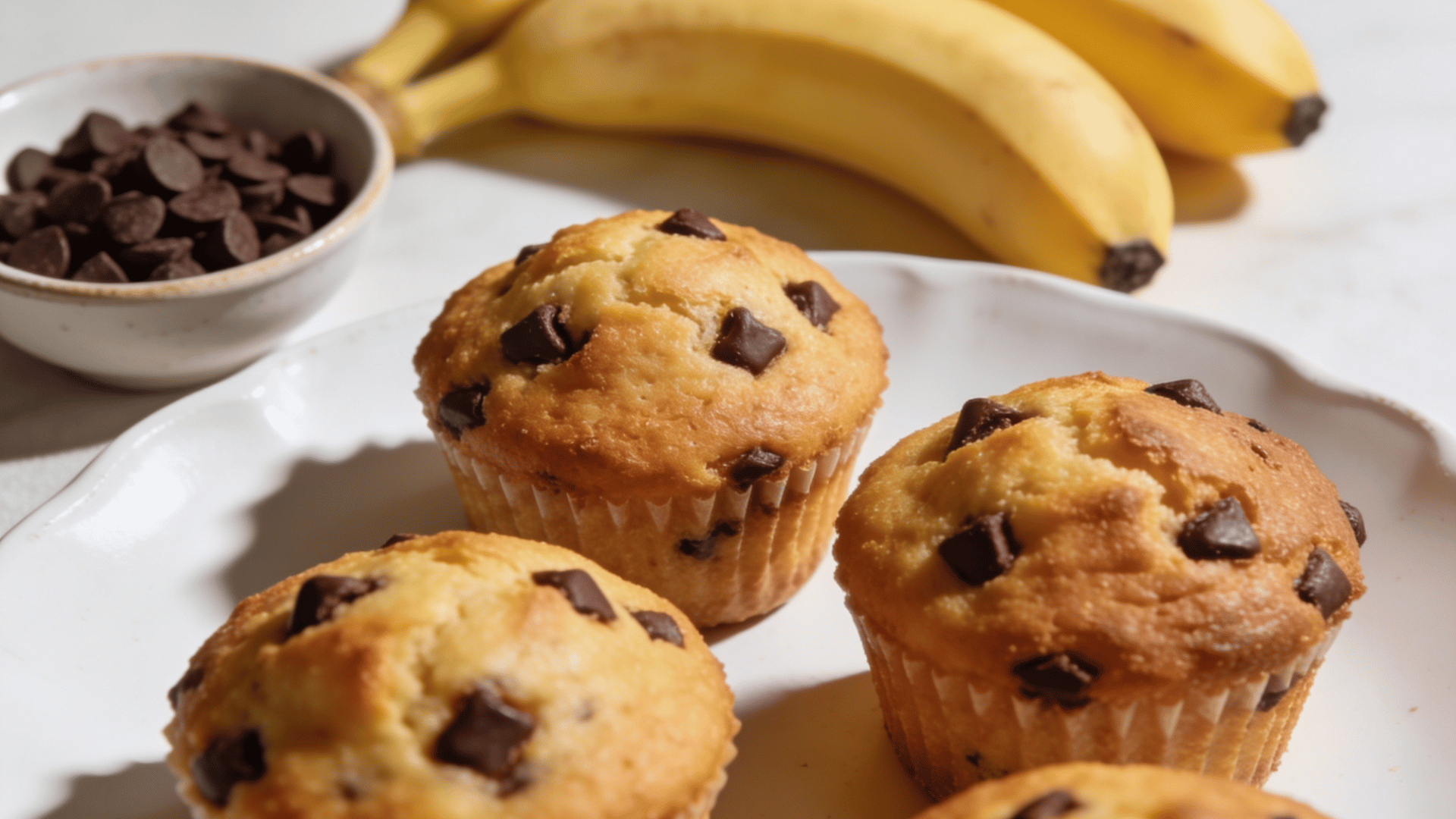
Mini chocolate chips create a sweeter version that older toddlers often enjoy for special occasions. Using mini chips instead of regular-sized ones spreads the chocolate more evenly throughout every muffin.
Keeping the chocolate chips to a moderate amount lets the banana remain the main flavor. You can also combine chocolate chips with oats or whole wheat flour for extra texture.
Mini portions help keep this version suitable as an occasional treat. They’re a fun addition to birthday celebrations, family gatherings, or weekend breakfasts.
15. Egg-Free Banana Muffins
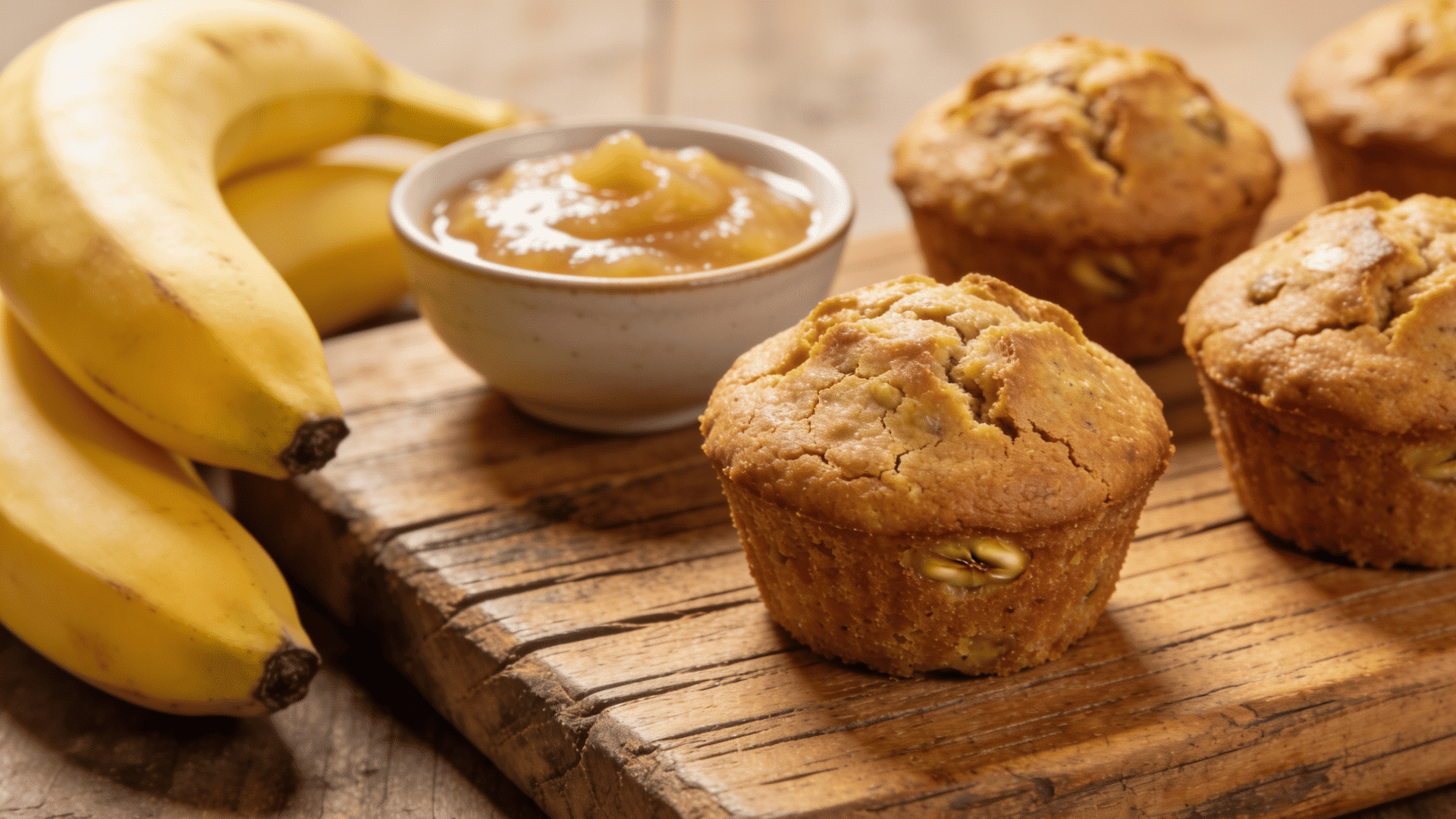
Families avoiding eggs can still make soft mini muffins for toddlers by using unsweetened applesauce, mashed banana, or another baking substitute that works well in muffins. The finished texture stays moist when the batter has enough moisture.
This variation is helpful for children with egg allergies or households following specific dietary preferences. If you’re trying an egg substitute for the first time, make a small batch first to see how the texture turns out before baking a larger batch.
These mini muffins give families with egg-free diets another homemade snack option. Their small size makes serving easy for babies and toddlers while creating portions that are convenient for lunchboxes and freezer meal prep.
How to Serve Mini Banana Muffins for Different Ages
The best way to serve toddler banana muffins depends on your child’s age, eating skills, and appetite.
While thesemini muffins for toddlers are designed for small portions, adjusting the serving size and texture helps make snack time safer and more enjoyable.
Use the table below as a general reference, and always follow your pediatrician’s advice if your child has specific feeding needs or food allergies.
| Age Group | Recommended Serving | Texture & Preparation | What to Serve With | |
|---|---|---|---|---|
| 6–8 Months (if ready for finger foods) | A few small, soft pieces of one mini muffin | Break the muffin into tiny pieces that are easy to pick up and mash with the gums. Avoid large fruit pieces or crunchy mix-ins. | Plain yogurt (if introduced), mashed fruit, or soft fruit slices | |
| 9–12 Months | About ½–1 mini muffin | Serve soft pieces that your baby can comfortably chew. Make sure the muffin is completely cool before serving. | Banana slices, applesauce, or plain yogurt | |
| 1–2 Years | 1–2 mini muffins | Serve whole or cut in half, depending on your toddler’s eating skills. | Fresh berries, cheese cubes, yogurt, or scrambled eggs | |
| 2–3 Years | 2 mini muffins | Most children can enjoy the muffins whole, provided the mix-ins are age-appropriate. | Milk, fruit, cottage cheese, or a boiled egg | |
| 3–5 Years | 2–3 mini muffins | Regular mini muffins are generally easy to handle at this age. | Fresh fruit, yogurt, nut butter (if already introduced safely), or cheese |
Serving Ideas
- Breakfast with scrambled eggs and fresh fruit.
- Morning snack with plain yogurt.
- Lunchbox with berries, cheese cubes, and cucumber slices.
- Afternoon snack after outdoor play.
- Travel snack for road trips, park visits, or family outings.
Tip: Every child develops eating skills at a different pace. If you’re introducing common allergens or have concerns about chewing, swallowing, or portion sizes, consult your pediatrician before serving new foods.
How to Store and Freeze Mini Banana Muffins?
Storing toddler banana muffins the right way helps keep them soft and ready for breakfast or snack time. Sincemini muffins for toddlers are ideal for meal prep, you can make a batch ahead and enjoy them throughout the week.
Let the muffins cool completely before storing them in an airtight container. They can stay at room temperature for up to 2 days or in the refrigerator for up to 5 days.
For the best texture, warm refrigerated muffins for a few seconds before serving and for longer storage, freeze the muffins in a freezer-safe bag or container for up to 3 months. Freeze them in small portions so you can take out only what you need.
Tips for Making Soft and Moist Mini Banana Muffins Every Time
A few simple baking habits can help your toddler’s banana muffins turn out soft, moist, and flavorful every time. Keep these tips in mind when making mini muffins for toddlers.
- Use very ripe bananas – Bananas with plenty of brown spots add natural sweetness and create a softer texture.
- Measure the flour correctly – Spoon the flour into the measuring cup and level it off to avoid adding too much, which can make the muffins dry.
- Mix the batter gently – Stir just until the ingredients are combined. Overmixing can make the muffins dense instead of light and soft.
- Don’t overbake – Check the muffins a few minutes before the recommended baking time. A toothpick should come out clean or with a few moist crumbs.
- Let the muffins cool completely – Cooling before storing helps prevent trapped moisture, keeping the muffins fresh for longer.
- Freeze in small portions – Store mini muffins for toddlers in freezer-safe bags or containers so you can thaw only what you need for breakfast or snack time.
Final Thoughts
These toddler banana muffins show that one simple recipe can be turned into many family-friendly snacks with just a few ingredient changes.
From classic banana muffins to egg-free fruit options, there’s plenty of variety to keep snack time enjoyable.
Finding simple, homemade snacks that fit busy days, similar to many toddler meal ideas, can make everyday planning much easier for parents.
Making mini muffins for toddlers also makes meal prep easier since they’re simple to freeze, pack, and serve in age-appropriate portions.
Choose the variations your child enjoys most, and adjust ingredients or serving sizes to match their age, eating skills, and any guidance from your pediatrician.
Frequently Asked Questions
Can I Use Frozen Bananas?
Yes, thawed frozen bananas work well because they’re easy to mash into the batter.
Can I Bake Mini Banana Muffins without Paper Liners?
Yes, simply grease the mini muffin pan well to help the muffins release easily.
Can I Prepare the Batter Ahead of Time?
It’s best to bake the batter right after mixing for the softest muffins.
Which Mini Muffin Pan Works Best?
A nonstick mini muffin pan helps the muffins bake evenly and release more easily.
Can I Make These Muffins in a Regular Muffin Pan?
Yes, but you’ll need to increase the baking time and check for doneness with a toothpick.